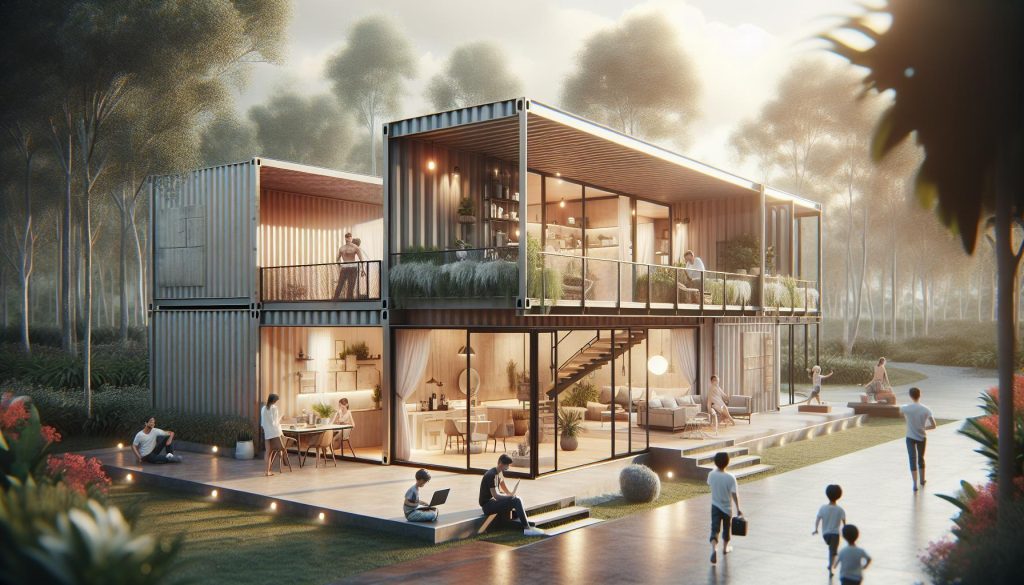
In recent years, container modular homes have surged in popularity, offering a unique blend of industrial chic aesthetics and sustainable living. These innovative structures, often crafted from repurposed shipping containers, transform conventional housing concepts by providing stylish, affordable, and environmentally friendly options for modern homeowners. As urban areas grow and housing prices skyrocket, the appeal of container homes resonates with those seeking practicality without sacrificing design. Whether you’re considering a minimalist lifestyle, eco-friendly building practices, or simply a creative living space, understanding what container modular homes are and their myriad benefits can help you make informed decisions about your housing choices. Join us as we explore the ins and outs of this exciting housing trend that meets both economic and personal desires for unique living solutions.
Understanding Container Modular Homes: An Overview
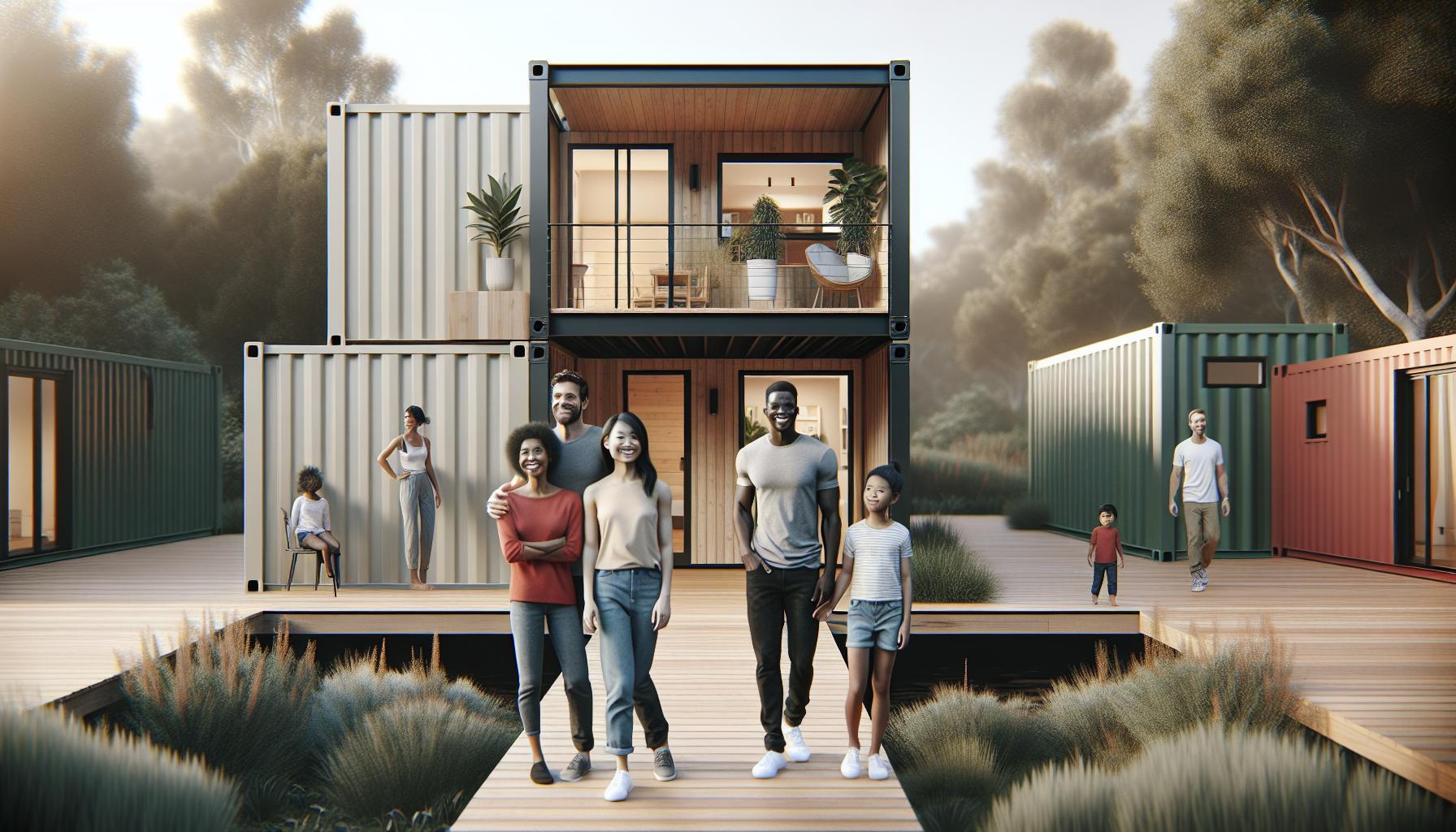
Container modular homes represent a revolutionary shift in modern housing, combining functionality with style in an eco-friendly package. Originally designed for the shipping industry, these steel containers have been repurposed into livable spaces that challenge traditional concepts of home design. They are not only durable and cost-effective but also lend themselves to a unique aesthetic that appeals to minimalist and industrial chic enthusiasts. As this trend matures, potential homeowners are increasingly attracted to the innovative designs and sustainable practices that accompany container living.
When exploring container modular homes, it is essential to recognize their versatility. Containers can be stacked, arranged, and modified to create various layouts, from compact single-family homes to expansive multi-unit dwellings. Their modular nature allows for customization, enabling owners to express their individual styles through creative architecture and interior design. Many homeowners appreciate the opportunity to contribute to sustainable living by utilizing repurposed materials, thus minimizing waste and reducing their carbon footprint.
This housing solution also appeals to those seeking affordability in the real estate market. Container homes generally require less investment than traditional properties, offering a compelling entry point for first-time buyers. Furthermore, they can be constructed in a fraction of the time necessary for conventional build, allowing for quicker habitation. For individuals looking to design their own space, container homes can be a practical choice, combining cost savings with the opportunity to impart personal touches that reflect their lifestyle and values.
In summary, container modular homes emerge as an exciting alternative housing option filled with potential for creativity and sustainability. As this movement grows, it signifies a broader acceptance of alternative living solutions, inspiring a new generation of homeowners to consider the impact of their choices on the environment and their community. With a blend of innovation, practicality, and personal expression, container homes are poised to carve out a unique niche in the future of housing.
The Aesthetic Appeal of Industrial Chic Design
Living in a container home offers a striking aesthetic that resonates deeply with the principles of industrial chic design. The raw, rugged nature of steel containers-combined with their unique shapes and customizable layouts-creates a visually compelling environment that appeals to those seeking a modern, minimalist lifestyle. This design ethos celebrates the beauty of raw, unfinished materials, typically associated with urban warehouses and factories, allowing homeowners to create enchanting spaces filled with character.
The industrial chic style thrives on an open-concept layout, often maximizing natural light and space. Large windows, high ceilings, and open interiors are common characteristics that elevate container homes from mere functional structures to artistic expressions. The choice of furniture and decor plays a significant role in reinforcing this aesthetic; reclaimed wood, metal furnishings, and vintage finds complement the industrial backdrop and enhance the overall ambiance. Furthermore, homeowners can personalize their spaces with color palettes that range from muted tones to bold statement hues, ensuring each home reflects the owner’s unique taste.
One of the unique aspects of container modular homes is their versatility in design. Owners can easily modify or combine multiple containers to create diverse architectural styles, from contemporary to rustic. This opens up endless possibilities for creative design-from rooftop gardens to outdoor patios-making container living not only an expression of style but also a canvas for innovative solutions. Those looking to embrace this aesthetic can also explore various interior design concepts, integrating elements like exposed ductwork, wooden accents, and warehouse-style lighting to further enhance that chic, industrial vibe.
Ultimately, in container homes lies in its ability to blend aesthetics with function, embodying a lifestyle that is both stylish and practical. The result is a home that stands out in the traditional housing landscape, challenging conventions while offering a unique opportunity for self-expression. By thoughtfully curating one’s design elements, container homeowners can create spaces that feel both personal and inviting, reflecting the exciting possibilities of modern dwelling.
Key Benefits of Living in Container Homes
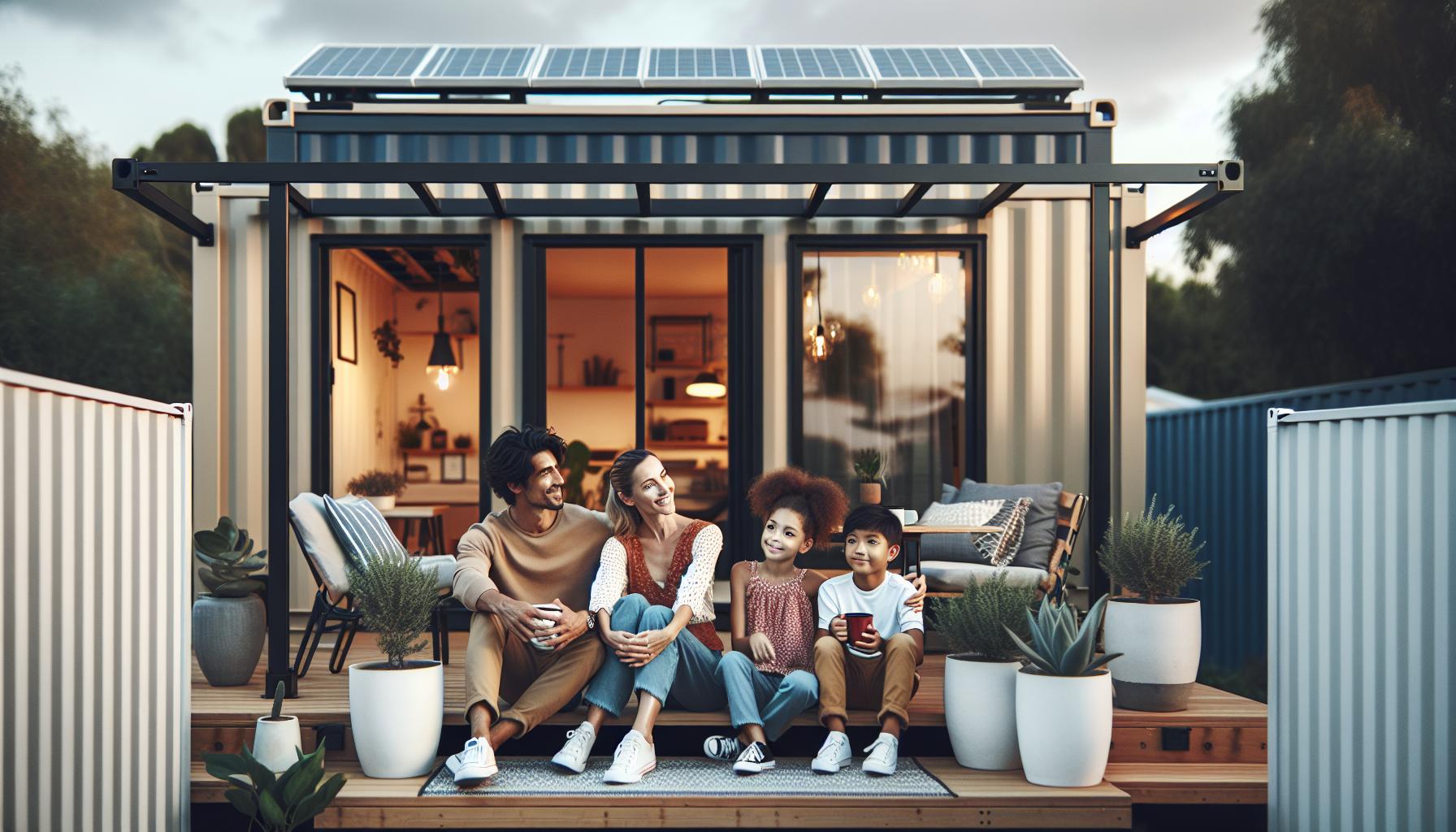
Living in container homes presents a compelling array of benefits that attract an ever-growing number of homeowners. As urban landscapes evolve, more individuals are seeking sustainable and innovative lifestyle choices that offer both flexibility and affordability. Container homes are not just a trend; they embody a transformative approach to modern living, providing solutions to some of today’s pressing housing challenges.
One of the primary advantages of container modular homes is their cost-effectiveness. Constructing a home from shipping containers can significantly reduce building costs when compared to traditional construction methods. With a lower material cost and the ability to repurpose existing containers, prospective buyers can save money that can be redirected toward design and customization. Furthermore, the speed of construction is notable; container homes can often be built and ready for occupancy in a fraction of the time it takes to erect a conventional house.
Additionally, container homes are highly versatile in design. Homeowners can cluster multiple containers together or stack them for multilevel living spaces, allowing for innovative floor plans tailored to individual needs and preferences. This structural flexibility supports a myriad of architectural styles, from minimalist designs to ornate configurations, enabling homeowners to express their personal aesthetic while maximizing usable space. The durability of containers also contributes to their appeal. Built to withstand harsh marine conditions, they are remarkably resistant to pests and extreme weather, making them a long-lasting investment.
Another significant benefit is their environmental impact. Utilizing recycled materials for housing helps reduce waste and encourages a sustainable lifestyle. Many container homes also incorporate energy-efficient features, such as solar panels and rainwater harvesting systems, further promoting eco-friendly living. For those keen on sustainability, these homes can be an extension of their values, providing a lifestyle where modern amenities coexist harmoniously with nature.
In summary, container homes represent not just a housing solution but a lifestyle choice that integrates affordability, versatility, and sustainability. Whether you are an individual seeking a unique abode or a family looking for practical living solutions, the advantages offered by container homes can align with a variety of living needs and preferences, presenting an opportunity to redefine conventional residential living.
Essential Features of Container Modular Homes
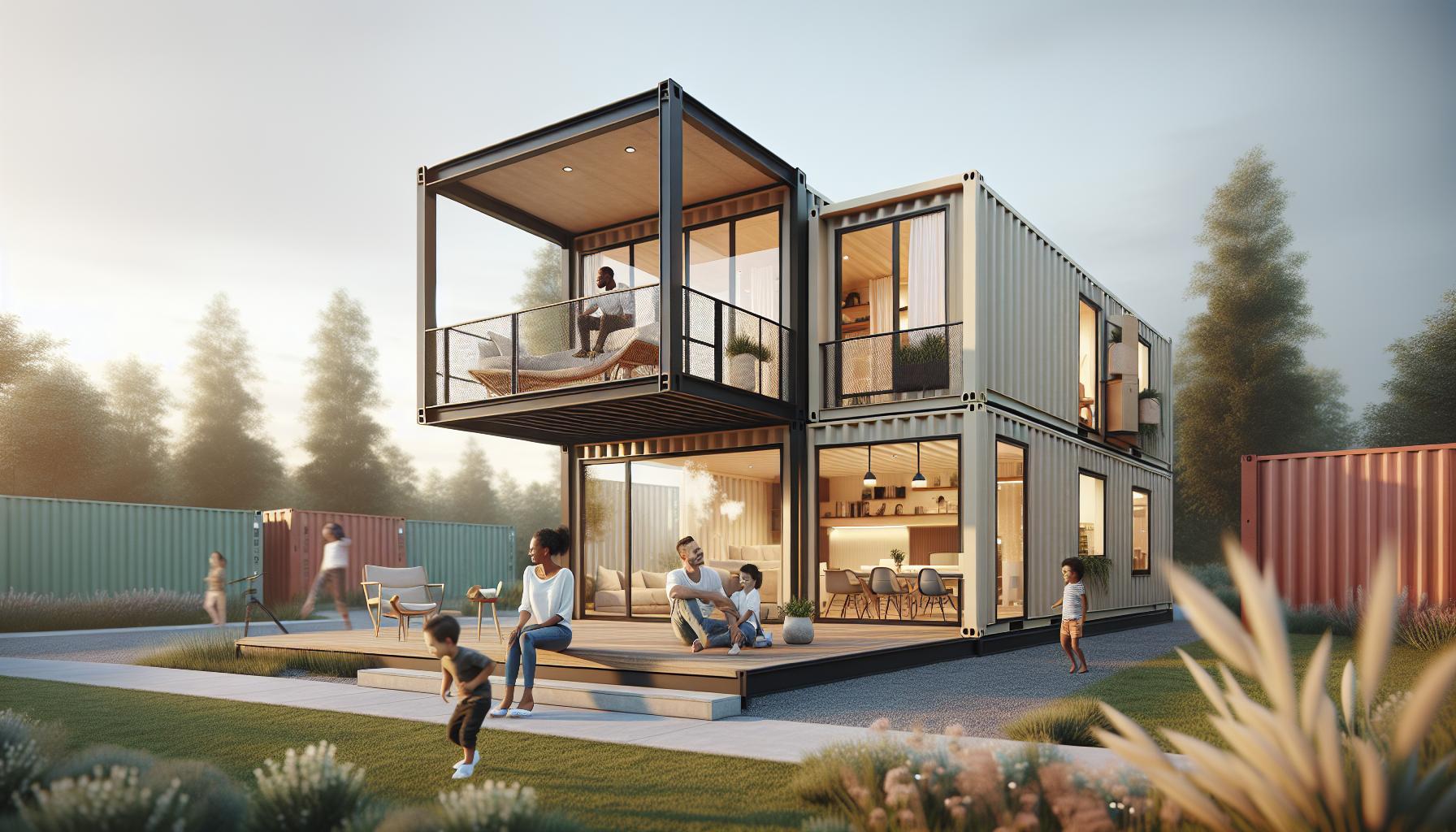
Container modular homes offer a unique blend of practicality and style, making them an increasingly popular choice for modern living. These homes are designed not only for efficiency but also to provide a distinctive aesthetic that captivates those who appreciate the beauty of industrial chic design. The core features that define container homes enhance their livability while reflecting a commitment to sustainability and innovation.
One of the standout characteristics of container modular homes is their structural integrity. Shipping containers are built to endure harsh marine environments, making them exceptionally resilient to extreme weather conditions, pests, and decay. This durability translates into lower long-term maintenance costs and the assurance that your home will withstand time and nature’s trials. Furthermore, containers can be stacked or aligned in various configurations, producing multi-level homes that optimize space creatively and stylishly.
Another essential feature is energy efficiency. Many container homes are designed with sustainability in mind, incorporating renewable energy solutions like solar panels and high-quality insulation. This not only reduces ongoing energy costs but also minimizes the environmental footprint of the home. The addition of features like rainwater harvesting systems and energy-efficient appliances further promotes sustainable living, appealing to eco-conscious homeowners looking to reduce reliance on non-renewable resources.
Customization options are also a significant advantage. Container modular homes can be tailored to meet the specific needs and tastes of their owners. From choosing the layout to selecting interior materials, potential homeowners have the freedom to create spaces that reflect their personal style. Interiors can be designed with an industrial aesthetic, utilizing exposed metal and wood accents, or adorned with more contemporary finishes. This customization allows for a unique living experience that traditional homes may not offer.
In terms of utility, container homes can be outfitted with modern conveniences, including plumbing, electrical systems, and appliances, transforming them into fully functional residences. Many manufacturers provide step-by-step guidance for setup, ensuring that fundamental services like leveling, anchoring, and connecting utilities are straightforward for the homeowner.
In summary, container modular homes encapsulate versatility, sustainability, and resilience, making them a distinctive option in the housing market. With their robust features and design possibilities, they offer a compelling choice for anyone considering a simplified yet stylish living arrangement. Embracing this form of architecture not only addresses housing needs but aligns with a progressive vision for sustainable living, appealing to a wide range of buyers from investors to families seeking innovative solutions.
Cost Comparison: Traditional Homes vs. Container Homes
The financial implications of choosing container modular homes over traditional housing options can significantly influence a buyer’s decision-making process. Generally considered a cost-effective alternative, container homes often come with a lower upfront investment compared to conventional houses, yet this comparison requires a comprehensive examination of various factors.
Initially, the average cost of a shipping container home can range from $10,000 to $50,000, largely dependent on design complexity, location, and additional features. In contrast, traditional homes usually start around $100,000, with some prices rising dramatically based on local real estate markets. This stark difference makes container homes an appealing choice for budget-conscious individuals or families. However, it is vital to recognize that while the base price may be lower, significant expenditures can accumulate through sourcing land, utilities setup, and custom modifications.
Long-Term Costs
When analyzing long-term ownership costs, container homes often shine due to their durability and energy efficiency. With an inherent ability to withstand extreme environments (thanks to their construction from high-grade steel), owners may incur lower maintenance and repair costs over time. Moreover, many container homes incorporate sustainable features, such as solar panels and efficient insulation, that reduce energy bills – an attractive prospect for those looking to decrease utility expenses.
Conversely, traditional homes may have higher ongoing costs related to maintenance, insurance, and property taxes. These expenses can fluctuate based on property size, age, and local regulations. A robust comparison will reveal that while traditional homes might offer more space and established neighborhoods, container homes can offset these factors with their lower environmental impact and reduced energy expenditures.
Financing Considerations
Financing a container home may differ from traditional mortgages, as lenders often require specialized loans, which could come with higher interest rates or stricter terms. Understanding the financing landscape is crucial; prospective buyers should explore options such as personal loans, construction loans, or even cash purchases if they can afford it. Traditional homes typically have more established financing paths, with a plethora of mortgage products available that cater to various buyer profiles.
Ultimately, while container modular homes present a compelling alternative to traditional residences both financially and aesthetically, potential buyers must conduct thorough research and consider how their choice aligns with their lifestyle, financial situation, and environmental goals. Consistent evaluation of costs, financing options, and long-term implications will ensure that the right decision is made, paving the way for a fulfilling living experience.
Step-by-Step Guide to Building Container Homes
Starting your journey into the world of container homes can feel like stepping into a new era of innovative living. With their modern aesthetic, sustainability benefits, and cost-effectiveness, container modular homes offer a unique alternative to traditional housing. Here’s a practical guide to help you navigate the exciting process of building your very own container home.
The first step is to choose the right shipping container. Containers come in various sizes, typically 20 or 40 feet long, and different conditions, ranging from new to cargo-worthy. Your choice will largely depend on your space requirements, budget, and design vision. Once you’ve selected a container, ensure it meets local regulations and codes, which may require permits or inspections.
Next, it’s essential to design your layout. This stage involves planning where the kitchen, bathroom, and living spaces will be located. Various software applications can assist in visualizing the design. Consider factors such as natural light, ventilation, and outdoor connections. If you’re unsure, consulting with an architect who specializes in container homes can provide advanced insights and innovative ideas.
Once your design is complete, the next phase is site preparation. This involves clearing and leveling the land where you plan to place your container home. A solid foundation is crucial for stability. Options include concrete piers, a gravel pad, or a full concrete slab. Ensure that the site is accessible for transporting the container and for future utility connections.
With the site prepared, it’s time for delivery and installation. This step can be straightforward with the right planning. Hire a professional to deliver and position the container accurately to avoid any damage and ensure it is level. After the container is installed, you can begin modifying and outfitting the interior. This may include cutting out windows and doors, insulating the walls, and running plumbing and electrical systems. Adequate insulation is essential, especially for temperature control and energy efficiency.
Lastly, final touches are key to creating a livable space. You can add plumbing, electrical systems, and interior finishes to create a homey feel. Choose a color palette and decor that reflects your style. Sustainable features, such as solar panels and rainwater collection systems, can enhance the ecological aspect of your home and reduce long-term costs.
Building a container home is a rewarding venture that combines creativity, practicality, and sustainability. By following these steps, you can transform a simple shipping container into a comfortable and stylish living space, showcasing the best of industrial chic design.
Financing Options for Container Home Buyers
Navigating the financing landscape for container homes can feel daunting, especially for first-time buyers. Fortunately, these innovative living spaces bring unique financing opportunities. Since container homes are often more affordable than traditional houses, they attract a range of financing options tailored to different buyer situations.
One common approach for financing a container home is through personal loans. This option is particularly beneficial for those whose credit scores enable them to secure favorable loan terms. Personal loans typically offer flexibility in terms and can cover initial purchase costs as well as renovations. However, it’s crucial to compare interest rates from various lenders to ensure you obtain the best deal.
Another route is through mortgages, which might be available specifically designed for manufactured homes or alternative housing types. Some lenders are becoming increasingly open to financing container homes, especially if they are classified as permanent structures on a foundation. Be prepared to provide thorough documentation about the home’s build quality and compliance with local housing codes, as this will enhance your chances of securing favorable financing.
Consider exploring government-backed loans, such as those from the FHA (Federal Housing Administration). These loans can sometimes apply to manufactured or modular homes and may allow for lower down payments and interest rates. Always check local and state regulations, as they can influence eligibility for these types of loans.
For many buyers, crowdfunding is also an emerging option. Platforms like GoFundMe allow individuals to share their home-building journey and solicit financial help from friends and family. This approach not only helps in financing but also fosters a supportive community around your housing initiative.
Lastly, partnerships with investors might be the way forward for those looking at container homes as a rental or investment opportunity. Aligning with an investor can provide the necessary capital for purchase while sharing future profits. As you consider these various options, it’s advantageous to consult with financial advisers experienced in non-traditional housing to tailor a strategy that aligns with your financial situation and goals.
Regulations and Legal Considerations for Container Homes
Navigating the world of container homes necessitates a solid understanding of the regulations and legal considerations that govern their use. The acceptance of shipping containers as viable living spaces varies widely by location, primarily influenced by zoning laws, building codes, and local regulations. Many municipalities may not have specific codes for container homes, which can lead to ambiguity. Therefore, prospective owners should conduct thorough research into their local ordinances.
Before embarking on the process of building or converting a shipping container into a home, it is critical to verify if the land where you plan to place the container complies with zoning requirements. Zoning laws dictate the types of structures permitted in an area, including residential, commercial, or mixed-use. In certain regions, the installation of container homes may be restricted or altogether disallowed, so understanding these laws is paramount. Furthermore, some areas may require containers to be classified as permanent structures, necessitating a foundation or specific anchoring systems that comply with local building codes.
Once zoning evaluations are clear, attention should shift to building permits. These are often required for any construction project, regardless of the materials used. A building permit ensures that the structure adheres to safety standards and includes considerations for plumbing, electrical wiring, and HVAC systems, which are crucial for ensuring the home’s functionality and safety. Engaging with a local architect or builder knowledgeable in container construction can facilitate this process, often easing what can be a complex permitting journey.
Additionally, inspections are a vital part of the regulatory framework. Following local guidelines, a series of inspections may be required during the construction phase to verify compliance with safety codes. Failing to secure the necessary inspections could jeopardize the legality and safety of the container home. Hence, keeping abreast of the inspection schedules and ensuring that each phase of construction is documented and approved will help alleviate future complications.
Lastly, it is wise to consider insurance implications specific to container homes. Since this type of housing is relatively non-traditional, insurance providers may have varied policies or conditions. Homeowners should diligently research and compare options, ensuring that their container home is protected against common risks like fire, theft, and natural disasters. Consulting with a specialized insurer who understands the intricacies of container living can provide peace of mind as you transform a shipping container into your innovative dwelling.
Sustainable Living: Environmental Impact of Container Homes
Choosing to live in a container home is not only a stylistic decision but also an environmentally conscious one. Container modular homes recycle industrial shipping containers that would otherwise become waste, transforming them into unique and functional living spaces. This reuse significantly reduces the demand for new materials, leading to a lower carbon footprint associated with traditional construction methodologies. By opting for container homes, individuals can engage in sustainable living practices that align closely with the principles of minimalism and environmental stewardship.
One of the standout benefits of container homes is their efficient use of resources. Unlike conventional homes, which often require extensive materials for customization and finishing, container homes leverage the structural integrity inherent in their original design. The metal framework provides a durable and strong foundation, minimizing the need for additional materials and reducing waste. Furthermore, many builders incorporate sustainable features such as solar panels, rainwater harvesting systems, and energy-efficient appliances, enhancing the eco-friendliness of the living space. This approach not only conserves resources but also promotes a self-sufficient lifestyle.
Environmental Consequences of Container Home Living
The overall environmental impact of container housing extends beyond mere material reuse. These homes inherently consume less energy in terms of heating and cooling compared to larger traditional homes, especially when designed with energy efficiency in mind. Fewer square footage and creative insulation solutions contribute to reduced energy costs, making them an economically wise choice for the eco-conscious buyer. Additionally, many container homes can be built off-grid, utilizing renewable energy sources and minimizing reliance on local utility infrastructure.
Moreover, container homes encourage thoughtful urban development. By utilizing existing industrial sites or underdeveloped areas, they help decrease urban sprawl and preserve natural landscapes. This approach not only revitalizes neglected spaces but also enhances community engagement by offering housing solutions where the demand is highest. As more people recognize the value of container homes, their role in facilitating sustainable living and modern, efficient housing becomes increasingly evident, showcasing both their adaptability and their potential to contribute positively to environmental and social ecosystems.
In conclusion, embracing container modular homes allows for a lifestyle that aligns with contemporary environmental values while providing a unique living experience. With innovative designs and sustainable practices, these homes illustrate how modern living can harmonize with nature and foster community resilience. Whether as a primary residence, a vacation retreat, or an investment property, container homes provide a practical, effective, and environmentally responsible option for housing in today’s world.
Essential Maintenance Tips for Container Homes
Living in a container home can be an incredibly rewarding experience, offering a unique blend of sustainability, efficiency, and modern design. However, like any home, they require regular maintenance to ensure longevity and comfort. Addressing maintenance needs promptly can prevent minor concerns from escalating into significant issues. Here are essential maintenance tips to help keep your container home in peak condition.
To start, inspect the exterior regularly. The metal structure of a shipping container can be prone to corrosion if not properly maintained. Check for rust spots, especially in areas where the paint may have chipped or worn away. Applying a rust-proof paint can protect the container from moisture damage and enhance its aesthetic appeal. Additionally, ensure that the seams and welds are intact; these areas are crucial for maintaining the structure’s integrity. If you notice any signs of wear, re-sealing with a high-quality silicone or polyurethane sealant can help mitigate potential leaks.
Next, pay attention to insulation and ventilation. Proper insulation can significantly affect energy efficiency, which is especially important in extreme weather conditions. Check insulation materials for any signs of moisture or damage, and replace them as needed. Similarly, ensure that ventilation systems are functional to prevent condensation buildup that could lead to mold and mildew growth. Consider installing energy-efficient windows or using window treatments that help regulate indoor temperature, thus enhancing comfort.
Routine Interior Maintenance
Inside your container home, regular cleaning and maintenance of systems (like plumbing and electrical) are crucial. Schedule periodic checks of plumbing fixtures to prevent leaks. Inspect water lines, drains, and heating systems, and deal with any signs of leaks immediately. Cleaning and unblocking drains can avert more significant plumbing disasters down the line. For electrical systems, ensure that outlets and fixtures are functioning correctly, and consider hiring a professional for annual checks to guarantee safety and compliance with local codes.
Don’t forget about the outdoor surroundings of your container home. Regular landscaping and debris removal not only enhance curb appeal but also maintain the structural health of the container. Clear gutters and downspouts of debris to prevent water accumulation, which can lead to rust and other deterioration. Consider planting native vegetation around the container to promote biodiversity, which contributes positively to your environment.
In summary, maintaining a container home combines vigilance and preventive measures. With attention to the exterior, insulation and ventilation systems, plumbing and electrical checks, and outdoor surroundings, you can enjoy the aesthetic and practical benefits of your industrial chic living space for many years to come.
Innovative Interior Design Ideas for Container Homes
With the rising popularity of container homes, innovative interior design ideas can transform these steel boxes into stylish living spaces that reflect personal taste while maximizing function. One captivating approach is to embrace the industrial chic aesthetic that is core to container living. This design style pairs raw materials and modern elements, making it ideal for creating a unique atmosphere.
Utilizing Open Space Effectively
Container homes often feature constrained dimensions, which makes open floor plans an ingenious choice. By minimizing internal walls, you can create a seamless flow between living, dining, and kitchen areas. Consider using sliding barn doors to separate spaces when needed, allowing for versatility that doesn’t compromise on openness. Adding mirrors to key areas can also help enhance natural light and give the illusion of a larger space.
Highlighting Structural Features
One of the standout features of container homes is their distinctive structure, which can be aesthetically appealing when highlighted effectively. Metal beams, exposed plumbing, and ductwork can serve as design elements rather than being hidden. Paint these features in contrasting colors, or leave them in their natural state to enhance the industrial vibe. Combine this with warm wooden accents-such as reclaimed wood cabinetry or furniture-to soften the space and create a welcoming atmosphere.
Incorporating Multifunctional Furniture
In compact container homes, furniture that serves multiple purposes can be a game changer. Look for items like sofa beds, folding tables, or benches with storage beneath. These pieces not only save space but also keep the area organized. Consider a rolling island in the kitchen, which can serve as extra counter space and be moved when not in use. This flexibility is especially crucial in small living quarters where maximizing utility is essential.
Emphasizing Natural Elements
Integrating nature into the interior can soften the industrial look and improve overall well-being. Use indoor plants strategically to add life and color; choose easy-to-care-for varieties like succulents or snake plants that adapt well to various lighting conditions. Adding materials like natural stone in countertops or tile backsplashes further blends the outdoors with indoor living, producing a calming environment.
Lighting as a Design Element
Proper lighting can elevate the design of container homes significantly. Opt for statement lighting fixtures, such as pendant lights or industrial-style chandeliers that attract attention while serving functional purposes. Layering light sources-ambient, task, and accent-creates depth in the space and allows for versatility in setting the mood. Incorporate large windows or skylights to maximize natural light during the day, effectively reducing the reliance on artificial lighting.
Implementing these innovative design ideas can make container homes not only aesthetically pleasing but also functionally effective. The key lies in balancing the rugged charm of industrial design with elements of warmth and comfort, making container living a genuinely attractive and practical option for modern homeowners.
Real-Life Success Stories: Container Home Transformations
Across the globe, innovative individuals and families have transformed shipping containers into stunning homes that embrace style, functionality, and sustainability. These transformations often reflect the transformative power of creative thinking and design in converting utilitarian structures into inviting living spaces.
One remarkable example is a couple in Texas who turned a series of shipping containers into a modern family abode. By stacking and arranging multiple containers, they created a multi-level design that maximizes both space and natural light. Large windows were added to enhance views and airflow, while the interior was designed with an open floor plan that promotes a seamless flow and social interaction. The use of industrial elements, like exposed steel beams and reclaimed wood accents, perfectly embodies the industrial chic aesthetic, demonstrating how container homes can align with contemporary tastes and lifestyles.
Another inspiring story comes from a family in Oregon that sought an affordable housing option without sacrificing their desire for an eco-friendly lifestyle. They purchased used containers and meticulously refurbished them into a bright, airy single-family home. The owners focused on sustainable materials, incorporating solar panels and efficient insulation to minimize their ecological footprint. Inside, the design incorporates space-saving techniques, such as multifunctional furniture and clever storage solutions, showcasing that container homes can be both beautiful and practical.
These success stories not only highlight the incredible potential of container homes but also inspire those considering this unique housing option. As you embark on your journey to create a container home, remember that imagination and willingness to experiment will yield rewarding results. From architect-designed masterpieces to DIY projects, the world of container homes offers vast opportunities for personal expression, environmental consciousness, and community living. Embrace the journey and consider how you might transform a shipping container into your perfect haven.
Frequently Asked Questions
Q: What are the main features of container modular homes?
A: Container modular homes typically include excellent insulation, durability from steel construction, and customizable layouts. They often feature open floor plans, large windows for natural light, and the ability to stack or combine multiple units, providing flexibility in design and use.
Q: How do container homes contribute to sustainable living?
A: Container homes promote sustainability by repurposing shipping containers, reducing construction waste, and often utilizing eco-friendly materials and energy-efficient systems. They can also be designed to include solar panels and rainwater harvesting systems, further minimizing environmental impact.
Q: What are the cost factors involved in building container modular homes?
A: The cost of building container modular homes encompasses container purchase, land acquisition, foundation construction, insulation, and interior finishing. Additional costs include plumbing, electrical systems, permits, and utility connections. Budgeting should consider both upfront expenses and long-term maintenance.
Q: Are there any unique challenges to living in container homes?
A: Living in container homes poses challenges such as zoning regulations, potential insulation issues, and limited space. Homeowners may also face challenges with humidity control, securing building permits, and ensuring proper ventilation. Understanding these factors is essential before making a purchase.
Q: Can container homes be customized to fit individual needs?
A: Yes, container homes can be highly customized, allowing for different layouts, sizes, and finishes to suit individual lifestyles. Owners can choose amenities, color schemes, and even modifications like adding extra windows or creating multi-story designs, reflecting personal taste and functionality.
Q: How long do container homes typically last?
A: Container homes are built to last for several decades, thanks to their sturdy steel construction. With proper maintenance, including regular inspections for rust and leaks, they can offer a durable housing solution that rivals traditional homes in longevity.
Q: What financing options are available for container home buyers?
A: Financing for container homes generally includes standard mortgage options, personal loans, and in some cases, specialized loans for unique structures. Homebuyers should explore options like FHA loans or construction loans and consider speaking with lenders experienced in alternative housing financing.
Q: How do you maintain a container modular home?
A: Maintaining a container modular home involves regular checks for rust, ensuring proper insulation, and servicing plumbing and electrical systems. It’s essential to inspect for leaks, clear drainage areas, and manage landscaping to prevent water pooling around the foundation, promoting longevity and comfort.
In Retrospect
Container modular homes offer a unique blend of style, sustainability, and functionality, making them an attractive housing option. As you explore this innovative living choice, remember that embracing this lifestyle not only enhances your aesthetic appeal but also contributes to a more eco-friendly future. If you’re ready to take the next step, consider diving deeper into topics such as financing options for container homes or tips on customizing your design to reflect your personality.
Don’t miss out on the opportunity to engage with our community-share your thoughts in the comments below, and explore our resources on container home maintenance and setup. By continuing your journey with us, you’ll gain valuable insights that empower you to make informed decisions in your container living adventure. Start your exploration today and transform your concept of home!