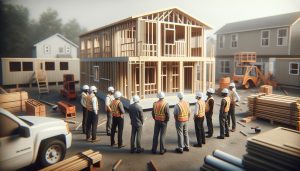
When considering a modular home, understanding the inspection requirements is crucial for ensuring safety, quality, and long-term value. Did you know that proper inspections can help identify potential issues before they become costly repairs? Whether you’re a prospective buyer, current resident, or property investor, knowing what checkpoints to monitor during inspections can significantly impact your peace of mind and investment potential. From checking foundational integrity to ensuring utility lines are properly connected, each step plays a vital role in the home-buying process. Dive into the essentials of modular home inspections and empower yourself with the knowledge needed to navigate this specialized housing market confidently. Discover how to safeguard your investment and elevate your living experience in a rapidly growing segment of real estate.
What Are Modular Homes: A Quick Overview
Modular homes represent a fascinating segment of the housing market, blending innovative construction techniques with the appeal of traditional homeownership. Unlike site-built homes, which are constructed entirely on the property lot, modular homes are built in sections within a factory setting. These sections, or modules, are then transported to the site and assembled, allowing for greater customization and reduced construction time. This approach not only streamlines the building process but also tends to be more environmentally friendly, as it minimizes waste and uses sustainable materials.
Understanding modular homes is essential for current residents and prospective buyers alike. They provide an affordable alternative to conventional housing options, often at a lower price per square foot. Additionally, modular homes can be designed to comply with local building codes and standards, ensuring safety and durability. Their customizable nature means that buyers can select features and layouts that best suit their lifestyle. Moreover, as the market for modular homes expands, so does the recognition of their aesthetic appeal and structural integrity, making them a legitimate choice for a wide array of homebuyers.
When navigating the modular home marketplace, it is crucial to prioritize quality checks and inspections. Before purchasing, homeowners should ensure that the home has passed all necessary inspections during construction and after setup. Such inspections typically cover a range of aspects, including structural soundness and compliance with safety codes. By understanding what modular homes entail and being vigilant about inspections, prospective buyers can make informed decisions that promote long-term satisfaction and safety in their living environments.
Understanding the Importance of Home Inspections
Ensuring the safety and integrity of a modular home begins with thorough inspections at various stages of construction and setup. These inspections are not merely a requirement; they are a vital part of the homeownership journey that provides peace of mind and promotes long-term satisfaction. Given that modular homes are constructed in sections and transported to the site, certain elements may require scrutiny that differs from traditional stick-built homes. It’s essential to conduct comprehensive assessments to ensure every module adheres to local building codes and standards, safeguarding both the structure and its occupants.
During the inspection process, various aspects, such as structural integrity, safety standards, and compliance with relevant regulations, are closely examined. These routine inspections can cover several critical checkpoints, including but not limited to:
- Foundation Inspection: Proper foundation support is crucial for modular homes. Inspectors ensure that the foundation is level, stable, and built to handle the weight of the home.
- Structural Soundness: The modular sections are examined for any signs of damage during transportation and assembly, ensuring they meet all design and engineering specifications.
- Systems Inspection: This includes checking electrical, plumbing, and HVAC systems for proper installation, safety, and operational compliance.
Every stage of the process helps protect against future issues, ensuring your home remains a safe and welcoming space. By understanding and engaging fully in the inspection process, buyers not only safeguard their investment but also foster a more enjoyable living experience in their modular homes. This commitment to quality is a cornerstone of responsible homeownership and a definitive step towards creating a secure and functional living environment.
Key Inspection Requirements for Modular Homes
While modular homes offer numerous benefits, including affordability and flexibility in design, knowing the key inspection requirements is essential to ensure safety and longevity. When purchasing a modular home, understanding these requirements helps buyers make informed decisions and promotes a positive living experience. Here’s an overview of the crucial aspects that inspectors review during the inspection process.
A Foundation Inspection is one of the first checks to ensure that the home sits securely on a proper foundation. Inspectors verify that the foundation is correctly constructed, level, and capable of supporting the weight of the modular home. This step is vital, as an improperly installed foundation can lead to structural issues over time.
The Structural Soundness of each modular section is also critically assessed. Since modular homes are built in sections in a factory and then transported to the site, inspectors look for any damage sustained during transportation and assembly. They ensure that all sections align correctly and that all joints and connections meet engineering specifications.
Finally, the inspection of Systems within the home is paramount. Home inspectors examine the electrical wiring, plumbing, and HVAC systems to confirm that they are safely installed and comply with local building codes. Inspectors check for proper connections, potential leaks, and whether systems function efficiently. This not only insures safety but also effectiveness in day-to-day living.
By understanding these inspection requirements, prospective buyers can better gauge the quality and safety of a modular home, making a more confident investment in their future.
Common Quality Checkpoints During Inspections
Quality checkpoints during the inspection of modular homes play a crucial role in ensuring that these innovative dwellings are built to last and provide safety and comfort for their occupants. Modular homes, constructed in a factory and assembled on-site, must meet unique standards that reflect their design and delivery method. As prospective buyers or current owners, understanding these checkpoints can empower you to make informed decisions and guarantee a positive living experience.
One of the primary checkpoints is the foundation inspection, which assesses the home’s base for structural integrity. Inspectors verify that the foundation is not only level and stable but also constructed to comply with local codes. An effective foundation serves as the backbone of the home, absorbing loads and preventing issues like settling or shifting. Inspectors may use leveling tools and measuring devices to ensure proper alignment and configuration.
Another vital area is the structural soundness of the modular sections themselves. Since modules are transported and assembled, inspectors closely examine connections and joints to ensure they are properly sealed and secured. They look for signs of damage incurred during transportation, such as cracks or misalignments, which could compromise the home’s durability. Proper alignment ensures that each section integrates seamlessly, enhancing both aesthetics and stability.
Additionally, thorough evaluations of mechanical systems-including electrical, plumbing, and HVAC-are critical. Inspectors search for code compliance, verify connections, and assess the overall functionality of these systems. This involves checking for potential leaks in plumbing, ensuring electrical wiring is up to standard, and testing the efficiency of heating and cooling units. Attention to these elements not only promotes safety but also improves the long-term efficacy of home systems, ultimately resulting in lower maintenance costs and a more comfortable living environment.
Lastly, exterior and interior inspections are conducted to evaluate weatherproofing and aesthetics. Inspectors may check for gaps in siding that could lead to moisture intrusion, ensuring that insulation is properly installed. They also assess interior finishes for quality and functionality. This multi-faceted approach allows for a comprehensive overview of the home’s condition, helping buyers understand any immediate repairs that may be necessary and the overall value of their investment.
By being aware of these common quality checkpoints, you empower yourself to make a confident purchase or maintain your modular home effectively, ultimately enjoying the many benefits that this form of housing offers.
Essential Documentation for Modular Home Inspection
When preparing for a modular home inspection, having the right documentation is not just beneficial; it’s essential. This paperwork can significantly influence the ease and speed of the inspection process, ensuring that every aspect of your home is reviewed efficiently. Buyers and owners alike should be familiar with the types of documents related to modular homes that are needed to facilitate a comprehensive inspection.
Among the key documents, the manufacturer’s installation instructions stand out. These instructions are tailored to the specific model of your modular home and provide crucial guidelines regarding assembly, setup, and any unique considerations for that particular structure. Foundation plans are equally important, as they reveal how the home was supported and anchored. Inspectors will reference these to ensure that the foundation complies with local codes and effectively supports the home’s weight.
It’s also advisable to have previous inspection reports on hand if available. These records can inform the current inspector of any past concerns that have been addressed or lingering issues. Warranty documents are another vital component. They outline coverage for various home systems and components, which can provide insight into their current condition and longevity expectations. Moreover, any permits and approvals from local authorities should be collected. These documents not only confirm that the construction complied with regional codes, but they also demonstrate due diligence in following necessary legal procedures.
In summary, organizing these essential documents before your modular home inspection can streamline the process and enhance the overall experience. This preparation not only saves time but also builds a rapport with the inspector, who will appreciate your proactive approach. Being informed and ready with documentation allows you to engage meaningfully in discussions about your home’s condition, ultimately empowering you to make informed decisions about any needed repairs or upgrades.
Examining Structural Integrity in Modular Homes
When it comes to modular homes, the structural integrity is a key component that ensures both safety and longevity of the property. This aspect goes beyond mere aesthetics; it forms the backbone of a comfortable living environment. In fact, the design and construction of modular homes are subject to stringent regulations, making them as reliable as traditionally built homes. Therefore, understanding how structural integrity is assessed during inspections can empower homeowners, prospective buyers, and investors alike.
Inspectors will typically start with the foundation, which is critical in supporting the entire structure. A well-constructed foundation not only provides stability but also helps prevent issues such as shifting or settling over time. Inspectors evaluate whether the foundation complies with local building codes, examining aspects like depth, material used, and environmental factors such as drainage. A solid foundation should be free from cracks and should adequately support the weight of the home.
Following the foundation evaluation, inspectors will assess various structural elements, including walls, beams, and roof systems. They check the following key points:
- Frame Alignment: The framing should align properly to ensure structural balance and integrity.
- Material Quality: Inspectors assess the quality of materials used in construction to ensure they meet industry standards and can withstand environmental stressors.
- Load-Bearing Walls: The load-bearing walls must be properly identified and inspected for wear or damage.
- Roof Structure: This includes assessing trusses, rafters, and roofing materials to ensure they are secure and in good condition.
Additionally, the integration of energy-efficient materials and techniques can contribute positively to a home’s structural integrity while simultaneously enhancing its environmental sustainability. Beyond meeting regulations, paying close attention to these factors will not only safeguard your investment but also provide peace of mind for years to come.
With the growing popularity of modular homes as a viable living option, understanding and prioritizing structural integrity during inspections is not merely beneficial; it’s essential. Ultimately, ensuring the robustness of your modular home through rigorous inspections can lead to a safer, more durable living experience, validating modular housing as a smart choice for modern homeowners.
Electrical Systems: What Inspectors Look For
Inspecting the electrical systems of modular homes is crucial, as they power everything from appliances to heating systems. Ensuring a home’s electrical setup is safe and compliant with industry standards helps prevent hazards such as electrical fires or shocks that could compromise a household’s safety. During the inspection, experts will scrutinize several essential components to ensure that everything is up to code.
Inspectors will begin by examining the main electrical panel, which serves as the heart of the home’s electrical system. They will check for proper grounding and bonding, adequate circuit capacity, and signs of wear or overheating. An overloaded panel can pose serious risks; thus, it must be capable of handling the home’s electrical load without straining.
Next, all visible wiring will be inspected to confirm that it is properly installed and protected. This includes verifying that wiring meets the necessary codes, is free from fraying or damage, and is in suitable conduit or sheathing to prevent exposure. Additionally, inspectors will assess connection points at outlets and switches, ensuring they’re secure and operational.
Another critical area is GFCI (Ground Fault Circuit Interrupter) outlets, particularly in areas prone to moisture like kitchens and bathrooms. Inspectors will test these to confirm that they function correctly, cutting off power to prevent potential shocks.
Finally, inspectors will review any additional safety features, such as smoke detectors and carbon monoxide detectors, to ensure they are correctly placed and operational. Regular maintenance of these systems is also encouraged, as it supports the overall safety of modular home living and adds to the property’s value.
Being proactive in ensuring your electrical systems are well-inspected not only enhances safety but also offers peace of mind, allowing homeowners to fully enjoy their modular living experience.
Plumbing and HVAC: Ensuring Compliance and Safety
Ensuring the plumbing and HVAC systems in a modular home are up to code is critical for both safety and functionality. These systems directly influence daily comfort and overall living quality, making their thorough inspection an essential part of the home buying and maintenance process. Properly installed and maintained plumbing and HVAC systems not only enhance the comfort of your home but can also prevent costly repairs down the line.
Plumbing Inspection Essentials
During a plumbing inspection, several key areas will be scrutinized:
- Pipes and Connections: Inspectors will check for visible leaks, corrosion, and signs of water damage. Pay attention to both supply lines and drainage systems, as issues can arise in either area.
- Water Pressure: A test will be performed to ensure the water pressure is within a standard range. Low water pressure can indicate clogs or leaks in the system.
- Fixtures and Appliances: All faucets, toilets, and other fixtures should be tested for functionality. An inspection will also include major appliances reliant on water, like dishwashers and washing machines, to ensure they operate correctly and efficiently.
- Drainage and Sewage Systems: Inspectors will examine the drainage setup for potential blockages and verify that sewage connections adhere to local health codes.
HVAC Systems: A Vital Component
The HVAC system is pivotal for maintaining indoor air quality and temperature control. A comprehensive inspection typically involves:
- Heating and Cooling Units: Inspectors will assess the functionality of the heating and cooling units, checking for proper airflow, operational efficiency, and signs of wear.
- Ventilation: A review of ductwork will help ensure there are no obstructions impairing airflow, which can significantly impact energy efficiency and comfort levels in your home.
- Thermostats: Inspectors will evaluate the thermostats for accuracy in temperature readings and reliability in maintaining desired settings.
- Filtration Systems: Regular changes to filters are essential. Inspectors will check existing filters and emphasize the importance of maintaining cleaner air in the home.
Proper maintenance of plumbing and HVAC systems is not just about maintaining comfort; it also safeguards the investment in your modular home. Regular inspections and proactive measures can prevent unexpected failures and costly repairs while ensuring your home remains a safe and pleasant place to live.
Exterior and Interior Inspection Checklist
A thorough inspection process for modular homes encompasses both exterior and interior aspects, ensuring that potential issues are identified early and addressed. As modular homes are built in sections and assembled on-site, the inspection process must carefully evaluate how these components fit together and function as a cohesive unit. By following a detailed checklist, homeowners and buyers can rest assured that they’ve covered all critical areas during their inspection.
Exterior Checklist
Starting with the outside, key checkpoints include:
- Foundation and Support Systems: Inspectors should assess that the modular home is level and securely anchored to the foundation. This prevents future settling issues and ensures structural integrity.
- Roof Condition: The roofing materials must be examined for wear and damage. Check for loose shingles or any signs of leaks, as roofing issues can lead to significant interior damage if not addressed.
- Siding and Exterior Walls: Look for cracks or gaps in the siding that might expose the interior to moisture or pests. All joints and seams should be well-sealed.
- Windows and Doors: Ensure all windows and doors open and close smoothly and that weather stripping is intact to prevent air leaks.
- Drainage System: Review gutters and downspouts to confirm they direct water away from the home’s foundation, which is crucial in preventing mold and structural damage.
Interior Checklist
Once the exterior is checked, focus shifts to the interior, where inspectors will look for:
- Wall and Ceiling Integrity: Examine all walls and ceilings for cracks, signs of moisture, or any peeling paint, which can indicate underlying issues.
- Flooring: Check the flooring for any signs of damage, such as warping or soft spots, especially in areas prone to moisture exposure like kitchens and bathrooms.
- Electrical Systems: Inspectors assess the condition of electrical outlets, circuit breakers, and the overall electrical system for functionality and safety compliance.
- Appliances: Verify that all installed appliances function correctly and are up to current safety standards, including refrigerators, stoves, and water heaters.
- Safety Features: Confirm the presence and functionality of smoke detectors, carbon monoxide detectors, and fire extinguishers, ensuring a well-rounded safety setup.
By systematically addressing these checklist items during an inspection, buyers can make informed decisions and potential homeowners can maintain their modular homes effectively, ensuring lasting quality and safety in their living environment. Remember, investing the time in a thorough inspection can save significant expenses and complications down the road, reinforcing the value of modular home living as a viable and rewarding housing option.
Addressing Safety Codes in Modular Home Inspections
Addressing safety codes during a modular home inspection is crucial for ensuring that the home not only meets local regulations but also provides a safe living environment. Safety codes are designed to protect residents from hazards that can arise from construction, electrical systems, plumbing, heating, and other integral components of the home. Understanding and adhering to these codes is vital for modular homes, which, due to their factory-built nature, may have unique considerations compared to traditional homes.
One of the key aspects of safety code compliance involves the inspection of electrical systems. This includes checking that all wiring is up to code, outlets are properly grounded, and that circuit breakers are functioning correctly. Inspectors should verify that installation is compliant with the National Electrical Code (NEC) and any local amendments. For example, using GFCI outlets in kitchens and bathrooms is not just a recommendation but a required safety measure to prevent electrical shocks.
Plumbing codes also play a significant role in modular home inspections. Inspectors assess water supply lines for proper sizing, materials, and installation, ensuring that the plumbing system is safe and efficient. This includes checking the drainage and venting systems for blockages and ensuring that all fixtures are properly secured and functioning. Additionally, compliance with the Uniform Plumbing Code (UPC) or other local standards is essential, as improper plumbing can lead to significant water damage or health hazards.
Fire Safety and Structural Compliance
Another critical area is fire safety. Inspectors need to confirm the presence of smoke detectors and carbon monoxide detectors in appropriate locations, particularly near sleeping areas. These devices must be functioning and in compliance with the latest safety standards. Additionally, assessable fire extinguishers should be easily accessible, especially in kitchens where the risk of fire is higher.
Structural integrity is also assessed concerning safety codes. Inspectors evaluate the anchoring system of the modular home, which is vital in areas prone to high winds or seismic activity. Compliance with local building codes regarding the home’s foundation and anchoring system ensures that the home can withstand various environmental stresses.
By prioritizing safety code compliance during inspections, homeowners and potential buyers can take proactive steps in ensuring a durable and secure living space. This diligence not only protects residents but also enhances the value and longevity of the modular home, making it a sound investment for the future.
Preparing for Your Modular Home Inspection
Preparing for a modular home inspection involves several proactive steps that can help ensure a smooth process and successful outcome. Understanding that inspectors will look at a variety of factors can set the stage for a thorough evaluation. Before the big day, take the time to review your home’s compliance with local codes and standards. This preparation not only aids in the inspection but can also enhance the overall safety and longevity of your modular home.
First and foremost, ensure that all necessary documents are organized and readily available. These include your site plans, purchase agreements, and any prior inspection reports. Having proof of warranties for significant systems-like the roof and HVAC-may also prove beneficial. Here are some practical steps to consider:
- Exterior Preparations: Clean the area around your home, ensuring that there is easy access to all entry points and critical systems like the electrical box and plumbing shut-off valves. Trim any overgrown bushes or trees that might obstruct the inspection.
- Interior Readiness: Conduct a walkthrough of the interior spaces. Confirm that all light fixtures and outlets are functional and clear of obstructions. It may also help to ensure that major appliances are operational since inspectors often check these systems.
- Utility Readiness: Verify that utilities such as water, electricity, and gas are connected and functioning correctly. Be aware that lack of access to utility services may lead to an incomplete inspection.
It’s also advisable to be present during the inspection process. Engaging with the inspector can provide valuable insights into the condition of your home and allow you to better understand any potential concerns. Prepare to take notes on areas that may require further attention or repair. After the inspection, the inspector typically provides a report detailing their findings, so be sure to clarify any points that seem unclear, which can help you address necessary improvements efficiently.
By taking these steps before your modular home inspection, you not only facilitate a thorough evaluation but also foster a safer living environment. This diligence reflects the care you put into your home, ultimately serving to protect your investment and enhance your quality of life.
Post-Inspection: Next Steps and Recommendations
Following the completion of your modular home inspection, it’s crucial to approach the next steps with a clear strategy to ensure that any identified issues are effectively addressed. The inspector’s report is a vital tool that outlines both significant concerns and minor recommendations regarding the home’s condition. This report should be reviewed thoroughly, noting areas in need of immediate attention and longer-term considerations.
The first step is to categorize the findings. Focus on critical issues that may affect safety, such as structural concerns, electrical problems, or significant plumbing leaks. These should be prioritized for repair as they pose immediate risks. Depending on the severity, you may need to consult licensed professionals for repairs. For instance, if the inspection reveals issues with the foundation, engaging a structural engineer could provide the expert insight necessary to ensure safe repairs.
For less urgent repairs, create a maintenance schedule to address minor discrepancies over time. This may include cosmetic improvements or enhancements that boost energy efficiency. Take advantage of any warranties or service contracts available; roofing, HVAC systems, and appliances often come with coverage that can alleviate some costs associated with repairs.
Documentation and Compliance
Keeping meticulous records of all repairs, improvements, and inspections not only helps maintain the integrity of your home but also supports its value should you decide to sell in the future. Ensure that any modifications comply with local building codes and regulations, as unpermitted work can lead to complications during future transactions.
It’s beneficial to engage in continuous learning about modular home management. Join local home owner associations or online communities, where you can share experiences and solutions with other modular home residents. This network can also provide insights into reputable contractors and local services.
Finally, every home requires ongoing care. Schedule regular follow-ups for inspections, particularly for systems like HVAC and plumbing, to prevent small issues from escalating. Investing the time in proactive maintenance will not only enhance your quality of life but protect your investment over the long run. This holistic approach to post-inspection care can turn your modular home into a resilient, functional, and welcoming environment for years to come.
Faq
Q: What is involved in a modular home inspection?
A: A modular home inspection typically involves checking structural integrity, electrical systems, plumbing, HVAC, and compliance with safety codes. Inspectors look for signs of wear, proper installation, and adherence to local building standards, ensuring the home is safe and ready for occupancy.
Q: How often should modular homes be inspected?
A: Modular homes should be inspected at various stages, including pre-delivery, after setup, and periodically thereafter, typically every few years. Regular inspections help identify maintenance needs early, contributing to the longevity and safety of the home.
Q: What are the common quality checkpoints in modular home inspections?
A: Common quality checkpoints include assessing the foundation, structural framing, roof integrity, insulation, electrical wiring, plumbing systems, and compliance with local building codes. Ensuring these checkpoints meet standards is crucial for safety and durability.
Q: What documents are required for a modular home inspection?
A: Required documents for a modular home inspection include the manufacturer’s installation instructions, warranty details, and relevant building permits. Additionally, any previous inspection reports may be beneficial for the inspector to review.
Q: Why is structural integrity important in modular home inspections?
A: Structural integrity is vital in modular home inspections because it ensures the home can withstand environmental stressors, such as weather and seismic activity. A thorough check of structural components prevents future safety hazards and costly repairs.
Q: When is the best time to perform a modular home inspection?
A: The best time for a modular home inspection is before occupancy, immediately after setup, or following any significant renovations. This timing allows for addressing issues before they affect living conditions and utility systems.
Q: What should homeowners look for during an inspection of their modular home?
A: Homeowners should check for visible signs of issues such as water damage, pests, cracks in walls or ceilings, and proper function of doors and windows. Regular checks of HVAC and plumbing systems also ensure optimal operation.
Q: How can homeowners prepare for a modular home inspection?
A: Homeowners can prepare for a modular home inspection by ensuring easy access to all areas of the home, organizing necessary documents, and addressing visible maintenance issues such as leaks or damages before the inspector arrives.
Final Thoughts
As you navigate the essential checkpoints for modular home inspections, remember that thorough preparation can make all the difference in your home’s longevity and safety. By understanding the inspection requirements, you’ll not only ensure your home meets local standards but also enhance its value and your peace of mind. For additional insights, explore our guide on the key aspects of mobile home maintenance and discover practical tips to keep your investment in top shape.
Don’t miss out on optimizing your home’s safety-subscribe to our newsletter for ongoing updates and expert advice tailored to modular home owners. Have questions or want to share your experiences? We invite you to leave a comment below or read more on financing options and insurance considerations that are critical for your journey in manufactured housing. Your feedback can help others in the community! Explore further, and transform your living experience today.