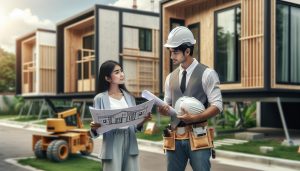
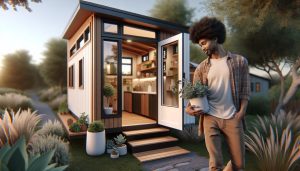
Navigating the connection process for modular home utilities can seem daunting, but understanding how to hook up essential services is crucial for transforming your new house into a comfortable home. From water and electrical connections to waste management, each step is vital for functionality and safety. Whether you’re a first-time homeowner or venturing into the world of manufactured housing, knowing the ins and outs of utility hookups helps you avoid common pitfalls and ensures a seamless transition. This guide will demystify the connection process, providing you with the knowledge to effectively set up your modular home utilities. Read on to empower yourself with practical tips and insights that will make your setup experience smoother and more rewarding.
Understanding Modular Home Utilities Hookups
is crucial for anyone looking to invest in or live in a modular home. These homes, often praised for their efficiency and modern design, rely on proper utility connections for a seamless living experience. Typically, utility hookups include water, electricity, gas, and sewage systems-essential components that turn a structure into a functional home. Each connection not only supports your day-to-day operations but also ensures safety and compliance with local regulations.
To simplify the process, start by identifying the specific utility connections your modular home will require. Water hookups necessitate connecting to municipal supply or a well, which involves digging trenches and installing pipes. Electrical connections must meet local codes, ensuring that your home can handle the electrical load safely. When it comes to gas lines, it’s vital to engage professionals who can adhere to safety protocols, as improper installations can lead to hazardous situations. Lastly, your home will need a solution for waste disposal, which could involve connecting to a municipal sewer system or installing a septic system, depending on your location.
Facilitating these connections is not without its challenges. Homeowners may encounter hurdles such as unexpected site conditions, local permitting issues, or delays in utility company responses. To mitigate these challenges, it’s wise to work with a contractor experienced in modular home setups and familiar with local utility regulations. Investing time in research and preparation will pay off, making your transition to modular living smoother and more enjoyable.
Key Utility Connections for Modular Homes
Proper utility connections are vital to ensuring your modular home is functional, comfortable, and compliant with local regulations. Understanding the specifics of these connections can help you navigate the setup process smoother. Each utility system plays an essential role in daily living, and knowing how to connect these systems will ensure a seamless integration for your home.
Water Hookups
One of the first steps in establishing your modular home is connecting to a reliable water source. This can either be a municipal supply or a private well. If you’re connecting to a municipal system, you will need to contact your local water authority for details on the necessary permits and fees. For well systems, you’ll need to hire a certified well driller. The connection involves trenching the area to install pipes that will carry water into your home; it’s advisable to have a licensed plumber assist with this to ensure compliance with plumbing codes.
Electrical Connections
The electrical system in your modular home is crucial for powering everything from lights to appliances. This connection must adhere to local building codes, which can vary by location. Generally, you’ll need to coordinate with your local utility company to establish a safe connection to the grid. An electrician licensed in your area should handle the installation, connecting your home to the main power lines and ensuring the circuit is properly configured to handle the electrical load of your appliances.
Gas Line Installation
If your home utilizes gas for heating or cooking, a professional installation is a must. Some homes opt for propane instead of natural gas. Engaging a licensed gas fitter is essential to safely install gas lines and ensure they meet industry standards. Improper gas line installations can lead to dangerous leaks, making professional assistance crucial for safety.
Sewer and Septic System Options
Waste disposal is handled via either a municipal sewer connection or a private septic system. If your home is in an area serviced by a municipal sewer, you’ll need to connect to the main line as directed by your local sewer authority. In contrast, if a septic system is necessary, it will require proper sizing and installation to handle household waste effectively. This often involves obtaining permits, and it’s advisable to work with a reputable septic contractor for setup and ongoing maintenance.
In summary, each utility connection requires careful planning and execution to ensure functionality and compliance. By engaging skilled professionals and adhering to local regulations, you will have peace of mind knowing that your modular home is equipped with reliable utility systems, allowing you to focus on enjoying your new living environment.
Step-by-Step Guide to Water Hookup Procedures

Connecting your modular home to a reliable water source is a crucial step toward establishing a comfortable living environment. Water is essential for everything from drinking and cooking to bathing and cleaning. The connection process can vary depending on whether you are tying into a municipal system or opting for a private well, but understanding the steps involved will ensure a smooth installation.
Start by assessing your water source options. If you choose to connect to a municipal water supply, your first step should be to contact your local water authority. They can provide the necessary permits and inform you about any applicable connection fees. It’s crucial to understand the specific requirements in your area since regulations can differ significantly from one location to another. If you decide on a private well, hiring a certified well driller is essential; they are equipped to ensure proper depth, yield, and water quality standards.
Once you have arranged your water source, the next phase involves trenching, which allows you to lay the necessary pipes that will transport water from the source to your home. It’s important to dig a trench that is deep enough to protect the pipes from freezing temperatures while also ensuring proper slope for drainage. Engage a licensed plumber to assist with this phase. They will help ensure that all plumbing codes are followed, and the connection is secure and leak-free.
After your piping is installed, you will need to connect it to your home’s plumbing system. This typically involves installing a main shut-off valve and connecting to your home’s water supply lines. Once the connections are completed, the water pressure should be checked to ensure everything is working correctly. It’s advisable to perform a comprehensive system check that includes inspecting for leaks and confirming that all fixtures are functioning properly.
In summary, taking a step-by-step approach to your water hookup will facilitate a seamless integration into your modular home setup. With the right planning, professional assistance, and adherence to local regulations, you can enjoy the comforts of home with a reliable water supply that meets your needs.
Essential Electrical Connections: What You Need to Know
Establishing essential electrical connections for your modular home is crucial for creating a safe and comfortable living environment. Unlike traditional homes, modular homes often have unique wiring requirements and hook-up processes due to their design and the materials used. Understanding these needs not only simplifies the setup but also ensures compliance with safety codes and enhances the overall efficiency of your home’s electrical system.
The first step in connecting your modular home to the electrical grid is to determine the correct amperage requirements based on the size and electrical load of your home. Most modular homes are designed to accommodate 100 to 200 amps but confirming the specifications with your manufacturer or builder is critical. Once you have this information, contact your local utility provider to apply for a service connection. They will inform you about any required permits and may conduct an inspection at your site. Having a clear understanding of local regulations helps to streamline this process and can prevent delays.
After securing a connection with your utility provider, you’ll need to install the main electrical panel. This is the hub from which electricity is distributed throughout your home. Typically, you should hire a licensed electrician for this task, as they will ensure that wiring meets the National Electrical Code (NEC) standards. The process involves several key components:
- Service Entrance Conductors: These wires connect the utility pole to your home’s electrical meter and panel.
- Grounding: A dedicated grounding system is essential to safeguard against electrical surges and ensure safety.
- Circuit Breakers: Install these to protect different circuits within your home, allowing you to easily manage and isolate any electrical issues.
Remember to check with the electrician regarding the circuit breakers’ capacities to ensure they match your home’s needs.
Once the main panel is installed, run wiring for appliances, lighting fixtures, and outlets. Modular homes typically employ a combination of surface-mounted and in-wall wiring approaches. In-wall wiring is preferred for aesthetic reasons and to meet electrical codes; however, surface-mounted options can be beneficial during renovations or when adjustments are needed.
Ultimately, ensuring that your modular home’s electrical system is installed correctly and adheres to local guidelines will not only provide peace of mind but also contribute to the longevity and safety of your living space. Regular inspections and adhering to maintenance schedules will keep your system running smoothly while also maximizing energy efficiency, thus offering a sustainable living environment for years to come.
Gas Line Installation for Modular Homeowners

Connecting your modular home to a gas line can significantly enhance your living experience by providing an efficient and cost-effective energy source for heating, cooking, and even hot water. Understanding the installation process is vital for ensuring safety and compliance with local codes, making this an essential consideration for new homeowners. Gas line installations can seem daunting, but with proper guidance and professional assistance, the process can be straightforward and rewarding.
To begin with, it’s critical to determine whether your modular home will use natural gas or propane. Each fuel type has different installation requirements and appliances suited to their use. Once you have clarified your energy choice, contacting your local utility company should be your next step. They can provide crucial information about available services, pressure requirements, and the specifics of the gas meter installation. Often, utility companies will conduct an assessment of your property to confirm that it meets local safety standards.
The actual installation of the gas line generally falls into several key steps:
- Planning: Work with a licensed gas contractor to design the route of the gas line. This includes identifying the most efficient path from the gas meter to your appliances.
- Permitting: Ensure all necessary permits are obtained from local authorities before beginning installation. Compliance with local regulations not only ensures safety but is also mandatory.
- Trenching: If running an underground line, your contractor will dig a trench. The depth and width of the trench must align with local building codes, which typically require at least 12 to 24 inches of coverage.
- Pipeline Installation: The gas pipe-usually made from steel or polyethylene-will be laid down in the trench. This stage must be handled by a qualified professional who follows all safety protocols to prevent leaks.
- Connecting Appliances: After the gas line is in place, the next step is connecting your appliances, such as the furnace, water heater, and kitchen stove. Each appliance should have a dedicated shut-off valve for added safety.
- Inspection: Finally, a local inspector will verify that the installation meets the required safety standards before the gas is turned on.
It’s essential to remember that improper installation can lead to dangerous gas leaks or serious safety hazards, making it critical to hire certified professionals for both the installation and ongoing maintenance. Regular checks are recommended to ensure that your gas appliances are functioning efficiently and safely.
Incorporating gas into your modular home not only improves convenience but can also lower energy bills when compared to electric alternatives. With careful planning and the right support, gas line installation can be a seamless addition to your home’s utility connections, enhancing the overall comfort and functionality of your living space.
Sewer and Septic System Options Explained

When planning the utilities for your modular home, understanding your sewer and septic system options is essential for both functionality and environmental compliance. Unlike traditional homes that are often connected to municipal sewage systems, modular homes can give you flexibility in managing wastewater, especially in rural areas where such services may not be available. Choosing the right system will largely depend on your location, soil conditions, local regulations, and the size of your property.
Types of Sewer and Septic Systems
You typically have two options for sewage disposal: municipal sewer systems and private septic systems.
- Municipal Sewer Systems: If your modular home is located in a developed area, connecting to a municipal sewage treatment facility might be the most straightforward choice. This option requires checking with local authorities to see if a connection is possible and what fees may apply. Typically, connecting to the city’s sewage system will involve obtaining permits and ensuring compliance with local codes.
- Private Septic Systems: For rural or undeveloped areas, a private septic system is a prevalent alternative. This system breaks down waste onsite and consists of several components, including the septic tank and the drain field. Properly designed and maintained, a septic system can efficiently process wastewater. However, installation costs can vary widely, and regular maintenance such as pumping out the tank and inspecting the drain field is required to ensure optimal operation.
Key Considerations for Installation
When selecting and installing a sewer or septic system, consider the following factors:
- Local Regulations: Be aware that installation requirements and health regulations can vary significantly by location. Consulting with local health departments or environmental agencies can provide the necessary guidelines to adhere to.
- Soil Condition: The type of soil on your property will affect the functionality of a septic system. A percolation test, often required by local authorities, determines how well soil absorbs water and helps in sizing the system properly.
- Maintenance Needs: Regular maintenance is crucial for both sewer and septic systems. For septic systems, failing to pump tanks according to recommended schedules can lead to costly repairs or system failures.
Navigating through these sewer and septic system options will empower you to make informed decisions, ensuring that your modular home operates efficiently and sustainably. By understanding the intricacies of your specific situation, along with local codes, you can confidently implement a sewage solution that meets your needs while adhering to safety and environmental standards.
Common Utility Hookup Challenges and Solutions
Navigating the utility hookup process for a modular home can present various challenges, especially for first-time homeowners. Understanding these common hurdles, along with their solutions, can ease the transition into modular living. Whether you’re dealing with timing issues, unexpected costs, or regulatory hurdles, proactive steps can ensure a smooth setup for your home’s utilities.
One of the most frequent challenges is coordinating multiple service providers. Utilities like water, electricity, and gas often depend on different companies, requiring homeowners to juggle scheduling and permits. To mitigate this, it’s crucial to establish a timeline early on and maintain communication with each service provider. Consider creating a checklist to track who you need to contact and when, and don’t hesitate to ask about their timelines upfront. This organized approach can prevent delays and costly overlap, ensuring that all connections are handled in a timely manner.
Another common issue involves local regulations and permitting requirements, which can vary significantly from one jurisdiction to another. It is essential for future modular homeowners to research and understand local codes before installation begins. Engaging with local authorities can provide clarity on what’s needed, reducing the risk of compliance issues that could halt progress. In many cases, hiring a knowledgeable contractor familiar with local regulations can ease the permitting process and help navigate any red tape effectively.
Lastly, unexpected costs can arise during the hookup process, particularly if additional infrastructure or upgrades are needed. To counter this, conduct a thorough site assessment and remain open to potential additional expenses. Budgeting for unforeseen issues can provide peace of mind and ensure that you’re financially prepared. If issues like soil quality or accessibility arise, having a contingency fund will be invaluable.
By acknowledging these common challenges and approaching them with informed strategies, homeowners can make their transition to a modular lifestyle far less daunting, paving the way for a successful connection to essential utilities. Embracing this knowledge will empower you as a homeowner and enhance your experience in modular living.
Navigating Local Regulations and Permitting Processes
Navigating the maze of local regulations and permitting processes can feel daunting for many modular home owners; however, with the right approach, it can become a manageable task. Each locality has its own unique set of rules governing the installation of modular homes, impacting everything from foundational requirements to utility connections. To ensure a smooth installation, start by researching your local zoning laws and building codes well before your home arrives on-site.
Focus on the following key aspects:
Understanding Zoning Laws
Your first step is to confirm that the land where you plan to place your modular home is zoned for residential use. Zoning laws dictate what types of structures can be built and where. Local government websites typically provide accessible information on zoning classifications. If your chosen site is in a residential zone, be sure to check for any restrictions that may be in place regarding the size and style of your modular home.
Obtaining Building Permits
Before construction begins, obtaining the necessary building permits is essential. This process usually involves submitting detailed site plans and architectural designs to your local building department. An important tip is to reach out early to your local office to ask about their specific requirements and expected timelines for the permit application process. Keep in mind that different types of permits may be required for utility connections, such as electricity, water, and sewage. Expect the need for inspections at various stages of your setup, which ensures compliance with local codes.
Hiring Local Professionals
Engaging a contractor who has experience with modular homes and knowledge of local regulations can significantly streamline the process. These professionals can help mitigate delays by ensuring that all necessary permits are in place before installation begins. In addition, they are often familiar with any specific local amendments to the building code, which can save time and prevent costly mistakes.
Proactive Communication
Maintaining clear lines of communication with local authorities can also facilitate smoother interactions. Establish a relationship with your local building inspector or zoning officer. They can provide valuable insights that can aid in ensuring that your modular home meets all requirements, thus avoiding any potential compliance issues down the road.
By being proactive and informed, you pave the way for a hassle-free setup of both your modular home and its utilities. Embrace the opportunities that modular living brings, and equip yourself with knowledge to navigate the intricacies of local regulations effectively.
Maintenance Tips for Utility Systems in Modular Homes
When it comes to ensuring the longevity and efficiency of utility systems in modular homes, regular maintenance is crucial. A well-maintained utility system not only enhances the overall comfort of your living environment but also safeguards your investment. To get started, it’s essential to establish a routine maintenance schedule that addresses each utility component: water, electricity, and gas.
Water System Maintenance
Water is a vital resource, and keeping your plumbing in top shape prevents costly repairs down the line. Begin by checking for leaks around faucets, pipes, and connections. If you notice any signs of moisture, address them immediately to avoid water damage. Additionally, consider installing filtration systems to improve water quality and safeguard against contaminants. Regularly flush your water heater to remove sediment buildup, which can improve efficiency and lifespan.
Electrical System Checks
Regular inspections of your electrical system are essential to maintain a safe environment. Check circuit breakers and fuses periodically to ensure they are functioning correctly. Inspect outlets and cords for any signs of wear or damage, as frayed wires can pose serious hazards. To further enhance safety, consider installing surge protectors to safeguard your home’s electrical systems against fluctuations. If you plan to add new appliances, ensure your current electrical infrastructure can support the increased load.
Gas Line Monitoring
For those utilizing gas as a utility, regular maintenance is critical for safety. Check gas lines and fittings for leaks by applying soapy water; if bubbles form, there’s a leak that needs immediate attention. Schedule professional inspections annually to ensure that all gas appliances are functioning safely and efficiently. It’s also wise to install carbon monoxide detectors in key areas of your home to provide an additional layer of safety.
General Tips for All Utilities
Proactively monitoring your utility systems helps in minimizing unexpected issues. Create a maintenance log that details when inspections and services were performed, as this historical perspective can be useful for future reference. Engage with professionals for regular check-ups while also educating yourself on the signs of trouble-knowledge is your best tool in maintaining durable and efficient utility systems.
By prioritizing maintenance and understanding your modular home’s unique utility needs, you’ll not only enhance your home’s comfort but also protect your investment for years to come.
Upgrading Utility Connections: When and How
Upgrading your utility connections can be a pivotal step towards enhancing the comfort and efficiency of your modular home. Over time, as the needs of your household evolve or as newer technologies become available, you may find it necessary to reassess your existing utility systems. Whether you’re expanding your living space, adding new appliances, or simply aiming for greater energy efficiency, understanding when and how to upgrade your utility connections is crucial.
To begin, identify the signs that an upgrade is needed. If you frequently experience tripped circuit breakers, inconsistent water pressure, or if your appliances are often underperforming, these could be indicators that your current utility connections are insufficient. Upgrading can also be driven by a desire to modernize your system, such as switching from traditional water heating to a tankless system, or installing smart thermostat controls for your HVAC.
Steps to Efficient Upgrading
When planning an upgrade, take the following steps:
- Assess Current Systems: Evaluate your existing water, electrical, and gas systems. Understanding their limitations will provide insights into what needs enhancement.
- Consult Professionals: Before making any decisions, seek advice from licensed contractors or utility companies who can provide insights tailored to your modular home’s unique needs.
- Evaluate Code Compliance: Upgrading may require compliance with local codes and regulations. Ensure you are informed about any necessary permits for the work involved.
- Choose Quality Materials: When upgrading components, opt for high-quality, energy-efficient products that can save you money in the long run and improve system performance.
- Schedule the Work: Plan the upgrades during off-peak times to minimize disruption, and be sure to coordinate with professionals for a seamless installation process.
Examples of Upgrades
Consider upgrading your electrical system to accommodate modern energy demands, especially if you plan to add high-wattage appliances or home office equipment. This could involve increasing the amperage of your electrical panel or installing dedicated circuits. For the plumbing system, switching to PVC piping can greatly enhance longevity and reduce leak potential compared to older materials. If you rely on gas for heating or cooking, integrating a new gas line or upgrading current fittings can significantly boost safety and efficiency.
By prioritizing upgrades when necessary and maintaining a proactive approach, you not only prolong the life of your utility systems but also enhance your daily living experience in your modular home. Embracing these changes reflects a commitment to sustainable living and a comfortable home environment tailored to your evolving lifestyle needs.
Eco-Friendly Utility Solutions for Modular Homes
Embracing sustainability in modular homes not only benefits the environment but also enhances your living experience and reduces utility costs. Eco-friendly utility solutions present a unique opportunity to utilize efficient technologies and practices designed to minimize your carbon footprint while creating a comfortable living space.
One of the simplest and most effective strategies is the installation of energy-efficient appliances, which can significantly lower electricity usage. Look for appliances with the ENERGY STAR label, which indicates they meet strict efficiency guidelines. Additionally, implementing smart home technology – such as programmable thermostats and smart plugs – allows for better energy management, enabling homeowners to monitor consumption and adjust settings remotely.
Water conservation is another essential aspect of eco-friendly living. Installing low-flow fixtures, such as faucets and showerheads, can dramatically reduce water usage without sacrificing performance. For those interested in sustainable water sources, consider a rainwater harvesting system. This solution can collect and store rainwater for irrigation and non-potable uses, thus diverting pressure from municipal water systems.
Solar energy is perhaps the most impactful eco-friendly utility upgrade available to modular homes. By installing solar panels, homeowners can harness renewable energy to power their living spaces efficiently. Many states also offer incentives and tax rebates for solar installations, making the initial investment more manageable and appealing. Moreover, coupling solar panels with battery storage systems allows homeowners to store excess energy generated during the day for use during peak demand times or power outages, thereby enhancing energy resilience.
To make the most of your modular home’s eco-friendly potential, consider working with professionals who specialize in green building practices. They can provide insights customized to your home and help ensure compliance with local regulations while navigating potential challenges in implementation. By prioritizing these sustainable adaptations, not only do you contribute positively to the planet, but you also create a living environment that prioritizes comfort, efficiency, and long-term savings.
Financing Your Modular Home Utility Setup
Financing the setup of utility connections for your modular home can feel overwhelming, but understanding your options can help simplify the process and make it more manageable. The cost of utility installations, including water, electricity, gas, and sewage systems, can add up quickly, so having a clear financial plan is essential. Many homeowners might not realize that financing options exist specifically for utility setups, allowing you to spread out those initial expenses over time.
One of the most common avenues for financing utility connections is through personal loans. Many banks and credit unions offer loans tailored for home improvements, which can cover utility installations. This type of loan typically has competitive interest rates and allows for flexible terms. Ensure you shop around to find the best rates and conditions that fit your financial situation. Additionally, home equity lines of credit (HELOCs) provide another option if you already own a property. This approach allows you to borrow against your home’s equity, potentially offering lower interest rates compared to unsecured loans.
Another source to consider is specialized loan programs aimed at modular and manufactured homes. Several lenders offer specific financing options for these properties, which can include utility installations within the overall purchase loan. Programs like FHA Title I loans or USDA loans might also be available if you meet certain criteria, often tailored to low-to-moderate income buyers looking to secure homes in rural areas. Check with local banks or credit unions to see if they participate in these government-backed programs, as they may offer more favorable terms.
Don’t overlook the potential for local assistance programs that may help reduce costs. Many municipalities have incentives for homeowners who install energy-efficient systems or connect to utility services, including grants or rebates. Research your local government’s resources to discover any financial aid that may apply to your situation. By tapping into these options, you can alleviate some upfront costs related to your modular home’s utility setup, allowing for a smoother transition into your new living space.
Faq
Q: What are the basic utilities needed for a modular home?
A: A modular home typically requires basic utilities such as water, electricity, gas, and sewage connections. Proper installation of these utilities ensures functionality and comfort in the home. For detailed procedures on water and electrical connections, refer to the respective sections in the article.
Q: How do I prepare my land for utility hookups for a modular home?
A: To prepare your land for utility hookups, ensure that there is proper access to essential services such as water, electricity, and sewage. Contact local service providers for installation guidelines and requirements. This pre-installation setup will facilitate a smoother connection process.
Q: What is the average cost of utility hookups for a modular home?
A: The cost of utility hookups for a modular home varies widely, depending on location and the specific services required. On average, homeowners can expect to pay between $5,000 and $15,000 for all necessary connections. Always check local regulations and get quotes from multiple providers.
Q: What permits do I need for installing utilities in a modular home?
A: Generally, permits for utility installations are required and can vary by location. You’ll typically need permits for electrical, plumbing, and septic or sewer systems. Check with your local building department to understand specific requirements before beginning utility installations.
Q: Can I install utilities myself for my modular home?
A: While some utility installations may be DIY-friendly, it’s best to hire licensed professionals for critical connections, such as electrical and plumbing systems. This ensures compliance with local codes and safety standards. Refer to the article for maintenance tips once installations are complete.
Q: What challenges might I face with utility hookups for my modular home?
A: Common challenges with utility hookups include local building codes, acquiring necessary permits, and potential delays from utility providers. Ensure you have a clear plan and communicate with local authorities early in the process to mitigate these issues effectively.
Q: How long does the utility hookup process take for modular homes?
A: The utility hookup process for modular homes can take anywhere from a few days to several weeks, depending on the complexity of the connections and local regulations. Coordinate with utility providers and ensure all permits are in place to minimize delays.
Q: Are there eco-friendly options for utility connections in modular homes?
A: Yes, eco-friendly options for utility connections include solar energy systems for electricity and rainwater harvesting for water supply. These solutions not only reduce environmental impact but can also lower costs in the long run. Explore the eco-friendly section of the article for more ideas.
The Way Forward
As you navigate the connection process for modular home utilities, remember that thorough preparation is key to a smooth setup. Familiarize yourself with essential steps such as leveling, anchoring, and securing utilities to ensure your home is both safe and efficient. With the right approach, you can turn the complexities of utility hookups into a seamless experience, adding comfort and value to your living space.
If you found this guide helpful, explore our articles on financing options, maintenance tips, and legal requirements tailored for mobile home ownership. Don’t hesitate to join our community by signing up for our newsletter-a valuable resource offering expert insights and updates directly to your inbox. Your dream of comfortable, secure modular living is just a step away; take action now and make your house a home! We encourage you to share your experiences or questions in the comments below-let’s continue the conversation!