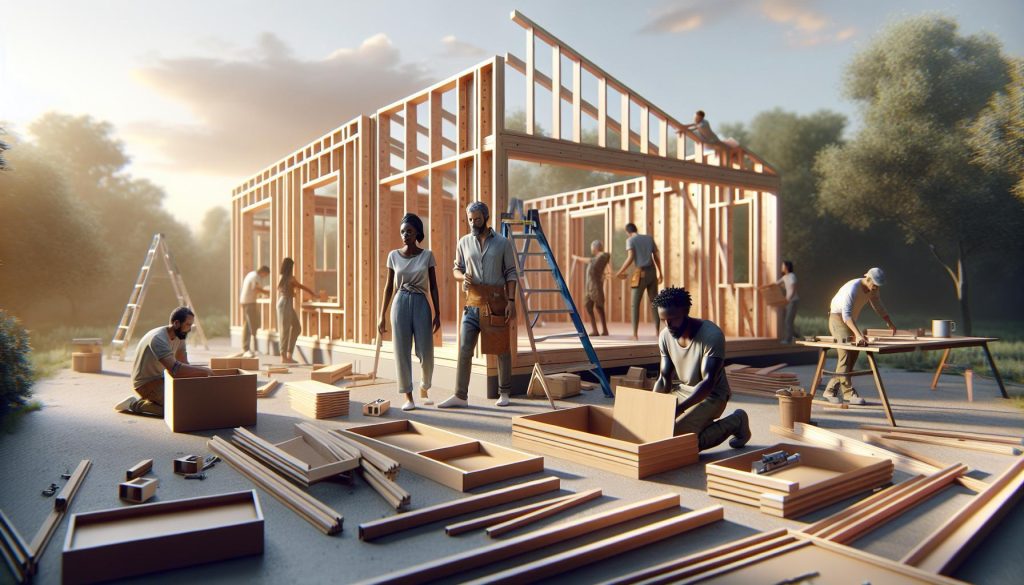
Imagine turning your dream of owning a home into a reality, all while keeping your budget in check. Kit modular homes provide an innovative solution, allowing you to customize and construct your own living space tailored to your unique needs. These homes offer a blend of affordability, flexibility, and creative freedom, making them an attractive option for many. Whether you’re a first-time buyer, a seasoned property investor, or simply exploring new housing options, understanding the value and potential of Kit modular homes can empower you to create the perfect sanctuary. Dive in to discover how you can take control of your home-building journey, with practical insights and guidance that make the process not only achievable but enjoyable.
Understanding Kit Modular Homes: Key Features and Benefits
Understanding Kit modular homes opens up a world of possibilities for those looking to create a personalized living space without the traditional constraints of home buying. These homes are not just a trend; they represent a practical and innovative approach to housing that merges affordability with customizability. One of the standout features of kit modular homes is their efficiency. Built in a factory setting, these homes benefit from controlled environments that can significantly reduce construction time. This means that you could move into your dream home much sooner than with conventional construction methods.
The benefits extend beyond just the timeline; kit modular homes often come with lower costs associated with construction and labor. Because the elements are prefabricated in bulk, you can expect reduced waste and minimized disruption during the building process. Additionally, these homes are versatile. Buyers can select from a variety of designs-whether a quaint two-bedroom layout or a spacious multi-story residence-making it easy to tailor the home to your specific lifestyle needs.
Another critical aspect is the structural integrity of kit modular homes. Built to meet strict building codes, they are designed for durability and can withstand various environmental challenges, making them a safe option for families. For those concerned about energy efficiency and sustainability, many manufacturers offer eco-friendly building materials and energy-efficient designs, enabling homeowners to contribute positively to environmental conservation.
In summary, the key features and benefits of kit modular homes lie in their affordability, customizable options, and robust construction standards. With an array of choices and practical advantages, these homes provide an attractive pathway for individuals and families aiming to forge their unique living spaces while keeping budget and efficiency in mind.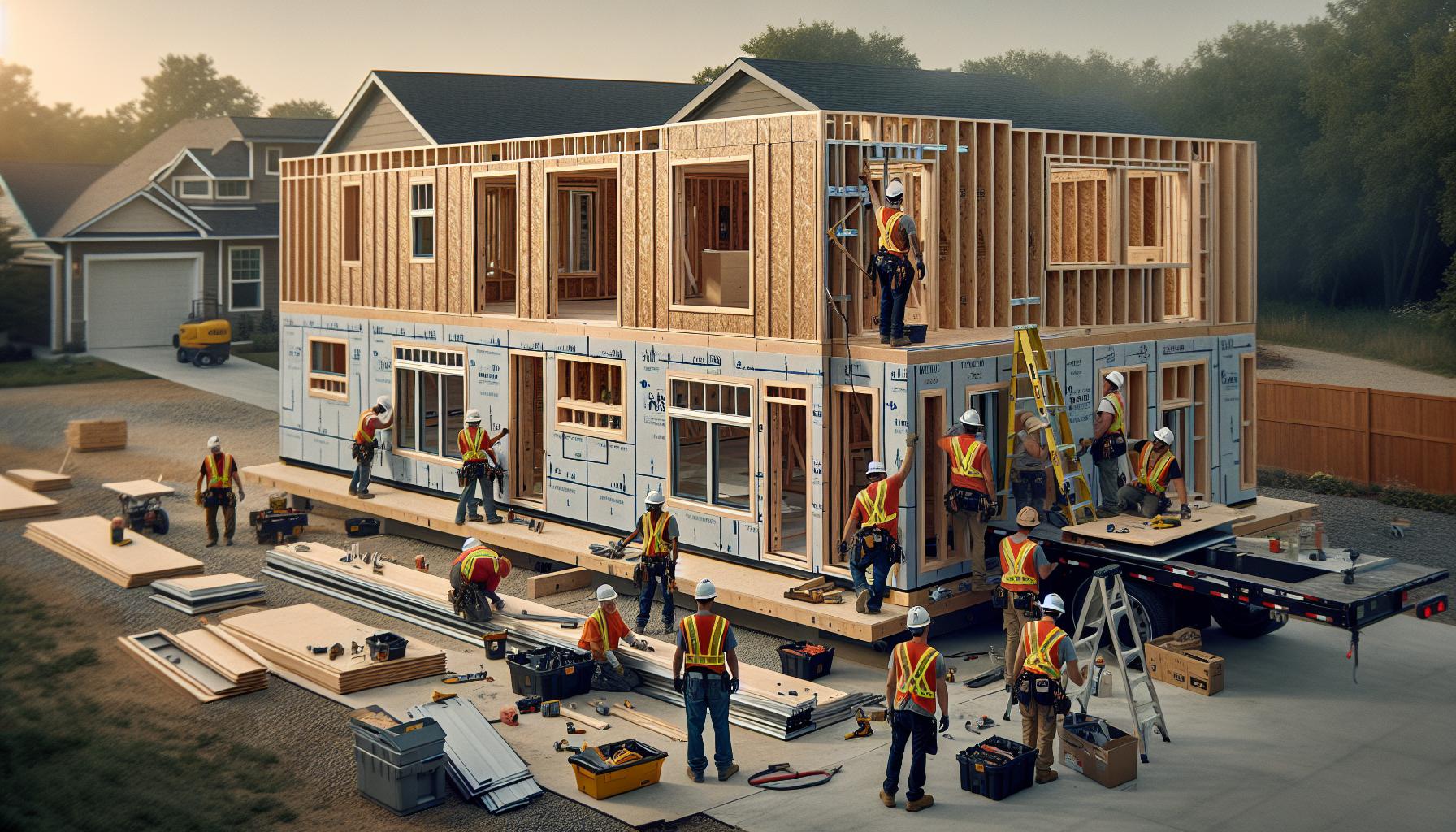
The Process of Building a Kit Modular Home
Building a kit modular home is an exciting venture that allows for unparalleled customization while also benefiting from construction efficiency. This process begins long before the first beam is placed; it starts with thorough planning and informed decision-making to ensure a smooth experience from start to finish. With each step, homeowners can personalize their living space while keeping costs within budget.
The initial phase involves selecting a reputable manufacturer that aligns with your vision and budget. It’s crucial to compare different kits, as offerings can vary significantly in terms of quality, design options, and warranty provisions. Once a company is chosen, you will select the design of your home, which often includes choosing the floor plan, exterior finishes, and interior fixtures. Many manufacturers offer a range of styles-everything from contemporary to traditional-enabling you to find one that suits your aesthetic preferences.
Preparation and Site Selection
Once the design is finalized, securing your building site is the next step. The location should not only accommodate your modular home but also comply with local zoning laws and building codes. Conducting a thorough inspection of the land is essential; it may require clearing trees, leveling the ground, and arranging for necessary permits. Engaging with local authorities early in the process can help navigate these legal requirements effectively.
Manufacturing and Delivery
While your site is being prepared, the construction of your kit home will progress simultaneously in a factory. This parallel process significantly reduces overall construction time, often allowing for delivery within weeks. After the modules are completed, they are transported to your site and carefully assembled. Skilled crews are typically utilized for this phase, ensuring that everything is secured correctly and adheres to safety standards.
Final Touches and Customization
After installation, you can focus on interior finishes and utilities. Most kit homes come with plumbing and electrical configurations pre-installed, which simplifies the connection to local utilities. Final touches can include everything from installing cabinetry and flooring to landscaping the surrounding area. Many homeowners take this opportunity to further personalize their space, infusing the home with their unique style and functionality.
By following these steps, building a kit modular home can be a fulfilling experience that leads to a beautiful, affordable, and customized living space. The blend of factory efficiency and local craftsmanship empowers owners to turn their dream into reality with confidence.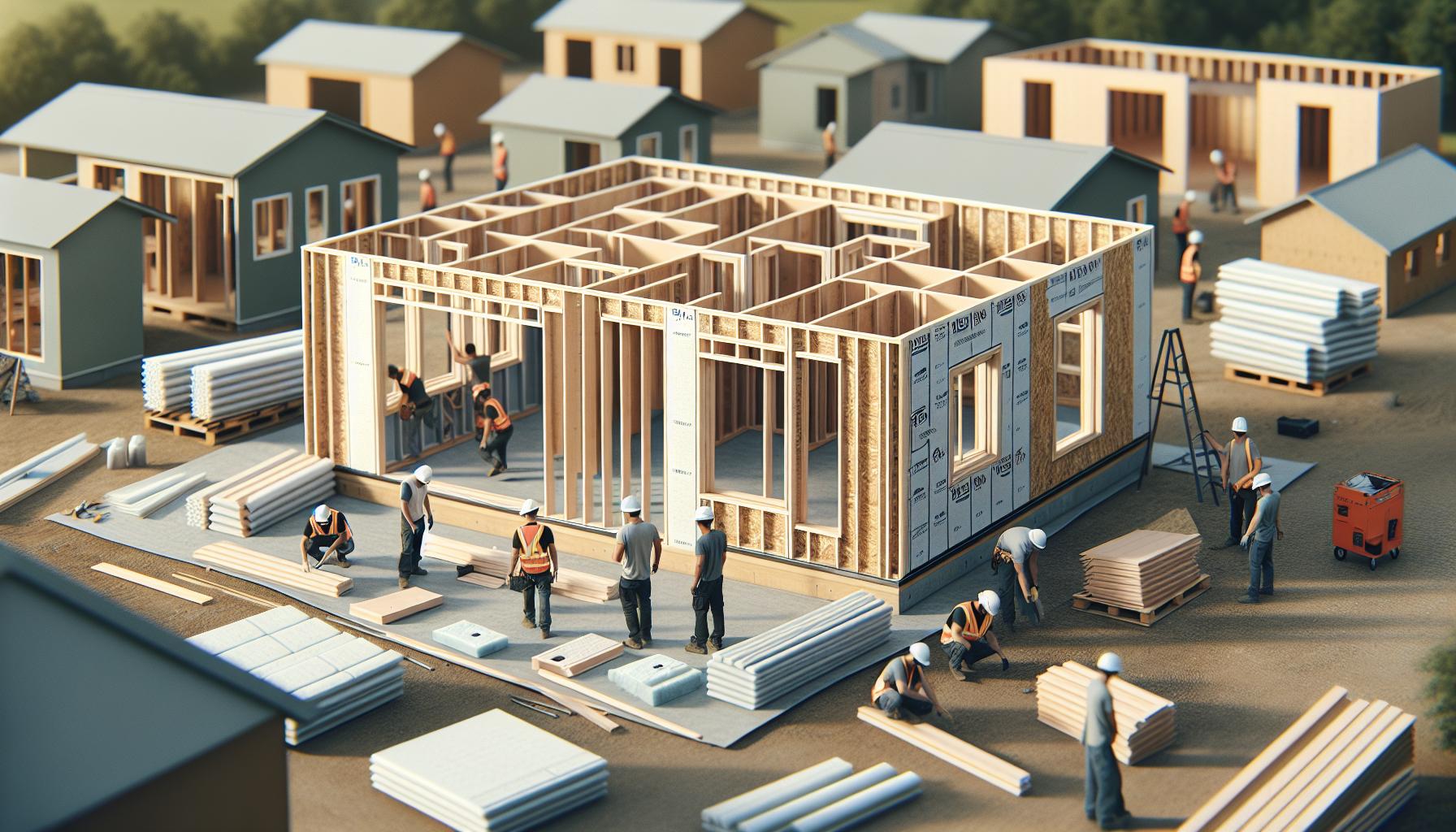
Essential Components of Kit Modular Home Kits
Building a kit modular home involves a well-planned selection of components that come together to create a comfortable and functional living space. Understanding these essential elements will not only empower you to customize your home but also ensure that construction is efficient and adheres to your design vision.
Most kit modular homes come with a variety of basic materials and components pre-packaged for assembly on your site. These typically include pre-cut framing materials, which form the skeleton of your home. The precision of these cut pieces allows for quicker assembly and reduces the chance of structural errors. In addition, the kits usually contain interior and exterior wall panels, often pre-insulated, to enhance energy efficiency. These wall systems can be designed to feature various finishes, such as siding or brick veneer, allowing you to reflect your preferred style.
Another critical component of kit modular homes is the roofing materials. Most kits provide a selection of roof designs, including gable, hip, or flat roofs, along with options for roofing materials like asphalt shingles or metal roofing. The choice of roofing not only affects the aesthetics but also has implications for durability, weather resistance, and overall energy efficiency. Furthermore, the kits generally include essential utilities setups, meaning that the plumbing, electrical, and HVAC systems come pre-configured within the walls, which simplifies installation connections once your home is constructed.
Additional Features to Consider
Beyond the core components, many manufacturers offer customizable add-ons to cater to your specific needs. These can include energy-efficient windows, which enhance natural light and improve heating and cooling efficiency, or advanced insulation materials that help maintain a consistent indoor climate. Additional accessories such as porches, decks, and landscaping options could also be included or added later, allowing homeowners to expand their outdoor living space.
With the right components and thoughtful customization, kit modular homes can blend efficiency with personal style, demonstrating that prefabricated homes can be both practical and uniquely tailored to your preferences. Understanding these essential components empowers prospective homeowners to make informed decisions, ensuring that their future homes are built not just for utility, but for lasting comfort and enjoyment.
Designing Your Dream Home: Design Options and Customization
Creating a kit modular home offers a unique opportunity to design a living space that reflects your personal taste and lifestyle. Unlike traditional homes that may confine you to predetermined layouts, a modular kit enables flexibility and creativity in various areas, from floor plans to finishes. By evaluating your preferences and needs, you can truly bring your dream home to life.
One of the most exciting aspects is the variety of design options available. Homeowners can choose from multiple floor plans that range from compact, efficient layouts to spacious multi-room designs. This selection ensures that you can create a home suited to your family size and functional requirements. Additionally, modular kits often come with customizable features that allow you to modify room sizes or the number of bedrooms and bathrooms, giving you the freedom to design a space that works for you.
Customization extends beyond floor plans. You can select materials, colors, and finishes that align with your aesthetic vision. For instance, homeowners can choose eco-friendly options such as sustainable wood or recycled materials for construction. Structural elements like windows and doors can be enhanced for energy efficiency while also serving as beautiful design features. Whether you envision large, open-concept spaces filled with natural light or cozy, intimate rooms, the options for interior and exterior finishes are nearly limitless.
Maximizing Your Space
To optimize the layout of your kit modular home, consider incorporating multifunctional spaces. For example, a spare bedroom can also serve as an office or guest room, using furniture that can be easily reconfigured as needs change. Additionally, outdoor spaces can be integrated into your design, such as patios or balconies, which extend your living area and promote a seamless indoor-outdoor lifestyle.
Ultimately, the key to successfully designing your kit modular home lies in balancing your personal style with practical functionality. By thoughtfully considering your family’s needs and preferences, you can create not just a house, but a welcoming home that enhances your quality of life. With the right planning and customization, your dream home can become a reality, combining efficiency with beauty to suit your unique way of living.
Financing Your Kit Modular Home: Options and Tips
Financing a kit modular home can be an exciting yet daunting journey, as it opens the door to designing your dream space while providing unique financial options that traditional homes may not offer. Understanding the various financing avenues available is crucial for ensuring a smooth transition from dream to reality. Many lenders provide specialized loans tailored for modular homes, which can streamline approval and often result in better terms compared to standard mortgages.
One of the most common financing options is a construction loan, which provides funds to cover the cost of building the home. These loans typically involve a two-step process: an initial disbursement for land and construction, followed by a conversion to a permanent mortgage once the home is completed. Working with lenders experienced in modular homes is recommended here, as they are often familiar with the unique aspects of kit home construction and can better guide you through the process.
Government-backed programs, such as those provided by the Federal Housing Administration (FHA) or the U.S. Department of Agriculture (USDA), can also be beneficial. FHA loans have specific guidelines for modular homes, making them accessible to first-time buyers who may have lower credit scores or smaller down payments. USDA loans provide an excellent option for buyers in rural areas, with minimal to no down payment requirements and competitive interest rates.
Tips for Securing Financing
Navigating the world of financing can be tricky, but there are several strategies you can employ to improve your chances of securing favorable terms:
- Build a solid credit history: Lenders will closely examine your credit score and financial history. Ensuring that you pay your bills on time and reduce existing debt can help improve your credit profile.
- Save for a larger down payment: The more you can put down, the less you’ll need to borrow, which can lead to better loan terms and reduced monthly payments.
- Research your options: Not all lenders offer the same rates or terms. It’s beneficial to shop around and compare offers from multiple institutions, including credit unions and online lenders.
- Consider a co-signer: If your credit is less than stellar, having a co-signer with a strong credit history can help bolster your application and may provide access to better financing options.
Additionally, don’t overlook the potential for refinancing down the line. As your financial situation improves or interest rates fluctuate, refinancing could help lower your monthly payments or shorten your loan term, freeing up funds for investments in your home’s features or energy efficiency improvements.
By understanding the unique aspects of financing a kit modular home, prospective buyers can approach the process with confidence and clarity, setting themselves up for a successful and fulfilling endeavor.
Navigating Legal and Zoning Requirements
Building your own kit modular home can be an exciting venture, but it’s essential to understand the legal and zoning frameworks that will influence your project. Compliance with local regulations is not just a formality; it can ensure the safety, viability, and legality of your new home. Every municipality has specific requirements that dictate where and how you can place a modular home, and failing to adhere to these can lead to costly modifications or prevent you from building altogether.
Start by researching local zoning ordinances. These regulations will inform you about land use classifications, minimum lot sizes, and any development restrictions specific to areas like residential, commercial, or agricultural. Engaging with your local planning department is a crucial step; they can provide guidance on zoning allowances and any potential variances you might need to apply for if your plans don’t fit neatly within the established guidelines. Understanding these regulations is fundamental; for example, in some regions, modular homes may have to adhere to specific architectural styles or neighborhood aesthetics to blend in with existing structures.
To facilitate the process, make sure to gather all necessary documentation for your building permit application. This typically includes site plans, construction drawings, and structural calculations. In addition to zoning approvals, you may need to navigate building codes designed to ensure safety and sustainability. These codes often cover your home’s construction materials, energy efficiency ratings, and design standards. Working with a contractor experienced in modular home construction can help ensure that your plans comply with these codes from the outset, thus avoiding any delays.
Finally, it’s essential to consider utility connections, as this can be a labyrinth of legal requirements as well. Securing permits for water, sewer, gas, and electricity connections will require coordination with local utility companies, and they often have their own guidelines to follow. By proactively addressing these aspects of the legal landscape, you set yourself up for a smoother construction process, allowing you to focus on the exciting part-creating your dream home.
Utility Connections: How to Get Started
To ensure your new kit modular home is fully functional and ready to live in, establishing utility connections is a vital step in the setup process. This involves getting water, electricity, gas, and sewage systems in place, which can seem daunting but can be managed effectively with careful planning.
Begin by assessing the existing utility infrastructure in your area. Check with local utility companies to determine the availability of services such as water and sewage, and inquire about the necessary permits. You’ll need to gather information about their connection procedures, costs, and expected timelines. It’s prudent to get this information early in the construction process to avoid delays later on.
Once you know what’s available, start laying out a plan. For water and sewage connections, you might need to plan for trenching and piping. If your home is on a well or septic system, consult with professionals who can assist with proper installation and compliance with health regulations. Electricity and gas will also have specific requirements; depending on your region, you may need to engage licensed contractors for these services. Contact an electrician to discuss your home’s energy needs and any special equipment necessary, such as transformers or heavy-duty service panels.
If your modular home is located in a more remote area, consider alternative options such as solar panels for electricity or rainwater harvesting systems for water. Each utility aspect must comply with local codes, so keeping documentation of communications with utility companies will be helpful when applying for any necessary permits. By staying proactive and organized, you can navigate the utility connection process smoothly and transition into your new home with ease.
Maintenance Tips for Kit Modular Homes
To keep your Kit modular home in optimal condition, regular maintenance is essential. This proactive approach not only enhances the longevity of your home but also ensures a safe and comfortable living environment. By committing to a maintenance routine, you’ll avoid costly repairs and unexpected issues down the line.
One of the fundamental aspects of maintaining a modular home is to regularly inspect and care for its exterior. This includes checking for any signs of wear and tear on siding, roofing, and windows. Cleaning gutters and downspouts is crucial, especially in areas prone to heavy rainfall, as clogs can lead to water damage. Inspect your foundation as well-look for cracks that may indicate shifting or settling. If you notice any significant changes, it may be wise to consult a professional.
Inside your home, pay attention to the HVAC system. Change filters regularly and schedule annual inspections to ensure efficiency and prevent breakdowns, especially before winter or summer when heating and cooling demands peak. Check for air leaks around windows and doors; sealing these gaps can improve energy efficiency and comfort. Ensure appliances are in good working order too, and clean out vents and ducts to reduce fire risks and improve air quality.
Lastly, don’t overlook safety measures. Regularly check smoke detectors, carbon monoxide alarms, and fire extinguishers to ensure they are functional. By establishing a routine maintenance schedule and addressing issues promptly, homeowners can enjoy the myriad benefits of Kit modular homes without the stress of unforeseen problems. Remember, a well-maintained home not only enhances your living experience but also protects your investment for years to come.
Maximizing Energy Efficiency in Kit Modular Homes
To achieve optimal energy efficiency in Kit modular homes, it’s essential to consider both design elements and ongoing maintenance practices. Modular homes are typically constructed using modern materials and techniques that lend themselves to energy efficiency. However, homeowners can further enhance this efficiency with strategic choices in insulation, appliances, and renewable energy options.
Insulation and Sealing
One of the foremost strategies for maximizing energy efficiency is proper insulation. Invest in high-quality insulation in walls, roofs, and floors to reduce heat loss in winter and heat gain in summer. Pay special attention to areas such as attics, basements, and crawl spaces, which can be prone to air leaks. Use caulk and weather stripping around doors and windows to close gaps that might otherwise let condition-controlled air escape.
- Insulation Tips:
– Choose insulation with a high R-value for better thermal resistance.
– Consider spray foam insulation for irregular spaces, as it expands to fill gaps effectively.
– Install insulated doors and windows that minimize heat transfer.
Efficient Appliances and Systems
Once you have the physical structure optimized, the next step involves the systems inside your home. Energy-efficient appliances can drastically reduce energy consumption compared to their older counterparts. Look for the Energy Star label, which indicates the appliance meets strict energy efficiency guidelines set by the EPA.
- Appliance Suggestions:
– Invest in a high-efficiency HVAC system to minimize energy usage while providing comfort.
– Use programmable thermostats to regulate temperature based on your schedule.
– Opt for energy-efficient lighting, such as LED bulbs, which use significantly less energy than traditional incandescent options.
Renewable Energy Solutions
For those looking to take energy efficiency a step further, consider integrating renewable energy sources into your home. Solar panels are an excellent way to reduce reliance on traditional energy sources, significantly lowering your utility bills while benefiting the environment. In many cases, states offer incentives or rebates for homeowners who invest in solar energy systems, making this option even more attractive.
- Solar Panel Integration:
– Assess your roof’s orientation to maximize sun exposure and efficiency.
– Explore options for battery storage to harness solar energy for use at night or during outages.
– Research local solar incentives to offset initial installation costs.
By focusing on these key areas-insulation, efficient appliances, and renewable energy-homeowners can significantly improve energy efficiency in their Kit modular homes. This not only leads to cost savings but also contributes to a more sustainable living environment, perfectly marrying comfort and conscientious living.
Common Pitfalls to Avoid When Building
Building a Kit modular home can be an exciting journey towards your dream living space, but it’s essential to tread carefully to avoid common missteps that could lead to significant issues down the line. One prevalent pitfall is underestimating the importance of thorough planning and research. A detailed understanding of your local housing codes, zoning laws, and building permits is crucial. Failing to comply with these regulations can result in fines, delays, and even the dismantling of parts of your home. Consulting with local authorities early in the process will help ensure you are fully compliant.
Another common mistake is overlooking the importance of the site preparation. Clearing and leveling the land where your Kit modular home will sit is vital. If your land is not properly prepared, it can lead to settlement and structural issues later. Invest time and resources in ensuring your site is ready for construction, including proper drainage to prevent water damage.
Moreover, communication with your modular home manufacturer is paramount. Not all kit homes are created equal, and misunderstandings regarding the materials and designs can lead to delays and costs. Be specific about your needs and preferences in regard to layout, materials, and delivery times. Document all agreements clearly to have a reference point throughout the building process.
Lastly, many homeowners underestimate the total expenses involved with building a Kit modular home. While the initial kit might seem affordable, hidden costs such as site preparation, utility connections, and interior finishes can add up quickly. Creating a comprehensive budget that covers all potential expenses will help prevent financial surprises and ensure a smoother building experience. By avoiding these pitfalls, you can make the journey of building your Kit modular home both enjoyable and rewarding.
Success Stories: Real-Life Kit Modular Home Experiences
Building a Kit modular home has transformed the lives of many homeowners, with each story illustrating the blend of creativity, hard work, and personal investment in crafting unique living spaces. One standout example comes from Jane and Mark, who decided to create a cozy retreat in the mountains. After extensive research, they selected a Kit home with customizable features that fit seamlessly into the natural landscape. The couple embraced the chance to engage in the building process, learning how to manage their project by coordinating deliveries and setting up utilities over weekends. Their successful endeavor not only provided them with a welcoming space but also instilled a sense of pride and accomplishment in accomplishing their dream together.
Another inspiring story is that of local entrepreneur Scott, who turned his Kit home into a multi-purpose space. Originally intended as a family residence, Scott saw the potential for setting up a small home-based business. By selecting a floor plan that allowed for a separate entrance, he transformed part of his home into a workshop and retail area. This innovative approach allowed him to maximize his investment while supporting his passion for crafting bespoke furniture. Scott’s experience highlights the versatility of Kit homes; with thoughtful customization and resourcefulness, homeowners can create their ideal living and working environment.
Families, too, have found success through Kit modular homes. For instance, the Rodriguez family constructed their home with the intention of creating a sustainable living environment for their children. They opted for energy-efficient options and incorporated solar panels, which not only reduced their long-term costs but also contributed positively to the environment. The children, who helped plant a vegetable garden, learned about sustainability, creating a teaching moment that enriched their lifestyle. The family’s commitment to eco-friendly living exemplifies how a Kit home can be a platform for educational opportunities while fostering strong family ties.
Stories like these serve as a reminder that building a Kit modular home is more than just a construction project; it is a journey filled with personal growth, creativity, and fulfilling aspirations. Whether you are an artist, a small business owner, or a family focused on sustainable living, a Kit home can be tailored to fulfill specific needs and dreams. Each success story emphasizes the importance of planning, customization, and community engagement to truly transform a house into a home.
Resources for Further Exploration and Support
Understanding the complexities of building a Kit modular home can be greatly enhanced by utilizing available resources. These resources not only provide vital information on the practical aspects of home construction but also offer inspiration and support to navigate the journey from conception to completion. Whether you are a first-time builder or looking to expand your knowledge, leveraging the right tools and insights is crucial for a successful housing project.
Online Forums and Communities
Engaging with online forums dedicated to Kit homes can be immensely beneficial. Websites such as Reddit, HomeTalk, and specialized Facebook groups allow you to connect with current owners and builders. These platforms provide a space to ask questions, share experiences, and obtain advice on specific challenges like design considerations, material choices, and local building codes. Participating in these discussions can reveal tips and tricks that experienced builders wish they had known before starting their process.
Educational Resources and Workshops
Many manufacturers and organizations offer workshops and educational resources to help prospective homeowners understand the building process. Consider attending local workshops or webinars led by experts in modular home construction. These sessions can cover a range of topics, including design options, customization techniques, and best practices for efficient energy use. You can also find extensive resources on YouTube, where experienced builders share their journeys, tips, and detailed tutorials on building a Kit home.
Guides and Financing Resources
For those navigating the financial side of their build, numerous guides detail financing options specifically tailored for Kit homes. Websites such as the U.S. Department of Housing and Urban Development (HUD) provide information on various loan options, including FHA loans that can be used for modular homes. Additionally, consider reaching out to local credit unions or banks that specialize in home construction financing for personalized advice. Look for resources providing information on permits, zoning requirements, and insurance considerations to ensure that every aspect of the process is covered.
Local Organizations and Support Networks
Connecting with local home builder associations can also provide a wealth of information. These organizations often conduct seminars or networking events where you can meet local contractors, suppliers, and other enthusiasts. Establishing these connections can be invaluable when seeking referrals for reliable contractors or suppliers and gaining insights into region-specific challenges like weatherproofing and local zoning laws.
By tapping into these diverse resources, you can approach your Kit home project with confidence. Each resource offers unique insights that not only inform but also inspire, helping to transform your vision into a reality.
FAQ
Q: What are the advantages of building kit modular homes?
A: Kit modular homes offer several advantages, including cost-effectiveness, time savings, and customization options. They often require less construction time than traditional homes, allowing homeowners to move in quicker. Additionally, the pre-fabricated components can reduce labor costs, and the ability to design your layout promotes personalization.
Q: How do I choose a kit modular home supplier?
A: Selecting a kit modular home supplier involves researching their reputation, product quality, and customer reviews. Look for suppliers with a solid portfolio, transparent pricing, and excellent customer support. Additionally, check if they provide design customization and a warranty for their products, ensuring you have support throughout the building process.
Q: What should I consider before purchasing a kit modular home?
A: Before purchasing a kit modular home, consider your budget, desired location, and local building codes. Understand the total cost, including site preparation, utilities, and delivery. It’s also essential to ensure the design meets your family’s needs and check how the home will fit within the zoning regulations of your intended area.
Q: What is the typical timeline for building a kit modular home?
A: The typical timeline for building a kit modular home can range from a few weeks to several months, depending on various factors. After selecting a kit, assembly on-site might take two to four weeks, with additional time required for site preparation, utility connections, and final inspections to meet local regulations.
Q: Can I finance a kit modular home like a traditional home?
A: Yes, you can finance a kit modular home through various options similar to traditional homes, including mortgages, personal loans, or specialized financing programs. It’s essential to shop around for lenders offering favorable terms, and prepare necessary documentation regarding the home kit and location for the financing process.
Q: Are kit modular homes energy efficient?
A: Kit modular homes can be designed with energy efficiency in mind, incorporating features such as high-quality insulation, energy-efficient windows, and modern appliances. By choosing eco-friendly materials and energy-saving technologies, homeowners can significantly reduce utility costs and their environmental impact.
Q: What common mistakes should I avoid when building a kit modular home?
A: Common pitfalls include underestimating costs, neglecting site preparation, and failing to understand local zoning laws. It’s crucial to plan your budget thoroughly and consult professionals for site evaluation and compliance. Additionally, ensure that your design and materials are suitable for the local climate to avoid future issues.
Q: How do I maintain a kit modular home?
A: Maintenance for a kit modular home involves regular inspections of the roof, siding, and foundation, along with seasonal checks on HVAC systems. Keep gutters clean, check for signs of water damage, and maintain landscaping to prevent drainage issues. Consult your kit’s specifications for any particular upkeep recommendations.
Closing Remarks
As you embark on the journey to build your dream home with Kit Modular Homes, remember that this innovative approach not only empowers you to create a space that reflects your style but also offers cost-effectiveness and flexibility. Don’t hesitate to explore our comprehensive resources on setup procedures, financing options, and maintenance tips to ensure a smooth transition into this rewarding lifestyle.
Join our community by signing up for our newsletter to receive expert tips and insights directly to your inbox. For those curious about specific financing options or legal requirements, check out our detailed guides on these topics. Your dream home is within reach-take the next step today! And feel free to share your thoughts or questions in the comments below; we love engaging with fellow future homeowners. Explore our related articles for even more valuable information, ensuring you’re well-prepared for every aspect of your modular home experience.