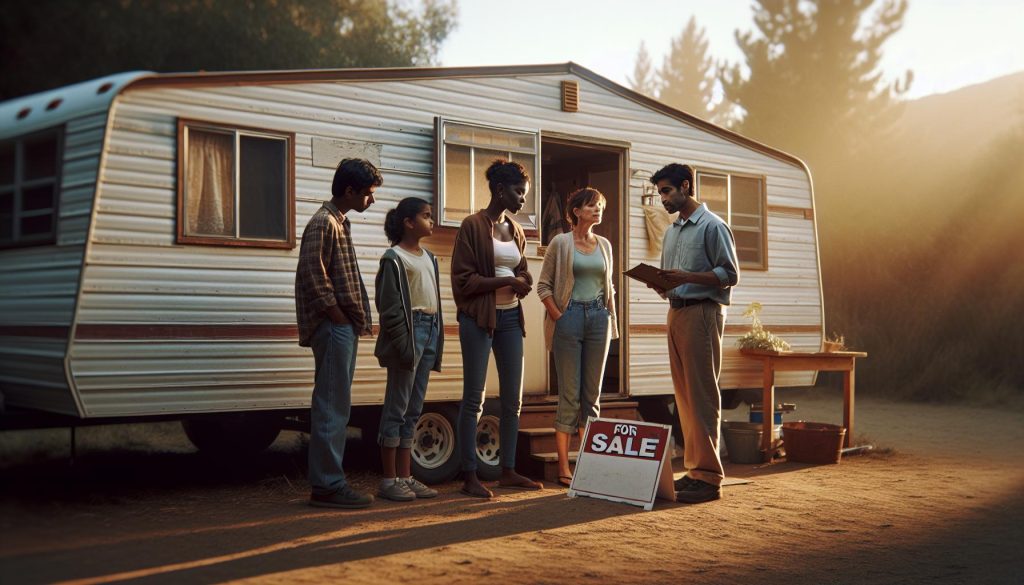
Exploring the costs associated with purchasing a used trailer home is essential for anyone considering this affordable housing option. With the rising prices of traditional homes, trailer homes offer a viable alternative, often providing more space and flexibility for families, retirees, and investors alike. Understanding how much a used trailer home costs can empower you to make informed decisions, ensuring you receive value for your investment. Throughout this article, we’ll break down the market values, influencing factors, and tips on navigating the diverse landscape of used trailer homes. Whether you’re a current mobile home resident or a prospective buyer aiming to find the best fit for your needs, this guide will equip you with the knowledge to make confident choices in your journey towards mobile home ownership.
Understanding the Factors Affecting Used Trailer Home Prices
Understanding how various factors influence the prices of used trailer homes can empower potential buyers to make informed decisions. The condition of the home plays a pivotal role; well-maintained units with updated features generally command higher prices. Additionally, the age of the trailer affects value, as newer models often include modern amenities and improved energy efficiency, making them more desirable.
Location is another critical component. Demand varies significantly by region; for instance, used trailer homes in urban areas or popular vacation destinations are likely to be priced higher due to limited availability and greater demand. Conversely, rural areas may see lower prices but also fewer options.
Market trends also impact pricing. When the demand for housing rises, so do trailer home prices. It’s wise to keep an eye on local listings and market reports, as well as seasonal fluctuations, which can affect availability and pricing. Buyers should also consider the trailer’s size, layout, and any included outdoor spaces, such as porches or yards, all of which can enhance living quality and resale value.
Ultimately, to navigate the used trailer home market effectively, prospective buyers should assess their priorities-whether focusing on price, condition, or location-while staying aware of shifting market dynamics. By doing so, they can secure a home that not only meets their needs but also serves as a wise investment for the future.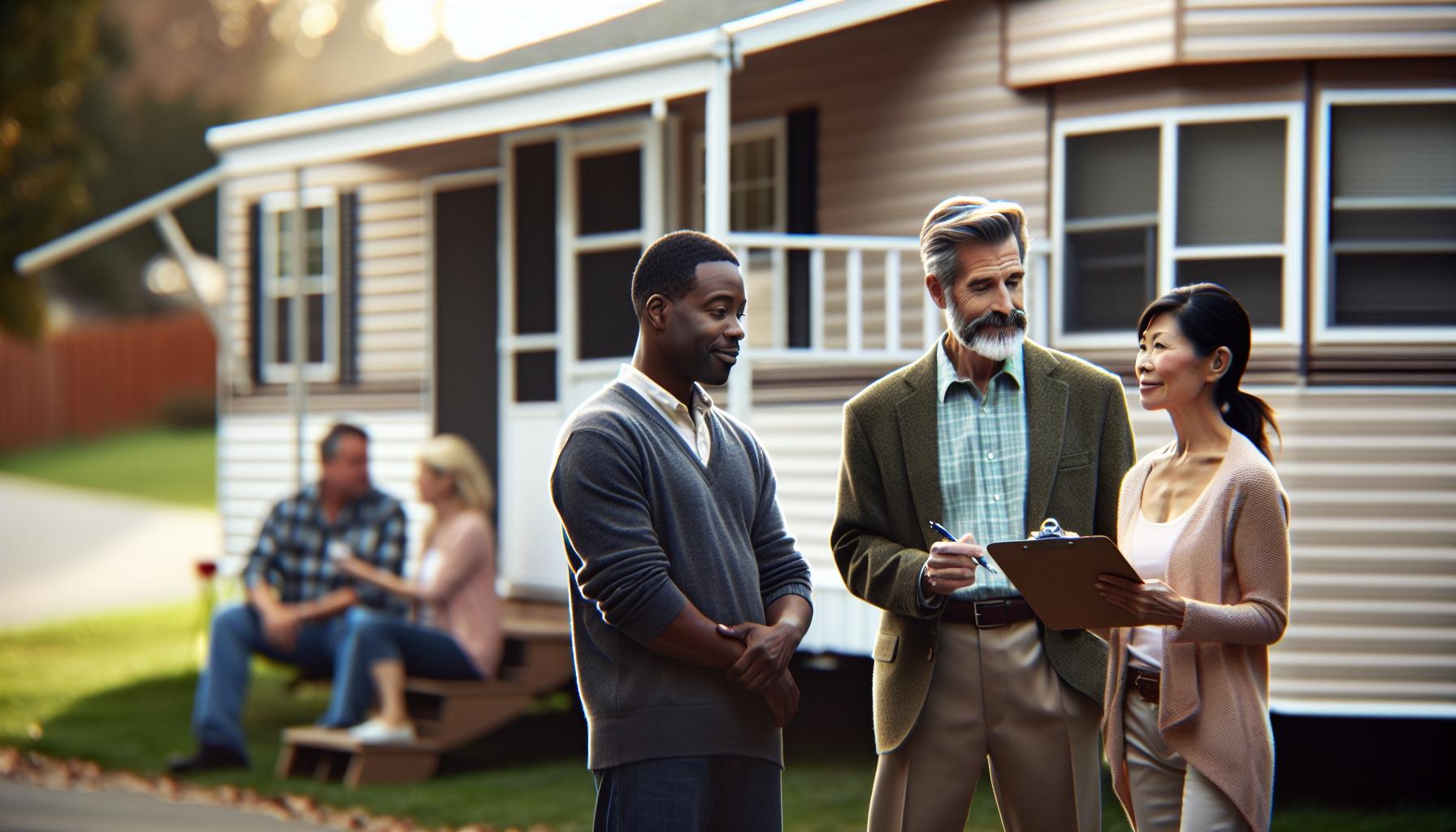
Current Market Trends for Used Trailer Homes
As potential buyers delve into the market for used trailer homes, they will find it significantly influenced by several key trends. One of the most notable patterns has been the increasing demand for affordable housing solutions, particularly in the wake of economic shifts and housing shortages in many urban areas. This demand has tended to push up prices, making quality used trailer homes an attractive alternative for those seeking economical living options. Moreover, minimal upkeep and the flexibility of mobility add to their allure, appealing to a broad range of lifestyle choices from retirees to young families.
Key Influencing Factors
Several factors are currently shaping the market for used trailer homes:
- Economic Conditions: Fluctuations in the economy directly impact buyer confidence and purchasing power. Rising interest rates can dampen enthusiasm for traditional home purchases, steering buyers toward the more accessible option of used trailer homes.
- Supply Chain Dynamics: Manufacturing delays and materials shortages can drive up the cost of new homes, consequently increasing demand for the more affordable used home market.
- Housing Trends: There is an ongoing national trend toward smaller living spaces that emphasize sustainability and minimalism, leading more buyers to consider the efficiency of trailer homes as a practical solution.
Observations on Pricing
Prices for used trailer homes can vary significantly based on location, age, and condition. For instance, trailer homes in areas with higher housing costs often appreciate more rapidly than those in rural settings. The average price of used trailer homes has risen approximately 10-15% over the past year, reflecting both increased demand and the overall inflationary environment.
Furthermore, investors are beginning to see the potential in trailer home parks, further driving up demand for both individual units and land. As potential buyers explore this segment, it’s essential to keep abreast of local market fluctuations and maintain flexibility in their search criteria.
In conclusion, understanding current market trends, economic conditions, and regional insights can empower buyers to make informed decisions while navigating the used trailer home market. This diligence ensures they find the right home that meets their lifestyle and budgetary needs, aligning with the broader trends of modern housing solutions.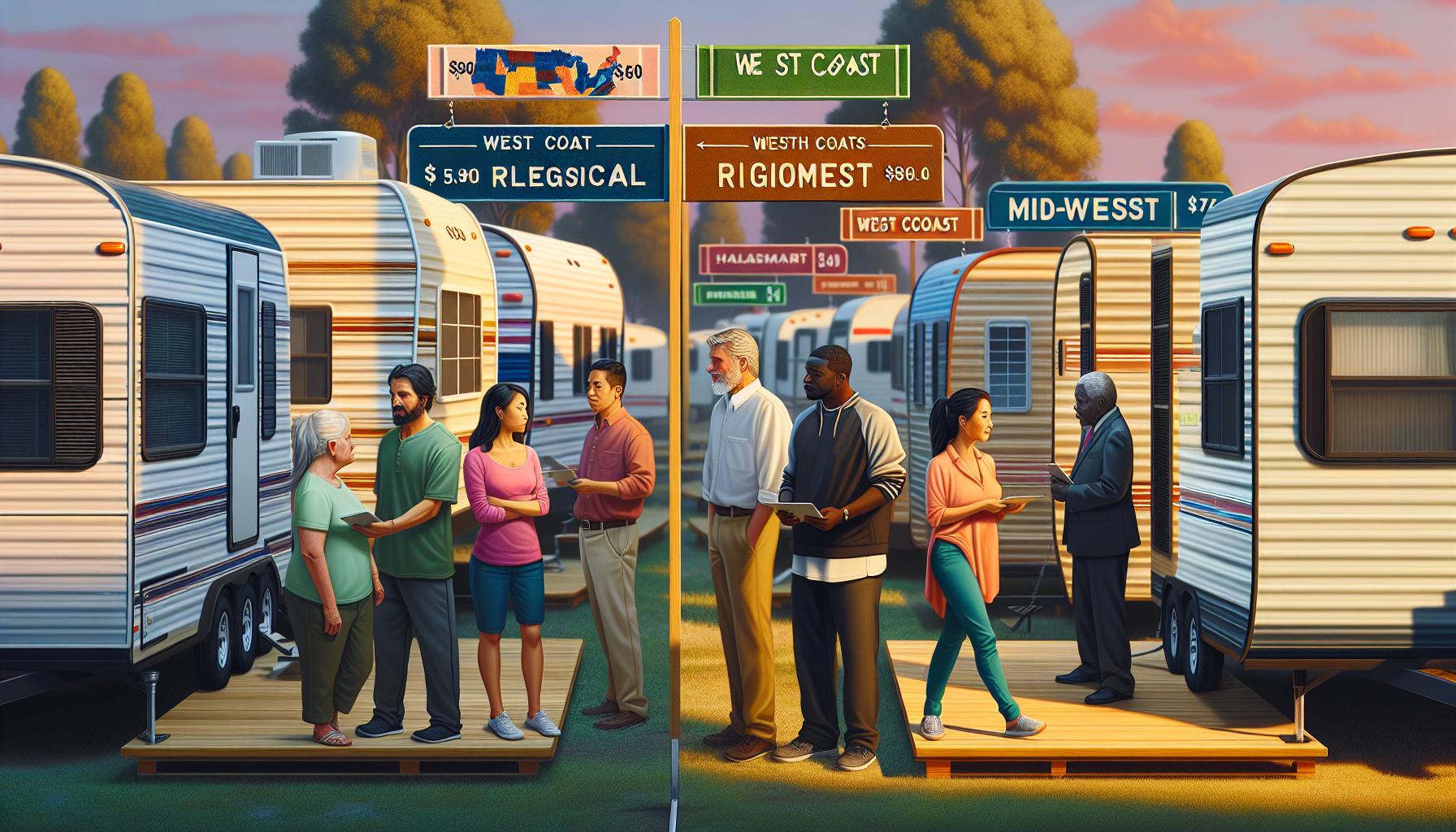
Regional Price Variations in the Used Trailer Home Market
Understanding how prices vary regionally can provide invaluable insights for potential buyers in the used trailer home market. Across the United States, the costs associated with purchasing a used trailer home can fluctuate widely based on geographic location, local market conditions, and regional demand. For instance, trailer homes in urban areas or locations with a high cost of living often command higher prices due to increased demand and limited inventory. Conversely, in rural areas, the pricing tends to be more affordable, although the selection might be less varied.
Market dynamics play a significant role as well. In regions where land is becoming scarce and housing affordability is a growing concern, buyers may find that prices for used trailer homes are on the rise. Areas experiencing economic growth or urban migration, such as parts of the Sun Belt, often see upward pressure on trailer prices as more individuals and families seek out affordable housing solutions. Such pricing trends are further influenced by local real estate conditions, including the overall housing market’s health, prevailing interest rates, and the financial capabilities of potential buyers.
To help potential buyers navigate these regional variations, it’s essential to research specific markets. Online real estate platforms, local classifieds, and even housing expos can offer a glimpse into current prices and trends. Building relationships with local real estate agents knowledgeable about manufactured housing can also provide invaluable insights into pricing and availability. Buyers should consider not just the initial price but also ongoing costs like land rental fees in parks, property taxes, and insurance requirements, which can vary significantly by region. Staying informed on these factors can ensure that prospective owners make educated decisions aligned with their financial goals and housing needs.
In summary, understanding requires keen awareness of local economic conditions and trends. This knowledge can empower buyers to find the right opportunity that meets both their budget and lifestyle needs, turning mobile home living into a viable and rewarding reality.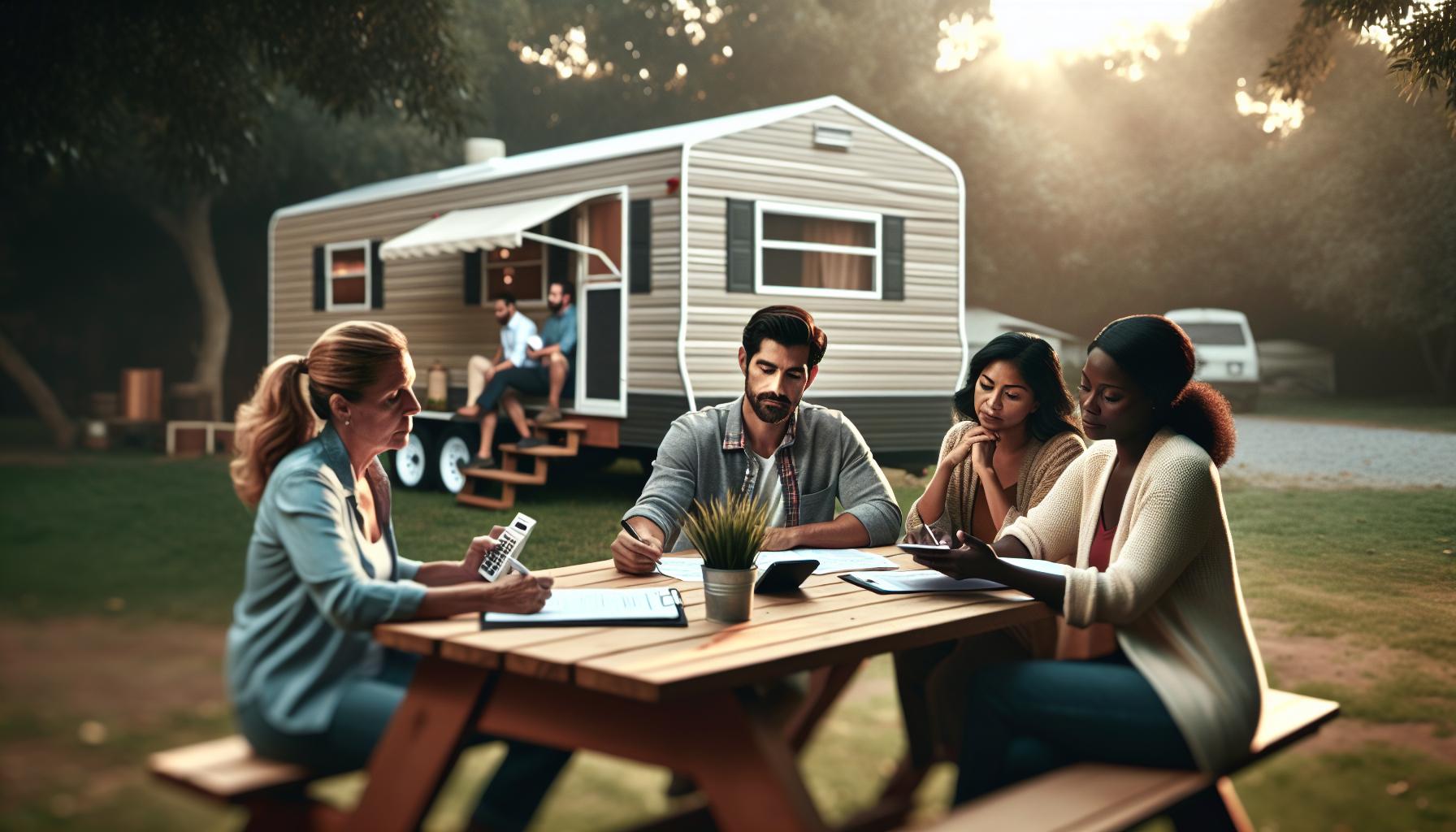
Budget Considerations for Buying a Used Trailer Home
Determining a budget for purchasing a used trailer home involves several critical considerations that extend beyond just the initial purchase price. Many potential owners overlook the ongoing costs associated with mobile home living, which can significantly impact overall affordability. Understanding these financial dynamics is essential for making a wise investment.
Firstly, in addition to the sale price of the trailer itself, buyers should factor in costs such as land leasing or purchasing. If the home is situated in a park, monthly lot fees can add up quickly and affect your budget. Similarly, if the home is placed on a privately-owned plot, property taxes, insurance, and utility costs become paramount. These monthly obligations must be included in your budget calculations to ensure you are financially prepared for home ownership.
Another vital budget element is the condition of the trailer home. A lower purchase price might be enticing, but if the trailer requires immediate repairs or renovations, those costs can escalate rapidly. It’s advisable to conduct a thorough inspection and consider hiring a home inspector familiar with mobile homes to identify potential issues that may need addressing. This proactive approach can help avoid unexpected financial burdens down the line.
Moreover, financing options can influence your budget significantly. Many buyers may not realize that traditional mortgages are often not available for used trailer homes. Instead, they might need to explore personal loans or specialized mobile home financing, which might come with varying interest rates and terms. Investigating these options beforehand will enable you to select a plan that aligns best with your financial situation. Additionally, down payment requirements can vary; some lenders may require a larger down payment for used trailers, which should also be factored into your budget.
By carefully considering these elements-purchase price, ongoing costs, necessary repairs, and financing options-you can create a realistic budget that not only facilitates the purchase of a used trailer home but also supports a sustainable lifestyle that makes the most of your investment.
Financing Options for Used Trailer Home Purchases
Securing financing for a used trailer home can be markedly different from obtaining a conventional mortgage for a traditional house. As the popularity of mobile homes continues to rise, understanding the distinct financing options available is crucial for potential buyers. Many may be surprised to learn that traditional mortgage lenders often shy away from mobile homes, particularly older models, which can result in limited options.
One popular financing choice for used trailer homes is through personal loans. These loans can be easier to obtain than a mortgage, but they often come with higher interest rates and shorter repayment terms. Personal loans can range considerably in amount, allowing buyers to tailor the loan to their financial needs. However, it’s essential to keep a close eye on the annual percentage rate (APR) to avoid unexpected costs.
Another viable option is chattel loans, which are specifically designed for financing mobile homes that are not permanently attached to land. Chattel loans consider the trailer itself as collateral, not the land. This type of financing typically requires a lower down payment than traditional mortgages, making it an attractive choice for buyers. However, the trade-off can be higher interest rates, so it’s essential to shop around for competitive offers.
For those looking to purchase a used trailer home placed on owned land, securing a land/home package loan may be the way to go. This type of financing bundles the cost of the home and the land into one loan. This can simplify the purchasing process and can sometimes result in better financing terms overall.
When seeking financing, it’s also worth exploring financing through local credit unions or community banks, as they often have specialized programs designed for mobile home purchases. These institutions may offer more favorable rates and terms compared to larger banks, reflecting an understanding of the unique aspects of mobile home living.
In conclusion, while obtaining financing for a used trailer home may seem daunting at first, there are multiple pathways to successfully secure funds. It’s essential to evaluate all available options, consider long-term financial implications, and work with lenders who understand the distinctive landscape of mobile home financing. By doing thorough research and planning, potential buyers can find a financing solution that aligns perfectly with their lifestyle and budget.
Insurance Essentials for Used Trailer Home Owners
Navigating the world of insurance for used trailer homes can seem daunting, but understanding your options is essential to protect your investment. Unlike traditional homes, used trailer homes often require specialized insurance coverage tailored to their unique risks. The key to successful insurance management lies in knowing what types of policies are available and which coverage options will best suit your needs.
Types of Insurance Coverage
For owners of used trailer homes, there are generally two main types of insurance policies to consider: mobile home insurance and standard homeowners insurance. Mobile home insurance is specifically designed for manufactured homes and typically offers a range of protections, including:
- Structure Coverage: Protects the dwelling itself, covering damage from events such as fire, theft, vandalism, and certain natural disasters.
- Contents Coverage: Insures personal belongings inside the trailer, ranging from furniture to electronics.
- Liability Insurance: Offers protection in case someone is injured on your property and decides to sue.
- Additional Living Expenses: Covers hotel and living expenses if the home becomes uninhabitable due to a covered loss.
It’s essential to choose a policy that reflects the specific risks associated with your location and trailer home type. For example, if you reside in a hurricane-prone area, adding endorsements for flood or storm damage may be wise.
Factors Influencing Premiums
The cost of insuring a used trailer home can vary significantly based on several factors. These may include:
- Age and Condition: Older models may have higher premiums due to increased risk, while well-maintained homes will generally attract lower rates.
- Location: Areas prone to flooding, tornadoes, or wildfires may have higher costs associated with insurance.
- Coverage Amount: The more coverage you need, the higher your premiums will be, so it’s crucial to balance coverage with affordability.
- Improvements Made: Renovations that enhance safety and value may help reduce premiums.
Discussing these factors with your insurance provider will help clarify potential costs and identify possible discounts.
Choosing the Right Insurance Provider
When seeking insurance, it’s vital to compare multiple quotes from different providers. Look not only for the best price but also the quality of customer service and claims handling. Reading reviews and asking for recommendations from other trailer home owners can provide valuable insights into which companies are most reputable in your area. Additionally, don’t hesitate to ask about any specific mobile home insurance policies or programs that may offer enhanced coverage for your lifestyle.
By being proactive about your insurance needs and understanding the unique risks and requirements associated with used trailer homes, you can ensure your investment is well-protected, allowing you to enjoy your mobile home with peace of mind.
Legal Considerations When Buying a Used Trailer Home
Buying a used trailer home is a significant investment that necessitates navigating various legal prerequisites and responsibilities to ensure a smooth transition into mobile home ownership. One of the first steps in this process is verifying the title of the trailer. Ensuring that the title is clear-meaning there are no liens or claims against it-is crucial. A trailer with a clean title can be more easily financed and resold in the future, protecting your investment.
Another key legal consideration involves understanding local zoning laws and regulations governing mobile homes in your area. Different jurisdictions may have specific requirements for where trailer homes can be placed, how they must be anchored or connected to utilities, and even regulations concerning the size and aesthetics of the unit. Familiarizing yourself with these local ordinances is essential and can prevent costly fines or the need for costly modifications after purchase.
Contractual Agreements
When purchasing a used trailer home, pay close attention to the purchase agreement. Ensure that all terms, including the price, payment methods, and any included warranties or repairs, are clearly outlined. It’s wise to have a legal professional review this agreement to avoid any legal pitfalls. These contracts should also specify contingencies, such as the results of a home inspection, which can give you leverage in negotiations if significant issues are detected.
Liability and Insurance Considerations
Ensuring that you have adequate liability insurance is another legal aspect often overlooked. Liability coverage can prevent financial losses resulting from accidents or damage associated with your property. Be proactive in discussing your insurance options with a provider who understands the unique considerations related to mobile homes. Coverage can differ significantly based on the location, age, and condition of the trailer, so taking the time to tailor your policy to your needs can provide peace of mind.
In summary, the legal landscape of purchasing a used trailer home is multifaceted and requires careful attention. By verifying title status, understanding zoning regulations, reviewing purchase agreements thoroughly, and securing appropriate insurance coverage, you can mitigate legal risks and enjoy your home with greater confidence. Mobile home living can offer a practical and affordable housing solution, and being armed with this knowledge makes the journey smoother and more rewarding.
Top Tips for Evaluating the Condition of Used Trailer Homes
Evaluating the condition of a used trailer home is critical in determining not only the safety and livability of the property but also its market value. Knowledgeable buyers know that a meticulous assessment can prevent future headaches and ensure they’re making a worthwhile investment. When you step into that potential new home, keep an eye out for signs of wear and tear, as well as features that could affect your overall enjoyment and maintenance needs.
Start by inspecting the exterior for structural integrity. Look for any signs of damage or rot on the siding, and check for adequate insulation. Pay close attention to the seals around windows and doors; gaps can lead to significant drafts and higher heating or cooling costs. A proper inspection also includes examining the roof for any leaks or missing shingles, as these can be costly to repair if not addressed promptly.
When inspecting the interior, focus on the plumbing and electrical systems. Turn on faucets to check for water pressure, and look for leaks under sinks. It’s also wise to inspect the electrical outlets; test them with a device if possible. Make sure that the home is equipped with adequate wiring for modern appliances and that all electrical systems are up to code. Assess the condition of the flooring and walls for any signs of mold or water damage, which might indicate underlying issues.
Finally, it’s beneficial to enlist the help of a professional inspector who specializes in trailer homes. They can provide a comprehensive evaluation, often highlighting potential concerns that an untrained eye might miss. While this might seem like an added expense, it can save you thousands in unexpected repairs down the road. By being thorough in your evaluation of a used trailer home, you not only make a wise investment but also ensure a more enjoyable living experience.
Renovation Costs: What to Expect When Buying
Investing in a used trailer home can be an exciting prospect, but understanding the potential renovation costs is crucial for any buyer. While the base price of a used trailer might appear budget-friendly, renovations can significantly affect the overall investment. Renovation costs can vary widely depending on the condition of the home, the extent of the upgrades required, and personal preferences for styling and features.
What to Expect
Typically, potential buyers should allow for a budget that accommodates both minor cosmetic updates and more substantial repairs. For instance, simple updates like painting or landscaping might only cost a few hundred dollars, while necessary repairs-such as replacing roofs or plumbing-could run into thousands. Here are some common renovation areas to budget for:
- Exterior Upgrades: This may involve siding repair, replacing windows, or enhancing outdoor spaces. Expect costs from $1,000 to $10,000 depending on the materials chosen and the extent of work needed.
- Interior Renovations: Updating the kitchen or bathroom, which may include installing new appliances or cabinetry, can range from $2,500 to $15,000. It’s important to determine whether these changes will increase your home’s value.
- Systems Overhaul: Upgrading plumbing, electrical systems, or HVAC is essential for safety and comfort. Such changes can cost anywhere from $3,000 to $10,000, depending on the home’s age and existing conditions.
- Flooring and Walls: If the flooring is worn or the walls need repair, allowances for new flooring or wall treatments may add $1,000 to $7,000 to your budget.
Importance of Detailed Planning
Planning a renovation effectively means focusing not just on immediate aesthetic changes, but also on long-term functionality and efficiency. It’s advisable to obtain estimates from contractors early on, as this will provide a clearer picture of potential expenses. For buyers, addressing both cosmetic and major structural repairs immediately can prevent further deterioration, ultimately saving money in the long run.
By being well-informed about renovation costs, potential trailer home buyers can avoid financial pitfalls and ensure a smart investment that enhances both their new living space and its market value.
Long-Term Maintenance Expenses for Trailer Homes
Maintaining a trailer home can be a rewarding experience, but it’s essential to recognize the ongoing expenses that come with ownership. Unlike traditional homes, trailer homes require unique attention and specific maintenance strategies to ensure longevity and value retention. Understanding these costs is crucial for budgeting effectively over time, ensuring that your investment remains protected.
One of the primary long-term maintenance expenses involves structural integrity. Regular inspections of the home’s foundation and frame are essential, particularly for older models. It’s advisable to have a professional check for any shifting or settling, which can lead to costly repairs if left unaddressed. The typical cost of foundation repair can range from $500 to $3,000, depending on the severity of the issue and the underlying cause.
Moreover, the exterior of a trailer home may require frequent upkeep due to exposure to the elements. This includes siding maintenance, roof inspections, and repainting. Siding repairs can cost anywhere from $300 to $3,000, while roof replacement or repairs may range from $1,500 to $5,000. To improve durability, consider investing in high-quality materials or coatings that withstand harsh weather conditions.
Utilities and systems maintenance also contribute significantly to the overall cost. Plumbing and electrical systems need regular checks to prevent leaks and electrical issues. Budgeting around $300 to $1,000 annually for maintenance can help address minor issues before they escalate into larger, more expensive problems. Additionally, HVAC systems should be serviced semi-annually, with costs typically falling between $100 and $300 per service visit.
Lastly, don’t forget to consider costs associated with homeowners insurance and property taxes, which are often higher for trailer homes compared to standard houses. Balancing these expenses with your budget is vital for a sustainable and enjoyable living environment. By being proactive about maintenance, you can mitigate costs and hopefully enjoy your trailer home for many years to come.
Maximizing Resale Value of Your Used Trailer Home
Maximizing the resale value of your used trailer home requires a combination of strategic maintenance, aesthetic upgrades, and an understanding of market demands. Just like with traditional homes, the condition and appeal of your trailer can significantly influence its selling price. By investing time and resources into both the exterior and interior of your home, you can create an environment that attracts potential buyers and justifies a higher asking price.
One of the first steps in enhancing resale value is to prioritize regular maintenance. This includes checking for leaks, ensuring appliances are in good working order, and addressing any structural issues. A well-maintained home not only reduces the likelihood of costly repairs down the line but also conveys to buyers that the space has been cared for. Documenting all maintenance tasks, repairs, and upgrades can provide potential buyers with transparency and build trust in your offering.
Aesthetic improvements can also have a substantial impact on resale value. Simple upgrades like a fresh coat of paint, updated light fixtures, and modern appliances can create a more inviting atmosphere. Landscaping improvements or creating outdoor living spaces can further enhance curb appeal. Remember, first impressions matter; a clean, well-kept exterior can draw buyers in and encourage them to take a closer look inside. Furthermore, consider staging the home to help buyers envision themselves living there, which can foster an emotional connection and lead to a quicker sale.
Lastly, understanding the current market in your region is vital when pricing your home. Research comparable trailer homes in your area to gauge what improvements have garnered better resale values. This knowledge allows you to set a competitive price that reflects both your home’s worth and the demand within your local market. Be sure to highlight any unique features or renovations you’ve made, as these aspects can set your trailer home apart from others listed for sale.
In summary, maximizing the resale value of your used trailer home involves diligent upkeep, thoughtful enhancements, and a strategic approach to pricing based on market conditions. By treating your manufactured home as a valuable investment and showcasing it effectively, you can achieve a successful sale.
Common Pitfalls to Avoid When Purchasing Used Trailer Homes
Purchasing a used trailer home can be a rewarding venture, but it’s not without its challenges. Many buyers fall into common traps that can lead to unexpected costs or regrets down the line. Understanding these pitfalls is essential to making a well-informed decision and ensuring you don’t end up with a home that requires more investment than it’s worth.
One major mistake potential buyers make is failing to conduct a thorough inspection. It’s tempting to overlook minor issues when you’re captivated by a property, but skipping this step can lead to costly repairs later. Look for signs of water damage, structural problems, or outdated electrical systems, which are not only expensive to fix but can also pose safety hazards. Engaging a professional inspector familiar with mobile homes is advisable to provide a comprehensive assessment.
Another frequent issue is misjudging the total cost of ownership. Some buyers focus solely on the purchase price without considering ongoing expenses such as utilities, insurance, and maintenance. After buying a used trailer home, unexpected costs like replacing outdated appliances or repairing plumbing can quickly escalate. Creating a budget that includes these potential expenses will offer a clearer picture of the true financial commitment involved.
Additionally, being unaware of local zoning laws and community regulations can land buyers in hot water. Many trailer homes are located within mobile home parks that have specific rules regarding pets, modifications, and even parking. Understanding these guidelines before making a purchase can prevent future headaches and ensure compliance with any applicable regulations. Always consult with the mobile home community or local authorities to clarify any restrictions that might affect your living experience.
Lastly, buyers often overlook the importance of understanding the home’s resale value. While it’s easy to focus on the immediate benefits of ownership, consider how market trends might affect your investment in the future. Research the local market to identify which features or upgrades tend to appeal to future buyers. This perspective can guide your purchase decisions and renovation plans, ensuring that your used trailer home remains a viable investment.
By being aware of these pitfalls and taking a strategic approach to buying a used trailer home, you can enhance your chances of a positive experience, making your investment worthwhile in the long term.
FAQ
Q: How much do used trailer homes typically cost?
A: Used trailer homes generally range from $10,000 to $50,000, depending on age, condition, and location. Older models or those needing significant repairs may be less expensive, while well-maintained models in desirable areas can command higher prices. Always research current listings in your region for accurate pricing.
Q: What factors influence the price of a used trailer home?
A: Price variations for used trailer homes are influenced by age, size, location, condition, and features. Additionally, the demand in the local market and any renovations made can also affect pricing. Understanding these factors can help you make informed purchasing decisions.
Q: When is the best time to buy a used trailer home?
A: The best time to buy a used trailer home is during the spring or summer when inventory is high, and sellers are more motivated. Additionally, local market conditions and seasonal trends can impact prices, so monitoring trends can lead to better deals.
Q: Are there financing options available for buying used trailer homes?
A: Yes, several financing options exist for purchasing used trailer homes, including personal loans, bank financing, and financing through mobile home dealerships. Verify terms and interest rates to determine the best option that fits your budget.
Q: How can I accurately assess the value of a used trailer home?
A: To assess the value of a used trailer home, consider obtaining a professional appraisal, researching similar models in your area, and evaluating the overall condition of the home, including necessary repairs. This comprehensive approach ensures you understand true market values.
Q: What additional costs should I consider when purchasing a used trailer home?
A: In addition to the purchase price, consider costs such as registration fees, insurance, taxes, utilities, and potential renovation expenses. These additional costs can impact your overall budget and financial planning.
Q: How do I find quality used trailer homes for sale?
A: To find quality used trailer homes, utilize online marketplaces, local real estate listings, and mobile home dealerships. Networking within local community groups and forums may also yield leads on available homes that meet your criteria.
Q: Are used trailer homes a good investment?
A: Used trailer homes can be a good investment, especially in areas with high rental demand or where housing prices are rising. However, consider factors such as maintenance costs and market trends to determine if it aligns with your financial goals.
Insights and Conclusions
Exploring the costs associated with used trailer homes is just the beginning of your journey. Understanding market values empowers you to make informed decisions on purchase, financing, and long-term ownership. Whether you’re ready to buy or looking for maintenance tips, our comprehensive resources are here to support you every step of the way. Don’t miss out on our guides about financing options and essential maintenance procedures that will keep your home in top shape.
Ready to take the next step? Browse our collection of used trailers, or consider signing up for our newsletter to receive the latest insights and tips for mobile home living directly in your inbox. If you have any questions or want to share your experience, leave a comment below-your feedback enriches our community. Together, let’s navigate the exciting world of manufactured housing and unlock the potential for comfortable living.