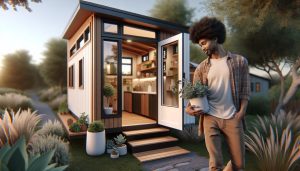
For many aspiring homeowners, affordability is a significant hurdle, especially in today’s housing market. Single-wide modular homes have emerged as a practical solution that combines cost-effectiveness with comfort. These streamlined living spaces not only provide an accessible entry point into homeownership but also offer creative living options suitable for various lifestyles. Whether you’re a first-time buyer or an investor seeking valuable properties, understanding the benefits and features of single-wide modular homes can empower you to make informed decisions. As you explore this guide, you’ll discover practical insights into financing, maintenance, and customization that will enhance your experience in navigating the world of manufactured housing.
What Are Single-Wide Modular Homes?
Single-wide modular homes represent a popular choice for those seeking affordable and convenient housing solutions. These structures, typically ranging from 14 to 18 feet in width and up to 90 feet in length, are designed to be transported as a single unit. Unlike traditional stick-built homes, single-wide homes are manufactured in a factory setting and then transported to a site where they are installed, offering a unique blend of mobility and comfort. Their streamlined design allows for efficient use of space, making them an excellent option for individuals, couples, or small families looking for a starter home or downsizing opportunity.
One of the biggest advantages of single-wide modular homes is their affordability. These homes are generally less expensive than site-built homes, making them an attractive option for first-time buyers or those on a fixed budget. The cost savings don’t just end with the purchase price; ongoing maintenance and utilities can also be more manageable due to their smaller size. Additionally, modern single-wide homes come equipped with many of the same features found in traditional homes, including energy-efficient appliances, modern kitchen layouts, and ample storage options, proving that style and comfort do not have to be sacrificed for affordability.
When choosing a single-wide modular home, it’s essential to consider local zoning laws and site preparation requirements, as these can influence both the purchasing process and installation. Many areas have specific regulations regarding placement, size, and aesthetic considerations for modular homes, which can affect the long-term feasibility of your investment. Furthermore, ensuring proper setup is crucial for the home’s stability and longevity, often involving leveling, anchoring, and utility installations to meet local building codes.
In summary, single-wide modular homes offer a viable solution for affordable living, providing potential homeowners with a range of stylish options and practical benefits. Their efficient design, lower costs, and adaptability to various living situations make them an attractive choice in today’s real estate market. As you explore this housing option, understanding not just the benefits but also the logistical and legal considerations will ensure a successful transition to modular home living.
Benefits of Choosing Single-Wide Homes
Choosing a single-wide home can often feel like the perfect solution for those looking to enter the housing market without the burden of overwhelming costs. These affordable modular homes provide a unique opportunity for many, from first-time buyers to retirees seeking a downsized lifestyle. One of the standout benefits of single-wide homes is their efficient use of space, allowing homeowners to maximize every square foot in a comfortable and practical manner. With a range of modern amenities, including energy-efficient appliances and contemporary designs, these homes prove that affordability and style can coexist.
Another significant advantage lies in their affordability. Not only is the purchase price typically lower than that of traditional homes, but maintenance and utility costs also tend to be more manageable. For many owners, saving money each month can translate into other significant life investments, such as education or retirement savings. The construction process of single-wide modular homes is generally quicker than conventional building, allowing homeowners to move in sooner and start enjoying their new living space without additional lengthy waiting periods.
Moreover, single-wide homes offer a unique level of flexibility. They are often designed to be transported easily, which means homeowners can have the option to relocate if necessary without enduring the complexities associated with traditional home sales. Many of these homes are situated in vibrant communities, providing opportunities for networking and forming friendships with neighbors. This community aspect is appealing, especially for new buyers who prefer a built-in support system as they adjust to homeownership.
In summary, the benefits of single-wide homes extend well beyond cost and aesthetics. Their practicality, financial advantages, and community living make them an excellent choice for a wide range of buyers. With thoughtful consideration of factors like setup, maintenance, and potential community opportunities, you can fully enjoy the rewards of owning a single-wide modular home.
Understanding the Cost of Single-Wide Modular Homes
Understanding the financial aspects of single-wide modular homes is crucial for potential buyers looking for affordable housing options. Single-wide homes typically range from $30,000 to $100,000, depending on various factors such as design, size, and included amenities. This price point generally places single-wides significantly lower than traditional homes, which can be appealing for first-time buyers or those seeking to downsize.
Monthly payments for single-wide homes can be manageable, especially considering lower property taxes and utility costs often associated with modular housing. For prospective buyers, it’s important to consider additional costs that may arise, such as land purchase or rental fees, transportation, setup, and connection of utilities like water, electricity, and sewage systems. Proper budgeting should account for these expenses to avoid unexpected financial strain.
Furthermore, a thorough understanding of depreciation is essential when considering the long-term investment in a single-wide home. Unlike traditional homes, which often appreciate in value, mobile homes can depreciate, particularly if they remain in their original location and do not undergo significant improvements. However, strategic renovations and improvements can enhance the resale value, making it a smart move for homeowners.
In addition to purchase costs, financing options for single-wide modular homes usually include personal loans, FHA loans, or manufactured home loans, depending on whether the home will be on owned or rented land. It’s advisable to shop around for the best loan terms, as interest rates and repayment periods can vary significantly. Consulting with a financial advisor familiar with modular housing can also offer tailored advice to help navigate this unique market effectively.
Overall, understanding the full spectrum of costs and financial considerations allows buyers to make informed decisions that align with their housing goals and financial realities. By taking a proactive approach and planning for the initial and ongoing expenses associated with single-wide modular homes, prospective owners can enjoy the benefits of affordable housing with confidence.
Financing Options for Your Modular Home
For many prospective homeowners, financing is a crucial consideration when exploring the world of single-wide modular homes. Given their affordability and the options available, these homes can serve as an excellent entry point into homeownership. The right financing can empower buyers to realize their dreams of owning a home while managing their budgets effectively.
When it comes to financing single-wide homes, several popular options stand out. Personal loans are often accessible, particularly for those who may not own land yet. These loans can cover the cost of the home itself, but it’s essential to understand the terms, interest rates, and repayment schedules before committing. FHA loans (Federal Housing Administration loans) also offer favorable terms for first-time buyers, especially if the home is affixed to a permanent foundation on owned land. FHA loans typically require lower down payments, which can be particularly beneficial for buyers with limited savings.
Another avenue worth exploring is manufactured home loans, which may include options for homes that will sit on rented lots. These loans often come with varying rates and terms, making it wise to compare offers from multiple lenders. Additionally, securing a loan pre-approval can give buyers a clearer picture of their budget and purchasing power. Consulting with a financial advisor who understands the nuances of manufactured housing can also provide invaluable guidance, helping buyers navigate the complex landscape of financing options.
- HoneyFund: Proceeds from a personal loan can be utilized for various costs, including setup fees.
- Down payment assistance programs: Many states and localities offer resources to facilitate home purchases.
- Credit unions: These institutions may provide competitive rates for members seeking to finance their modular homes.
Exploring these financing options allows individuals to align their financial strategies with their long-term housing goals. By approaching the process with informed decision-making and proactive budgeting, prospective owners can secure the financing they need to enjoy the benefits of single-wide modular home living.
Insurance Essentials for Single-Wide Homes
To safeguard your investment in a single-wide modular home, securing the right insurance is crucial. Unlike traditional homes, single-wide modulars, often situated in mobile home parks or on private lots, face unique risks that necessitate specialized coverage. This insurance not only protects against common risks such as fire, theft, and liability claims but also addresses specific mobile home concerns, including storm damage and structural issues.
When exploring insurance options, consider the following critical coverages:
- Dwelling Coverage: This covers the structure of your single-wide home itself, including essential systems like plumbing and electrical. Ensure you thoroughly document your home’s value and any upgrades for accurate coverage.
- Personal Property Coverage: Protects your belongings inside the home, from furniture to electronics. It’s advisable to perform a home inventory to fully capture the value of your personal items.
- Liability Coverage: In case someone is injured on your property, this coverage helps protect against lawsuits, covering legal fees and medical expenses.
- Comprehensive Coverage for Storms: Given that single-wide homes can be vulnerable to high winds and floods, especially in hurricane-prone areas, comprehensive coverage is essential to protect against natural disasters.
It’s also wise to discuss options for optional coverages, such as replacement cost for personal property rather than actual cash value, which can make a significant difference in the event of a loss. Be sure to read the policy details closely and inquire about any specific exclusions that might apply to modular homes.
Lastly, shopping around for quotes from multiple insurance providers can help you find better rates. Seek providers who specialize in mobile home insurance to ensure they understand the unique aspects of your home. Often, joining a mobile home association can also provide access to group rates or policies tailored for modular homeowners. By staying informed about your insurance options and maintaining adequate coverage, you can confidently enjoy the benefits of single-wide modular living while being well-protected.
Legal Requirements and Zoning Considerations
Navigating the legal landscape surrounding single-wide modular homes is crucial for prospective owners. These homes often differ from traditional houses in terms of regulations and zoning requirements, making it essential to understand what governs their installation and use. Local municipalities frequently impose regulations that dictate where and how modular homes can be placed, especially in mobile home parks or on private property. Before making a purchase, it’s vital to check with local zoning boards to determine what is permissible and what restrictions may apply.
To ensure a smooth installation process, consider the following essential legal and zoning factors:
- Zoning Ordinances: Local zoning laws may specify whether single-wide homes can be placed in certain areas or require specific land use. Investigate these regulations to avoid potential fines or mandatory removal of your home.
- Modular homes must meet building codes that vary by state and locality. Familiarize yourself with these codes when selecting your home to ensure compliance and safety.
- Permits: Obtaining necessary permits before installation is critical. This might include land use permits, construction permits, and utility hookups. Failure to secure these could result in delays or legal issues.
- Homeowners Associations: If your home is located in a community governed by a homeowners association (HOA), review their rules and regulations. Some associations may have restrictions on the appearance and maintenance of modular homes.
In addition to zoning regulations, understanding the legal definition of a modular home versus a manufactured home is important. Modular homes are typically built to the same building codes as traditional real estate, while manufactured homes follow different guidelines. This distinction can affect property taxes, financing options, and resale value. Therefore, it’s recommended to clarify with a qualified attorney or real estate professional about how these definitions apply in your situation.
Finally, joining local groups or organizations dedicated to modular and manufactured housing can provide valuable insights into legal requirements and best practices. Engaging with others who have navigated similar challenges can help you better understand your responsibilities as a homeowner and advocate for your rights within your community. By being informed and prepared, you can confidently move forward with purchasing and installing your single-wide modular home while ensuring compliance with all relevant legal standards.
Setting Up Your Single-Wide Home: A Step-by-Step Guide
Setting up your single-wide home is an essential step that transforms a structure into a comfortable living space. This process involves careful planning and execution to ensure that your home is not only functional but also safe and secure. Whether you’re placing your home in a mobile home park or on private land, following a structured approach will help you avoid common pitfalls and maximize your investment.
Begin by preparing the site where your single-wide will be placed. This involves clearing the area of debris, leveling the ground, and determining the best orientation for natural light and wind protection. A level base is crucial as it prevents structural issues down the line and ensures proper drainage. Once the site is ready, it’s time to focus on the foundation. Depending on your location and zoning requirements, you may need to choose between a permanent foundation, such as a concrete slab or piers, or a temporary foundation. Always consult with local regulations to comply with any specific requirements.
Next, securing your home is a top priority. This involves anchoring the unit properly to withstand storms and high winds, especially if you live in areas prone to hurricanes. Use approved tie-down systems and ensure that they are installed correctly. Additionally, don’t forget about utility connections; plan for water, electricity, and sewage lines, which may require professional help. It’s vital to coordinate with local utility companies to ensure safe and compliant connections.
Finally, once you’ve installed your home and connected the utilities, it’s essential to inspect everything and make any necessary adjustments. Regular maintenance checks after your home is set up will help prolong its life. By following these steps and recognizing the importance of proper installation, you ensure that your single-wide home is a safe, welcoming space for years to come.
Maintenance Tips for Longevity of Modular Homes
Maintaining a single-wide modular home is crucial for ensuring its longevity and your peace of mind. Regular upkeep not only preserves the value of your investment but also enhances the comfort and safety of your living space. With a bit of planning and consistent effort, you can keep your home in excellent condition for years to come.
A proactive maintenance routine should include both interior and exterior inspections. For the interior, check for any signs of water damage, particularly around windows and plumbing fixtures. It’s advisable to keep an eye on the caulking and seals; these should be replaced as soon as they begin to crack or wear, as this can prevent leaks that lead to more significant issues. Additionally, test smoke detectors regularly and replace batteries annually to ensure safety.
For the exterior, focus on the roof, siding, and foundational area. Inspect the roof for missing shingles or signs of wear at least twice a year, especially after heavy storms. Regularly clean gutters and downspouts to avoid water accumulation, which can damage the roof and foundation. The skirting around your home should also be checked for gaps and deterioration to help with insulation and pest prevention. If your home is situated in an area prone to severe weather, consider reinforcing the anchoring system to increase stability during storms.
Another vital aspect of maintenance is ensuring proper ventilation. Adequate airflow helps prevent moisture buildup and mold growth, particularly in humid climates. Regularly change HVAC filters to maintain air quality and system efficiency. Moreover, seasonal adjustments to heating and cooling systems can lead to more effective energy use and reduced utility costs.
Incorporating these fundamental practices into your routine can significantly enhance the durability of your single-wide modular home. By staying diligent with regular checks and repairs, you can create a safe, comfortable environment that stands the test of time. Remember, investing a little time and effort into maintenance today can save you considerable costs and inconvenience in the future.
Renovation Ideas to Enhance Your Space
Revamping a single-wide modular home can vastly enhance both its aesthetic appeal and functionality, making it a more comfortable and enjoyable living space. As these homes often feature a unique layout and design, thoughtful renovations can not only personalize the space but also increase its value significantly. Here are some creative renovation ideas to consider that can transform your mobile home into your dream living environment.
One of the easiest ways to start fresh is by updating the flooring. Consider replacing outdated carpet with durable, stylish vinyl planks or laminate flooring that provides maintenance ease and modern flair. This change can brighten up your home and create an illusion of more space. Additionally, you can incorporate area rugs for added warmth and texture without a significant commitment.
Kitchen and Bathroom Upgrades
The kitchen and bathroom are key areas that can benefit greatly from renovation. In the kitchen, replacing old countertops with granite or quartz can elevate the space, providing a contemporary and sleek look. Upgrading cabinets, whether through painting or replacing them entirely, can also add to the kitchen’s appeal. Open shelving can create a more airy feel, showcasing dishware and decorative items.
For the bathroom, consider swapping out dated fixtures for modern alternatives. Installing a new vanity, updated faucets, and stylish tiling can turn a basic bathroom into a personal oasis. Adding in smart storage solutions, like wall-mounted shelves or cabinets, can help maximize space and keep the area uncluttered.
Outdoor Enhancements
Don’t overlook the exterior of your single-wide home. Adding a deck or patio can extend your living space outdoors, providing a wonderful area for gatherings or relaxation. Simple landscaping projects, such as planting low-maintenance flowers and shrubs, can boost curb appeal. Installing a lightweight awning can also provide shade and protection from the elements, making outdoor spaces more enjoyable.
Smart Home Features
Consider integrating smart home technology as part of your renovation. Devices such as smart thermostats, lighting, and security systems can enhance comfort and improve energy efficiency. These upgrades not only modernize your home but can also be incredibly appealing to potential buyers if you decide to sell.
By exploring these renovation ideas, you can create a welcoming and functional single-wide modular home that reflects your style and meets your needs. With a little creativity and investment, your living space can thrive, making it a persistent source of pride and joy.
Hurricane Preparedness for Single-Wide Homes
A single-wide modular home can be a cozy and affordable living option, but it also calls for specific preparations, especially in hurricane-prone areas. Understanding how to secure your home in the face of severe weather is essential for ensuring safety and minimizing potential damage. With the right steps, these homes can stand up better against the powerful winds and heavy rainfall associated with hurricanes.
One of the primary concerns with single-wide homes during hurricanes is their tendency to be more vulnerable to wind uplift and movement. This can be mitigated by proper anchoring. Ensuring that your home is anchored according to local building codes not only helps it withstand strong winds but may also be a requirement for insurance purposes. Typically, this involves utilizing ground anchors, mobile home tie-downs, and a sturdy frame system to solidify the structure against lateral and uplift forces.
Preparation should also include reinforcing doors and windows. Consider installing impact-resistant windows and doors or using storm shutters to protect these vulnerable spots. These measures can significantly reduce the likelihood of breakage and water intrusion, which might lead to severe interior damage. Additionally, reinforcing the roof can help prevent it from being torn off by high winds.
Lastly, having an emergency plan is crucial. Ensure that you have a disaster supply kit that includes essential items such as food, water, medications, and important documents. It is also wise to know your evacuation routes and shelter locations in case you need to leave your home. Regularly reviewing and updating your plan ensures that you’re prepared no matter the situation.
By taking proactive measures to reinforce your single-wide modular home against hurricanes, you can enjoy the benefits of modular living with greater peace of mind, knowing that your home is better equipped to withstand nature’s challenges.
Real Estate Value: Selling or Renting Your Modular Home
Selling or renting a single-wide modular home can be a savvy investment choice, especially given their appeal as affordable living options for many people. The real estate market for these homes is distinct and offers unique opportunities, primarily driven by demand for low-cost housing. Properly positioning your single-wide home in this competitive landscape can attract potential buyers or renters looking for an economical living solution.
To effectively sell or rent your single-wide home, start by enhancing its curb appeal. Simple improvements like landscaping, painting the exterior, or updating fixtures can significantly influence first impressions. Additionally, staging the interior can help prospective buyers or renters envision their lives in the space. Consider professional photography to showcase the home in its best light, as high-quality images can make a substantial difference in online listings.
When pricing your modular home, it’s essential to research the local market. Look at comparable homes in the area to set a competitive price. Consider both short-term and long-term rental options, balancing potential monthly income with occupancy rates to understand what price points may be most attractive to renters. If selling, be prepared to negotiate and consider offering incentives such as covering closing costs to make your listing stand out.
Furthermore, understand the legal aspect associated with selling or renting a modular home. Ensure that all necessary documents, such as title, inspection reports, and warranties, are in order. If you are renting, prepare a clear lease agreement that outlines the terms, responsibilities, and expectations for both parties. This transparency can foster trust and thus facilitate smoother transactions.
By taking these steps-enhancing appearance, pricing competitively, and managing legal paperwork-you position your single-wide modular home as a desirable option in the housing market. This proactive approach not only maximizes your investment potential but also helps to validate modular living as a practical and appealing choice for others.
Exploring Community Living with Single-Wide Homes
Living in a community centered around single-wide modular homes offers a unique blend of convenience, affordability, and a sense of belonging. As more people look for affordable housing solutions, these communities have grown in popularity, providing not just shelter but a vibrant lifestyle that fosters connection and camaraderie. The appeal of single-wide homes extends beyond their economical price tags; they often create opportunities for residents to engage in shared spaces, benefit from community activities, and develop lasting friendships.
In these communities, residents can enjoy shared amenities such as parks, swimming pools, and clubhouses. Engaging in community events-whether it’s potluck dinners, yard sales, or seasonal celebrations-allows residents to connect with one another and build a support network. This social dynamic makes living in a single-wide community particularly attractive for families, retirees, and anyone looking to forge new relationships. The simplicity of life in these neighborhoods often leads to less stress and more time spent enjoying the company of neighbors.
When exploring a community for single-wide homes, consider what amenities and services are available to enhance your lifestyle. Look for options that provide well-maintained common areas, easy access to shopping and public transport, and proximity to essential services. Additionally, many communities have active homeowner associations (HOAs) that help maintain a pleasant environment and organize events, ensuring that the investment in a single-wide home also delivers quality of life.
To make the most of community living, communication is key. Engaging with neighbors can lead to collaborative projects such as community gardens or workshops, further enhancing the shared living experience. Establishing strong relationships with those around you not only enriches your daily life but also cultivates a safer and more enjoyable environment for all. Embrace the unique lifestyle that comes with living in a community of single-wide modular homes and reap the benefits of a supportive and engaging neighborhood atmosphere.
Frequently Asked Questions
Q: What are the key features of single-wide modular homes?
A: Single-wide modular homes are typically manufactured in a factory and transported as a single unit. Key features include a compact design, affordability, customizable layouts, and various finishes. They often comprise one to three bedrooms and include essential amenities, making them ideal affordable starter options for first-time homebuyers.
Q: How do single-wide modular homes compare to traditional homes?
A: Single-wide modular homes are generally less expensive and quicker to set up than traditional homes. Unlike site-built homes, they are constructed in a factory which may reduce construction time and costs. However, they may offer less square footage and land options compared to traditional homes.
Q: Can I finance a single-wide modular home like a traditional house?
A: Yes, you can finance a single-wide modular home through various options, including personal loans, FHA loans, or conventional mortgages. Be sure to check with lenders about specific requirements, as financing criteria can differ from those for traditional homes [1[1].
Q: What should I consider when selecting land for my single-wide modular home?
A: When choosing land for your single-wide modular home, ensure it meets local zoning regulations and is suitable for septic systems if needed. Additionally, consider access to utilities, proximity to amenities, and the overall suitability of the land for setup and long-term habitation.
Q: How can I enhance the resale value of my single-wide modular home?
A: To enhance resale value, consider regular maintenance, updates to the kitchen and bathrooms, and curb appeal improvements like landscaping or exterior paint. Renovations that align with market trends can also attract prospective buyers.
Q: What insurance options are available for single-wide modular homes?
A: Insurance for single-wide modular homes typically includes homeowner’s insurance and specific manufactured home insurance policies. Coverage can vary, so it’s advisable to assess your needs and consult with an insurance agent familiar with modular home policies.
Q: Are single-wide modular homes in hurricane-prone areas safe?
A: Yes, single-wide modular homes can be made safe in hurricane-prone areas by adhering to local building codes and engineering guidelines. Storm tie-down systems and proper foundation installation are essential for stability during high winds. Regular assessments and upgrades are also recommended for long-term safety [1[1].
Q: What maintenance tasks are essential for single-wide modular homes?
A: Essential maintenance tasks for single-wide modular homes include regular inspections of the roof, plumbing, and heating systems, as well as exterior upkeep like siding and decking. Seasonal checks on insulation and HVAC systems can also contribute to energy efficiency and longevity.
The Conclusion
In summary, single-wide modular homes present an affordable and practical option for first-time homeowners and those looking to downsize. With their diverse designs and efficient setups, they cater to various needs without breaking the bank. If you’re considering this viable housing solution, don’t hesitate to explore financing options and insurance considerations to ensure a smooth transition into your new home. For further insights on mobile home ownership, check out our guides on setup procedures and essential maintenance projects.
Ready to take the next step? Dive into our resources on property valuation and hurricane preparedness to maximize your investment and safety. Your journey into single-wide living starts today, and we’re here to help every step of the way! Feel free to share your thoughts or ask questions in the comments below. Together, let’s navigate the world of manufactured housing with confidence!