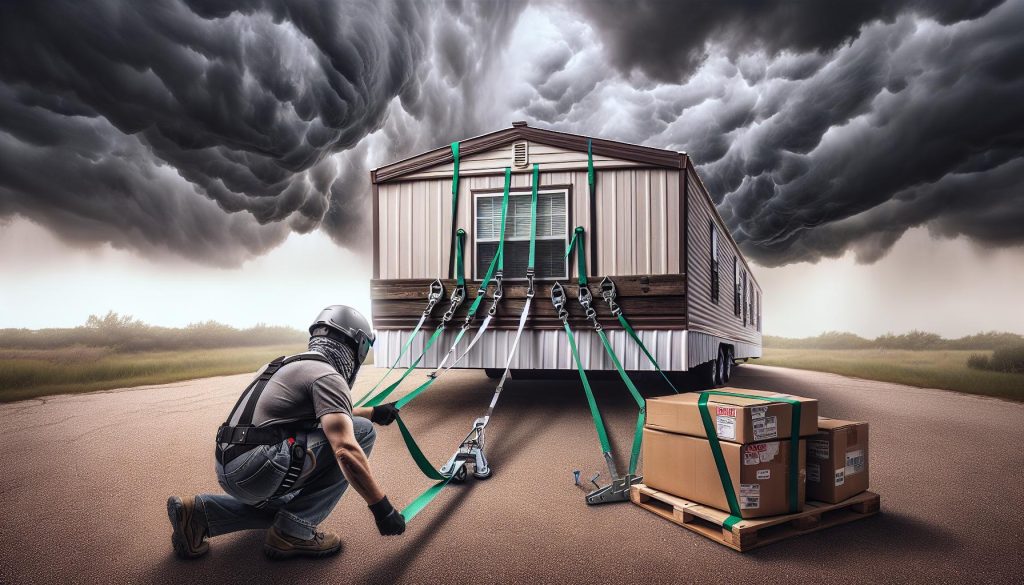
Did you know that properly strapping down your mobile home can significantly reduce the risk of damage during severe storms? As a mobile homeowner, ensuring the safety and stability of your residence is paramount, especially in areas prone to high winds and hurricanes. This guide on “How to Strap Down a Mobile Home: Essential Storm Protection” will provide you with crucial insights and practical steps to secure your home effectively. You’ll learn why tie-downs are vital not just for storm safety but also for enhancing the longevity of your investment. By implementing these strategies, you can safeguard your dwelling, maintain peace of mind, and ultimately protect your family’s well-being. Continue reading to discover the essential techniques and insights that will empower you to take charge of your mobile home’s safety.
Understanding the Importance of Mobile Home Tie-Downs
Understanding the importance of securing a mobile home with proper tie-downs cannot be overstated, especially for those residing in areas susceptible to severe weather. Mobile homes, though designed for mobility, require robust anchoring systems to withstand high winds and prevent displacement during storms. Without adequate tie-downs, these structures are at an increased risk of damage, which can lead not only to financial loss but also to potential hazards for occupants and the surrounding community.
The fundamental purpose of mobile home tie-downs is to anchor the structure to the ground or a foundation, thereby enhancing stability. In regions prone to hurricanes, tornadoes, or heavy storms, the presence of effective tie-down systems can dramatically reduce the risk of structural failure. The Federal Emergency Management Agency (FEMA) emphasizes that properly installed tie-downs can be pivotal in preserving the integrity of mobile homes during extreme weather events.
Moreover, understanding local codes and regulations regarding mobile home anchoring is crucial. These requirements often dictate the types and configurations of tie-downs necessary for compliance, impacting safety and insurance coverage. Residents should consult local building codes to ensure that their mobile home is adequately secured against potential storm conditions, thereby safeguarding their investment and peace of mind.
In summary, investing time and resources into proper tie-down installation is a vital step for mobile home safety. It not only protects homes from external forces but also affirms the commitment of owners to safe living practices within their communities.
Essential Tools and Materials for Securing Your Home
To effectively secure a mobile home against storm damage, having the right tools and materials is crucial. Ensuring that your manufactured home is properly anchored not only enhances its safety during high winds but also provides peace of mind for you and your family. Gathering the essential supplies before starting the anchoring process can make all the difference.
Key materials for securing your home include heavy-duty tie-down straps and anchors designed specifically for manufactured housing. These tie-downs come in various styles, such as over-the-top and frame ties, which offer different levels of security for your home depending on its location and the specific weather risks it may face.
Essential Tools
Gathering the right tools is just as important as having the necessary materials. Here are some essential tools you will need:
- Wrench Set: To securely tighten bolts on the anchors.
- Drill: For creating holes in the ground or foundation to place anchors.
- Measuring Tape: To ensure precise placement of ties and anchors.
- Level: To make sure your mobile home is properly aligned before installing tie-downs.
- Protective Gear: Gloves and safety goggles to protect yourself during the installation process.
Materials Needed
In addition to your tools, you’ll need a selection of materials that are both durable and compliant with local codes:
- Anchors: Galvanized steel anchors are preferred for their durability and resistance to rust, especially in moist environments.
- Straps: Look for high tensile strength materials that can withstand significant pulling forces.
- Hardware: Ensure you have the necessary bolts, nuts, and washers that are rust-resistant to maintain integrity over time.
- Concrete Blocks (if applicable): For additional weight and stability when securing your home.
By assembling these tools and materials beforehand, you’ll set yourself up for a successful and efficient installation process. Ultimately, this preparation will not only protect your investment but also ensure a safer living environment in the event of a storm.
Step-by-Step Guide to Mobile Home Anchoring
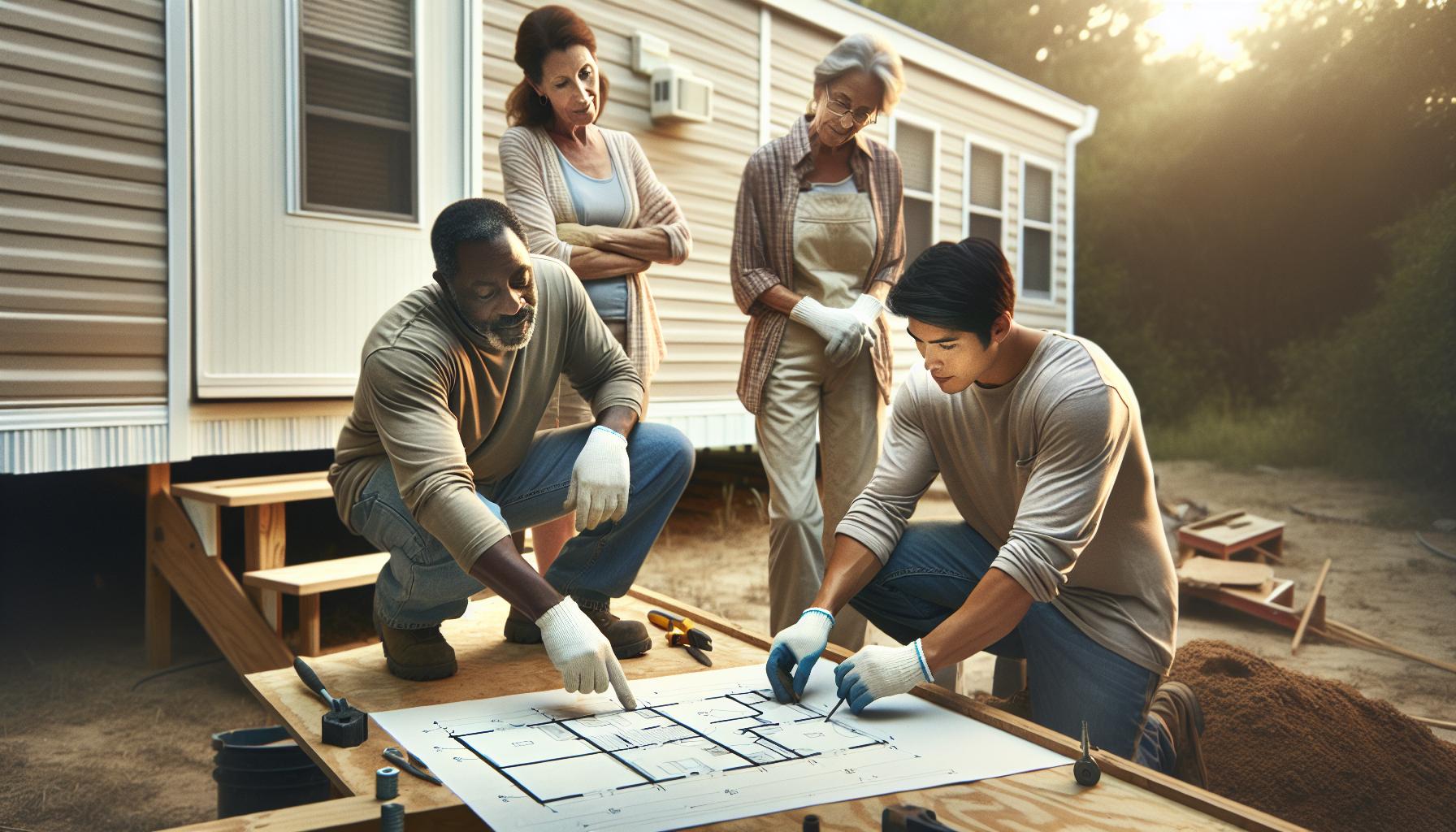
To successfully anchor your mobile home and protect it from potential storm damage, you’ll want to follow a structured approach that combines careful planning with hands-on execution. The process is designed to create a secure foundation that helps your home withstand high winds and severe weather conditions, ensuring both the safety of your household and the longevity of your manufactured dwelling.
Begin by evaluating the layout of your mobile home. Identify the points where the anchors will be installed; typically, these should be placed at each corner of the home and along the sides at regular intervals. Using a measuring tape, mark the spots where the anchors will be inserted, ensuring they are evenly spaced according to the manufacturer’s recommendations, which often stipulate specific distances based on the home’s width and type of anchor used.
Once the locations are marked, it’s time to prepare the ground for installation. If you’re using auger-style or screw anchors, employ a drill to create the necessary holes, ensuring they reach the appropriate depth as dictated by local regulations. For other types of anchors, such as concrete blocks or post-style anchors, make sure the area is clear of debris and level for optimal stability. After preparing the ground, install the anchors, using a wrench set to secure them tightly. It’s crucial to follow the specific instructions for the type of anchor you are using, as this ensures maximum effectiveness.
Next, attach the tie-down straps. Depending on the design of your mobile home, you may choose either over-the-top straps, which provide secure anchoring over the structure, or frame ties that connect to the home’s base. Carefully position the straps so they fit snugly, allowing for minimal movement. Tighten the straps fully, as loose connections can compromise the system’s efficacy. Regular checks of the tension and alignment of your straps should follow the installation, especially after large storms.
Finally, once all anchors and straps are securely in place, conduct a thorough inspection to confirm that everything is positioned correctly and meets local safety standards. This proactive approach not only improves your home’s storm readiness but also gives you peace of mind, knowing your mobile home is fortified against the elements. Regular maintenance of the anchoring system will ensure continued safety and effectiveness, reminding you that preparation is key to home security in storm-prone areas.
Common Mistakes to Avoid When Strapping Down
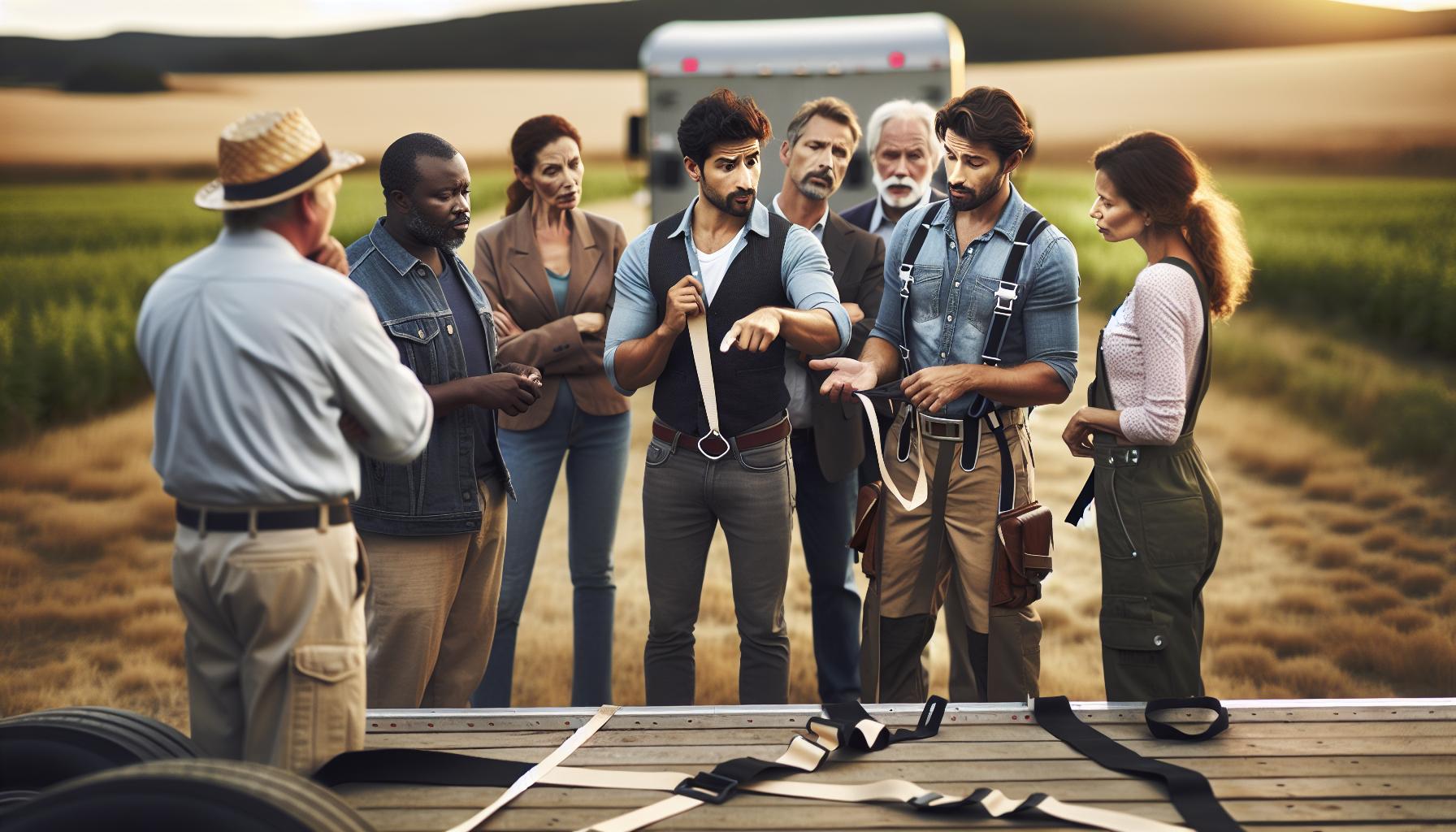
Inadequate tie-downs can spell disaster for mobile homes during severe weather conditions. Unfortunately, many homeowners make critical errors that can compromise their home’s safety when securing it against storms. Avoiding common pitfalls in the strapping process can significantly enhance the resilience of your manufactured home.
One prevalent mistake is neglecting to use the proper type of tie-downs. Over-the-top tie-downs and frame ties serve different purposes and should be used in tandem for optimal support. Relying solely on one type may leave your home vulnerable, as each style addresses specific stress points and wind forces. Familiarizing yourself with how to effectively implement both types can provide the comprehensive protection your home requires.
Another frequent oversight is failing to follow manufacturer guidelines on spacing and tension. The placement of anchors is crucial-usually every 10 to 12 feet along the perimeter-but even more critical is how tightly you secure the straps. Loose straps can unravel in high winds, while overtightening may cause damage to the home structure. Always ensure that the straps fit snugly without causing strain.
In addition, insufficient preparation of the installation site often leads to ineffective anchoring. Ground surface must be clear of debris and level to maximize anchor stability. Before the installation, make sure to assess the soil type where the anchors will be driven in; certain soils may require different anchor types for optimum performance.
Lastly, regular inspections post-installation are essential. Storms can cause wear and tear over time, shifting your anchors and loosening straps. Schedule routine checks to ensure everything remains secure, making adjustments as necessary. Being proactive about maintenance can prevent costly damages down the line, providing peace of mind as you weather the stormy seasons.
How to Assess Your Mobile Home’s Storm Readiness
Assessing the storm readiness of your mobile home is crucial to ensure safety during severe weather. Regular evaluations can help identify potential vulnerabilities that could lead to disastrous consequences. Start by performing a thorough inspection of your tie-down system, focusing on the condition of the anchors, straps, and connections. Look for any signs of wear, rust, or loosening, as these can compromise the integrity of your home’s stability. Proper tie-downs should be tight yet not overly strained, and each layer of anchoring should adhere to the manufacturer’s specifications.
Next, evaluate the environmental conditions surrounding your mobile home. Ensure that the area is free from debris that could become projectiles during a storm. Pay attention to the landscape and grading; water drainage can play a significant role in how well your home withstands heavy rains and winds. If your home is positioned in a flood-prone area, consider additional measures like installing flood barriers or relocating essential utilities above expected flood levels.
Additionally, familiarize yourself with local regulations regarding storm preparedness. Many areas have specific requirements for mobile home safety during extreme weather. Engaging with your local building authority can provide valuable insight into whether your home meets these standards. Last but not least, keep an emergency plan in place that includes evacuation routes, contact information for emergency services, and a storage area for essential supplies like food and water, which could be critical in the event of a significant storm.
By taking these proactive steps and making regular assessments a part of your mobile home maintenance routine, you can significantly enhance your home’s resilience against storms, ensuring peace of mind as you navigate the challenges that severe weather can bring.
Advanced Techniques for Hurricane-Resistant Strapping
Properly securing a mobile home against hurricane forces requires more than the basic tie-down methods most commonly used. Advanced strapping techniques can significantly enhance your mobile home’s resilience during extreme weather conditions. Utilizing materials and methods that withstand high winds and shifting soil will create a solid foundation for your home’s security.
Enhanced Strapping Materials
Invest in strapping materials specifically designed for hurricane resistance. High-tensile steel straps or heavy-duty synthetic straps are excellent choices due to their strength and durability. These materials can resist the intense forces that a hurricane can exert, reducing the risk of damage. Ensure the straps you choose have a sufficient breaking strength rating, typically expressed in pounds, to secure your home safely.
Proper Application Techniques
When applying straps, use a systematic approach to create a web of support that anchors your home effectively. Consider the following methods:
- Cross-Bracing: Position straps diagonally across your home to form an X pattern. This technique distributes wind loads evenly and minimizes swaying.
- Use of Utility Anchors: Install utility anchors that penetrate deep into the soil. This will provide a strong hold against pulling forces.
- Multiple Anchor Points: Utilize multiple anchor points at both ends of the straps, ensuring they connect to the frame of the mobile home as well as to the ground anchors.
Regular Maintenance and Inspections
After implementing advanced strapping techniques, ongoing maintenance is crucial. Regularly inspect the straps and anchors, particularly after storms, to ensure they remain secure and intact. Look for signs of wear, rust, or loosening, and replace any damaged components immediately. Additionally, maintain a close watch on the ground conditions; soil erosion or flooding can impact the effectiveness of your anchors.
By employing these advanced strapping techniques and committing to regular maintenance, you can dramatically increase your mobile home’s resilience to hurricane conditions. This proactive approach not only protects your investment but also enhances your peace of mind during hurricane season, allowing you to embrace mobile home living with confidence.
Local Regulations and Building Codes You Should Know
Understanding the local regulations and building codes surrounding mobile home tie-downs is crucial for ensuring the safety and compliance of your home during severe weather events. Many jurisdictions have specific requirements that dictate how mobile homes must be anchored, the materials to be used, and the installation methods to follow. These guidelines are designed to protect residents by minimizing the risk of structural failure during storms, particularly in hurricane-prone areas.
To navigate these regulations effectively, it’s important to start by checking with your local building department or housing authority. They can provide you with the latest codes applicable in your area, which may include specifications on the types of tie-downs required, the number of anchors per unit, and the proper spacing between them. For instance, FEMA recommends using tie-down systems that are designed to withstand the forces exerted by wind and storm surges, emphasizing the need for proper anchorage to the ground to stabilize manufactured homes [[2]](https://underhomearmor.com/mobile-home-tie-downs/).
Moreover, consider the age and model of your mobile home, as older units might be subject to different standards compared to newer models built after updated regulations. Many newer homes come with built-in features that facilitate tie-down compliance. It’s also beneficial to engage with local homeowner associations, as they may have additional guidelines that complement municipal codes.
To further ensure safety and compliance, you might want to document your installation process and keep records of your inspections. This provides not only peace of mind but can also be valuable during any insurance claims relating to storm damage. Engaging professionals who are familiar with local codes can also be a worthwhile investment, helping you navigate the complexities of securing your mobile home effectively while adhering to all necessary regulations.
Maintaining Your Tie-Down System for Long-Term Safety
Regular maintenance of your mobile home’s tie-down system is vital for ensuring it remains secure and resilient against severe weather. Over time, factors such as rust, UV exposure, and ground movement can compromise the effectiveness of your tie-downs, potentially leaving your home vulnerable during storms. Implementing a structured maintenance routine can significantly enhance the longevity and reliability of your anchoring system.
To maintain your tie-down system effectively, start with annual inspections to assess the condition of all components. Look for signs of wear such as fraying straps, rusted anchors, or loosened hardware. Pay special attention to the attachments where straps connect to the mobile home and the ground anchors. Document your findings and replace any damaged pieces promptly to maintain the integrity of the system. Engaging professionals for a thorough inspection, particularly after significant weather events, can provide additional reassurance and expertise.
In addition to inspections, consider refreshing your tie-downs every few years, particularly in areas prone to extreme weather. This renewal process can include replacing straps with newer, more durable materials that resist UV damage and corrosion. You can also explore advanced technologies, such as adjustable tie-downs that allow for fine-tuning and adaptations to changes in soil conditions or home settling.
Moreover, keep abreast of local regulations and best practices in mobile home anchoring. Communities may have updated guidelines or recommendations that can enhance your safety during storms. Engaging with local homeowner associations or trusted contractors can offer valuable insights and resources, ensuring that your tie-down practices meet current standards. A well-maintained tie-down system not only protects your home but also provides peace of mind, allowing you to enjoy living in your mobile home without undue worry about storm preparedness.
Hiring Professionals vs. DIY: What You Need to Consider
When it comes to securing your mobile home against storms and high winds, the decision to hire professionals or tackle the task yourself can significantly impact safety and performance. Both routes have their pros and cons, and understanding these can help you make the best choice for your situation.
Hiring professionals ensures that your tie-down system is installed correctly, meeting all safety standards and regulations. Professionals typically have the expertise to evaluate your specific home and site conditions, which can be crucial in determining the best method for anchoring. They are trained to handle specific challenges that may arise during installation, such as dealing with buried utilities or soil stability issues. Additionally, having a certified professional inspect your securement system offers peace of mind, as they provide guarantees and take responsibility for their work.
On the other hand, opting for a DIY approach can be both cost-effective and rewarding. Many homeowners enjoy the satisfaction that comes with completing a project on their own. With the right tools and materials, as well as access to online resources and guides, you can successfully install your own tie-downs. However, it is essential to educate yourself about proper techniques and local codes to avoid common pitfalls, such as inadequate anchoring or overlooking important safety measures. Engaging with community forums or local experts for advice can enhance your DIY experience and equip you with valuable knowledge for any adjustments or maintenance in the future.
In deciding which option is best, consider factors such as your budget, level of experience, and local regulations. If you do choose to go the DIY route, be prepared to invest time in research and possibly enlist friends or family for assistance. Always prioritize safety and ensure that your mobile home is adequately secured to withstand severe weather. Whether you hire a professional or take on the task yourself, ensuring that your home is well-anchored is vital for storm preparedness and overall safety.
Helpful Resources for Storm Preparedness and Support
Mobile home communities often face unique challenges, especially when it comes to preparing for storms. However, there are numerous resources available to help homeowners strengthen their storm preparedness and ensure their safety during severe weather events. Accessing the right information can make all the difference in protecting your investment and creating a secure living environment.
Local government websites often provide vital information about building codes and safety regulations specific to mobile homes. It’s important to familiarize yourself with these guidelines, as they can dictate how tie-downs must be installed and maintained. Additionally, many municipalities offer free or low-cost workshops on emergency preparedness that include vital information about mobile home safety.
Joining community forums can also be invaluable. Websites dedicated to mobile home living or social media groups often share personal experiences, recommendations, and practical tips for storm preparedness. These platforms can help connect you with other mobile home residents who may have faced similar challenges and successfully navigated them. Remember, a network of supportive peers can lend emotional support and practical advice when the skies darken.
Lastly, consider reaching out to organizations such as FEMA or the National Hurricane Center. They provide up-to-date information on weather conditions, preparedness checklists, and tips on securing your home before a storm hits. Many of these resources are aimed at providing accessible and actionable plans tailored to individuals with manufactured homes, ensuring you have comprehensive support when you need it most.
In summary, leveraging a mix of local regulations, community knowledge, and national resources forms a robust foundation for storm preparedness. This approach empowers homeowners to take control of their safety and the security of their homes, enabling a proactive stance against nature’s unpredictability.
Real-Life Success Stories: Effective Mobile Home Protection
Many mobile homeowners have proven that effective preparation can make a significant difference during storm events. Take, for example, the experience of a homeowner in Florida who faced a Category 4 hurricane. Prior to the storm, they had invested the time to properly secure their mobile home using high-quality tie-downs and anchors specifically designed for hurricane resistance. They mounted heavy-duty straps to the home’s frame and secured them into the ground, following local building codes closely. As the storm passed, they reported that their mobile home remained upright and intact, demonstrating that diligence in preparation can greatly enhance safety.
Another success story comes from a resident in Texas, who learned the value of community workshops focused on storm preparedness. After attending a local seminar, they came away with practical insights on not only the importance of proper tie-downs but also the best materials to use. Armed with this knowledge, they replaced worn-out straps, applied rust-proof coatings, and ensured all fasteners were securely tight. When severe weather hit their area, they felt assured knowing that their investment in storm readiness had paid off, as their home weathered the elements without any issues.
Moreover, there are numerous testimonials from community forums where individuals have shared their experiences with DIY tie-down systems. One family recounted their success after reinforcing their mobile home’s foundation with additional brace systems after extreme weather had shaken the community. They documented the process, detailing their use of affordable tools to effectively create a more robust anchoring system. Their proactive approach inspired others in their neighborhood to take similar steps, creating a ripple effect of enhanced safety for everyone living in mobile homes.
Together, these stories reinforce the valuable lesson that preparedness is crucial in protecting mobile homes from storm-related damage. By learning from the experiences of others and adopting proactive strategies, mobile homeowners can significantly improve their resilience against nature’s unpredictable forces. Planning, utilizing the right materials, and adhering to safety guidelines not only ensures the longevity of the home but also provides peace of mind during storm season.
Q&A
Q: How do I know if my mobile home is properly strapped down?
A: To ensure your mobile home is properly strapped down, inspect the tie-downs for signs of wear or damage. Refer to local building codes for proper installation guidelines and engage a professional for a thorough inspection if unsure. Regular maintenance is essential to ensure effectiveness.
Q: What are mobile home tie-downs made from?
A: Mobile home tie-downs are typically made of high-strength steel straps or cables that are designed to anchor the home to the ground. These materials can withstand extreme weather conditions, ensuring your home remains secure during storms.?
Q: Can I install tie-downs on my mobile home myself?
A: Yes, you can install tie-downs on your mobile home yourself, provided you have the right tools and follow local building codes. However, using professional services is recommended to ensure safety and compliance with regulations when it comes to storm preparation.
Q: How often should I check my mobile home tie-downs?
A: You should check your mobile home tie-downs at least twice a year, ideally before and after hurricane season. Inspect for corrosion, damage, or loosening and replace any worn components to maintain optimal performance.
Q: What should I do if my mobile home is not anchored correctly?
A: If your mobile home is not anchored correctly, consult local building codes and guidelines for proper installation. You may need to hire a qualified contractor to reposition or add tie-downs, ensuring your home is secure against storms.
Q: Are there specific regulations for mobile home anchoring in my area?
A: Yes, regulations for mobile home anchoring vary by county and state. Check with your local building department for specific guidelines and requirements to ensure your home is compliant and safe during storms.
Q: What are the best materials for hurricane-resistant tie-downs?
A: The best materials for hurricane-resistant tie-downs include galvanized steel straps, heavy-duty concrete blocks for anchors, and high-strength cables. These materials can endure strong winds and provide maximum stability.
Q: How can proper mobile home strapping improve storm readiness?
A: Proper mobile home strapping significantly enhances storm readiness by anchoring the home securely and preventing shifting during high winds. This reduces the risk of damage and provides peace of mind during severe weather events.
For more detailed guidance on securing your mobile home, consider visiting the sections on maintaining your tie-down system and advanced techniques for hurricane-resistant strapping in the main article.
The Conclusion
By securing your mobile home with proper storm tie-downs, you’re taking a pivotal step in ensuring your safety and peace of mind during extreme weather. Remember, preparation is key; it’s far better to act now than to face potential damage later. If you have any lingering questions about the strapping process or want to explore financing options for mobile home safety enhancements, don’t hesitate to check out our guides on financing your mobile home renovation and essential maintenance tips.
For further insights, consider diving into our articles on leveling your mobile home and understanding legal requirements for property ownership. Each resource is designed to empower you with practical knowledge, helping you protect your investment and enjoy your mobile home with confidence.
Join our community of mobile home enthusiasts by subscribing to our newsletter or sharing your thoughts in the comments below. Your journey into making informed choices about your home continues-let’s explore together!