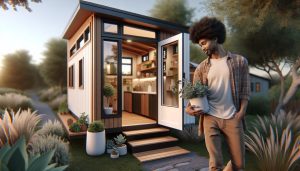
When it comes to mobile homes, understanding the various sizes and dimensions is crucial for homeowners, prospective buyers, and investors. Did you know that mobile homes can vary significantly in length and width, often impacting pricing and placement options? Whether you’re planning to buy or already own, knowing these dimensions can help you make informed decisions about space, layout, and compliance with zoning laws. Our comprehensive guide dives into standard sizes, providing a valuable chart and clear insights. This knowledge will empower you to optimize your mobile home experience and ensure your living situation meets your needs. Let’s explore the essential dimensions and how they affect your choice in mobile home living!
Understanding Mobile Home Sizes and Dimensions
Understanding the sizes and dimensions of mobile homes can significantly influence not only your purchasing decisions but also your living experience. Mobile homes come in a variety of sizes, typically categorized by their width and length, which ultimately affect how you can use the space. The standard sizes, which include single-wide, double-wide, and triple-wide options, are designed to meet diverse needs-from affordability to spaciousness. It’s essential to grasp these dimensions in order to make informed choices that cater to your lifestyle and preferences.
Standard Mobile Home Sizes
The most common classifications of mobile homes include:
- Single-Wide: Generally measures about 14 feet by 70 to 80 feet, offering a compact living space ideal for smaller families or individuals.
- Double-Wide: Typically ranges from 26 feet wide and 50 to 80 feet long, providing a more spacious layout suitable for larger families or those needing additional room.
- Triple-Wide: Extends further in width, often exceeding 40 feet and can reach up to 90 feet in length, offering extensive living areas with multiple bedrooms and bathrooms.
Understanding the size variations corresponds with not just the structure but also the overall experience of living in a mobile home. Furthermore, various floor plans allow customization to accommodate specific needs, such as extra bedrooms, office space, or open-concept living areas.
Factors Influencing Mobile Home Size Choices
Several factors should guide your selection, including family size, budget, and desired amenities. Additionally, consider the space available for installation, as larger homes require more room both to set up and to maintain privacy and outdoor space. Regular maintenance, such as leveling and securing the mobile home against environmental factors, is more demanding for larger units. Ultimately, selecting the right size relies heavily on balancing your requirements with future lifestyle changes, ensuring that your living space remains practical and comfortable as your life evolves.
Standard Mobile Home Sizes: A Comprehensive Guide
Understanding the variations in mobile home sizes and dimensions is vital for making informed decisions, whether you are considering purchasing a new home or simply planning a setup on your property. Mobile homes are typically classified into three primary categories: single-wide, double-wide, and triple-wide, each offering distinct benefits and challenges that cater to different lifestyles and needs.
Single-wide mobile homes are the most compact, generally measuring about 14 feet wide and ranging from 70 to 80 feet in length. This size is ideal for individuals or smaller families who appreciate a simplified layout and reduced maintenance requirements. Single-wides often feature a straightforward floor plan, making them easy to furnish and maintain while being more budget-friendly compared to larger options.
Moving up in size, double-wide homes offer a significant increase in space, often measuring 26 feet wide and between 50 to 80 feet in length. This configuration provides a more spacious living environment with the potential for multiple bedrooms and larger common areas, ideal for families who need flexibility in their living arrangements. Double-wides can include expansive kitchens and living rooms, as well as extra bathrooms, enhancing day-to-day comfort.
For those desiring even more room, triple-wide mobile homes take it a step further, typically exceeding 40 feet in width and reaching up to 90 feet in length. These homes can accommodate extensive living areas, multiple bedrooms, and bathrooms. They are perfect for larger families or those looking to create a home that doubles as a space for entertainment or work-from-home setups.
It’s crucial when considering mobile home sizes to think about not just the dimensions, but how these measurements affect your lifestyle. Each home’s layout can vary widely, and various floor plans can be customized to fit specific needs, such as an open-concept living area or dedicated office space. Ultimately, choosing the right size involves a balance between available space, budget, and the long-term needs of your household.
Common Mobile Home Dimensions Explained
Understanding the dimensions of mobile homes not only helps in selecting the right model but also contributes to optimizing space and enhancing lifestyle quality. Mobile homes generally come in three standard sizes: single-wide, double-wide, and triple-wide, each serving distinct needs and preferences.
Single-wide mobile homes typically measure about 14 feet in width and range from 70 to 80 feet in length. This compact size is ideal for individuals or smaller families seeking an economical option with less maintenance. The interior layout often consists of a straightforward design that effectively utilizes available space. Features like open-concept living areas and combined kitchen and dining spaces make single-wides cozy yet functional.
Double-wide homes increase in size and versatility, usually measuring around 26 feet wide and between 50 to 80 feet in length. This design allows for multiple bedrooms and greater common areas, making it perfect for families requiring more space. Many double-wide models offer extensive kitchen islands, spacious living rooms, and often benefit from enhancements in insulation and energy efficiency due to their larger size.
For those needing substantial room, triple-wide mobile homes usually exceed 40 feet in width and can reach up to 90 feet in length. These expansive homes accommodate significant living areas, multiple bathrooms, and spacious bedrooms, appealing to larger families or individuals who prioritize space for entertainment or work. Notably, the design flexibility in triple-wides can result in luxury features such as formal dining rooms, large gourmet kitchens, and expansive outdoor decks, addressing a variety of lifestyle needs.
Understanding these dimensions allows prospective owners to align their choices with personal or family needs, ensuring that the chosen mobile home fits comfortably on the property and enhances the quality of daily living. Selecting the right mobile home size can minimize future challenges, contributing to a satisfying and efficient living environment.
What Is the Standard Length of a Mobile Home?
When considering the length of a mobile home, it’s important to understand the various standard sizes. The average length of a mobile home ranges significantly depending on the type. So, how long is a typical mobile home or how long is a trailer house? A typical single-wide usually has a length between 60 to 80 feet. Meanwhile, the average length of double wide mobile home and triple-wide options can span from 50 up to 90 feet, offering plenty of variations. With every mobile home dimension explained, buyers can easily find the exact mobile home dimensions and mobile home sizes they need.
Factors Affecting Mobile Home Size Choices
Determining the right size for a mobile home involves a multitude of factors, each influencing the final choice based on personal lifestyles, financial situations, and property constraints. Beyond merely aesthetics, practical considerations such as the number of occupants, budget limitations, and intended use of the space play crucial roles in size selection. Understanding these elements can significantly enhance the home-buying experience and overall satisfaction with the living arrangement.
One of the primary factors influencing mobile home size is the number of residents. For a single individual or couple, a cozy single-wide can suffice; however, families or those who frequently host guests may benefit from larger double-wide or triple-wide models. Budgetary constraints also affect decisions significantly. While larger homes offer increased space, they usually come with higher prices, both in purchase and long-term maintenance costs. A good financial strategy could involve assessing which amenities are most valued, ensuring the right balance between size and affordability.
The intended use of the mobile home is another pivotal aspect. Some may desire a mobile home primarily for seasonal use, requiring fewer resources and less space, while others envision a permanent residence that accommodates family life, hobbies, or home offices. Additionally, the geographic location molded by local zoning laws and land size limitations can either restrict or facilitate the possibilities of mobile home placements. Checking regulations in the desired locale helps avoid unforeseen complications related to home size restrictions.
Lastly, future needs should be considered. Prospective buyers may want to think ahead-if planning to start or expand a family, or if elderly family members might be moving in, a larger model may be a wise investment. Maintaining a vision for growth can streamline the decision-making process and lead to greater satisfaction with the home in the long term. In summary, evaluating these factors thoroughly will set a solid foundation for choosing the right mobile home size, aligning it with both personal needs and future aspirations.
Comparing Single-Wide, Double-Wide, and Triple-Wide Homes
When considering a mobile home, understanding the differences between single-wide, double-wide, and triple-wide homes is crucial for making an informed choice that meets your space and lifestyle needs. Each type offers unique advantages and layout options, catering to varying family sizes and preferences.
Single-wide homes are typically the smallest option, generally measuring 60 to 90 feet in length and 12 to 15 feet in width. These homes are ideal for singles or couples seeking an affordable housing solution. Their compact design often includes open floor plans that maximize living space, making them efficient for everyday use. However, they may limit additional features and space for larger families or those wanting extra rooms.
In contrast, double-wide homes provide substantially more room, measuring 26 to 36 feet in width and anywhere from 40 to 90 feet in length. This style offers a more spacious layout with a defined split between living and sleeping areas, ideal for families needing multiple bedrooms or home office space. The wider structure allows for better aesthetic appeal with options for more elaborate designs, integrating features such as large kitchens and expansive living areas that can accommodate gatherings.
Triple-wide homes take luxury to another level, spanning more than 36 feet in width. These spacious mobile homes can offer living areas exceeding 2,400 square feet, with room for multiple bathrooms, dining nooks, and even separate family rooms. This layout is perfect for larger families or anyone desiring ample space for relaxation and entertainment. However, their size often requires a larger plot of land and a more considerable investment.
To summarize, assessing your lifestyle needs, financial capacity, and future plans will help determine the best mobile home choice. Whether opting for the budget-friendly convenience of a single-wide, the balance of space and functionality in a double-wide, or the expansive luxury of a triple-wide, understanding each’s unique characteristics can significantly enhance your mobile living experience.
Space Requirements for Mobile Home Setup
Understanding the is crucial for ensuring a comfortable and functional living environment. Whether you’re considering a single-wide, double-wide, or triple-wide home, it’s essential to account for the physical space not only for the home itself but also for any necessary infrastructure and planning needed for installation.
For a standard single-wide mobile home, which typically measures 60 to 90 feet in length and 12 to 15 feet in width, a minimum space of approximately 60 feet long by 25 feet wide is advisable to allow for installation, access, and utility connections. This leaves room for the home itself, along with necessary features such as porches and steps. For double-wide homes, the required space expands significantly due to their larger dimensions, often ranging from 26 to 36 feet in width. A minimum lot size of 100 feet in length and 50 feet in width is ideal, which accommodates the home as well as space for landscaping and outdoor amenities.
Planning for Setup and Infrastructure
Proper planning for mobile home setup also involves understanding the infrastructure needed, including utilities and foundation requirements. Key aspects to consider include:
- Utilities: Ensure that the site has access to necessary services such as water, electricity, and sewage. The complexity of connecting these utilities can vary based on location and local regulations.
- Foundations: Depending on the type of mobile home, consider the foundation type-whether it’s a permanent foundation, piers, or a concrete slab. Each requires specific space preparation.
- Access and Parking: Space for vehicle parking and maneuvering around the home should be considered. A driveway or designated parking area is essential for easy access.
- Landscaping and Outdoor Areas: Plan space for outdoor living areas, gardens, or recreational spaces. A thoughtful layout enhances the living experience.
Additionally, it’s wise to check local zoning laws and regulations regarding placement, as many municipalities have specific requirements for mobile homes, including setbacks from property lines.
Future Considerations
Keeping future needs in mind is equally important. Think about potential expansions-adding a room or creating a deck. Planning around your home’s footprint allows for the possibility of growth without the need for extensive modifications later on. Lastly, ensure that hurricane preparedness measures, such as proper anchoring and tie-downs, are part of your setup, providing security against severe weather conditions.
In summary, a well-thought-out setup is vital for a successful and enjoyable mobile home living experience. By accounting for your specific needs and the space requirements outlined, you can create a functional and welcoming home environment that truly meets your lifestyle aspirations.
Importance of Mobile Home Layout and Design
Design and layout are crucial elements in ensuring that a mobile home is not only aesthetically pleasing but also functional and comfortable for its residents. A well-thought-out layout can significantly enhance the livability of a home, making the most of the available space and allowing for flexibility as your needs change over time. When considering a mobile home, you might be surprised to find how strategic design can transform even the most modest dimensions into a spacious and welcoming living environment.
One of the key factors influencing the layout is the size and structure of the home. Single-wide mobile homes typically have a narrower, linear floor plan, whereas double-wides offer more spacious configurations that can incorporate larger living areas and multifunctional spaces. Careful attention to the placement of walls, windows, and doors can enhance natural light, improve airflow, and create a more open feel. Consider utilizing open-concept layouts where the living, dining, and kitchen areas flow together, which can make the space feel larger and more inviting.
Maximizing Functionality
Effective layout design should also address functionality. This includes ensuring appropriate placement for essential services such as plumbing and electrical outlets. For example, placing the kitchen near the dining area minimizes movement and maximizes efficiency during meal preparation and serving. Similarly, bedrooms should be situated with consideration for privacy and quiet, ideally separated from common areas. Thoughtful inclusion of storage solutions, such as built-in cabinets and multifunctional furniture, can help reduce clutter and maintain an organized atmosphere while making the best use of limited square footage.
Additionally, layout and design should be influenced by lifestyle needs. Families may require designated play areas or home offices, while retirees might prefer simpler, accessible setups without stairs. Planning around these requirements ensures your mobile home adapts to your life, providing comfort and convenience. If you anticipate changes, such as family growth or the need for a home office, considering modular or flexible spaces that can change purpose will help future-proof your home.
In conclusion, prioritizing thoughtful layout and design when selecting or customizing a mobile home is essential for creating a space that reflects your lifestyle while maximizing comfort and functionality. By carefully considering these elements, you can ensure that your mobile home is not just a place to live but a true sanctuary tailored to your needs.
Mobile Home Foundation Types and Their Dimensions
The foundation of a mobile home is critical for ensuring stability, longevity, and comfort. Depending on local regulations, climate conditions, and personal preference, mobile home owners typically choose from several foundation types. Each type has its own dimensions and specific installation requirements, which can influence overall living conditions and property value.
One of the most common foundation types for mobile homes is the pier and beam foundation. This option involves placing the home on a series of piers that elevate it above the ground, offering excellent drainage and ventilation. The dimensions of the piers can vary, but they are generally made from concrete blocks or precast concrete and must provide adequate support based on the home’s size and weight. Typically, the spacing between piers is about 6 to 8 feet, and the piers are often at least 12 inches in diameter. This foundation type is favored in areas prone to flooding since it keeps the home elevated.
Another common option is the slab foundation, where a concrete slab is poured directly on the ground. This type provides a firm, level footing for the mobile home, which can be particularly beneficial in colder climates where frost heave might damage other foundation types. The typical dimensions for a slab are 4 to 6 inches thick, with the size matching that of the mobile home. For example, a single-wide mobile home may require a slab measuring 14 feet wide by 60 feet long, while a double-wide would approximately measure 28 feet by 60 feet. This foundation style is generally more affordable and requires less ongoing maintenance.
A crawl space foundation involves building a space beneath the mobile home that is typically between 18 inches to 4 feet tall for easy access to plumbing and electrical systems. This type allows for ventilation and easier repairs, making it appealing for homeowners who desire functionality and ease of access. The dimensions will depend on local codes, but you can expect to allocate about 4 feet of height for accessibility.
Finally, basement foundations are less common but offer an excellent solution for homeowners seeking additional living space. The dimensions will vary significantly based on the home’s size and the basement’s intended use. It’s worth noting that this type often requires more complex construction and is typically suited for regions with specific geological conditions.
Choosing the right foundation type not only influences your mobile home’s structural integrity and longevity but also impacts factors like insulation and moisture control. Proper installation is crucial; thus, following local building codes and engaging professionals when necessary can help ensure a well-built foundation that complements your mobile home’s dimensions and enhances your living experience.
Choosing the Right Size for Your Family’s Needs
Determining the right mobile home size tailored to your family’s needs is a crucial step in ensuring comfort and functionality. With mobile homes typically available in standard widths of 12, 14, or 16 feet and lengths ranging from 40 to 80 feet, it’s essential to consider your lifestyle, the number of household members, and the activities you plan to engage in while living in the space. Think in terms of how each size will accommodate your daily routines as well as future goals, such as family expansion or hosting.
When considering mobile home sizes, it’s wise to reflect on specific factors, such as the number of bedrooms required. For smaller families or single occupants, a single-wide mobile home-typically measuring 14 feet wide by 60 feet long-can offer a cozy and manageable living environment. Conversely, larger families may find a double-wide mobile home-averaging around 28 feet by 60 feet-a more suitable option, providing ample living space and often featuring floorplans with three or four bedrooms. These larger units enhance social interaction, with spacious living and dining areas that cater to gatherings and family events.
Another important aspect is the layout and design of the home. A well-thought-out design can maximize space usability regardless of the home’s dimensions. Utilize multifunctional furniture to save space and enhance functionality-for example, employ a fold-out sofa or a dining table that expands as needed. Consider the practicalities of everyday life in the mobile home: how space flow impacts movement, how many bathrooms you require based on your family’s size, and if dedicated office space is necessary.
Lastly, while it’s tempting to prioritize size, financial implications, including costs for purchasing, utilities, and maintenance, must not be overlooked. Ensure that whichever mobile home size you choose aligns not only with your family’s needs but also with your budgetary constraints to create a harmonious living environment. While mobile homes provide flexible living options, thoughtful consideration and planning can transform a house on wheels into a comfortable and enjoyable home.
Legal Considerations for Mobile Home Placement
Navigating the process of mobile home placement involves understanding a complex web of legal considerations. Before making a purchase, it’s critical to familiarize yourself with local and state regulations that can impact where you can place your mobile home. Various zoning laws dictate what types of housing can be established in specific areas, so it’s wise to consult local building codes and zoning ordinances. Some regions may have restrictions based on the home’s size, appearance, or use. For example, homes might be required to meet certain aesthetic standards, be placed on a permanent foundation, or adhere to specific width and length measurements to conform to neighborhood guidelines.
When selecting a location, the land you choose must comply with local regulations. Check if your intended site requires permits for mobile home installation or if there are specific spacing requirements between homes if you’re in a community or park. Additionally, be aware that some areas may have height restrictions or requirements for tie-downs and anchoring systems to ensure safety during high winds or severe weather conditions. Failure to comply with these regulations could lead to fines or issues with insurance and resale later on.
It’s also crucial to consider property taxes, as some jurisdictions may treat mobile homes as personal property rather than real estate, affecting your tax obligations. Documentation such as a title or registration may be required to establish ownership, and understanding the distinctions between these two classifications can significantly influence your financial planning.
Finally, insurance considerations should not be overlooked. Policies for mobile homes vary from traditional homeowners’ insurance, and it’s advisable to obtain coverage that specifically protects against the unique risks associated with mobile home living, including potential damage from storms or flooding. Working with an experienced insurance agent well-versed in mobile home policies can help you secure the right coverage that fits both your legal requirements and personal needs. By approaching these legal aspects with diligence, you can ensure a smoother transition into mobile home living.
Maintenance Considerations Based on Mobile Home Size
When it comes to maintaining a mobile home, the size of your unit significantly influences the upkeep required. Whether you own a cozy single-wide or a spacious triple-wide, understanding how the dimensions and layout impact maintenance can help you prioritize tasks effectively and manage your living space efficiently.
Larger mobile homes generally require more extensive upkeep due to their greater square footage. For instance, routine tasks such as cleaning, roof inspections, and gutter maintenance can become more time-consuming in a double-wide or triple-wide format. It is essential to adopt a systematic approach to maintenance tasks, breaking them down into manageable steps. For example, schedule regular inspections of the roof every season, as larger roofs accumulate debris more quickly and can be more susceptible to leaks if not attended to.
Additionally, the layout of your mobile home plays a crucial role in maintenance. Homes with more bathrooms or kitchens can lead to increased wear on plumbing systems. To mitigate this, consider the frequency of cleaning and inspection for these fixtures. Ensuring that vents and drains are clear can prevent larger issues down the line.
Moreover, climate can also dictate specific maintenance needs based on size. In areas prone to severe weather, homes that are wider or taller may require enhanced tie-downs or support systems. Regularly inspect these systems, especially after storms, to ensure your home remains secure and safe.
Lastly, don’t overlook the impact of mobile home size on energy efficiency. Larger homes may require more robust heating and cooling solutions, which in turn puts more pressure on your electrical systems. Schedule annual checks for HVAC systems and consider routine upgrades to enhance energy efficiency, which can lead to lower utility bills and a lighter maintenance load.
By staying proactive about the specific maintenance needs associated with the size of your mobile home, you can create a welcoming and well-maintained environment that stands the test of time.
Financing Options and Their Impact on Mobile Home Purchasing
Understanding the financial landscape of mobile home purchases is crucial for making informed decisions. Unlike traditional homes, mobile homes often require different financing options that can significantly impact the overall cost, accessibility, and long-term living experience. With the right information, prospective buyers can navigate these choices confidently, ensuring that their mobile homes serve as not just a place to live, but a worthwhile investment.
Many buyers may not realize that mobile home financing can encompass several types of loans, each with its own criteria, benefits, and drawbacks. Common financing options include:
- Chattel Loans: These are personal property loans that are typically used for mobile homes when the land is not included in the purchase. Chattel loans usually have shorter terms and higher interest rates than traditional mortgages.
- Traditional Mortgages: If purchasing a mobile home on owned land, traditional mortgages may be available, which tend to have lower interest rates and longer repayment periods.
- Personal Loans: These can be used to finance a mobile home, although they often come with high interest rates and shorter repayment terms.
The choice of financing can be considerably affected by the size and condition of the mobile home. Larger homes, like double-wide or triple-wide units, may qualify for different financing options than smaller single-wide models, often due to higher purchase prices and potential land equity if the home is permanently affixed to a property. Furthermore, understanding the depreciation factor in mobile homes is essential; unlike traditional homes that often appreciate in value, mobile homes typically depreciate. This factor can influence lending decisions, as lenders may be more cautious offering loans for these structures.
Additionally, prospective buyers should also factor in insurance and maintenance considerations when budgeting for their mobile home. Due to size and construction materials, larger homes may incur higher insurance premiums and maintenance costs. Therefore, it’s wise to get a comprehensive estimate of costs over time that includes taxes, insurance, and upkeep to evaluate the financial viability of homeownership fully.
Aligning financing options with personal and financial goals not only simplifies the purchasing process but also ensures that buyers can embrace mobile home living with confidence. By exploring varied financing methods and considering the unique characteristics of mobile homes, you can make a well-rounded decision that fits your needs and lifestyle.
Frequently asked questions
Q: What are the typical lengths of mobile homes?
A: Mobile homes typically range from 20 to 80 feet in length, with single-wides generally measuring 60 to 75 feet, double-wides ranging from 26 to 36 feet, and triple-wides going up to 80 feet. Understanding these standard sizes helps in planning for space and layout.
Q: How does mobile home size affect living space?
A: The size of a mobile home directly impacts the living space available. Larger models, such as double and triple-wides, offer more floor space and amenities, making them ideal for families. Smaller units, like single-wides, are more suitable for individuals or couples.
Q: What factors influence the size of a mobile home?
A: Several factors influence mobile home size, including family needs, budget, zoning regulations, and available land. Additionally, personal preferences for layout and design play a significant role in determining the ideal size for your mobile home.
Q: Are there standard dimensions for mobile home doors and windows?
A: Yes, mobile home doors typically have standard dimensions of 32 or 36 inches wide, while windows generally measure 30 by 36 inches. These standard sizes can simplify the replacement or installation of features within the home.
Q: What is the difference between single-wide and double-wide mobile homes?
A: Single-wide mobile homes are narrower and typically range from 14 to 18 feet in width and 60 to 75 feet in length. Double-wide mobile homes, on the other hand, are generally 26 to 36 feet wide and provide more space, making them suitable for larger families and more elaborate designs.
Q: Can I customize the size of a mobile home?
A: Yes, many manufacturers offer customization options for mobile homes, allowing buyers to choose specific dimensions, layouts, and features. However, keep in mind that custom sizes may affect delivery and setup logistics, so plan accordingly.
Q: How are mobile home sizes regulated?
A: Mobile home sizes are regulated by local zoning laws and building codes, which dictate minimum space requirements and other construction standards. It’s essential to consult these regulations before purchasing or placing a mobile home on a property.
Q: What maintenance considerations should I keep in mind based on the size of my mobile home?
A: Maintenance tasks such as insulation, HVAC systems, and plumbing can vary significantly with size. Larger homes may require more extensive maintenance routines and additional resources. Regular upkeep is crucial to ensuring longevity and efficiency, regardless of size.
Q: How long is a typical mobile home?
A: The average length of a mobile home generally falls between 60 to 80 feet, depending on whether it is a single-wide or double-wide model.
Q: How long is a standard double wide mobile home?
A: A standard double wide mobile home is typically between 50 and 80 feet in length, providing a spacious living area that accommodates multiple bedrooms.
Final Thoughts
Understanding the dimensions and standard sizes of mobile homes is essential for making informed decisions about your housing journey. Whether you’re considering a purchase, planning a move, or preparing for renovations, having the right information will empower you to optimize your living space. If you have any questions, don’t hesitate to check out our detailed guides on leveling and anchoring your mobile home or exploring financing options tailored for mobile home buyers.
Ready to dive deeper into mobile home ownership? Explore our comprehensive resources on mobile home maintenance and insurance considerations, ensuring your investment remains safe and in top condition. Join our newsletter for ongoing tips and insights about living in a mobile home and feel confident that you’re making informed choices every step of the way.
Your mobile home is not just a place to live; it’s a legitimate and affordable housing choice. Embrace this lifestyle with the knowledge and support necessary to thrive. Share your thoughts in the comments below, and connect with other mobile home enthusiasts as you continue on your journey!
\n
What is the Standard Mobile Home Size?
Determining the overall footprint is crucial when buying a plot of land. So, what is the standard mobile home size? For a standard single-wide unit, you are generally looking at about 14 to 18 feet in width and 66 to 80 feet in length, providing roughly 1,000 to 1,200 square feet of living space. A double-wide home, constructed and transported in two separate halves that are joined on-site, typically spans 24 to 32 feet in width and can offer anywhere from 1,200 up to 2,000 square feet, closely mimicking the interior layout of a traditional stick-built house.