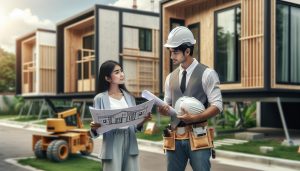
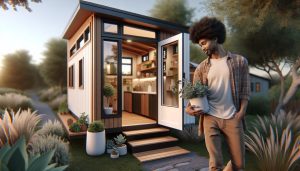
Purchasing a mobile home with land can be a transformative decision, offering both affordability and a sense of community. Did you know that more people are turning to manufactured housing as a viable option for homeownership? This complete package deal not only secures your home but also the land it sits on, providing stability and investment potential like traditional real estate. Whether you’re a first-time buyer or looking to diversify your property portfolio, understanding the ins and outs of this process is crucial. From financing options and legal considerations to practical tips on setup and maintenance, this guide will equip you with the knowledge to navigate your purchase confidently. Get ready to explore a rewarding lifestyle and make informed decisions every step of the way. Let’s dive deeper into how to successfully buy a mobile home with land and turn your dream of homeownership into reality.
Understanding Mobile Homes: Types and Features
Mobile homes, often referred to as manufactured homes, are a versatile housing option that offers a blend of affordability, mobility, and customization. With varying designs and layouts, they appeal to a wide range of homeowners. Understanding the different types of mobile homes and their features is essential for anyone considering purchasing one, especially when it’s coupled with land.
Types of Mobile Homes
The key distinction in mobile homes lies in their construction methods and layouts. Here are the main types to consider:
- Single-wide Homes: These are typically 18 feet or less in width and can range from 600 to 1,300 square feet. Their compact nature makes them a great choice for tighter lots or those looking to minimize space while maximizing efficiency.
- Double-wide Homes: These units are more spacious, generally ranging from 20 to 32 feet in width, offering 1,200 to 2,500 square feet of living space. They are transported in two sections and are often placed on a permanent foundation.
- Triple-wide Homes: For those desiring extensive space, triple-wide homes offer even larger footprints, sometimes reaching over 2,000 square feet. These expansive layouts are ideal for growing families or those who enjoy entertaining guests.
- Tiny Homes: A modern take on mobile living, tiny homes are designed for minimalist lifestyles. Ranging from 100 to 400 square feet, they emphasize efficiency and environmental sustainability.
Features to Consider
When evaluating mobile homes, specific features can greatly impact your living experience and property value:
- Construction Quality: Pay attention to the materials used in construction. Look for homes built to the HUD Code, which sets safety and quality standards. Understanding the construction process can help you feel more confident about your investment.
- Energy Efficiency: Many modern mobile homes come equipped with energy-efficient appliances and superior insulation, leading to cost savings over time. Consider homes with ENERGY STAR ratings.
- Floor Plans: Look for flexible floor plans that can accommodate your lifestyle. Whether you need extra bedrooms, a home office, or open living spaces, the right layout is crucial for comfort.
- Customization Options: Many manufacturers offer customization options, allowing buyers to select finishes, fixtures, and layouts that suit their personal style.
With these aspects in mind, it becomes clear that mobile homes are not just a temporary living solution but can be a long-term investment that reflects personal choices and lifestyle preferences. By choosing the right type and features, buyers can enjoy the benefits of mobile living while making an informed decision about their future home.
The Advantages of Buying a Mobile Home with Land
When considering a new home, many buyers often overlook the advantages of purchasing a mobile home with land. This combination not only provides the benefits of mobility but also offers a sense of ownership and permanence that can transform your living experience. Owning the land gives you a blank canvas to create a personalized environment, from gardening to recreational spaces, enhancing both your lifestyle and property value.
One of the most significant benefits is the freedom to enjoy outdoor space. Mobile homes situated on private lots allow residents to escape the cramped living conditions associated with traditional housing, promoting healthier, more active family lifestyles. With land ownership, you can create outdoor areas for gatherings, children’s play, or simply enjoying nature. Additionally, homeownership on land often comes with fewer restrictions compared to rented lots in mobile home parks. This means greater flexibility in how you utilize your property, whether you wish to build decks, garages, or even expand your home later on.
Another compelling advantage is financial stability. Buying a mobile home with land is typically a more affordable option compared to site-built homes, allowing you to invest your savings in other areas, such as renovations or savings for the future. Furthermore, owning land can help you build equity over time. As property values appreciate, so too does your asset, making it a sound investment. This is particularly relevant when considering that mobile homes can depreciate in value without the land but tend to hold or appreciate in value when affixed to a permanent lot.
Long-Term Benefits of Land Ownership
Owning land can also provide opportunities for future income. If you ever choose to sell your mobile home or relocate, the land will generally remain a valuable asset that can attract buyers down the road. Rental potential is another possibility-if you find yourself in a position to invest further, creating additional living spaces or sub-letting can provide supplemental income.
In summary, buying a mobile home with land opens a broader door to homeownership benefits that extend well beyond the confines of the structure itself. It offers you a unique lifestyle, the freedom to modify your environment, and the chance for long-term financial growth, making it a wise choice for many prospective homeowners.
Key Factors to Consider Before Purchase
When embarking on the journey to purchase a mobile home with land, it’s crucial to be fully informed about various factors that can significantly influence your experience and investment. Understanding your needs and the specifics of the property can make a substantial difference in ensuring satisfaction over the long term.
First, consider the location. This encompasses proximity to amenities such as schools, hospitals, shopping centers, and recreational areas. A desirable location not only enhances your quality of life but can also affect the resale value of your mobile home. Investigate local zoning laws as they impact what can be built on your land and potential future developments that could arise in the area, which might either benefit or detract from your investment.
Next, think about land features. The condition of the land itself is paramount; evaluate the soil type, drainage, and existing vegetation. Poor drainage can lead to significant issues such as flooding or foundation instability. Additionally, special features like trees and landscaping might be a benefit or a challenge, depending on your preferences and maintenance capabilities.
It’s also essential to examine the infrastructure. Access to utilities such as water, sewage, electricity, and internet is crucial. Ensure that connecting to these services is feasible and assess any associated costs. If the land is not already equipped with these utilities, understand the installation process, regulatory requirements, and expenses involved.
Finally, contemplate the financial aspects of your decision. This includes not just the purchase price of the mobile home and land, but also ongoing costs such as property taxes, insurance, and potential homeowners’ association fees if applicable. Be prepared to budget for maintenance and unforeseen repairs as well. Investigate various financing options tailored for mobile homes, as securing loans can differ from traditional home mortgages.
By carefully considering these factors before purchasing a mobile home with land, you will set the stage for a successful and fulfilling homeownership experience. Each decision made now can lead to enhanced satisfaction in your living environment and greater financial security down the line.
Financing Options for Mobile Homes with Land
When considering the purchase of a mobile home with land, understanding your financing options is pivotal for securing a sound investment. Mobile home financing distinctly differs from traditional home loans, often leading prospective buyers to question their options. One of the primary considerations is whether you plan to buy the home outright or if you require a loan to finance both the home and land.
Types of Financing Options
There are various financing avenues available for mobile homes with land, each catering to different needs:
- Chattel Loans: These are typically used for mobile homes that are not permanently affixed to land. They function similarly to personal loans, covering the cost of the mobile home without including the land, making them ideal if you’re renting land.
- Land and Home Loans: If you are purchasing both a mobile home and land, this type of loan encompasses both in a single mortgage. Lenders may offer terms between 15 to 30 years, and these loans often tile into conventional mortgage interest rates.
- FHA Loans: The Federal Housing Administration (FHA) insures loans for mobile homes and land packages, provided certain criteria are met. This option is particularly enticing for first-time homebuyers or those with lower credit scores.
- VA Loans: If you are a veteran or active-duty military member, you may qualify for a VA loan, which often requires no down payment and offers competitive interest rates.
Key Considerations for Financing
Beyond the type of loan, several additional factors can influence your financing experience:
- Credit Score: Most lenders will review your credit history before offering a loan. Higher credit scores can lead to better terms and interest rates, so it’s worthwhile to review and improve your credit score if needed before applying.
- Down Payment: Depending on the loan type and lender, down payment requirements can vary significantly. FHA loans may require as low as 3.5% down, while chattel loans frequently demand higher upfront payments.
- Debt-to-Income Ratio: Lenders typically look for a debt-to-income (DTI) ratio of below 36%. This means your total monthly debts should not exceed 36% of your gross monthly income. Striving to maintain a favorable DTI can enhance your chances of securing favorable financing.
- Land Ownership: If you own the land outright, this can simplify financing options significantly. Some lenders view land as an asset that can serve as collateral, reducing their risk and possibly lowering your interest rates.
Shopping for the Best Loan
Take time to explore multiple lenders and types of loans to discover the best fit for your financial situation. Again, consider consulting a mortgage broker specializing in mobile homes, who can help navigate the nuances of this market. Compare interest rates, terms, and potential fees across lenders to position yourself for success.
Approaching the financing of your mobile home with confidence and knowledge empowers you to secure the best loan package for your circumstances, making your dream of homeownership a viable reality.
Navigating Legal Requirements and Zoning Laws
Understanding the legal landscape surrounding mobile home ownership is critical for prospective buyers, particularly when it comes to navigating zoning laws and other local regulations. Each municipality can have its own set of rules governing where mobile homes can be placed, which can significantly affect your homeownership experience. It’s not merely about purchasing a mobile home and the land; you must ensure that both align with local zoning ordinances, which determine acceptable land uses and property placement.
One of the first steps in your journey should be to contact your local zoning board or planning department to gather information about the regulations related to mobile homes in your area. This may include restrictions on the size, type, and age of mobile homes allowed, as well as the minimum lot size and setbacks from property lines. Additionally, some locations may have stricter standards for mobile homes than traditional houses, requiring compliance with specific local building codes. Understanding these parameters can save you from future headaches and ensure that your new home meets all local requirements.
Additionally, consider the implications of land ownership. Are there any easements or restrictions tied to the land you wish to use? Understanding these legal nuances is essential, as they can dictate how you use the property in the future. Some properties may have covenants that limit modifications or outside structures, and failing to adhere to these rules can lead to legal issues down the line. Ensure you also verify whether the land is in a flood zone or subject to any other environmental regulations, which might influence your home setup and insurance requirements.
It’s also beneficial to consult with real estate professionals who specialize in manufactured housing, as they can provide invaluable insight into legalities related to your specific situation. They can assist you in reviewing any agreements and documents associated with land use and zoning laws, ensuring your investment is both sound and sustainable. Engaging with local homeowner associations (HOAs) can also be wise, as they may have additional regulations or guidelines that you must follow regarding property appearance and maintenance.
Ensuring compliance with legal requirements and zoning laws is not just an initial hurdle; it’s a foundational step toward a successful and enjoyable mobile home living experience. By being proactive and informed, you can navigate these complexities effectively and embrace the benefits of mobile home ownership with confidence.
Conducting a Thorough Site Evaluation
Evaluating a potential site for your mobile home is a pivotal step that can profoundly impact your living experience. Just as you would inspect a traditional home, rigorously assessing a plot of land helps identify potential issues and ensures the property meets your needs. When searching for the ideal location, various factors come into play, from environmental concerns to accessibility and utilities.
One of the first elements to assess is the terrain. A flat, stable lot is ideal for setting up a mobile home while avoiding excessive grading or leveling that can increase costs. It’s critical to check for adequate drainage, which can prevent water pooling and potential property damage. Moreover, understanding the soil type is essential; sandy soil may provide better drainage, while clay can retain water, both of which will affect your home’s stability and longevity.
Accessibility and Neighborhood Assessment
Consider the accessibility of the site. Ensure that the property is easily reachable throughout the year, especially during adverse weather. Look at the quality of nearby roads and the proximity to major highways, as this impacts your daily commute and access to essential services. Moreover, it’s essential to gauge the neighborhood’s vibe; visit at different times of day to observe traffic patterns, community interactions, and overall safety. This can provide insights into whether the area suits your lifestyle.
Utilities and Local Amenities
Next, evaluate the availability of essential utilities such as water, electricity, and sewage services. Confirm whether utilities are already established on the site or if you will need to set them up yourself, which can add additional costs. Investigate any local amenities, such as grocery stores, schools, and parks, which can enhance your quality of life. An ideal site balances privacy with accessibility to local conveniences, improving your overall living experience.
By taking time to conduct a thorough site evaluation, you can make an informed decision that not only saves you from potential future complications but also enhances your enjoyment of mobile home living. Your investment is not just in the mobile home but also in the land it sits on, which should be conducive to your lifestyle and long-term happiness.
Essential Steps for Setting Up Your Mobile Home
Setting up your mobile home is an exciting journey that transforms your investment into a comfortable living space. Starting with a solid foundation is crucial; this ensures stability and safety for years to come. First, you should focus on leveling the mobile home correctly. A level foundation not only enhances comfort but also prevents structural issues over time. To do this, use a bubble level or laser level and adjust the blocks or piers until the home is perfectly level from side to side and front to back.
Anchoring Your Home is another essential step that cannot be overlooked. Depending on your location, you may need to secure your mobile home to prevent instability during adverse weather conditions. This usually involves installing tie-downs and anchor systems that are suited to local building codes. It’s vital to consult these regulations before installation to ensure compliance. Properly anchoring your home protects your investment against potential damage from high winds or storms.
Connecting Utilities
Once your home is secured, establishing utilities comes next. Check for existing connections for electricity, water, and sewage, as this will determine your immediate needs. If utilities are not available on-site, you will need to consider hook-up costs, which can add significantly to your initial investment. Hiring professionals for installations, especially for electrical and plumbing systems, is often the best route to ensure safety and compliance with local codes.
Additional Setup Considerations
Don’t forget about other essential setup elements like skirting and insulation. Skirting not only improves aesthetics but also protects your home’s underbelly from pests and weather. Choose materials that are durable and offer good insulation properties to enhance energy efficiency. Additionally, consider adding steps or a deck to provide a welcoming entrance to your new home. These finishing touches contribute significantly to your home’s functionality and curb appeal, creating a comfortable atmosphere from day one.
Establishing a mobile home is more than just placing it on a lot; it’s about creating a safe, welcoming environment that reflects your lifestyle. By following these steps, you can ensure a smooth setup process, allowing you to enjoy the benefits of mobile home living without unexpected hitches.
Utilities Installation and Connection Basics
Establishing utilities in your mobile home is not just a basic necessity; it’s a vital part of creating a livable and comfortable residence. For many, the process of connecting water, electricity, and sewage can seem daunting. However, by understanding the steps involved and planning accordingly, you can navigate this essential phase with confidence and ease.
Before initiating any installations, it’s crucial to assess the property where your mobile home is located. Start by identifying the nearest utility access points. If utilities are not readily available on-site, be prepared for potential expenses related to hooking up services. For instance, you might need to connect to municipal water lines or arrange for a septic system if sewer lines are unavailable. This often involves significant planning and budgeting, so conducting thorough research beforehand can prevent unexpected costs.
Once the necessary connections are mapped out, you should consider hiring licensed professionals, especially for electrical and plumbing installations. For example, incorrect electrical wiring can pose safety issues, not to mention potential hazards like fires. Similarly, improper plumbing connections can lead to severe leaks or even flooding. Working with experienced contractors not only ensures compliance with local codes but also grants you peace of mind knowing the job is performed safely.
Connection Steps
To streamline the process, follow these general steps when installing utilities:
- Water Connection: If municipal water is available, contact your local water authority to arrange for a connection. If using a well, ensure it’s drilled to local standards and tested for quality.
- Electrical Hookup: Reach out to your local utility company to set up electricity. This may require a meter installation and ensuring proper grounding for safety.
- Sewage Disposal: Investigate if connecting to the municipal sewer system is an option. If not, consider a septic system installation, which requires permits and adherence to health regulations.
Additionally, remember to plan for natural gas connections if your home utilizes gas appliances. Each utility has its own requirements and procedures, so staying organized will help you manage timelines and expectations effectively.
Once everything is connected, ensure adequate inspections are performed to confirm compliance with all local regulations and safety standards. A well-planned utility installation will not only provide comfort but also protect your investment in the long run. By taking these steps seriously, you’re on your way to establishing a functional, secure, and welcoming living environment in your mobile home.
Maintaining Your Mobile Home: Tips and Tricks
Maintaining a mobile home requires diligence and attention to detail to ensure longevity and comfort. Regular upkeep not only enhances the aesthetics of your living space but also guards against costly repairs down the line. A well-maintained mobile home can retain its value and deliver a safe, enjoyable environment for you and your family.
Routine Inspections
Conducting routine inspections is paramount in identifying potential issues before they become major problems. Make it a habit to check these areas regularly:
- Roof and Gutters: Inspect for leaks, damage, or accumulated debris that could lead to water damage. Keep gutters clear to ensure proper drainage.
- Skirting: Check for signs of wear or gaps that could allow pests to enter. Regularly inspect for damage and replace panels as needed.
- Windows and Doors: Look for drafts, damage, or signs of rot. Weather stripping can help maintain energy efficiency.
Seasonal Maintenance Tasks
There are specific maintenance tasks that correspond with the changing seasons, helping your mobile home weather through various environmental challenges effectively.
- Spring: Focus on HVAC systems by replacing filters, cleaning ducts, and scheduling a professional tune-up. Inspect your outdoor areas for winter damage and prepare gardens or landscaping.
- Summer: Ensure your air conditioning unit is operational and check the insulation in your home to maintain indoor temperatures.
- Fall: Clean out gutters, inspect the roof for potential leaks, and prepare your heating system for the colder months.
- Winter: Protect plumbing pipes from freezing by insulating vulnerable areas and maintaining adequate heating in your home.
General Upkeep Tips
In addition to seasonal tasks, maintaining your mobile home’s interior is equally important. Here are a few suggestions:
- Regular Cleaning: Keep surfaces clean to prevent mold and maintain a pleasant atmosphere. Pay attention to high-humidity areas, such as bathrooms and kitchens.
- Seal Cracks and Gaps: Regularly check for and seal any gaps in the walls or flooring to improve energy efficiency and reduce pest access.
- Moisture Control: Use dehumidifiers and proper ventilation to manage humidity levels and prevent mold growth.
By integrating these maintenance practices into your routine, you can significantly enhance the performance and appearance of your mobile home. With appropriate care, you not only protect your investment but also create a welcoming residence that’s comfortable year-round.
Insurance Insights for Mobile Home Owners
When it comes to securing your investment in a mobile home, understanding insurance options and requirements is crucial. Mobile homes, while affordable and flexible, come with unique challenges and considerations for protection against unforeseen events such as natural disasters, theft, or accidents. Unlike standard homeowners insurance, mobile home insurance is specifically tailored to the needs of mobile homeowners, ensuring that both the structure and personal belongings within are appropriately protected.
Types of Coverage
Mobile home insurance generally provides various coverage options that can include protection for:
- Property Damage: Coverage for damages to the structure from risks such as fire, storms, vandalism, or falling objects.
- Personal Liability: This covers legal costs in case a visitor gets injured on your property.
- Personal Property: Protection for belongings inside your mobile home, including furniture, appliances, and electronics, against various risks.
- Replacement Cost Coverage: Helps ensure you can replace your home and belongings without significant monetary loss, even if their actual cash value has decreased over time.
By analyzing different policies and providers, you can tailor your coverage based on the specific risks associated with your geographical location. For example, if you reside in an area prone to hurricanes or floods, seeking additional coverage for such events may be prudent.
Finding the Right Insurance Provider
When shopping for insurance, consider quotes from several providers to compare coverage options and costs. Companies like Erie Insurance, Liberty Mutual, and GEICO offer comprehensive mobile home insurance specifically designed to meet the needs of mobile homeowners. It’s vital to examine not only the price but also the coverage limits, deductibles, and customer service reviews of each insurance company [[1]](https://www.erieinsurance.com/mobile-home-insurance) [[2]](https://www.libertymutual.com/property/mobile-home-insurance) [[3]](https://www.geico.com/mobile-home-insurance/).
Additionally, many insurers offer discounts for bundling policies-like combining your auto and mobile home insurance-which can lead to substantial savings. Don’t hesitate to ask potential insurers about discounts you might qualify for based on your situation or lifestyle.
Documenting Your Belongings
An often-overlooked yet vital aspect of getting insured is documenting your belongings and the condition of your mobile home. Take photographs and maintain an inventory list that includes serial numbers, descriptions, and values of your possessions. This documentation can be invaluable when filing a claim and can expedite the process, ensuring you receive the compensation you deserve in the event of a loss.
In essence, while the prospect of purchasing a mobile home is exciting, navigating the insurance landscape doesn’t need to be daunting. With the right information, careful planning, and proactive steps, you can secure a policy that provides peace of mind and ensures your mobile home remains a safe haven for you and your family.
Renovation Projects to Enhance Property Value
Investing in renovation projects can significantly enhance the value of a mobile home, turning it into not just a residence but a desirable asset. Whether you’re a current homeowner looking to increase your property’s worth or a prospective buyer motivated to make a sound investment, understanding which upgrades pay off is essential. One of the most compelling reasons to consider renovating your mobile home is that targeted improvements not only elevate aesthetics but also improve functionality and marketability.
Interior Improvements
One of the most effective ways to increase property value is to focus on interior renovations. Modern updates such as new flooring, fresh paint, and upgraded fixtures can breathe new life into any mobile home. Consider replacing outdated carpets with durable and stylish laminate or vinyl flooring for a modern touch that is easy to clean and maintain. Additionally, investing in energy-efficient appliances can make the home more appealing to potential buyers, as they can help reduce long-term utility costs.
- Kitchen Upgrades: Remodel the kitchen by installing new countertops, cabinets, and trendy backsplashes. Open shelving can create a modern, airy feel.
- Bathroom Revamps: Simple fixes like new vanities, fixtures, and efficient shower systems can transform a bathroom into a spa-like retreat.
Outdoor Enhancements
The exterior of a mobile home plays a crucial role in its overall value. Improving curb appeal can significantly impact first impressions. Simple landscaping, adding a deck, or installing a patio can offer outdoor living space that is increasingly sought after. Not only do these enhancements provide opportunities for family gatherings and relaxation, but they also contribute to the overall aesthetic harmony of the property.
- Landscaping: Consider planting native plants that require less water and maintenance while adding beauty to your yard.
- Exterior Painting: A fresh coat of paint can improve not only aesthetics but also protect against the elements.
Structural Considerations
Beyond cosmetic updates, addressing structural concerns can greatly affect the property value. Regular maintenance and upgrades to foundational support, including leveling the home and ensuring proper storm tie-downs, are crucial for longevity. If the mobile home is in a flood zone, investing in foundation upgrades may also qualify you for reduced insurance premiums.
Involving professionals for significant renovations ensures that projects adhere to local building codes and standards, providing peace of mind and safeguarding your investment.
In summary, strategic renovations can transform a mobile home into a more valuable asset. By focusing on both interior and exterior improvements, while also addressing structural integrity, homeowners can enjoy a satisfying return on their investments, making their mobile home a true reflection of their personal style and practical needs.
Preparing for Extreme Weather: Safety Measures
When living in a mobile home, preparation for extreme weather can mean the difference between safety and disaster. Mobile homes are particularly vulnerable to high winds, floods, and other severe weather phenomena, making it essential for homeowners to proactively address the potential risks. Understanding local weather patterns and having a comprehensive safety plan are vital steps in protecting your investment and ensuring your family’s safety.
Securing Your Home
One of the most important measures you can take is to secure your mobile home properly. Utilize storm tie-downs to anchor your home to its foundation, which can significantly reduce the risk of damage during severe storms. Additionally, consider the use of hurricane straps that connect your home structure to its roof and walls, providing extra support against strong winds. It’s advisable to regularly inspect these systems to ensure they are in good condition and compliant with local regulations.
Preparing for Flooding
If you live in an area prone to flooding, elevating your mobile home may be beneficial. This involves raising the foundation above the floodplain, which can protect your home from water damage during heavy rains. Installing sump pumps and ensuring proper drainage around your property can also mitigate flooding risks. Always keep critical utilities elevated as well, identifying their placement to avoid unnecessary disruptions.
Emergency Preparedness
Create an emergency plan that includes a safe meeting point for your family, instructions for quick evacuations, and a supply kit with essentials like food, water, medications, and important documents. Be sure to stay informed about weather alerts through local news outlets or weather apps. In the event of a severe storm warning, have an action plan in place for evacuating or sheltering in place, guaranteeing your family knows what steps to take.
Community Resources and Support
Engage with your local community to familiarize yourself with emergency resources and support networks. Joining local groups or forums focused on mobile home living can provide invaluable insights on weather preparedness strategies that have worked for others. This proactive approach not only strengthens your readiness but also builds community bonds that can be crucial during emergencies.
By taking these precautions and remaining vigilant, mobile home owners can greatly enhance their safety during extreme weather, ensuring their home remains a secure and comfortable living space.
Frequently Asked Questions
Q: What should I consider when buying land for a mobile home?
A: When buying land for a mobile home, consider zoning regulations, land size, access to utilities, and soil quality. Ensure the site has adequate drainage and is accessible year-round. A thorough site evaluation can help identify potential challenges before purchase.
Q: How do I finance a mobile home with land?
A: Financing a mobile home with land can be done through conventional loans, FHA loans, or personal loans. It’s crucial to check lender requirements and explore options like chattel loans if your mobile home is personal property. Familiarize yourself with local financing programs that support mobile home buyers.
Q: What are the steps to set up a mobile home on land?
A: To set up a mobile home, start by leveling the land, anchoring the home securely, and ensuring proper utility connections. Follow local regulations regarding permits and inspections. Additionally, consult professionals for tasks like septic system installation or foundation work to ensure compliance.
Q: Can I place a mobile home on my own land?
A: Yes, you can place a mobile home on your own land, but you must comply with zoning laws and local building codes. Check with local authorities to confirm that your land is zoned for mobile homes and to ensure you meet all necessary legal requirements.
Q: What are the typical costs associated with buying a mobile home with land?
A: Typical costs include the purchase price of the mobile home, land acquisition, site preparation, utility installation, and ongoing maintenance. Don’t forget about closing costs, taxes, and insurance, which can significantly affect your budget.
Q: What kinds of insurance do I need for a mobile home on land?
A: Insurance needs for a mobile home on land typically include mobile home insurance and homeowner’s insurance. Ensure the policy covers liability, personal property, and structural damage. Consider additional coverage for natural disasters based on your area’s risks.
Q: Are there any specific legal requirements for mobile home living?
A: Yes, legal requirements for mobile home living may include obtaining zoning approvals, building permits, and compliant utility installations. Research state and local housing laws to understand your rights and responsibilities as a mobile home owner, particularly regarding property taxes and land use.
Q: How can I ensure a mobile home maintains its value?
A: To maintain a mobile home’s value, invest in regular upkeep, modernize fixtures, and enhance curb appeal through landscaping. Keep documented records of renovations and maintenance efforts, and ensure compliance with local property regulations to help retain its market value.
In Conclusion
Congratulations on taking the first step toward mobile home ownership! By understanding how to buy a mobile home with land as a complete package deal, you’re positioning yourself for a fulfilling living experience and potential long-term investment. If you’re still weighing options or have concerns about financing or site preparation, don’t hesitate to dive into our detailed guides on financing mobile homes, site setup tutorials, and maintenance best practices.
Now is the perfect time to explore your options further and feel empowered in your decision. Check out our articles on mobile home renovations and hurricane preparedness to ensure your future home is as safe and comfortable as possible. Remember, embracing mobile home living can be both a practical and enjoyable choice, so engage with our content, share your journey in the comments, and consider subscribing to our newsletter for regular tips and updates. Your next steps in this exciting journey await-take action today and maximize your investment!