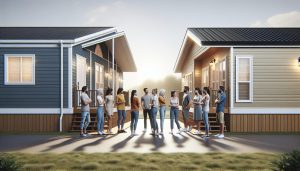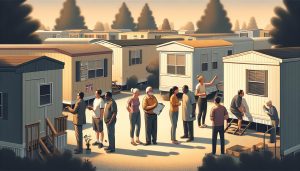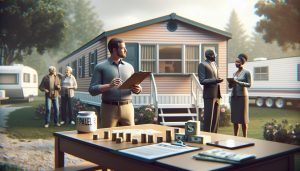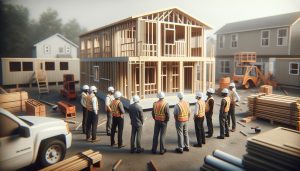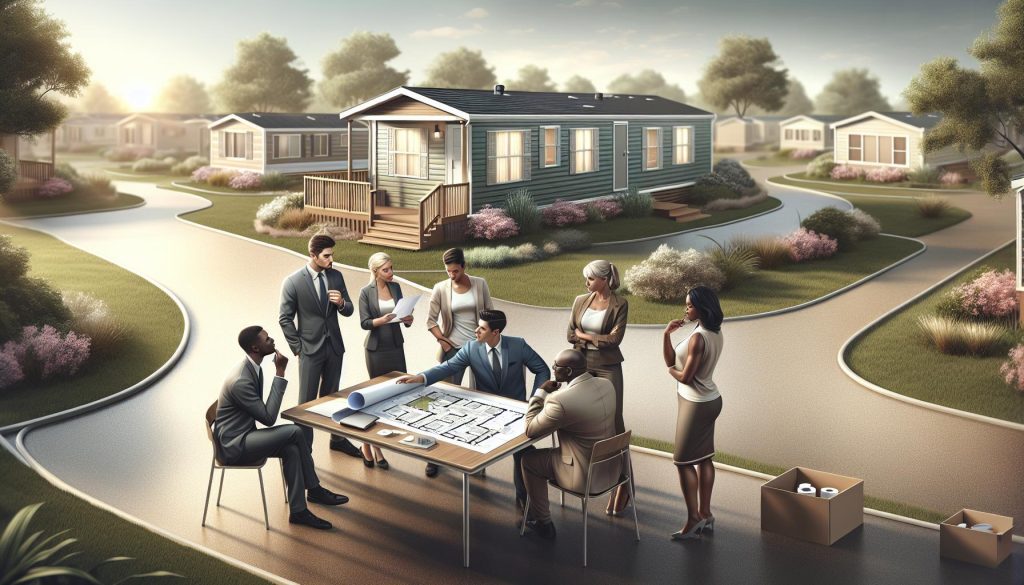
In today’s ever-changing housing market, developing a mobile home park business offers a unique opportunity for entrepreneurs seeking profitable investments. With the rising demand for affordable housing, mobile home parks are becoming increasingly attractive to both residents and investors alike. This guide will uncover essential profit secrets that can help you navigate the complexities of this niche market. Whether you’re a seasoned real estate investor or exploring new avenues, understanding the intricacies of mobile home parks can set you on the path to financial success. From legal requirements and financing options to effective management strategies, we’ll equip you with the knowledge needed to thrive. As you delve deeper, you’ll discover not just the potential income streams, but also how to create thriving communities where residents feel at home. Prepare to unlock the secrets that lead to a flourishing mobile home park business!
Understanding the Mobile Home Park Business Model

is essential for anyone looking to enter this unique sector of the real estate market. One of the most compelling aspects of mobile home parks is their potential for generating stable, recurring income. Unlike traditional real estate, mobile home parks often require lower initial investment and maintenance costs, leading to higher profit margins. Owners can generate revenue through lot rents while potentially benefiting from appreciation in mobile home values.
To navigate this model effectively, aspiring owners must be familiar with the different income streams, such as rental income from mobile home lots and additional services like utilities, maintenance, and amenities. It’s also crucial to understand the operational structure-many mobile home parks operate on a monthly rental basis, allowing for predictable cash flow. Moreover, effective management can enhance tenant retention, reducing turnover and increasing profitability.
Investing in mobile home parks also involves recognizing the importance of community development. Often, residents take pride in their homes and the park, which can lead to a more stable tenant base. Owners who foster a welcoming environment can benefit from word-of-mouth referrals and longer lease periods.
Finally, understanding market trends is vital. The demand for affordable housing continues to rise, making mobile home parks an attractive investment. By staying informed about local zoning laws and market conditions, investors can make strategic decisions that support long-term growth and sustainability in their mobile home park ventures.
Essential Steps to Starting Your Mobile Home Park
Starting a mobile home park can be a rewarding venture that offers financial stability and long-term growth potential. One of the first steps in this journey is to perform comprehensive market research to understand the demand in your chosen location. Analyzing demographic data, local housing trends, and competition will provide insight into the optimal size and facilities for your park. Understanding your target market is essential, as this can dictate not only pricing and amenities but also the overall design and layout of the park itself.
Create a Solid Business Plan
Drafting a detailed business plan is crucial to outline your objectives, required capital, projected cash flow, and operational strategies. Your plan should address the purchase or lease of land, zoning compliance, and the development of infrastructure such as roads, utilities, and communal areas. A well-structured business plan not only guides your actions but is essential when seeking financing or investment.
Secure Financing
Financing a mobile home park can involve various options, from traditional bank loans to private investors. It’s critical to have a clear understanding of the financial landscape, including how to calculate the return on investment and the projected income from lot rents and additional services. Consider approaching local banks that have experience with commercial loans or exploring alternative financial institutions that focus on real estate investments.
Understand Legal Requirements
Navigating the legal landscape is vital, including zoning laws, health and safety regulations, and landlord-tenant laws. Each state may have different requirements regarding park ownership and tenant rights, so consulting with a real estate lawyer familiar with mobile home communities can prevent potential legal issues down the line. Ensuring compliance with all regulations not only protects you as a property owner but also reinforces the legitimacy and trustworthiness of your business.
Develop the Infrastructure
Once you have secured funding and legal clearance, the next step is infrastructure development. This includes preparing the land for lots, installing utilities (water, sewer, electricity), and creating access roads. Depending on your target demographic, consider adding amenities like a playground, laundry facilities, or a community center to enhance the resident experience and increase the appeal of your park.
Starting a mobile home park involves multiple steps, each requiring careful planning and execution. By focusing on thorough research, strategic planning, and understanding both financial and legal landscapes, you are well on your way to establishing a successful mobile home community that provides affordable housing and a supportive living environment.
Exploring Financing Options for Mobile Home Parks

Financing a mobile home park requires a strategic approach that takes into account the unique aspects of the manufactured housing market. Investors must understand that traditional funding sources may not always be the best fit due to the specific nature of mobile home parks, where land ownership, tenant turnover, and infrastructure play significant roles in profitability. Researching and navigating the financing options available is essential for securing the necessary capital to launch and maintain a successful park.
One of the most common methods for financing a mobile home park is through traditional bank loans. However, it’s crucial to partner with financial institutions that are experienced in commercial real estate, particularly those focused on manufactured housing. This familiarity can lead to more favorable terms and conditions. Additionally, securing a Small Business Administration (SBA) loan can be a beneficial option; the SBA offers various loan programs designed specifically for entrepreneurs looking to start or expand a business, including mobile home parks. In many cases, these loans can provide lower down payment requirements and longer repayment terms, making them a viable choice for new investors.
Aside from conventional bank loans and SBA loans, private investors or partnerships can also be explored. This option allows for pooling resources with others who share your vision and are willing to invest in your project. To attract private investors, it’s important to present a comprehensive business plan that clearly outlines your vision, potential return on investment (ROI), and the competitive advantages your mobile home park offers. This traditional avenue of financing can lead to flexible terms, enabling you to align the investment structure with your business goals.
Creative financing methods, such as seller financing, can also be advantageous. In seller financing, the property owner acts as the lender and allows buyers to make payments over time, often without traditional banks. This can be a less daunting option for new owners, as it often involves less stringent qualification criteria and may allow for negotiations on terms. Additionally, exploring opportunities like government grants or community development programs that support affordable housing initiatives can yield supplemental funding paths for building or upgrading your park, thus enhancing its value and appeal.
Ultimately, understanding the myriad of financing options available is crucial to building a successful mobile home park. By combining traditional financial strategies with creative methods, investors can navigate the complex financial landscape and secure the necessary funding to kickstart or expand their operations successfully. As the market for affordable housing continues to grow, investing in mobile home parks not only represents a solid financial opportunity but also addresses the pressing need for accessible living options.
Legal Considerations for Mobile Home Park Owners
Navigating the legal landscape of mobile home park ownership is crucial for ensuring compliance and protecting your investment. Many first-time owners underestimate the complexities involved, often leading to costly legal disputes or regulatory fines. One key area to focus on is understanding local and state regulations governing manufactured housing. Each jurisdiction has specific laws that dictate everything from zoning to tenant rights, so thorough research is necessary. Failures to comply with these regulations can result in severe penalties or forced closure of your park.
Key Legal Components
Understanding the various legal components associated with mobile home park management can safeguard your investment. Investors should ensure their park meets zoning requirements, which include proper land use classifications. Familiarize yourself with local ordinances that specify the legal density of mobile home parks, as exceeding this can lead to fines. Additionally, tenant-landlord laws play a critical role. Familiarity with these regulations can help you manage tenant relationships effectively while adhering to legal standards for eviction processes, rental agreements, and security deposits.
- Lease Agreements: Creating clear, enforceable lease agreements is vital. These contracts should define rent terms, maintenance responsibilities, and rules governing shared amenities.
- Health and Safety Codes: Compliance with health and safety codes ensures that your park is safe and habitable. Regular inspection and adherence to local housing standards can prevent liability issues.
- Fair Housing Laws: Understanding federal and state fair housing laws is essential to prevent discrimination in your leasing practices. Familiarize yourself with the protected classes and ensure your operations align with the law.
Potential Legal Issues
As a mobile home park owner, be proactive in identifying and managing potential legal issues that could arise. For instance, tenant disputes over maintenance issues are common and can escalate if not addressed promptly. It’s wise to have a clear process for handling tenant complaints and disputes, ideally documented in your lease agreements. Furthermore, consider developing a comprehensive policy on rent increases that follows local regulations to avoid conflict and legal challenges with tenants.
Being equipped with the knowledge of the legal landscape not only helps avoid pitfalls but also contributes to a thriving community. Engaging a legal professional experienced in real estate and mobile home law can be a sound investment, guiding you through complex issues and ensuring that your park operates within the law. Investing time and resources into understanding these legal considerations will set a solid foundation for your mobile home park business and support its sustainability for years to come.
Maximizing Revenue: Rent Strategies and Pricing

Establishing effective rent strategies is crucial for maximizing revenue in a mobile home park. One key approach is to conduct comprehensive market research to determine competitive rental rates based on local demand and amenities. Understanding the pricing landscape can help park owners set rents that not only attract tenan ts but also reflect the value of the services and facilities offered. Typically, parks with more amenities, such as community centers, pools, or recreational areas, can justify higher rental prices.
Another effective strategy is to implement tiered pricing based on home size, location within the park, and additional features. By offering different tiers, owners can cater to a wider audience, from budget-conscious residents to those willing to pay a premium for a home with extra space or views. Additionally, consider seasonal adjustments in rent based on demand fluctuations. For instance, during peak rental seasons, rents can be slightly increased, while they can be reduced during off-peak times to attract more tenants.
Utilizing technology to manage rents and payment systems can also streamline revenue collection. Online payment systems reduce late payments and improve cash flow while offering convenience for tenants. Moreover, exploring avenues for ancillary income, such as charging for storage units, laundry facilities, or offering premium services, can supplement rental income and increase overall revenue.
In summary, a well-structured approach encompassing market research, tiered pricing strategies, technological enhancements, and ancillary income opportunities can significantly boost revenue in mobile home parks, ensuring a sustainable and profitable business model.
Effective Marketing Techniques for Your Mobile Home Park

To attract potential residents to your mobile home park, it’s essential to implement effective marketing techniques that highlight the unique benefits of manufactured housing. An estimated 22 million people in the U.S. live in mobile homes, yet many still lack familiarity with the advantages they offer, such as affordability, community feeling, and quality living spaces. By crafting targeted marketing strategies, you can amplify your reach and draw in both prospective renters and buyers.
Utilizing Online Platforms
In today’s digital age, a strong online presence is crucial. Start by creating a user-friendly website that showcases your park’s amenities, available homes, and community features. Incorporate high-quality images and virtual tours to give prospective residents an immersive experience. Leverage social media platforms like Facebook, Instagram, and TikTok, where visuals play a significant role. Regularly post engaging content that illustrates life in your park, shares testimonials from current residents, and provides updates on community events or improvements. Additionally, consider using targeted Facebook ads to reach specific demographics based on location, interests, and income, ensuring your marketing message reaches those most likely to consider mobile home living.
Building Community Connections
Fostering relationships within the local community can be a powerful marketing tool. Engage with local organizations, schools, and businesses to create partnerships that can enhance visibility and credibility. Host open house events or community activities on your property to invite potential residents in for a personal tour and firsthand experience of the park atmosphere. Consider collaborating with local real estate agents who specialize in manufactured housing to widen your outreach. They can provide valuable insights into buyers’ needs and help you effectively position your park.
Highlighting Unique Selling Points
Differentiate your mobile home park by emphasizing unique selling points. Whether you offer spacious lots, innovative home designs, ample recreational facilities, or proximity to essential services, make these features prominent in your marketing efforts. Develop promotional materials that reflect the lifestyle benefits and community sense your park offers, including safety, social opportunities, and easy access to amenities like shopping, healthcare, and transportation.
By combining an engaging online presence, community engagement, and a focus on unique attributes, you can establish your mobile home park as a desirable living option that resonates with various potential residents. These strategic marketing techniques not only attract tenants but can also lead to higher retention rates, ensuring the long-term success of your mobile home park business.
Maintenance and Management Best Practices
Maintaining a mobile home park effectively is crucial for ensuring tenant satisfaction and fostering a positive community atmosphere. One of the most significant aspects of mobile home park management is establishing a comprehensive maintenance and management strategy that emphasizes routine upkeep, efficient communication, and proactive problem-solving. Implementing best practices can not only enhance property value but also promote long-term tenant retention.
A productive maintenance plan begins with regular and systematic inspections of both the infrastructure and the individual homes within the park. Schedule periodic assessments for essential utilities, such as water systems, electrical wiring, and sewer lines, to identify any potential issues before they escalate. Additionally, keeping common areas well-maintained contributes to a safer and more appealing environment. It’s recommended to create a checklist for routine maintenance tasks such as landscaping, road repairs, and waste management that can be followed on a monthly or seasonal basis.
Effective Communication Channels are another cornerstone of successful management. Establish clear lines of communication between management and residents through newsletters, community boards, or digital platforms like a dedicated mobile app. This not only keeps residents informed of important updates but also encourages them to report maintenance issues promptly. Actively seeking feedback through surveys can help management understand tenant needs, leading to improved satisfaction and retention rates.
In terms of operational management, prioritizing staff training is essential. Invest in ongoing training programs for maintenance staff to ensure they are knowledgeable about the specific requirements of mobile homes, including anchoring, leveling, and seasonal preparations like hurricane tie-downs. For instance, having staff certified in handling hazardous materials can be a significant advantage, ensuring safety and compliance with local regulations.
Finally, properly documenting all maintenance activities and occurrences is vital for maintaining a comprehensive historical record. This practice not only helps in identifying patterns and planning future budgets but also provides transparency should any disputes arise with tenants. Regularly revising operational procedures based on this data can guide enhancements in efficiency and service delivery.
By adhering to these , mobile home park operators can cultivate a thriving community that attracts and retains residents, ultimately driving long-term prosperity for the business.
Enhancing Property Value through Upgrades
Upgrading properties in a mobile home park can significantly elevate their value, enhance tenant satisfaction, and foster community pride. Strategic investments can transform the park’s appeal, making it a more desirable place for current and prospective residents. According to industry insights, parks that invest in thoughtful upgrades typically see improved occupancy rates and rent prices. Here are several actionable steps to enhance property value through upgrades, ensuring both short-term gains and long-term sustainability for the mobile home park business.
Key Upgrades to Consider
Several targeted enhancements can elevate the overall quality of a mobile home park. Consider the following upgrades:
- Infrastructure Improvements: Upgrading utilities such as water lines, sewer systems, and electrical services can not only prevent issues but also appeal to potential tenants who prioritize longevity and reliability.
- Common Area Enhancements: Investing in communal spaces such as playgrounds, picnic areas, or sports facilities encourages socialization among residents and can substantially increase the park’s attractiveness.
- Exterior Aesthetics: Simple landscaping projects, fresh paint for common buildings, or the introduction of amenities like outdoor seating can significantly improve the visual appeal of your park.
- Smart Amenities: Integrating modern amenities such as Wi-Fi access points, security cameras, and smart home technology can create a tech-savvy environment that appeals to a younger demographic.
Environmental Sustainability
In today’s eco-conscious market, sustainability is a key factor in enhancing property value. Upgrading to energy-efficient appliances in homes and utilizing green landscaping practices can attract environmentally minded tenants and potentially lower operational costs.
Value-Based Renovations
Prioritize renovation projects that offer high returns on investment. For instance, replacing old roofs, improving insulation, or updating plumbing fixtures can dramatically affect appeal and functionality without requiring extensive resources. Conducting a cost-benefit analysis before undertaking major renovations can also help prioritize which upgrades will yield the best impact on property value.
In summary, enhancing property value through strategic upgrades creates a win-win scenario for mobile home park owners and residents alike. By focusing on infrastructure, aesthetics, sustainability, and targeted renovations, park owners can elevate their properties’ desirability, ensuring a thriving community and improved profitability for years to come.
Navigating Tenant Relationships in Mobile Home Parks
is crucial for fostering a harmonious community, which directly impacts tenant retention, satisfaction, and ultimately, the profitability of the business. Establishing respectful and open communication channels is foundational. For example, regular meetings or community events allow residents to voice concerns, share ideas, and build camaraderie among themselves and with management.
To effectively manage tenant relations, consider implementing a responsive management approach. This involves not just addressing issues as they arise, but being proactive in anticipating potential concerns. For instance, promptly dealing with maintenance requests and following up to ensure satisfaction shows tenants that their comfort and needs are prioritized. Incorporating a user-friendly tenant portal can also streamline communication, enabling residents to request services, pay rent, and access community news effortlessly.
Another key aspect is to establish clear policies that are consistently applied. This includes lease agreements, community rules, and eviction processes. Transparency in these policies minimizes misunderstandings and sets clear expectations for everyone. It can be beneficial to offer educational sessions or materials to educate tenants about their rights and responsibilities, which fosters a sense of partnership rather than a landlord-tenant divide.
Additionally, recognizing and appreciating tenants can make a significant difference. Celebrate community milestones or host appreciation events to create a welcoming environment. Engaging tenants in decision-making processes regarding community improvements can also increase their sense of belonging and encourage them to take pride in their home. By approaching tenant relationships thoughtfully, mobile home park owners can not only enrich the lives of their residents but ensure a thriving and sustainable business model over time.
Preparing for Natural Disasters and Emergencies
is a critical aspect of managing a mobile home park, as these events can have devastating impacts on both property and residents. According to statistics, mobile homes are particularly vulnerable to severe weather conditions such as hurricanes, tornadoes, and floods. Therefore, creating an effective emergency preparedness plan is essential for safeguarding your investment and ensuring the safety of your tenants.
One of the initial steps in disaster preparedness is to evaluate the risks specific to your geographical location. For instance, if your mobile home park is situated in a hurricane-prone area, it’s crucial to implement strategies that minimize damage from strong winds and flooding. This may include ensuring that all mobile homes are properly anchored and elevated above expected flood levels. Encourage residents to secure their homes with storm tie-downs, which can be vital during severe weather conditions. Educating residents on the importance of these precautions can also foster a community spirit, where everyone is involved in maintaining safety.
Creating a comprehensive emergency plan should also involve coordinating with local authorities and emergency services. Establish communication channels to keep tenants informed about weather events and evacuation procedures. Regularly conduct drills to familiarize residents with the evacuation routes and emergency contacts. You may consider providing essential supplies, such as water and first aid kits, and designating safe areas within the community where residents can gather during emergencies.
Moreover, as a mobile home park owner, your responsibilities extend beyond immediate safety measures. Investing in appropriate insurance coverage tailored to your specific risks is essential. This includes coverage for both physical structures and personal property damage. Highlight to your tenants the importance of protecting their belongings and encourage them to obtain renters’ insurance, which can significantly ease their financial burden in case of an emergency.
In conclusion, a proactive approach to preparing for natural disasters leverages both community effort and individual responsibility. By instilling a culture of safety and preparedness, you not only protect your investment but also build trust and loyalty among residents, ultimately ensuring the long-term success of your mobile home park business.
Understanding Zoning Laws and Regulations
is crucial for anyone looking to develop or invest in a mobile home park business. These laws dictate how land can be used and can significantly influence your project’s feasibility, costs, and timeline. In many areas, zoning codes specifically address mobile home parks, setting parameters for lot size, density, spacing between units, and the types of homes allowed, which are fundamental for maintaining neighborhood aesthetics and ensuring safety.
Before you move forward with developing a mobile home park, start by consulting local zoning ordinances to assess the potential for your project. This ensures compliance with land use regulations, which vary widely between municipalities. Engaging with city planners or zoning officials early in the process provides clarity on necessary permits, any pending zoning changes, and potential obstacles. For instance, some zones may only allow mobile home parks as a conditional use, necessitating additional paperwork and public hearings, which could delay your timelines.
It’s also wise to participate in community meetings where zoning changes are discussed. Public sentiment can often influence regulatory outcomes; knowing local concerns about mobile home parks-like property values or neighborhood character-allows you to address issues proactively. For example, you may decide to adopt more stringent landscaping requirements or commit to responsive management practices to alleviate community worries.
Finally, do not overlook the importance of understanding the differing regulations affecting utilities, roads, and easements necessary for your park. Being aware of how zoning affects these facets is vital for ensuring your mobile home park is not only compliant but also attractive and functional for residents. With careful planning and thorough research into zoning laws, you can lay a strong foundation for a successful mobile home park business that benefits both your investment and the community it serves.
Long-Term Growth Strategies for Your Mobile Home Park
Establishing a mobile home park can be incredibly profitable, particularly in an increasingly competitive housing market. As demand for affordable housing grows, owners must adopt long-term strategies to ensure sustained growth and profitability. A key component in this endeavor is the continuous enhancement of both the property and tenant experience, which can lead to higher occupancy rates and increased rental income.
Focusing on community building can significantly benefit your mobile home park. By fostering an environment where residents feel connected, you can reduce turnover rates and enhance rent stability. Consider organizing community events, creating shared spaces such as a park or community center, and implementing social media groups for residents to interact. These initiatives not only promote a sense of belonging but also improve tenant satisfaction, which is critical for long-term success.
Maximizing Revenue Opportunities
To grow your mobile home park’s income, explore multiple revenue streams beyond just renting lots. This can include offering amenities such as laundry facilities, internet access, or recreational spaces. You could also consider implementing temporary short-term rentals for unused lots or even starting a referral program for current residents who bring in new tenants. These additional services can create a diverse income portfolio that bolsters your primary revenue from lot rents.
Investing in property improvements can substantially increase property value and attract higher-quality tenants. Upgrades such as enhanced landscaping, improved lighting, and modern utility connections not only enhance the aesthetic appeal of your park but can also justify higher rent prices. Prioritize renovations based on tenant feedback and emerging market trends. For instance, installing energy-efficient appliances or solar panels could attract environmentally conscious residents while lowering utility costs in the long run.
Adaptive Management Practices
Staying adaptable is crucial in an ever-changing real estate environment. Regularly assess market conditions, local economic indicators, and demographic shifts to inform your management strategies. This can involve refining your tenant selection process, adjusting rental prices according to demand, or even revisiting zoning laws to explore expanded usage options for your land.
Emphasize the importance of responsiveness in addressing tenant concerns, whether it’s through regular property maintenance or open channels of communication for feedback. Such practices foster loyalty and encourage tenants to remain in your park longer, contributing to more stable revenue.
By prioritizing community, diversifying income, making strategic upgrades, and practicing adaptive management, your mobile home park can thrive in both favorable and challenging market conditions. Embrace these strategies not merely as a way to increase profit but as integral parts of creating a supportive and sustainable living environment for your residents.
Frequently asked questions
Q: What are the essential qualities of a successful mobile home park owner?
A: A successful mobile home park owner should possess strong management skills, financial acumen, and excellent communication abilities. Understanding local regulations and fostering positive tenant relations are also crucial for long-term success in the mobile home park business.
Q: How can I identify a profitable location for my mobile home park?
A: To identify a profitable location, analyze demographic trends, local housing demand, and zoning regulations. Consider factors like proximity to employment centers, schools, and essential services, as these can significantly influence occupancy rates and tenant satisfaction.
Q: What are common mistakes to avoid when developing a mobile home park?
A: Common mistakes include neglecting thorough market research, underestimating operating costs, and failing to adhere to local zoning laws. Additionally, overlooking tenant needs and not investing in property improvements can lead to long-term operational challenges.
Q: How can mobile home parks enhance community engagement among residents?
A: Mobile home parks can enhance community engagement by organizing regular events, offering shared amenities, and creating communication channels like newsletters or online forums. Encouraging resident participation strengthens community ties and boosts retention rates.
Q: What are effective marketing strategies for attracting tenants to a mobile home park?
A: Effective marketing strategies include leveraging online platforms, showcasing community features through virtual tours, and offering promotions for new tenants. Partnering with local businesses can also generate interest and boost exposure in the community.
Q: How do financing options differ for mobile home parks compared to other real estate investments?
A: Financing for mobile home parks often includes conventional loans, private financing, and government programs specifically designed for manufactured housing. Lenders may focus on cash flow and occupancy rates rather than just property value, making understanding specific requirements essential.
Q: What role does maintenance play in the profitability of a mobile home park?
A: Regular maintenance is vital for profitability as it helps prevent costly repairs and enhances tenant satisfaction. A proactive approach to maintenance improves property value and retains residents, directly impacting rental income and overall profitability.
Q: How should I handle tenant complaints and disputes in a mobile home park?
A: Handling tenant complaints effectively involves establishing clear communication channels, responding promptly, and maintaining documentation of issues. Consistently applying park rules and being fair in dispute resolution fosters positive relationships and minimizes conflict.
In Summary
As you embark on your journey to develop a successful mobile home park business, remember that the secrets to profitability lie in strategic planning and understanding the unique aspects of this thriving sector. Take immediate actions by exploring our comprehensive guides on financing options, legal requirements, and practical maintenance tips tailored specifically for mobile home ownership. Don’t hesitate to dive deeper and check out our articles on property valuation and hurricane preparedness to further empower your investments.
Your next steps are crucial; consider signing up for our newsletter to receive the latest insights and essential resources directly in your inbox. Engaging with our community through comments or sharing your experiences can also foster valuable connections with like-minded investors. Validate your expertise in this field and let your knowledge gain momentum, ensuring that your mobile home park business not only thrives but also provides a sustainable housing option for many. The time is now-take action and shape your future in the mobile home industry!