Building a mobile home is more than just a construction project; it’s a significant step towards creating a comfortable and secure living space. With increasing interest in manufactured housing as a viable and affordable option, understanding the safe and effective steps to construct your mobile home is essential. This guide will walk you through a detailed safety-first approach to building, ensuring that your new home meets all necessary codes and provides peace of mind for you and your family. As we explore each step, from site preparation to securing structural integrity, you’ll gain the confidence needed to make informed decisions throughout the process. Get ready to embark on a journey towards creating a safe and inviting home that suits your lifestyle and preferences.
Understanding Mobile Home Step Safety Standards
Building safe and functional steps for a mobile home is not just about convenience; it is essential for ensuring the safety and accessibility of all residents and visitors. According to the United States Department of Housing and Urban Development (HUD), mobile home steps must adhere to specific safety standards to mitigate risks associated with falls and injuries. These regulations often encompass aspects like step height, width, materials used, and load-bearing capabilities.
The safe design of mobile home steps typically follows these guidelines:
- Height and Rise: Each step should not exceed 7.5 inches in height, with consistent rise across all steps to avoid tripping hazards.
- Depth and Tread: The tread depth should be a minimum of 11 inches, allowing ample space for foot placement.
- Width: Steps should be wide enough to accommodate two feet, ideally around 36 inches.
- Materials: Use durable, slip-resistant materials to prevent slips, especially in wet conditions.
- Railings: If there are more than two steps, adding handrails is crucial. They should be between 30 and 34 inches high from the step surface.
It’s important to consider that local building codes may also impose additional requirements, so consulting with local authorities is vital. Ensuring compliance not only enhances safety but also reinforces the value of your property and prevents potential liability issues. By understanding and implementing these standards, you can create a safe and welcoming entrance to your mobile home that accommodates all individuals, including those with mobility challenges.
Materials Needed for Mobile Home Steps Construction
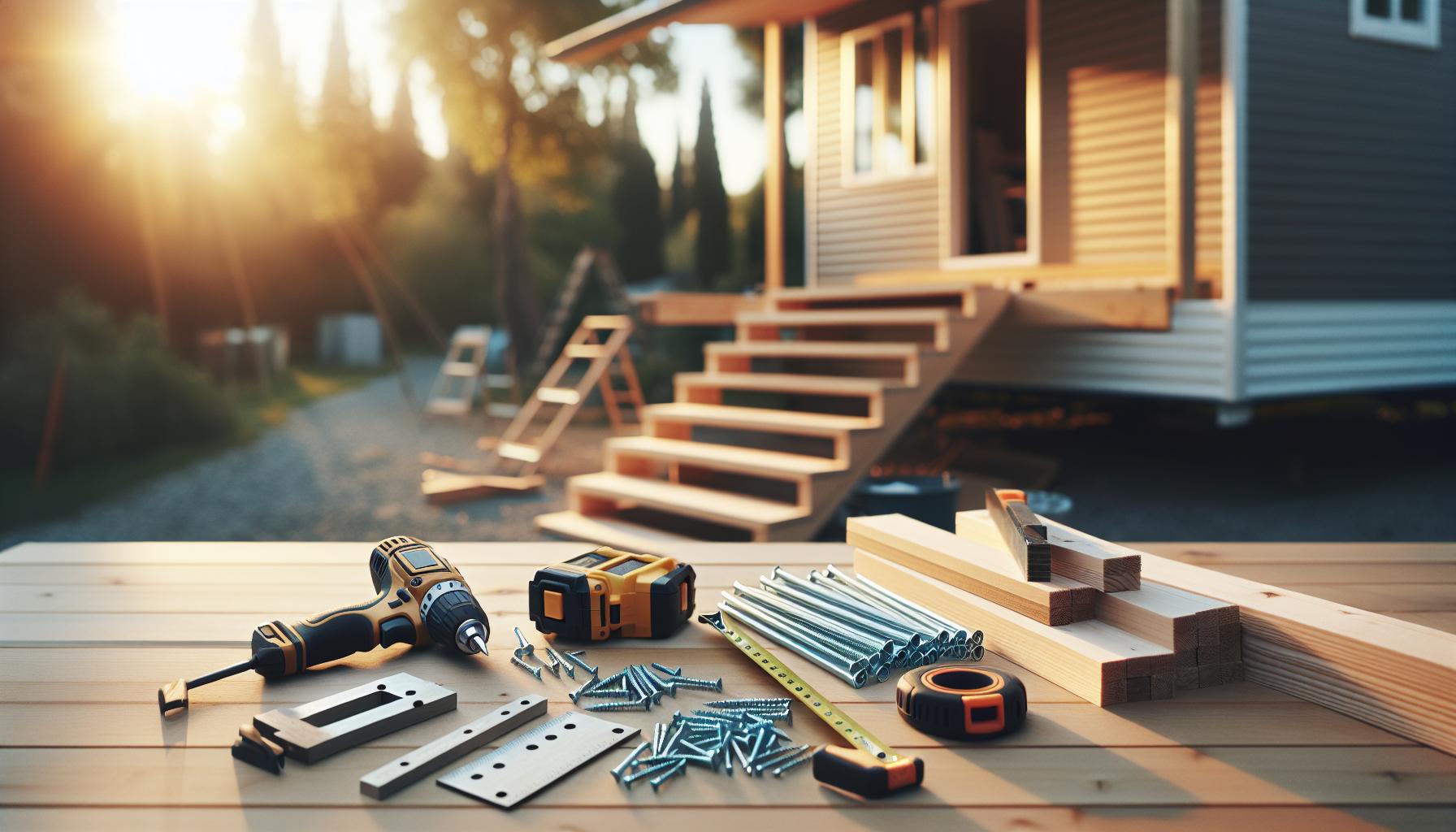
To ensure the construction of mobile home steps is both safe and durable, selecting the right materials is critical. The quality of materials not only influences the aesthetic appeal but also impacts the longevity and functionality of the steps. It’s essential to prioritize safety features, especially when living in areas prone to inclement weather or high foot traffic.
Key Materials for Mobile Home Steps Construction
- Wood: When opting for wood, pressure-treated lumber is often the best choice due to its resistance to moisture, insects, and decay. Common wood types include cedar or redwood, which not only look attractive but also hold up well outdoors.
- Composite Materials: Composite decking materials offer an excellent balance of durability and low maintenance. They are made from a mix of wood fibers and plastic, providing superior resistance to weathering and rot, making them ideal for steps exposed to the elements.
- Concrete: Concrete is a sturdy option that provides exceptional longevity. If you’re looking for something more permanent, poured concrete steps, or precast concrete blocks offer great stability and can be textured to enhance slip resistance.
- Metal: Aluminum or steel is often utilized for their lightweight and strong characteristics. Metal steps can be created with non-slip surfaces and are largely resistant to rust and deterioration, particularly beneficial for harsh weather conditions.
- Slip-Resistant Coating: Regardless of the primary material used, applying a slip-resistant coating is crucial. This increases safety and can be essential in preventing slips during rain or snow.
In addition to these materials, you will need various hardware and supplies, including appropriate fasteners, waterproof adhesives, wood sealants, and post brackets for the installation of railings. Using galvanized or stainless-steel hardware will further enhance resistance to rust and corrosion. Prioritizing these materials not only guarantees a safer entryway into your mobile home but also contributes to the overall aesthetic and functionality of your living space. By investing in quality materials upfront, you encapsulate the values of safety and durability essential for mobile home living.
Step-by-Step Guide to Building Mobile Home Steps

Building steps for a mobile home is an essential project that not only enhances accessibility but also improves safety and aesthetics. When constructed correctly, these steps can significantly reduce the risk of falls and injuries, especially for those who may have mobility challenges. Here’s a comprehensive guide to help you build sturdy and safe steps that stand the test of time.
Begin by assessing the height of your mobile home entrance to determine the number of steps required. A typical rise should not exceed 7¾ inches per step, and you’ll want to ensure that all risers are uniform within a 3/8 inch difference for safety. Use the height measurement to calculate the number of steps needed, remembering that each step must have a tread that offers sufficient depth-generally a minimum of 11 inches is recommended for safety [1].
Take time to review local building codes, as there may be specific regulations governing the design and height of mobile home steps. This step ensures your project is compliant and safe.
Incorporating these practical tips will guide you through the construction of secure mobile home steps, allowing you to confidently navigate the entryway to your home. Whether you tackle this project as a DIY enthusiast or enlist help, the focus should always remain on safety and durability.
Common Mistakes to Avoid in Mobile Home Steps
When constructing steps for a mobile home, overlooking key details can lead to safety hazards and functionality issues. One of the most significant mistakes is miscalculating the height of each riser. Ideally, each rise should not exceed 7¾ inches, and it’s crucial to maintain uniformity among risers – no more than a 3/8-inch variation between them. Inconsistent risers can lead to trips and falls, especially for those with mobility challenges. Always double-check your calculations before starting the build to ensure a safe ascent and descent.
Another common pitfall occurs with the tread depth. A minimum depth of 11 inches is recommended to provide a stable footing; however, many DIYers either undercut this measurement or fail to consider the tread’s finish. For enhanced safety, especially in wet or icy conditions, incorporating non-slip materials or finishes is essential. Neglecting this detail may result in accidents that could easily have been prevented.
It’s also important not to skimp on support structures. Many individuals underestimate the need for a sturdy frame and support brackets. Inherent instability can dramatically compromise the safety of the steps. Using treated lumber or metal reinforcement not only ensures durability but also provides peace of mind, especially when heavier foot traffic is expected.
Lastly, safety features such as handrails are often overlooked or inadequately installed. It’s essential to install handrails on stairways with four or more risers, and they should meet height requirements, typically 34 to 38 inches from the ground. Skipping these elements could leave your steps perilous for both residents and guests. Paying attention to these details will not only enhance the safety and functionality of your mobile home steps but also improve the overall aesthetic appeal, reinforcing the idea that mobile home living can be both comfortable and stylish.
Designing Steps for Accessibility and Convenience

Designing steps for a mobile home requires careful consideration of both accessibility and convenience to create safe and usable entrances. This focus not only enhances functionality but also fosters an inclusive environment for all residents, including those with mobility challenges. Compliance with established safety standards can ensure that the steps accommodate a wide range of users, promoting independence and ease of access.
To begin with, consider the design dimensions that best support accessibility. Steps should ideally feature a maximum rise of 7¾ inches per step with a minimum tread depth of 11 inches. This is vital for maintaining a gentle slope and minimizing effort when ascending or descending. For added convenience, consider incorporating ADA-compliant guidelines, which suggest that at least one route to the home should be fully accessible, meaning ramps or alternatives to traditional steps may be appropriate. Ramps, for instance, should have a slope ratio of 1:12 for wheelchair accessibility, making it easier for individuals who require mobility aids.
Safety Features and Aesthetics
Integrating safety features such as handrails not only enhances usability but also provides critical support for individuals who may need assistance when navigating stairs. Handrails should be installed on both sides of the steps, with a height of 34 to 38 inches above the step’s surface. To enhance safety further, consider using textured materials for the treads to reduce slippage, especially in wet or icy conditions.
Beyond safety, the aesthetics of your mobile home steps can contribute to the overall curb appeal of your property. Incorporating elements such as decorative railings or built-in lighting not only makes the steps visually appealing but also provides practical benefits. For example, lighting along the steps can improve visibility at night, further minimizing the risk of accidents.
In conclusion, thoughtful design that prioritizes accessibility and convenience makes the home more user-friendly while amplifying its visual appeal. By adopting a proactive approach to building steps for your mobile home, you foster a welcoming environment that accommodates everyone-regardless of physical ability-while ensuring day-to-day operations remain smooth and effortless.
Finishing Touches: Weatherproofing and Safety Features

Ensuring the longevity and safety of your mobile home steps involves a two-pronged approach: effective weatherproofing and the incorporation of additional safety features. Mobile homes are often subject to varying climate conditions, from intense sun to heavy rain, making it imperative to safeguard your steps against the elements. By taking the right steps-quite literally-you can enhance both the durability and usability of your entryway.
Begin with weatherproofing techniques that can significantly extend the life of your steps. Applying a high-quality exterior-grade sealant to wooden steps can help prevent rot and decay. Regularly inspecting and reapplying sealant or waterproof paint will fortify against moisture penetration. For metal steps, a rust-resistant coating is essential to stop corrosion from developing, particularly in areas prone to humidity or rain. Consider using pressure-treated wood or composite materials that naturally resist water damage, offering an excellent alternative for those prioritizing low maintenance and durability.
In addition to weatherproofing, integrating robust safety features is crucial for creating a secure entry point. Installing anti-slip treads on your steps can greatly reduce the risk of slips and falls, especially during inclement weather. These can come in various materials, such as rubber or textured paint, providing grip without sacrificing aesthetics. Handrails are another critical safety feature; they should be positioned at a height that provides steady support, typically between 34 to 38 inches above the steps. Be sure that they are installed securely on both sides to cater to a wider range of users.
Incorporating proper lighting can also enhance safety, allowing for better visibility during dark conditions. Solar-powered step lights or motion sensor lights are excellent investments, providing illumination without the need for electrical work. Additionally, reflective tape along the edges can serve as a reminder of where each step begins and ends, particularly helpful for those unaccustomed to the layout. Combining these weatherproofing and safety features not only promotes a safer environment but also elevates the overall durability and appeal of your mobile home’s entrance. By addressing these elements, you create a welcoming and secure access point that reflects the care and attention you’ve placed in maintaining your manufactured home.
Maintenance Tips for Long-Lasting Mobile Home Steps
To ensure your mobile home steps remain safe and functional over time, regular maintenance is essential. Ignoring this involves risks not just to the steps themselves but also to the safety of everyone using them. Here are some straightforward tips to keep your mobile home entryway in top shape:
Routine Inspections
Perform routine checks on your steps at least once a month. Look for signs of wear and tear, such as cracks, loose screws or bolts, and any signs of rust or rot. It’s particularly important to inspect the handrails for stability and to ensure that non-slip surfaces remain intact. Early detection of issues can prevent larger repairs down the line, maintaining both safety and aesthetics.
Cleaning and Debris Removal
Keeping your steps clean is a simple yet vital aspect of maintenance. Remove leaves, dirt, and other debris that can trap moisture and promote mold or rot. Use a broom or leaf blower to clear loose materials and wash the surface with mild soap and water every few months to eliminate grime. For wood steps, gentle scrubbing with a brush can help maintain their appearance and integrity.
Seasonal Weatherproofing
Given the varying climate conditions mobile homes may be exposed to, reapplying weatherproofing treatments should be done seasonally. For wooden steps, renew the waterproof sealant or paint, ensuring they are protected against moisture and UV damage. For metal steps, inspect and reapply rust-resistant coatings, especially after harsh weather conditions that could have inflicted damage.
Addressing Repairs Promptly
If you notice any issues during your inspections, such as a cracked step or a loose handrail, address them immediately. For smaller issues, DIY repairs can be effective; however, if you’re unsure or feel the damage is extensive, it’s wise to consult a professional. Timely repairs can save money and efforts in the long run, ensuring that your steps do not become a safety hazard.
By incorporating these maintenance practices into your routine, you can help ensure that your mobile home steps serve you safely and effectively for many years to come. This ongoing attention not only guarantees their functionality but also enhances the overall curb appeal of your home, reflecting your commitment to maintaining a welcoming and safe environment.
Regulatory Compliance for Mobile Home Steps
When constructing mobile home steps, compliance with local building regulations is crucial to ensure safety and functionality. These regulations not only safeguard the occupants but also can significantly affect insurance and property value. Local codes can vary widely, so it’s essential for homeowners and builders to familiarize themselves with the specific requirements that pertain to mobile home steps, including height, width, and rail specifications.
Understanding Local Building Codes
Each municipality typically has its own set of building codes governing the construction of stairs, which may include factors such as the maximum allowable rise of each step and the minimum tread depth. For instance, risers generally should not exceed 7¾ inches between steps, and there should be no more than a 3/8 inch difference in height among risers. Compliance with these parameters not only enhances safety but ensures that the steps are accessible for all users, including those with limited mobility. Further, handrails are often required for steps exceeding a certain height, providing crucial support.
Permit Requirements
Many regions require a building permit for new construction or significant modifications. Permits help ensure that the construction meets safety standards and enables inspections that can prevent costly mistakes. Before starting your project, check with your local building department to find out if a permit is necessary. This step can save downtime or complications that could arise if building inspectors identify code violations during subsequent evaluations.
Impact on Insurance and Liability
Failing to comply with local building codes can have broader implications, particularly regarding liability and insurance. If an accident were to occur due to improperly constructed steps, homeowners could face significant legal consequences if it is found that they did not adhere to regulations. Furthermore, non-compliance might affect your homeowners insurance rates or claims, should the application of coverage be in question after an incident. Therefore, ensuring your stairway aligns with all applicable regulations is not only wise but essential for protecting your investment and wellbeing.
Investing time to ensure regulatory compliance is a proactive approach that provides peace of mind and enhances the overall aesthetic and safety of mobile home living. By adhering to these guidelines, residents can enjoy their homes fully, knowing that all safety measures have been thoughtfully implemented.
Enhancing Curb Appeal with Custom Step Designs
Creating an inviting entryway to your mobile home can significantly enhance its curb appeal. Custom step designs are not only practical but can serve as a statement piece, reflecting your personal style and improving the overall aesthetic of your home. Whether you’re looking for a rustic charm or modern elegance, there are plenty of creative ways to make your steps a focal point.
One of the most effective ways to elevate the appearance of your mobile home steps is by selecting materials that complement your home’s exterior. Consider using reclaimed wood for a rustic look or composite materials for a modern touch. Staining or painting the steps can also add a pop of color, drawing attention to your entrance. Decorative elements, such as railings fashioned from wrought iron or painted wood, can provide both safety and style.
Incorporating planters or decorative lighting along the sides of your steps can create a welcoming atmosphere and improve visibility at night. Consider adding solar-powered lights that illuminate the pathway leading to your entry. This not only ensures safety but also adds a warm glow that enhances the ambiance. Additionally, think about integrating anti-slip surfaces in your design. These features can protect not only the appearance of your steps but also the safety of those who use them, especially in inclement weather.
Another way to customize your steps is to use unique shapes or multi-level designs that create visual interest. For instance, weaving in a curve or utilizing different heights can break the monotony and offer a more dynamic entry. Before you start building, sketch out your ideas and consult with local regulations to ensure compliance, especially concerning safety standards. Ultimately, crafting steps that are both functional and stylish can significantly boost not only your home’s curb appeal but also its overall value.
Budgeting for Your Mobile Home Steps Project
When embarking on the project of building steps for your mobile home, establishing a well-defined budget is crucial. Mobile home steps vary significantly in cost depending on materials, design, and whether you choose to construct them yourself or hire a professional. Understanding the elements that contribute to the overall expense allows you to plan effectively and make informed decisions.
Begin by assessing your intended design and the materials required. Common options for constructing mobile home steps include wood, metal, and composite materials. Each material comes with its cost implications:
- Wood: This is often the most affordable choice but may require ongoing maintenance, such as staining or sealing, depending on the climate.
- Metal: While durable and low-maintenance, metal can be more expensive and may require professional installation, which adds to labor costs.
- Composite: This option offers a balance of appearance and longevity but typically comes at a higher upfront cost than wood.
Next, consider any additional features that will enhance safety and accessibility. Items such as railings, anti-slip surfaces, and decorative accents can improve functionality but will also raise the budget. It’s wise to allocate about 15-20% of your total project cost for these enhancements.
If you’re leaning towards a DIY approach, factor in tools, link to local building codes, and any potential permit fees into your budget. Remember that while DIY can save money, it also requires time and effort, as well as a good understanding of construction practices to ensure safety and compliance with local regulations.
Lastly, don’t overlook the long-term costs associated with your choice. Higher initial expenditures could result in lower maintenance costs over time, making materials like composite more economical in the long run. By taking a comprehensive view of both immediate costs and future expenses, you can create a budget that supports not only the successful completion of your mobile home steps project but also contributes to your home’s overall value and curb appeal.
Alternative Solutions: Prefab Steps and Kits
Prefab steps and kits have become an appealing option for many mobile homeowners seeking convenience and reliability without the complexities of a DIY build. These pre-manufactured solutions come in various styles and materials, making them a versatile choice that aligns well with different aesthetic preferences and functional requirements. By opting for prefab steps, homeowners can significantly reduce installation time, as many kits are designed for easy setup that doesn’t often require specialized tools or extensive construction knowledge.
Many prefab steps are crafted from durable materials such as fiberglass, wood, or metal, offering strong weather resistance and longevity. Some manufacturers even provide customizable options, allowing for tailored sizes and designs to fit specific mobile home entrances. This option not only simplifies the purchasing process but also enhances safety by meeting established safety standards for mobile home steps. For instance, steps designed with anti-slip surfaces and sturdy railings contribute to greater safety and accessibility, particularly for families with young children or elderly residents.
While prefab steps offer a straightforward solution, it’s important to verify the quality and compliance with local building codes before purchasing. This ensures that the steps are not only aesthetically pleasing but also safe and functional. Additionally, many suppliers of prefab steps, such as Complete Mobile Home Supply, offer a range of options that include railings and wider platforms, making them ideal for creating a welcoming and safe entryway.
Incorporating prefab steps into your mobile home setup can also enhance curb appeal. With an array of styles available from contemporary to traditional designs, homeowners can seamlessly integrate these steps into their overall home aesthetic, contributing to a more cohesive and inviting appearance. By selecting high-quality prefab solutions, mobile homeowners can rest assured that they are making a sound investment in both safety and style.
DIY vs. Professional Installation: What to Consider
When considering how to install mobile home steps, homeowners face a significant decision: should they handle the construction themselves or hire a professional? Each option comes with its own set of pros and cons that can greatly influence the project’s outcome, budget, and overall satisfaction. Engaging in a DIY project can be rewarding, especially for those who take pride in hands-on work and possess a certain level of construction experience. It allows for complete control over design, materials, and customization, which can also lead to cost savings. Building steps that fit your mobile home’s unique entrance with personal touches can enhance both functionality and aesthetics, creating a welcoming entry.
However, it’s essential to consider the challenges that come with a DIY approach. Construction requires a sound understanding of safety standards, local building regulations, and proper building techniques. Errors in measurement or installation can compromise not only the appearance but also the safety of the stairs, leading to potential accidents. For example, failing to create a stable foundation or neglecting to add necessary safety features like handrails may pose serious risks to those using the steps, particularly children and the elderly. Homeowners should assess their own skill levels honestly and determine if they have the necessary tools and materials; if not, the project could quickly turn into a costly endeavor.
On the other hand, hiring a professional can provide peace of mind as it typically ensures adherence to local codes and safety standards. Professionals bring expertise that can result in higher quality construction, efficient use of materials, and quicker completion times. For those less experienced with construction, hiring a pro may be worth the additional investment. Professionals can also assist in the selection of high-quality, durable materials, such as fiberglass or treated wood, which are critical for longevity and weather resistance. Moreover, they can provide valuable insights during the design phase, ensuring that the steps enhance both the utility and curb appeal of the mobile home.
In summary, the decision between DIY and professional installation depends on several key factors including budget, skill level, and the complexity of the project. Weighing these aspects thoughtfully will guide you to a solution that fits your needs, ensuring the safety and beauty of your mobile home steps. Ultimately, whether you choose to take the DIY route or hire a professional, proper planning and adherence to safety standards are paramount for a successful outcome.
Frequently asked questions
Q: What materials are best for building mobile home steps?
A: The best materials for building mobile home steps include pressure-treated wood for durability, concrete for a solid structure, and non-slip coatings for safety. Always ensure the materials comply with local building codes to maintain safety and longevity.
Q: How can I make mobile home steps safe for children and elderly individuals?
A: To ensure safety for children and the elderly, incorporate handrails, non-slip surfaces, and proper lighting. Additionally, design steps with a gradual incline and a wide base to promote stability and ease of use.
Q: What building codes apply to mobile home steps?
A: Building codes for mobile home steps vary by jurisdiction but typically include regulations on step height, width, and railings. Consult your local building authority for specific requirements to ensure compliance and safety.
Q: Are prefabricated mobile home steps a good option?
A: Yes, prefabricated mobile home steps can be a good option as they are designed for ease of installation and often meet safety standards. However, assess the material quality and warranty before making a purchase to ensure durability.
Q: How often should I inspect my mobile home steps for safety?
A: It’s advisable to inspect your mobile home steps at least once a year, or more frequently after severe weather events. Check for signs of wear, loose boards, and damaged railings to maintain safety.
Q: What are common mistakes to avoid when building mobile home steps?
A: Common mistakes include not considering the height and depth of each step, failing to install handrails, and using untreated wood. These oversights can lead to safety hazards and premature deterioration of the steps.
Q: How can I weatherproof mobile home steps?
A: To weatherproof mobile home steps, apply a high-quality sealant or weather-resistant stain. Use treated wood and install a drainage system to prevent water accumulation and damage from moisture.
Q: What should be considered when budgeting for mobile home steps?
A: When budgeting for mobile home steps, consider material costs, tools needed, potential professional installation fees, and ongoing maintenance. It’s also wise to allocate funds for any unexpected repairs that may arise.
Key Takeaways
Congratulations on taking the first step toward building safe and functional mobile home steps! Remember, your commitment to safety and quality construction will significantly enhance your home’s accessibility and value. If you still have questions or concerns about materials, installation techniques, or local building codes, don’t hesitate to consult our detailed guides on mobile home maintenance and safety tips for manufactured housing.
To keep your project on track, consider signing up for our newsletter for exclusive tips and updates on mobile home living. Interested in financing options for renovations? Check out our financing guide for insights that can help simplify your decisions. Your journey in mobile home ownership can be fulfilling, and we’re here to support you every step of the way.
For additional resources and to explore related topics like hurricane preparedness and effective storm tie-down techniques, navigate through our related articles. Engage with us by sharing your experiences or asking questions in the comments below-we’re excited to hear from you! Your mobile home can truly be a safe haven that reflects your lifestyle, so let’s continue this journey together.