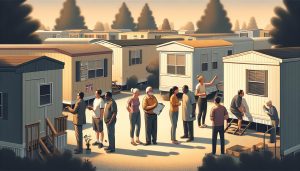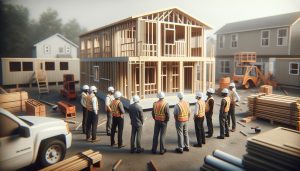
Building a mobile home can be an attractive option for many due to its affordability and flexibility, but understanding the costs involved is crucial for making informed decisions. As prices fluctuate and designs become more diverse, prospective buyers need a clear idea of what to expect in 2025. Whether you’re seeking a cozy retreat, a family residence, or an investment opportunity, knowing the financial landscape is essential. From site preparation to customization options, this guide will clarify necessary expenses, allow you to set a realistic budget, and empower you on your journey toward mobile home ownership. Dive in to uncover valuable insights that will enhance your understanding of this unique housing market!
Understanding Mobile Home Costs in 2025
Understanding the costs associated with mobile homes in 2025 involves looking at various factors that can significantly influence pricing, from location to material quality. Unlike traditional homes, manufactured homes typically offer a more streamlined building process, which can lead to lower overall costs. However, potential buyers must consider a variety of expenses beyond just the purchase price to grasp the full financial commitment involved in mobile home ownership.
Key factors influencing mobile home prices include the home’s size, design, and the materials used in its construction. Additionally, the community or land it occupies can affect costs, particularly in desirable areas with high demand. The age of the mobile home is also crucial; newer models usually feature updated designs and appliances, impacting their market value positively.
Average costs for new mobile homes vary widely, often ranging from $50,000 to over $100,000, depending on the aforementioned factors. In contrast, used mobile homes can be significantly less expensive, usually starting around $20,000 to $70,000. Prospective homeowners should leverage tools like the used mobile home value calculator to assess worth based on condition, size, and location, creating a better understanding of the investment required.[[3]]
Purchasing a mobile home often involves obtaining financing, which can come from traditional banks, specialized lending institutions, or credit unions. Each option presents advantages and potential drawbacks, making it essential for buyers to evaluate what’s best for their financial situation. Furthermore, essential expenses beyond the purchase price can include transportation, installation, insurance, and monthly utilities, all of which contribute to the overall cost of living in a mobile home.
Long-term ownership considerations such as maintenance, property taxes, and potential renovations should also be contemplated. Homes situated in areas prone to extreme weather may require additional investments in storm preparedness, including tie-downs and reinforced foundations. Understanding these elements provides a comprehensive view of the financial commitment involved in mobile home living and empowers potential buyers to make informed decisions.
Key Factors Influencing Mobile Home Prices
Mobile homes represent an accessible alternative to traditional housing, but their prices can vary dramatically based on several key factors. Understanding these elements can help buyers make informed choices and ensure that their investment aligns with their financial goals and lifestyle needs.
The size and layout of the mobile home play a crucial role in its overall cost. Homes come in various dimensions-from single-section models to expansive double- or triple-section designs. Each increase in size typically translates to higher material costs and installation expenses. Additionally, modern design features, such as open floor plans and energy-efficient appliances, can also impact pricing. Buyers should consider their space requirements carefully, as larger homes not only cost more upfront but may also lead to increased ongoing expenses like utility bills.
Location is another vital factor influencing mobile home prices. Homes situated in high-demand areas or those with desirable community amenities, such as pools and parks, may carry a premium. Additionally, the availability of land for placing a mobile home can significantly affect overall costs. In markets where land is limited, you might encounter higher lot rents or purchase prices for land. Consequently, understanding local market trends and neighborhoods is essential for prospective buyers.
The age and condition of the mobile home cannot be overlooked either. Newer models, often equipped with modern features and better insulation standards, tend to have higher prices but can offer long-term savings on maintenance and utilities. Conversely, older models might seem like a bargain but could require significant repairs or renovations, ultimately impacting your budget. As such, it’s advisable to conduct thorough inspections and consider potential renovation costs when evaluating older homes.
Understanding these factors will not only empower buyers to make wiser financial decisions but will also encourage them to explore all aspects of mobile home living, from initial purchase to long-term satisfaction. By gathering insights and conducting careful comparisons, prospective owners can embark on a rewarding journey towards mobile home ownership that aligns with their unique circumstances and preferences.
Average Costs: New vs. Used Mobile Homes
The decision to purchase a mobile home, whether new or used, involves careful consideration of costs that extend beyond mere purchase prices. New mobile homes, while often equipped with the latest technology and amenities, can range significantly in price, typically starting from around $50,000 for smaller models and soaring to $150,000 or more for larger, customized units packed with modern features. These homes offer advantages such as energy efficiency and lower maintenance costs, but the upfront investment is substantial.
In contrast, the market for used mobile homes can present striking savings. Prices for used models can start as low as $20,000 and go up to $100,000, depending on factors like age, size, and condition. While these homes may entail lower initial outlays, potential buyers should remain wary of hidden costs associated with maintenance or required upgrades. Older homes might necessitate systems updates or aesthetic renovations, which could quickly negate initial savings. Conducting thorough inspections and obtaining a detailed history of repairs and renovations is crucial for anyone considering purchasing a used mobile home.
To better understand the financial commitment of mobile homes, prospective buyers should consider additional factors such as financing options, insurance rates, and ongoing expenses. New homes may qualify for better financing opportunities due to fewer repair concerns and more modern amenities. Conversely, used homes could be financed at attractive rates if adequately maintained but require more negotiation based on their condition and age. The choice between new and used ultimately hinges on individual circumstances, financial readiness, and long-term living goals.
By weighing these considerations, buyers can navigate their mobile home search with confidence, ensuring they select an option that not only fits their budget but also meets their lifestyle needs.
Financing Options for Mobile Home Purchases
Purchasing a mobile home can be an attainable goal for many, but understanding the financing options available is crucial for making a sound investment. Unlike traditional houses, mobile homes often fall under different financing categories, which can affect interest rates, down payments, and loan terms. Consumers should be aware that loans for mobile homes may vary significantly, particularly based on whether the home is classified as personal property or real estate.
Mobile home financing can be broken down into several main options:
Types of Financing
- Chattel Loans: These are typically used when the mobile home is not permanently affixed to the land it occupies. Chattel loans often come with higher interest rates than traditional mortgages but require less upfront financial commitment. However, the caveat is that these loans generally have shorter repayment terms, often ranging from 15 to 20 years.
- Conventional Mortgages: If the mobile home is permanently anchored to the land and deemed real property, buyers may qualify for a conventional mortgage. This option often provides better interest rates and longer repayment terms, making it a more affordable choice in the long run.
- FHA Loans: The Federal Housing Administration (FHA) insures loans for mobile homes, making them accessible to first-time buyers or those with less-than-perfect credit. However, to qualify, the mobile home must meet specific standards and be permanently affixed to a parcel of land.
- VA Loans: For eligible veterans and active service members, the Department of Veterans Affairs offers 0% down payment loans for mobile homes that are classified as real estate. This can significantly lower the overall cost of financing.
Considerations When Financing
When considering financing options, keep in mind the following factors that can influence your decision:
- Credit Score: A higher credit score often leads to better financing options and lower interest rates. Prospective buyers should take steps to improve their credit before applying for loans.
- Down Payment: While some loans may require as little as 5% down, the more you can put down upfront, the better your loan terms are likely to be.
- Loan Terms: Evaluate the length of the loan and how it impacts your monthly payments and total interest paid over time. Shorter terms usually come with higher monthly payments but lower overall interest costs.
Navigating the financing landscape for mobile homes can feel overwhelming, yet gaining a clear understanding of the available options empowers buyers to make informed decisions. By carefully evaluating loan types, terms, and monthly expenses, prospective mobile home owners can navigate their finances more effectively and secure a home that fits both their lifestyle and budget.
Essential Expenses Beyond Purchase Price
When considering the overall investment of owning a mobile home, it’s crucial to recognize that the purchase price is just the tip of the iceberg. Factors such as setup costs, utilities, insurance, and maintenance can significantly influence the total cost of ownership. Understanding these expenses not only helps prospective buyers budget more effectively but also empowers them to make informed decisions on long-term investments in mobile home living.
The initial setup of a mobile home involves a number of tangible costs. This includes the expense of leveling and anchoring the home, which is essential to ensure stability and compliance with local regulations. Depending on the complexity of the site and regional pricing, these costs can range from a few hundred to several thousand dollars. Additionally, connecting utilities-such as water, electricity, and sewage-can add to the setup expenses, often requiring permits and professional installation services. An estimated average for these utility connections could be anywhere from $1,000 to $5,000 depending on location and existing infrastructure.
Another crucial area to consider is mobile home insurance. This is not just a precaution but often a requirement by lenders, especially for homes classified as real estate. Insurance costs can vary, typically ranging from $300 to $1,000 annually depending on factors such as location, the age of the mobile home, and coverage amounts. Understanding the specificities of mobile home insurance-including liability coverage and protection against natural disasters-can safeguard your investment from unforeseen circumstances.
Lastly, ongoing maintenance should not be overlooked. Regular upkeep, such as inspecting and repairing roofs, plumbing, and siding, is essential in preserving the integrity and value of the home. Establishing a maintenance budget is wise, as these unexpected repairs can accumulate quickly. On average, setting aside 1-2% of the mobile home’s value per year for maintenance can be a helpful guideline. This proactive approach not only enhances longevity but also provides peace of mind in your mobile home journey.
By grasping these essential expenses beyond the initial purchase price, prospective mobile home buyers can enjoy a more comprehensive view of their financial commitments, making it easier to plan for the future while fully appreciating the benefits of manufactured housing.
Comparing Cost of Site-Built vs. Mobile Homes
When considering housing options, the cost difference between mobile homes and site-built homes often becomes a significant factor in decision-making. Mobile homes typically present a more budget-friendly alternative, with lower initial purchase prices and reduced construction expenses. In 2025, new mobile homes can be purchased for anywhere between $50,000 and $100,000, while site-built homes usually start at a higher price point of $200,000 and can go well into the millions, depending on size and location. This stark contrast makes mobile homes an attractive option for first-time buyers or those looking to downsize without compromising their living experience.
The savings continue when looking beyond the sticker price. Mobile homes often have lower property taxes and insurance costs compared to traditional homes. For instance, the annual property tax on a mobile home can be significantly less than that of a site-built home, which can be beneficial for those conscious of their overall budget. Additionally, insurance for mobile homes is generally less expensive, averaging between $300 and $1,000 a year, compared to the higher costs typical for site-built homes, which may require more extensive coverage.
While the upfront costs are lower for mobile homes, it’s essential to take into account long-term value and maintenance. Mobile homes can depreciate faster than site-built homes, leading to potential challenges when it comes to resale. However, investing in quality renovations and proper upkeep can mitigate this depreciation. Homeowners should consider allocating funds for necessary updates as mobile homes age, which can help preserve their value and appeal.
Ultimately, choosing between a mobile home and a site-built home involves careful consideration of not just the purchase price but also long-term financial implications. Buyers should evaluate their lifestyle needs, budget constraints, and future plans when making this important decision, ensuring they select the housing option that best aligns with their goals. Investing time in research and understanding both markets will pave the way for a confident and informed purchase.
Insurance Considerations for Mobile Home Owners
When it comes to protecting your investment in a mobile home, understanding the intricacies of mobile home insurance is crucial. Unlike traditional homes, mobile homes have unique challenges that can influence insurance rates and coverage options. Factors like the type of structure, the location, and the age of the home can all affect your insurance premium. For instance, homes located in areas prone to natural disasters, such as hurricanes or wildfires, may have higher insurance costs due to increased risk.
A key consideration for mobile home owners is ensuring they have adequate coverage. Standard homeowners insurance may not provide complete protection for mobile homes, which is why specialized mobile home insurance is essential. This type of insurance typically covers risks like fire, theft, vandalism, and certain types of natural disasters. Additionally, it can include targeted coverage for the home itself as well as personal belongings. While costs may vary, mobile home insurance generally averages between $300 and $1,000 annually, which is often lower compared to site-built homes[[1](https://www.usaa.com/insurance/property/mobile-home)].
Understanding Coverage Options
When selecting a policy, it’s important to consider both replacement cost and actual cash value. Replacement cost coverage pays for the full cost to repair or replace your home without deducting depreciation, whereas actual cash value accounts for the home’s depreciation over time, which could lead to a payout that falls short of your financial needs in case of a loss. Homeowners should also look for policies that offer liability protection in case someone is injured on their property, as well as coverage for additional living expenses if the home becomes uninhabitable due to a covered loss.
Obtaining the Right Coverage
To secure the best insurance for your mobile home, shop around and compare quotes from different providers. This can help identify policies that not only offer the right coverage but also come with discounts for bundling other insurance products or for maintaining a good claims history. Keep an eye out for companies that specialize in mobile home insurance, as they typically understand the specific needs of mobile homeowners better. Online resources like ValuePenguin can assist in pinpointing the best-rated companies based on customer reviews and coverage options[[2](https://www.valuepenguin.com/best-mobile-home-insurance)].
In conclusion, taking the time to understand your insurance options for a mobile home is a vital step in protecting your investment. Engaging with knowledgeable agents, reading policy details thoroughly, and remaining informed about potential risks in your area will empower you to make the best decisions for your mobile home ownership experience.
Regulatory and Legal Fees in Mobile Home Ownership
Navigating the maze of regulations and legal fees associated with mobile home ownership can feel daunting, but understanding these costs is essential for any prospective owner. From zoning laws to permit fees, being aware of the regulatory landscape is a significant first step in ensuring a smooth transition to mobile home living.
One of the most crucial elements to consider is local zoning regulations. These rules determine where mobile homes can be located, and noncompliance can lead to fines or the inability to place a home on the desired lot. Many municipalities have specific zones designated for mobile homes, commonly referred to as mobile home parks or communities. Before purchasing, it’s vital to research these zoning laws and potential restrictions within your locality, as breaking these regulations can incur hefty costs.
Permitting and Licensing Fees
After confirming that your desired location is zoned for a mobile home, you’ll need to apply for building permits. The costs can vary significantly depending on the state and municipality. On average, these fees can range from $200 to over $1,000, reflecting the complexity of local regulations. Make sure to check whether additional permits are required for utility connections, such as water, electricity, and sewage, as each service may have its own associated costs.
Legal Considerations
Legal fees are another integral aspect of mobile home ownership. Whether you’re buying a new or used mobile home, hiring a real estate attorney to review contracts is advisable. This can protect you against unfavorable terms and hidden costs. Typical legal fees for such services can range from $300 to $1,500, depending on the complexity of the transaction.
You should also familiarize yourself with pertinent consumer protection laws that relate specifically to manufactured housing. Such laws often establish your rights as a homeowner and outline responsibilities for parties involved in the sale. Engaging with organizations or legal professionals who specialize in mobile home regulations can help clarify these issues, ensuring you’re fully informed and prepared.
By understanding and planning for these regulatory and legal fees, you can make informed decisions that enhance the viability of your mobile home investment. With proper research and preparation, you can navigate these obstacles with confidence, laying a solid foundation for your new lifestyle in manufactured housing.
Maintenance Costs You Should Anticipate
Owning a mobile home can be a cost-effective housing choice, but it’s essential to be prepared for ongoing maintenance costs that can arise. Regular upkeep is not just about aesthetics; it’s about preserving the integrity of your investment and ensuring safety. Like any property, mobile homes require specific maintenance considerations that can impact your overall budget.
Routine Maintenance
Routine maintenance typically includes essential services like HVAC checks, plumbing inspections, and roof maintenance. HVAC systems should be serviced at least once a year to ensure efficiency, costing around $100-$200. Regular roof inspections and cleaning can prevent leaks, especially in areas with heavy rainfall or snow. Fixing minor leaks promptly can save you from major repairs later, with costs that could range from $200 to $1,000, depending on the damage.
Landscaping and Ground Maintenance
The area surrounding your mobile home also requires attention. Maintaining the foundation and ensuring proper drainage is crucial to avoid costly issues such as flooding or settling. Landscaping services can vary widely, but budgeting approximately $50-$150 per month for lawn care and upkeep can help maintain your property’s appearance and prevent erosion or pest problems.
Utility Maintenance and Repairs
Utility systems, including plumbing and electrical components, need regular attention to ward off major issues. Aging plumbing can lead to leaks or clogs, with repair costs often ranging from $150 to $500. Similarly, electrical issues-such as flickering lights or tripped breakers-should be addressed promptly, potentially costing anywhere from $75 to over $300 depending on the complexity of the repairs.
Insurance and Emergency Preparedness
Don’t forget to factor in the cost of homeowners insurance, which can range from $300 to $1,500 annually, depending on your coverage and location. Additionally, investing in emergency preparedness, such as hurricane tie-downs or storm proofing, can incur initial costs but provide peace of mind and financial protection against severe weather events.
Understanding and anticipating these maintenance costs can help you budget effectively and enjoy the benefits of mobile home living without unexpected financial strain. By committing to regular maintenance and being proactive about repairs, you can extend the life of your mobile home and enhance its overall value.
Renovation Projects and Their Impact on Value
Home renovations can dramatically elevate both the comfort and value of your mobile home. Interestingly, many homeowners may overlook the potential return on investment that comes from renovating, thinking it’s too costly or unnecessary. However, smart renovations can not only enhance your living experience but also provide significant financial benefits when it comes time to sell. It’s essential to select projects that offer a good balance between cost and value, ensuring that you maximize your investment.
One of the most impactful renovations you can make is updating the kitchen, as it often serves as the heart of the home. Simple enhancements such as new countertops, modern appliances, or fresh cabinetry can transform the space without breaking the bank. According to numerous studies, kitchen remodels can yield returns of 70% or more on resale, making it a prime candidate for investment. Similarly, bathrooms are also key areas where upgrades can lead to improved home value. Even small changes like new fixtures, a fresh coat of paint, or updated tiles can make a significant difference.
Moreover, enhancing energy efficiency is another effective way to boost both the value of your mobile home and its appeal to prospective buyers. Consider investments in insulation, energy-efficient windows, or smart thermostats. These upgrades not only reduce utility bills but also provide a sustainable living solution, which is increasingly attractive in today’s market. According to a 2023 report by the National Association of Realtors, homes with energy-efficient features sell 10-15% faster than those without, highlighting the financial advantages of such investments.
Finally, don’t underestimate the power of curb appeal. Improvements like landscaping, exterior painting, and structural repairs to decks or porches can significantly enhance the attractiveness of your property. In a competitive housing market, first impressions matter, and investing in the exterior of your home can yield a healthy return when it comes to appraisals or buyer interest. By thoughtfully selecting renovation projects that improve aesthetics, functionality, and energy efficiency, you can significantly enhance the value of your mobile home, providing both short-term comfort and long-term financial benefits.
Long-Term Cost Benefits of Mobile Home Living
The appeal of mobile home living extends far beyond its initial affordability; it presents numerous long-term cost benefits that can significantly enhance the financial stability and quality of life for homeowners. Often considered a viable alternative to traditional housing, mobile homes offer a more manageable entry point into homeownership while allowing for a lifestyle that can adapt to various needs and circumstances over the years. By understanding and leveraging these cost benefits, future homeowners can make informed decisions that align with their financial goals.
One of the most significant advantages of mobile home ownership is the reduced upfront cost compared to site-built homes. Mobile homes typically have lower purchase prices, allowing buyers to avoid the burdensome debt often associated with conventional home loans. Additionally, the ongoing expenses such as property taxes, maintenance, and utilities tend to be lower. For instance, many mobile homes have a smaller footprint, which can lead to reduced utility bills due to lower heating and cooling costs. The flexibility of renting land in a mobile home park or owning land separately provides homeowners with options to tailor their expenses according to their financial situations.
Furthermore, mobile homes are generally easier to maintain and repair than traditional houses. The lightweight materials and modular construction facilitate simpler renovation processes, making it less costly to update or modify a home. Owners can prioritize essential updates without the extensive budget usually required for larger, more complex home projects. Energy-efficient upgrades, such as better insulation and modern appliances, lead to long-term savings on utility bills, creating a ripple effect of cost benefits that compound over time.
Additionally, mobile homes can appreciate in value, particularly if they are well-maintained and located in desirable areas. While appreciation rates can vary, strategic improvements and lot placement can enhance market value significantly. Homeowners can thus enjoy the dual benefits of living comfortably in their homes while cultivating an asset that may appreciate over time, providing financial security and potential profit should they decide to sell.
In summary, embracing mobile home living not only offers an affordable path to homeownership but also fosters long-term financial health through reduced costs and potential appreciation. Making informed decisions, such as investing in energy efficiency and prioritizing maintenance, allows homeowners to enjoy these benefits fully while establishing a solid foundation for their financial future.
Tips for Saving Money on Mobile Home Expenses
Living in a mobile home can be a financially savvy choice, especially when you adopt smart strategies to minimize costs. From securing affordable utilities to optimizing your insurance coverage, understanding how to cut down on expenses can enhance your overall mobile home experience. Here are practical tips to help you save money while enjoying the many benefits of mobile home living.
Evaluate Utility Providers
Many mobile homeowners can find substantial savings by researching and comparing utility providers. Some areas offer multiple companies for electricity, gas, and internet services. By taking the time to assess your options and switching to a cost-effective provider, you can secure better rates, especially if you take advantage of introductory offers. Additionally, adopting energy-efficient appliances and LED lighting can significantly lower your monthly utility bills.
Regular Maintenance
Performing routine maintenance is essential in preventing costly repairs down the line. Simple tasks like checking for leaks, cleaning gutters, and maintaining the HVAC system can prolong the life of your mobile home and reduce emergency maintenance costs. For instance, regular filter changes in your heating and cooling systems not only keep your home comfortable but also enhance energy efficiency, thereby reducing energy consumption.
Insurance Savings
Mobile home insurance can vary significantly, so it’s wise to shop around for the best rates. Consider bundling your mobile home insurance with other types of coverage, such as auto or life insurance, to receive discounts. Additionally, reviewing your policy annually ensures that you’re not over-insured for your home’s current value, allowing you to adjust your coverage based on any improvements made or changes in market value.
DIY Renovations
When it comes to renovations or improvements, consider tackling projects yourself when possible. Many mobile home enhancements can be done with little more than a YouTube tutorial and some basic tools. Whether it’s updating fixtures, adding a fresh coat of paint, or landscaping, DIY projects can save you labor costs and give your home a personalized touch. Moreover, focusing on energy-efficient upgrades-like better insulation or newer windows-can lead to long-term savings on heating and cooling.
By implementing these strategies, you can create a more sustainable financial situation in your mobile home. Every small decision contributes to your overall savings, allowing you to enjoy your home without the financial strain often associated with traditional housing. Embrace these cost-saving techniques and watch your expenses decrease while you enhance your living environment.
Q&A
Q: What is the average cost to build a mobile home in 2025?
A: In 2025, the average cost to build a mobile home ranges between $50,000 to $100,000, depending on size, materials, and customization options. For more detailed insights, please refer to the section on ‘Average Costs: New vs. Used Mobile Homes’ in the guide.
Q: How much land do I need to build a mobile home?
A: Typically, you need at least a quarter to half an acre of land for a mobile home, depending on local zoning laws and your future plans, such as adding structures or gardens. Consult local regulations for more specific guidance.
Q: What factors can increase the cost of building a mobile home?
A: Key factors that can increase costs include location, land development fees, custom features, and labor costs. Understanding these ahead of time can help you budget more effectively.
Q: Are there financing options available for mobile home construction?
A: Yes, various financing options exist, including personal loans, FHA loans, and specialized mobile home financing. Each option has distinct requirements and benefits, which can be explored further under ‘Financing Options for Mobile Home Purchases.’
Q: What are hidden costs when building a mobile home?
A: Hidden costs may include site preparation, utility connections, maintenance, and insurance. It’s essential to factor in these expenses to avoid overspending. For insights, see the section on ‘Essential Expenses Beyond Purchase Price.’
Q: How long does it take to build a mobile home?
A: Building a mobile home generally takes between 4 to 8 weeks, depending on the complexity of the model and the availability of materials. Engage with your builder for a more accurate timeline based on your specific project.
Q: What is the resale value of a mobile home after building?
A: The resale value often depends on location, market conditions, and upgrades made. Homes that are well-maintained with modern features tend to hold value better. Explore ‘Renovation Projects and Their Impact on Value’ for more information.
Q: Can I customize my mobile home during construction?
A: Yes, many manufacturers offer customization options for layout, design, and features. Discuss your preferences with the builder to ensure your mobile home meets your needs and style.
Concluding Remarks
As you consider the journey of building your mobile home, remember that understanding costs is just the beginning. Whether you’re exploring financing options or planning for the long-term maintenance of your new space, we’re here to help every step of the way. Don’t miss out-check out our guides on mobile home insurance and renovation techniques to ensure you’re fully prepared for homeownership.
We invite you to share your experiences and questions in the comments below-your insights could help fellow readers navigate their mobile home journey! For more expert advice and practical tips, subscribe to our newsletter or explore our resources on setup and utilities. Together, let’s turn your mobile home dreams into reality. Your ideal living situation is closer than you think; take the next step today!