When it comes to choosing a home, the lifespan of your investment is a crucial factor to consider. Many prospective homeowners find themselves asking, “How long do trailer homes last?” Understanding the durability and maintenance requirements of manufactured homes can significantly affect your decision-making process. With advancements in construction techniques, many modern mobile homes can last over 50 years, provided they receive proper care and upkeep. However, various factors, such as location, climate, and maintenance, can play a crucial role in determining their longevity. As you explore this topic, you’ll uncover essential insights that can help you not only select the right mobile home but also ensure it remains a safe and comfortable haven for years to come. Whether you’re a current resident, a prospective buyer, or an investor, this guide aims to equip you with the valuable information you need to make informed choices about trailer home living. Keep reading to discover the facts about lifespan and durability that will empower your housing journey.
Lifespan of Trailer Homes: Key Factors to Consider
The longevity of trailer homes can be surprisingly robust, with many capable of lasting upwards of 30 to 50 years or more, provided they receive the right care and attention. Key factors influencing the lifespan include construction quality, environmental conditions, and maintenance practices. Mobile homes are constructed using high-quality materials comparable to traditional homes, which contributes significantly to their durability and overall lifespan. For instance, a solid steel frame and well-insulated walls can withstand various weather conditions, prolonging the home’s usability.
In addition to construction, the geographic location plays a pivotal role. Regions with milder climates often allow for longer-lasting homes compared to those subjected to harsh weather extremes, such as heavy snowfall or hurricanes. Moreover, the foundation type-whether it’s a permanent foundation or a temporary setup-affects stability and longevity. Homes on permanent foundations tend to exhibit better durability over time, reducing issues related to shifting or settling.
To maximize your trailer home’s lifespan, regular maintenance is crucial. Seasonal inspections for leaks, rust, and structural integrity can help identify problems early, preventing costly repairs down the line. Simple practices such as cleaning gutters, checking insulation, and ensuring proper ventilation can contribute to maintaining a healthy living environment. Investing in quality repairs and updates, particularly in areas frequently exposed to moisture, such as bathrooms and kitchens, also preserves the home’s functionality and aesthetic appeal.
In summary, understanding the interplay between construction quality, environmental factors, and maintenance efforts will empower trailer home owners to make informed decisions that ensure their investment lasts for decades. By committing to vigilant upkeep and utilizing high-quality materials and methods, anyone can enjoy the benefits of mobile home living with confidence.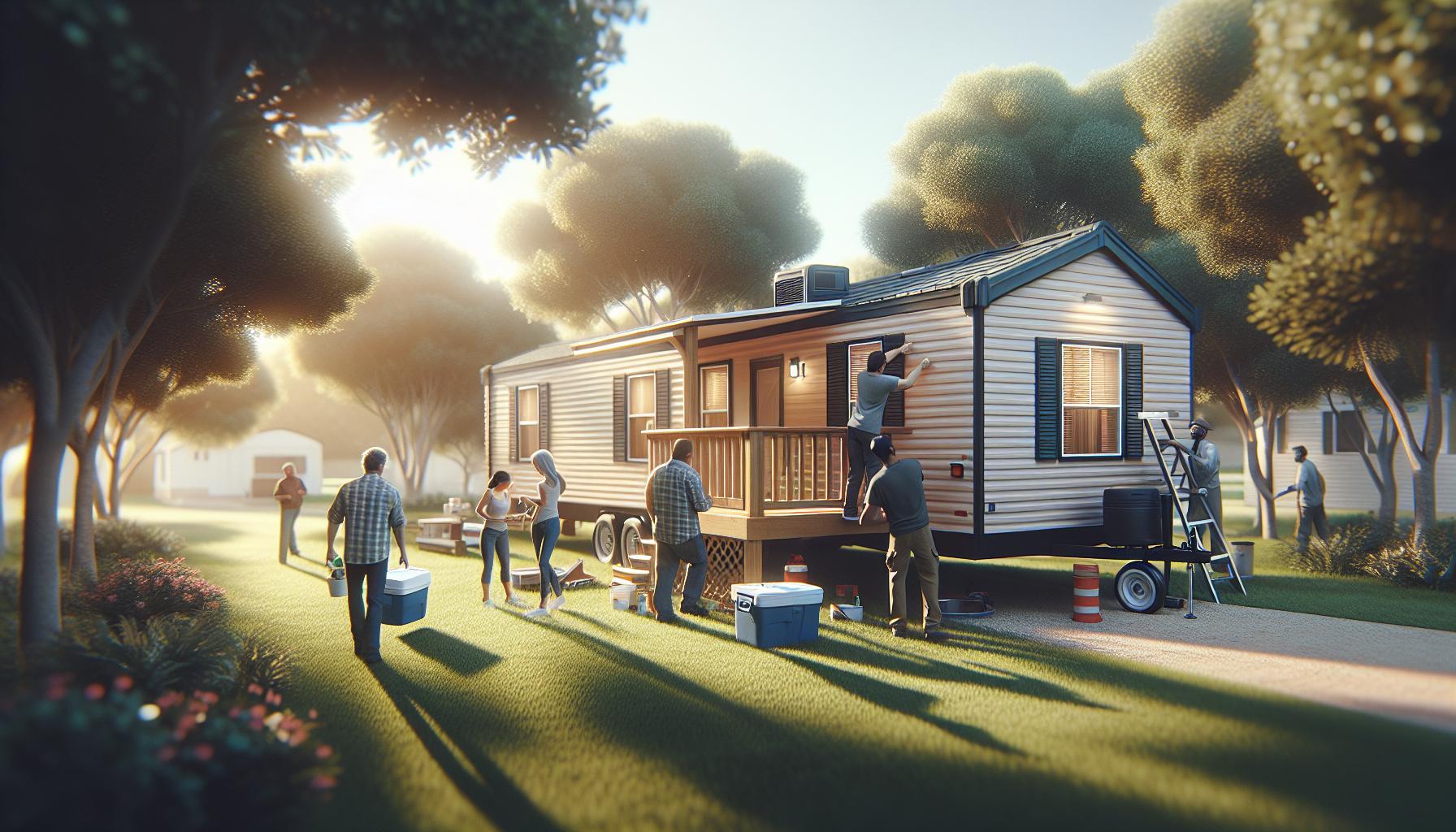
Construction Materials Impacting Durability
Choosing the right construction materials is crucial for the longevity and durability of trailer homes. Unlike conventional homes, which may utilize heavy-duty framing and solid masonry, mobile homes are often built with a combination of lighter materials that still offer strength and resilience. The composition of these materials not only affects the overall lifespan but also influences the ease of maintenance and repair over time.
Critical Materials for Durability
The structural integrity of trailer homes typically hinges on key materials such as:
- Steel Frames: Steel is commonly used for the framework of mobile homes, providing a strong, stable foundation that can withstand various weather conditions. This material is particularly advantageous in areas prone to high winds or seismic activity, offering increased resilience against natural forces.
- Insulated Walls: High-quality insulation in the walls plays a vital role in temperature regulation and energy efficiency. Well-insulated homes not only provide comfort but also help prevent moisture buildup, thereby reducing the risk of mold and structural degradation.
- Vinyl Siding: Many mobile homes feature vinyl siding, which is lightweight, affordable, and requires minimal upkeep. When properly installed, vinyl can resist fading, cracking, and other weather-related damage, contributing to the home’s longevity.
- Roofing Materials: The choice of roofing material-whether it’s metal, asphalt shingles, or rubber membrane-affects durability significantly. Metal roofs, for instance, are known for their longevity and ability to endure harsh weather, while shingles may require periodic replacement.
Another essential aspect is how materials are used in conjunction with one another. For example, a home with a durable steel frame should ideally be paired with equally robust siding and roofing materials to create a cohesive protective barrier against the elements.
Impact of Quality Standards
Manufacturers often adhere to specific standards set by the U.S. Department of Housing and Urban Development (HUD) that dictate the construction specifics for manufactured homes. This includes the grade of materials used, insulation values, and strength requirements. Homes built to higher standards not only last longer but also tend to perform better in diverse environmental conditions. Investing in a home from reputable manufacturers that prioritize material quality can significantly affect long-term satisfaction and durability.
In conclusion, understanding the importance of construction materials allows potential mobile home buyers and current residents to make informed choices that enhance the lifespan of their homes. Whether you are considering purchasing a trailer home or looking for ways to upgrade your current dwelling, focusing on high-quality materials and proper construction practices is key to ensuring your investment endures the test of time.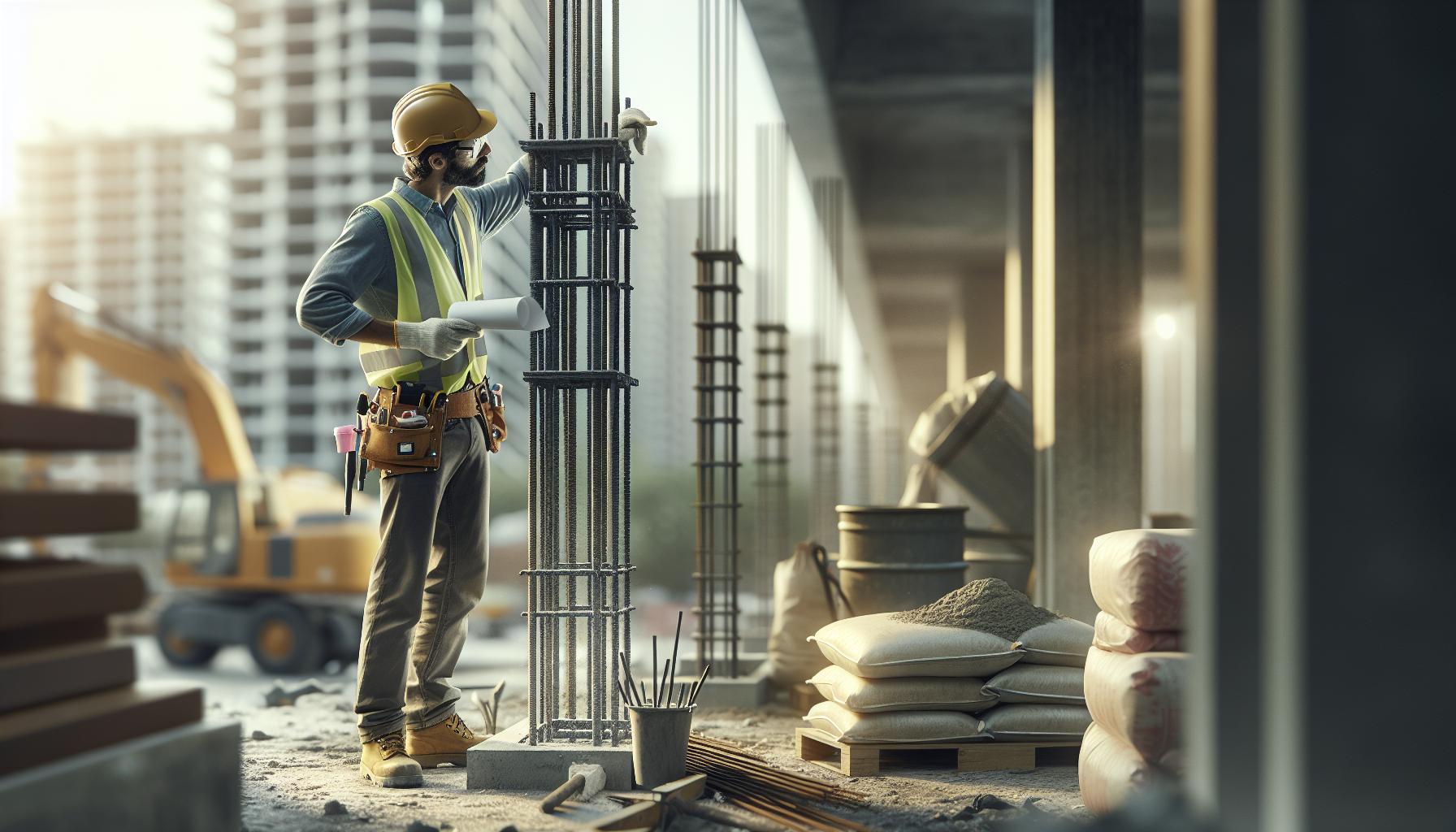
Regular Maintenance Tips for Longevity
Routine maintenance is essential for ensuring the longevity of trailer homes, allowing these structures to provide comfortable living for many years. Regular upkeep not only preserves the home’s physical condition but also enhances energy efficiency and prevents costly repairs. By implementing a few simple maintenance tips, trailer homeowners can significantly extend the lifespan of their homes.
Start with the roof, as it is the first line of defense against weather elements. Regularly inspect for missing shingles, leaks, or signs of wear and tear, especially after storms. Depending on the roofing material, you might need to clean and recoat or reseal surfaces to prevent water damage. Furthermore, annually check the gutters and downspouts to ensure they are clear of debris, which can lead to roof overflow and eventual leaks.
Next is the exterior, including siding and foundation. Inspect the siding for cracks or peeling paint, which may compromise insulation and aesthetics. Regular washing can help maintain the vinyl siding’s color and integrity. If you live in a region prone to severe weather, make sure to check the tie-downs and anchors to ensure the home is secure. The foundation, particularly in areas with shifting soils, should be checked for cracks or movements, which can signal larger structural issues.
Inside the home, focusing on the heating and cooling systems is crucial. Change air filters regularly to keep HVAC systems running efficiently, as this not only aids in air quality but also reduces energy costs. Schedule periodic professional inspections to ensure these systems operate effectively and avoid unexpected breakdowns. Additionally, regular checks of plumbing for leaks and ensuring that water heaters are functioning properly can prevent water damage and ensure efficiency.
Lastly, it’s wise to establish a seasonal maintenance schedule. This can include winterizing the home by insulating pipes, checking smoke detectors, and servicing heating systems before the cold months, while summer maintenance might focus on checking air conditioning and inspecting for pests, as they can be more prevalent during warmer months. Keeping an organized checklist helps ensure nothing is overlooked, ultimately safeguarding your trailer home investment and enhancing its longevity.
Common Issues Affecting Trailer Home Lifespan
While trailer homes are a popular and versatile housing option, several common issues can significantly affect their lifespan. Understanding these challenges is key to maintaining the integrity and longevity of your home.
One of the most critical issues relates to water damage. Poor sealing around windows, doors, and roofs can lead to leaks, resulting in mold and rot that compromise structural integrity. Regular inspections are essential to catch these problems early; for example, homeowners should routinely check caulking and seals, particularly after heavy rains or storms. Skirting, which encloses the area beneath a trailer home, is another vulnerability. If not properly installed or maintained, it can allow moisture accumulation leading to rust, pest infestations, and other issues.
Foundation stability is another factor that plays a significant role in the lifespan of a trailer home. Unlike traditional homes that may have permanent foundations, trailer homes are often temporarily anchored. Poor anchoring methods can lead to shifting due to soil movement, which might cause cracks and structural instability over time. Homeowners should ensure that their homes are securely anchored and routinely inspected for any signs of shifting or settling.
Additionally, the quality of the construction materials used can impact durability. Older trailer homes, especially those built with less resilient materials, may require more frequent repairs compared to newer models. Upgrades to insulation, roofing, and siding can enhance durability, increase energy efficiency, and reduce long-term costs. Regular maintenance tasks, such as re-sealing the roof and inspecting underbelly insulation, can make a significant difference in extending the home’s lifespan.
Finally, environmental factors also play a crucial role. Regions prone to severe weather, such as hurricanes or heavy snowfall, pose unique challenges. Homeowners are encouraged to invest in storm-proof features and proper anchoring systems to mitigate these risks. Being proactive and preparing for environmental challenges through strategic enhancements and routine maintenance can greatly increase the lifespan of a trailer home. By understanding these common issues and taking necessary precautions, homeowners can ensure their trailer remains a safe and comfortable living space for years to come.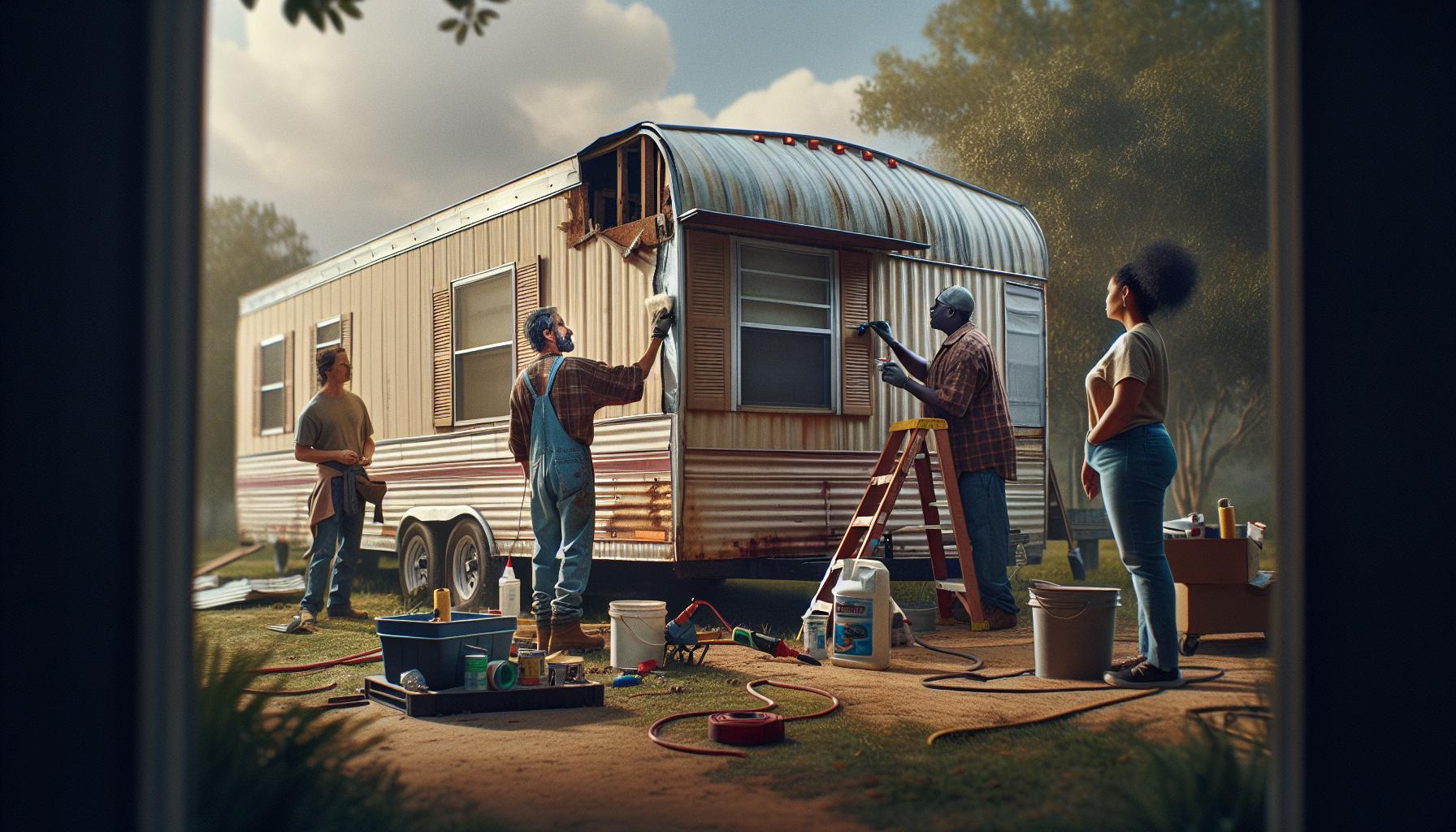
Financing Options for Long-Term Trailer Home Ownership
Securing financing for a manufactured home can be a crucial step in ensuring long-term ownership and durability. Understanding the various options available is essential for prospective buyers looking to invest in a trailer home. Unlike traditional mortgages, manufactured homes often have unique financing structures that cater specifically to their needs. For example, buyers can finance the home alone or include the land in the loan, which can impact overall costs and loan terms.
Types of Financing Options
There are primarily two types of financing options for trailer homes: personal loans and chattel loans. Personal loans function similarly to traditional home mortgages but may come with higher interest rates and shorter terms. Chattel loans are designed specifically for mobile homes and can be a more accessible option for those looking to purchase a home without land. Typically, these loans require a smaller down payment and can offer up to 100% financing in some cases, depending on the lender and borrower’s creditworthiness.
Another popular choice for financing is through government-backed loans. The Federal Housing Administration (FHA) offers Title I loans, which allow borrowers to finance up to 95% of the home’s value. These loans can be beneficial for lower-income buyers or those with less-than-perfect credit. Veterans may also explore VA loans, which provide favorable terms without requiring any down payment, making it easier to afford both the home and the additional costs associated with long-term ownership.
Cost Considerations and Long-Term Planning
When evaluating financing options, it’s essential to consider the total cost over the life of the loan, including interest rates, fees, and insurance. Many lenders will require borrowers to get homeowners insurance tailored for manufactured homes to mitigate risks from potential damage. Additionally, ongoing maintenance costs can accumulate, so planning for long-term repairs and upgrades as the home ages is crucial. Homeowners should look into setting aside funds regularly for both unexpected repairs and routine maintenance.
Finally, understanding the appraisal process is key, as manufactured homes can sometimes have different valuation methods compared to traditional homes. Seeking assistance from a real estate professional familiar with manufactured housing can provide valuable insights into securing the best financing for your needs. By leveraging available resources and engaging with knowledgeable professionals, prospective buyers can navigate the financing landscape with confidence and set themselves up for successful, lasting mobile home ownership.
Insurance Considerations for Trailer Homes
Ensuring that a trailer home remains a safe and secure living space goes beyond choosing the right location and maintaining the physical structure; it also requires comprehensive insurance coverage. The right insurance policy can protect against many unforeseen events that could potentially compromise the integrity of your home, thus extending its lifespan and ensuring peace of mind.
Most likely, you’ll want a policy specifically designed for mobile or manufactured homes, as standard homeowners insurance often does not cover them adequately. Coverage typically includes: personal belongings, liability protection, additional living expenses if you need to temporarily vacate due to damage, and coverage for the physical structure itself. Consider whether you need specific endorsements, such as those that cover high-value items or additional hazards, depending on your geographical area and the unique risks you may face.
When evaluating insurance options, it’s vital to consider the types of policies available. There are generally two categories: actual cash value (ACV) and replacement cost coverage. ACV policies compensate you based on the home’s current value, which factors in depreciation, while replacement cost policies pay for the entire cost to replace the home without deduction for depreciation. For those concerned about the longevity and resilience of their trailer, replacement cost coverage may provide better financial security in the event of severe damage.
It is also worthwhile to engage with insurers who specialize in mobile home insurance, as they often understand the nuances involved more thoroughly. Many leading companies such as Progressive and GEICO provide customizable policies that cater specifically to manufactured homes. Exploring these options can help secure a rate that fits your budget while maintaining sufficient coverage for unexpected events.
Navigating insurance can seem daunting, but taking the time to ensure adequate protection will contribute positively to the longevity and durability of your trailer home. By prioritizing thorough coverage and regularly reviewing and updating your policy as your needs change, you can help safeguard your investment for years to come.
Legal Requirements for Mobile Home Owners
Understanding the legal landscape around mobile home ownership is crucial for anyone considering this form of housing. Just like traditional home ownership, mobile home owners must navigate a maze of laws and regulations that vary significantly by state and local jurisdiction. This can affect everything from property taxes to zoning laws and even the installation of utilities.
To begin with, it’s important to check local zoning regulations. Many municipalities have specific zones where mobile homes are permitted, and they may also have restrictions about mobile home parks versus individual placements on owned land. Homeowners must ensure that their mobile home complies with these regulations to avoid potential fines or issues regarding residency.
Registration and Title
In most states, mobile homes must be registered with the Department of Motor Vehicles (DMV) or an equivalent authority. This registration process includes obtaining a title, which serves as proof of ownership. Proper registration is essential for resale and financing purposes, as a lender will typically require a clear title before issuing a loan. Be prepared to gather documentation including the manufacturer’s certificate, the purchase invoice, and any inspection reports.
Insurance and Liability
Legal requirements often extend to insurance coverage as well. Homeowners may not be legally mandated to have insurance, but most lenders will require it when financing a mobile home. It’s essential to understand what your insurance policy covers, as coverage for mobile homes is different than standard homeowner’s insurance, typically offering enhanced protection specific to the vulnerabilities of manufactured housing.
Community Rules and Rental Agreements
If you live in a mobile home park, be sure to familiarize yourself with the specific rules and policies of your community. This can include regulations on maintenance, aesthetics, and the use of common areas. Rental agreements in mobile home parks can also dictate your rights and responsibilities as a tenant, so reading these documents carefully is crucial. Pay attention to aspects such as lease terms, fees, and any limitations on modifications to your home.
By understanding and adhering to these legal considerations, mobile home owners can safeguard their investment and navigate the complexities of compliance with confidence. This knowledge is not only essential for protecting your rights as a homeowner but also for ensuring the longevity and stability of your living situation.
Enhancing Your Trailer Home: Renovation Ideas
Incorporating thoughtful renovations into your trailer home can not only enhance your living space but also significantly extend its lifespan. Whether you aim to modernize your home or address wear and tear, these renovation ideas will transform your mobile dwelling into a stylish and functional sanctuary.
One key area to focus on is the interior aesthetics. Fresh paint can do wonders; consider using lighter shades to create an illusion of space and brightness. Additionally, peel-and-stick wallpaper allows for an easy holiday makeover without the commitment of permanent changes. To elevate your home’s visual appeal, create a gallery wall with personal art, family photos, or vibrant prints, which can showcase your personality while making the space feel cozier.
Upgrading lighting fixtures is another impactful change. Replacing outdated light fixtures with modern LED options not only improves energy efficiency but also enhances the mood of your spaces. Consider adding under-cabinet lighting in kitchens or soft dimmer switches in living areas to create a welcoming ambiance. If you enjoy showcasing collectibles or art, track lighting can create a stunning effect by spotlighting these features effectively.
The kitchen is often a focal point for upgrades. Replacing old appliances with energy-efficient models can reduce utility bills and improve functionality. If budgeting allows, new countertops can transform the space entirely. For a more extensive project, consider remodeling kitchen layouts to create an open-concept design, which is increasingly popular in today’s market.
Finally, don’t overlook the importance of exterior enhancements. Simple upgrades like fresh siding, a new front door, or even thoughtful landscaping can increase your home’s curb appeal and overall durability. Installing skirting around the base not only adds a polished look but also protects plumbing and insulation from the elements. Additionally, ensure your home is adequately anchored and leveled to prevent long-term structural issues.
By focusing on these areas, you can significantly enhance your trailer home’s livability and longevity, making it a cherished space for years to come.
Preparing Your Trailer Home for Natural Disasters
Natural disasters can strike unexpectedly, particularly in areas prone to hurricanes, tornadoes, floods, or earthquakes. For trailer home owners, preparing for such events is crucial for protecting your investment and ensuring your safety. Understanding how to safeguard your mobile home can significantly enhance its longevity and structural integrity, allowing you to enjoy your dwelling for many years to come.
One vital step in disaster preparedness is proper anchoring. Mobile homes should be anchored according to the manufacturer’s specifications to withstand strong winds. Utilizing storm tie-downs helps secure the structure to its foundation, preventing it from being lifted or moved by high winds. Check these tie-downs routinely and ensure they’re in good condition. If your mobile home is located in a flood-prone area, consider elevating it to reduce the risk of damage during heavy rains or flooding.
Creating an emergency plan is equally important. Your plan should include a communication strategy with family members, information on local shelters, and a designated meeting point in case of evacuation. Further, keep an emergency kit containing essentials such as water, non-perishable food, medications, flashlights, batteries, and a first aid kit. Regularly check and replenish the supplies in your emergency kit to ensure you’re always ready for an unforeseen situation.
It’s also prudent to review your insurance policy to confirm adequate coverage for natural disasters. Specific policies for mobile homes vary; ensure you include flood and windstorm coverage if necessary. Documentation of your home’s condition through photographs can streamline the claims process should you experience damage. Lastly, stay informed about local weather updates and advisories, allowing for proactive measures to protect your home and family.
By investing time and effort into these preparations, you not only enhance the resilience of your trailer home against natural disasters but also contribute to a safe and secure living environment. Your home can remain a cherished asset for many years, regardless of the elements it faces.
Real Estate Value: Trailer Homes vs. Traditional Homes
In recent years, the landscape of real estate has expanded to embrace diverse housing options, with trailer homes (manufactured homes) emerging as a viable alternative to traditional houses. These homes offer unique advantages that can impact their real estate value compared to conventional properties. One crucial factor where trailer homes often edge out traditional homes is affordability. They typically cost significantly less per square foot than site-built homes, making them an appealing option for budget-conscious buyers. For many, this lower price point can lead to lower overall financing amounts, making monthly mortgage payments more manageable.
Furthermore, the appreciation rates of manufactured homes can vary greatly depending on location, market conditions, and the home’s condition, similar to traditional homes. However, it’s essential to understand how trailers tend to depreciate compared to traditional houses. While conventional homes generally appreciate over time, manufactured homes may experience depreciation, especially if not placed on owned land. The key to maintaining or increasing value lies in proper maintenance and upgrades. Enhancing a manufactured home’s aesthetics and functionality through renovations can boost its market value significantly.
Additionally, location plays a vital role in determining real estate value. Trailer homes situated in desirable communities or near urban centers can appreciate similarly or even exceed traditional homes in certain markets. Mobile home parks that invest in infrastructure and amenities can further enhance property values. Buyers should also note that the legal landscape surrounding trailer homes might differ, affecting resale values. Understanding local zoning laws and land leasing agreements is essential for potential buyers to gauge future appreciation potential accurately.
When considering the long-term investment aspect, it’s important for buyers to recognize that mobile homes can be a legitimate first step into home ownership. The ongoing trend towards minimalism and sustainable living also makes manufactured homes appealing to new generations who prioritize efficiency and cost-effectiveness. Ultimately, whether one achieves better real estate value with a trailer home or a traditional house often hinges on buyer preferences, community dynamics, and the personal commitment to maintaining and enhancing the home.
Future Trends in Mobile Home Living
As the housing market evolves, mobile homes are increasingly seen as a practical and sustainable option for potential homeowners. One of the most significant trends shaping the future of mobile home living is the growing emphasis on energy efficiency and sustainability. Many new models incorporate modern materials and technologies, such as solar panels and high-efficiency insulation, allowing residents to reduce their environmental footprint while lowering utility costs. This shift not only appeals to eco-conscious buyers but also aligns with a broader trend towards sustainable living.
In addition, advancements in design and customization are paving the way for modern mobile homes that reflect contemporary tastes and lifestyles. Manufacturers are now offering customizable layouts, high-quality finishes, and innovative floor plans to meet the diverse needs of buyers. From tiny homes to spacious multi-section units, the variety available ensures that residents can find a home that suits their preferences without compromising on quality or comfort.
Community Development and Infrastructure
Another emerging trend is the transformation of mobile home communities into vibrant neighborhoods. Developers are investing in infrastructure and amenities that enhance the quality of life for residents, such as parks, community centers, and recreational facilities. This evolution creates a sense of belonging and fosters social connections among residents, making mobile home living more attractive.
Technological Integration
Furthermore, the integration of technology in mobile home living cannot be overlooked. Smart home technologies are becoming increasingly prevalent, with features such as smart thermostats, security systems, and energy monitoring apps. These innovations not only enhance convenience but also provide residents with tools to manage their homes more efficiently, promoting a smarter, more connected lifestyle.
As the landscape of mobile home living continues to change, those looking to invest or reside in manufactured housing can expect more choices, improved quality, and a community-centric approach. By staying informed about these trends, prospective homeowners can better navigate the mobile home market, ensuring they make decisions that enhance their living experience while capitalizing on the benefits of this dynamic housing option.
Expert Insights: Owner Experiences and Advice
The longevity of trailer homes, or mobile homes, is more than just a number; it’s deeply influenced by the homeowners’ choices and experiences. Many owners share stories of their mobile homes lasting well beyond the average life expectancy of 30 to 50 years with the right care and attention. For instance, owners who have invested time in quality maintenance report minimal issues, enjoying homes that feel new even decades after purchase.
One of the key aspects that influence the lifespan is the material quality used in construction. Homes built with robust materials such as steel frames and high-grade insulation tend to withstand the test of time better than those made with less durable components. It’s essential for prospective buyers to inquire about the construction materials and methods used in the models they are considering. Homeowners emphasize conducting thorough home inspections, particularly looking for signs of water damage, pest infestations, and structural integrity.
Regular maintenance cannot be overstated. Experts recommend establishing a consistent maintenance schedule that includes tasks like inspecting the roof for leaks, checking plumbing systems, and ensuring that the heating and cooling systems are functioning efficiently. A proactive approach to maintenance not only helps in identifying potential issues early but also fosters a sense of ownership and pride among residents. Additionally, utilizing resources like community workshops or online tutorials can aid owners in effectively managing upkeep tasks.
Weather preparedness is another crucial area of focus, especially for those in areas prone to severe storms or natural disasters. Homeowners suggest implementing tie-down systems and reinforcing skirting to prevent damage during extreme weather. Many share personal experiences of how these interventions made a significant difference when facing storms, highlighting the importance of investing time in safety measures. Ensuring your home is well anchored is a small step that can lead to substantial peace of mind, knowing that your investment is protected against nature’s unpredictability.
FAQ
Q: How long do trailer homes typically last?
A: Trailer homes typically last between 30 and 55 years, with some lasting even longer if maintained properly and placed on a solid foundation. Proper care significantly enhances their lifespan and durability.[[1]]
Q: What factors influence the lifespan of a trailer home?
A: The lifespan of a trailer home is influenced by factors such as construction materials, quality of installation, regular maintenance, and environmental conditions. Ensuring these aspects are well-managed contributes to longevity.[[3]]
Q: How can regular maintenance extend a trailer home’s lifespan?
A: Regular maintenance like yearly inspections, timely repairs, and routine cleaning can significantly extend a trailer home’s lifespan. Addressing issues such as plumbing leaks or roof damage early on helps prevent larger, costly repairs later.[[2]]
Q: What are common issues that affect the lifespan of trailer homes?
A: Common issues affecting trailer home longevity include water damage, inadequate insulation, and pest infestations. Regular inspections can help catch these problems early and ensure timely repairs.[[3]]
Q: What construction materials are best for durable trailer homes?
A: Durable trailer homes often use high-quality materials such as steel frames, fiberglass, and vinyl siding. These materials offer greater resilience against weather conditions and wear over time.[[1]]
Q: What insurance considerations should I have for my trailer home?
A: When insuring a trailer home, consider coverage for natural disasters, personal property, and liability. Understanding your specific risks can help you select the right policy to protect your investment.[[2]]
Q: How do I prepare my trailer home for natural disasters?
A: Preparing your trailer home for natural disasters involves securing the structure with storm tie-downs, ensuring proper anchoring, and regularly checking your insulation and roofing. This preparation can mitigate damage in severe weather.[[3]]
Q: What renovation ideas can enhance the lifespan of my trailer home?
A: Renovation ideas such as upgrading insulation, replacing older plumbing fixtures, and installing durable siding can enhance a trailer home’s durability. Regular updates help maintain property value and extend lifespan.[[1]]
Concluding Remarks
In conclusion, understanding the lifespan and durability of trailer homes can empower you to make informed decisions about your investment. With proper maintenance, many manufactured homes can last decades, providing both comfort and security in your living space. If you want to explore tailored maintenance tips or guidance on financing your purchase, check out our resources on mobile home upkeep and financing options linked below.
Feeling confident about your choice? Begin implementing effective care strategies today! As you navigate the exciting journey of mobile home ownership, don’t hesitate to reach out for expert advice or explore our in-depth guides on leveling, anchoring, and even insurance considerations. Your dream home is waiting, and we’re here to help you maximize its potential. Share your thoughts in the comments, and let’s continue this conversation about mobile home living!