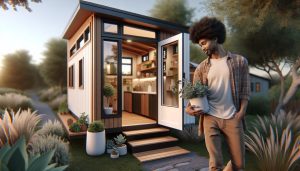
When considering your housing options, understanding the differences between a modular home and a trailer is crucial for making informed decisions. While both types offer unique advantages, modular homes are built to more rigid standards, resembling traditional houses in quality and design, while trailers, often more affordable, may lack similar durability. As housing affordability continues to be a pressing issue, distinguishing between these options can empower you to choose a solution that best meets your needs and lifestyle. By exploring the key characteristics, benefits, and potential drawbacks of modular homes and trailers, you’ll gain valuable insights that echo the concerns of many prospective homeowners today. Continue reading to uncover the essential factors that could influence your housing journey.
What’s a Modular Home and Why Choose It?
When exploring housing options, modular homes often emerge as a compelling choice for those seeking flexibility and value without sacrificing quality. Unlike traditional site-built homes, modular homes are constructed in sections in a factory environment, then transported to a chosen site for assembly. This method not only accelerates the building process but also adheres to rigorous building codes, ensuring durability and safety. For many homeowners, the advantages of modular homes extend beyond construction efficiency; they offer potential energy savings, impressive design flexibility, and a variety of customization options, making them an increasingly popular choice among modern homebuyers.
One of the primary reasons to consider a modular home is its affordability relative to conventional housing. With their streamlined construction process, these homes often come at a lower price point while still maintaining high standards of craftsmanship. Additionally, since modular homes can be tailored to individual preferences, buyers have the opportunity to design a residence that reflects their lifestyle-whether that means selecting energy-efficient appliances, sustainable materials, or personalized layouts. This level of customization is advantageous, providing a sense of ownership and uniqueness that many buyers crave.
Moreover, the construction of modular homes employs modern techniques that enhance their longevity and minimize maintenance costs over time. These homes are engineered to be resilient against various environmental stresses, including wind and rain, due to their robust manufacturing standards. Advanced materials and building methods often result in superior insulation and energy efficiency, ultimately assisting owners with lower utility bills. This focus on longevity and cost-effectiveness reinforces the value proposition of modular living, making it an appealing choice for families and individuals alike.
In summary, choosing a modular home means embracing a housing solution that blends affordability, customization, and durability. With the right approach, it can serve as a quality residence that supports both your immediate needs and long-term goals. Whether you are a first-time buyer, looking to downsize, or in search of an investment property, modular homes provide an innovative and reliable alternative in today’s housing market.
Understanding Trailer Homes: Key Characteristics
Mobile homes, often referred to as trailers or manufactured homes, are a popular choice for many individuals and families seeking affordable housing solutions. One of the most appealing aspects of trailer homes is their mobility; they are built on a trailer chassis, allowing homeowners the unique ability to relocate when needed. This flexibility is particularly attractive for those who prefer a lifestyle that accommodates movement, whether for job opportunities, family needs, or a desire for a change in scenery.
Trailer homes typically have specific characteristics that differentiate them from traditional site-built homes. Firstly, they are constructed in a factory setting, which often results in a more cost-effective production process due to bulk purchasing of materials and streamlined labor. This factory-built approach ensures that homes comply with the U.S. Department of Housing and Urban Development (HUD) standards, which govern manufactured housing. Another key characteristic is the layout: trailer homes often offer open floor plans, maximizing the efficient use of space, which is ideal for smaller plots of land or tighter budgets.
Customization and Features
Modern trailer homes come equipped with a variety of features that enhance both aesthetics and functionality. Many manufactured homes today include energy-efficient appliances, stylish finishes, and innovative design layouts, catering to the tastes and needs of contemporary buyers. Homeowners have the option to personalize their mobile homes through various upgrades, such as custom cabinetry, flooring, and exterior finishes.
Beyond aesthetics, potential buyers should consider essential aspects such as durability and maintenance. While trailer homes are built to withstand diverse weather conditions, regular maintenance is crucial for longevity. Taking steps such as checking the condition of the roof, ensuring proper anchoring, and maintaining the plumbing system can help homeowners preserve the integrity of their investments.
In summary, trailer homes represent a versatile and affordable housing option, combining mobility with modern living features. Their unique construction and customizable aspects make them a viable choice for a wide array of individuals, from those seeking cozy retirement living to families looking for practical, budget-friendly housing solutions. By understanding the characteristics that define trailer homes, potential homeowners can navigate their choices with confidence, ensuring they select a living situation that aligns with their lifestyle and aspirations.
Modular Homes vs. Trailers: Key Differences Explained
When considering housing options, modular homes and mobile homes (often referred to as trailers) present distinct choices with varying characteristics. Understanding the differences between these two types of housing can empower potential buyers and residents to make informed decisions that best suit their lifestyles and needs.
One of the most significant differences lies in the construction methods. Modular homes are built in a factory-controlled environment and transported to their permanent site in sections, where they are assembled on a foundation-usually permanent. This process generally results in greater structural integrity and adherence to local building codes. In contrast, mobile homes are built entirely in a factory and typically rest on a trailer chassis, allowing for relocatability. They must comply with the U.S. Department of Housing and Urban Development (HUD) standards, which differ from local building codes that modular homes follow.
Customization and Design
Regarding design options, modular homes often offer more flexibility. With an array of layouts and customization choices, buyers can tailor their homes to their specific tastes, including architectural features that resemble traditional site-built homes. Conversely, while modern mobile homes can also be customized to an extent, the designs are often limited to the manufacturing capabilities and may not appeal to all buyers as much as the varied styles offered by modular homes.
Value and Investment
When it comes to value, modular homes tend to appreciate similarly to traditional homes since they are built to higher standards and can be placed on permanent foundations. This characteristic may make them a more appealing long-term investment. On the other hand, mobile homes typically depreciate over time, similar to vehicles, primarily due to their classification as personal property rather than real estate. This distinction can significantly impact the overall financial consideration when purchasing either type of home.
Ultimately, choosing between a modular home and a mobile home depends on personal preferences, budget, and long-term plans. By weighing aspects such as construction quality, customization potential, and investment value, potential homeowners can steer towards the option that aligns with their housing aspirations.
Construction Processes: How They Are Made
The construction processes for modular homes and trailers highlight significant differences that cater to various lifestyle choices and preferences. Modular homes are crafted in a factory setting where all components are manufactured under strict quality control and regulatory standards. This approach allows for precise assembly, as individual sections or modules are constructed-each designed to fit together seamlessly once they arrive at their designated site.
During the modular construction process, various stages occur:
- Design Phase: Homebuyers often collaborate with architects and builders to customize the layout and features according to their preferences.
- Factory Production: At the factory, skilled workers pre-fabricate sections of the home, including the framing, walls, roofing, plumbing, and wiring. This process is efficient and quality-focused, adhering to local building codes.
- Transportation: Once completed, the modules are transported on flatbed trucks to the land where the home will be permanently installed.
- On-Site Assembly: At the site, the modules are unloaded and carefully positioned on a foundation (often permanent), where they are then assembled, and any needed connections for utilities are established.
In contrast, trailers, or manufactured homes, follow a different construction method primarily governed by the standards set by the U.S. Department of Housing and Urban Development (HUD). Generally built as a single unit or multiple sections that remain on a chassis, trailers are engineered to be mobile. The manufacturing process includes:
- Factory Construction: Entirely built in a factory, trailers are subjected to stringent HUD regulations, ensuring safety and durability during their transport and eventual setup.
- Site Preparation: Unlike modular homes, which are placed on foundations, trailers can be installed on temporary supports or piers, allowing for mobility. Thus, site preparation focuses on leveling the ground to accommodate the trailer.
- Utilities Hookup: Once situated, utility connections are made, typically involving water, electricity, and sewage systems, often requiring less complexity than those for modular homes.
Understanding these construction processes equips potential buyers with the knowledge to make informed decisions about their housing options, considering factors such as permanence, design flexibility, and adherence to building regulations. Whether opting for a modular home or a trailer, knowing how each type is built highlights not only the quality and longevity of the home but also aligns with personal visions of living space, lifestyle, and community presence.
Affordability: Cost Comparison Between the Two
Affordability is a primary concern for many people considering their housing options, and a crucial comparison between modular homes and trailers lies in their overall cost structure. Modular homes, often viewed as a more durable and permanent solution, generally carry a higher initial price tag than trailers. However, this upfront cost is balanced by several factors that can make modular homes a more economical choice in the long run.
One of the key cost differences is evident during the purchase phase. On average, modular homes can range from $100,000 to over $300,000 depending on the size, design, and customization options. In contrast, trailers typically cost between $50,000 to $150,000. While the initial investment for a trailer is lower, it’s important to factor in potential costs associated with mobility and site preparation, which can add up over time.
Moreover, financing options differ significantly. Many lenders view modular homes similar to traditional homes concerning mortgage options, often allowing buyers to secure favorable financing terms. Conversely, financing for trailers (manufactured homes) may come at higher interest rates due to their classification as personal property rather than real estate, resulting in higher long-term costs for borrowers.
When considering long-term expenses, modular homes generally require less maintenance due to their sturdier construction and adherence to building codes, contributing to lower repair costs over the years. Conversely, trailers, while affordable, may require more frequent repairs or replacements of systems and components due to wear and tear from mobility or less robust construction materials.
In essence, while trailers may attract buyers with their lower price point, modular homes can offer a more financially sound investment when considering lifespan, resale value, and overall quality. Balancing initial costs against long-term benefits is crucial for anyone exploring these housing options.
Financing Options for Modular Homes and Trailers
Navigating the financing landscape for modular homes and trailers can feel overwhelming, but understanding your options can lead to a sound investment. The financing methods available for these types of homes largely differ, primarily due to how they are classified. Modular homes, which are considered real estate, often qualify for conventional mortgages akin to those used for site-built homes. Lenders typically offer competitive interest rates and terms that can span 15 to 30 years, allowing for manageable monthly payments that fit within many budgets.
On the other hand, trailers, or manufactured homes, generally fall under a different category. Many lenders treat these as personal property rather than real property, meaning they often come with higher interest rates and shorter loan terms. Financing options for trailers might include chattel loans, which are specifically designed for personal property and can have significantly higher rates than traditional mortgages. This distinction is crucial when budgeting for your new home, as higher interest rates will affect your long-term payments.
- Modular Home Financing: Look for lenders who specialize in manufactured housing and offer flexible financing options, including fixed-rate mortgages.
- Manufactured Home Financing: Explore chattel loans or personal property loans if you’re considering a trailer, but be mindful of the interest rates and loan lengths.
- Alternative Financing: Some state and federal programs may offer assistance for first-time buyers or those purchasing manufactured housing, so it’s worth investigating these options.
Regardless of your choice between a modular home and a trailer, it’s essential to shop around for the best deal. Getting pre-approved for a loan can provide a clearer picture of your budget and help you negotiate better terms. Consider consulting with a financial advisor who specializes in manufactured housing to ensure all your financial bases are covered, confirming that your dream of homeownership becomes a reality in a way that’s both affordable and sustainable.
Benefits of Choosing a Modular Home
Choosing a modular home comes with a wealth of benefits, making it an attractive option for many potential homeowners. One of the most compelling advantages is the quality of construction. Modular homes are built in a controlled environment, focusing on consistent quality and durability. This method often results in homes that can withstand harsh weather conditions better than traditional site-built homes. Many manufacturers utilize modern materials and construction techniques, ensuring energy efficiency and sustainability, which can lead to lower utility bills over time.
Affordability is another significant factor. Due to the efficiency of the assembly line construction process, modular homes typically cost less than traditional homes. This affordability does not compromise quality, as modular homes often meet or exceed local building codes. Additionally, because modular homes can be assembled quickly, buyers can move into their new homes sooner, avoiding the lengthy construction times associated with conventional building methods.
The flexibility in design that modular homes offer is also remarkable. Buyers can choose from a variety of layouts, styles, and finishes, tailoring their homes to their unique tastes and needs. Whether you prefer an open concept for entertaining or a more traditional layout, the options available allow for significant personalization without the need for costly renovations later. This capacity for customization extends to eco-friendly choices, such as energy-efficient windows and sustainable materials, allowing homeowners to lessen their environmental impact.
Finally, modular homes often hold their value well, making them a smart investment. Unlike mobile homes, which can depreciate, modular homes are typically classified as real estate, meaning they can appreciate over time and potentially yield a good return on investment. For buyers interested in resale value, this is an essential consideration when making an informed choice about their housing options.
In conclusion, opting for a modular home means investing in quality construction, affordability, design flexibility, and excellent long-term value-making it a worthy contender when considering your housing alternatives.
Understanding Zoning Regulations for Each Type
Navigating the landscape of zoning regulations is crucial for anyone considering modular homes or trailers. Each type of housing comes with distinct legal requirements that can greatly influence where and how these homes can be situated, impacting future owners significantly.
Zoning laws can vary widely by locality, and understanding these nuances can save potential homeowners from costly mistakes. Generally, modular homes, recognized more similarly to traditional site-built houses, must comply with local building codes that dictate placement, design, and other property-specific requirements. This means that if you’re considering placing a modular home in a residential zone, you are more likely to follow the same permitting processes as standard homes. Homeowners will often need to submit plans for approval, ensuring that their designs adhere to community aesthetic standards and safety regulations.
On the other hand, trailer homes, often classified as manufactured homes, face their own set of zoning hurdles. Many areas have specific zones designated for mobile homes, which can restrict their placement to certain areas, such as mobile home parks or designated manufactured home communities. Additionally, these homes may be subject to different building codes often perceived as less stringent than those for modular homes. Consequently, it’s essential to verify whether a particular area allows trailers and under what conditions.
Steps for Compliance
- Research Local Zoning Laws: Start by visiting the local planning or zoning office’s website to familiarize yourself with regulations specific to your desired location.
- Consult with a Professional: Consider hiring a zoning consultant or legal expert who specializes in real estate for in-depth guidance.
- Obtain Necessary Permits: Before installation or placing a home, ensure that all necessary permits are acquired to prevent future removal or fines.
- Engage with Community Planning: Attend community meetings or forums related to zoning to stay informed and potentially influence decisions that may affect you.
Finally, keep in mind that changing local zoning laws is always a possibility. Engaging in community discussions could help enhance acceptance for modular and trailer homes, paving the way for fewer restrictions and greater flexibility in the future. Being proactive about understanding and adhering to zoning regulations not only reinforces your investment but also contributes positively to the local housing landscape.
Resale Value: Which Holds Its Worth Better?
When considering the resale value of a modular home versus a trailer (manufactured home), potential buyers often find themselves at a crossroads influenced by various factors. Modular homes tend to retain their value more consistently over time due to several key characteristics. These homes are built to conform to local building codes and often resemble traditional site-built homes, which can make them more appealing to a broader market. In fact, a well-maintained modular home can appreciate in value, much like a conventional house, particularly in desirable neighborhoods.
On the other hand, trailers typically depreciate in value more rapidly. This depreciation can stem from their classification as personal property rather than real estate, which affects how they are financed and appraised. The age of the trailer plays a significant role as well; older models may have a quickly dwindling resale value due to less desirable features and potential code compliance issues. However, there are exceptions, particularly if a trailer is located on land that is owned and well-maintained.
To optimize resale value for both types, homeowners should focus on proper maintenance and improvements. For modular homes, enhancements like energy-efficient upgrades or aesthetically appealing landscaping can significantly boost market value. For trailer owners, investing in durable materials for renovations and ensuring compliance with local regulations can help in maintaining appeal.
In essence, while modular homes may offer better long-term investment potential, trailers serve as an affordable housing option that can also provide value if maintained properly. Understanding the dynamics of your local real estate market is crucial for making informed decisions about either option and maximizing resale opportunities.
Insurance Considerations for Modular Homes and Trailers
Understanding your insurance needs for modular homes and trailers is essential for protecting your investment and ensuring peace of mind. Insurance can vary significantly between these two types of housing, largely due to their classifications and the specific risks associated with each.
For modular homes, which are often treated as real estate, homeowners should seek standard homeowners insurance. This type of policy typically covers the structure itself, personal belongings, liability, and additional living expenses should you need to relocate temporarily due to covered incidents. It’s also wise to consider adding flood insurance if your home is located in an area prone to flooding, as most homeowner policies do not automatically cover this risk.
In contrast, trailers (or manufactured homes) may require specialized coverage tailored to their unique nature. These homes are generally classified as personal property, which can complicate insurance. Many companies offer specific manufactured home insurance policies that cover both the personal property and structural aspects of the trailer. Depending on your location and the specifics of your trailer, you might also want to explore coverage that includes special provisions for severe weather, which can be particularly important in areas prone to high winds or hurricanes.
Here are some key considerations when selecting insurance for either option:
- Coverage Amount: Ensure that the coverage amount is sufficient to rebuild or replace your home in case of a total loss.
- Personal Property Coverage: Check if the policy covers loss or damage to personal belongings within the home.
- Liability Protection: Consider policies that include liability coverage to protect you from claims related to injuries on your property.
- Endorsements: Look for additional endorsements or riders that you can add for specific needs, such as coverage for outbuildings or unique structures.
- Discounts: Inquire about discounts for safety features, such as security systems or upgraded plumbing and wiring.
Being proactive about protecting your home through proper insurance not only safeguards your investment but also provides essential support for any unforeseen circumstances. Always shop around and compare various policies to find the best fit for your modular home or trailer needs, ensuring you receive the most comprehensive coverage available at the best possible rates.
Maintenance and Longevity: What to Expect
Owning a modular home or trailer can be a rewarding experience, but understanding the maintenance and longevity of each can significantly impact your investment. Modular homes, typically constructed onsite with a focus on quality and durability, tend to have a longer lifespan compared to trailers. Proper maintenance can extend that lifespan even further, allowing you to enjoy your living space for many years.
Routine upkeep for modular homes includes regular inspections of the foundation, roofing, and plumbing systems. Given that modular homes are often more closely aligned with traditional home construction standards, their structure generally requires similar maintenance steps. Homeowners should be vigilant about checking for signs of wear, such as cracks in the siding or settling of the structure, which may necessitate professional evaluation. Seasonal maintenance tasks, like cleaning gutters and ensuring proper drainage, are also essential to prevent water damage.
In contrast, trailers may require more frequent attention to particular elements due to their design and materials. Often built with lightweight components, trailer homes can be more susceptible to wear and environmental stressors. Attention should be given to the underpinning, which keeps the trailer stable, and to ensure that tie-down systems remain secure, especially in areas prone to severe weather. Regularly inspecting the tires and axles, even if the home is not routinely moved, can help catch potential issues early.
When considering longevity, modular homes tend to appreciate in value over time, enhancing their appeal as an investment. Their ability to withstand harsher conditions, when properly maintained, allows homeowners to enjoy both comfort and security. Conversely, trailers may depreciate more rapidly, largely due to their classification as personal property rather than real estate. By following maintenance best practices and making informed updates as needed, homeowners can significantly improve the longevity of both modular homes and trailers, ensuring that their living spaces remain safe and enjoyable for years to come.
Customization Options: Making It Your Own
Creating a living space that is uniquely yours can be one of the most rewarding aspects of owning a modular home or trailer. Unlike traditional homes, both of these options offer a level of customization that allows residents to transform their space into a true reflection of their personal style and needs. From structural changes to interior finishes, the possibilities are extensive, making it easy for homeowners to create a sanctuary tailored to their lifestyle.
When it comes to modular homes, the process often begins during the design phase. Many manufacturers offer a variety of layout options and even allow for custom floor plans. This means you can select how many bedrooms, bathrooms, and living spaces you desire, and you can often modify the overall footprint of the home. Furthermore, homeowners can choose from different exterior materials and colors, roofing styles, and energy-efficient components to enhance both aesthetics and functionality. Inside, options abound for cabinetry, countertops, and flooring, which can all be selected to match your design preferences.
On the other hand, trailers, while generally more limited in terms of structural modifications, still offer exciting customization opportunities. Many trailer owners opt to personalize their interior with paint, wallpaper, and new furnishings. Since trailers are mobile, homeowners often focus on creating a cozy, inviting aesthetic that travels with them. Additionally, specific features like awnings, decks, and outdoor living spaces can be added to elevate the experience of living in a trailer.
The journey of customization is not just an exercise in aesthetics; it’s also about enhancing functionality and comfort. Whether choosing a modifiable modular home or putting your personal touch on a trailer, both types of housing allow for creative expression while providing cozy, livable spaces. As you navigate your options, remember to consider your lifestyle and how different features can best serve your daily needs, ensuring that your home feels truly yours.
In summary, embracing the customization options available in both modular homes and trailers empowers homeowners to transform their living environments, making each space a unique reflection of individual tastes and preferences. With thoughtful decision-making, you can create a comfortable, personalized retreat that perfectly suits your lifestyle.
Frequently asked questions
Q: What are the key differences between modular homes and trailers?
A: Modular homes are built in sections in a factory and transported to a permanent site, while trailers (often referred to as mobile homes) are built on a chassis for mobility. Modular homes typically offer greater customization and durability, whereas trailers are more basic and can be moved more easily.
Q: Are modular homes considered permanent housing?
A: Yes, modular homes are considered permanent housing as they are placed on a foundation and cannot be easily moved. They are designed for long-term living, unlike trailers, which are temporary and often subject to zoning restrictions.
Q: How does the construction process differ between modular homes and trailers?
A: Modular homes are constructed to meet the same building codes as traditional homes, while trailers are built to HUD standards, focusing on mobility. Modular homes undergo a more extensive building process with higher-quality materials, resulting in better structural integrity.
Q: Can I customize my modular home like a traditional home?
A: Yes, modular homes can be highly customized, similar to traditional homes. Buyers can choose layouts, finishes, and other specifications to suit their preferences, ensuring a unique living space that reflects their style.
Q: What impact do zoning regulations have on modular homes and trailers?
A: Zoning regulations often favor modular homes since they are permanent structures. Trailers may face more restrictions due to their mobile nature, affecting where they can be placed or parked long-term, which is addressed in zoning regulations for residential areas.
Q: Do modular homes maintain their value better than trailers?
A: Generally, modular homes retain value better than trailers due to their construction quality and permanence. They are often viewed as real estate assets, while trailers may depreciate faster, particularly if not kept in pristine condition.
Q: What financing options are available for modular homes versus trailers?
A: Financing options for modular homes include conventional mortgages and construction loans, as they are considered real property. Trailers may require personal loans or specialized financing, which can limit options and increase interest rates due to their classification as personal property.
Q: What are the maintenance differences between modular homes and trailers?
A: Modular homes often require similar maintenance to traditional homes, benefiting from durable construction. Trailers typically need more frequent maintenance and repairs due to their mobility features, such as checking axles, tires, and leveling systems.
Key Takeaways
Understanding the differences between modular homes and trailers can empower you to make informed housing decisions, enhancing your lifestyle and investment. If you’re intrigued by the quality and durability of modular homes, don’t hesitate to explore our resources on financing options and maintenance tips to ensure a seamless transition into this style of living.
We encourage you to check out related articles on foundation conversion processes and hurricane preparedness, which will guide you in protecting your investment. As you consider your next steps, subscribe to our newsletter for the latest insights and updates in the modular housing market. Your ideal home is just a click away-act today and invest in a future that balances comfort with practicality. Share your thoughts in the comments below or explore more about mobile home living to continue maximizing your knowledge!