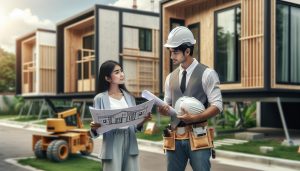
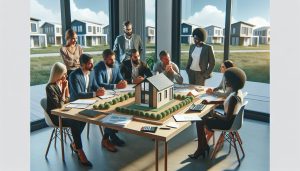
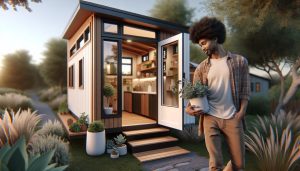
Did you know that modular homes offer an unprecedented level of customization, allowing you to design a living space that perfectly aligns with your lifestyle and preferences? As more people explore sustainable and innovative housing solutions, understanding the myriad of options available can empower you to create a home that feels uniquely yours. From layout choices and finishes to energy-efficient designs, modular homes provide the flexibility to tailor your environment to fit your family’s needs and aesthetic desires. Dive into the world of modular home customization, where design freedom meets practicality, and discover how you can transform your vision into reality. Whether you are a prospective buyer, current resident, or property investor, the insights offered here will equip you with valuable knowledge to navigate your modular home journey with confidence.
Understanding the Modular Home Customization Landscape
In today’s ever-evolving housing market, modular homes offer an exceptional blend of efficiency and customization, catering to the diverse preferences of homeowners. The beauty of modular construction is that it allows for greater design freedom than traditional homes, giving you the opportunity to tailor your space according to your unique vision. This flexibility transcends mere aesthetics; it encompasses functionality, comfort, and overall lifestyle needs, ensuring that each home is a true reflection of its residents.
Customization in modular home design covers a wide swath of options, from architectural styles to eco-friendly features. One can choose everything from the layout and dimensions of each room to the type of materials used in construction. For example, if you prioritize energy efficiency, you might select high-performance windows, advanced insulation systems, and energy-efficient HVAC solutions. This not only enhances your comfort but can result in long-term cost savings through reduced utility bills.
Moreover, the customization landscape is enriched by innovative technologies that facilitate the design process. Many modular home builders now provide virtual design tools, allowing prospective homeowners to visualize their customizations in 3D before construction begins. This interactive experience helps ensure that every decision-from cabinet colors to flooring choices-is thoroughly considered and personalized, eliminating surprises down the line.
Ultimately, empowers homeowners to create a space that enhances their quality of life. By embracing these options, individuals can find a perfect balance between personal style and functional requirements, paving the way for a harmonious living environment that meets their needs both today and in the future.
The Benefits of Customization in Modular Homes
The versatility of modular homes presents a remarkable opportunity for homeowners to create a living space that perfectly aligns with their personal tastes and functional needs. Customization is not just a feature; it is one of the most compelling benefits of choosing a modular home. With the ability to tailor layouts, materials, and aesthetic details, homeowners gain control over almost every aspect of their new home, enabling them to reflect their unique lifestyle and preferences in a profound way.
One significant advantage of customization is the potential for enhanced functionality. Homeowners can design floor plans that cater to their specific lifestyle, whether it involves a home office, a large kitchen for entertaining, or ample storage solutions. For example, adding an open-concept living area can create a more spacious environment, making families feel less confined and encouraging communal activities. Homeowners also have the option to choose room dimensions, resulting in spaces that are not just visually appealing but also practical for everyday living.
The aesthetic freedom presented by modular homes is equally impactful. Homeowners can select various exterior finishes, roofing styles, and colors to create a façade that echoes their personal style or harmonizes with the neighborhood. The choice of interior finishes-from flooring materials to cabinetry and paint colors-further enhances personalization. This degree of customization allows for a unique blend of functionality and aesthetics, where comfort meets visual appeal.
Moreover, customization in modular homes supports sustainability efforts. Many builders now offer eco-friendly materials and energy-efficient systems as part of their standard options. Homeowners can opt for features such as solar panels, advanced insulation, and energy-efficient appliances, thus reducing their environmental footprint while also potentially lowering utility expenses. By selecting these modern, sustainable options, buyers can enjoy a home that is not only tailored to their needs but also responsible in its energy consumption.
Customizing a modular home not only serves the individual needs of the homeowner but also creates lasting value. Homes designed specifically for comfort and efficiency are more likely to withstand the test of time and meet future needs, making them a wise investment. This approach to home building not only enriches the homeowner’s experience but fosters a deeper sense of ownership and pride in their living space. Ultimately, the benefits of customization in modular housing go far beyond mere personal expression-they pave the way for a future in which homes are designed around the people who live in them.
Popular Customization Options for Modular Home Exteriors
The exterior of a modular home is the first impression you’ll present to visitors and the neighborhood, and it’s an opportunity for homeowners to express their style while ensuring function. With a variety of customization options available, homeowners can create a unique façade that not only enhances curb appeal but also aligns with personal aesthetics and local architectural trends.
A key consideration for exterior customization revolves around siding materials. Options range from traditional vinyl and wood to more modern choices like fiber cement and metal panels. Each material offers distinct benefits; for instance, fiber cement is known for its durability and low maintenance, while wood provides a classic, warm look. Homeowners might also choose paint colors that either stand out or blend with the natural environment, allowing for full expression of personal style.
Roofing styles are another crucial element in exterior design. Whether opting for a classic gabled roof, a contemporary flat roof, or even a more distinct style like a hip roof, the choice can significantly alter the overall character of the home. Additionally, roofing materials such as asphalt shingles, metal roofing, or tiles each provide different aesthetics and longevity options. Homeowners should consider local climate conditions when selecting the roofing material to ensure longevity and performance.
Outdoor features including porches, decks, and landscaping can dramatically enhance the exterior of a modular home. Adding a porch not only extends the living space but also serves as a functional entryway. Decks can provide outdoor entertainment areas, and incorporating landscaping elements like gardens or pathways can create a polished, welcoming environment. Moreover, homeowners can choose energy-efficient windows and doors that not only improve insulation but also contribute to the overall aesthetic of the home.
Incorporating technologies like smart home features into the exterior design can also add a modern touch and improve convenience. For instance, installing smart lighting systems, security cameras, and integrated outdoor speakers can elevate both the functionality and appeal of the home.
Ultimately, the wide array of customization options available for modular home exteriors allows homeowners to create a space that is not only visually appealing but also highly efficient and tailored to their lifestyle needs. By carefully considering materials, colors, shapes, and performance features, property owners can craft a stunning entry that reflects their individuality while ensuring long-term durability.
Interior Customization: Tailoring Spaces to Your Needs
In the world of modular homes, interior customization offers a unique opportunity to create spaces that cater specifically to individual lifestyles and needs. This flexibility is not just about aesthetics; it’s about functionality, comfort, and maximizing the efficient use of space. Customizing the interior of a modular home means that every corner can be designed to enhance daily living, making it a personal sanctuary that meets your family’s requirements.
One of the first considerations in tailoring your modular home’s interior is selecting a layout that fits your way of life. Modular homes often come with a variety of floor plans; however, customizing involves strategically reallocating spaces-or even combining rooms. For example, consider an open-concept living area that allows for better flow and connectivity among the family. This design is particularly beneficial for those who love entertaining, as it creates an inviting atmosphere. Alternatively, adding a dedicated home office or crafting nook can cater to those who work from home or have specific hobbies.
Key Customization Features
When diving into the specifics of furnishing your modular home, the choice of materials and fixtures can dramatically influence both style and functionality. Think about:
- Cabinetry and Storage: Custom cabinets can maximize every inch of space, incorporating unique features like pull-out shelves or integrated lighting.
- Flooring Options: Choosing the right flooring-whether it’s hardwood for warmth or tile for ease of cleaning-can set the tone for the design.
- Lighting: The addition of various lighting types, like recessed lights or pendant fixtures, can transform an interior space and highlight architectural details.
- Energy Efficiency: Consider installing energy-efficient appliances and fixtures, which not only contribute to lower utility costs but also enhance sustainability.
Furthermore, personalization can extend to delicate finishing touches that produce an inviting atmosphere. The selection of paint colors, wall coverings, and decorative accents, such as custom trim, can reflect your individual tastes and preferences, while also creating a cohesive design theme throughout the home.
In addition, as modular homes often come equipped with the latest technologies, integrating these smart features can further enhance comfort and convenience. From IoT-enabled lighting systems that can be controlled remotely, to advanced HVAC solutions that ensure optimal efficiency and comfort, the possibilities are endless. Investing in these technologies not only adds modernity but also future-proofs your living space, ensuring it remains adaptable to changing needs and lifestyle trends.
By recognizing these various elements of interior customization, homeowners can successfully design functional, aesthetically pleasing spaces within their modular homes that meet both their personal needs and style preferences, ultimately creating a space that is as practical as it is beautiful.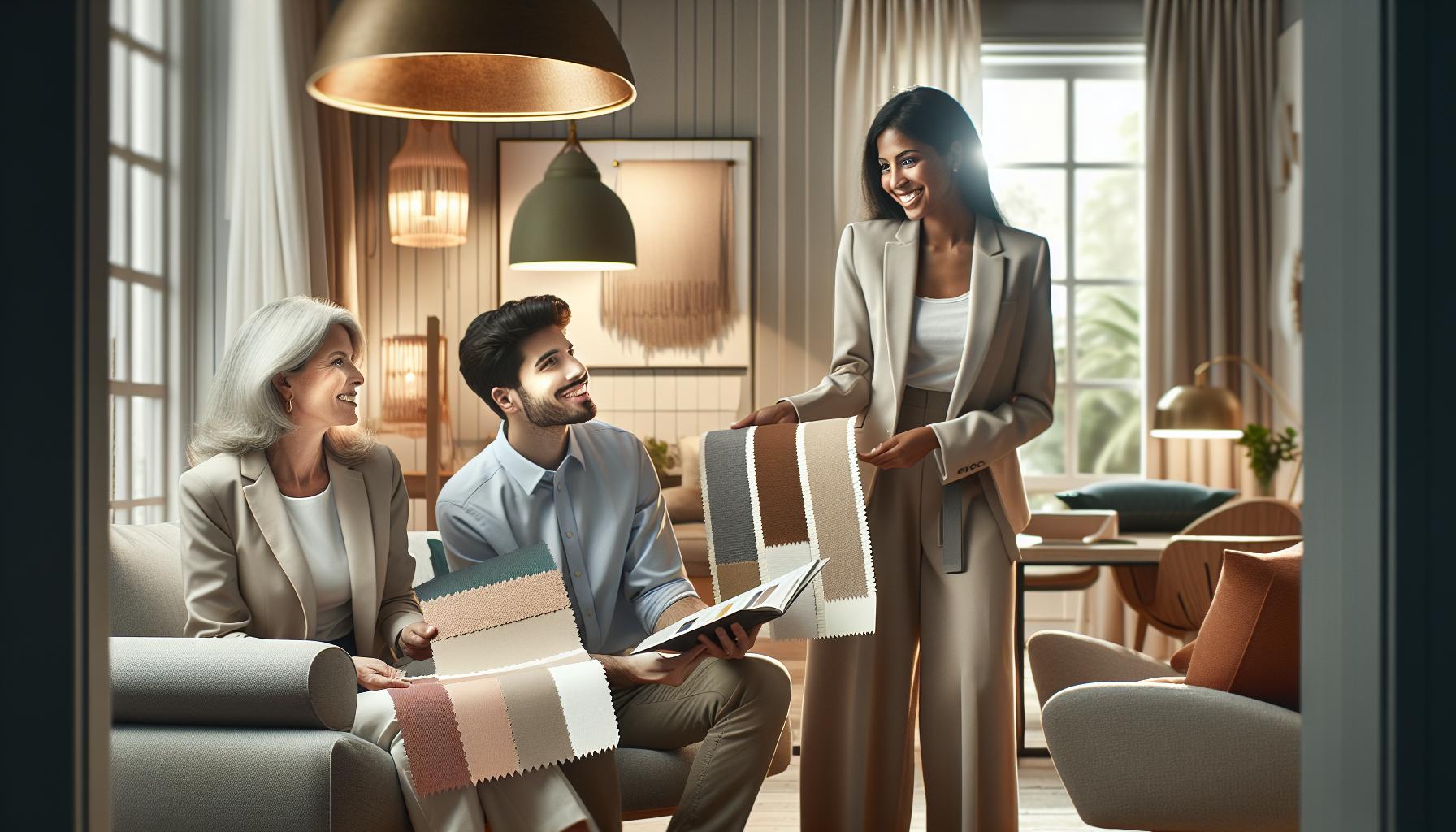
Energy Efficiency Upgrades for Modular Homes
Among the many advantages of modular homes, energy efficiency stands out as a crucial area for customization that not only reduces utility costs but also promotes sustainability. With increased awareness of environmental impacts, homeowners are inclined toward making choices that benefit both their wallets and the planet. By implementing specific upgrades, you can significantly enhance the energy performance of your modular home, ensuring it remains comfortable and cost-effective year-round.
First, consider the insulation levels in your modular setup. Upgrading to high-performance insulation materials can prevent heat loss in the winter and keep your home cool during summer, which is especially important in regions with extreme weather conditions. Using materials such as spray foam or double-layered batts can provide a more effective barrier against the elements, reducing the demand on heating and cooling systems. Moreover, selecting energy-efficient windows and doors, such as those that are double- or triple-glazed, can minimize thermal transfer while also improving noise reduction.
Energy-Efficient Systems
Another aspect of energy efficiency includes the installation of advanced heating and cooling systems. Modern HVAC systems equipped with smart thermostats allow for precise temperature control, leading to significant energy savings. Additionally, consider incorporating renewable energy sources like solar panels, which can be customized based on the layout of your property and energy needs. These systems not only reduce your carbon footprint but can also provide long-term financial benefits such as tax credits and decreased energy bills.
To fully realize the potential of energy efficiency, it’s essential to examine your appliances and fixtures. Opting for ENERGY STAR-rated appliances significantly reduces energy consumption compared to standard models. Water-saving fixtures, like low-flow faucets and showerheads, also contribute to both ecological sustainability and lowered utility costs. Pairing these choices with LED lighting solutions throughout the home further enhances energy efficiency, as they consume up to 75% less energy than traditional incandescent bulbs.
By prioritizing energy efficiency in your modular home customization, you embrace a lifestyle that is both comfortable and cost-effective. These upgrades create a living space that reflects your values while meeting your practical needs, setting a positive example for others interested in sustainable living. Implementing these solutions not only enhances your home today but also paves the way for eco-conscious choices in the future.
Innovative Technologies for Modular Home Design
The landscape of modular home design is rapidly evolving, driven by innovative technologies that offer unprecedented customization options for homeowners. With advancements in both materials and construction methods, you can tailor your modular home to not just fit your lifestyle, but also maximize efficiency, aesthetics, and comfort. The integration of technology in design transforms standard modular homes into smart, connected living spaces that meet modern demands.
One of the standout innovations in modular home design is the use of Building Information Modeling (BIM). This sophisticated tool allows for enhanced visualization and precision in home planning. By using BIM, builders can create detailed 3D models that help you visualize your space before construction begins. This technology enables realistic simulations of how different layouts, materials, and systems work together, ensuring an informed and satisfying design process. Homeowners can tweak designs in real time, making it easier to see the impact of their customizations, from flooring choices to room dimensions.
Moreover, smart home technologies are becoming a standard feature in new modular constructions. Home automation systems allow you to control various aspects of your home-from lighting to security-through a central app or voice commands. This capability not only boosts convenience but also enhances energy efficiency. For instance, programmable thermostats can learn your habits and adjust the heating and cooling accordingly, reducing energy usage without sacrificing comfort.
In addition to these technologies, sustainable practices are at the forefront of modular design innovation. Many manufacturers are now using eco-friendly materials and methods that minimize waste during construction. The installation of advanced energy systems, such as solar panels and high-efficiency HVAC systems, is increasingly common. These choices not only lower your carbon footprint but also result in significant savings on utility bills, making your home both environmentally friendly and economical.
In conclusion, leveraging innovative technologies in the customization of your modular home can lead to a more personalized, comfortable, and eco-conscious living experience. As you explore your options, consider how these advancements can contribute to a home that truly reflects your values and lifestyle needs. Modular homes are not just houses; they are adaptable, sustainable living spaces equipped for the future.
Designing Functional Floor Plans: What to Consider
When embarking on the journey of customizing a modular home, designing a functional floor plan is paramount. A well-thought-out layout not only enhances daily living but also maximizes the use of space-making your home feel expansive, inviting, and efficient. The beauty of modular homes is their adaptability; here, homeowners have the unique opportunity to align the design of their home with their lifestyle preferences and functional requirements.
One essential consideration when designing your floor plan is how you and your family live and interact within spaces. For instance, if you enjoy entertaining, an open-concept plan where the kitchen flows into the living room may be ideal. Conversely, if you prefer privacy, consider separate rooms that allow for peaceful retreats. Here are some practical factors to think about:
- Room Functionality: Explicitly define the purpose of each room. Will you need a home office, a dedicated play area for children, or a guest suite? Identify how spaces can adapt as your needs evolve.
- Traffic Flow: Ensure that pathways between rooms are logical and unobstructed. Consider how many people need to move through the space at any given time, and design accordingly.
- Multi-Use Spaces: Explore the potential for rooms that serve multiple functions-like a guest room that doubles as a craft space. Furniture choices, such as modular or foldable pieces, can also facilitate versatility.
- Storage Solutions: Determine clever storage options integrated into your design to tackle clutter and enhance functionality. Built-in shelves, under-stair drawers, and attic space can be transformative.
Another critical aspect is understanding the impact of natural light on your home’s layout. Strategically placed windows can enhance comfort and energy efficiency and create an inviting atmosphere. Consider how sunlight will fill each space throughout the day and adjust window sizes and locations accordingly.
Lastly, it’s crucial to stay informed about local building codes that may affect your modular home’s design. Ensure your customized layout complies with regulations, particularly in regard to safety and zoning. Engaging with a knowledgeable modular home builder during this process can provide insights and clarify any questions, helping to streamline the design-phase journey.
Incorporating these elements into your modular home floor plan will lead to a functional space that caters to your personal needs while ensuring optimal comfort and efficiency. Such thoughtful design will echo through everyday living, transforming your house into a cherished home.
Aesthetic Choices: Colors, Materials, and Finishes
Choosing the right aesthetic elements for your modular home can significantly impact not only its curb appeal but also the comfort and satisfaction of your living environment. The customization options available for colors, materials, and finishes offer homeowners an exciting opportunity to create a space that truly reflects their personality and lifestyle. Whether you aim for a modern, rustic, or eclectic look, the choices you make can help bring your vision to life.
One popular avenue for customization is selecting exterior colors that resonate with your style while adhering to local community aesthetic guidelines. Neutral tones like soft grays or beige provide a timeless look, while bolder colors can make a striking statement and increase the home’s distinctive character. When deciding on materials, consider durability alongside aesthetics. For example, fiber cement siding is both attractive and low maintenance, offering diverse texture options that can beautifully complement your home’s design.
Interior Color Schemes
When it comes to interior spaces, color plays a pivotal role in creating mood and harmony. Light shades often make rooms feel larger and more open, whereas darker hues can add warmth and coziness. Layering colors through wall paint, furniture, and decorative accents can enhance depth and visual interest. Accessorizing with statement pieces such as vibrant rugs or artwork can also infuse personality into your space without committing to a full renovation.
Choosing Materials and Finishes
In terms of materials, consider using sustainable resources that align with modern eco-conscious living. Bamboo flooring, recycled glass tiles, and low-VOC paints can create a stylish yet green home. Finishes, too, can significantly alter the impression of any space-matte finishes convey a more organic feel, while glossy surfaces reflect light and create an illusion of larger areas. Pay attention to the details, such as cabinet hardware, lighting fixtures, and countertops; these can elevate your home’s aesthetic without requiring extensive changes.
Incorporating thoughtful design choices with a cohesive aesthetic strategy will not only enhance your living experience but also increase the long-term value of your modular home. By blending personal style with practical functionality, you can enjoy a space that feels both uniquely yours and truly welcoming.
Navigating Local Building Codes and Restrictions
Understanding local building codes and restrictions is crucial when customizing your modular home. These regulations ensure that your home is safe, sustainable, and compliant with community standards. Failing to navigate these guidelines effectively can result in costly delays, alterations, or even denial of permits.
To start, familiarize yourself with the specific codes in your area, which can vary significantly between municipalities. Most local governments have a building department or agency responsible for overseeing construction regulations. They typically provide easy access to zoning laws, construction codes, and other vital information via their websites. A structured approach involves reviewing your city’s master plan and zoning ordinances to ensure that your preferred customization options align with legal requirements. For instance, if you’re considering an addition or specific exterior materials, confirm these plans fall within the allowable property uses and materials prescribed by local codes.
Specific Considerations
- Setback Requirements: Many locales have setback requirements that dictate how far structures must be from property lines. Adhering to these distances is essential for zoning compliance.
- Height Restrictions: Certain areas may impose height restrictions based on local aesthetics or environmental concerns.
- Energy Standards: Increasingly, many jurisdictions are adopting energy efficiency standards for new construction, impacting material choices and design decisions.
- Historical Districts: If your home is located in a historical district, additional restrictions may apply to preserve the area’s architectural integrity.
Working with experienced modular home builders can significantly ease this process. They are often well-versed in local codes and can assist in acquiring the necessary permits before construction begins. Having a builder who understands the local landscape ensures your customized features not only meet your vision but also align with regulatory requirements.
Taking these steps to navigate local building codes thoroughly will help realize your customization goals while maximizing the longevity and value of your modular home. Engaging in informed planning leads to a smoother building experience and a home that stands proud within its community.
Budgeting for Custom Features in Modular Homes
When embarking on the journey of customizing a modular home, budgeting for these unique features becomes a critical aspect of the planning process. Modular home customization offers endless possibilities, but without a clear financial plan, your dreams may quickly become overwhelming. Knowing how to allocate your budget wisely can empower you to select those features that truly enhance your living experience while ensuring you stay within your financial limits.
To begin, it’s essential to outline your priorities. What aspects of your modular home are most important to you? Consider features like upgraded appliances, enhanced insulation for energy efficiency, or aesthetic touches such as exterior siding and roofing materials. Once you identify your priorities, you can assign estimated costs to each feature. Here are some typical customization areas to budget for:
- Floor Plan Adjustments: Modifying the layout to better suit your lifestyle may involve additional structural costs.
- Energy Efficiency Upgrades: Investing in high-efficiency windows, HVAC systems, and insulation not only increases comfort but can also lead to savings on utility costs over time.
- Exterior Finishes: Choosing quality siding, roofing, and landscaping can enhance curb appeal, so allocate funds accordingly.
- Interior Layouts: Custom cabinetry, flooring options, and bathroom fixtures often vary significantly in price. Quality materials can translate to long-term satisfaction.
Remember, it’s wise to include a contingency fund-typically around 10-15% of your overall budget-to cover unexpected costs. Unforeseen circumstances, such as site issues or changes in materials, may arise during the construction process.
In addition, understanding the financing options available for modular homes can also play a vital role in budgeting. Some borrowers may qualify for specific loans designed for modular construction, which can provide favorable terms and alleviate some financial pressure. Consulting with a financial adviser knowledgeable about modular housing can clarify your options and help you identify strategies that best suit your situation.
By addressing the aspects that matter most to you while keeping an eye on your overall budget, you can create a beautiful, functional modular home that meets your needs and reflects your personal style. Careful planning and financial awareness ensure that your customization process is both fulfilling and financially sound.
Working with Modular Home Builders: What to Expect
Choosing to customize a modular home can be an exciting journey, filled with the freedom to shape every detail according to personal tastes and needs. However, working closely with modular home builders is a vital part of making that vision a reality. As you embark on this collaborative process, understanding what to expect can streamline your experience and ensure satisfaction with the final product.
When you first engage with a modular home builder, initial discussions will focus on your overall vision and needs. Builders will often provide insights into customization options that align with your preferences, from floor plans to exterior design. This is an ideal time to discuss your must-have features, such as energy efficiency upgrades or specific material choices. A reputable builder will take the time to listen and suggest possibilities, helping to refine your ideas into a cohesive plan.
Throughout the building process, clear communication remains essential. Regular updates and open dialogue will alleviate concerns and foster a positive partnership. Builders typically outline the expected timeline, from design approval through delivery and installation. This period can involve decisions about utilities, financing options, and adhering to local building codes, so ask questions and remain engaged. It’s beneficial to review contracts carefully to understand warranties, timelines, and any customization costs.
After the design has been finalized, your modular home will be produced off-site. Once completed, the modules are delivered and assembled on your property. Here, builders will typically manage the setup, including anchoring and leveling-key steps that are critical to ensuring the durability and safety of your home. Following assembly, inspections may be conducted to ensure everything is in order, and you’ll have the opportunity to perform a final walkthrough to confirm that the home meets your expectations before moving in.
Ultimately, working with modular home builders should be a supportive and enlightening experience that brings your dream home to life. With the right builder, you will find the process to not only be efficient but also an enjoyable journey towards customizing a space that truly represents you.
Future-Proofing Your Modular Home Design
In today’s rapidly evolving world, is more important than ever. This approach allows homeowners to anticipate lifestyle changes, environmental considerations, and technological advancements over the years. By incorporating foresight into your home design, you can create a space that remains functional, stylish, and relevant long into the future.
A pivotal aspect of future-proofing is incorporating flexible spaces that can adapt as your needs change. Consider designing rooms that serve multiple purposes, such as a home office that can easily transform into a guest bedroom. Built-in storage solutions and open-concept layouts enhance versatility while providing essential functionality. Additionally, selecting adjustable furniture, such as modular sofas or extendable dining tables, can further enhance adaptability for different occasions or family sizes.
Another essential factor is the integration of smart home technologies. Planning for a digital framework that supports smart lighting, heating, and security systems not only increases convenience but also boosts energy efficiency. This technology allows for easy integration with future innovations, ensuring your home stays up-to-date with minimal renovations. Moreover, selecting energy-efficient appliances and sustainable materials during the design phase can significantly reduce your carbon footprint and utility costs, aligning with modern eco-friendly trends.
Investing in high-quality materials that stand the test of time is also a cornerstone of future-proofing. Durable flooring, weather-resistant siding, and energy-efficient windows not only enhance aesthetic appeal but also safeguard your investment against wear and environmental impacts. When selecting exterior finishes and roofing, consider options designed for local climate conditions-such as impact-resistant materials in hurricane-prone areas-ensuring your home can withstand the elements over the years.
In summary, is about envisioning a living space that remains relevant, efficient, and comfortable as your lifestyle evolves. By emphasizing multifunctional spaces, integrating smart technologies, and choosing durable, climate-appropriate materials, you set the stage for a home that you and your family can enjoy for many years to come.
FAQ
Q: What are the most popular customization options for modular homes?
A: Popular customization options for modular homes include selecting floor plans, exterior finishes, roofing styles, and energy-efficient features. Homeowners often choose personalized layouts, materials for siding and roofing, and eco-friendly appliances to enhance functionality and aesthetics, reflecting their unique tastes and lifestyle needs.
Q: How can I customize the interior of my modular home?
A: Interior customization options for modular homes allow for tailored layouts, finishes, and fixtures. Homeowners can choose kitchen designs, cabinetry styles, flooring materials, and bathroom configurations to create functional spaces that meet personal preferences. This flexibility enhances comfort and promotes a sense of ownership in the design.
Q: Can I modify the floor plan of a modular home?
A: Yes, many modular home manufacturers offer flexibility in modifying floor plans. Homebuyers can often alter the size and arrangement of rooms, add extensions, or change layouts to better suit their needs, ensuring the final design aligns with their lifestyle and preferences.
Q: Are there energy-efficient upgrades available for modular homes?
A: Yes, energy-efficient upgrades for modular homes include enhanced insulation, energy-efficient windows, and solar panel installations. These features can significantly reduce energy consumption and utility costs while also contributing to environmental sustainability.
Q: How do modular home customization options compare to traditional homes?
A: Modular homes offer more pre-defined customization options compared to traditional homes, allowing for quicker decisions during the design process. While traditional homes typically allow for extensive modifications, modular options can streamline costs and timeframes while still achieving personalized designs.
Q: What local regulations should I consider when customizing my modular home?
A: It’s crucial to check local building codes and zoning regulations before customizing a modular home. These regulations may dictate specific requirements for setbacks, height restrictions, and material use, ensuring your customization complies with local standards and laws.
Q: How much does it typically cost to customize a modular home?
A: The cost of customizing a modular home varies based on the extent of modifications and selected features. Basic changes may add a few thousand dollars, while high-end finishes and complex layouts can significantly increase the overall price. It’s advisable to budget accordingly and consult manufacturers for precise estimates.
Q: Can I incorporate smart home technology into my modular home design?
A: Yes, integrating smart home technology into modular homes is an increasingly popular customization option. Homeowners can install features like smart thermostats, security systems, and automated lighting, enhancing convenience, security, and energy efficiency in their living spaces.
Key Takeaways
As you explore the customization options available for modular homes, remember that the freedom to design your living space is within reach. From choosing floor plans to selecting finishes, the possibilities are endless. Don’t let doubts hold you back-now is the perfect time to envision your dream home and take the next steps toward making it a reality. Consider diving deeper into our resources on financing your modular home or discovering local builders in your area to get started seamlessly.
For further insights, be sure to check out our guides on customizable features for modular homes and the advantages of investing in manufactured housing. Your journey doesn’t have to end here! Engage with us by leaving your comments or sharing your thoughts on your ideal modular home design. Embrace the chance to create a space that truly reflects your style and needs-explore your options today!