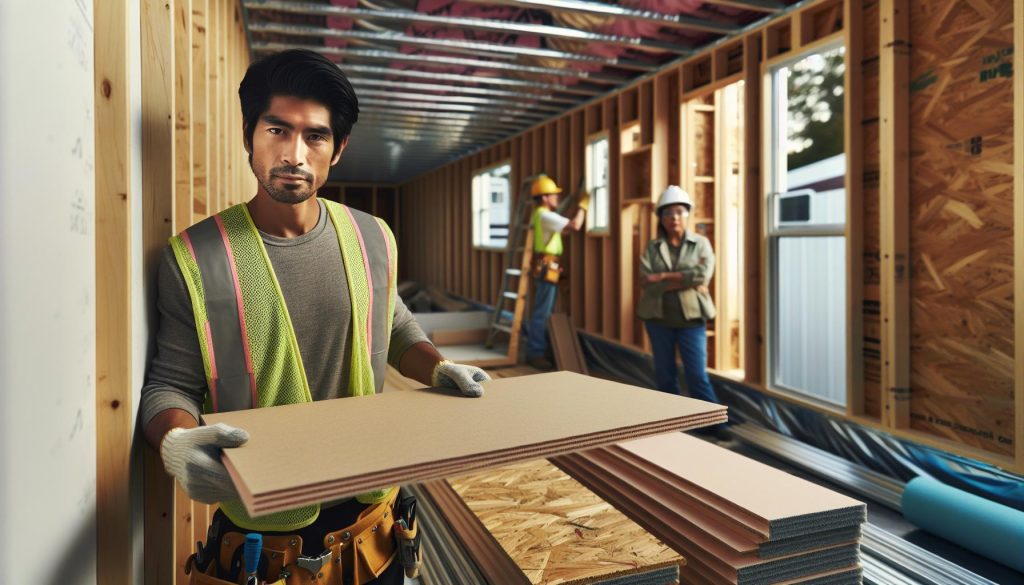
When considering a trailer home, it’s essential to understand the construction materials that create these unique living spaces. Did you know that the quality of materials used in manufacturing can greatly influence a home’s durability, energy efficiency, and overall comfort? As families seek affordable and flexible housing options, knowing what goes into these homes can empower prospective buyers and current residents alike. Whether you’re contemplating a new purchase or looking to invest, understanding the types of materials used-from the framing and insulation to the siding and roofing-plays a crucial role in ensuring your trailer home can withstand the elements while providing a cozy retreat. Dive into this article to discover how these materials impact your home’s longevity, safety, and value, ultimately helping you make informed decisions about your investment in mobile home living.
What Materials Are Used in Trailer Home Construction?
The construction of trailer homes involves a variety of materials that contribute to their durability, functionality, and overall living experience. With technological advancements and evolving building standards, manufacturers now utilize several specialized components designed to enhance safety and comfort in these homes. The most common materials include:
- Steel Frames: Steel is increasingly favored for its strength and longevity, providing a sturdy skeleton that withstands significant stress and movement.
- Wood: Though not as prevalent as steel, wood is often used in the internal structure and walls, offering versatility and ease of modification.
- Insulation Materials: High-performance insulation such as fiberglass or foam board is essential for energy efficiency, keeping homes cool in the summer and warm in the winter.
- Exterior Siding: Options like vinyl, wood, and aluminum siding are common, each with unique aesthetic and maintenance considerations.
- Roofing Materials: The roof is typically made from metal, asphalt shingles, or EPDM, chosen for weather resistance and durability.
- Interior Finishes: Options range from drywall to paneling, influencing both style and ease of upkeep.
- Flooring: Common materials include laminate, vinyl, and carpet, selected for their resilience and aesthetic appeal.
In addition to these materials, advancements in construction technology have led to the incorporation of energy-efficient solutions, such as solar panels and energy-efficient windows, further enhancing the sustainability of modern trailer homes. Each material serves a specific purpose, from providing structural integrity to improving energy efficiency, making it crucial for prospective buyers and owners to understand the benefits and limitations of these components. This knowledge aids in making informed choices for renovations and maintenance, ultimately enhancing the enjoyment and functionality of their mobile living space.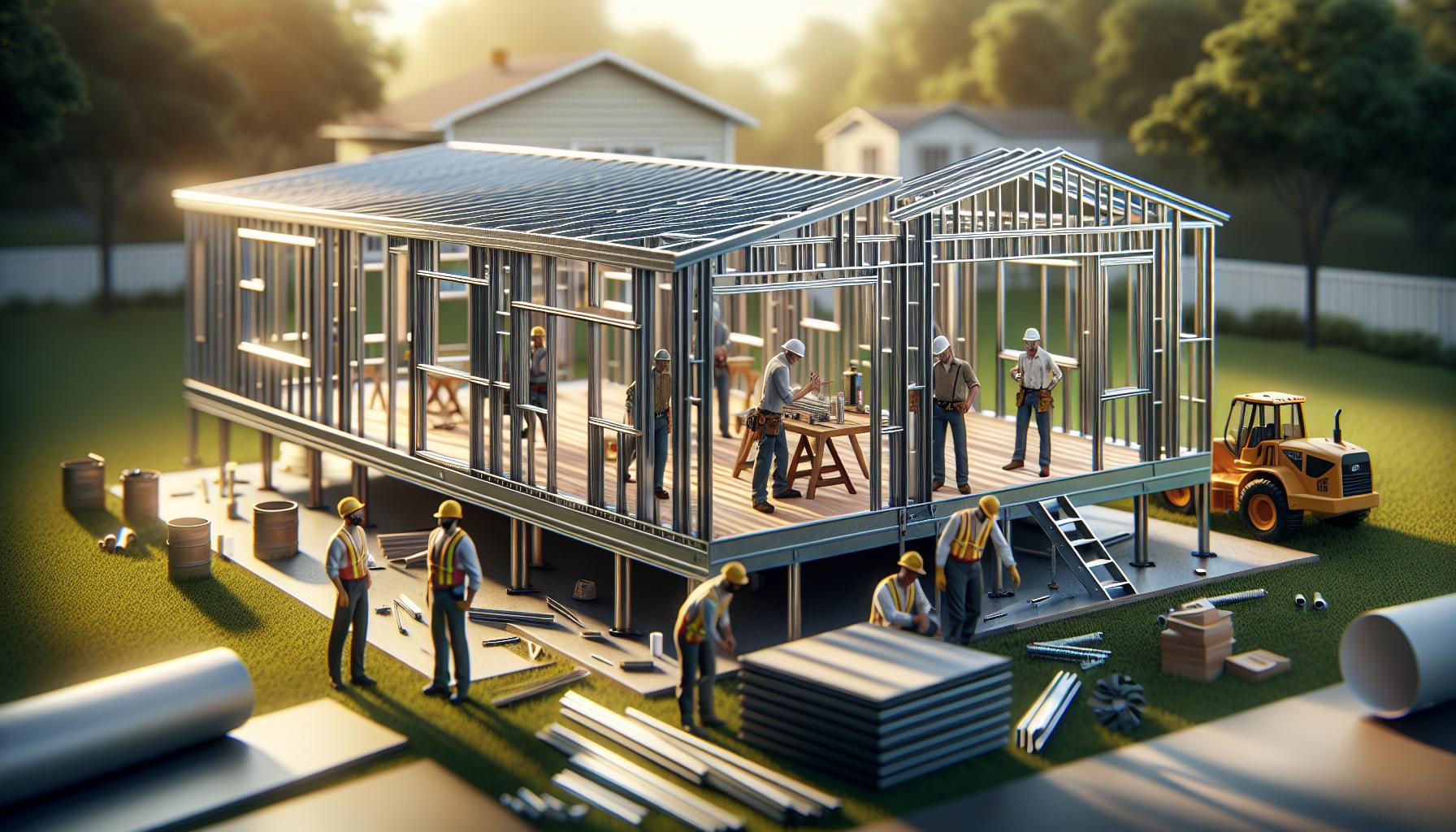
The Role of Steel Frames in Mobile Home Durability
The strength and durability of a mobile home significantly rest on its skeletal structure; this is where steel frames play a crucial role. Unlike traditional wood framing, steel provides unmatched resilience against environmental factors, making it an ideal choice for mobile homes that are subject to vibrations and movement during transport. Homes built with steel frames are less prone to warping, cracking, or deterioration over time, ensuring that they maintain their structural integrity even in varying weather conditions.
One compelling advantage of steel frames is their resistance to pests such as termites, which can compromise the longevity of wooden structures. This pest resistance not only reduces maintenance costs but also enhances the overall safety of the mobile home. Additionally, steel’s natural fire resistance adds another layer of protection, offering peace of mind to homeowners.
When considering the weight distribution in mobile homes, steel frames provide consistent support across the entire structure. This means that when a mobile home is being transported, the frame can absorb and dissipate the forces of movement effectively, leading to fewer instances of structural stress. Consequently, owners often find that homes with steel frames experience fewer repair issues as they age.
Furthermore, the use of steel allows for greater design flexibility. Manufacturers can create larger, open spaces within the home without the need for excessive support walls, thus maximizing usable living area. Homeowners looking to customize their living space will appreciate the versatility that steel framing brings to the design process.
Incorporating steel frames into mobile home construction not only enhances durability but also aligns with modern building standards aimed at improving energy efficiency and sustainability. As energy-efficient practices become more important to homeowners, the structural advantages of steel framing ensure that mobile homes stand the test of time while remaining responsive to evolving market demands.
Importance of Insulation in Trailer Home Design
Incorporating effective insulation into trailer home design is crucial for temperature regulation, energy efficiency, and overall comfort. Mobile homes, known for their compact spaces and unique construction methods, require insulation that addresses specific challenges, including fluctuating temperatures and energy loss. A well-insulated trailer home can significantly reduce heating and cooling costs, making it a wise investment for homeowners.
Insulation in trailer homes typically comes in several forms, including fiberglass batts, foam boards, and spray foam, each with its own pros and cons. Fiberglass batts are cost-effective and easy to install, but they can settle over time and lose effectiveness. Foam boards offer higher R-values, meaning better thermal resistance, and can be ideal for areas like under floors and walls. Spray foam insulation, while more expensive, provides superior air sealing, reducing drafts and energy loss effectively.
Understanding R-Value
The R-value measures insulation’s resistance to heat flow, with higher values indicating better insulation performance. When selecting insulation for your trailer home, consider:
- Climate: Homes in colder climates need insulation with a higher R-value.
- Application Areas: Different areas of the mobile home (roof, walls, floors) may require different insulation strategies.
- Budget: Weigh long-term savings against initial costs when choosing insulation materials.
Proper insulation not only contributes to energy efficiency but also enhances comfort levels inside the home. During hot summers, effective insulation keeps the interior cooler, while in winter, it prevents heat loss. This balance helps maintain a consistent indoor environment conducive to healthy living. Additionally, good insulation can mitigate external noise, further enhancing the ambiance of your mobile home.
In conclusion, investing in high-quality insulation for your trailer home pays dividends in energy efficiency, comfort, and long-term savings. By understanding the different types of insulation and their applications, homeowners can make informed decisions that improve their living spaces while contributing to sustainability efforts.
Exterior Siding Options: Benefits and Drawbacks
When considering exterior siding options for trailer homes, it’s essential to weigh the benefits and drawbacks of each material to ensure that your choice aligns with your lifestyle, budget, and aesthetic preferences. The siding you select will not only affect your home’s curb appeal but also its durability and maintenance requirements.
Vinyl siding is a popular choice due to its affordability, low maintenance, and variety of colors and styles. It resists fading, doesn’t require painting, and is easy to clean with just soap and water. However, vinyl can be prone to cracking in extreme weather conditions and may not hold up well against impact from debris. For those seeking a more robust option, aluminum siding offers excellent durability, is fire-resistant, and can withstand harsh weather. On the downside, it can dent easily and may require regular painting to maintain its appearance.
Wood siding brings a classic look and can enhance the natural beauty of a trailer home. It insulates well but requires more upkeep, including regular painting or staining to protect it from rot and pest damage. Moreover, wood siding demands significant investment in maintenance over time, which can be a drawback for some homeowners. Alternatively, composite siding, which combines wood fiber with resin, offers a more durable and low-maintenance solution while mimicking the appearance of wood without the associated issues.
Finally, there are innovative siding materials like fiber cement, which are gaining popularity for their exceptional durability and resistance to pests, rot, and fire. While fiber cement is initially more expensive and requires professional installation, its life expectancy and minimal maintenance needs often make it a worthwhile investment. Each siding option comes with its unique set of characteristics that can significantly affect the longevity, style, and value of your trailer home. By evaluating your priorities and the local climate, you can select the siding that best fits your needs, ensuring a beautiful and lasting exterior for years to come.
Interior Finishes: Choices for Style and Functionality
When it comes to interior finishes in trailer homes, the choices available can greatly influence both the style and functionality of your living space. Choosing the right finishes requires a thoughtful balance between aesthetics, durability, and maintenance. A well-considered selection can transform a mobile home into a comfortable sanctuary, reflecting personal taste while providing practical benefits.
Common Interior Finishing Materials
The materials selected for interior finishes can significantly impact the overall atmosphere of your trailer home. Here are some popular options:
- Drywall: A standard choice for walls, drywall is economical and can be easily painted or wallpapered, allowing for infinite customization. However, it can be susceptible to moisture damage if not properly sealed, so consider using moisture-resistant drywall in areas prone to dampness.
- Plywood: This offers a rustic or natural look that is aesthetically pleasing, especially in combination with other materials. Plywood can be finished or painted, making it adaptable to various design styles but may require more upkeep to prevent wear over time.
- Vinyl Panels: Often used for ceilings and walls, vinyl panels are durable and moisture-resistant, making them ideal for kitchens and bathrooms. They come in an array of designs and are typically easy to clean and maintain.
- Laminate Flooring: Available in various styles and colors, laminate offers the look of hardwood or tile at a lower cost. It’s easy to install and maintain, providing durability against wear, making it suitable for high-traffic areas.
- Carpet: For a cozy feel, consider carpet in living areas or bedrooms. While softer underfoot, it requires more maintenance, as it can trap dirt and allergens, so regular cleaning and care are necessary.
Design Considerations
The interior finishes you choose should not only reflect your style but also meet your functional needs. For instance, consider the climate where your trailer home is located. In humid areas, moisture-resistant materials may be necessary to prevent mold and deterioration. Additionally, how you use each space can inform your choices; for example, more robust materials in a family room compared to delicate finishes in a bedroom space.
It’s also essential to prioritize energy efficiency. Insulated panels can reduce energy costs, while strategically placed mirrors can create a sense of spaciousness and brightness, enhancing natural light.
Making thoughtful choices about interior finishes in trailer homes can lead to a space that is not only visually appealing but also well-suited to everyday living. By understanding the materials available, their benefits, and how they align with your lifestyle, you can create a home that is both functional and uniquely yours.
Foundation Types: Choosing the Right Base for Your Home
Choosing the right foundation for your trailer home is crucial, as it influences not only the stability and safety of your dwelling but also its longevity and maintenance needs. A solid foundation mitigates risks associated with settling, shifting, and weather-related challenges, making your home a more reliable place to live. There are several foundation options available, each with unique characteristics, benefits, and considerations that can impact your overall experience as a mobile homeowner.
One of the most common foundation types is the pier and beam foundation, which involves a series of concrete piers set deep into the ground to provide support. This system allows for easier access to plumbing and electrical lines under the home, making repairs more convenient. Additionally, this type of foundation can adapt well to uneven terrain, a significant advantage in areas with fluctuating soil conditions. However, it’s essential to ensure proper anchoring and regular inspection to prevent shifting, especially in regions prone to severe weather.
Another option is the slab foundation, which consists of a single concrete pour that creates a base for the mobile home. This method offers durability and can be especially effective in warmer climates where frost heave is less of a concern. A slab foundation requires less maintenance compared to pier and beam setups, as it eliminates the need for periodic adjustments. However, once a slab is set, accessing plumbing below may involve more work, as it cannot be easily adjusted if settling occurs.
For those positioned in areas with extreme weather conditions, such as storms or floods, raised foundations might be the best choice. This elevates the home above potential flood levels while providing ample ventilation. Elevated structures often require additional steps, like proper storm tie-downs, to ensure stability during severe weather.
When deciding on a foundation, consider factors such as local building codes, soil conditions, climate, and your long-term plans for the trailer home. It’s wise to consult with professionals experienced in mobile home installations who can evaluate your specific situation and recommend the most suitable foundation type. Taking these steps not only enhances the structural integrity of your home but also positions you well in terms of maintenance, insurance considerations, and potential resale value.
Roofing Materials: Ensuring Longevity and Weather Resistance
The longevity and performance of a trailer home heavily depend on its roofing materials, which serve as the first line of defense against the elements. Choosing the right roof is essential for ensuring weather resistance, energy efficiency, and structural integrity. Most manufactured homes are equipped with roofs that can withstand a variety of harsh conditions, but understanding the available options is crucial for making an informed decision.
One common roofing material is metal. Relatively lightweight and extremely durable, metal roofs can last upwards of 50 years with proper maintenance. These roofs are ideal for areas that experience heavy rain or snow, as their slope and smooth surfaces allow water and ice to slide off easily. Additionally, metal roofs are fire-resistant and can reflect sunlight, reducing cooling costs in warmer climates. However, noise during rainstorms is a consideration; installing insulation can help mitigate this issue.
Another popular option is asphalt shingles, which are more commonly associated with traditional homes. They offer versatility in style and color and are relatively affordable. While asphalt shingles can last around 20-30 years, they might not perform as well in extreme weather compared to metal roofs. Homeowners should consider the climate in their area when opting for this material, as prolonged exposure to high winds or hail can lead to damage and premature wear.
For those seeking a more modern or eco-friendly solution, rubber roofing is becoming increasingly popular. Made from recycled materials, rubber roofs are durable and energy-efficient, often providing a lifespan of around 30 years. They also offer excellent insulation and are waterproof, making them suitable for various weather conditions. However, homeowners should engage professionals for installation to ensure proper sealing and prevent leaks.
Finally, regardless of the roofing material chosen, regular maintenance remains crucial. Conducting periodic inspections for signs of wear, such as cracks or loose seams, can catch issues early and extend the life of the roof. Additionally, keeping gutters clear and removing debris will help prevent water accumulation, which can lead to more significant problems over time.
In summary, the right roofing material is vital for securing the longevity and weather resistance of a trailer home. By weighing the options and considering factors like climate, budget, and maintenance, homeowners can select the best roofing solution to protect their investment and create a comfortable living environment.
Energy Efficiency Features in Trailer Homes
Energy efficiency is a paramount consideration in the design and construction of trailer homes, as it directly influences utility costs and overall comfort. For instance, effective insulation within the walls, floors, and roofs can significantly reduce energy consumption by minimizing heat loss in winter and preventing heat gain in summer. Many manufactured homes utilize advanced insulation materials such as spray foam, which offers superior thermal performance compared to traditional fiberglass insulation. This not only keeps the interiors comfortable year-round but also reduces the load on heating and cooling systems, further enhancing efficiency.
Another crucial element contributing to energy efficiency is the incorporation of energy-efficient windows. Double or triple-pane windows can greatly improve insulation by reducing condensation and heat transfer. Homeowners should consider options with low-emissivity (low-e) coatings, which reflect infrared heat while allowing visible light to enter. This feature helps maintain a more stable indoor temperature, ultimately lowering energy bills.
Energy-Saving Appliances and Systems
Utilizing energy-efficient appliances is another practical step that trailer home owners can take to enhance energy performance. Look for appliances rated by ENERGY STAR, which indicates they meet strict energy efficiency guidelines set by the U.S. Environmental Protection Agency. These can range from refrigerators and washing machines to water heaters and HVAC systems. Additionally, installing programmable thermostats allows residents to optimize heating and cooling schedules, further minimizing energy waste.
Improving energy efficiency is not solely about high-tech solutions; simple changes can yield substantial benefits. For example, sealing gaps and cracks around windows and doors with caulking or weatherstripping can prevent drafts. Moreover, proper ventilation helps in controlling indoor air quality and temperature, which is particularly important in humid climates where moisture control can inhibit mold growth.
In summary, by emphasizing effective insulation, energy-efficient windows and appliances, and thoughtful maintenance strategies, residents not only enhance their comfort but also create a sustainable living environment that contributes to significant cost savings over time. Embracing these energy efficiency features validates trailer homes as a smart and practical housing choice.
Understanding the Impact of Construction Materials on Resale Value
The choice of construction materials in trailer homes significantly influences their resale value, turning what might seem like a simple aesthetic decision into a financially strategic one. Potential buyers often scrutinize material quality, durability, and energy efficiency when assessing a mobile home’s worth. For example, homes built with higher-grade materials, such as steel framing and energy-efficient insulation, not only provide better longevity but also lead to lower utility costs, making them more attractive in the competitive real estate market.
### Key Factors Impacting Resale Value
The following elements play a crucial role in determining how construction materials affect resale value:
- Material Quality: High-quality materials like vinyl siding, aluminum roofing, and upgraded insulation can enhance overall durability and diminish maintenance needs, thus appealing to buyers.
- Energy Efficiency: Homes equipped with modern insulation and energy-efficient windows tend to retain value better due to the rising demand for eco-friendly living spaces.
- Market Trends: As trends shift towards sustainable living, homes constructed with green materials and technologies are often more desirable, positively affecting resale prices.
- Interior Finish: Upgrades in interior materials, such as hardwood flooring or modern cabinetry, can significantly boost market appeal and attract higher offers from potential buyers.
### Real-World Examples
Consider a mobile home built with traditional wood siding versus one outfitted with durable Hardie board or vinyl. The latter not only offers significant resistance to weather but often comes with lower insurance rates, making it a more appealing option for buyers. Moreover, homes that feature high-quality kitchen and bathroom fixtures tend to have higher resale values, as these areas are critical touchpoints for prospective buyers during walkthroughs.
empowers current homeowners and prospective buyers to make informed decisions. By opting for higher-quality and energy-efficient options, mobile homeowners can secure a better investment and ensure that their property remains desirable to future buyers.
Comparison of Factory-Built vs. On-Site Construction Techniques
When evaluating the construction of trailer homes, understanding the differences between factory-built and on-site construction techniques is crucial. Each method offers distinct advantages that can influence not only the overall quality and durability of the home but also the time and cost involved in the building process.
Factory-built homes, commonly referred to as manufactured or modular homes, are constructed in controlled environments. This method allows for a significant reduction in construction time, often resulting in a finished product much faster than traditional on-site builds. Because these homes are built in bulk and transported to their final location, they can also benefit from economies of scale, often leading to a lower overall cost. Additionally, factors such as consistent quality control and protection from environmental elements during construction can lead to enhanced durability. Materials are typically sourced in larger quantities, which can result in better pricing and higher standards of materials used for insulation, roofing, and framing.
On the other hand, on-site construction provides a level of customization that factory-built homes may not always accommodate. This approach allows homeowners to collaborate closely with builders on design choices and layout, creating a space tailored to their specific needs and preferences. Furthermore, some homeowners prefer on-site construction due to the perception of higher craftsmanship and the ability to integrate the home more seamlessly into its natural surroundings. However, this method can be time-consuming and may incur higher labor costs, not to mention potential delays caused by weather conditions and site-specific challenges.
Ultimately, the choice between factory-built and on-site construction techniques should be informed by individual priorities, including budget, customization needs, and timelines. Each method has its unique benefits that cater to various lifestyles and preferences, ensuring that trailer homes can ultimately serve as viable and appealing housing options. The key is to weigh these factors carefully to choose the construction method that aligns best with your vision for your future home.
Innovative Technologies in Mobile Home Construction
The construction of mobile homes has seen remarkable advancements in recent years, integrating innovative technologies that enhance both safety and livability. These technologies not only improve the overall quality of manufactured homes but also address common challenges faced by homeowners. From the use of advanced materials to incorporating smart home systems, modern mobile homes represent a significant evolution in housing.
One of the major innovations in mobile home construction is the adoption of lightweight, high-strength materials. For instance, manufacturers are increasingly utilizing structural insulated panels (SIPs) that combine insulation with structural support, significantly increasing energy efficiency. Unlike traditional construction materials, these panels provide better thermal performance, allowing for reduced heating and cooling costs. Additionally, fiberglass and composite materials are being used for internal and external finishes, offering durability without the heavy weight associated with wood or metal.
Another fascinating aspect of innovative mobile home construction is the implementation of smart home technologies. Modern manufactured homes can easily integrate systems that enhance comfort and convenience. Smart thermostats, automated lighting, and security systems can be controlled via smartphones or tablets, allowing homeowners to monitor their living environment from anywhere. This level of connectivity not only adds to the convenience but often leads to improved energy efficiency as homeowners can optimize their resource usage.
Building Sustainability and Environmental Impact
Sustainability is at the forefront of innovative mobile home construction. Manufacturers are increasingly focused on eco-friendly practices, including the use of recycled materials for building components and systems that promote water conservation. For example, rainwater harvesting systems can be installed to collect and reuse water, while energy-efficient appliances reduce the ecological footprint of the household. These environmentally conscious strategies not only appeal to eco-aware buyers but also contribute to long-term operational savings.
Modular Construction Techniques
The use of modular construction techniques has revolutionized the way mobile homes are built. By constructing sections of the home in factory settings and then assembling them onsite, builders can ensure higher quality control and significantly reduce construction time. This method also minimizes waste produced during construction, as materials can be measured and cut precisely in a controlled environment, leading to a more efficient use of resources.
In conclusion, the innovative technologies employed in mobile home construction present exciting possibilities for modern living. By embracing advanced materials, smart technology, and sustainable practices, today’s manufactured homes offer a compelling, energy-efficient, and eco-friendly housing solution that meets the needs of diverse homeowners. As the industry continues to evolve, potential buyers can feel confident in choosing mobile homes as a durable and adaptable housing option.
Maintaining Your Trailer Home: Material-Specific Tips
Proper maintenance of your trailer home is essential for ensuring its longevity and comfort. Each material used in construction comes with its own set of care instructions and recommendations, which can greatly affect the home’s performance and durability over time. By understanding these material-specific maintenance tips, you can keep your mobile home in prime condition, ultimately enhancing its value and your living experience.
For homes constructed with steel frames, regular inspections are key. Look for any signs of rust, particularly around seams and joints, which can compromise structural integrity. Treat exposed areas with rust-inhibiting paint to prevent corrosion. It’s also wise to ensure that the undercarriage is free from debris, as trapped organic matter and moisture can accelerate rust formation.
Insulation materials, such as fiberglass or foam, benefit from periodic checks to ensure they remain dry and intact. Moisture can lead to mold growth and decreased efficacy, so inspect areas prone to humidity and address leaks promptly. For external siding-whether vinyl, aluminum, or wood-cleaning is critical. Regular washing prevents the build-up of dirt, debris, and mildew. Consider applying a protective sealant to wooden siding to enhance weather resistance.
The roofing materials of your mobile home require special attention, especially following severe weather. Regularly inspect for missing or damaged shingles and flashings. Clean the gutters frequently to facilitate proper drainage and avoid water damage to the eaves. Where asphalt is used, it may be beneficial to reseal it every few years to maintain its protective features.
When it comes to the interior, surfaces like drywall or composite materials should be kept free from excess moisture and temperature extremes. Use environmentally friendly cleaners and avoid abrasives that can scratch or degrade finishes. Additionally, dusting and vacuuming can keep these surfaces looking fresh and can help maintain indoor air quality.
Understanding these nuances in material care will help you not only maintain the aesthetic appeal of your trailer home but also ensure its structural integrity and energy efficiency, paving the way for a rewarding living experience. By investing effort into proper upkeep, you protect your home’s value and create a comfortable sanctuary for years to come.
Frequently asked questions
Q: What are the primary materials used in the construction of trailer homes?
A: Trailer homes are primarily constructed using wood, steel, aluminum, and composite materials. The frame is often made of steel for durability, while the walls typically consist of wood or aluminum siding. Insulation materials, such as fiberglass or foam, are also essential for energy efficiency.
Q: How does the choice of materials affect the longevity of trailer homes?
A: The choice of materials significantly impacts the longevity of trailer homes. Steel frames enhance durability and resistance to weather, while quality siding materials like vinyl or metal protect against moisture. Proper insulation also prevents deterioration caused by temperature fluctuations.
Q: What role does insulation play in trailer homes’ energy efficiency?
A: Insulation serves as a critical barrier against heat loss and gain, improving energy efficiency in trailer homes. High-quality insulation materials (like fiberglass or spray foam) minimize heating and cooling costs, contributing to a more comfortable living environment year-round.
Q: Are there any environmentally friendly materials used in trailer home construction?
A: Yes, eco-friendly materials such as recycled steel, bamboo flooring, and structural insulated panels (SIPs) are increasingly popular in trailer home construction. These alternatives minimize environmental impact while offering durability and energy efficiency.
Q: What types of siding materials are best for trailer homes?
A: The best siding materials for trailer homes include vinyl, metal, and wood. Vinyl is low-maintenance and resistant to weather, metal offers durability and fire resistance, while wood provides aesthetic appeal but requires regular upkeep to prevent rot.
Q: How do foundation types influence the construction of trailer homes?
A: Foundation types, such as pier and beam or slab-on-grade, affect stability and installation of trailer homes. Choices depend on site conditions and climate, impacting factors like moisture resistance and ease of leveling.
Q: What are common roofing materials found in trailer homes?
A: Common roofing materials for trailer homes include metal, asphalt shingles, and rubber membrane. Each material offers varying benefits in terms of durability, cost, and weather resistance, contributing to the overall longevity of the structure.
Q: What are the benefits of using composite materials in mobile home construction?
A: Composite materials, such as reinforced plastics and synthetic wood, offer several benefits including reduced weight, moisture resistance, and lower maintenance needs. They enhance the durability and energy efficiency of trailer homes, making them an attractive choice for manufacturers.
The Way Forward
Understanding the construction materials of trailer homes empowers you to make informed choices about your living space. Whether you’re considering purchasing a mobile home or managing maintenance, knowing how these homes are built can greatly enhance your ownership experience. Don’t let uncertainty hold you back-explore more on factors like financing options and insurance considerations in our related articles.
Ready to delve deeper? Check out our comprehensive guide on setting up utilities and leveling your mobile home, or learn about essential hurricane preparedness measures. If you have questions or want to share your experiences, we’d love to hear from you in the comments below! Your journey into the world of manufactured housing doesn’t end here-each click opens the door to valuable insights that can elevate your mobile home living experience.