
Navigating the world of modular home ownership can be exciting yet daunting, especially when it comes to financing. One crucial aspect that potential buyers often overlook is the importance of credit scores. To qualify for a loan, you typically need a credit score ranging from 580 to 620, which can impact your approval process significantly. Understanding the specific credit requirements can not only help you secure financing but also enhance your confidence as you embark on this journey. As you read on, you’ll discover essential tips and insights that will empower you to boost your credit score and position yourself for a successful modular home purchase. Your dream home is within reach, and being informed is the first step toward making it a reality.
What Is a Modular Home? Understanding the Basics
A modular home is a stylish, efficient, and increasingly popular housing option that blends the benefits of traditional homes with the innovative manufacturing techniques of the modern era. Built in sections, or modules, in a controlled factory environment, these homes are transported to the building site and assembled on a permanent foundation. This construction method helps minimize delays, reduces waste, and often lowers costs compared to conventional homebuilding. As a result, modular homes can be highly customizable, allowing buyers to choose layouts, materials, and finishes that suit their tastes and needs.
One significant advantage of modular homes is their compliance with the same building codes and standards as site-built homes, ensuring quality and safety. Homeowners appreciate this factor, especially when considering financing options. Financing a modular home can be straightforward, but understanding the requirements that lenders have in place is crucial. Modular homes may qualify for various types of loans, including conventional mortgages, FHA-insured loans, and more specialized construction loans, depending on their classification and intended use.
While credit scores play a vital role in the home buying process, they are not the sole determinant of approval. Lenders will also consider various factors, including income, employment history, and the overall financial profile of the applicant. For those looking into modular homes, it’s important to not only focus on improving your credit score but also on having a solid understanding of the financing landscape tailored specifically for modular homes. By being informed and prepared, prospective buyers can navigate the market confidently, whether they are looking for a primary residence, a vacation home, or an investment property.
Importance of Credit Scores in Home Buying

Understanding the influence of credit scores is essential for anyone embarking on the journey of home buying, particularly when it comes to modular homes. A solid credit score not only opens the door to favorable loan terms but can significantly affect the overall purchasing strategy. Lenders utilize credit scores as a primary measure of the risk associated with potential borrowers. A higher credit score generally leads to lower interest rates, which can translate to substantial savings over the life of a loan.
Lenders typically look for credit scores within a range that demonstrates reliability in repaying debts. For most conventional loans, a minimum credit score of around 580 to 620 is commonly required, although some specialized programs may permit lower scores depending on the loan type and underlying terms. Understanding where your credit score falls within this spectrum can help you strategize your financing approach. Prospective modular home buyers should not only focus on meeting the minimum but aim to exceed it. This proactive approach can enhance negotiating power and lead to better financing options.
Improving your credit score ahead of applying for a modular home loan can be a strategic move. Regular payment history, maintaining low credit card balances, and minimizing new credit inquiries are practical steps that can boost your score. For example, if you have a credit card balance nearing the limit, paying it down can improve your utilization ratio-a factor that influences your credit score significantly. Additionally, checking your credit report for errors and disputing inaccuracies can also yield immediate benefits.
In essence, while your credit score is a critical aspect of securing financing, it should not be viewed in isolation. Lenders consider a comprehensive range of financial data, including income levels and employment history. Being well-prepared with a good credit score strengthens your application but pairing it with detailed financial planning can create a holistic approach that positions you favorably in the modular home market.
Typical Credit Score Requirements for Modular Homes

Navigating the world of modular homes often starts with understanding the credit score requirements that can influence your buying experience. Just like traditional homes, the financing of modular homes largely depends on your creditworthiness, which lenders assess through your credit score. A well-documented credit history not only opens up a wider array of loan options but also often results in better terms, including lower interest rates and down payments.
For conventional loans aimed at modular homes, the standard minimum credit score typically falls within the range of 580 to 620. However, many lenders will view scores above these thresholds more favorably, potentially offering terms that are significantly advantageous. For instance, if you can elevate your score to above 700, this could potentially unlock access to loans with significantly lower rates, ultimately saving you thousands over the life of the loan. On the other hand, unique programs such as those offered by the Federal Housing Administration (FHA) can accommodate borrowers with lower credit scores, sometimes allowing scores as low as 580 with manageable down payment options.
It’s crucial for prospective buyers to recognize that while meeting the minimum score is essential, exceeding it can greatly enhance your negotiating power. In practical terms, aiming for a credit score that is at least 700 or higher can place you in an excellent position, as this not only broadens your financing options but also allows for negotiating the best possible loan terms. Moreover, lenders also consider the entirety of your financial situation, so maintaining a low debt-to-income ratio alongside a healthy credit score will strengthen your application even further.
In summary, understanding these typical credit score requirements is foundational for anyone looking to purchase a modular home. By proactively managing and improving your credit score, you can position yourself favorably in this growing housing market, ensuring you make the most out of your modular home investment. Embrace the journey with knowledge, and remember that every point in your credit score could mean significant differences in your financing options.
Other Factors Impacting Modular Home Loan Approval
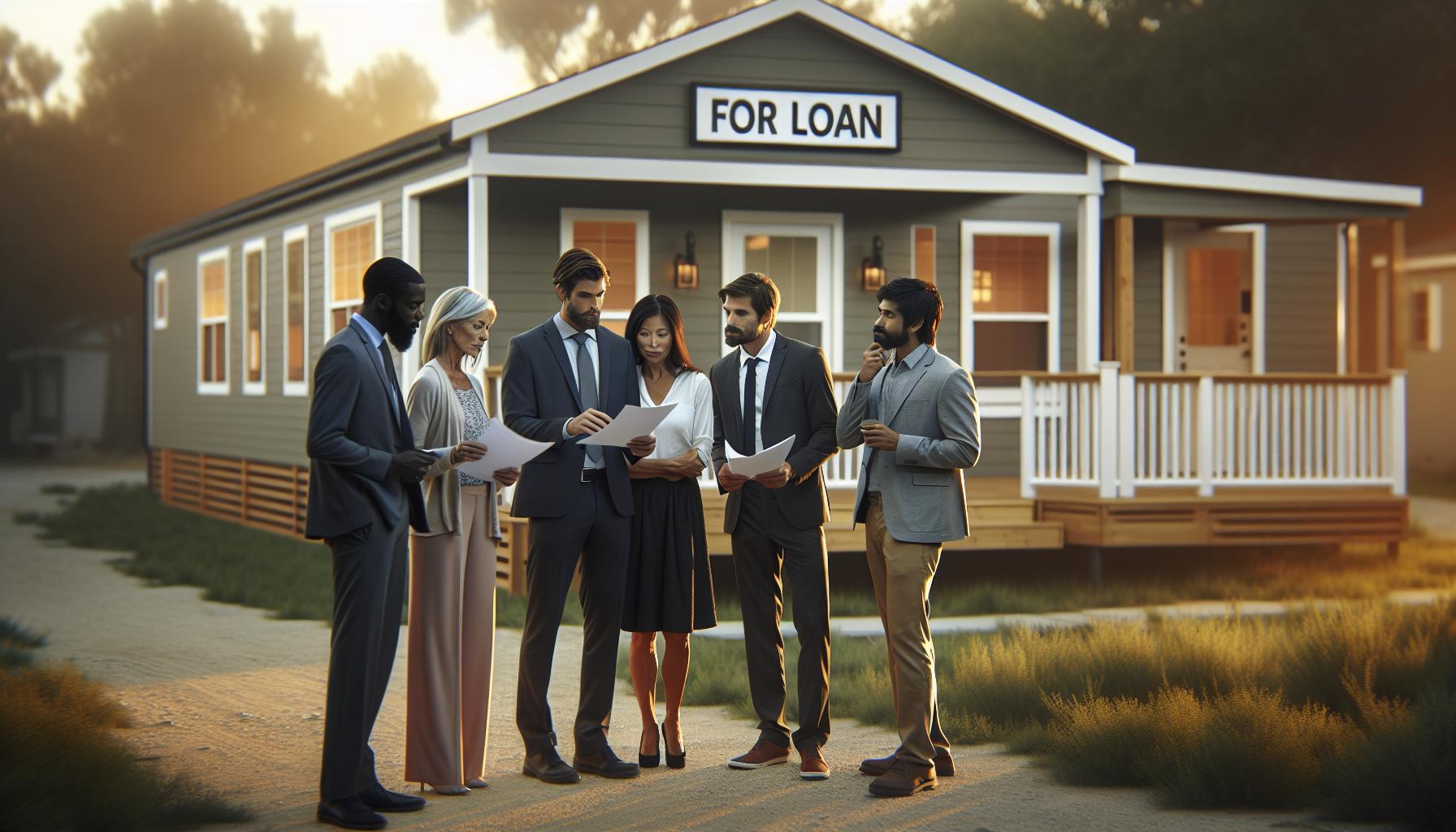
Securing a modular home loan involves a nuanced understanding of various factors beyond just credit scores. While a strong credit profile is vital, lenders also consider a range of additional elements that can impact approval. This broader perspective allows borrowers to better prepare their applications and enhance their chances of success in the modular home market.
One key factor is the debt-to-income (DTI) ratio. Lenders typically look for a DTI of 43% or lower, although some may be more flexible depending on other aspects of your financial profile. A lower DTI signals that you can manage additional debt, making you a more appealing candidate. To improve this ratio, consider paying down existing debts or increasing your income, which can directly influence your loan application’s attractiveness.
Furthermore, employment history plays a significant role in the approval process. Lenders often favor borrowers with stable employment over an extended period, as this illustrates reliability and financial steadiness. If you’re transitioning to a new job, document your previous employment thoroughly to present a continuous work history that highlights your earning potential. Additionally, lenders may inquire about any gaps in employment, so being prepared to explain these in a manner that underscores your fiscal responsibility can foster confidence.
The type and condition of the modular home itself are also substantial factors in loan approval. Not all modular homes qualify for financing under every lending program, especially older models or those that don’t meet certain standards. Ensuring your modular home adheres to local building codes and FHA guidelines for the Title I Manufactured Home Loan Program can enhance approval chances. It’s advisable to obtain a thorough inspection or appraisal, as these assessments can reveal issues that might need addressing before seeking financing.
Lastly, the chosen lender’s criteria can vary significantly, including their experience with modular home loans. Some lenders may have more leniency toward unique qualifying factors, such as the type of land where the home is situated-whether on owned or rented land. Researching lenders who specialize in modular home financing ensures that you find a partner who understands the unique aspects of your situation. This can save you time and help you secure more favorable loan terms.
By preparing for these considerations, potential buyers can enhance their application and navigate the complexities of securing financing for a modular home with greater confidence.
Types of Financing Options Available for Modular Homes
Navigating the financing landscape for modular homes presents unique opportunities tailored to different borrower needs. Understanding the variety of financing options available can empower potential buyers to make informed decisions, ensuring they find the most suitable funding for their modular home purchase.
One of the primary avenues for financing is the traditional mortgage, which functions similarly to those for site-built homes. Lenders typically evaluate the home’s appraised value and the borrower’s creditworthiness. Many buyers favor this option due to its straightforward nature and potential for competitive interest rates. Engaging directly with lenders who specialize in modular homes can enhance your approval chances, as they better understand the unique characteristics of these properties.
Alternative Financing Solutions
For those unable to secure traditional financing, alternative options exist. FHA Title I loans are designed for purchasing or refinancing manufactured homes and offer flexibility with credit score requirements, making them an attractive choice for first-time buyers or those with less-than-perfect credit histories [3[3]. Borrowers can also investigate Fannie Mae’s MH Advantage program, which bridges the gap between traditional mortgages and manufactured housing by providing financing for homes that meet specific site-built criteria [2[2].
Personal Loans and Owner Financing
In scenarios where conventional methods seem cumbersome, personal loans or owner financing can be viable alternatives. Personal loans generally come with higher interest rates but can serve as a quick solution without the extensive qualifications of mortgage options. Alternatively, owner financing allows buyers to negotiate directly with the seller, bypassing traditional lenders entirely. This option is particularly beneficial in a competitive market, as it can accelerate closing timelines and offer flexibility regarding loan terms.
Ultimately, a thorough understanding of the types of financing available-ranging from traditional mortgages to alternative solutions-can help potential buyers successfully navigate their modular home investment journey. By exploring all options and aligning them with personal financial situations, buyers can secure financing that paves the way for their dream home.
How to Improve Your Credit Score Before Buying
Building or buying a modular home is an exciting journey, but before you dive into the financing details, it’s crucial to ensure your credit score is in the best shape possible. A strong credit score not only increases your chances of getting approved for a loan but can also lead to significantly lower interest rates. Different lenders and financing options have varying requirements, but taking proactive steps to improve your credit score can make a world of difference as you prepare for homeownership.
One effective way to boost your credit score is to regularly check your credit reports. Mistakes can happen, and identifying errors early allows you to dispute any inaccuracies, potentially raising your score. To further enhance your creditworthiness, aim to pay down existing debts, particularly any credit card balances. Keeping your credit utilization ratio below 30%-the percentage of your total credit limit that you’re using-can positively impact your score. Additionally, maintaining a history of timely payments is vital; consider setting up automatic payments or reminders to ensure you never miss a due date.
Additional Steps to Strengthen Your Credit Score
- Avoid New Hard Inquiries: While it might be tempting to apply for multiple credit cards or loans to build your credit before buying a home, each application can lead to a hard inquiry that can temporarily reduce your score. Instead, limit new credit inquiries in the months leading up to your home purchase.
- Keep Old Accounts Open: The length of your credit history also plays a significant role in your score. Even if you don’t use older credit accounts, keeping them open can help by increasing your average account age.
- Consider Becoming an Authorized User: If a family member or friend has a solid credit history, ask if they’ll add you as an authorized user on their account. Their positive payment history can help improve your credit profile.
- Work with a Credit Counselor: If you’re struggling to manage debt, speaking with a credit counselor can provide you with personalized strategies to improve your financial standing. They can help you create a plan that aligns with your goal of buying a modular home.
Improving your credit score takes time and intentional effort, but the benefits are worth it in the long run. Whether you’re eyeing specific financing options or simply looking to elevate your creditworthiness, every small change can lead to significant advantages when securing a modular home loan. Keep your goals clear and stay committed; with the right approach, homeownership can soon be within your reach.
Step-by-Step Guide to Securing a Modular Home Loan
Securing financing for a modular home can feel overwhelming, but breaking the process down into manageable steps can simplify it. The journey typically begins with assessing your financial situation to ensure you meet the necessary criteria for loan approval. Start by reviewing your credit score; most lenders require a score of at least 680 for modular home loans. This proactive step allows you to identify any issues and take corrective actions if needed, setting a strong foundation for your application.
Next, gather your financial documents to prepare for the application process. Essential documents include proof of income, tax returns for the past two years, bank statements, and any existing debt information. Lenders will scrutinize your debt-to-income ratio, so make sure to detail all liabilities alongside your assets. Having this information organized not only expedites the approval process but also enables you to present a comprehensive financial picture that instills confidence in your lender.
Once you’ve organized your documentation, it’s time to shop for lenders. Not all lenders offer the same financing options for modular homes, so research various institutions to find those that are well-versed in this specific type of financing. Consider credit unions, banks, and specialized lenders that focus on manufactured housing. Comparing loan terms, including interest rates, down payment requirements, and closing costs, helps you identify the most favorable options that align with your financial goals.
After selecting a lender, you’ll proceed to the formal application stage. Be ready for a thorough review, as lenders may require additional information or clarification of your financial history. Once your application is submitted, the lender will perform a credit check and begin the underwriting process to assess your risk level as a borrower. It’s crucial to remain engaged during this period, promptly answering any questions from your lender to facilitate a swift approval process. Once approved, you can finalize your loan terms and begin the exciting journey toward owning your modular home!
Following these steps diligently can help you navigate the financing landscape with confidence, leading to a successful modular home purchase.
Common Myths About Modular Homes and Credit Scores
There are many misconceptions surrounding modular homes and their financing, particularly regarding credit scores. Many potential buyers assume that acquiring a modular home is vastly different from purchasing a traditional home, which isn’t entirely true. In fact, many of the same principles apply, including the importance of maintaining a good credit score. Yet, a commonly held belief is that a modular home is somehow less “acceptable” by lenders, leading to the notion that buyers might require an exceptionally high credit score to secure financing.
One myth suggests that modular homes require credit scores higher than those needed for traditional homes. In reality, most lenders typically require a credit score of around 680 for modular home loans, which is comparable to that for conventional homes. This standard helps to promote fairness in the lending process-encouraging borrowers to maintain a balanced financial history while understanding that modular living is a recognized and valid housing choice that can be supported by a similar credit landscape.
Another misconception is that a bad credit score automatically disqualifies you from purchasing a modular home, thereby discouraging potential buyers from even applying. While it’s true that lower credit scores can limit financing options, many lenders are willing to work with buyers who have less-than-perfect credit, especially if they can demonstrate other financial strengths-like stable income and a solid employment history. Understanding this can empower prospective homeowners to seek out creative financing solutions or to work on credit repair strategies before applying.
Ultimately, misinformation can hinder individuals from exploring the possibility of modular home ownership. By confronting these myths, buyers can confidently navigate the lending landscape, recognizing that modular homes are both a practical and viable option for homeownership. With proper guidance and a clear understanding of credit responsibilities, achieving home ownership through a modular home is within reach for many individuals.
Tips for Finding the Right Lender for Modular Homes
Finding the right lender for a modular home can significantly impact your home buying experience, especially considering the unique financing options available in this sector. Many buyers mistakenly believe that traditional mortgage lenders are their only option, but there are specialized lenders who understand the nuances of modular home financing. These lenders can better accommodate your needs and may help you secure more favorable loan terms.
Start your search by researching lenders who specialize in manufactured and modular homes. This specialization often means they have a deeper understanding of the market and are more flexible with credit score requirements. Look for lenders that offer a variety of financing options, including FHA loans, which tend to have lower credit score thresholds and more lenient terms. Check online reviews and testimonials to gauge the experiences of previous customers, focusing on aspects like customer service, responsiveness, and the ease of the application process.
When contacting potential lenders, be prepared to ask specific questions that pertain to your unique situation. Inquire about their credit score requirements, interest rates, and down payment options. It’s also wise to discuss the total cost of the loan, including fees for processing, appraisal, and insurance. Obtaining pre-approval from multiple lenders can give you leverage when determining which one offers the best rate and terms.
Lastly, do not underestimate the value of personal recommendations. If you know anyone who has recently purchased a modular home, ask them about their lender experience. Word-of-mouth referrals can often lead you to trustworthy lenders and provide insight that you may not find online. By taking these steps to find the right lender, you can ensure a smoother and more successful path to owning your modular home.
Insurance Considerations for Modular Home Buyers
Obtaining adequate insurance is a crucial aspect of becoming a modular home owner, yet many overlook its importance until it’s too late. Unlike traditional homes, modular homes may require different insurance policies or coverage considerations due to their structure, foundation, and zoning regulations. Ensuring you have the right coverage not only protects your investment but also meets the requirements set by lenders and local laws.
When exploring insurance options, it is essential to understand the types of coverage available. Most modular home buyers should consider homeowners insurance, which covers the structure and personal belongings in case of damage or theft. Additionally, manufactured home insurance may be specifically tailored for modular dwellings, so it’s wise to inquire about policies that account for the unique characteristics of your home. Here are some key factors to consider when selecting an insurance plan:
- Replacement Cost vs. Actual Cash Value: Determine whether you want actual cash value (which considers depreciation) or replacement cost coverage that will help you rebuild or replace your home at current market prices.
- Liability Coverage: This is critical for protecting yourself against lawsuits for injuries or damages occurring on your property. Consider higher liability limits if you frequently host guests or engage in outdoor activities.
- Natural Disaster Coverage: Standard policies may not cover natural disasters like floods or earthquakes. It’s important to check whether additional riders or separate policies are necessary based on your location.
As a modular home buyer, understanding the nuances of insurance can help you avoid gaps in coverage that could become costly. For instance, if your home is located in a flood zone, standard homeowners insurance will likely not provide coverage for flood damage. Consequently, obtaining a separate flood insurance policy through the National Flood Insurance Program (NFIP) may be advisable.
In addition to thorough research on coverage options, it is wise to shop around for quotes from various insurance providers. Some companies specialize in modular home insurance and can offer tailored rates and benefits. Be sure to convey detailed information about your home, including its specifications, location, and any safety features that might lower your premiums, such as fire alarms or security systems. An informed approach to selecting your insurance not only protects your investment but also provides peace of mind as you embark on your journey as a modular home owner.
Navigating Legal Requirements for Modular Homes
Deciding to purchase a modular home is an exciting journey, but it comes with a host of legal considerations that can be daunting for first-time buyers. Navigating the legal landscape is crucial to ensuring that your investment is protected and compliant with local regulations. One fundamental aspect often involves land ownership; you need to determine whether you will place your modular home on land you own, rent a lot, or reside within a manufactured home community. Each choice affects what legal obligations you must fulfill.
Before you proceed, it’s essential to research zoning laws and building codes specific to your area. These regulations can dictate everything from the type of modular homes allowed to the permits required for installation. Most municipalities have guidelines that inform you about minimum foundation specifications, setbacks from property lines, and even standards for utilities such as plumbing and electrical connections. Failing to adhere to these can lead to costly fines or the need to undertake retroactive work, which can disrupt your plans significantly.
When purchasing a modular home, ensure that it comes with a valid manufacturer’s warranty and all necessary documentation. This includes compliance certificates, which serve as proof that the home meets safety and quality standards required by law. Obtaining these certificates can not only make securing financing simpler but can also ease worries about living in a home that doesn’t meet baseline safety requirements. Always consider hiring a specialized real estate attorney or a knowledgeable advisor familiar with modular home transactions to help you navigate these complexities efficiently.
Another important factor is the title of the modular home itself. Modular homes are typically classified as real property, but this can differ based on how they are affixed to the land. If you’re financing your modular home, lenders will insist on clear titles to ensure their investment is safeguarded. Ensure you understand the implications of purchasing a modular home and check that it is correctly classified to avoid future complications. Mastering these legal requirements can pave the way for a smoother purchase experience and a secure investment in your new modular home.
Long-Term Maintenance Tips for Modular Home Owners
Maintaining a modular home is essential to ensure its longevity and comfort. Unlike traditional homes, modular homes are constructed off-site and brought to your location, which means they can have unique maintenance needs that are essential for optimal performance and safety. Regular upkeep not only enhances the lifespan of your home but also preserves its value over time, making it a wise investment for the future.
One of the first areas to focus on is the foundation and leveling of your modular home. After installation, it’s crucial to regularly check that your home remains level. Uneven settling can lead to structural issues and damage to your doors and windows. Consider hiring a professional at least once every couple of years to assess and make necessary adjustments. Keeping the foundation clear of debris and ensuring proper drainage will also help to avoid moisture problems, which can lead to mold and rot.
Another key aspect is the exterior maintenance. Modular homes often have skirting that can become damaged or deteriorate over time. Inspect the skirting for gaps or cracks that could allow pests to enter or lead to insulation issues. Periodically checking the integrity of your roofing and siding is also vital; clean gutters and downspouts to avoid water damage and ensure that all drainage systems are functioning properly. Regularly washing the exterior and applying sealants or paints when needed can prevent deterioration and enhance curb appeal.
For interior maintenance, prioritize addressing any issues with insulation and HVAC systems. Ensure that insulation remains intact to promote energy efficiency and comfort. Change filters on heating and cooling systems regularly to maintain airflow and system efficiency. Additionally, routine checks on plumbing and electrical systems can prevent small issues from escalating into costly repairs. Schedule annual inspections with professionals to assess major systems.
By implementing these long-term maintenance tips, modular home owners can ensure a safe and comfortable living environment while protecting their investment for years to come. Focusing on preventative measures today will save you from more significant issues and expenses down the road, making home ownership a fulfilling and worry-free experience.
Frequently asked questions
Q: What is the minimum credit score required to buy a modular home?
A: The minimum credit score typically required to buy a modular home is around 620. However, specific lenders may have varying standards, and a higher score can improve approval chances and loan terms. It’s advisable to check with multiple lenders to find the best option.
Q: Can you get approved for a modular home loan with bad credit?
A: Yes, it is possible to get approved for a modular home loan with bad credit, but terms may be less favorable. Consider options like FHA loans or working with specialized lenders that assess your overall financial situation, including income and debt-to-income ratio.
Q: How can I improve my credit score before applying for a modular home loan?
A: To improve your credit score, consider paying down existing debts, making all payments on time, and disputing any inaccuracies on your credit report. Additionally, avoid taking on new debt in the months leading up to your loan application to present a healthier credit profile.
Q: Are there special financing options available for modular homes?
A: Yes, financing options like FHA loans, chattel loans, and specialized programs for modular homes are available. It’s essential to research and compare offerings from different lenders to find a plan that meets your financial needs and credit profile.
Q: What other factors affect modular home loan approval besides credit score?
A: Besides credit score, factors like debt-to-income ratio, employment history, down payment amount, and the home’s appraisal value play a critical role in loan approval. Lenders will assess your overall financial health during the application process.
Q: What is a chattel loan and how does it relate to modular homes?
A: A chattel loan is a type of financing specifically designed for movable properties, such as modular homes. Unlike traditional mortgages, chattel loans typically have higher interest rates and shorter terms, but they can be a suitable option when purchasing a modular home not affixed to land.
Q: How does my income affect my modular home loan application?
A: Your income directly impacts your modular home loan application, as lenders assess your ability to repay the loan. A stable and sufficient income helps improve loan approval chances and determine the loan amount you may qualify for based on your debt-to-income ratio.
Q: What paperwork do I need to prepare for a modular home loan application?
A: When applying for a modular home loan, prepare essential documents such as proof of income, credit report, tax returns, bank statements, and information on current debts. Organizing these documents can streamline the application process and improve your chances of approval.
Wrapping Up
Securing your modular home purchase starts with understanding credit score requirements, but this is just the beginning. Whether your score is 580 or higher, knowing financing options can empower your decision-making. Don’t let uncertainties hold you back-take action today! Explore our guides on mobile home financing and credit improvement strategies for insightful tips that could save you time and stress in your home-buying journey.
Ready to dive deeper? Check out our articles on financing options for manufactured homes and steps to boost your credit score. Every step you take brings you closer to homeownership. And don’t forget to subscribe to our newsletter for the latest insights and expert advice in the mobile home market. Join our community today, and let’s make your dream of owning a modular home a reality!