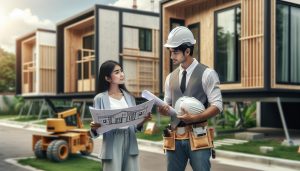
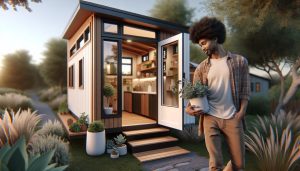
As the housing market continues to evolve, many are turning to mobile homes as a viable investment opportunity. In 2025, the allure of low purchase prices and flexible financing options raises the question: Is buying a mobile home a good investment? With a rising demand for affordable housing and the potential for solid returns, mobile homes offer unique advantages that can align with both personal and financial goals. This analysis delves into the return on investment (ROI) for mobile home purchases, illuminating key factors such as maintenance, location, and market trends. Whether you’re a first-time buyer or an experienced investor, understanding these dynamics can unlock the potential of mobile home investing, making it a compelling option in today’s real estate landscape. Dive in to explore the benefits, challenges, and strategies that determine the success of owning a mobile home as an investment.
Is Buying a Mobile Home Right for You?
Investing in a mobile home can be an appealing option, especially for those seeking affordable housing solutions or diversification in their real estate portfolio. Mobile homes, also known as manufactured homes, often present lower initial purchase prices compared to traditional homes, making them an attractive entry point for first-time buyers. However, determining whether buying a mobile home is the right choice requires careful consideration of various factors.
When evaluating the suitability of mobile home ownership, potential buyers should assess their financial situation and long-term goals. Many find that mobile homes offer significant financial flexibility, with lower monthly payments and reduced maintenance costs compared to standard homes. Consider questions such as: Are you prepared for the potential depreciation common in mobile homes? Are you willing to invest in improvements to increase resale value? Understanding these aspects can help clarify whether this investment aligns with your financial strategy.
While mobile homes can provide a pathway to homeownership and community living, they also require diligent planning. Costs associated with land leasing, utilities, and insurance can add to the overall expense. Hence, it’s essential to research local parks or areas, as location impacts both lifestyle and potential return on investment (ROI). Those interested in investing in mobile homes should familiarize themselves with the local market conditions and trends to make informed decisions.
Ultimately, buying a mobile home can be a wise choice for many, but it requires a thorough evaluation of personal circumstances, market dynamics, and long-term objectives. By weighing these considerations, prospective buyers can make empowered choices in navigating the mobile home investment landscape.
Understanding Mobile Home Investment ROI
Investing in mobile homes presents a unique opportunity that can yield significant returns if approached thoughtfully. In recent years, mobile home parks have emerged as attractive investments due to their lower acquisition costs and consistent demand for affordable housing. Potential buyers should analyze the return on investment (ROI) by considering both cash flow and appreciation, as each holds different significance based on personal financial goals and market conditions.
To effectively gauge ROI, it’s essential to evaluate cash flow, which is the net income derived from renting out mobile homes or lots in a park. Buyers must account for ongoing expenses such as utilities, maintenance, property management, and park fees. A well-managed mobile home park can provide stable income that often exceeds traditional rental properties, especially in regions where housing affordability is a pressing issue. Investors looking to maximize cash flow should ideally position their properties in high-demand areas and maintain them to attract quality tenants.
In addition to cash flow, appreciation plays a pivotal role in the overall ROI of mobile home investments. While it’s widely acknowledged that mobile homes may depreciate in value like vehicles, certain factors can counteract this trend, such as improvements and renovations. Investing in upgrades, whether through aesthetics or functionality, can enhance market value. For example, replacing outdated appliances or implementing energy-efficient systems can increase appeal and justify higher rents. Furthermore, mobile home parks focusing on community amenities, such as playgrounds or gathering spaces, can also appreciate in value, leveraging the demand for not just housing, but a lifestyle.
Ultimately, a comprehensive understanding of the local real estate market, property upkeep, and tenant needs will empower prospective investors to make informed decisions. By balancing the dynamics of cash flow and appreciation wisely, mobile home investments can serve as a valuable tool in diversifying portfolios and providing substantial returns over time. As shifts in housing trends continue, aligning investment strategies with these insights will prove crucial in navigating the mobile home landscape effectively.
Initial Costs vs. Long-Term Savings
Investing in a mobile home can be a financially savvy move, particularly when comparing the initial costs with the potential for long-term savings. A common misconception is that mobile homes are inherently less valuable due to their lower purchase price compared to traditional homes. However, the lower initial investment can lead to significant long-term savings, especially when considering factors like maintenance, property taxes, and utility costs.
Initial Costs
The initial costs of purchasing a mobile home typically include the home itself, delivery, setup, and any necessary foundation work. While a new mobile home can range from $50,000 to $100,000, considered a fraction of traditional home prices, prospective buyers should also budget for additional expenses such as land purchase or lot rental fees in mobile home parks. This upfront investment is critical for evaluating overall financial health.
Long-Term Savings
When considering long-term savings, mobile homes often have lower ongoing expenses compared to traditional houses. For instance, heating and cooling a mobile home generally costs less due to their smaller size and energy-efficient designs often built into newer models. Additionally, property taxes on mobile homes can be lower than those for site-built homes, further enhancing affordability. Over time, these savings can accumulate, especially for those who plan to stay in the home for several years.
For those interested in maximizing savings, it’s also advisable to explore options like refinancing or upgrading to more energy-efficient appliances. With careful planning and management, the long-term financial benefits of owning a mobile home can far outpace the initial costs. Overall, mobile home ownership can be a viable and rewarding investment, providing both an appealing lifestyle and economic advantages.
Financing Options for Mobile Home Buyers
Navigating the financial landscape of mobile home ownership can be daunting, but understanding your financing options is key to making a successful investment. Unlike traditional homes, the financing for mobile homes often comes with its own set of challenges and considerations. Prospective buyers should arm themselves with knowledge to ensure they secure favorable terms and rates that align with their budget and financial goals.
One primary financing route is through chattel loans, which are specifically designed for mobile or manufactured homes. These loans typically cover the home itself, not the land it sits on, making them a viable option for buyers who will place their mobile home in a rented lot or a mobile home park. Chattel loans usually have higher interest rates compared to conventional mortgages, but they can be easier to obtain, especially for those with lower credit scores. Buyers looking to use this option should compare rates from different lenders to find the best deal.
For those purchasing both the mobile home and the land, a conventional mortgage or a land/home package loan may be more appropriate. These loans function similarly to standard home loans and generally come with lower interest rates and longer repayment terms. However, qualifying for these loans can often be more scrutinized than chattel loans, so maintaining a good credit score and a stable income is essential.
Understanding financial assistance programs is also crucial. Many regions offer state or federal financing programs that help first-time buyers with down payments or provide favorable loan terms. Researching local housing authorities or real estate offices can uncover potential grants or assistance programs that may be available. Additionally, there are often specialized manufacturers or dealers who can provide financing options directly, which may include in-house loan approvals.
A thorough understanding of these financing options can empower prospective buyers to make informed decisions that enhance their long-term investment. By securing the right financing arrangement, mobile home ownership can not only provide and maintain a desirable living situation but also contribute positively to your financial portfolio over time.
Insurance Essentials for Mobile Home Owners
Purchasing a mobile home is an increasingly popular choice for those seeking affordable and flexible living arrangements. However, to protect this investment, securing the right insurance is paramount. Mobile home insurance not only safeguards your property against unforeseen damages but also provides peace of mind. Unlike conventional homeowners insurance, mobile home insurance policies are tailored specifically for manufactured homes, covering unique risks associated with them.
A typical mobile home insurance policy includes several key components to consider:
- Dwelling Coverage: This protects the structure of your mobile home from various risks, such as fire, storms, vandalism, and theft. Consider opting for replacement cost coverage to ensure you can rebuild or replace your home at current market value.
- Personal Property Coverage: This covers your belongings inside the home, like furniture and appliances, against the same perils as your dwelling coverage. It’s wise to take an inventory of your personal property and ensure you have enough coverage to replace it if lost.
- Liability Protection: This component shields you from legal responsibility for injuries or damages to others occurring on your property. It’s essential to choose a liability limit that adequately protects your assets.
- Optional Coverages: Many insurers offer additional coverages, such as flood insurance or coverage for equipment breakdowns. In areas prone to natural disasters, investing in these extras can provide crucial financial protection.
When shopping for mobile home insurance, it’s vital to compare multiple quotes from different providers. This not only ensures that you obtain a competitive rate but also allows you to tailor coverage to your specific needs. In addition, inquire about potential discounts for bundling your auto and home insurance policies; many insurers, including Progressive and GEICO, provide incentives for comprehensive coverage packages.
Furthermore, understanding legal requirements regarding insurance in mobile home parks is critical. Some parks may have specific insurance obligations that tenants must fulfill. Researching these stipulations can save you from unexpected liabilities and ensure compliance with local regulations.
In summary, investing in robust insurance coverage can significantly enhance the security of your mobile home investment, translating to peace of mind. By carefully considering the various policy components and opting for tailored coverage, you’ll ensure that your mobile home remains a sound investment for years to come.
Legal Considerations When Buying Mobile Homes
Navigating the legal landscape of mobile home ownership is crucial for ensuring your investment remains secure and compliant. Mobile homes, while offering flexibility and affordability, come with a unique set of legal considerations that every buyer must understand. Firstly, it is critical to determine whether your mobile home will be placed in a park or on private land, as this choice significantly affects your legal obligations and property rights.
For those considering placing their mobile home in a park, familiarize yourself with the park’s rules and regulations. Many mobile home parks have specific requirements regarding insurance policies, maintenance responsibilities, and rental agreements. Lease agreements can often contain clauses regarding the use of common areas, modifications to your unit, and conditions for eviction, all of which can impact your enjoyment and use of the property. Additionally, understanding your tenant rights is paramount; in many jurisdictions, residents in mobile home parks are covered by laws that protect against unfair eviction and ensure the maintenance of shared facilities.
Another vital legal aspect to consider is the title and ownership documentation. Unlike traditional real estate, mobile homes can sometimes be titled as personal property rather than real property, necessitating different procedures for buying, selling, or financing. Ensure you obtain a clear title and check for any liens on the property. It may be advisable to consult with a legal professional or a specialized real estate agent who understands mobile home transactions to navigate these complexities effectively.
Moreover, zoning laws can significantly influence your ability to place a mobile home in certain areas. Understanding local zoning regulations is essential, as they dictate where mobile homes can be located and may impose requirements for permits and inspections. Buyers should conduct thorough research on local regulations to avoid future disputes or costly fines.
In conclusion, being proactive about the legal considerations when purchasing a mobile home is integral to making a sound investment. By understanding your rights and responsibilities, navigating lease agreements, verifying ownership documents, and complying with zoning laws, you can position yourself for a successful and enjoyable mobile home ownership experience. Always consider consulting with professionals in the field to bolster your confidence and ensure compliance as you embark on your journey into mobile home living.
Evaluating Property Value in Mobile Home Parks
Determining the value of mobile home properties, especially those located in parks, is a unique process that diverges from traditional real estate evaluations. This valuation is typically driven by the income generated from the property rather than the market value of the home itself. When assessing a mobile home park investment or the potential resale value of a mobile home, several key factors come into play.
A common approach to involves calculating the Capitalization Rate (Cap Rate). This metric reflects the relationship between the income produced by the park and the overall value. To compute this, one would take the net operating income (NOI) of the park and divide it by the purchase price or current market value. Higher Cap Rates generally indicate a more favorable investment as they suggest a lower purchase price relative to income. This financial analysis can help prospective buyers gauge their expected return on investment (ROI).
It’s also crucial to consider the occupancy rates of the mobile home park, as a well-occupied park will typically have a higher market value. For instance, a park with 80% occupancy will generate more income and is likely to appreciate more over time than one with only 50% occupancy. Therefore, understanding local demand and vacancy rates in the area can significantly influence your evaluation decisions.
Other factors impacting valuation include location, amenities offered, local market conditions, and the overall condition and age of the mobile homes within the park. Features such as swimming pools, recreational areas, and proximity to schools and shopping centers can enhance the attractiveness of a mobile home park, thus improving its value.
In summary, effective evaluation of property value in mobile home parks necessitates a multifaceted approach that considers income generation, occupancy rates, and market conditions. By understanding these factors, prospective mobile home owners and investors can make more informed and strategic decisions, setting themselves up for successful investments in the mobile home market.
The Pros and Cons of Mobile Home Living
Choosing to live in a mobile home can often spark debate, given the various perspectives on manufactured housing. Mobile homes offer unique advantages, especially in terms of affordability and flexibility, yet they also come with potential setbacks that should be carefully considered. Understanding can empower individuals to make informed decisions that align with their lifestyle and financial goals.
Advantages of Mobile Home Living
One of the most compelling benefits of mobile home living is affordability. Generally, mobile homes require a significantly lower initial investment compared to traditional homes. This affordability extends not just to purchase price but also to ongoing costs such as utilities and maintenance. Additionally, for those seeking a sense of community, many mobile home parks foster neighborly connections, providing social engagement that can be appealing.
Another notable advantage is the flexibility offered by mobile homes. Homeowners can relocate their homes if necessary, allowing for lifestyle changes without the hassle of a conventional home sale. This mobility can be particularly beneficial for individuals seeking job opportunities in different areas or those wanting to downsize.
Challenges of Mobile Home Living
Conversely, potential drawbacks of mobile home living warrant attention. One significant concern is depreciation; unlike traditional homes, many mobile homes lose value over time, similar to vehicles. This depreciation can hinder long-term financial returns, making them less favorable investments if property appreciation is a primary goal. Additionally, securing financing for mobile homes can be more complex than for traditional housing, requiring specialized lenders and potentially higher interest rates.
Another challenge can be the regulations and limitations imposed by mobile home parks. Homeowners might have to adhere to strict community rules and may face fees for lot rent that can escalate over time. This adds a layer of complexity to financial planning, as unexpected increases in costs can affect overall budgeting.
Conclusion: Weighing Your Options
Ultimately, mobile home living presents a unique blend of pros and cons that must be thoroughly weighed against personal preferences and financial situations. While the initial affordability and flexibility can be attractive, the long-term value and potential regulatory concerns require careful consideration. By assessing both sides, prospective homeowners can make choices that suit their needs and aspirations in an ever-evolving housing market.
Maintenance Tips for Long-Term Success
To maximize the value and longevity of your mobile home, consistent maintenance is essential. Proper upkeep not only enhances your living environment but also preserves the investment you’ve made. Mobile homes, while often more affordable initially, require dedicated care to prevent issues that can lead to costly repairs down the line. By adopting a proactive maintenance strategy, you can secure a stable and rewarding living experience in your mobile home.
One important area to focus on is the exterior of your home. Regular inspections of the roof can prevent leaks and water damage. It’s advisable to check the seals around windows and doors to ensure they are watertight, especially before seasonal weather changes. Annual cleaning of gutters and downspouts is crucial to divert water away from your home, which can minimize foundation issues. More than just aesthetics, keeping the home’s siding in good condition-by washing it periodically and repainting it when necessary-also protects the underlying structure from damage.
Inside the home, it’s vital to maintain essential systems such as HVAC, plumbing, and electrical. Schedule yearly professional checks for your heating and air conditioning systems to ensure they run efficiently. Moreover, familiarizing yourself with the layout of your home, including the locations of shut-off valves and circuit breakers, can save time and prevent damage during emergencies. Testing smoke and carbon monoxide detectors monthly and replacing batteries at least once a year will enhance safety for you and your family.
Lastly, consider implementing long-term upgrades that not only improve your home’s livability but can also increase its market value. Simple projects like adding insulation can make your home more energy-efficient, lowering utility costs. Additionally, aesthetic enhancements such as updated kitchen fixtures or flooring upgrades can attract future buyers and increase your return on investment. Remember, the effort put into regular maintenance and thoughtful upgrades can significantly impact your mobile home’s value and appeal in the marketplace.
Renovation Ideas to Enhance Value
Transforming a mobile home can unlock substantial value and elevate your living experience while enhancing your investment in 2025. Whether you’re planning to sell or simply looking to enjoy your space more, strategic renovations can make a significant impact. These updates not only improve functionality and aesthetics but can also attract prospective buyers, increasing your return on investment (ROI).
One of the most effective ways to boost the value of your mobile home is through kitchen and bathroom renovations. Upgrading appliances to energy-efficient models not only improves the look of these essential spaces but also reduces monthly utility costs, appealing to budget-conscious buyers. Consider installing modern cabinetry, new countertops, or stylish backsplashes to create a fresh, inviting environment. Additionally, updating bathroom fixtures, such as faucets and lighting, can enhance both style and functionality. Simple additions like a new shower curtain or fresh paint can further elevate these areas without breaking the bank.
Another impactful renovation involves enhancing the energy efficiency of your home. Installing insulation upgrades, energy-efficient windows, and smart thermostats can significantly lower heating and cooling costs. Prospective buyers increasingly recognize the value of energy efficiency, making these upgrades not just practical but also an attractive selling point. Adding features such as solar panels, if feasible, can further enhance your home’s appeal while promising savings over the long term.
Don’t overlook curb appeal, as first impressions matter. Upgrading the exterior with fresh paint, new siding, or a revamped porch can dramatically improve your home’s look. Simple landscaping tasks, such as planting flowers or adding a pathway, can also make your property feel more welcoming. Furthermore, ensuring that your home is well-maintained-focused on the roof, gutters, and foundation-can reassure buyers that your home is a worthy investment.
In conclusion, strategic renovations can significantly impact the value and livability of your mobile home. By focusing on high-impact areas like kitchens, bathrooms, and energy efficiency-as well as boosting curb appeal-you can create an inviting space that not only serves your needs but also appeals to future buyers, ensuring a solid return on your investment.
Hurricane Preparedness and Insurance Needs
Living in a mobile home can be a rewarding experience, but those in hurricane-prone areas face unique challenges. Mobile homes are particularly vulnerable during severe weather events, making hurricane preparedness an essential aspect of ownership. To protect your investment and ensure your peace of mind, understanding how to prepare your mobile home for hurricanes and the insurance implications is vital.
One of the most effective ways to bolster your mobile home against hurricanes is through proper tie-downs and anchoring. It’s crucial to check the existing tie-downs to ensure they are secure and compliant with local regulations, which require homes to be anchored adequately to withstand wind forces. Reinforcing the roof is another preventive measure; investing in a stronger roof material can minimize damage during high winds. Additionally, regularly cleaning gutters and drainage systems helps to prevent water accumulation that could lead to flooding. Boarding up windows or installing storm shutters will also provide an added level of protection against flying debris.
Insurance needs for mobile homeowners in hurricane zones differ from traditional homeowners. While typical homeowners insurance may not cover certain types of damage caused by floods-one of the primary risks during hurricanes-specific flood insurance can be necessary. It’s advisable to contact your insurance provider to discuss policies and understand what is covered during a hurricane event. Many lenders require flood insurance for homes located in designated flood zones, so be sure to ask about this when securing financing. Review your policy limits and deductibles, as they can significantly impact your financial recovery after a disaster.
In summary, hurricane preparedness and robust insurance coverage are integral to owning a mobile home in vulnerable areas. By taking proactive steps to secure your home and understanding your insurance options, you can safeguard your investment and maintain peace of mind in uncertain weather conditions.
Market Trends: Mobile Homes in 2025
As we look towards 2025, the landscape for mobile homes is evolving, presenting both challenges and opportunities for buyers and investors. The increasing demand for affordable housing solutions in a market skewed towards high property prices positions mobile homes as a viable option for many. According to recent trends, the mobile home industry is witnessing a resurgence as public perception improves and more people recognize the benefits of manufactured housing, including cost-effectiveness and flexibility.
One important factor driving this trend is the shortage of affordable housing options across the country. As more individuals and families seek homes that fit their budget without sacrificing quality, mobile homes are increasingly frequent contenders. Media attention around the sustainable aspects of smaller living spaces has also positively influenced prospective buyers, appealing to those interested in minimalism and eco-friendly lifestyles. These factors contribute to a prospective increase in mobile home values, making them an attractive investment option.
Moreover, advancements in technology and manufacturing are leading to more modern and appealing mobile home designs. New models often feature enhanced durability, energy efficiency, and smart home integration, proving that mobile homes can provide comfort and modern amenities akin to traditional homes. As such, prospective buyers are expected to appreciate the lower utility costs associated with these energy-efficient designs, further improving the investment return over time.
Challenges remain, particularly regarding financing and zoning regulations. Buyers should be aware of specific lending practices for mobile homes, which can differ from traditional home mortgages. Many financial institutions are beginning to offer more tailored financing options for manufactured home purchases, reflecting the growing acceptance of mobile homes as a legitimate housing choice. Understanding local zoning laws and land use regulations is equally important; prospective buyers must ensure that they are familiar with these to avoid investing in homes that may have restrictions in place.
Market Insights and Future Outlook
As we enter 2025, the overall sentiment surrounding mobile homes indicates a positive shift. The investments made in enhancing design, safety, and durability will likely yield dividends for both current owners and future buyers. Real estate analysts are predicting that this sector will continue to grow as urban areas struggle with housing shortages and the need for more affordable options becomes increasingly critical.
In conclusion, while challenges exist, the increased demand for affordable housing, coupled with advancements in mobile home technology and design, presents a promising outlook for the mobile home market in 2025. Buyers are encouraged to weigh these factors thoughtfully, considering both the immediate benefits and long-term potential of mobile home living as an investment.
FAQ
Q: Is buying a mobile home a smart investment in 2025?
A: Buying a mobile home can be a smart investment if done thoughtfully. While mobile homes depreciate like cars, they often have lower initial costs and can yield positive returns if placed in well-located mobile home parks. Consider market trends and potential rental income when evaluating ROI.
Q: What are the long-term financial implications of mobile home ownership?
A: Long-term financial implications include lower property taxes and maintenance costs compared to traditional homes. However, mobile homes often depreciate, so it’s vital to ensure your investment is in a good location and condition. Consider resale value and rental opportunities alongside initial expenditures for a complete financial picture.
Q: How do mobile home values compare to traditional homes?
A: Mobile home values typically depreciate over time, while traditional homes generally appreciate. This difference means that mobile homes can require more scrutiny regarding investment potential. Focus on location, amenities, and property management to optimize value appreciation in the mobile home sector.
Q: What are common pitfalls in mobile home investing?
A: Common pitfalls in mobile home investing include purchasing in poorly managed parks, overlooking maintenance requirements, and underestimating depreciation risks. Conduct thorough research and ensure proper finance and insurance coverage to mitigate these risks for a successful investment.
Q: Can I finance a mobile home purchase like a regular home?
A: Financing mobile homes can differ from traditional home loans. Some lenders may require a higher down payment and charge higher interest rates. It’s essential to shop around for specialized mobile home loans or consult with a financial advisor to explore your best financing options.
Q: What is the typical appreciation rate for mobile homes?
A: Mobile homes generally appreciate at a slower rate than traditional homes, often around 3-5% annually, depending on the market and location. Factors such as park management quality and local housing trends can significantly influence appreciation.
Q: How do I enhance the value of my mobile home?
A: Enhancing your mobile home’s value can be achieved through renovations like updating interiors, improving curb appeal, and ensuring proper maintenance. Investments in energy efficiency and landscaping can also add value. Always consult your local market trends to determine which upgrades yield the best ROI.
Q: What should I consider before investing in a mobile home park?
A: Before investing in a mobile home park, consider location, infrastructure, zoning regulations, and community amenities. Evaluate potential tenant demographics and market demand to ensure profitability. Conducting a thorough financial analysis and due diligence is critical for making a sound investment.
To Conclude
As we’ve explored, buying a mobile home can be a lucrative investment if you understand the dynamics of ROI and the associated costs. Remember, this unique housing option offers flexibility and affordability, but navigating the complexities of setup, financing, and ongoing maintenance is vital. If you still have questions or need guidance, consider checking our detailed guides on mobile home maintenance and financing options, or download our comprehensive checklist for new mobile home owners.
Don’t let uncertainty hold you back-take the next step towards securing your investment and enhancing your lifestyle. Share your thoughts and experiences in the comments below, and feel free to explore our blog for more resources on maximizing your mobile home investment. Join our newsletter for expert insights and updates on living the mobile home lifestyle. Your journey into this rewarding market begins today!