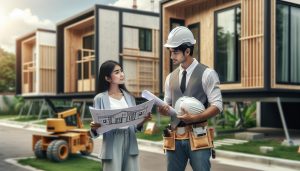
Flipping a trailer home presents a compelling opportunity for savvy investors and DIY enthusiasts. Did you know that the manufactured housing market has grown significantly, with many homeowners recognizing the potential for profitability in renovation and resale? In this guide, you will discover practical strategies to transform a trailer into a desirable living space while navigating the complexities of financing, valuations, and legal requirements. Whether you’re considering entering the mobile home market for the first time or looking to enhance your existing portfolio, our comprehensive insights will empower you to maximize your investment. Dive in to learn step-by-step techniques for successful flips, from revitalizing interiors to ensuring compliance with local regulations, all designed to help you achieve financial success in this lucrative sector.
Understanding the Mobile Home Market Dynamics
The mobile home market is a vibrant and often misunderstood sector that presents unique opportunities for both living and investment. As a dominant affordable housing solution, mobile homes have become increasingly popular among diverse demographics, ranging from first-time homebuyers to experienced investors eager to capitalize on lower entry costs. For many, manufactured housing serves as not just a residence but also a solid investment strategy that can yield significant returns if approached with the right knowledge and planning.
Understanding market dynamics begins with recognizing the factors that influence mobile home values. Location is paramount-homes situated in desirable neighborhoods or close to amenities such as schools, parks, and shopping centers typically appreciate at a faster rate. Additionally, the economic climate plays a critical role; during economic downturns, mobile homes may retain their value better than traditional site-built homes due to their affordability. Buyers and investors should also be aware of market trends, including shifts in demographics and consumer preferences towards sustainable living, which are shaping the demand for modern, energy-efficient mobile homes.
Moreover, financing options in the mobile home market differ significantly from conventional real estate. Traditional mortgages may not always be available, particularly for single-section models or older homes. It’s essential to explore alternative financing methods, such as personal loans, chattel loans, or specialized mobile home loans, which can pave the way for acquiring these properties. Investors should pay close attention to the tax implications and expenses associated with purchasing land for mobile home parks, as this can be a critical component of their investment strategy.
In navigating the complexity of the mobile home market, potential flippers and residents alike can benefit from a thorough understanding of zoning laws and regulations that govern where and how mobile homes can be placed. Engaging with local government and zoning boards will be crucial for anyone considering a flip or a long-term investment. By staying informed and adaptable to market conditions, investors can harness the potential of mobile homes as a profitable venture while contributing to a growing segment of the housing market that caters to a diverse array of individuals seeking affordable living options.
Essential Steps to Buying a Trailer Home
Purchasing a trailer home can be an exciting and rewarding process, especially for those looking to enter the affordable housing market or invest in a potential flip. However, it requires careful consideration and thorough research to ensure a successful investment. Begin by determining your needs and preferences-specific factors such as size, layout, and location will significantly influence your choice. Researching communities or areas that align with your desired lifestyle and budget is crucial, as proximity to amenities, schools, and employment opportunities can impact resale value later on.
Once you have a clear understanding of your requirements, it’s essential to assess the trailer home’s condition. A detailed inspection is vital to identify any existing issues, from structural concerns to plumbing or electrical systems that may need upgrades. Enlist the help of a professional inspector experienced with manufactured homes to ensure all aspects are covered. During this phase, also consider obtaining a title report to ensure there are no liens on the property that could complicate ownership.
Financing options for trailer homes can differ significantly from traditional home purchases. Many lenders do not offer conventional mortgages for manufactured homes, particularly older models. Instead, explore specialty loans such as chattel loans or personal loans designed for mobile homes. Understanding the different financing structures can help you secure the best rates and terms for your investment. Additionally, keep an eye on the overall costs involved, including potential land rent if the home is placed in a mobile home park.
Final Steps Before Purchase
Before finalizing your purchase, it’s vital to understand the legal and zoning requirements associated with owning a trailer home. This includes ensuring that the chosen location is compliant with local zoning laws that govern where mobile homes can be placed. Familiarize yourself with community policies and restrictions if you plan to place your home in a park. It’s often beneficial to connect with current residents or management to gain insight into the community and any potential challenges. By following these essential steps, you can make a more informed decision, setting yourself up for a successful investment and a rewarding experience in mobile home ownership.
Evaluating the Financial Aspects of Flipping
Flipping a trailer home can be a highly lucrative venture, particularly for those keen on entering the affordable housing market. Understanding the financial aspects of this process is crucial as it determines the potential return on investment (ROI) you can anticipate. First, it’s essential to calculate the initial costs involved in acquiring the property, which include the purchase price, closing costs, and any needed upgrades. Depending on the home’s condition and age, renovation costs can vary significantly. A well-planned budget should account for both minor repairs-like paint and landscaping-and major renovations such as roofing or plumbing updates.
Moreover, evaluating the resale market is vital before purchasing. Researching recent sales of comparable homes in your targeted area can help you establish a realistic selling price. Websites such as Zillow and local real estate platforms offer insights into property values and market trends, allowing you to make data-driven decisions. Utilize this information to estimate your potential profits by subtracting your total investment costs (purchase price plus renovations) from the projected selling price. A common rule of thumb is to aim for at least a 20% return on your investment after all expenses are accounted for.
Maintaining flexibility with your financial approach is key. For instance, if unexpected repairs arise, an emergency fund should be established within your budget to cover these costs without derailing your project timeline. Additionally, consider financing options like chattel loans or personal loans specifically designed for mobile homes, as traditional mortgages may not be applicable. Understanding the nuances of these financing vehicles can enable you to capitalize on attractive rates and terms that suit your budget.
Finally, think critically about timing your sale. Seasonality affects the housing market, and leveraging peak buying times-typically spring and summer-can maximize your returns. Implementing effective marketing strategies, such as professional photography and online listings, can further enhance your visibility and attract buyers willing to pay a premium for a well-flipped trailer home. By thoroughly evaluating these financial aspects, you position yourself for success in the rewarding venture of flipping trailer homes.
Mastering Renovation Techniques for Profit
The potential for profit in flipping trailer homes hinges on your renovation skills and approach. By focusing on a few key areas, you can turn a dated or damaged trailer into an attractive property that appeals to buyers. Many owners often overlook the essentials of effective renovations, understanding that the right upgrades can significantly enhance both the aesthetics and functionality of the home.
Start with the basics: a fresh coat of paint can transform a space. Choosing neutral colors ensures your home appeals to a broad audience. When selecting paint, opt for durable finishes that can withstand wear and tear, particularly in high-traffic areas. Beyond paint, consider updating fixtures, such as lighting and hardware. Modernize the kitchen and bathroom by substituting outdated faucets, cabinet knobs, and light fixtures with contemporary options. These small changes can yield a substantial return on investment without a prohibitive expenditure.
Structural Considerations
Addressing structural concerns should be a priority. Inspect the roof, plumbing, and foundation – issues here can detract from your sale value. Weatherproofing your trailer is also paramount, particularly if your area is prone to storms. Investing in storm tie-downs and ensuring the roof is sealed properly can provide peace of mind to potential buyers.
Energy Efficiency Improvements
Incorporating energy-efficient upgrades can further enhance your trailer’s marketability. Installing new windows, adding insulation, and outfitting the home with Energy Star-rated appliances can make the home more appealing to environmentally conscious buyers. An energy-efficient home can significantly lower utility bills, representing a long-term saving that many will consider when making a purchase decision.
In summary, is not just about heavy repairs but rather about making strategic enhancements that appeal to your market while staying within budget. Focus on aesthetics, structural integrity, and energy efficiency to maximize your investment and make your trailer home a desirable living space.
Setting Up Your Trailer Home for Success
Creating a successful trailer home involves meticulous planning and execution. It’s essential to understand that your setup will have a lasting impact on your living experience and the overall value of the property. From the initial positioning to securing utilities, each step plays a crucial role in establishing a comfortable and appealing environment. By following these guidelines, you can set the stage for a successful living space that maximizes your investment.
Begin with proper site preparation. Before placing the trailer, ensure the ground is dry, level, and free of debris. A well-chosen location minimizes potential issues like water pooling and improves access. After locating the ideal spot, leveling your trailer is paramount. This process can involve adjustments to the foundation or the use of leveling blocks to ensure stability. Proper leveling prevents structural issues and fosters the longevity of your home.
Once your trailer is leveled, pay close attention to the utilities installation. This includes connecting water, electricity, and sewage. If you’re not experienced with these installations, hiring professionals can save you time and potential hazards. It’s also beneficial to familiarize yourself with local regulations regarding utility connections. Properly installed utilities significantly enhance living conditions while ensuring compliance with safety standards.
Anchoring and Weatherproofing
Anchoring your trailer correctly is critical, especially in areas prone to severe weather events. This involves securing the trailer to the ground using tie-downs or anchors, which protects against strong winds and shifting ground. Additionally, weatherproofing the exterior can prevent costly repairs in the future. Ensure windows and doors are sealed properly to mitigate leaks and consider adding skirting around the base of the trailer. Skirting not only improves insulation but also lends a more polished appearance to the exterior.
Finally, focus on landscaping and outdoor space. An inviting outdoor area enhances the appeal of the trailer home. Simple additions like a deck, patio furniture, or flower beds can create a welcoming atmosphere and increase property value. Incorporating native plants can simplify maintenance while promoting local wildlife and biodiversity.
In summary, successfully setting up your trailer home is a multifaceted project that requires attention to detail. By properly preparing the site, leveling, installing utilities, anchoring, and enhancing outdoor spaces, you create a livable environment that stands the test of time and increases your investment potential.
Key Maintenance Tips for Longevity
Keeping a trailer home in optimal condition is essential for its longevity and returns on investment. Regular maintenance can not only prevent costly repairs but also enhance overall comfort and safety. A proactive approach helps ensure that your investment remains a welcoming and livable space for years to come.
One of the most critical aspects of maintenance involves inspecting seams and seals. Over time, the weather can cause wear and tear, leading to leaks or drafts. Check around windows, doors, and joints for any signs of damage or deterioration. If you notice gaps or cracking, it’s vital to apply weather-resistant caulking and replace worn-out seals. This step not only improves energy efficiency but also protects the interior from moisture and pests.
Additionally, regular checks on plumbing and electrical systems are essential. Inspect all visible pipes and fittings for leaks or corrosion. It’s advisable to keep an eye on the water pressure, as unusual fluctuations can indicate issues in the plumbing system. For electrical components, ensure that outlets function correctly and watch for any signs of wear, such as frayed cords or flickering lights. Scheduling routine inspections by licensed professionals can help catch problems early and avoid extensive damages.
Paying attention to foundation stability is another important maintenance tip. Mobile homes can settle over time, leading to structural issues. Regularly check for signs of settling, like cracks in the walls or floors, and have shim adjustments made if necessary. Furthermore, ensure that the trailer is properly anchored to withstand extreme weather conditions, especially in hurricane-prone areas.
Lastly, embrace the practice of seasonal upkeep. Tasks such as cleaning gutters, trimming overhanging branches, and maintaining landscaping not only boost your home’s curb appeal but also prevent environmental damage. Investing time in outdoor upkeep enhances your living space and can significantly impact property value over time.
By implementing these key maintenance practices, you can secure your investment and enjoy a comfortable living environment, making your trailer home a cherished part of your lifestyle for many years.
Navigating Legal Requirements and Zoning Laws
Navigating the legal landscape surrounding trailer homes and zoning laws is crucial for anyone looking to flip a mobile home. Understanding these regulations can prevent costly missteps that may delay or derail your investment. Every locality has its rules governing the placement, modification, and resale of mobile homes, much like traditional real estate. Start by investigating the zoning classification of the property you’re considering. Some areas may have restrictions regarding where manufactured homes can be placed, impacting your renovation plans and future resale value.
Understanding Zoning Regulations
Zoning regulations can vary significantly from one municipality to another. Common classifications include:
- Residential Zones: Usually allow mobile homes but may impose size requirements or restrict certain types.
- Manufactured Home Parks: Designated areas where trailer homes are prevalent, typically with specific regulations about space and amenities.
- Commercial Areas: Sometimes, mobile homes may be used for business purposes, but check local allowances.
Engaging with your local zoning office can provide clarity on what’s permissible. They can inform you whether a property is compliant or if a variance might be required to proceed with your plans.
Permits and Inspections
In addition to zoning laws, obtaining necessary permits for renovations is typically a must. This might include permits for electrical work, plumbing, or structural changes made to the mobile home. Many jurisdictions require inspections at various phases of the work to ensure compliance with safety codes. Not only does following these legal steps shield you from potential fines, but it can also enhance the home’s marketability by instilling buyer confidence through proof of compliance.
Homeowner Associations (HOAs)
If the mobile home is located within a community governed by a homeowner association, familiarize yourself with their rules and guidelines. HOAs often have particular requirements about exterior aesthetics, property upkeep, and rental restrictions. Violating these regulations can lead to penalties or forced compliance, which can derail your flipping plans.
Understanding these legal frameworks is not just about compliance; it’s about ensuring a smooth transaction and maximizing your potential return on investment, enabling you to approach the mobile home market with confidence. By arming yourself with knowledge on zoning requirements, permits, and community regulations, you can position your flipping project for greater profitability and successful outcomes.
Choosing the Right Financing Options
In navigating the world of mobile home investments, selecting the right financing options is crucial for ensuring your flipping success. Many prospective buyers might not realize that financing a manufactured home can differ significantly from traditional homes, which can impact the overall investment strategy. It’s essential to explore various loan types and lenders, even before making your purchase, to discover the most suitable funding routes for your unique situation.
Understanding Loan Types
There are several loan options to consider when financing a mobile home. Here are some of the most common:
- Chattel Loans: These are personal property loans specifically for mobile or manufactured homes not permanently affixed to land. They often come with higher interest rates but can be easier to qualify for, especially if you own the land.
- Real Estate Loans: If the mobile home is permanently affixed to the land, you may qualify for traditional mortgages. This type of financing generally offers lower interest rates and longer repayment terms.
- FHA Loans: The Federal Housing Administration offers loans for mobile homes that meet certain criteria, providing options for lower down payments and flexible credit requirements.
- VA Loans: Veterans Affairs loans are available for eligible veterans and can be a great option for financing manufactured homes, often without down payments.
- Personal Loans: For those who want a quicker option, personal loans can be considered, though they typically come with higher interest rates and shorter terms.
Finding the Right Lender
Choosing the right lender is just as important as picking the right loan product. Take time to research local banks, credit unions, and specialized lenders who understand the unique aspects of mobile home financing. Some lenders may offer better terms for manufactured home loans than others. It’s advisable to seek out lenders that have experience with the type of property you are interested in investing in, as they can provide insights and guidance tailored to your needs.
Assessing Overall Costs
Financing a mobile home involves considering additional costs beyond the purchase price. Be sure to factor in:
- Down payment requirements, which can vary based on the lender and loan type.
- Closing costs, including fees for appraisals, inspections, and title searches.
- Insurance costs, as mobile homes can require specialized coverage compared to traditional homes.
- Long-term maintenance and potential renovation costs, which could affect your total investment return.
can significantly impact your profitability and the feasibility of your mobile home investment. By understanding the various loan types, shopping around for the best lender, and thoroughly assessing all associated costs, you’ll put yourself in a strong position to navigate your flipping journey confidently. In turn, a well-thought-out financial plan not only helps secure your initial purchase but also lays the foundation for successful renovations and resales down the line.
Ensuring Adequate Insurance Coverage
Mobile homes, while often viewed as an affordable housing solution, require specialized insurance coverage to adequately protect against risks unique to their construction and location. Acquiring comprehensive insurance is not just a beneficial option-it’s a crucial step to safeguard your investment and ensure peace of mind as you navigate the process of flipping these properties. Understanding the different types of coverage available and how they relate to your specific circumstances can save you from substantial loss in case of unforeseen incidents.
When selecting insurance for your mobile home, consider the following critical points:
- Types of Coverage: It’s essential to distinguish between mobile home insurance and traditional homeowners insurance. Mobile home insurance typically covers personal property, liability, and structural damage due to specific perils such as fire, theft, and severe weather events. Many policies may also offer coverage for additional living expenses if your home becomes uninhabitable due to a covered incident.
- Liability Considerations: Given that the mobile home may be located in a community or park, the potential for liability claims may be higher. Ensure your policy includes adequate liability protection, which can shield you from claims resulting from accidents that occur on your property.
- Customizing Your Policy: Consider any special features of your mobile home that require additional insurance, such as custom additions, specialized appliances, or unique landscaping that might not fall under standard coverage. Discuss these with your insurance agent to tailor your policy effectively.
- Comparing Quotes: Like any financial decision, it’s wise to shop around for the best rates and coverage options. Insurers often have varied interpretations of risk based on location and property type, so obtaining multiple quotes can help you find a competitive premium without compromising coverage quality.
Understanding the nuances of mobile home insurance can feel complex, but it’s essential for protecting your investment. Ensure that you’re working with an insurer experienced in manufactured housing for accurate guidance and competitive policy terms. By investing in adequate coverage tailored to your specific needs, you’ll not only protect your financial investment but also reinforce the legitimacy and value of mobile home living as a sustainable housing choice.
Effective Marketing Strategies for Resale
Selling a mobile home can be an art form, as it requires not only showcasing the property but also appealing to the unique desires of potential buyers. In a market where manufactured homes are often viewed through a lens of affordability and community living, effective marketing strategies can significantly enhance resale value and attract the right buyers. Here are essential tactics to maximize the impact of your listing.
To begin, enhancing the visual appeal of your mobile home is paramount. High-quality photographs showcasing both the interior and exterior of the home can make a substantial difference. Stage the home to highlight its best features-consider fresh paint, decluttering, and adding inviting decor to make spaces feel warm and welcoming. Additionally, a virtual tour or video walkthrough can create a more immersive experience, allowing potential buyers to visualize themselves in the space. These visual elements not only attract more inquiries but also help set expectations for the property.
Leveraging online platforms effectively is crucial in today’s digital marketplace. Utilize popular real estate websites and social media channels to broaden your reach. Create listings that are rich in keywords related to mobile home living, such as “affordable manufactured home” or “pet-friendly trailer,” to improve searchability. Engaging with local community groups on platforms like Facebook can also yield potential buyers who are specifically looking for homes in your area.
Another powerful strategy is to highlight the lifestyle benefits associated with living in a mobile home. Many buyers are drawn to communities that offer amenities such as parks, pools, and social events. Make it a point to emphasize nearby attractions, such as shopping centers, schools, and recreational facilities, that enhance the living experience. This marketing angle can resonate with young families, retirees, or anyone seeking a vibrant community connection.
Finally, consider the timing of your marketing efforts. Seasonal trends can impact buyer interest; for instance, the spring and summer months often see higher activity in the housing market. By strategically listing your mobile home during peak times, you increase the likelihood of quick sales and potentially higher offers.
Incorporating these strategies will not only enhance the visibility of your mobile home but will also position it as an appealing option for prospective buyers, reaffirming the value and legitimacy of this lifestyle choice. Each step taken in marketing your mobile home ultimately contributes to a successful resale experience.
Harnessing the Power of Online Listings
can dramatically influence your success when flipping a trailer home. In today’s digital age, the majority of homebuyers begin their search online, making your online presence critical. By showcasing your manufactured home on popular real estate listing websites, social media, and community forums, you can reach a vast audience of potential buyers. The key is to craft engaging and informative listings that highlight the best features of your property.
A well-prepared online listing should include high-quality images that capture both the exterior and interior of the home. Consider hiring a professional photographer or taking the time to stage your home before snapping photos. Bright, natural lighting, clean spaces, and attention to detail can make your listing stand out. Additionally, the use of videos or virtual tours allows potential buyers to experience the layout and ambiance of the home from the comfort of their own devices. This immersive experience can lead to higher engagement and interest.
Optimize for Search Engines
To maximize visibility, it’s essential to optimize your listings for search engines. Use relevant keywords that potential buyers are likely to search for, such as “modern trailer home” or “affordable mobile residence.” Highlight unique features of your property, like energy-efficient appliances or upgraded interiors, to cater to specific buyer interests. Descriptive and keyword-rich titles and captions enhance the discoverability of your listing in search results, drawing more eyes to your property.
Leverage Social Media
Social media platforms can be powerful tools for reaching a broader audience. Share engaging posts about your listing across platforms like Facebook, Instagram, and Pinterest, emphasizing the lifestyle benefits of living in a mobile home community. Join local buyer groups and engage with potential buyers by answering questions and sharing insights. Encouraging your friends and family to share your listing can also help spread the word and increase visibility.
Highlight Community Benefits
While the home itself is crucial, don’t forget to market the surrounding community. Highlight nearby amenities such as parks, schools, shopping centers, and social activities. Buyers are often looking not just for a house, but for a place they can call home, which includes the environment around them. By showcasing a vibrant neighborhood and lifestyle, you can attract buyers who are looking for a complete package.
By effectively utilizing online listings and social media, you position your trailer home not just as a property for sale, but as a desirable living option. The right approach can lead to quicker sales and potentially higher offers, making your investment in a trailer home flip a profitable venture.
Maximizing Property Value Through Upgrades
Maximizing the value of a trailer home through well-planned upgrades can significantly enhance its appeal and resale potential. Modern buyers often seek homes that reflect current design trends, energy efficiency, and functionality. By investing in strategic upgrades, you not only improve the livability of the space but also position the home favorably in the market.
One of the most effective areas to focus on is the kitchen. A fresh coat of paint and updated cabinetry can transform a dated kitchen into a modern culinary space. Consider replacing old appliances with energy-efficient models to appeal to eco-conscious buyers. Small details, such as new countertops or a stylish backsplash, can also elevate the overall aesthetic and functionality of the kitchen, making it a central feature in your listing.
Bathroom Enhancements
Upgrading the bathroom is another key area that can greatly enhance property value. Installing new fixtures, a double vanity, or a walk-in shower can transform a basic bathroom into a luxurious retreat. Pay attention to lighting as well; bright, modern lighting can create an inviting atmosphere. Additionally, replacing old flooring with durable, attractive options like laminate or tile can provide both style and longevity.
Outdoor Appeal
Don’t overlook the exterior of the home, as curb appeal plays an important role in attracting potential buyers. Improvements such as fresh siding paint, modern outdoor fixtures, and landscaping can make a significant difference. Creating functional outdoor spaces, like decks or patios, not only expands the living area but also enhances the lifestyle appeal of the home. These upgrades can showcase the living experience beyond the walls, which is crucial for many potential buyers.
Ultimately, by focusing on high-impact upgrades, such as kitchen and bathroom renovations alongside enhancing curb appeal, you can significantly increase the property’s value and attract discerning buyers. As you plan your upgrades, consider the return on investment for each project, staying conscious of budget constraints while imagining the future potential these improvements will unlock.
Frequently asked questions
Q: What are the key renovations that increase the value of a trailer home?
A: Key renovations include updating kitchens and bathrooms, enhancing curb appeal with landscaping, and improving energy efficiency with insulation and new windows. Prioritize repairs that address structural issues and consider modernizing fixtures for aesthetic appeal. Refer to the section on “Maximizing Property Value Through Upgrades” for more insights.
Q: How do I determine the right selling price for a flipped trailer home?
A: Determine the selling price by assessing the market value, comparing recent sales of similar homes, and considering renovation costs. Use online tools or consult a real estate agent for accurate comparative market analysis. This strategy helps ensure profitability when reselling.
Q: What financing options are available for buying a trailer home to flip?
A: Financing options include traditional mortgages, personal loans, or specialized mobile home financing. Evaluate your credit score and financial situation to choose the best option. Look for lenders who specialize in manufactured homes as referenced in the section on “Choosing the Right Financing Options.”
Q: How long does it typically take to flip a trailer home?
A: Flipping a trailer home can take anywhere from a few months to over a year, depending on the extent of renovations needed and the local market conditions. Efficient project management can expedite the process, ensuring a quicker return on investment.
Q: What permits do I need to flip a trailer home?
A: You typically need building permits for major renovations, zoning approvals, and possibly health department permits for plumbing and electrical work. Always check local laws to ensure compliance, as outlined in the section on “Navigating Legal Requirements and Zoning Laws.”
Q: Are there any hidden costs when flipping a trailer home?
A: Yes, there can be hidden costs such as unexpected repairs, increased utility bills during renovations, or permit fees. Always budget for contingencies and conduct a thorough inspection before purchasing, as discussed in the section on “Evaluating the Financial Aspects of Flipping.”
Q: What should I look for during an inspection of a trailer home?
A: During an inspection, check for water damage, structural integrity, plumbing and electrical conditions, and signs of pest infestations. A detailed inspection can prevent costly surprises after purchase, enhancing the potential for a profitable flip.
Q: How can I effectively market my flipped trailer home?
A: Utilize multiple platforms such as social media, real estate websites, and local listings to maximize visibility. Highlight key renovations and neighborhood features in your marketing materials. The section on “Effective Marketing Strategies for Resale” provides further tactics.
Concluding Remarks
Now that you have the essential knowledge on flipping trailer homes, it’s time to take the next step toward this lucrative investment. Remember, thorough research and planning are key. If you’re ready to dive deeper, explore our guides on financing options and insurance considerations for mobile homes to arm yourself for future success.
We encourage you to share your experiences or ask questions in the comments below-community engagement is vital in this journey. Don’t forget to check out our detailed tutorials on setup procedures and renovation techniques to further enhance your flipping skills.
Your pathway to profitable investments in trailer homes starts now. Stay informed, stay engaged, and embrace this unique opportunity to build wealth while enjoying the flexibility that mobile home living offers. Start your journey today!