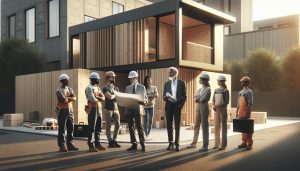
Renovating a modular home can breathe new life into your living space while being budget-friendly. Many homeowners feel that manufactured houses have limitations, but with the right upgrades, you can significantly enhance both the aesthetic and functionality of your home. Whether it’s updating outdated fixtures, refreshing flooring, or maximizing space with smart design choices, thoughtful renovations can make your home more comfortable and increase its value. In this guide, we’ll explore practical tips and affordable solutions that empower you to tackle your renovation project with confidence. From DIY strategies to budget considerations, this journey can transform your home into a stylish sanctuary without breaking the bank. Dive in to discover how simple upgrades can lead to extraordinary results!
Understanding Modular Home Renovation Basics
When it comes to renovating modular homes, understanding the unique construction and design aspects is crucial. Modular homes are built in sections in a factory, then transported and assembled on-site, which can influence the renovation process. This factory-built nature allows for a variety of customization options while also adhering to strict building codes. As a homeowner, it’s important to recognize both the strengths and limitations of your modular home. For instance, the base structure might be well-designed for quick renovations, but changing the layout can be more challenging due to pre-installed plumbing and electrical systems.
One significant advantage of modular homes is that they generally have lower renovation costs compared to traditional homes. This cost-effectiveness stems from streamlined construction methods, which can make updates more affordable without sacrificing quality. When planning your renovations, consider starting with projects that enhance both aesthetics and functionality. For example, updating flooring, painting walls, and enhancing lighting can transform the overall feel of your home. Basic improvements often yield high returns on investment, increasing both livability and home value.
Another aspect to keep in mind is the potential for expanding your living space. Many modular homes are designed with the possibility of adding new sections or features. This could mean building a deck or even an additional room to accommodate your family’s needs. Before diving into such projects, it’s wise to research local zoning laws and building permits, as these can vary significantly and impact your renovation plans. Think of your modular home not just as a dwelling, but as a canvas for creative improvements that reflect your personal style and enhance your quality of life.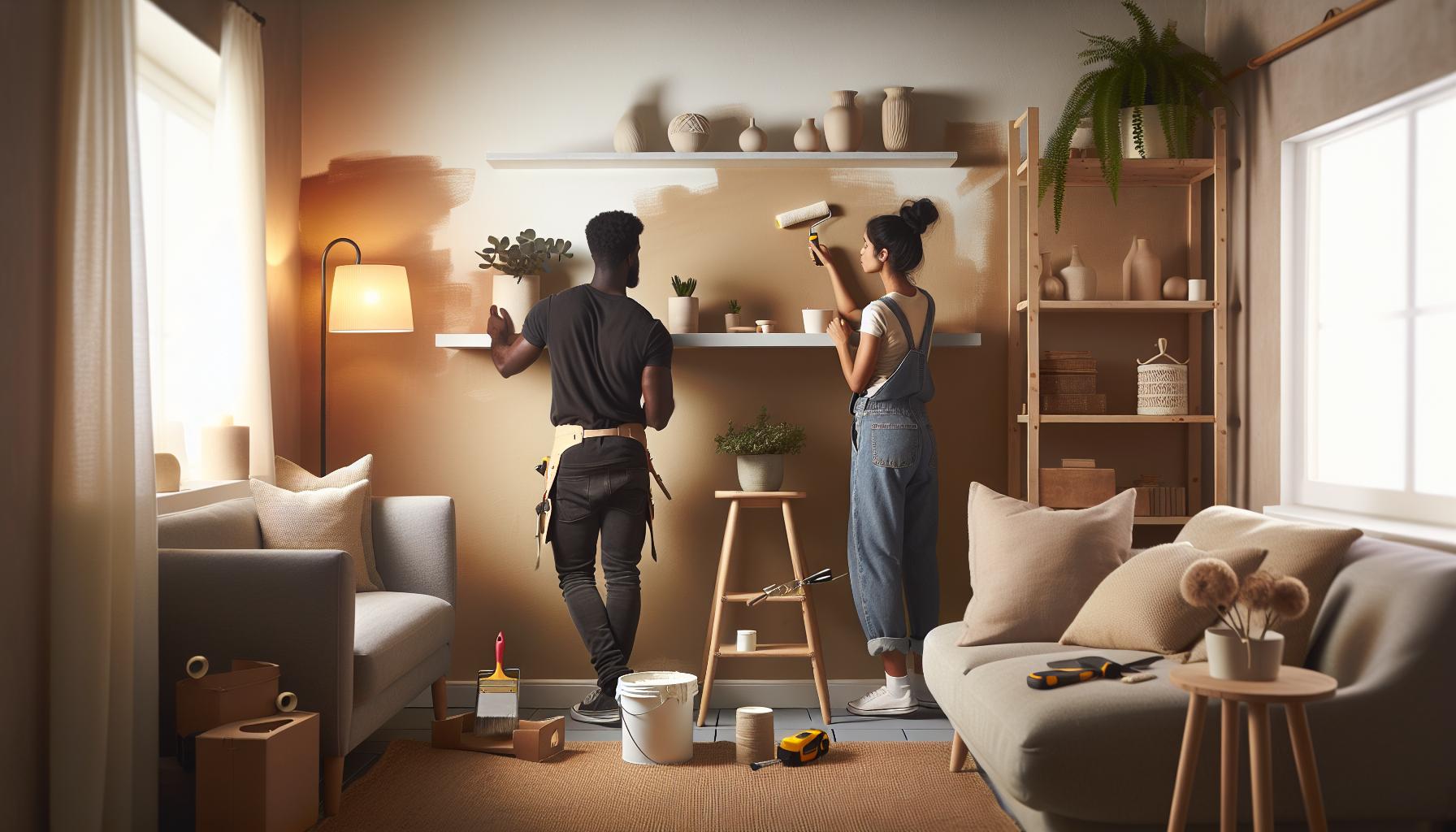
Essential Budget-Friendly Renovation Tips
When embarking on renovations for your modular home, keeping a keen eye on your budget can lead to impressive transformations without breaking the bank. Not only can strategic updates elevate your living experience, but they also enhance the overall value of your home. One effective approach is to focus on small, impactful changes that leave a lasting impression.
Begin with DIY projects that require minimal investment but can yield significant results. For instance, consider giving your cabinets a fresh coat of paint or upgrading hardware with more modern fixtures. These straightforward updates can instantly modernize the kitchen or bathroom. Another budget-friendly project is installing peel-and-stick backsplash tiles, which can rejuvenate your cooking space with color and style at a fraction of the cost of traditional tile installation.
Repurpose and Upcycle
Leverage creativity by repurposing existing materials. Look around your home for items that could be reinvented. Old doors can become trendy headboards or shelves, and salvaged wood can be fashioned into rustic furniture. Additionally, purchasing second-hand or thrift store finds can save money while adding unique character to your home. Don’t hesitate to hunt for bargains online on platforms like Facebook Marketplace, where you can often find like-new items for less.
Focus on Curb Appeal
Enhancing your home’s exterior can be one of the most cost-effective renovations. Simple tasks like painting the front door, adding potted plants, or updating your house numbers can create an inviting atmosphere that impresses guests and potential buyers alike. A well-maintained yard with fresh mulch or native plants can further increase your home’s attractiveness without requiring extensive landscaping.
By prioritizing projects that offer both aesthetic appeal and functionality, you can transform your modular home into a stylish and welcoming space. Each small change builds toward a larger vision, allowing you to celebrate your unique style while remaining mindful of your budget.
Creative Ways to Upgrade Modular Interiors
Creating a warm and inviting atmosphere in your modular home can be both fun and cost-effective. Small changes can make a big impact, and with a little creativity, you can significantly enhance your interiors without straining your budget. Consider fusing style with functionality through clever upgrades that reflect your personality and cater to your needs.
One effective approach is to utilize color and light to transform spaces. Painting walls in light, airy colors can make rooms feel larger and brighter, while adding color through accessories like rugs, throw pillows, and curtains can introduce warmth and character. For a more dramatic effect, consider an accent wall using bold paint or removable wallpaper, which allows for easy changes down the line. Utilizing mirrors not only enhances natural light but can also create the illusion of space, making your modular home feel open and welcoming.
Incorporating multifunctional furniture is another excellent way to upgrade your interiors. Invest in pieces that offer storage and utility, such as ottomans with hidden compartments or coffee tables with shelves. This not only helps declutter your space but also allows you to keep essentials easily accessible. Repurposing old furniture, like painting a worn-out dresser or reupholstering a chair, breathes new life into your home while saving money and reducing waste.
Finally, don’t overlook the potential for personalized decor. Create a gallery wall with photos or art that tells your story. This can instantly add character and make your home feel unique. Consider DIY projects like crafting your own wall art or decorative items using materials you already have, which can be both meaningful and budget-friendly. With these creative interior upgrades, your modular home will not only reflect your personal style but will also foster a cozy environment that you can truly call home.
Maximizing Curb Appeal on a Budget
Enhancing your home’s exterior is a powerful way to create a welcoming atmosphere and boost its overall market value. When it comes to modular homes, curb appeal can take many forms, and surprisingly, you don’t need to spend a fortune to achieve impactful results. A few strategic upgrades can significantly change how your home is perceived from the street, making it more inviting and aesthetically pleasing.
Start with the front door, which serves as the focal point of your home’s exterior. A fresh coat of paint in a vibrant color can breathe new life into a tired entryway. Pair this with new hardware-such as a stylish doorknob and doorbell-for an instant upgrade. Additionally, consider adding attractive house numbers, which not only improve curb appeal but also help with navigation.
Landscaping is another effective way to enhance exterior appeal without extensive renovation. Adding a few flowering plants or shrubs can create a vibrant look. Choose low-maintenance plants that thrive in your environment to keep upkeep easy. Use mulch or decorative stones to define flower beds, providing a clean appearance that enhances the overall landscape. Installing simple features like window boxes or hanging planters can also add charm without overwhelming your budget.
Lighting can transform the ambiance around your home, making it inviting even after sunset. Solar-powered garden lights along pathways or at the base of trees highlight your home’s outline and provide safety for guests. String lights over a porch or patio area can create a cozy atmosphere for evening gatherings. Look for budget-friendly options that fit your style, whether it’s classic lanterns or modern fixtures.
Lastly, don’t overlook the importance of cleanliness and maintenance. Simple actions such as pressure washing your home’s exterior, cleaning gutters, and tending to your yard can make a significant difference in appearance. Consider investing time in these upkeep tasks; keeping everything tidy ensures that your home always looks its best and maintains its charm.
Incorporating these cost-effective strategies can dramatically improve your modular home’s curb appeal, demonstrating that with a little creativity and effort, you can create a welcoming and attractive environment without breaking the bank.
Choosing Cost-Effective Materials for Your Renovation
Choosing the right materials for your renovation project can make a significant difference not only in the overall aesthetics of your modular home but also in your budget. With the variety of materials available today, selecting cost-effective options that do not compromise on quality is essential. Consider prioritizing materials that offer durability, ease of installation, and minimum maintenance requirements.
Types of Cost-Effective Materials
When it comes to flooring, opting for luxury vinyl planks or laminate can provide the look of hardwood without the hefty price tag. These options are not only affordable but also resilient, making them suitable for high-traffic areas. Additionally, they are easy to install, potentially saving you on professional installation costs. For wall coverings, consider using paint or peel-and-stick wallpaper. Both offer versatility and a wide range of design options while being easy to apply and remove when you’re ready for a change.
If you’re updating your kitchen or bathroom, think about using laminate countertops. They present several color choices and patterns that can mimic the look of expensive materials like granite or marble at a fraction of the price. Pair these with affordable yet stylish fixtures like stainless steel or brushed nickel to elevate your space without overspending. In terms of cabinetry, refurbishing existing cabinets with fresh paint and new hardware can provide a striking transformation for minimal cost.
Additional Material Considerations
Another essential factor is to seek materials that focus on sustainability, as they can often be more economical in the long run. For instance, energy-efficient windows may seem like an upfront investment, but they can significantly reduce your utility bills over time. Also, consider using recycled materials where possible, as they often come at a lower price point without sacrificing quality.
- Flooring: Luxury vinyl planks or laminate
- Wall treatments: Paint or peel-and-stick wallpaper
- Countertops: Laminate with stylish fixtures
- Cabinetry: Refurbish existing cabinets
- Windows: Energy-efficient options
By carefully selecting cost-effective materials, you can achieve a beautiful renovation that enhances your modular home’s value while being mindful of your budget. This thoughtful approach ensures that your living environment remains comfortable and stylish without breaking the bank.
Energy-Efficient Upgrades to Lower Utility Bills
There is a growing recognition of the importance of energy efficiency in our homes, especially as energy costs continue to rise. For modular homeowners, making energy-efficient upgrades not only helps reduce monthly utility bills but also enhances the overall comfort and value of the home. By focusing on specific upgrades, you can create a more sustainable living environment that benefits both your wallet and the planet.
Start by considering energy-efficient windows. New windows with double or triple glazing can significantly reduce heat loss during winter and keep your home cooler in the summer. Although the initial investment might seem substantial, the long-term savings on heating and cooling bills often make them worthwhile. Additionally, installing storm doors can further enhance efficiency by providing an extra layer of insulation and reducing drafts.
Another impactful upgrade is the installation of insulation. Many older modular homes may have gaps or insufficient insulation, especially around the roof, floors, and walls. Adding spray foam or fiberglass insulation can improve thermal performance, keeping your home comfortable year-round while decreasing heating and cooling costs. Make sure to check for any air leaks around windows and doors, sealing them with weather stripping or caulk as needed to minimize energy loss.
Consider updating your HVAC system as well. If your current heating and cooling system is outdated, investing in an energy-efficient model could result in substantial savings. Look for systems with the ENERGY STAR label, which indicates that they meet specific energy efficiency guidelines set by the U.S. Environmental Protection Agency. In addition, integrating a programmable thermostat allows you to manage energy consumption effectively, adjusting temperatures based on your schedule and reducing usage when you’re away.
Lastly, focus on energy-efficient lighting options. Replacing traditional incandescent bulbs with LED bulbs can lead to drastic reductions in energy use, as LEDs consume up to 80% less energy and last much longer. By making these changes, not only do you lower your energy bills, but you also contribute to a more environmentally friendly lifestyle.
These targeted upgrades are essential for financial savings and enhancing your modular home’s overall performance. Embracing energy efficiency will save you money and contribute to a healthier, more sustainable living space for years to come.
Renovation Projects That Add Value to Your Home
Investing in strategic renovations can significantly enhance the value of your modular home, making it not only more enjoyable to live in but also a lucrative asset if you ever decide to sell. Whether you’re looking to create a unique living space or maximize return on investment (ROI), understanding which projects yield the best results is essential. From aesthetic upgrades to essential repairs, renovations tailored to your modular home can attract potential buyers and improve overall livability.
Kitchen and Bathroom Upgrades
Renovations in kitchens and bathrooms are known to provide the highest return on investment. Consider updating countertops, appliances, and fixtures. Installing modern, energy-efficient appliances can be particularly appealing, as they not only enhance the look of the kitchen but also align with eco-friendly living standards. In bathrooms, replacing old vanities, faucets, and lighting fixtures can create a fresh, inviting atmosphere. Additionally, adding storage solutions such as cabinets or shelves helps maximize space, which is crucial in smaller modular homes.
Enhancing Outdoor Spaces
Curb appeal is the first impression potential buyers receive, making it vital to invest in your home’s exterior. Simple enhancements, such as fresh paint, new siding, or updated landscaping, can dramatically increase allure. Constructing a deck or patio offers added outdoor living space, ideal for relaxation or entertainment, thereby extending the functional space of your home. Adding decorative elements like pathways, outdoor lighting, and fencing can create a polished look and should not be overlooked.
Energy Efficiency Improvements
Modern buyers are increasingly valuing energy efficiency, so renovations that focus on this aspect can significantly boost property value. Consider installing energy-efficient windows and doors, superior insulation, and updated heating and cooling systems. These upgrades not only lower utility bills but also enhance comfort, making the home more sustainable in the long run. Incorporating smart home technology for heating, cooling, and lighting is another attractive feature that appeals to the modern homeowner.
Smart Technology and Maintenance
Integrating smart home technology can set your modular home apart from others on the market. Features such as intelligent thermostats, smart lighting, and advanced security systems appeal to tech-savvy buyers. Furthermore, ensuring that all major systems (plumbing, electrical, and HVAC) are in excellent condition can add substantial value. Regular maintenance, including roof repairs, foundation checks, and pest control, should not be neglected, as they prevent larger issues down the line and instill confidence in potential buyers regarding the home’s upkeep.
By prioritizing renovations that improve aesthetics, functionality, and energy efficiency, you can enhance your modular home’s value while increasing your enjoyment of the space. Embrace the unique opportunities that modular living offers, and take steps toward maximizing your investment today.
DIY vs. Professional Help: Making the Right Choice
Deciding whether to tackle home renovations on your own or hire a professional can significantly impact both the process and outcome of your project. Many modular homeowners find themselves weighing the balance between potential cost savings and the quality or feasibility of the work involved. DIY renovations can be rewarding and economical, allowing you to infuse personal flair into your home while keeping a close handle on expenses. However, not all projects are suited for novice hands, and understanding your limitations is key.
When considering DIY renovations, start with projects that match your skill level. Simple upgrades like painting, landscaping, or installing new hardware are manageable for most and can significantly enhance your home’s appearance without requiring professional assistance. On the other hand, tasks that involve structural changes, electrical work, or plumbing require specialized knowledge and tools. Mistakes in these areas can lead to safety hazards or costly repairs down the road. Therefore, for complex projects, hiring a professional is often the wiser choice, particularly when it involves ensuring compliance with local building codes and regulations.
To ensure you’re making the best decision, assess your budget and timeline. A DIY approach might seem more budget-friendly initially, but factor in the potential cost of tools, materials, and time. If a project drags on longer than expected, the costs could accumulate, possibly outweighing what you would have spent on hiring an expert. Conversely, professional contractors bring experience and efficiency, reducing the time required to complete the job and often delivering higher-quality results that can command better market value for your home.
In conclusion, a hybrid approach can also be effective: consider hiring professionals for critical aspects of your renovation while handling simpler tasks yourself. This not only minimizes costs but also allows you to maintain engagement in the transformation of your modular home. By assessing your strengths, limitations, and desired outcomes, you can create a well-rounded renovation strategy that enhances your living space while aligning with your budget and lifestyle goals.
Financing Your Modular Home Renovation
Financing a renovation for your modular home can initially feel daunting, but with the right approach, you can find manageable solutions that fit your budget and increase your home’s value. One key consideration is to assess your overall renovation goals, as this will influence your financing options. Whether you plan to undertake minor updates or a complete overhaul, understand that there are multiple pathways to secure funding for your project.
Explore Your Financing Options
One of the most accessible methods for modular homeowners is to consider personal loans. These loans can provide funds quickly and typically come with fixed repayment terms, making them suitable for smaller renovations. Home equity loans or lines of credit are particularly advantageous if your home has appreciated significantly since purchase. By tapping into your home equity, you can secure a larger sum at a potentially lower interest rate, facilitating more extensive renovations.
You might also explore specialized financing programs dedicated to modular homes, which can offer attractive interest rates and terms. Federal Housing Administration (FHA) loans are an option for qualified purchasers and can be used specifically for home improvements. Additionally, state or local government programs might provide financial assistance or incentives for energy-efficient upgrades, allowing you to reduce costs while improving your home’s efficiency.
Budget Wisely
Before committing to any financing option, it’s crucial to create a detailed budget for your renovation. Itemize costs associated with materials, labor, and potential unexpected expenses. This clarity will help you determine how much you need to borrow and what you can realistically afford to repay. Consider its impact on your monthly budget so that renovations do not strain your finances in the long run.
Equally important is to maintain good credit, as a higher credit score can yield better loan terms. If your score is less than stellar, consider taking steps to improve it before seeking financing. This can include paying down debts or ensuring timely payments on existing loans. The effort can pay off significantly in terms of the amount you’ll end up borrowing and the interest rates you’ll face.
Professional Help and Resources
Don’t hesitate to leverage professional advice when determining your financing options. Financial advisors or construction consultants specializing in manufactured housing can provide insights tailored to your needs. They can guide you through the nuances of loans and budgeting that are unique to modular homes.
In conclusion, is an achievable goal with the right strategies in place. By exploring loan options, budgeting effectively, and consulting experts, you can create a plan that not only meets your needs but helps elevate your home’s comfort and market value.
Legal Considerations for Renovating Modular Homes
Renovating a modular home can breathe new life into your living space, but it’s essential to navigate the legal landscape to ensure a smooth process. Each state has its own regulations governing modular homes, which can vary significantly. Familiarizing yourself with zoning laws, building codes, and permits in your area is crucial to avoid potential legal pitfalls. Many municipalities require homeowners to obtain permits before beginning any renovation work, which may include significant structural changes, adding square footage, or even interior remodeling. Failing to secure the proper permissions can lead to fines, mandatory restorations, or difficulties when selling the property later on.
When planning renovations, consider checking if your home is part of a community with specific rules, such as a homeowners association (HOA). HOAs often have strict guidelines regarding exterior alterations, landscaping, and use of common areas, which must be adhered to along with any state or local laws. It is advisable to obtain approval from the HOA before starting any renovation work, as their policies may impact your project timelines and design choices.
Another important aspect to consider involves your home’s existing warranty and insurance policies. Many renovations might void your original warranty if they involve structural changes or the use of non-approved materials. Before beginning any updates, reach out to your warranty provider and insurance agent to ensure that your renovations won’t compromise your coverage. This proactive approach can save you considerable stress and financial loss should any issues arise during or after your renovation project.
Finally, when hiring contractors or subcontractors, ensure they are licensed and insured in your state. This reduces your liability in the event of accidents on your property. Requesting written contracts detailing the scope of work, timelines, and payment terms can provide added protection. Keeping thorough documentation will also serve you well if any disputes arise. By understanding and addressing these legal considerations, you can focus on transforming your modular home into a space that fits your vision while avoiding potential challenges.
Planning for Future Renovations: What to Know
When considering renovations for your modular home, it’s beneficial to adopt a forward-thinking approach. Not only will this mindset streamline your current projects, but it will also set the stage for future enhancements. Modular homes, while flexible in design, also come with unique attributes that allow for creative renovations, making it vital to plan with longevity and adaptability in mind.
Start by assessing your home’s existing structure and layout. Determine which spaces are most functional and where modifications can significantly improve your living experience. Think about how changes you make today could harmonize with potential future renovations. For instance, if you’re updating the kitchen, consider how that new layout might influence future expansions or openings into living or dining areas. This layered approach to renovations will save you time, money, and effort in the long run, as you can avoid revisiting areas that could have been integrated more effectively.
Utilize your budget wisely by prioritizing sustainable upgrades that not only appeal to your aesthetic desires but also enhance energy efficiency. Modular homes can benefit greatly from improvements like better insulation or energy-efficient windows and doors. These upgrades can lead to lower utility bills and higher comfort levels over time. Additionally, consider the resale potential of your renovations; opting for universally appealing designs, such as neutral paint colors, durable materials, and energy-efficient appliances, can make a difference when it’s time to sell.
Lastly, keep in mind that the modular home community is growing, with many homeowners recognizing the value of modular living. This trend means that property values are on the rise in many areas. Therefore, planning for future renovations not only enhances your current home life but also positions your investment favorably for the future. By taking these proactive steps, you can ensure that your modular home remains a beautiful, functional, and valuable asset for years to come.
Frequently asked questions
Q: How can I budget for renovating a modular home?
A: To budget for renovating a modular home, start by listing all potential projects and their estimated costs. Consider prioritizing upgrades that provide the most value, such as essential repairs and energy-efficient improvements. Use a spreadsheet to track expenses, and include a contingency fund of at least 10-15% for unexpected costs.
Q: What are some DIY renovation projects for modular homes?
A: DIY renovation projects for modular homes include painting, landscaping, and upgrading fixtures. Focus on tasks like replacing cabinet hardware or installing new light fixtures, which can enhance aesthetics without extensive costs. Refer to the “Creative Ways to Upgrade Modular Interiors” section for more ideas on DIY projects.
Q: Are there financing options specifically for modular home renovations?
A: Yes, financing options for modular home renovations include personal loans, home equity loans, and specialized renovation loans. Research lenders who offer attractive rates tailored for modular homes. It’s advisable to consult the “Financing Your Modular Home Renovation” section for detailed insights on available options.
Q: How can I increase the resale value of my modular home?
A: To increase your modular home’s resale value, focus on energy-efficient upgrades, modernizing kitchens and bathrooms, and improving curb appeal. Investing in quality materials and maintaining a clean, inviting outdoor space can significantly attract prospective buyers.
Q: What are cost-effective materials for modular home renovations?
A: Cost-effective materials for modular home renovations include laminate flooring, recycled materials, and pre-owned fixtures. Explore local building supply stores or online marketplaces for budget-friendly options. The section on “Choosing Cost-Effective Materials for Your Renovation” presents various affordable choices.
Q: How do I choose between DIY and professional help for renovations?
A: Choosing between DIY and professional help hinges on your skill level, project complexity, and time availability. Assess whether a project aligns with your capabilities; if it’s overwhelming, hiring a professional may be wiser. Check the “DIY vs. Professional Help: Making the Right Choice” section for guidance.
Q: What are some energy-efficient upgrades for modular homes?
A: Energy-efficient upgrades for modular homes include installing LED lighting, upgrading insulation, and replacing outdated windows with energy-efficient models. These improvements can lower utility bills while enhancing comfort. For detailed advice, see the “Energy-Efficient Upgrades to Lower Utility Bills” section.
Q: What legal considerations should I be aware of when renovating a modular home?
A: Legal considerations when renovating a modular home include obtaining necessary permits, adhering to local building codes, and checking zoning regulations. Consulting the “Legal Considerations for Renovating Modular Homes” section can help ensure compliance throughout your renovation process.
Closing Remarks
As you embark on your journey to renovate a modular home with budget-friendly upgrades, remember that every small improvement not only enhances your living space but also boosts its value. Whether you’re considering DIY projects or searching for cost-effective materials, take action now to create a home that reflects your personality and style. For more insights, check out our guides on funding your renovation and maintenance tips for modular homes.
Don’t hesitate to share your renovation experiences or ask questions in the comments below-we’re here to support your journey! If you’re ready to explore additional resources, consider signing up for our newsletter for the latest tips and expert advice on mobile and modular home living. Your dream renovation is just a step away; let’s elevate your home together!