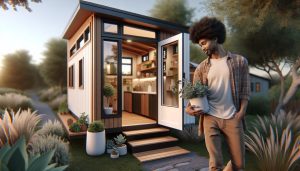
Painting the walls of your mobile home is not just about aesthetics; it’s a powerful way to transform your space and make it feel more like home. With the right techniques and materials, you can elevate your interiors, infusing them with personality and warmth without breaking the bank. Whether you’re looking to refresh tired walls or completely reimagine your living environment, a well-executed paint job can significantly enhance both comfort and value.
In this guide, we’ll explore the step-by-step process for painting mobile home walls, focusing on practical tips and best practices to achieve a professional finish. From selecting the right paint to prepping your surfaces, every detail counts. Let’s dive in and unlock the potential of your mobile home, creating a space that reflects your unique style and meets your needs.
Choosing the Right Paint for Mobile Home Walls
can dramatically transform your living space, making it feel fresh and inviting. With various materials and conditions that mobile homes often present, selecting the proper paint is essential for both aesthetics and longevity. Typically, the walls of mobile homes are made of materials such as drywall, wood paneling, or vinyl, each necessitating specific paint types.
For drywall surfaces, an interior latex or acrylic paint is recommended, as it provides good coverage and durability. When addressing wood paneling, opt for paints with a built-in primer to enhance adhesion and minimize the need for additional steps. If your mobile home features vinyl walls, using a specially formulated paint that adheres effectively to non-porous surfaces is crucial. This will ensure a lasting finish that withstands the challenges of changing temperatures and humidity levels.
It’s also vital to consider the durability of the paint you choose. Look for finishes that are washable and scrubbable, especially in high-traffic areas where walls are prone to scuffs and stains. Consider finishes like satin or eggshell, which not only provide a touch of sheen but also offer better durability compared to flat finishes. Additionally, brands that highlight low VOC (Volatile Organic Compounds) options are excellent for maintaining better indoor air quality, making your home environment healthier and more comfortable.
Finally, think about color selection and how it interacts with natural light, space dimensions, and your personal style. Lighter colors can help create a sense of openness, which is particularly beneficial for smaller spaces, while bolder hues can add character and warmth. Whatever your choice, ensure it resonates with your taste and enhances the lived experience within your mobile home.
Preparing Your Walls for a Flawless Finish

To achieve a flawless finish on your mobile home walls, meticulous preparation is key. Properly prepping the surfaces can greatly impact the overall result, leading to a smooth application that not only looks beautiful but also lasts longer. This process involves several essential steps that address surface conditions, imperfections, and cleanliness, ensuring that your new paint adheres effectively and evenly.
Start by thoroughly cleaning the walls to remove dirt, grease, and other contaminants. You can use a mixture of mild soap and water, washing down each section with a sponge or cloth. Pay special attention to high-touch areas and corners where dust and grime tend to accumulate. Once the walls are clean, rinse them with clean water and allow sufficient time for drying.
Next, inspect the walls for any cracks, holes, or imperfections. Filling these gaps is crucial to achieving that sleek look. Use a high-quality spackle or joint compound to smooth out any blemishes. After applying, let it dry completely before sanding the repaired areas until they are flush with the surrounding surface. A sanding block or sponge is helpful here; this not only removes excess material but also creates a smooth surface for painting.
If your walls are painted in a darker color and you’re planning to go lighter, consider priming the walls first. A primer not only enhances adhesion but also ensures that the topcoat’s color appears vibrant and even. Choose a primer specific to the wall material; for example, a latex primer works best for drywall, while an oil-based primer may be necessary for wood or vinyl surfaces. Once the primer is dry, lightly sand it to eliminate any texture before applying the final coat of paint.
Lastly, ensure that your workspace is tidy. Move furniture away from the walls and cover the floor with drop cloths to protect against spills. Also, mask off edges and trim with painter’s tape to create clean lines and avoid overspray. By taking the time to prepare your walls thoroughly, you set the foundation for a professional-looking paint job that will enhance the longevity and beauty of your mobile home.
Step-by-Step Guide to Painting Mobile Home Walls
Starting a painting project in your mobile home can be a fulfilling endeavor that transforms your space and adds a personal touch. To ensure a successful outcome, follow this step-by-step guide that outlines each critical phase of the painting process, from selecting the right tools to the final touches.
Begin by gathering all necessary supplies. You’ll need high-quality paint that suits your walls-be it drywall, plaster, or paneling-as well as brushes, rollers, painter’s tape, and drop cloths to protect your floors. Choose paint specifically formulated for mobile homes, which can withstand the unique humidity and temperature fluctuations common in these environments. Ensure that your primer matches the wall material; latex primers are generally best for drywall, while oil-based options suit wood or vinyl.
Next, prepare your walls thoroughly. As outlined previously, clean the surfaces diligently to remove dust and grime. Inspect for any visible imperfections like cracks or holes, and fill these with spackle or joint compound. After allowing it to dry, sand the filled areas smoothly. This step is crucial because any blemish will become more pronounced once painted over. If you’re changing from a darker color to a lighter one, applying a coat of primer is highly recommended to ensure the finish is even and vibrant.
Once your walls are primed and dried, it’s time to start painting. Use painter’s tape to mask off areas where you do not want paint, such as trim and outlets. Start with the edges and corners using a brush, then move on to larger surfaces with a roller. For a seamless look, apply paint in a consistent direction and ensure coverage in a wet-to-dry manner-this helps prevent marks or uneven patches. Typically, two coats are recommended for a durable finish, allowing adequate drying time in between.
After your walls are painted and the final coat has dried, remove the painter’s tape with care to avoid peeling off any paint. Take a step back to assess your work; touch up any areas that need attention, and consider adding decor elements that complement your freshly painted walls, such as framed art pieces or shelving. This thoughtful approach to your painting project will not only enhance your mobile home’s aesthetics but also create an inviting atmosphere that reflects your personal style.
Essential Tools for Painting Like a Pro

Embarking on a painting project in your mobile home can be akin to setting the stage for a transformative experience, where the right tools make all the difference. Just as a musician needs their instruments to perform a masterpiece, having the essential painting tools is crucial for achieving professional results. In a mobile home, where walls can vary from drywall to vinyl paneling, the specifics of your tools will vary, but certain key items remain fundamental for every successful job.
To start, high-quality paint designed for mobile homes is essential. Look for products that specifically mention suitability for the unique conditions of mobile houses, which often deal with high humidity and varied temperatures. Your choice of primer will also play a crucial role; for drywall, a latex primer is generally preferred, while oil-based options work best for wood or vinyl.
Next, gather a variety of brushes and rollers. Having several sizes will help you reach tight corners and larger wall areas effectively. Synthetic brushes are best for latex paints, providing a smooth finish, while rollers with a medium nap are ideal for achieving coverage without leaving excessive texture. Don’t forget the paint trays to hold your paint and to keep things manageable.
A reliable set of painter’s tape is a must to create clean lines and protect edges, while drop cloths or old sheets should be utilized to safeguard your flooring from drips and spills. Additionally, a ladder or step stool can be invaluable in reaching higher areas, ensuring no corner goes unpainted.
Lastly, consider tools for preparation and clean-up. Install a scraper for removing any old paint or blemishes before starting. Once you’re finished, have soap and water or appropriate paint thinners ready for cleaning your brushes and rollers. Equipping yourself with these tools not only facilitates a smoother painting process but also empowers you to undertake your project with confidence, ensuring that your mobile home reflects your individual style beautifully.
Techniques for Achieving a Smooth Paint Application

Achieving a smooth paint application on mobile home walls is essential to creating a polished and professional look. The quality of your finish is often determined by the techniques you employ during the painting process. To start, the temperature and humidity of your workspace can significantly affect your paint’s consistency and drying time, so aim to paint in mild weather if possible. Prepare your paint properly by stirring it well to eliminate any lumps or bubbles that could cause imperfections.
Using the right technique with your brushes and rollers is crucial. For larger areas, opt for a roller with a medium nap to cover more surface quickly while giving a smoother finish. When using a roller, apply the paint in a “W” motion-this minimizes streaks and creates an even coat. For corners and edges, use a good-quality angled brush. This allows for more control and precision, especially near trim or where the wall meets the ceiling. Remember, applying multiple thin coats is preferable to a single thick one, as it reduces the risk of drips and allows each layer to dry properly before applying the next.
Another technique to enhance the smoothness of your application is to consider using a paint conditioner. This additive can improve the flow of the paint, making it easier to spread and reducing brush or roller marks. After painting, inspect your walls for any imperfections once they have dried completely. Should you find any rough spots or drips, sand these areas lightly with fine-grit sandpaper, then touch up with a small brush before the final coat.
Finally, proper clean-up and maintenance of your tools can also lead to smoother results on future projects. Clean your brushes and rollers thoroughly after each use to ensure they remain in top condition, preventing bristles from sticking together and causing rough applications. With these techniques, you’ll not only achieve a smooth finish but also gain confidence and skill in transforming your mobile home’s walls into a beautiful personal space.
Color Selection Tips to Transform Your Space
Choosing the right colors for your mobile home walls can transform the entire atmosphere of your space, turning a standard living area into a personal oasis. The power of color psychology means that different hues can evoke varying emotions and energies; for example, soft blues and greens can create a serene environment, while bold reds and yellows add vibrancy and warmth. Consider how you want to feel in each room-this can guide your choices significantly.
When selecting colors, it’s crucial to take into account the natural lighting of your home. Light can drastically change how a color appears at different times of the day. If your mobile home receives abundant daylight, a color that looks dazzling in bright sunlight might appear harsh in low light. It can be beneficial to test paint samples on the walls before committing; this allows you to see how the colors interact with the light in your space. Additionally, consider the size of your rooms-lighter shades can make smaller areas feel more spacious, while darker colors can create a cozy, intimate vibe in larger spaces.
Another effective approach is to think about color combinations that complement existing features in your home, like flooring and cabinetry. Utilize a cohesive color palette throughout your mobile home to promote a sense of flow. You might choose a neutral base with pops of color in accent walls or decor elements. This balance ensures that your space feels unified while still allowing for personal expression.
Finally, don’t forget about trends and personal style. Incorporate elements that resonate with your tastes-be it bohemian, minimalist, or rustic. Consider finding inspiration in nature, seasonal palettes, or even artwork that you love. You can also look for current color trends that may elevate your design; colors like muted earth tones and pastel shades have been popular choices for homes that seek to feel fresh yet timeless. By carefully considering your selections, you’ll create an inviting, stylish environment that truly feels like home.
Maintenance Tips for Long-lasting Painted Walls
When it comes to maintaining the freshly painted walls of your mobile home, a few simple habits can extend the life of your paint job significantly and keep your living space looking its best. Routine care not only preserves the aesthetic appeal but also protects your investment in the long run.
One effective way to maintain the quality of your painted walls is through regular cleaning. Dust and grime can accumulate quickly, especially in areas of high traffic. Use a gentle cleaner or a mixture of warm water and a mild dish soap to wipe down your walls periodically. A soft microfiber cloth is ideal, as it won’t scratch the paint surface. For stubborn stains or marks, a blend of baking soda and water can act as a gentle abrasive without damaging the paint. Consistent cleaning helps prevent dirt from becoming ingrained in the surface, which can ultimately dull your walls over time.
Another crucial aspect is humidity control. High humidity levels can cause paint to peel or blister, particularly in areas like kitchens and bathrooms. Consider using exhaust fans or dehumidifiers to keep moisture at bay. Additionally, if you live in a particularly humid climate, selecting a high-quality exterior paint designed for moisture resistance can provide an extra layer of protection.
It’s also important to touch up any scuffs or chips right away to prevent further damage. Keeping a small amount of your wall paint on hand for quick fixes can save you from having to repaint entire sections later. This proactive approach not only maintains the beautiful appearance of your walls but also reinforces the longevity of the paint job.
Lastly, be mindful of how you arrange furniture and decor. Allowing for a small space between the walls and furniture not only helps with airflow but also minimizes scuffing and scratches when moving items around. By implementing these maintenance tips, you can ensure that your painted walls remain vibrant and fresh for years to come, enhancing the overall ambiance of your mobile home.
Common Mistakes to Avoid When Painting
When embarking on a painting project for your mobile home, it’s essential to be aware of common pitfalls that can hinder your results. Many first-time painters may approach the task with enthusiasm but overlook crucial steps that can lead to unsatisfactory finishes or additional work down the line. Avoiding these mistakes not only enhances the quality of your paint job but also saves you time and money.
One of the most frequent errors is neglecting to properly prepare the walls before painting. Skipping this step can lead to issues such as peeling paint or uneven coverage. It’s vital to clean the surfaces thoroughly to remove dust, grease, and old paint residues. Additionally, patching up any holes or imperfections creates a smoother surface for the new paint. Using primer is also a key step, especially for mobile homes, as it ensures better adhesion and helps in dealing with stains or different wall materials.
Another common mistake is choosing the wrong type of paint. Mobile homes often have unique materials like vinyl or laminate, which require paint that adheres well to these surfaces. Using interior paint in high-humidity areas such as kitchens and bathrooms can result in peeling and mold growth. Opt for high-quality, moisture-resistant paints designed specifically for mobile homes to ensure your walls withstand the test of time.
Timing and environmental factors also play a significant role in achieving a great finish. Painting in extreme temperatures or high humidity can lead to problems such as slow drying times and a tacky finish. Ideally, aim to paint when the weather is mild, and humidity is low, allowing the paint to cure properly. Consider checking the weather forecast before starting your project to identify optimal conditions.
Lastly, many DIY painters underestimate the importance of using the right tools. Investing in quality brushes and rollers will yield a much smoother application than lower-cost options. Additionally, using painter’s tape to safeguard trim and edges can help you achieve crisp lines, enhancing the overall look of your work. By being mindful of these common mistakes and making the necessary adjustments, you can successfully transform your mobile home walls into a beautiful living space that showcases your style and personality.
How to Paint Textured or Panel Walls
Painting textured or panel walls in a mobile home can transform an outdated space into a stylish, contemporary environment. This task, while seemingly daunting, becomes manageable with the right approach and understanding of the materials involved. Whether you’re dealing with popcorn ceilings, textured walls, or traditional paneling, knowing how to navigate these surfaces effectively can enhance your home’s aesthetics significantly.
To start, it’s crucial to choose the right primer and paint. For textured surfaces, a thicker paint that includes a built-in primer is often ideal, as it helps fill in the grooves and creates a uniform finish. A high-quality acrylic latex paint works well for most textured surfaces, providing durability and moisture resistance. If your walls have a high texture, using a spray roller or airless sprayer can help distribute the paint more evenly over the uneven surfaces, ensuring that the paint gets into all the crevices.
Preparation is paramount. Before beginning, ensure the walls are clean, dry, and free of any debris. This may involve washing the surfaces with a mixture of water and mild detergent, followed by a thorough rinse. If your panel walls have any damaged areas, you might want to fill them with a suitable joint compound. Once the walls are prepped, apply a layer of primer to help the paint adhere better and to block any stains that could bleed through.
For application, consider a two-step technique: start by applying paint with a brush in the grooves of the texture, then follow with a roller for the broader surfaces. This method ensures that you achieve full coverage without losing the texture’s effect. An alternative option is to use a texture roller, which can help reproduce or enhance the existing texture while applying the paint.
Finally, don’t underestimate the power of detail work. Take your time to carefully paint edges and corners with a smaller brush or paint pen, which can help avoid overspray and create clean lines. When done correctly, painting textured or panel walls can lead you to a beautiful transformation that refreshes your mobile home, showcasing your personal style while maintaining its integrity.
DIY Decor Ideas After Painting Your Walls
Transforming your mobile home doesn’t stop at painting the walls; it’s the perfect opportunity to infuse your personality and style through decor. Once your walls are freshly painted, a few well-chosen decor elements can elevate the entire space. Start by layering textures; consider adding soft, plush throw pillows and cozy blankets in complementary colors to your newly painted walls. This invites warmth and comfort, making your home feel more inviting.
Incorporate artwork that resonates with your taste. A gallery wall featuring framed prints, family photos, or original art adds depth and character to the room. Choose frames that harmonize with your wall color; for instance, a crisp white frame can look stunning against deep-colored walls, while rustic wooden frames could enhance lighter hues. Don’t forget about plants; greenery can liven up your space, bringing in freshness and a touch of nature. Use stylish pots that match or contrast with your paint color for a cohesive yet dynamic look.
Implementing lighting can also dramatically change the ambiance. Wall sconces or strategically placed table lamps with warm bulbs can create a cozy glow, perfect for evening relaxation. Consider accentuating architectural features with accent lighting or using string lights to add a whimsical feel to your decor.
For more customized touches, explore DIY decor projects, such as creating your own wall hangings or decorative shelves. Using leftover paint can breathe new life into old furniture pieces, allowing you to coordinate them with your newly painted walls, creating a harmonious flow throughout your space. Each of these simple decor ideas not only enhances the aesthetics of your mobile home but also showcases your unique style while maintaining a tailored feel across the entire living space.
Refreshing Your Mobile Home Aesthetics on a Budget
Creating a fresh and inviting aesthetic in your mobile home doesn’t have to break the bank. With some creativity and a few budget-friendly strategies, you can make notable changes that enhance the look and feel of your space. The foundation is laid when you begin with well-painted walls, as they set the tone for everything else in your home. From there, small, thoughtful updates can turn a simple room into a stylish retreat.
To start, consider focusing on decor that is both affordable and impactful. Thrift stores, garage sales, and online marketplaces can be treasure troves for unique items that bring character to your space. Look for vintage frames, quirky wall art, or decorative mirrors that reflect light and create an illusion of depth, making your interiors feel larger. Pair these pieces with mood-setting items like candles or fairy lights, adding a touch of warmth and coziness that is perfect for evenings at home.
Another excellent way to elevate your mobile home aesthetically on a budget is through textiles. Updating your curtains, throw pillows, and area rugs can completely shift the ambiance of your room. Opt for colors and patterns that complement your freshly painted walls to create a cohesive look. Consider seasonal changes as well; swapping textiles can instantly refresh your decor without a significant investment. Additionally, you can easily make DIY cushion covers or even repurpose old fabric into unique pieces, providing a fun weekend project that also saves money.
Lastly, don’t underestimate the power of indoor plants. Not only do they enhance visual appeal, but they also contribute to better indoor air quality. You can start small with easy-to-care-for options like succulents or snake plants, which are affordable and thrive in various environments. Group plants at different heights on shelves or tables to create interesting displays that draw the eye and promote a lively atmosphere.
With these budget-friendly tactics, transforming the aesthetics of your mobile home becomes an enjoyable project that validates your style and living space. Embrace the process, and remember that small changes can lead to beautiful and welcoming results.
Safety Precautions When Painting Indoors
When planning to paint indoors, especially in the confined spaces of mobile homes, prioritizing safety is essential for a successful project. Ventilation is key; ensure that your work area is well-ventilated by opening windows and using fans to circulate air. This strategy not only helps dissipate fumes but also minimizes the risk of exposure to harmful chemicals found in many paint products. Always check the Material Safety Data Sheet (MSDS) for the specific paint you are using to understand any hazards and necessary precautions.
Before you start, gather the appropriate personal protective equipment (PPE). Wearing gloves, goggles, and a mask or respirator can protect you from respiratory hazards and skin irritations. If using spray paint or working in poorly ventilated areas, consider a respirator with a filter rated for organic vapors for extra safety. Additionally, make sure to wear old clothes or a painter’s jumpsuit to avoid getting paint on your everyday attire.
It’s wise to remove furniture, decor, and other valuables from the area or cover them with a drop cloth to protect them from spills and splatters. If you must leave items in the room, secure them well and consider using painter’s tape to shield edges and areas that shouldn’t be painted. Also, keep a first aid kit handy in case of accidents; being prepared adds an extra layer of peace of mind while you’re busy transforming your home.
Finally, have a fire extinguisher readily accessible when working with paints and solvents, particularly oil-based ones. Review the local fire codes and guidelines for storing flammable materials safely and dispose of any paint cans or rags properly after completion, as they can pose fire risks if not handled correctly. By adopting these safety measures, you can focus on transforming your mobile home while ensuring a secure and healthy environment for you and your household.
Frequently asked questions
Q: What types of paint are best for mobile home walls?
A: The best paint for mobile home walls is typically latex-based, as it provides excellent adhesion, flexibility, and lower odor. Look for paints specifically formulated for manufactured homes to ensure durability and compatibility with the wall material. Explore brands recommended for mobile homes in the article’s section on choosing the right paint.
Q: How can I prepare mobile home walls for painting?
A: To prepare mobile home walls for painting, start by cleaning the surfaces with a mild detergent to remove dirt and grease. Repair any holes or cracks with caulk or filler and sand the surface lightly to promote adhesion. This preparation ensures a smooth finish and long-lasting results, as detailed in the preparation section of the article.
Q: What tools do I need for painting mobile home walls?
A: Essential tools for painting mobile home walls include a high-quality roller and a brush for corners, painter’s tape to protect edges, a drop cloth to cover floors, and a paint tray. A ladder may also be necessary for higher walls. Reference the section on essential tools in the article for more details.
Q: How do I avoid common mistakes when painting mobile home walls?
A: Avoid common mistakes by ensuring proper wall preparation, using quality paint, applying multiple thin coats rather than one thick coat, and allowing adequate drying time between coats. Also, be cautious about using the wrong brush or roller type; consult the article for more tips on mistakes to avoid.
Q: Can I paint over textured or panel walls in my mobile home?
A: Yes, you can paint over textured or panel walls, but proper preparation is crucial. Clean the surface, apply a primer designed for the material, and use a roller designed for textured surfaces. For detailed guidance, check the article’s section on how to paint textured or panel walls.
Q: What safety precautions should I take when painting indoors?
A: When painting indoors, ensure proper ventilation by opening windows and using fans. Wear a mask to prevent inhalation of paint fumes and use goggles to protect your eyes. It’s also wise to take precautions against slips by covering floors. Review the safety precautions section in the article for a comprehensive list.
Q: How long does paint last on mobile home walls?
A: The lifespan of paint on mobile home walls varies based on the type of paint used, the wall condition, and maintenance. With proper application and regular upkeep, paint can last anywhere from five to ten years. Refer to the article’s maintenance tips for extending the longevity of your painted walls.
Q: What is the best way to clean painted mobile home walls?
A: To clean painted mobile home walls, use a soft sponge with warm water and a mild detergent. Avoid harsh chemicals that could damage the paint. For tougher stains, a mixture of water and vinegar can work well. For more cleaning tips, see the maintenance section of the article.
To Wrap It Up
Congratulations on taking the first step to transform your mobile home’s walls! By following the techniques shared in “How to Paint Mobile Home Walls: Transform Your Space Like a Pro,” you can enhance your living environment and add significant value to your home. Remember, painting isn’t just a cosmetic upgrade; it’s a smart investment in your home’s appeal and functionality. If you have any concerns about paint types or evidence of wear on your walls, check out our articles on maintaining your mobile home’s interior and choosing the right finishes for durability.
Ready to dive deeper? Explore our guides on mobile home maintenance and renovation tips to help you make the most of your space. Don’t forget to sign up for our newsletter for fresh ideas and expert advice delivered straight to your inbox. Your dream space is just a brush stroke away-so get painting and share your progress with us in the comments below! Your journey inspires others, and together, we can celebrate the beauty of mobile home living.