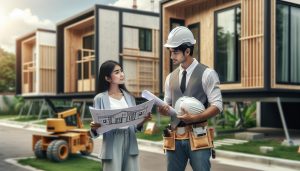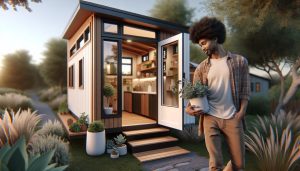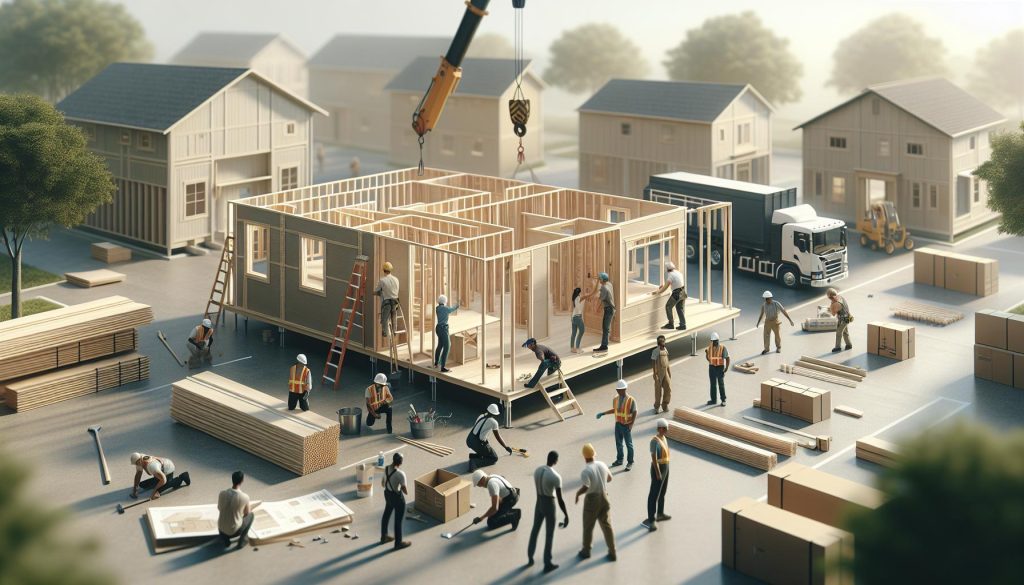
Setting up a modular home is not just about construction; it’s about creating a safe, comfortable haven tailored to your lifestyle. Did you know that modular homes are built in sections off-site and then assembled on your property, allowing for faster construction and often greater durability than traditional homes? This guide will walk you through each step of the installation process, from leveling the foundation to connecting utilities. Whether you’re a first-time buyer or an experienced investor, understanding how to properly set up your modular home ensures it stands the test of time while maximizing your investment. Dive in and discover the practical solutions that will turn your modular house into a perfect home, addressing common concerns and answering essential questions along the way.
Understanding Modular Homes: Basics and Benefits
Modular homes are becoming an increasingly popular choice for homeowners seeking affordability, flexibility, and efficient construction. Unlike traditional site-built homes, modular homes are prefabricated in a factory and transported to the site, where they are assembled. This method not only reduces construction time significantly-often by weeks or even months-but it also allows for greater customization, as homeowners can choose from various designs and layouts that fit their lifestyle needs.
One of the standout benefits of modular homes is their cost-effectiveness. Building a modular home can reduce waste and labor costs, translating to lower overall expenses for buyers. Additionally, because these homes are built to strict quality standards in a controlled environment, homeowners often benefit from reduced timelines for construction delays caused by weather or labor shortages. Modular homes are also energy-efficient by design, often incorporating modern materials and construction techniques that help decrease long-term utility costs.
Moreover, modular homes provide remarkable versatility. Homebuyers can select features such as floor plans, finishes, and even energy-saving technologies. The ability to customize not only enhances the living experience but also allows for a home that truly reflects the owner’s personality and preferences.
Finally, with growing awareness of environmental sustainability, many modular home manufacturers are focusing on eco-friendly practices. The efficiency in building processes and materials used not only benefits homeowners economically but also contributes to a smaller carbon footprint. This makes modular homes a compelling option for those who are both budget-conscious and environmentally aware, firmly establishing them as a legitimate and attractive housing choice in today’s market.
Planning Your Modular Home Installation

Planning the installation of your modular home is a crucial step in ensuring a smooth transition from prefabrication to living on-site. The process may seem daunting, but with the right approach and preparation, it can be a streamlined experience that minimizes stress and maximizes efficiency. A well-planned installation not only aligns with your timeline but also enhances the ultimate satisfaction with your new home.
First, understanding the specifics of your installation site is essential. This includes evaluating the land’s topography, soil stability, and access routes for transportation. You’ll want to ensure that the site is level and prepared to accommodate the modular units as they arrive. Additional considerations include local zoning laws and building codes, which can differ significantly by location. Engaging a local expert or a modular home dealer can help clarify these regulations, ensuring that your installation complies with all necessary legal requirements.
Next, determining the logistics of installation involves coordinating with both the modular home manufacturer and local contractors. Timelines for delivery and setup should be synchronized to avoid delays. Create a checklist that outlines each step of the process-from site preparation and transportation of the modules to assembly and utility connections. This proactive approach not only keeps you organized but also provides clarity for all parties involved. Key elements to address include:
- Site Preparation: Clear the area of debris and vegetation, and dig any necessary trenches for foundations or utility connections.
- Transportation: Ensure the access roads can accommodate the transport trucks and plan for any necessary permits.
- Foundation: Decide on a type of foundation (pier, slab, etc.) based on your local climate and zoning requirements.
- Utility Connections: Plan for the connection of water, sewer, and electrical services prior to home arrival.
Lastly, consider how you will manage follow-up installations, such as landscaping or additional structures, to enhance your new property. By anticipating these needs during the initial planning stages, you can create a cohesive site that reflects your lifestyle and preferences. Remember, thorough planning not only facilitates a successful modular home installation but also paves the way for a seamless transition into your new living environment.
Essential Tools for Setting Up a Modular Home

Equipping yourself with the right tools is essential for a successful modular home setup. The modular home installation process can be streamlined significantly with proper equipment at your disposal. Not only will the right tools help you ensure that everything is set up accurately, but they will also enhance safety and efficiency during installation. Here’s a closer look at the essential tools you’ll need for setting up your modular home.
Basic Hand Tools
A variety of hand tools will be necessary for the installation process, especially for tasks like fastening and adjustments. Key items include:
- Drills: A good cordless drill will allow you to drive screws and make holes easily. Consider using an impact driver for tougher materials.
- Wrenches and Sockets: Used for tightening bolts and nuts; having a set of adjustable wrenches can greatly enhance your versatility.
- Saws: A circular saw or reciprocating saw is invaluable for cutting framing materials, while a miter saw is great for precision cuts.
- Measuring Tape and Levels: Accurate measurements are crucial for a successful setup. Use a measuring tape to ensure proper spacing and a level to verify that surfaces are even.
- Hammers and Nail Guns: While a hammer is a staple, a nail gun can speed up tasks that involve extensive nailing, making the process much quicker and easier.
Power Tools
Investing in power tools can simplify your setup process tremendously. Some power tools necessary for your modular home installation include:
- Generators: Depending on your setup location, a generator may be necessary to power your tools and equipment, especially in remote settings.
- Electric Screwdriver: This tool can save significant time and energy when dealing with numerous screws during installation.
- Concrete Mixers: If your installation requires a concrete foundation, a concrete mixer will facilitate quicker and more uniform mixing of your materials.
Utility and Safety Equipment
Safety should always be a priority on any job site. Make sure you have:
- First Aid Kit: Be prepared for minor injuries that may occur during installation.
- Protective Gear: Hard hats, gloves, goggles, and ear protection are essential to maintain safety.
- Tarps and Towels: Useful for covering your materials and tools from adverse weather conditions, ensuring they remain in top condition.
Site Preparation Tools
Before the actual setup of a modular home, ensure that you have tools for site preparation, including:
- Shovels and Rakes: Ideal for grading and clearing the land where the home will be installed.
- Excavators or Backhoes: In cases where more significant earthmoving is necessary, renting this equipment can significantly reduce labor time.
Equipping yourself with these essential tools will pave the way for an effective and hassle-free installation process of your modular home. Whether you’re tackling the project yourself or collaborating with professionals, having the right equipment at hand can make all the difference in ensuring a smooth and efficient setup.
Preparing Your Site for Modular Home Installation
To set the stage for a successful modular home installation, thorough site preparation is essential. An ideal location not only enhances the aesthetics of your new home but also ensures safety and longevity. Begin by assessing the land’s topography and drainage patterns, as a well-drained site can mitigate risks of water accumulation and foundation issues. Inspect and clear the area of any debris, rocks, or vegetation that might impede the delivery or positioning of your modular home.
Site Layout and Leveling
Once the area is clear, focus on layout planning. Mark the dimensions of your modular home on the ground to visualize how it will fit into the landscape. Utilize measuring tape and stakes to ensure accurate placement and alignment. A level building site is crucial; uneven ground can lead to significant structural problems. Consider hiring professionals for excavation or grading, especially if there are significant slopes or obstacles in the terrain. Heavy machinery, such as excavators or backhoes, may be necessary to achieve the desired level and prepare the ground adequately.
Foundation Installation
Selecting an appropriate foundation type is also part of the site preparation process. Modular homes can rest on various foundations, including crawlspaces, full basements, or concrete slabs. Each has its advantages: for example, a slab promotes ease of access and is cost-effective, while a basement offers additional living space. Depending on the climate and local building codes, ensure you pour the footings and foundation according to specifications that prevent settling and shifting.
Environmental and Legal Considerations
In addition to physical site prep, address any regulatory requirements. Check local zoning laws and permit requirements for your modular home. These can vary significantly by location and could affect size, design, and placement. Compliance ensures not only legality but also the safety and functionality of your home in its environment.
By dedicating time and resources to proper site preparation, you create a solid foundation-both literally and figuratively-for your modular home. This meticulous groundwork showcases a commitment to quality and ensures that your new living space stands the test of time.
Step-by-Step Guide to Leveling Your Modular Home
To ensure the longevity and structural integrity of your modular home, proper leveling is crucial. This process not only helps in aligning doors and windows but also prevents water accumulation around your home, which can lead to significant damage over time. Follow these steps to achieve an effective leveling process, providing a solid foundation for your new living space.
Start by gathering the essential tools: a level, tape measure, jack stands, shims, and a sledgehammer. First, check if the modular home has been delivered and placed correctly on the foundation. Place the level on various sections of the home to determine where adjustments are needed. It’s beneficial to work from the center towards the edges since this approach balances the weight distribution more effectively.
Adjusting the Supports
After identifying high and low spots, it’s time to adjust the supports. Begin by lifting the low corners of the home using hydraulic jacks. Insert suitable shims under the supports while the jack is engaged, and check the level frequently. Ensure that you don’t over-lift any section, as this could create further issues with alignment. Once you’ve achieved a level position, securely tighten all support blocks and check the leveling one last time.
Securing and Final Checks
Once leveling is complete, ensure that all supports and shims are secure. Remove any jacks and double-check the level across various points to ensure stability. After your initial checks, it’s wise to revisit the leveling a few days post-move since the home may settle slightly. Keeping an eye on the level can help you catch any issues early, allowing for timely adjustments.
Leveling your modular home may seem daunting, but with the right tools and careful attentiveness, you can create a solid foundation that will enhance the lifespan and comfort of your living environment. Prioritize these steps; it’s an investment in both your home’s integrity and your peace of mind for years to come.
Anchoring Your Modular Home for Safety
To ensure the safety and longevity of your modular home, effective anchoring is essential. Properly anchoring your home not only provides stability but also protects it from wind, seismic activity, and other forces that can cause damage. Without adequate anchoring, a modular home may shift from its foundation, leading to substantial structural issues and unsafe living conditions. This process becomes even more critical in areas prone to extreme weather conditions, making it imperative for homeowners to understand how to anchor their modular dwellings properly.
First, it’s important to identify the type of anchoring system required for your specific home and location. Modular homes are typically anchored using a variety of methods, including metal straps, cables, or piers. The choice depends on factors such as local building codes, soil type, and the specific design of the home. Before beginning the anchoring process, consult with local authorities to ensure compliance with regulations and safety standards.
Steps for Anchoring Your Modular Home
- Gather Necessary Materials: You’ll need anchor straps or cables, anchors or piers, a wrench or socket set, and a level to ensure proper alignment.
- Install Strong Anchors: Position anchors at designated points along the perimeter of your home. These should be secured into the ground or to concrete piers, depending on your home’s structure and local guidelines.
- Attach Straps or Cables: Using metal straps or cable ties, connect the anchors to the structure of your modular home. Ensure these are tightened appropriately to avoid slack, which can reduce their effectiveness during severe weather.
- Check Alignment: After securing everything, use a level to verify that your home remains aligned correctly. Any misalignment may require adjustments before the final securing of straps or cables.
- Regular Inspections: Once your home is anchored, conduct routine checks to make sure everything remains secure. Look for signs of rust on metal parts and ensure that nothing has come loose over time.
By following these steps and prioritizing the anchoring process, you set a strong foundation for a safe and stable modular living environment. Embracing these practices not only enhances your home’s durability but also instills peace of mind, allowing you to enjoy your living space confidently, regardless of the conditions outside.
Connecting Utilities: Water, Electric, and Sewage
Connecting your modular home to essential utilities such as water, electricity, and sewage is a pivotal step in transitioning from a construction site to a functional living space. This process requires careful planning and execution to ensure everything runs smoothly and complies with local regulations. Each utility connection has its own specific requirements and best practices, but following a few key principles will make the installation process more manageable.
Water Connection
Establishing a reliable water connection starts with determining the source of your water supply-whether it’s well water, municipal water, or a community system. Consult with local water authorities to understand the requirements for connecting to the municipal system. Here’s a brief outline of steps involved in securing a water supply:
- Assess Your Location: Identify your nearest water source. If using well water, consider hiring a professional to ensure the well is properly drilled and tested.
- Install a Water Line: For municipal connections, you may need to install a water line that runs from the main supply to the modular home. Use appropriate piping material, like PVC or PEX, suited for your climate.
- Set Up Metering: Ensure a water meter is installed for regulation and billing. This might be handled by your local water department.
- Connect to Your Home: Finally, connect the water line to your home’s plumbing system, which should be completed by a licensed plumber to guarantee compliance with codes.
Electrical Connection
Connecting electricity is crucial for making your modular home livable. The steps involve determining your power requirements and establishing a connection with the local utility company.
- Evaluate Electrical Needs: Consider the size of your home and electrical appliances to calculate your power consumption. This will guide the necessary service size.
- Coordinate with Local Utility: Contact your local utility provider to apply for service. They will guide you through the process, which may involve obtaining permits.
- Install Electrical Boxes: Install main electrical boxes and panels within your home, ensuring they meet all local building codes. A certified electrician should perform these installations.
- Connect to the Grid: Finally, the utility company will run electrical lines to your home, connecting it to the power grid.
Sewage Connection
Setting up sewage connections is essential for a modular home, and this typically involves connecting to a municipal sewer line or installing a septic system based on local regulations.
- Identify Sewage Options: Check local codes to see if you are permitted to hook up to municipal sewage. If not, a septic system may be required.
- Get a Permit: Before installation, apply for any necessary permits. Officials will often inspect your property to ensure compliance.
- Install the Sewage Line: Whether connecting to a sewer line or installing a septic system, ensure the pipes are pitched correctly for effective drainage. A qualified plumber is essential for this task.
- Test Connections: After installation, conduct tests to ensure that all connections are leak-free and functioning properly.
Completing these utility connections is a significant milestone in your modular home setup. Not only do they enhance your living experience, but they also ensure compliance with local regulations, giving you greater peace of mind as you settle into your new home. Regular maintenance and monitoring of these systems will help avoid potential issues down the line, ensuring a comfortable and safe living environment.
Navigating Legal Requirements and Permits
In the journey of setting up a modular home, navigating the maze of legal requirements and permits is crucial for a smooth installation process. Each area has specific regulations, making it essential to familiarize yourself with local laws to avoid costly delays and ensure compliance. Typically, these requirements are designed to protect both homeowners and communities, ensuring that all constructions meet health and safety standards.
Start by contacting your local zoning office to understand the zoning laws in your area. They will inform you about whether your chosen site is eligible for a modular home and if any zoning variations or special permits may be necessary. Many jurisdictions require a land survey to confirm property lines, which can also shape your installation plans. Additionally, inquire about building codes that dictate the standards your home must meet, focusing on aspects like structural integrity, safety features, and environmental protection.
Getting the Right Permits
After gaining a grasp of the local zoning regulations, the next step is securing the appropriate permits. These may include:
- Building Permit: Almost all locations require a building permit before construction begins. This demonstrates that your home complies with local construction codes.
- Electrical and Plumbing Permits: If you plan to install electrical or plumbing systems, obtaining separate permits for these works is often needed. Ensure a licensed contractor carries out these tasks.
- Septic System Permit: If your property is not connected to a municipal sewer system, a septic system permit will be required. This process includes an inspection of the proposed installation site.
Understand Inspections
As part of the permit process, inspections are typically required at various stages of construction. These inspections ensure compliance with safety codes and can include the following:
- Foundation and Framing Inspections: Ensure that the structural components of your home are installed correctly and comply with local regulations.
- Utilities Inspection: Inspectors will verify that all utility connections (such as water, electric, and sewage) are completed per code.
In conclusion, having a clear understanding of legal requirements and permits before installing your modular home is essential. Gathering the right information and securing the necessary approvals early on not only helps you stay compliant with local laws but also contributes to a hassle-free installation experience. With the proper groundwork laid, you’ll be well on your way to enjoying your new modular home, responsibly and confidently.
Financing Your Modular Home Purchase
Navigating the financing landscape for a modular home can be an empowering step in your home-buying journey. Modular homes often present a cost-effective alternative to traditional housing, with prices typically ranging from $80 to $160 per square foot, excluding customizations and additional expenses [[1]](https://www.housebeautiful.com/design-inspiration/real-estate/a65503168/how-much-do-modular-homes-cost/). Understanding your financing options not only helps you secure the right mortgage but also ensures you are making informed decisions that align with your budget and long-term financial goals.
When considering financing for a modular home, the process is similar to that of a traditional home but has its own unique aspects. Traditional mortgage options, such as fixed-rate and adjustable-rate loans, are available to modular home buyers. It is crucial to shop around for the best interest rates and terms, as different lenders may have varying requirements for modular homes. Some lenders specialize in modular financing and may offer favorable terms that reflect the unique aspects of modular homeownership [[2]](https://modularhomeloan.com/nine-mistakes-to-avoid-when-financing-a-modular-home/).
Understanding the Loan Process
Securing a loan typically involves several steps designed to assess your financial situation and the value of the modular home. Here are the essential steps to ensure a smooth financing experience:
- Pre-Approval: Before you begin shopping for a modular home, seek pre-approval from lenders. This helps you understand how much you can borrow and provides a strong negotiating position during purchase negotiations.
- Credit Evaluation: Lenders will evaluate your credit score. A higher score can lead to better interest rates, so it is wise to review your credit report in advance and address any discrepancies.
- Home Appraisal: The lender will typically require an appraisal to determine the market value of the modular home. Ensuring that the home is structurally sound and meets local codes is crucial for loan approval.
- Closing Process: Be prepared for additional costs including closing fees, inspections, and insurance premiums. Understanding these expenses upfront helps in budgeting effectively.
Unique Financing Considerations
It’s important to recognize some unique challenges specific to modular home financing. For example, securing a loan for a newly constructed model may present less friction compared to older models or homes that might be classified as personal property. Moreover, modular homes need to comply with local zoning and building codes, which can affect their financing eligibility. Engaging with a lender experienced in modular home loans can simplify this process and help navigate these potential pitfalls effectively [[3]](https://modularhomeloan.com/financing-options/).
In conclusion, the journey of financing your modular home involves understanding your options, preparing your financial profile, and being aware of specific factors that affect modular home loans. By taking proactive steps, you can not only secure the necessary funding but also pave the way for a fulfilling homeownership experience.
Insurance Considerations for Modular Homeowners
To protect your investment in a modular home, understanding insurance options and requirements is crucial. Unlike traditional homes, modular homes may have specific considerations that affect coverage, including their construction type, location, and compliance with local building codes. One of the first steps is to determine the type of insurance coverage you need, which typically falls under homeowners insurance that encompasses modular homes. This will protect not only the structure but also personal belongings against various risks, such as theft, fire, and weather-related damages.
Key Insurance Coverage Types
Modular homeowners should consider several types of coverage as part of their insurance strategy:
- Dwelling Coverage: This provides protection for the physical structure of your modular home, covering damages from hazards like fire, hail, or vandalism.
- Personal Property Coverage: Essential for protecting your belongings inside the home, this coverage ensures you can replace items like furniture, electronics, and personal possessions in case of damages.
- Liability Coverage: This safeguards you against legal claims from injuries that occur on your property. It’s a vital safety net if someone gets hurt in or around your home.
- Additional Living Expenses (ALE): If your home becomes uninhabitable due to a covered loss, this coverage pays for temporary living costs while repairs are made.
Factors influencing Insurance Premiums
Several elements can impact your modular home’s insurance premiums. These include:
- Location: Homes in areas prone to natural disasters, such as hurricanes or floods, may require additional coverage or higher premiums.
- Construction Quality: Modular homes built with higher safety standards and durable materials can often secure lower premiums.
- Safety Features: Installing smoke detectors, security systems, and hurricane straps to reinforce your structure can lead to premium discounts.
Working with Insurance Providers
It’s advisable to engage with insurance agents who are familiar with modular homes. They can guide you in finding accurate coverage that meets all your specific needs. Always compare quotes from multiple insurance companies to ensure you’re getting comprehensive coverage at a competitive rate.
Documentation is key; providing accurate information about your home’s specifications, location, and any improvements will aid in building a solid insurance profile. By being proactive and informed, you can effectively secure the coverage needed to protect your modular home and enjoy peace of mind as a proud homeowner.
Maintenance Tips for Long-Term Care
Regular maintenance is essential for ensuring the longevity and functionality of your modular home, much like it is for traditional houses. Keeping up with certain tasks and inspections can help you avoid costly repairs and enhance your home’s overall performance. From addressing structural aspects to managing utilities, an organized maintenance routine will allow you to enjoy the benefits of your modular home for years to come.
Start with a proactive approach to exterior upkeep. Regularly inspect your home’s siding, roofing, and foundation for signs of wear or damage. Clean gutters and downspouts to prevent water accumulation, which can lead to leaks or structural issues. It’s wise to check the seals around windows and doors, replacing weather stripping or caulking as necessary to maintain insulation and energy efficiency.
Indoors, dedicate time to inspect plumbing and electrical systems. Flush your water heater annually and check for leaks around pipes, as even small leaks can result in significant damage over time. Periodically test smoke detectors and carbon monoxide alarms to ensure they are functioning properly; replace batteries as needed. Additionally, consider scheduling annual professional inspections for critical systems like HVAC. Regular maintenance will not only prolong the lifespan of these systems but also maintain optimal energy efficiency.
Don’t overlook the yard surrounding your modular home. Ensure proper drainage away from the foundation to prevent water pooling and potential damage. Regular landscaping and tree trimming can also minimize risks of fallen branches, especially during storms. For those in high-wind areas, investing in storm preparations like securing outdoor items and installing tie-downs can safeguard your property.
Staying on top of these maintenance tasks will foster a safe, comfortable, and efficient living environment. By prioritizing regular inspections and minor repairs, you’ll not only protect your investment but also enjoy the peace of mind that comes from a well-cared-for modular home.
Addressing Unique Challenges: Storm Preparedness
When it comes to modular homes, storm preparedness is crucial, particularly in regions prone to severe weather events. Unlike traditional homes, modular units may experience unique challenges due to their construction and placement. Implementing storm preparedness strategies not only safeguards your home but also contributes to the safety of your household.
One effective method of enhancing your modular home’s resilience is through proper anchoring. Using hurricane tie-downs is essential in high-wind areas, and these should be installed during the initial setup. Tie-downs help secure the home to its foundation, minimizing the risk of uplift or movement during storms. It’s also important to check with local codes and regulations to ensure compliance with specific anchoring requirements.
Additionally, consider installing protective features such as storm shutters, which can be added to windows to shield them from debris. The installation of a robust foundation-whether permanent or prepared for relocation-can significantly reduce the impact of flooding or strong winds. Ensure that your site allows for proper drainage, directing water away from the foundation.
Beyond structural measures, maintaining an emergency kit stocked with essentials, including water, non-perishable food, and first-aid supplies, is critical. Prepare for power outages by investing in a generator to keep essential appliances running. Regularly review and practice your evacuation plan with family members to ensure everyone knows the steps to take should a storm arise.
By taking these proactive measures, homeowners can enhance their readiness for storms, ensuring peace of mind when facing unpredictable weather conditions. With thoughtful preparation, living in a modular home can be just as secure and comfortable as any traditional residence, allowing residents to enjoy their space without fear during storm season.
Q&A
Q: What is the first step to take before setting up a modular home?
A: The first step is site preparation, which involves selecting the right location and ensuring proper grading and drainage. This helps create a solid foundation and prevents water issues. Refer to the “Preparing Your Site for Modular Home Installation” section for detailed guidance.
Q: How do I level a modular home once it’s placed?
A: To level a modular home, use a level and adjust the piers or blocks beneath the home. Gradually raise or lower sections to achieve a level position. For a comprehensive step-by-step guide, check out the “Step-by-Step Guide to Leveling Your Modular Home” section.
Q: What utilities need to be connected during modular home setup?
A: During setup, essential utilities such as water, electricity, and sewage must be connected. Ensure you have the necessary tools and permits in place for these connections. More details are available in the “Connecting Utilities: Water, Electric, and Sewage” section.
Q: Are there specific legal requirements for installing a modular home?
A: Yes, legal requirements vary by location and may include obtaining building permits and inspections. Check the “Navigating Legal Requirements and Permits” section for a thorough overview of these regulations.
Q: How can I ensure my modular home is anchored securely?
A: To anchor your modular home securely, follow local building codes and utilize appropriate tie-down systems. This adds stability against wind and other forces. For safety tips, refer to the “Anchoring Your Modular Home for Safety” section.
Q: What tools do I need to set up a modular home?
A: Essential tools for setting up a modular home include a level, measuring tape, utility knife, and socket set. Having the right tools simplifies the installation process. Check the “Essential Tools for Setting Up a Modular Home” section for more recommendations.
Q: What are common challenges faced during modular home installation?
A: Common challenges include site accessibility, weather conditions, and obtaining necessary permits. Planning can mitigate these issues, and the “Addressing Unique Challenges: Storm Preparedness” section offers insights to tackle such challenges.
Q: How can I maintain my modular home for longevity?
A: Regular maintenance such as inspecting for water damage, cleaning gutters, and servicing HVAC systems is crucial for longevity. You can find maintenance tips in the “Maintenance Tips for Long-Term Care” section for more comprehensive strategies.
In Summary
Now that you’ve learned the essential steps for setting up your modular home, you’re well on your way to creating a comfortable space tailored to your lifestyle. Remember, with the right planning and resources, installation can be straightforward and rewarding. Don’t hesitate to explore our related guides on financing options and long-term maintenance strategies to ensure your investment remains sound and your living experience stays elevated.
If you have any questions or need personalized advice, we invite you to sign up for our newsletter for expert tips and insights delivered directly to your inbox. Consider checking our articles on hurricane preparedness and foundation conversion processes to further enrich your knowledge. Your future in modular living awaits-take the next step today!