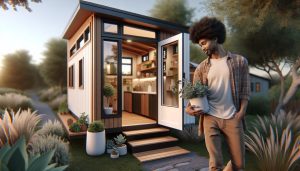
Navigating the world of modular homes can be complex, but understanding the role of the U.S. Department of Housing and Urban Development (HUD) is vital for anyone considering this housing option. HUD establishes essential federal standards that ensure safety, affordability, and quality in modular construction, which is crucial for protecting your investment and enhancing your living experience. As more families look to modular homes for their flexibility and affordability, being informed about these standards becomes increasingly important. This article will explore how HUD’s guidelines impact everything from the design and construction of modular units to financing and inspection processes, providing you with the knowledge to make confident decisions in the modular housing market. Whether you’re a prospective buyer, current homeowner, or simply curious about manufactured housing, understanding HUD’s role will empower you to create a safe and enjoyable living space.
What Is HUD and Its Functions in Modular Homes
The U.S. Department of Housing and Urban Development (HUD) plays a pivotal role in the realm of modular homes, primarily by establishing the standards that ensure safety, durability, and quality within this housing sector. HUD’s introduction of these standards is critical, not just for compliance but also for reassuring potential buyers that modular homes-often perceived as less stable or aesthetically pleasing than traditional homes-meet rigorous guidelines for livability and safety.
At the heart of HUD’s functions is the Unified Code for manufactured housing, which was created to set forth minimum safety and performance criteria. This code governs various aspects of modular homes, including structural integrity, electrical systems, plumbing, and energy efficiency. For home buyers, understanding these standards is crucial as it helps differentiate between homes that adhere to HUD’s requirements and those that do not, ultimately influencing decisions, financing options, and resale value.
Additionally, HUD’s involvement extends beyond just regulatory oversight; it also fosters innovation in modular home design and construction. By endorsing sustainable building practices and promoting energy-efficient designs, HUD encourages manufacturers to adopt modern technologies that enhance not only the aesthetic appeal of modular homes but also their functionality. This has led to an increased acceptance of modular living spaces among buyers, allowing for more creative and varied designs that cater to diverse tastes and needs.
Moreover, HUD’s influence on modular homes carries significant weight in financing options available to prospective homeowners. Many lending institutions are more amenable to financing modular homes that meet HUD standards since these homes demonstrate a commitment to quality, helping to mitigate the perceived risks associated with modular housing investments. This aspect of HUD’s role ultimately supports buyers in securing loans and can lead to more favorable lending terms, making home ownership more accessible.
Understanding HUD’s standards and functions equips current and prospective modular home residents with valuable insights that enhance their housing experience, ensuring that they make informed choices that align with both their lifestyle needs and financial goals.
Understanding Federal Housing Standards for Modular Homes
The federal standards set by the U.S. Department of Housing and Urban Development (HUD) play an essential role in the integrity and safety of modular homes. These standards are established under the Unified Code for manufactured housing and serve to protect homeowners, ensuring a baseline of quality that governs a wide range of building elements. This comprehensive regulatory framework includes specifications on structural integrity, plumbing, electrical systems, and energy efficiency, all vital factors that contribute to the durability and livability of prefabricated homes.
For prospective buyers and current residents, understanding these federal housing standards is imperative for making informed housing decisions. One key aspect to consider is that homes built to HUD standards often undergo rigorous testing and certification processes. This means potential homeowners can reasonably expect a certain level of quality, safety, and performance. Moreover, familiarity with these standards can greatly influence financing options. Lenders typically prefer modular homes built to HUD specifications since these homes have demonstrated compliance with federally mandated safety requirements, thus mitigating perceived risks related to construction quality.
Navigating the modular housing market becomes significantly more manageable when buyers are well-acquainted with HUD’s guidelines. This knowledge can empower them to ask the right questions and conduct thorough inspections when evaluating available properties. For instance, checking for proper documentation that verifies a home’s adherence to HUD standards can save considerable time and resources. Furthermore, understanding that these homes are not treated as subpar alternatives to traditional housing but rather as legitimate choices can encourage a more open-minded approach to purchasing.
In essence, HUD’s federal housing standards act as a robust backbone for the modular home industry, fostering confidence among consumers and supporting innovation in home design. By prioritizing quality and safety, HUD not only enhances the reputation of modular homes but also ensures that they remain an increasingly viable option for homebuyers across various demographics.
HUD’s Impact on Modular Home Design and Construction
The foundation of modular home design and construction is profoundly shaped by the federal standards established by the U.S. Department of Housing and Urban Development (HUD). These regulations not only bolster safety and quality but also enhance the overall appeal of modular housing as a powerful alternative to traditional homes. HUD’s impact traverses various aspects, influencing everything from building materials to energy efficiency measures, ensuring that each modular home aligns with rigorous guidelines that promote durability and livability.
One significant outcome of HUD’s standards is the emphasis on structural integrity. Modular homes are required to meet specific requirements regarding their construction methods and materials, which ensures they can withstand various environmental challenges. For example, factors such as wind resistance and seismic stability are integral to the design process, especially in regions prone to severe weather or geological activity. This commitment to safety allows prospective homeowners to feel more secure investing in modular living options, confident in the knowledge that their homes are built to last.
Moreover, HUD’s regulations extend to energy performance, mandating that modular homes incorporate essential features like improved insulation and energy-efficient systems. These measures not only help homeowners save on their utility bills but also support broader environmental goals by reducing energy consumption. Incorporating energy-efficient appliances and sustainable materials is becoming more prevalent in modular designs, reflecting a growing consumer demand for greener living solutions.
Incorporating these HUD standards transforms the way manufacturers approach modular home designs, often leading to innovative layouts and customizable features that appeal to diverse family needs. The balance between adherence to regulations and creative design fosters an environment where modular homes can be tailored to fit the lifestyles of modern buyers, effectively challenging the stigma that has long been associated with manufactured housing. Thus, as these homes evolve, they become more recognizable as attractive, quality housing options that meet contemporary demands.
Compliance with HUD Regulations: What Homeowners Need to Know
Navigating the landscape of HUD regulations can feel overwhelming, but understanding these guidelines is crucial for ensuring that your modular home is compliant and safe. HUD, or the U.S. Department of Housing and Urban Development, implements a set of standards designed to improve housing safety and quality across the nation. For modular homeowners, grasping these standards not only aids in compliance but also enhances the longevity and value of your home.
To ensure compliance with HUD regulations, it’s essential to familiarize yourself with the specific requirements that pertain to modular homes. These regulations encompass various aspects, including construction methods, materials used, and energy efficiency mandates. For instance, modular homes must adhere to the performance guidelines outlined in the HUD Code, which focuses on structural integrity, energy efficiency, and safety protocols. Consulting with professionals during the installation process can help ensure that your home meets these standards from the start.
Key Compliance Areas
- Construction Compliance: Verify that your home is built to the standards set forth in the HUD Code, including structural soundness and weather resistance features.
- Energy Efficiency: Ensure your home includes required insulation and energy-efficient appliances, which not only comply with regulations but also reduce energy bills.
- Safety Standards: Look into the fire safety and electrical codes relevant to modular homes to provide a safe living environment.
Regular inspections and maintenance also play a vital role in compliance. Homeowners should schedule periodic checks to ensure that their property continues to meet HUD standards over time. Documentation of all inspections and maintenance activities will be useful in demonstrating compliance should any questions arise.
Investing in a modular home should come with confidence in its safety and quality. By adhering to HUD regulations, homeowners not only protect their investments but also contribute to the greater aim of enhancing housing quality overall. In an evolving real estate landscape, understanding your rights and responsibilities under HUD standards positions you to make informed decisions, aligning your living spaces with both regulatory requirements and personal preferences.
Financing Options for Modular Homes: Working with HUD
Navigating financing options for modular homes can be a vital step in making homeownership a reality. One significant resource available to prospective buyers is the U.S. Department of Housing and Urban Development (HUD), which offers various programs aimed at ensuring that financing is accessible and tailored to the unique needs of modular homeowners. Understanding these financing options can help facilitate a smoother purchasing process and provide sound financial support for your new living space.
To begin, HUD’s Federal Housing Administration (FHA) provides loan programs specifically designed for modular homes. These loans often come with lower down payment requirements and more favorable terms compared to conventional loans. FHA financing allows buyers to secure up to 96.5% of the home’s value with just a 3.5% down payment, making it an attractive option for first-time buyers or those with limited savings. Additionally, FHA loans have flexible credit score requirements, which can help those with less-than-perfect credit qualify.
Another financing option offered through HUD is the Title I Property Improvement Loan. This program is especially beneficial for homeowners looking to purchase a modular home that may need some improvements or upgrades. These loans are designed for home renovation projects and can cover the costs of necessary repairs or enhancements. Such financing allows for the personalization of your modular home, ensuring it meets your aesthetic and functional preferences.
For modular home buyers seeking to maximize their financing efficiency, it’s essential to compare various lenders and programs. HUD’s website provides resources that help buyers understand different mortgages and identify lenders who participate in FHA programs. Seeking assistance from a knowledgeable mortgage broker can further clarify options and facilitate the application process.
It is crucial to prepare for the financing application by putting together necessary documentation, such as proof of income, employment verification, and details about any existing debt. Being organized in your application approach can help streamline the process and enhance your chances of securing the funding you need for your modular home purchase.
Ultimately, understanding and utilizing HUD’s financing options can empower prospective homeowners in the modular housing market, making their dream home more accessible and financially manageable. Being informed and taking proactive steps can pave the way for a successful transition into a new modular home, enhancing your living experience while also ensuring sound financial planning.
Navigating Zoning and Land Use Requirements
Navigating the landscape of zoning and land use requirements is a crucial step for anyone considering modular homeownership. Each locality has its own set of rules that dictate where and how modular homes can be placed, making it imperative for prospective homeowners to familiarize themselves with these regulations before making a purchase. For instance, a property may be zoned for residential use, but specific restrictions might apply regarding the type of homes permitted, their size, and the spacing between them.
When dealing with zoning considerations, it’s essential to start by checking with local zoning offices or municipal planning departments. Most local governments provide zoning maps and ordinances that lay out the regulations for residential structures. Some common zoning classifications include single-family residential, multi-family residential, and mixed-use. Understanding which classification applies to your intended location can help prevent potential pitfalls that could derail your plans.
Additionally, homeowners should be aware of land use requirements, such as setback regulations, which dictate the minimum distance a home must be from property lines, roads, and other structures. These regulations ensure safety and privacy for residents and may vary significantly between different areas even within the same county. Moreover, some neighborhoods might have homeowners’ associations (HOAs) that enforce stricter standards, which can include guidelines on the appearance and maintenance of modular homes.
As you delve into zoning and land use options, consider the following steps:
- Research Local Zoning Laws: Access local municipal codes online or in person to understand the zoning regulations that apply to your area.
- Contact Local Authorities: Speak with city planners or zoning officials for clarification on zoning classifications and any implications for modular homes.
- Consult an Attorney: If you encounter complicated issues or need assistance understanding legal jargon, an attorney specializing in real estate or land use can be invaluable.
- Survey Your Land: Consider hiring a professional land surveyor to ascertain property lines accurately, which can aid in compliance with setback requirements.
- Identify and Address Potential Zoning Changes: Be proactive by staying informed about any upcoming zoning changes that could impact your land use and property rights.
By taking these steps, you can minimize unexpected challenges related to zoning and land use, making your path toward modular homeownership smoother and more predictable. Being well-informed not only helps in compliance with local laws but also strengthens your case when seeking permits or making adjustments during development, ultimately securing your investment in a modular home.
Homebuyer Rights Under HUD Standards
Navigating the world of modular homeownership can feel overwhelming, especially when considering the federal standards that govern the industry. HUD (the U.S. Department of Housing and Urban Development) plays a crucial role in ensuring that homebuyers are protected and their basic rights are upheld. Understanding these rights is essential for anyone looking to purchase a modular home, as it lays the groundwork for a safe and equitable housing experience.
Under HUD standards, homebuyers have specific rights that provide protections related to fair housing, safety, and program participation. One of the cornerstone provisions is the Fair Housing Act, which prohibits discrimination based on race, color, national origin, religion, sex, familial status, or disability. This means that all individuals have an equal chance to purchase or rent a modular home, without bias affecting their opportunities. Consumers should be aware that they can report any discriminatory practices they encounter through HUD’s Office of Fair Housing and Equal Opportunity.
In addition to fair housing protections, HUD also enforces safety standards that apply to all modular homes. These standards ensure that homes are designed and constructed to be safe, secure, and liveable, protecting homeowners from substandard construction practices. For instance, all modular homes must meet specific issues regarding quality, durability, and efficiency, which are integral to HUD’s building codes. Consumers should always request documentation that verifies compliance with these standards before finalizing any purchase.
Furthermore, many buyers may not realize that federal assistance programs, such as the Federal Housing Administration (FHA) loans, are available for those looking to secure financing for modular homes. HUD’s involvement simplifies the process of obtaining accessible financing options and aids in protecting the investment of homebuyers. Individuals should inquire about eligibility and how to apply for these programs, as they can offer substantial support in achieving homeownership.
By staying informed about these rights and protections under HUD standards, prospective modular home buyers can proceed with confidence, knowing they have legal foundations to protect their interests. Whether it’s through ensuring equity in the housing market or safeguarding the safety and quality of their future homes, understanding these legalities enhances the modular home buying experience and contributes to a more empowered consumer base.
Essential Safety Standards Imposed by HUD
Ensuring the safety of modular homes is paramount, and HUD provides a robust framework of safety standards designed to protect homeowners. These standards encompass everything from design and construction to installation and maintenance, reflecting a commitment to quality and durability in the modular housing sector. Understanding these essential safety regulations can help potential buyers make informed decisions and maintain their homes effectively.
Modular homes must comply with the federal building codes known as the Manufactured Home Construction and Safety Standards (HUD Code). This comprehensive set of regulations covers various critical aspects, including structural integrity, fire safety, and energy efficiency. Homes are required to undergo rigorous inspections both during and after construction, guaranteeing that they meet these stringent standards. For instance, HUD mandates that all modular homes must meet specific requirements regarding thermal insulation, electrical systems, and plumbing to ensure they provide a safe living environment.
In addition to the initial construction standards, ongoing safety compliance plays a vital role in the upkeep of modular homes. Homeowners are encouraged to regularly inspect and maintain critical systems such as heating, ventilation, and air conditioning (HVAC), as well as electrical and plumbing systems. Taking preemptive measures can prevent potential hazards such as fire risks or water damage. Furthermore, implementing safety features like smoke detectors, carbon monoxide alarms, and security systems can enhance the safety and security of your home environment.
It’s also beneficial for homeowners to be aware of HUD’s disaster preparedness guidelines, especially in areas prone to natural disasters. Modular homes, when properly anchored and secured, can withstand various environmental challenges. Homeowners should familiarize themselves with local regulations regarding storm tie-downs and foundation requirements, which can protect their investment and ensure safety during extreme weather events. Engaging with community resources and local HUD offices can provide additional support and information tailored to specific regional safety needs.
By understanding and adhering to HUD’s safety standards, modular homebuyers can feel confident that their homes are built for safety and longevity, allowing them to enjoy this innovative housing choice with peace of mind.
The Process of HUD Certification for Modular Homes
Navigating the HUD certification process for modular homes is a crucial step for ensuring that your new residence meets federal safety and quality standards. This certification is not just a formality; it guarantees that the home has been constructed to HUD’s stringent regulations, designed to enhance safety, durability, and energy efficiency. Understanding this process can empower prospective buyers and current owners alike to make informed decisions about their investment.
When a modular home is built, it must adhere to the Manufactured Home Construction and Safety Standards set forth by HUD. These standards cover critical elements, including structural integrity, electrical systems, plumbing, and fire safety. The certification process typically begins with the manufacturer; they must ensure that all designs and constructions comply with HUD regulations. This involves detailed plans that are submitted for approval, followed by rigorous inspections during and after construction at the factory. Inspectors from designated agencies assess various aspects of the home to verify compliance with the standards before issuing a certification label.
Once the modular home is completed and passes inspection, it will receive a HUD label-a key indicator of compliance that must be affixed to the home. For homeowners and buyers, this label is essential; it indicates that the home meets all federal safety and quality standards, which is often a requirement for financing and resale. Potential buyers should always look for this label, as it not only assures the quality of the home but also facilitates the overall purchasing process, making it easier to secure loans and insurance.
Ongoing compliance does not end at the factory floor. Homeowners need to maintain their certification by adhering to local codes and conducting regular inspections of essential home systems. Some jurisdictions may have additional requirements or amendments to federal standards, so it’s important for modular homeowners to stay informed about local ordinances. Engaging with community resources and local HUD offices can provide valuable support, ensuring that your home remains compliant and safe for years to come.
By understanding the HUD certification process, buyers and owners can ensure they are investing in a modular home that not only meets high safety standards but also provides a strong foundation for a secure living environment. This knowledge equips you to navigate the complexities of modular home ownership, enhancing your confidence in this affordable and innovative housing option.
Common Myths About HUD and Modular Homes
Despite the positive strides in the modular home industry, misconceptions about the role of HUD (the U.S. Department of Housing and Urban Development) and modular homes persist. Addressing these common myths can empower potential homeowners to make informed decisions about their housing choices, ultimately validating the legitimacy and safety of modular living.
One prevalent myth is that modular homes lack the same quality of construction as traditional site-built homes. Contrary to this belief, all modular homes must meet the stringent standards outlined by HUD’s Manufactured Home Construction and Safety Standards. This regulatory framework ensures that modular homes undergo rigorous inspections during and after construction, covering elements such as structural integrity, insulation, safety features, and energy efficiency. When constructed to these guidelines, modular homes not only comply with federal regulations but can often exceed the quality of conventional housing due to the controlled environment in which they are built.
Another common misconception is that modular homes depreciate in value faster than site-built homes. In reality, modular homes are often built with high-quality materials and can appreciate over time, especially in desirable locations. Homeowners who maintain and upgrade their modular homes can see significant returns on their investment, much like traditional homes. Additionally, the increasing popularity of modular construction, driven by its cost-effectiveness and sustainability, has contributed to a positive perception and demand in the real estate market.
There is also a misconception that modular homes are not customizable. In fact, many manufacturers offer a variety of designs, layouts, and finishes that allow buyers to personalize their homes to meet their aesthetic preferences and functional needs. From choosing floor plans to selecting fixtures and finishes, the customization options can rival those available for traditional homes, ensuring buyers can create a living space that feels uniquely theirs.
Understanding the realities behind these myths is crucial for anyone considering modular living. By recognizing the stringent standards under which modular homes are constructed, their potential for value appreciation, and the options for customization, buyers can confidently navigate their modular home journey and embrace this innovative housing solution.
Resources and Support for Modular Home Buyers
Potential homeowners looking into modular living often seek resources and support to navigate the complexities of purchasing, maintaining, and enhancing their homes. Understanding the role of HUD (the U.S. Department of Housing and Urban Development) is essential, as it lays the groundwork for constructing safe and quality modular homes through established federal housing standards.
To begin your journey, it’s important to connect with reliable manufactured home retailers and manufacturers who can provide firsthand knowledge about available models, customization options, and compliance with HUD regulations. Most manufacturers will have clear documentation on HUD certification, ensuring the modular home meets or exceeds safety and quality standards. Always inquire about warranties and customer support, which can greatly enhance your buying experience.
Moreover, local HUD offices are invaluable resources. These offices can help you understand federal guidelines, available assistance programs, and community resources. They offer insights into financing options, including loans specifically catered to manufactured and modular homes, and assist in clarifying eligibility for any federal or state assistance. HUD’s official website also provides a wealth of information about financing, safety standards, and the rights of homeowners.
Understanding financing options is crucial for buyers. Many financial institutions offer loans tailored to modular homes, but the specifics can vary significantly. It’s wise to compare loan rates and terms from different lenders familiar with HUD standards. Programs like the FHA Title I loan are specifically designed to support financing for manufactured homes, making it imperative to explore these pathways.
Additionally, join online forums and local community groups that focus on modular homeownership. These forums can provide peer support, practical tips, and shared experiences that demystify the process of living in a modular home. Access to blogs, review sites, and home improvement resources can also equip you with advice on upkeep, renovations, and innovative living solutions tailored for modular homes.
Homebuyers should remain proactive, educate themselves on safety standards, and stay engaged with updates from HUD, as policies and programs can evolve, impacting ownership experiences and opportunities. By leveraging these resources, you will not only make informed decisions but also enjoy the dynamic lifestyle offered by modular home living.
Future Trends in Modular Homes and HUD Policies
As the housing market evolves, modular homes are gaining traction not only for their affordability but also for their customizable features and quick construction times. With an increasing emphasis on sustainability and energy efficiency, future trends in modular housing will likely integrate advanced technology and environmentally friendly practices, aligning well with HUD’s ongoing commitment to improve housing standards and accessibility. For instance, the use of smart home technology in modular designs is expected to rise, allowing homeowners to manage energy use more effectively, reduce utility costs, and enhance overall living comfort.
In addition to technological advances, regulatory shifts may also redefine how modular homes are constructed and classified. HUD has been working to modernize its building codes, which could result in lighter regulations for modular homes to encourage innovation while still maintaining safety and quality standards. This could open the door for more manufacturers to participate in the HUD certification process, ultimately leading to a wider range of options for consumers. As modular homes continue to integrate innovative materials, such as recycled components or energy-efficient systems, HUD’s role in overseeing these standards will become increasingly crucial in ensuring that new methods of construction still align with federal safety and performance guidelines.
Furthermore, there’s a growing recognition of the need for more affordable housing solutions across the United States. As urban populations swell and housing costs escalate, HUD is likely to advocate for policies that promote modular homes as viable solutions to housing shortages. Initiatives may include financial incentives for developers who build HUD-approved modular communities or assistance programs aimed at low-income buyers looking for sustainable living options. Such movements can empower potential homeowners by providing them with better access to quality housing while supporting communities to thrive.
Ultimately, the future of modular homes, supported by HUD policies, appears to be on a trajectory that emphasizes innovation, affordability, and sustainability. Prospective buyers should stay informed about these trends and be proactive in exploring the resources HUD offers to optimize their home-buying experience. By embracing the dynamic nature of modular housing, individuals can position themselves advantageously within this evolving market, allowing them to enjoy the many benefits of this modern housing alternative.
FAQ
Q: What are the federal housing standards set by HUD for modular homes?
A: HUD’s federal housing standards for modular homes ensure safety, durability, and affordability. These standards encompass structural integrity, energy efficiency, and accessibility features, aiming to provide safe living environments while promoting affordability. Homeowners should review these standards to understand their rights and responsibilities.
Q: How does HUD certify modular homes?
A: HUD certifies modular homes through a process that involves meeting specific design and construction standards. Manufacturers must submit plans for review and inspection before production. Upon compliance, homes receive a HUD label indicating they meet federal standards, ensuring quality and safety for buyers.
Q: Why should buyers consider HUD standards when purchasing a modular home?
A: Buyers should consider HUD standards because they represent a guarantee of safety, quality, and compliance with federal regulations. Understanding these standards can help buyers make informed decisions and protect their investment by ensuring the home is built to last and meets residential guidelines.
Q: What are common misconceptions about HUD and modular homes?
A: Common misconceptions include that HUD homes are lower quality or that HUD financing is only for low-income individuals. In reality, HUD homes adhere to rigorous safety standards and are available for various buyers. Understanding these facts helps dispel myths and encourages informed purchasing decisions.
Q: How can homeowners ensure their modular homes comply with HUD regulations?
A: Homeowners can ensure compliance by keeping documentation of the HUD certification and having regular inspections by qualified professionals. They should also be aware of local zoning laws that may affect their home’s placement and utility connections, ensuring adherence to both federal and local standards.
Q: What is the impact of HUD’s regulations on modular home design?
A: HUD’s regulations significantly influence modular home design by mandating standards for safety, durability, and energy efficiency. This fosters innovative design solutions that enhance livability, ensure structural integrity, and promote sustainability in modular construction.
Q: How does HUD support buyers of modular homes?
A: HUD supports buyers by providing resources and guidelines on financing, their rights, and maintaining compliance with federal regulations. The agency also collaborates with local governments and organizations to promote affordable housing options and facilitate access to mortgage assistance.
Q: What should potential buyers know about financing modular homes under HUD?
A: Potential buyers should know that HUD financing options are available, including FHA loans tailored for modular homes. These programs often offer lower down payments and favorable interest rates, making homeownership more accessible. Buyers should explore these options to find the best financial fit.
Closing Remarks
Understanding HUD’s essential role in modular homes not only empowers you as a homeowner but also ensures that you make informed decisions that comply with federal housing standards. As you consider your next steps, explore our comprehensive guides on mobile home maintenance, financing options, and legal requirements to further enhance your knowledge. Don’t forget to check out our tutorial on leveling and anchoring your home for optimal safety and performance.
If you’re looking to dive deeper into the world of manufactured housing, subscribe to our newsletter for the latest expert tips and resources, and feel free to join the discussion in the comments below. Your journey into mobile home ownership deserves the best guidance-let us be your trusted resource.