Purchasing a trailer home can be an exciting yet daunting journey, especially when it comes to understanding real costs involved. Did you know that the price of a trailer home can vary significantly based on size, location, and amenities? This topic is crucial for anyone exploring affordable housing options, as it opens doors to a lifestyle that blends flexibility and comfort. Whether you’re a first-time buyer, a seasoned investor, or looking for affordable living solutions, grasping the expenses associated with trailer homes will empower you to make informed decisions. From initial purchase prices to hidden costs like maintenance and insurance, this guide demystifies the financial landscape, helping you navigate the world of manufactured housing with confidence. Dive in to discover what you need to know about budgeting for your future in a trailer home.
How to Determine Your Budget for a Trailer Home Purchase
Determining your budget for purchasing a trailer home involves careful planning and consideration of various financial factors. Unlike traditional homes, trailer homes can vary significantly in price depending on size, age, location, and amenities, making it essential to assess your financial situation and set clear parameters before beginning your search. Start by evaluating your total available funds, including savings and any potential loans you may qualify for. Keep in mind that the initial purchase price is just one aspect; you’ll also need to consider ongoing costs such as monthly payments, insurance, utilities, and maintenance.
A good practice is to establish a budget breakdown that looks like this:
- Purchase Price: Consider both new and used options. New models typically start in the range of $50,000 to $100,000, while used models may range from $20,000 to $70,000 or more depending on their condition and location.
- Down Payment: Aim to save at least 10%-20% of the purchase price for a down payment to help reduce your monthly mortgage or loan amount.
- Financing Costs: Research various loan options available for trailer homes. Interest rates can vary, so seek the best terms possible.
- Insurance: Factor in monthly premiums, which might range from $50 to $150, depending on coverage levels.
- Utilities: Take into account the costs associated with water, electricity, gas, and sewage-in addition to any necessary deposits when setting up accounts.
- Maintenance: Reserve funds for upkeep, which might average around $200 annually for basic repairs and maintenance supplies.
By categorizing your expenses, you can create a comprehensive overview of what monthly and annual costs you can expect once you own the trailer home. Research local market trends, and consult with existing trailer home owners to better understand the hidden costs that can arise and how to prepare for unexpected expenses. This approach not only helps in preventing financial strain but also empowers you to make informed decisions that align with your lifestyle and long-term goals.
Average Costs of New vs. Used Trailer Homes

Purchasing a trailer home presents an exciting opportunity for affordable living, yet understanding the financial implications of new versus used options is essential for informed decision-making. New trailer homes, frequently equipped with modern designs and innovations, typically range from $50,000 to $100,000, depending heavily on size and amenities. For instance, a brand-new three-bedroom model can easily command a price towards the higher end of that spectrum due to its features and warranty. On the other hand, used trailer homes can be found in a lower price range, generally between $20,000 to $70,000, yet prices can fluctuate significantly based on age, condition, and location. An older unit may require more repairs and updates, which could further influence the overall cost.
Imagine the case of a young couple seeking their first home. They might opt for a well-maintained used trailer home priced at $30,000 in a suburban area, allowing them to invest their savings into renovations. Conversely, a family desiring greater space and modern conveniences may choose a new model, investing $80,000 into a spacious double-wide with energy-efficient features. Ultimately, the decision hinges on personal preferences, financial capabilities, and lifestyle considerations.
When evaluating costs, it’s crucial to factor in additional expenses beyond the initial purchase price. A new trailer home may come with a higher insurance premium, but it usually warrants less maintenance in the early years. Used models might offer savings upfront but could entail unexpected repair costs, making it wise for buyers to budget for both routine maintenance and potential upgrades. Furthermore, consider that special financing options may exist for new models, often providing lower interest rates that can mitigate long-term costs.
In summary, whether you lean towards new or used trailer homes, it’s vital to conduct comprehensive research. Knowing the average costs and potential additional expenses equips you not just for purchasing but also for thriving in your new mobile home environment. This strategic approach ensures that you can enjoy the myriad benefits of trailer home living with peace of mind.
Key Factors Influencing Trailer Home Prices
Understanding the various factors that influence trailer home prices can significantly enhance your purchasing strategy. Prices for trailer homes can vary widely, influenced by aspects such as location, size, age, and amenities. For instance, homes situated in desirable communities or near popular amenities tend to command higher prices due to their market appeal and accessibility. The geographical area often determines local demand, with prices increasing in regions experiencing economic growth or robust housing markets.
Size and Layout
The dimensions and design of a trailer home also play a critical role in its pricing. Generally, larger models such as double-wides or those with multiple bathrooms and bedrooms fetch higher prices than single-wides or tiny homes. Buyers should consider how the layout suits their needs; for instance, a family may prioritize an open floor plan with ample living space, impacting their investment.
Condition and Age
The overall condition of the trailer is another pivotal factor. Newer models with modern amenities, efficient appliances, and minimal wear-and-tear usually ask more than older models, which may necessitate repairs or upgrades. A meticulous inspection prior to purchase can uncover potential hidden costs; thus, budgeting for renovations might be wise when considering older homes.
Amenities and Customization
Additionally, the inclusion of unique features-such as energy-efficient windows, high-quality materials, or upgraded fixtures-can elevate the price. Custom-built homes with individualized finishes can be particularly appealing for buyers looking to invest in comfort and style, albeit at a higher cost. Understanding what each property offers allows prospective buyers to gauge whether the asking price aligns with their vision of a perfect home.
Being informed about these key factors can empower you to make a strategic decision when purchasing a trailer home, allowing you to identify the best value based on your personal needs and financial situation. Making a well-rounded investment goes beyond just the purchase price; it includes anticipating the long-term value and potential return on investment.
Understanding Financing Options for Trailer Homes
Financing a trailer home can seem daunting, but understanding the various options available can empower prospective buyers to make informed decisions. Unlike traditional homes, trailer homes, often referred to as manufactured or modular homes, have unique financing pathways due to their classification. Several financing methods cater specifically to these types of properties, allowing buyers to choose an approach that best fits their financial situation.
Types of Financing Options
There are multiple avenues to explore when looking to finance a trailer home:
- Chattel Loans: These loans are often used exclusively for manufactured homes that are not permanently affixed to land. Chattel loans are typically easier to obtain, but they tend to have higher interest rates and shorter terms compared to traditional mortgages.
- Personal Loans: For those who may not qualify for most traditional financing options, personal loans can be utilized for the purchase of a trailer home. These loans can provide quick access to cash without the need for collateral, though they often come with higher interest rates.
- Mortgage Loans: If the trailer home is affixed to land and classified as real property, buyers can apply for a standard mortgage. This option usually offers more favorable terms and lower interest rates since the finance is secured against real estate.
- Government-Backed Loans: Programs such as FHA loans are available for eligible borrowers looking to purchase manufactured housing. These loans are design to make homeownership more accessible for those with less than perfect credit and lower down payments.
Evaluating Your Financing Options
When evaluating financing options, it’s essential to consider several factors, such as credit score, down payment capability, and whether the home is financed separately or as part of land ownership. A higher credit score typically affords better interest rates and loan terms; therefore, improving your credit profile beforehand could yield substantial savings in the long run.
Additionally, understanding how different loans affect your monthly budget is crucial. Factor in not only the principal and interest but also insurance, taxes, and potential community fees associated with living in a manufactured home community. Using financial calculators can help estimate these costs accurately, giving you a clearer picture of your financial commitment.
With the right information and resources, financing a trailer home can be a straightforward process. By exploring your options and aligning them with your budget and needs, you can confidently step into the world of manufactured living, which offers a balance of affordability and comfort.
Hidden Costs: What to Expect Beyond the Purchase Price
When purchasing a trailer home, many buyers focus intently on the initial purchase price, often overlooking the additional expenses that can significantly impact their overall financial commitment. Understanding these hidden costs is essential for budgeting effectively and ensuring long-term sustainability in your new home.
One of the most common overlooked costs is the transportation and setup fees. If your trailer is being moved to a new location, professional movers charge for transportation, which can run hundreds to thousands of dollars depending on distance and complexity. Additionally, you’ll need to consider setup costs, such as leveling the home on its new plot, securing it to a foundation if required, and hooking up utilities like water, electricity, and sewage. Each of these steps can incur contractor fees that vary based on location and service provider.
Another important area to evaluate is insurance. While many first-time buyers may not factor in homeowner’s insurance for a manufactured home, it can be a significant portion of your ongoing costs. Rates can fluctuate based on factors such as location, age of the home, and your coverage limits. It’s prudent to shop around for quotes to secure a policy that covers both property damage and liability. Furthermore, don’t forget about government regulations that may require specific types of insurance for manufactured homes.
You should also be prepared for ongoing maintenance and repairs, which can differ from traditional homes. Trailer homes may require different types of upkeep, such as inspecting and maintaining the undercarriage, checking for leaks, and ensuring that windows and doors are sealed. It’s wise to set aside a budget for routine maintenance, repairs, and potential upgrades, including stormproofing measures if you live in an area prone to severe weather.
Lastly, consider the potential for community fees or land leases if you’re part of a manufactured home community. These fees can include expenses for park maintenance, amenities, and utilities. Make sure to inquire about these costs upfront, as they can affect your overall monthly expenses significantly. By preparing for these hidden costs, you can better gauge the suitability of a trailer home within your financial landscape, ensuring that your purchase remains an exciting and viable option for your housing needs.
Insurance Essentials for Trailer Home Owners
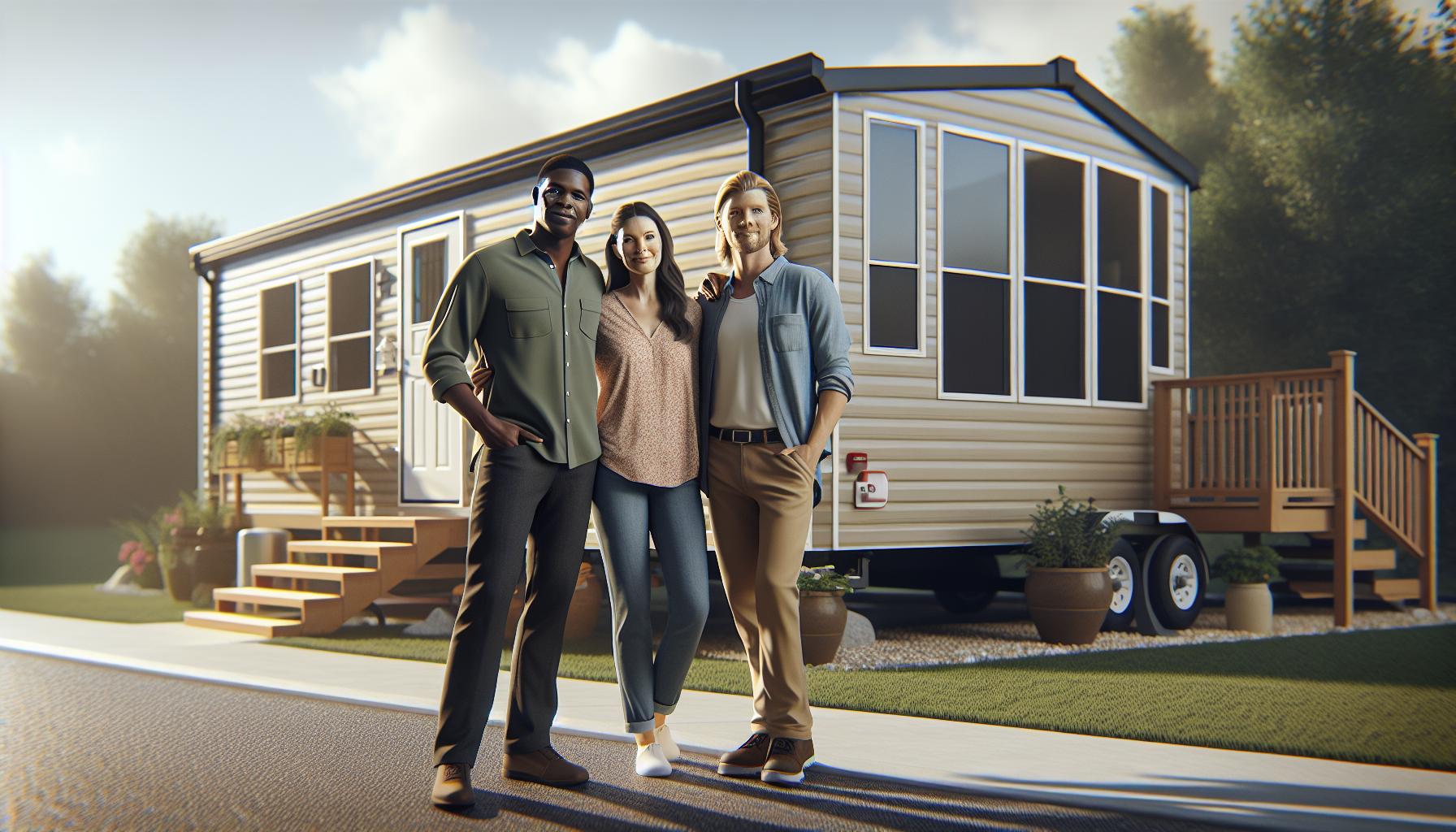
Navigating the world of insurance for trailer home owners can initially feel overwhelming, but understanding your coverage options is essential to protect your investment. Unlike traditional homes, trailer homes require specialized insurance policies that account for their unique aspects, such as mobility and construction materials. Without proper coverage, you risk facing substantial out-of-pocket expenses in the event of damage or theft.
There are several types of insurance that you should consider when protecting your trailer home:
- Manufactured Home Insurance: This is similar to homeowners insurance but specifically designed for mobile or manufactured homes. It usually covers property damage from various perils, including fire, storms, and vandalism.
- Liability Insurance: Essential for any homeowner, this protects you from legal claims resulting from injuries or accidents that occur on your property.
- Personal Property Insurance: This covers your belongings inside the trailer, like furniture, electronics, and personal items, in case of theft or damage.
- Flood Insurance: Depending on your location, obtaining flood insurance may be critical, especially if you live in an area vulnerable to flooding.
When looking for the right insurance, several factors will influence your premiums, such as your home’s age, location, and whether it’s anchored or on a foundation. It’s advisable to consult multiple insurers to compare rates and coverage options. Additionally, bundling your manufactured home insurance with other insurance types, like auto insurance, can sometimes yield significant discounts.
One facet of insurance that trailer home owners often overlook is the necessity of having coverage that reflects the value of your home. As you make improvements or renovations, update your policy to ensure that these enhancements are insured fully. Moreover, certain regions have different requirements for trailer home insurance, including specific liability limits, so becoming familiar with these can further ensure you are adequately protected.
Establishing a robust insurance plan not only gives you peace of mind but also secures your financial future against unforeseen events. By being proactive in selecting comprehensive coverage, you ensure that your trailer home remains a safe and secure investment for years to come.
Legal Requirements and Zoning Laws You Should Know
Understanding the legal landscape surrounding trailer home ownership is crucial for ensuring a smooth and compliant living experience. Different states, counties, and municipalities have varied laws and regulations that dictate where and how manufactured homes can be established, making it essential for buyers to do their homework before purchase. Not only do these laws affect where you can live, but they can also influence the type and size of the trailer home you can place on a property.
Understanding Zoning Laws
Zoning laws are pivotal in determining how land can be used within specific areas. In many regions, certain zones are designated exclusively for residential use, which may include manufactured homes. However, there are also zones that may restrict or prohibit mobile home parks or specific types of trailer homes. Buyers should investigate whether the land they’re interested in is zoned for manufactured housing. Checking with local zoning officials or using online resources can clarify these regulations.
Building Codes and Compliance
In addition to zoning laws, trailer homes must comply with local building codes, which set forth minimum construction standards for safety, durability, and livability. These codes can dictate everything from the foundation type and anchoring requirements to electrical and plumbing systems. Ensuring that your trailer home meets these standards upon installation helps safeguard against future legal issues and ensures longevity and safety.
Permitting Requirements
It’s also essential to obtain the necessary permits before placing a trailer home on a property. Local governments typically require permits for installation, utility connections, and possibly other components, such as decks or sheds. Failure to secure the correct permits can result in fines or, worse, the requirement to remove the home. Make sure to compile a checklist of required permits early in the buying process to avoid obstacles down the line.
Community Regulations
If you opt for a manufactured home community, familiarize yourself with their specific rules and regulations. These communities often have their own set of guidelines that govern aspects such as maintenance responsibilities, appearance standards, and even pet ownership policies. Ensuring compliance with these rules is essential not only for maintaining your relationship with neighbors and community management but also for protecting your investment over time.
Navigating these legal requirements and zoning laws may seem daunting, but understanding them is vital to a successful trailer home ownership experience. By staying informed and proactive, buyers can ensure they choose the right location and comply with all necessary regulations, thus paving the way for a fulfilling mobile home living experience.
Setting Up Utilities for Your New Trailer Home
is a crucial step that ensures you have access to essential services like electricity, water, and sewage management. Unlike traditional homes that are often equipped with utilities upon purchase, manufactured homes may require more effort and consideration for utility setup. This process can be straightforward if approached methodically, ensuring that you can enjoy your new home without interruptions.
Initially, it’s necessary to coordinate with local utility providers to establish connections for electricity and water. Contact your local electric company and water supplier to set up accounts and schedule installation dates. In many areas, you might also need to arrange for a septic system installation if you’re not connected to a municipal sewage system. Understanding your area’s specific requirements will help streamline this process. For best results, provide the utility companies with precise information about your trailer home location, and be prepared for any potential assessment they may require.
Steps to Set Up Utilities
To make the utility setup smoother, follow these organized steps:
- Research Providers: Identify local providers for electricity, water, sewage, and internet services.
- Contact Utility Companies: Reach out to your chosen providers to inquire about the signing-up process, potential installation times, and costs.
- Schedule Installations: Arrange for a visit from each service provider to get a clear picture of what equipment will be needed at your site.
- Installation Preparation: Ensure that your trailer home is correctly situated to meet the requirements for each utility connection.
- Verify Connections: After installation, test each utility to confirm that everything is functioning properly.
It’s also important to check for any specific installation requirements or permits needed for your municipal area, as regulations can vary widely. Keeping documentation organized, such as contracts with service providers and permits, can save time and errors down the line.
One often-overlooked aspect is the impact of utility accessibility on your living experience-being proactive in setting up these services can prevent the discomfort and inconvenience that comes from having no electricity or water at the offset. Additionally, consider exploring eco-friendly options, such as solar panels for electricity, which can enhance sustainability and reduce long-term costs.
Once you have utilities set up, it’s vital to maintain regular communication with your providers for any potential issues, ensuring that your new trailer home becomes a comfortable, well-equipped haven. Making informed decisions about your utilities can not only elevate your living experience but also contribute positively to the value of your investment over time.
Maintenance Costs: Keeping Your Trailer Home in Shape
Although trailer homes, or manufactured homes, can be an affordable housing option, they also require consistent upkeep to maintain their value and livability. Maintenance costs can vary significantly based on the home’s age, location, and overall condition, but being proactive about maintenance can prevent costly repairs down the road. Regular investments in maintaining your trailer home not only enhance your quality of life but also help safeguard your investment in the property.
One essential aspect of maintaining a trailer home is to address the value of the exterior. The roof is especially crucial; regular inspections and timely repairs can prevent leaks and further damage that may require expensive fixes. Cleaning gutters, checking for missing or damaged shingles, and applying waterproofing solutions should be part of your routine maintenance checklist. Additionally, keep an eye on the foundation and undercarriage of your trailer home, ensuring that it remains level and free from pests, which can lead to structural damage over time.
Inside, routine maintenance includes checking HVAC systems, plumbing, and electrical components. Changing air filters, inspecting pipes for leaks, and ensuring all wiring is up to code are critical tasks. These activities can often be done with minimal cost but can save you a significant amount in emergency repairs. Routine deep cleaning and upkeep of flooring and appliances also contribute to a healthier living environment, reducing allergens and prolonging the life of your fixtures.
Budgeting for these ongoing maintenance costs is essential. It’s advisable to set aside a percentage of your monthly budget, typically around 1-2% of your home’s value each year, specifically for maintenance and repairs. This proactive approach not only lessens financial strain when issues arise but also promotes an environment where your trailer home remains a safe and comfortable living space for years to come.
The Pros and Cons of Living in a Trailer Home
Living in a trailer home can offer a unique lifestyle that combines affordability with flexibility. Many residents appreciate the opportunity to have a home that aligns with their financial goals while still providing comfort and convenience. However, there are distinct pros and cons to consider, helping potential buyers and current owners navigate this housing choice more effectively.
The Advantages
The primary allure of trailer homes is their affordability. Compared to traditional stick-built homes, manufactured homes usually have lower purchase prices and associated costs. This can be particularly advantageous for first-time buyers or those looking to downsize without sacrificing quality. Additionally, trailer homes often come with a variety of modern amenities and layouts, making them a comfortable living space that can be tailored to individual preferences.
Living in a trailer home can also offer a sense of community often found in mobile home parks where residents share experiences and resources. These communities can foster connections and invite social opportunities that enhance the living experience. Furthermore, the mobility of trailer homes allows residents to relocate more easily than traditional homes if their lifestyle or job requires it. This flexibility can be a significant advantage for those who thrive on exploration or need to follow job opportunities.
The Disadvantages
Despite the benefits, there are notable drawbacks to consider. One of the most significant challenges is the perception associated with trailer living. Some individuals may face stigmas that can impact community integration and sense of belonging. Additionally, manufactured homes can depreciate over time, unlike traditional homes, which usually appreciate in value. This depreciation can be a concern for potential buyers focused on long-term investment.
Maintenance can also pose a challenge, as some trailer homes may require more upkeep due to their unique construction and design. The specific needs for leveling, anchoring, or even storm readiness must be continuously addressed to maintain their structural integrity. This ongoing need for maintenance can lead to unexpected costs that aren’t always accounted for in the initial purchase price, so prospective buyers should budget accordingly.
Ultimately, living in a trailer home might be an excellent fit for some and problematic for others. Consider factors such as community dynamics, future plans, and personal priorities when weighing the pros and cons. By doing so, you can make a well-informed decision that best aligns with your lifestyle and financial situation.
How to Increase the Value of Your Trailer Home
When it comes to boosting the value of a trailer home, strategic improvements and careful maintenance can yield significant returns. While mobile homes sometimes face depreciation, investing in enhancements can not only preserve but also enhance their market worth. By focusing on key areas, homeowners can make their properties more appealing to potential buyers or create a more enjoyable living environment.
One of the most effective ways to increase value is through renovations, particularly in high-impact areas like the kitchen and bathroom. Upgrading appliances to energy-efficient models, adding modern fixtures, and refreshing cabinets with paint or new hardware can drastically improve these spaces. Open floor plans can also be enticing; consider removing non-load-bearing walls for a more spacious feel. Outdoor living spaces, such as decks or patios, provide added square footage and are attractive to buyers, particularly in regions where outdoor entertaining is popular.
Maintenance Matters
Ongoing maintenance plays a crucial role in preserving value. Regularly inspect the roof, plumbing, and electrical systems to address any issues before they escalate. Ensure that the trailer is properly anchored and leveled to avoid structural problems. Investing in high-quality insulation can improve energy efficiency and comfort, which is attractive to buyers and can lead to lower utility costs. Keeping the exterior in tip-top shape by painting or cleaning siding, maintaining landscaping, and ensuring proper drainage can greatly enhance curb appeal.
Documentation and Upgrades
Having comprehensive documentation of all maintenance and upgrades can also showcase the home’s value. Potential buyers feel more secure when there’s a transparent record of improvements and repairs. This is especially important for major upgrades like foundation work or hurricane ties, as it demonstrates the safety and structural integrity of the home.
Incorporating technology can further elevate the appeal of the trailer home. Smart home features, like thermostats or security systems, can engage a tech-savvy market that values efficiency and convenience. Modernizing a trailer isn’t just about aesthetic upgrades; practical changes can greatly enhance livability while appealing to buyers’ expectations in today’s housing market.
With the right blend of renovations, diligent maintenance, and smart upgrades, trailer homeowners can effectively boost their property’s value, ensuring that it remains a competitive option in the housing market. By adopting a proactive approach, residents can enjoy their homes even more while positioning themselves for a successful resale when the time comes.
Tips for Reselling Your Trailer Home Successfully
Successfully reselling a trailer home requires strategic planning and a clear understanding of the market. Before listing your property, it’s essential to conduct comprehensive research on comparable homes in your area. This will provide insight into pricing and guide you on how to position your home competitively. Set a realistic asking price based on your analysis while also accounting for any upgrades you may have made that enhance the home’s value.
To make your trailer home stand out in a crowded market, consider making low-cost improvements that can yield high returns. Simple enhancements such as fresh paint, landscaping, and ensuring all appliances are in working order can dramatically boost appeal. Potential buyers are likely to be attracted to a home that looks well-maintained and inviting. Emphasizing energy-efficient appliances and smart home features can also attract modern buyers looking for convenience and lower utility bills.
When it comes to marketing, utilize professional-quality photos that highlight the home’s best features. A well-staged home can make a significant difference in attracting offers. In addition to online listings, consider local bulletin boards, social media, and community groups to reach potential buyers. Your listing description should not only mention the specifications of the home but also include lifestyle elements like proximity to schools, parks, and other amenities that add value to the location.
Lastly, don’t overlook the importance of documentation. Be prepared to provide records of maintenance, upgrades, and any warranties that are transferable. This transparency builds trust and reassures potential buyers of the home’s condition. By balancing effective marketing with strategic improvements, you can navigate the resale process smoothly and maximize your return on investment.
Frequently asked questions
Q: What is the average price range for buying a trailer home?
A: The average price for a trailer home can range from $20,000 for a used unit to over $100,000 for new, high-quality models. Factors like age, brand, and size influence these costs. For detailed financial planning, refer to the section on Average Costs of New vs. Used Trailer Homes in the article.
Q: How do financing options work for trailer homes?
A: Financing for trailer homes typically involves personal loans or manufactured home loans, which vary in terms, interest rates, and requirements. Consider checking with banks and credit unions for customized options. More details can be found in the Understanding Financing Options for Trailer Homes section.
Q: What should I consider when budgeting for a trailer home?
A: When budgeting for a trailer home, consider not only the purchase price but also installation costs, insurance, utility setup, and ongoing maintenance. The How to Determine Your Budget for a Trailer Home Purchase section offers comprehensive budgeting strategies.
Q: What are hidden costs associated with buying a trailer home?
A: Hidden costs can include land preparation, utility connections, property taxes, and maintenance fees. Understanding these expenses is crucial for financial planning; refer to the Hidden Costs: What to Expect Beyond the Purchase Price section for a detailed overview.
Q: Can I buy a trailer home with bad credit?
A: Yes, purchasing a trailer home is possible even with bad credit. Options include seeking specialized lenders or considering less expensive used units. Investigate all potential financing solutions in the Understanding Financing Options for Trailer Homes section for guidance.
Q: What legal requirements do I need to know before buying a trailer home?
A: Legal requirements may include zoning regulations, permits for installation, and compliance with local housing codes. The Legal Requirements and Zoning Laws You Should Know section provides essential insights into navigating these legal frameworks.
Q: How can I increase the value of my trailer home over time?
A: To increase the value of your trailer home, consider renovations, regular maintenance, or enhancements like landscaping and home staging. The How to Increase the Value of Your Trailer Home section discusses strategic improvements for long-term value.
Q: What are the pros and cons of trailer home living?
A: Pros of trailer home living include affordability and mobility, while cons may involve smaller living spaces and depreciation. The Pros and Cons of Living in a Trailer Home section thoroughly compares these aspects.
Future Outlook
Now that you have a clearer understanding of the costs associated with buying a trailer home, you might be feeling ready to take the next steps in your journey. Remember, investing in a mobile home is not just about the purchase price; it’s essential to consider long-term maintenance and insurance options to secure your investment. For those looking to delve deeper, check out our guide on financing mobile homes or explore tips on setting up utilities to maximize your living experience.
If you’re still weighing your options or have specific concerns about mobile home ownership, don’t hesitate to reach out for a consultation or join our newsletter for ongoing insights. Our community is here to support you with resources like maintenance tutorials and legal considerations, ensuring you feel confident every step of the way. Explore more and embark on your mobile home journey today-your future home awaits!