Understanding the difference between a trailer and a mobile home is essential for anyone considering manufactured housing. While both serve as versatile living options, they have distinct characteristics that affect everything from financing to local regulations. Knowing these differences can empower you to make informed decisions, whether you’re seeking affordable housing, investing in property, or exploring flexible living arrangements. As more people embrace mobile home living for its practicality and affordability, this knowledge is vital for navigating your options confidently. Continue reading to uncover the key distinctions that will help you choose the right path for your needs.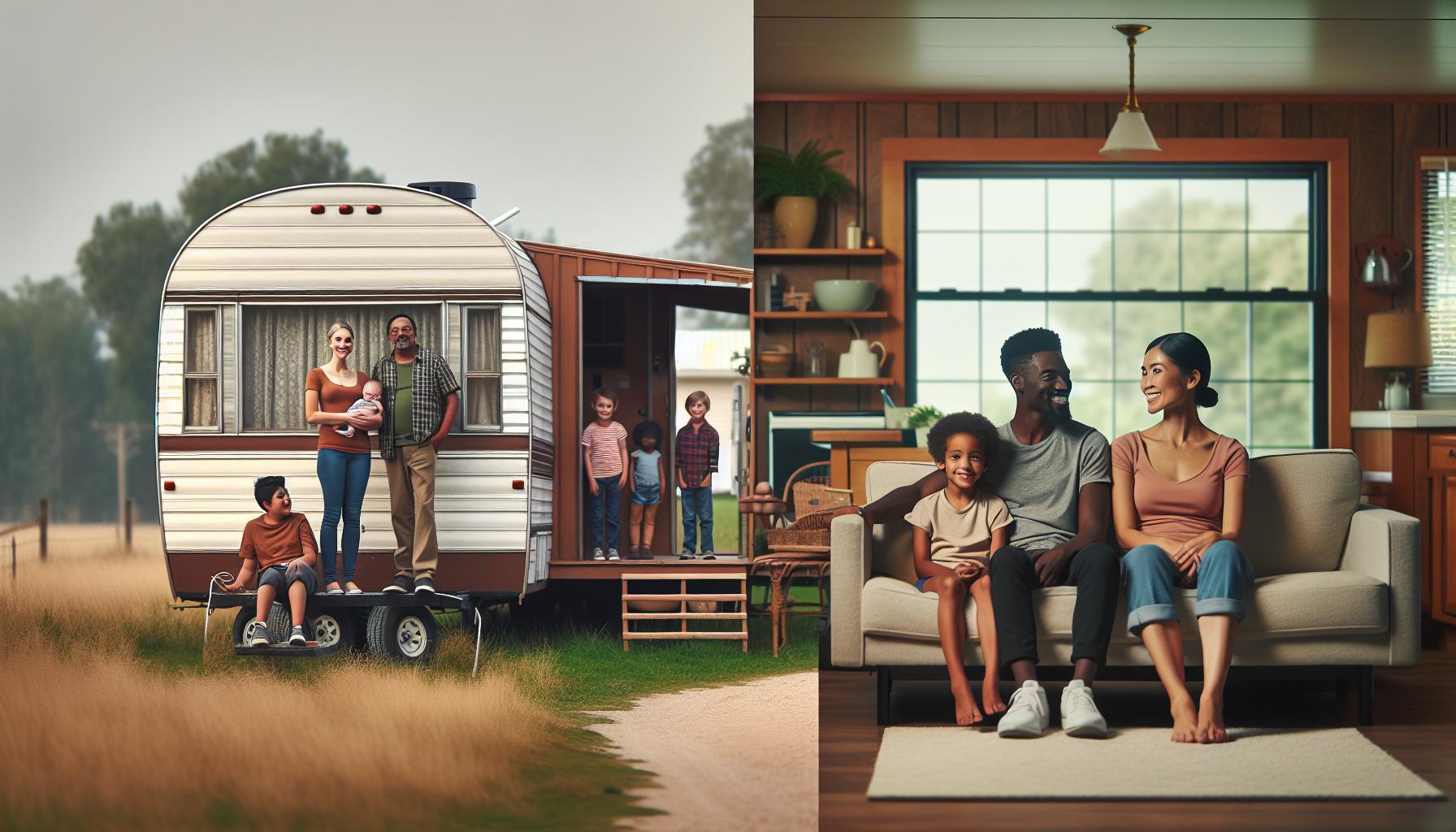
What is a Trailer and What is a Mobile Home?
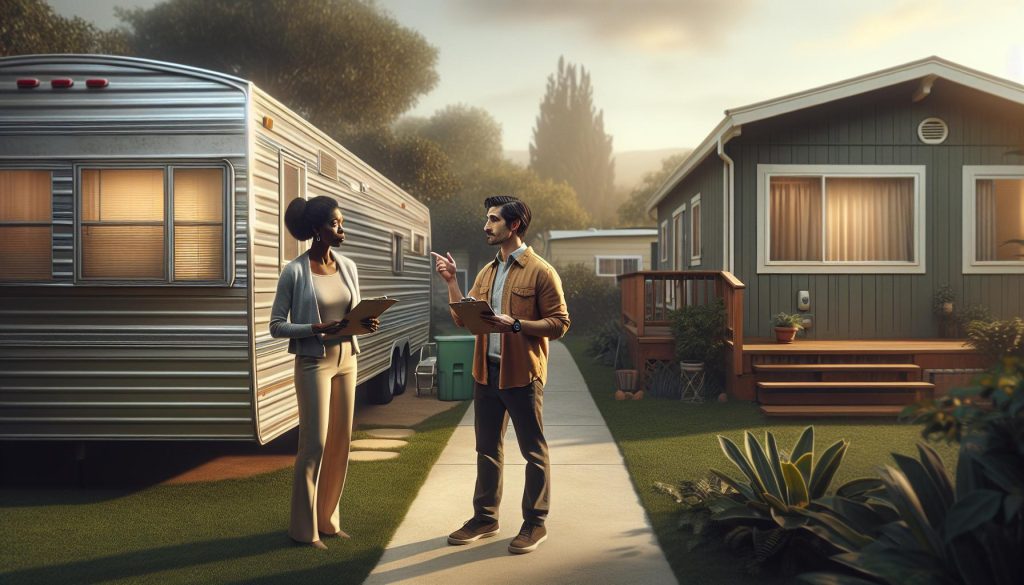
Understanding the distinctions between trailers and mobile homes is essential for anyone navigating the landscape of manufactured housing. A trailer, often referred to in contemporary terms as a travel trailer or camper, is typically designed for mobility and recreational use. These units are often smaller, equipped for transient living, and primarily intended for short-term stays in various locations, making them popular for camping or seasonal travel. On the other hand, a mobile home, which is more accurately termed a manufactured home, is built for permanent or semi-permanent placement. These homes adhere to specific federal standards and are designed to provide long-term housing solutions with features that resemble those found in traditional homes.
Mobile homes vary significantly in size and layout, accommodating families and individuals seeking stable housing. Unlike trailers, which can have limited space, mobile homes often come as single-wide or double-wide configurations, providing ample room for multiple rooms and amenities. While trailers are constructed on a chassis designed for towing, mobile homes are installed on foundations and can be connected to utilities, offering a semblance of traditional home living. This fundamental difference in purpose between a trailer and a mobile home highlights the broader implications for zoning, insurance, and financing, which are crucial for buyers to consider.
In essence, while both trailers and mobile homes offer unique benefits, it’s important for prospective buyers or renters to understand these distinctions. By recognizing the structural and functional differences, individuals can make informed decisions that suit their lifestyle needs-whether that means seeking the adventurous life of a traveler with a trailer or settling into a more permanent residence with a mobile home.
Key Differences: Size, Structure, and Purpose
Understanding the distinctions between trailers and mobile homes can significantly impact your housing decisions. At the core of their differences lie aspects like size, structure, and purpose, which cater to diverse living situations.
Trailers, often referred to as travel trailers or campers, are typically designed for temporary usage and mobility. They are generally smaller, with an average length ranging from 10 to 35 feet, making them well-suited for recreational activities such as camping or road trips. These structures are mounted on a chassis specifically built for towing, allowing easy transport from one location to another. Trailers are equipped with basic amenities for short stays, including sleeping areas, kitchenettes, and often a small bathroom. However, their design prioritizes mobility over spacious living, resulting in limited room for permanent fixtures or amenities.
In contrast, mobile homes, or manufactured homes, are intended as long-term residences. They are built to larger dimensions, often exceeding 60 feet in length, and designed for permanent or semi-permanent installation. Mobile homes come in various configurations, including single-wide (typically 14 to 18 feet wide) and double-wide models (up to 36 feet wide), providing ample space for multiple rooms such as bedrooms, bathrooms, kitchens, and living areas. Unlike trailers that are easily moved, mobile homes are placed on foundations; they connect to utilities and adhere to specific federal construction standards, making them a more stable and permanent housing option.
The purpose behind these two housing types also differentiates them further. Trailers are focused primarily on providing a transient lifestyle, catering to individuals seeking adventure or seasonal living arrangements. Conversely, mobile homes offer the opportunity for families and individuals to establish roots in a community, providing a sense of belonging and stability in a more structured living environment. Understanding these key differences helps prospective buyers or renters make informed decisions that align with their lifestyle choices, whether they are pursuing adventure or seeking a permanent home.
Understanding Mobile Home Types: Single-Wide vs. Double-Wide
When it comes to manufactured housing, understanding the differences between single-wide and double-wide mobile homes is crucial for potential buyers. Both types serve as affordable housing solutions, but their designs and capabilities cater to varying needs and lifestyles. A single-wide mobile home is generally more compact, measuring between 14 and 18 feet in width and can be up to 60 feet long. This type of home is ideal for individuals or small families seeking an economical living space without sacrificing comfort. They are easier to transport and often come at a lower price point, making them an attractive option for first-time homeowners or those looking to downsize.
On the other hand, double-wide mobile homes are typically much larger, often reaching widths of 20 to 36 feet and lengths that can exceed 80 feet. This roomy design allows for a more traditional home-like layout, including multiple bedrooms, bathrooms, and expansive living areas. Families or individuals desiring more space and amenities often prefer double-wides, as they can provide a greater sense of permanence and comfort. Moreover, the construction and assembly of double-wide homes can often involve more intricate designs, allowing for features like vaulted ceilings, larger kitchens, and open-concept living spaces.
Key Considerations for Choosing Between Single-Wide and Double-Wide
- Space Requirements: Evaluate your needs concerning the number of occupants and preferred living standards. A single-wide may suffice for individuals or small families, while a double-wide is suitable for larger families or those who require more room for hobbies or home offices.
- Budget: Cost is always a factor. Single-wides generally come with a lower upfront price and reduced utility costs, while double-wides will require more investment, but offer greater long-term value with their durability and space.
- Community Placement: Many mobile home communities cater to specific types of homes. Double-wides often occupy larger lots with added amenities, while single-wides might fit comfortably in smaller spaces.
With both single-wide and double-wide options, potential homeowners can find a suitable mobile home that meets their specific budgetary constraints and lifestyle preferences. Each type has its unique benefits, making it essential for buyers to assess their needs carefully before making a decision. Whether opting for the compact elegance of a single-wide or the spacious comfort of a double-wide, manufactured homes have emerged as a legitimate and appealing housing choice in today’s market.
Common Misconceptions About Trailers and Mobile Homes
Many people conflate trailers and mobile homes, leading to a web of misunderstandings about these two distinct forms of housing. A common misconception is that all trailers are inferior living arrangements compared to traditional homes, but this is far from the truth. Both trailers and mobile homes can offer comfortable, stylish, and affordable living options. Moreover, advancements in construction technology and design have resulted in mobile homes that are well-insulated, built with high-quality materials, and equipped with modern amenities that can rival those of site-built homes.
Another prevalent belief is that mobile homes are inherently unstable or unsafe. While it’s critical to ensure proper installation and adherence to local codes, many mobile homes are built to stringent safety standards, often exceeding those of conventional houses. Furthermore, innovations like hurricane tie-downs and foundation systems have made mobile homes much more secure against severe weather conditions. The key lies in responsible ownership and following guidelines for maintenance and stability.
Lastly, there is a notion that living in a mobile home community equates to low social status or a lack of investment. In reality, many mobile home parks are meticulously maintained, with vibrant communities that foster connections among residents. This lifestyle can be just as socially rewarding as living in traditional neighborhoods. Understanding these misconceptions is essential for anyone considering mobile or manufactured housing, helping to pave the way for a more informed and positive view of an increasingly popular housing option.
In shared communities, social interactions can thrive, offering friendships and support systems that are often sought in more traditional settings. Embracing the reality of mobile home living involves recognizing the diverse experiences and successful lifestyles it accommodates, dispelling the myths that can hold potential homeowners back from a fulfilling and cost-effective living choice.
Legal Considerations: Regulations and Zoning for Mobile Homes
The landscape of mobile home ownership is shaped significantly by legal considerations, particularly in terms of regulations and zoning laws. Understanding these aspects is crucial for both potential buyers and current residents, as navigating this complex environment can greatly influence the viability of living in a mobile home. For instance, many counties have specific zoning laws that dictate where mobile homes can be placed, and these laws can vary widely from one municipality to another.
Before purchasing a mobile home, it’s essential to check with local zoning boards to confirm that the intended location is legally suitable for mobile homes. Not only do zoning regulations pertain to the placement of the home, but they also often include restrictions on the size, age, and type of manufactured housing permitted in certain areas. Some zones may allow only new mobile homes, while others may impose conditions on the installation, requiring adherence to specific safety codes and permitting processes.
Understanding Mobile Home Regulations
In addition to zoning considerations, mobile homes are also subject to various safety and health regulations. Mobile homes must be installed correctly, which includes securing the structure to a foundation that meets local codes. This may involve obtaining permits and ensuring that the installation follows the standards set by the U.S. Department of Housing and Urban Development (HUD), which set forth guidelines for manufactured housing. Compliance with these regulations not only ensures the safety and longevity of the home but also protects the owner’s rights and property value.
Furthermore, community rules within mobile home parks often play a role in the regulations homeowners must adhere to. These rules can cover a range of issues including maintenance responsibilities, property appearance, and even pet ownership. Understanding these regulations upfront helps to ensure a harmonious living environment and can prevent future conflicts with neighbors or management.
Steps for Compliance and Awareness
To navigate legal considerations effectively, consider these actionable steps:
- Research local zoning laws: Start by checking with your local zoning authority to understand what is permitted in your area.
- Engage with local housing authorities: Contact local departments that oversee mobile homes for guidance on required permits and regulations.
- Ensure proper installation: Hire licensed professionals who understand HUD standards and can guarantee compliant installation.
- Review community rules: If living in a park, request a copy of the community guidelines and familiarize yourself with them.
Being proactive about these legal considerations not only reinforces the legitimacy of mobile home living but also enhances the overall experience of ownership. By knowing your rights and responsibilities, you can enjoy your mobile home with confidence and peace of mind.
Financing Options: Buying a Mobile Home vs. Trailer
Navigating the financial landscape of mobile home and trailer ownership can seem daunting, but understanding the differences in financing options is essential for making an informed decision. While the terms “trailer” and “mobile home” are often used interchangeably, they suggest different financing scenarios. A mobile home typically refers to a manufactured unit built after 1976, which meets federal safety standards, while “trailer” might imply an older or non-vehicular structure. This distinction is critical since it influences loan eligibility, interest rates, and required insurance.
When it comes to financing a mobile home, buyers have various options to explore. Traditional mortgages for mobile homes can be available, especially for those classified as real property, meaning the home is permanently affixed to land. Options like FHA loans can be beneficial because they offer lower down payment requirements and more flexible credit guidelines. On the other hand, purchasing a trailer might involve securing personal loans or installment loans, which typically come with higher interest rates and shorter terms, reflecting the higher perceived risk for lenders.
It’s important to weigh the advantages and disadvantages of each financing type. For instance, while mobile home loans often provide more favorable terms, they may require more documentation and a longer approval process than simpler personal loans often used for trailers. Additionally, prospective buyers should consider not only the monthly payments but also the total cost of ownership, including taxes, insurance, and upkeep.
Securing favorable financing also involves understanding both upfront costs and ongoing expenses. Depending on the type of home, insurance might be more straightforward for mobile homes since many providers recognize their durability and the safety standards they must meet. In contrast, insuring a trailer might require specialized coverage, potentially driving up costs. Ultimately, identifying the right financing path involves careful consideration of personal circumstances, market conditions, and the type of home being purchased. By taking these factors into account, buyers can confidently navigate the financing options available and choose the best path for their unique situation.
Maintenance Essentials: Caring for Your Mobile Home
Maintaining a mobile home is essential not only for ensuring your comfort but also for preserving its value over time. Just like traditional houses, mobile homes require regular upkeep, which includes everything from exterior maintenance to interior repairs. One of the most critical aspects is preventing moisture issues, which can lead to mold and structural damage. Regularly check for leaks in your roof, especially after heavy rains, and ensure that gutters are clear and functioning properly to direct water away from the home.
To manage the integrity of your mobile home, consider the following maintenance tasks:
Routine Inspections
Conducting routine inspections of both the exterior and interior is key. Focus on areas like:
- Roof: Look for damaged or missing shingles and soft spots, which may indicate underlying issues.
- Foundation: Check the skirting for gaps or damage that could allow pests or moisture to enter.
- Plumbing: Regularly inspect for leaks under sinks and around the toilet or shower fixtures.
- HVAC system: Change filters seasonally and have annual inspections for heating and cooling efficiency.
Exterior Care
Keeping the exterior of your mobile home in top shape protects it from the elements and enhances its curb appeal. Paint and siding may require periodic touch-ups or replacement, depending on wear and tear. When it comes to your home’s underbelly, ensure that all insulation is intact and that the area is encapsulated to prevent debris and pest intrusion. Investing in a sturdy awning can also shield windows and doors from weather impacts, while adding style.
Interior Maintenance
Inside your mobile home, focus on maintaining proper ventilation to combat humidity and prevent mold growth. Use exhaust fans in kitchens and bathrooms, and consider installing dehumidifiers if humidity levels become excessive. Likewise, check caulking around windows and doors to enhance energy efficiency and prevent drafts. Regularly clean carpets and flooring and consider resealing or refinishing surfaces as needed.
By adopting a proactive maintenance approach, you position yourself not only to enjoy a comfortable living space but also to protect your financial investment in your mobile home. This consistent care helps to foster a sense of community and pride in your living environment, making it a rewarding experience for residents of mobile homes.
Renovation Tips: Upgrading Your Mobile Home Properly
Upgrading a mobile home can significantly enhance its appearance and functionality, making it feel more like a personal oasis. Whether you’re looking to improve aesthetic appeal, increase energy efficiency, or enhance overall comfort, there are practical steps you can take to ensure your renovations are successful and impactful.
One of the first considerations is to focus on the exterior. Changing the siding can provide a fresh look and improve insulation. Opt for materials like vinyl or fiber cement that require minimal maintenance and can withstand various weather conditions. Additionally, adding a front porch or deck can expand your outdoor living space and add value. Consider installing energy-efficient windows, which not only improve insulation but can also enhance curb appeal.
Moving inside, the layout is crucial. Open floor plans are popular, so if possible, consider removing non-load bearing walls to create a more spacious feel. Painting walls in light, neutral colors can brighten up spaces and make them appear larger. Upgrade the kitchen with modern appliances, new countertops, and cabinetry that matches your style. Additionally, investing in quality flooring such as laminate or vinyl can create a cohesive look throughout your home, making it feel more welcoming.
When planning any renovations, it’s essential to adhere to local regulations to avoid future complications. This may include permits for certain structural changes, ensuring compliance with safety standards. Keeping your renovations within budget is vital. Create a detailed plan and prioritize projects based on necessity and personal preference. Sometimes, smaller updates, like new lighting fixtures or updated hardware, can make a significant difference without breaking the bank. By thoughtfully planning your upgrades, you can create a comfortable, stylish living space that meets your needs while adding value to your mobile home.
Insurance Insights: What Coverage Do You Need?
Navigating the world of insurance is crucial for mobile home owners, as it brings peace of mind against unforeseen circumstances. Understanding what coverage you need can empower you to make informed decisions about protecting your investment. Mobile home insurance is not just a safety net for the structure itself; it often encompasses several layers of protection, making it essential to tailor your policy to your specific needs.
Mobile home insurance typically includes coverage that protects the physical structure of your home and your personal belongings. This can be especially important in regions prone to natural disasters such as hurricanes, tornadoes, or flooding. It’s prudent to assess the level of coverage based on your geographic location and the associated risks. For instance, if you live in an area that experiences severe weather, investing in additional coverage against floods or wind damage may be wise.
Additionally, personal property coverage is a key component, ensuring that your belongings, from furniture to appliances, are covered in case of theft or damage. Liability coverage is another critical aspect, which protects you in instances where someone is injured on your property. This not only shields you from potential lawsuits but can also cover legal fees, offering greater financial security.
Assessing Your Insurance Needs
When determining the right coverage for your mobile home, consider the following factors:
- Value of Your Home: Evaluate how much it would cost to replace or repair your mobile home fully. This assessment helps in selecting a policy that adequately covers its value.
- Contents: Take inventory of your personal belongings. Knowing their worth aids in choosing a policy with sufficient personal property coverage.
- Location: Research the common risks in your area, such as floods or wildfires, and adjust your coverage accordingly.
- Policy Type: Decide between replacement cost policies, which cover the cost of replacing your mobile home, or actual cash value policies, which account for depreciation.
Regularly reviewing your insurance policy can ensure that it keeps pace with any changes in your home or lifestyle, such as upgrades or changes to personal possessions. Engaging with a knowledgeable insurance agent who understands the unique aspects of mobile home insurance can further simplify this process, helping you secure the best possible coverage tailored to your needs.
Stability and Safety: Anchoring and Foundation Basics
Ensuring the stability and safety of your mobile home is a critical step that should not be overlooked. Unlike traditional homes, mobile homes require specific anchoring systems and foundation considerations to withstand wind, storms, and shifting ground. Proper installation and maintenance of these elements can significantly enhance your home’s resilience against environmental factors, ensuring a secure living environment.
The anchoring process involves securing the mobile home to the ground using specialized systems that prevent movement during adverse weather conditions. This typically includes the use of tie-down straps or anchors that physically attach the home to the foundation. It’s essential to have these elements installed according to local building codes and manufacturer recommendations, as improper installation can lead to damage or even displacement of the home during severe weather. Homeowners should regularly inspect their anchoring systems for wear and tear, checking for rust or loosening, which can compromise the effectiveness of the ties.
Foundation types for mobile homes can vary, with options including pier and beam systems, concrete slab foundations, or even crawl spaces. Selecting the right type is vital and should take into consideration the climate, soil type, and zoning regulations in your area. For instance, areas prone to freezing may require insulated foundations to prevent heaving, while flood-prone regions might necessitate elevated platforms. Regular maintenance of your foundation, such as checking for cracks or signs of settling, further ensures the durability and safety of your mobile home, safeguarding against potential structural issues in the long term.
Furthermore, integrating a routine maintenance schedule focused on your mobile home’s stability will help in identifying potential problems before they escalate. Inspecting for drainage issues, ensuring that gutters are clear, and preventing any vegetation near the foundation can significantly reduce erosion and water damage. Embracing these practices not only prolongs the lifespan of your mobile home but also solidifies its position as a legitimate and secure living option. Whether you’re a current owner or a prospective buyer, understanding and implementing these stability and safety measures will enhance your confidence in living in a mobile home.
Living in a Mobile Home Community: Pros and Cons
Living in a mobile home community can offer a unique blend of benefits and challenges. Many prospective homeowners are drawn to the affordability and sense of community that these neighborhoods provide, while others may have concerns about space, regulations, and lifestyle. Understanding the pros and cons can help individuals make informed choices when considering mobile home living.
One of the significant advantages of mobile home communities is the cost-effectiveness. Generally, mobile homes are less expensive than traditional houses, allowing individuals and families to own a home without incurring prohibitive debt. Additionally, many communities offer amenities such as swimming pools, clubhouses, and organized activities that foster social interaction and create a strong sense of belonging. The close-knit environment can be comforting, especially for those who value neighborly support and frequent interactions.
However, living in such communities does come with limitations. Many mobile home parks have strict rules governing what homeowners can do to their properties, including restrictions on landscaping, vehicle types, and even exterior paint colors. These regulations are designed to maintain uniformity and uphold community standards but may limit personal expression. Furthermore, some residents may face challenges related to land ownership; the home may be owned, but the plot of land could be leased, introducing complexities regarding lease terms and potential increases in rent over time.
Ultimately, weighing these factors-cost and community against restrictions and land ownership-will empower prospective buyers to make a choice that aligns with their lifestyle needs. By understanding the dynamics of mobile home living, people can better prepare themselves for both the rewards and challenges that come with establishing roots in a mobile home community.
Long-Term Value: Resale and Property Inspections
While mobile homes may not appreciate in value as quickly as traditional brick-and-mortar houses, they can be a financially viable option for many homeowners. Understanding the long-term value associated with mobile homes encompasses both resale potential and the importance of property inspections. This knowledge can empower prospective buyers and current owners to make informed decisions about their investments.
When considering resale value, the condition of the mobile home at the time of sale plays a crucial role. Buyers are generally drawn to well-maintained units that feature updated appliances, modern renovations, and energy-efficient upgrades. To maximize resale value, regular maintenance is essential. This includes not only routine cleaning and repairs but also addressing potential issues like roof leaks and foundation settling, which can deter potential buyers. Investing in property inspections prior to listing the home can also provide valuable insights into necessary repairs, allowing sellers to make informed choices and possibly avoid renegotiation scenarios.
Property Inspections and Due Diligence
Engaging a professional inspector familiar with manufactured homes can uncover hidden problems that could impact both resale value and living conditions. Inspections should focus on key areas such as:
- Structural Integrity: Inspect the frame, roof, and foundation for signs of damage or settling.
- Utilities: Evaluate plumbing, electrical systems, and HVAC units to ensure they are functioning efficiently and meet safety standards.
- Interior Condition: Assess the state of walls, flooring, and appliances, as well as look for signs of pest infestations.
Having a comprehensive inspection report can also provide leverage in negotiations during the sale process, presenting a transparent overview of the property’s condition to potential buyers.
Overall, while mobile homes can present unique challenges in the housing market, they also offer opportunities for homeowners to build equity over time. Understanding the factors that influence long-term value-including regular maintenance, strategic upgrades, and thorough inspections-can position owners for success, whether they aim to sell or simply enhance their living experience. Engaging thoughtfully with these elements will foster a rewarding mobile home ownership journey that stands the test of time.
Frequently Asked Questions
Q: What is a trailer?
A: A trailer is a non-motorized vehicle designed for transporting goods, materials, or equipment. Trailers are typically towed by a vehicle and come in various types and sizes for specific purposes, like utility, flatbed, or enclosed cargo.
Q: What is a mobile home?
A: A mobile home, also known as a manufactured home, is a prefabricated dwelling that is transported to a site for permanent or semi-permanent living. Unlike trailers, mobile homes are built to specific housing codes and often feature more permanent foundations.
Q: Can you live in a trailer?
A: Yes, many people use trailers for temporary living arrangements, but they are not designed for long-term habitation like mobile homes. Trailers are better suited for transporting goods or as temporary accommodations, while mobile homes serve as permanent residences.
Q: Are trailers and mobile homes subject to different regulations?
A: Yes, trailers and mobile homes are governed by different regulations. Mobile homes must comply with HUD standards for construction and safety, while trailers are regulated more loosely and often by state and local laws regarding transport and use.
Q: How do financing options differ for trailers and mobile homes?
A: Financing a mobile home usually involves mortgage options similar to traditional homes, while trailers may require personal loans or specialized financing. The type of financing depends on whether you’re purchasing a movable trailer or a permanent mobile home.
Q: What are the main structural differences between trailers and mobile homes?
A: Trailers are usually built with lighter materials and designed for transport, while mobile homes have a more robust construction with insulation, plumbing, and electrical systems built for permanent residency.
Q: Which is better for long-term living, a trailer or a mobile home?
A: A mobile home is better suited for long-term living due to its more durable construction, better insulation, and compliance with housing standards. Trailers are typically not built for prolonged habitation and lack the necessary amenities.
Q: What are common misconceptions about trailers and mobile homes?
A: A common misconception is that all trailers are the same as mobile homes. In reality, trailers are mainly for transportation, while mobile homes are intended for permanent living. Additionally, mobile homes often have more regulations and a higher quality of construction.
Future Outlook
Understanding the distinction between a trailer and a mobile home is crucial for anyone considering these living options. As we’ve explored, both have unique features, regulatory guidelines, and potential benefits that can greatly affect ownership and lifestyle. If you’re still unsure about which option suits you best, now is the perfect time to dive deeper into related topics such as financing options for mobile homes or essential maintenance tips to keep your home in top shape.
Don’t miss out on maximizing your living experience-check out our guides on common mobile home repairs and renovation techniques to enhance your property value. Join our community by signing up for our newsletter, where you’ll receive the latest insights and expert advice directly to your inbox. Engage with us by sharing your thoughts in the comments below or exploring our other articles tailored to both current residents and future buyers. Your journey in manufactured housing starts here; let’s navigate it together with confidence!