In the world of home construction, modular homes are gaining popularity for their efficiency and quality. But what exactly are they made of? Understanding the materials used in modular homes is crucial for prospective buyers and current homeowners, as these components directly influence durability, energy efficiency, and maintenance needs. By delving into the quality components that make up these innovative structures, readers can feel empowered to make informed decisions regarding their housing investments. Whether you’re looking to buy, maintain, or simply expand your knowledge, this exploration will uncover the essential materials that define modular living. Continue reading to discover how these choices can enhance your home’s longevity and comfort.
What Are Modular Homes Made Of?
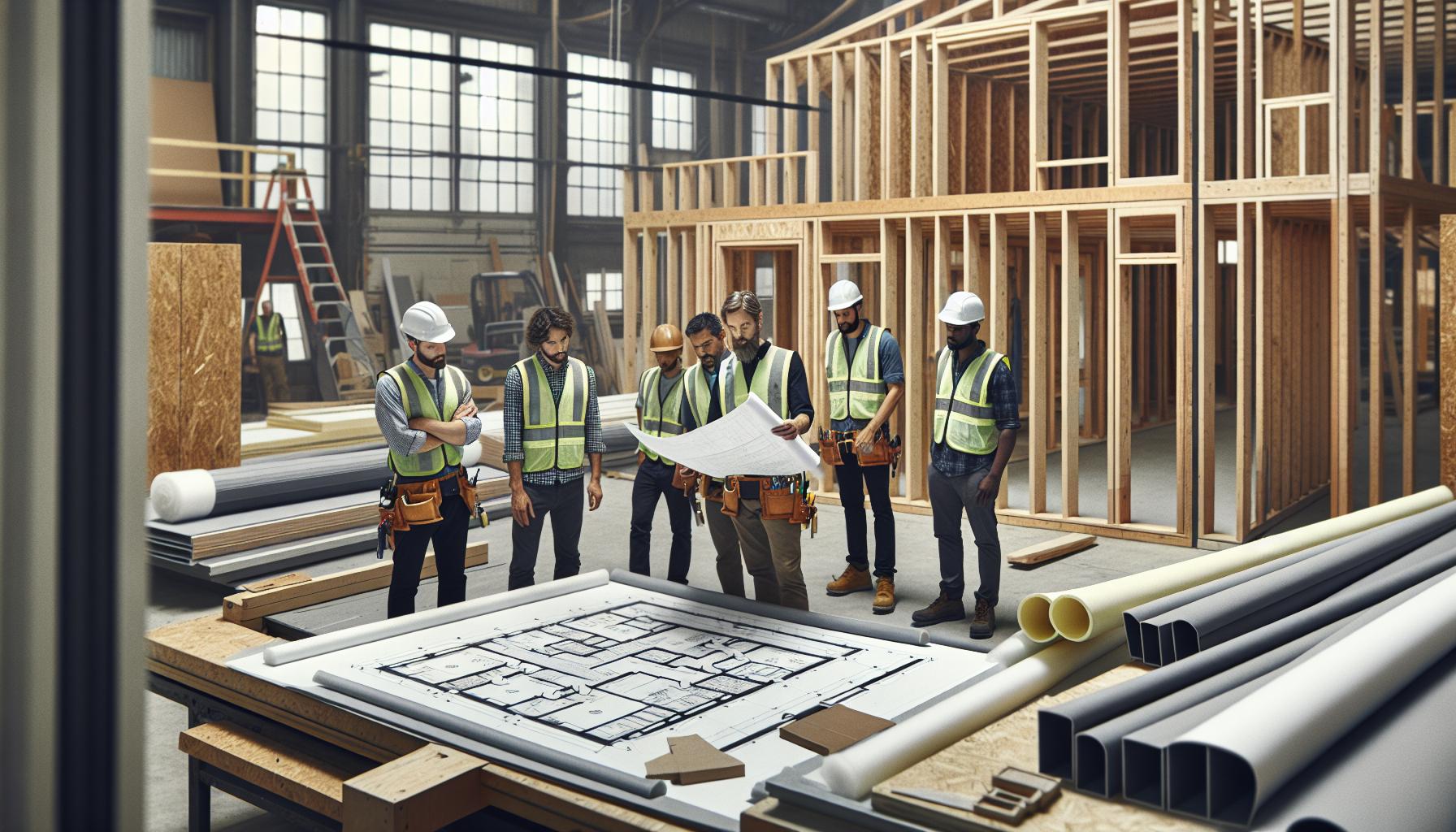
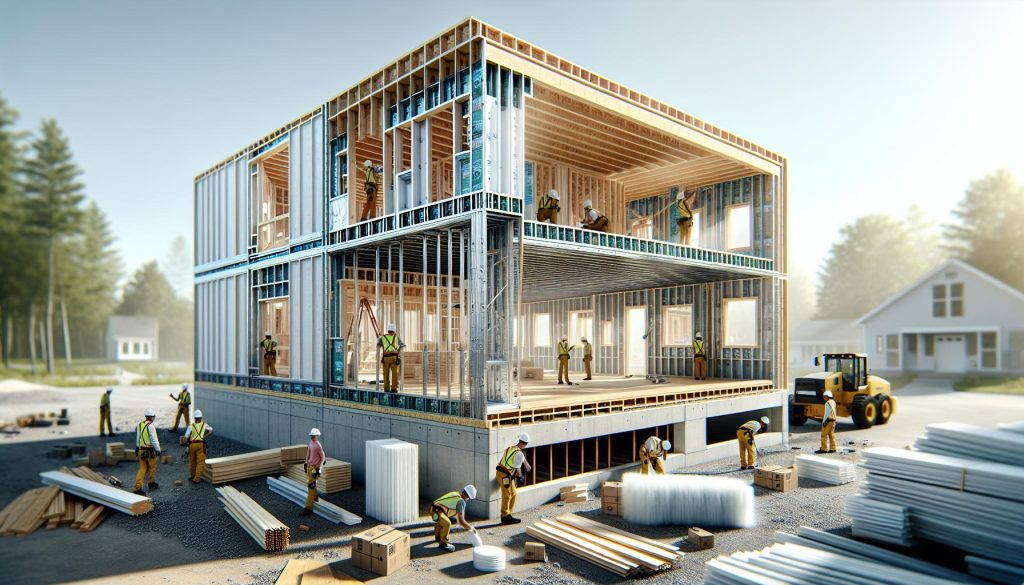
Modular homes represent a fascinating intersection of innovative construction techniques and quality materials. Unlike traditional homes built on-site, modular homes are constructed in sections or ‘modules’ in a controlled factory environment. This method not only optimizes quality control and reduces construction time but also ensures that homes are built to withstand the rigors of transportation and installation. A blend of materials is utilized to create a strong, durable structure. Common materials include high-grade timber frames, quality steel reinforcements, and other composite materials designed for insulation and weather resistance.
The primary materials used in modular home construction typically encompass the following:
- Framing: High-quality lumber is often used for framing, which provides a sturdy backbone for the home. Steel framing is also an option for those seeking added durability and fire resistance.
- Siding: Modular homes may be finished with various exterior materials, including vinyl, wood, or fiber cement siding, all chosen for durability and aesthetic appeal.
- Roofing: Common roofing materials include asphalt shingles, metal roofing, and sometimes eco-friendly options designed for longevity and energy efficiency.
- Insulation: High-quality insulation is critical for energy efficiency, helping to regulate temperature and reduce heating or cooling costs.
The versatility in material selection doesn’t just stop at structural elements; many manufacturers focus on incorporating sustainable materials to appeal to environmentally conscious buyers. Options include reclaimed wood, recycled metals, and energy-efficient windows, which can contribute to lower overall energy consumption and a reduced carbon footprint.
When selecting a modular home, it’s essential to recognize the importance of quality materials, which directly affect the home’s longevity and efficiency. Buyers are encouraged to ask manufacturers about the specifications of materials used in construction, checking certifications for energy efficiency, and seeking homes built by reputable companies, as this can provide peace of mind regarding the quality and durability of the investment.
Essential Components of Modular Homes
From their unique construction process to the innovative materials used, modular homes showcase a distinct approach to modern housing. These homes, built in sections known as modules, stand out due to their superior assembly techniques, which ensure high quality and durability. Understanding the essential components that go into these homes can help prospective buyers appreciate their value and longevity.
The framing of a modular home is a critical element that provides structural integrity. Homes typically utilize either high-quality lumber or steel framing. Lumber is favored for its natural insulation properties and aesthetic appeal, while steel offers unmatched strength and fire resistance. This choice heavily influences durability and maintenance needs over time.
Exterior finishes play a vital role not only in the aesthetics of a modular home but also in its protection against environmental elements. Common siding materials include vinyl, wood, and fiber cement, each selected for their durability and appeal. Choosing the right siding can enhance the home’s energy efficiency and reduce upkeep.
Roofing materials significantly impact both energy efficiency and longevity. Asphalt shingles are popular for their affordability and performance, while metal roofing is renowned for its durability and low maintenance needs. Some manufacturers also offer eco-friendly options, contributing further to the sustainability of modular homes.
Furthermore, insulation is a non-negotiable component in these homes. High-quality insulation helps maintain comfortable indoor temperatures year-round, reducing energy costs and improving overall efficiency. Many modular builders invest in advanced insulation techniques, ensuring that homes are not only comfortable but also eco-conscious.
By exploring these essential materials and components of modular homes, buyers can make well-informed decisions that align with their lifestyle and sustainability goals. Ultimately, investing in quality materials translates to lower maintenance costs and a longer-lasting home, making modular housing a practical choice for various buyer segments.
Timber Frame vs. Steel Frame: Which Is Better?
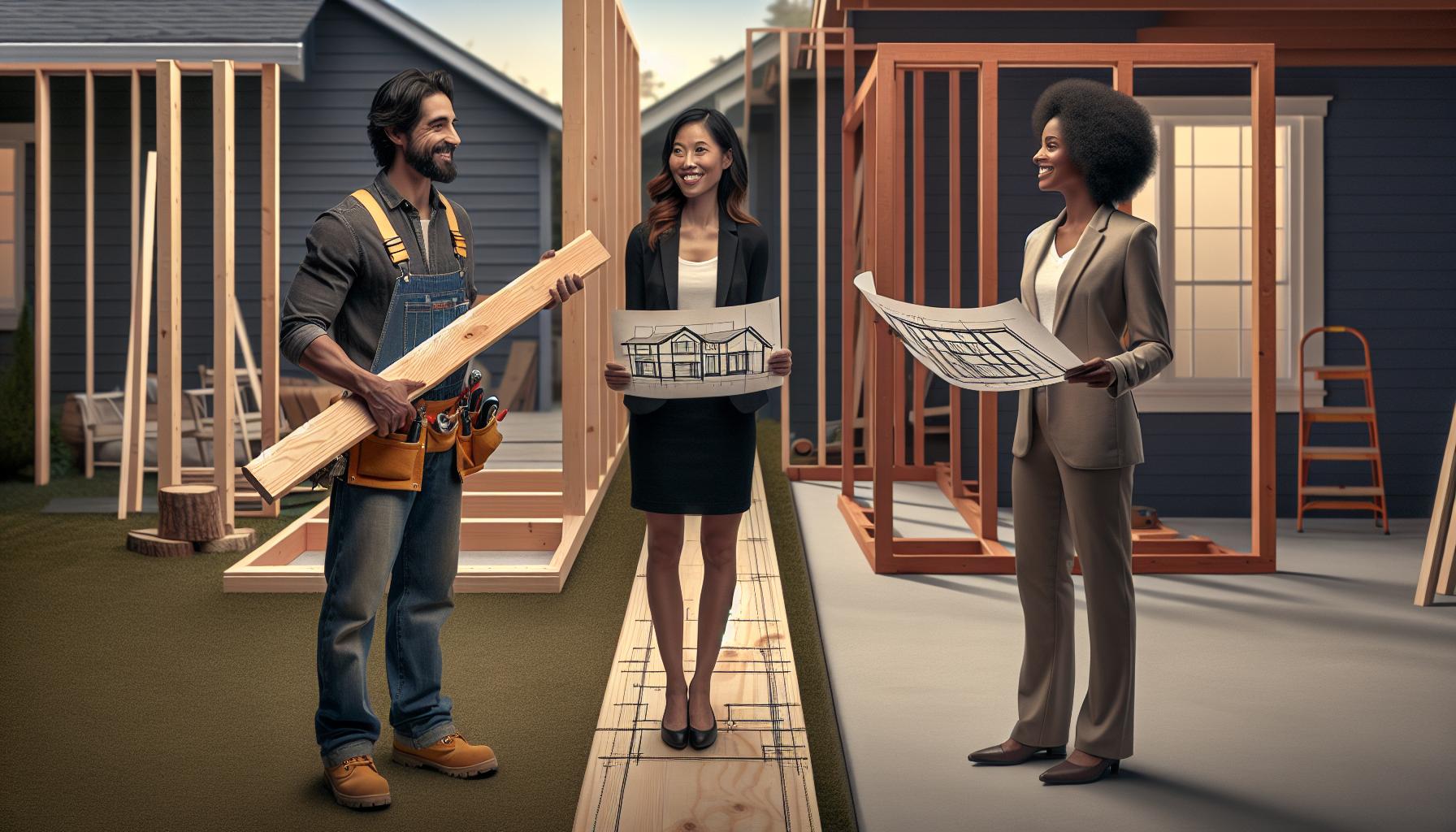
The choice between timber framing and steel framing is one of the most crucial decisions when constructing a modular home, as each material carries its unique set of benefits and considerations. Timber framing has long been favored for its natural aesthetic appeal, providing warmth and texture that many homeowners love. The inherent insulation properties of wood also contribute to energy efficiency, helping to keep homes warm in winter and cool in summer. Additionally, timber tends to be less expensive than steel, providing a cost-effective option for many buyers.
On the other hand, steel framing offers advantages that cannot be overlooked. It is renowned for its strength and durability, providing a robust structural frame that resists warping, cracking, and pests. This makes steel an excellent choice for livable spaces that encounter adverse weather conditions or seismic activity. Steel framing can often lead to lower maintenance costs over time because of its resistance to fire and decay, making it a reliable option for long-term investment.
Key Considerations
When deciding between these two framing materials, consider the following factors:
- Climate and Location: In areas prone to hurricanes or floods, steel may offer better resilience, while timber may be preferable in drier climates.
- Budget: Determine the total costs associated with each framing option, including installation and long-term maintenance expenses.
- Insulation Requirements: Think about the energy efficiency goals you want to achieve and how each material contributes to insulation performance.
- Personal Aesthetic: Your design preferences should also influence your choice-timber offers a more traditional look, while steel tends to lend a contemporary feel.
Ultimately, the choice between timber and steel framing will depend on individual preferences, budget, and specific needs related to the environment where the home will be built. Consulting with professionals experienced in modular home construction can provide valuable insights to help prospective homeowners make informed decisions that align with their long-term goals.
Understanding Panelized Systems in Modular Homes
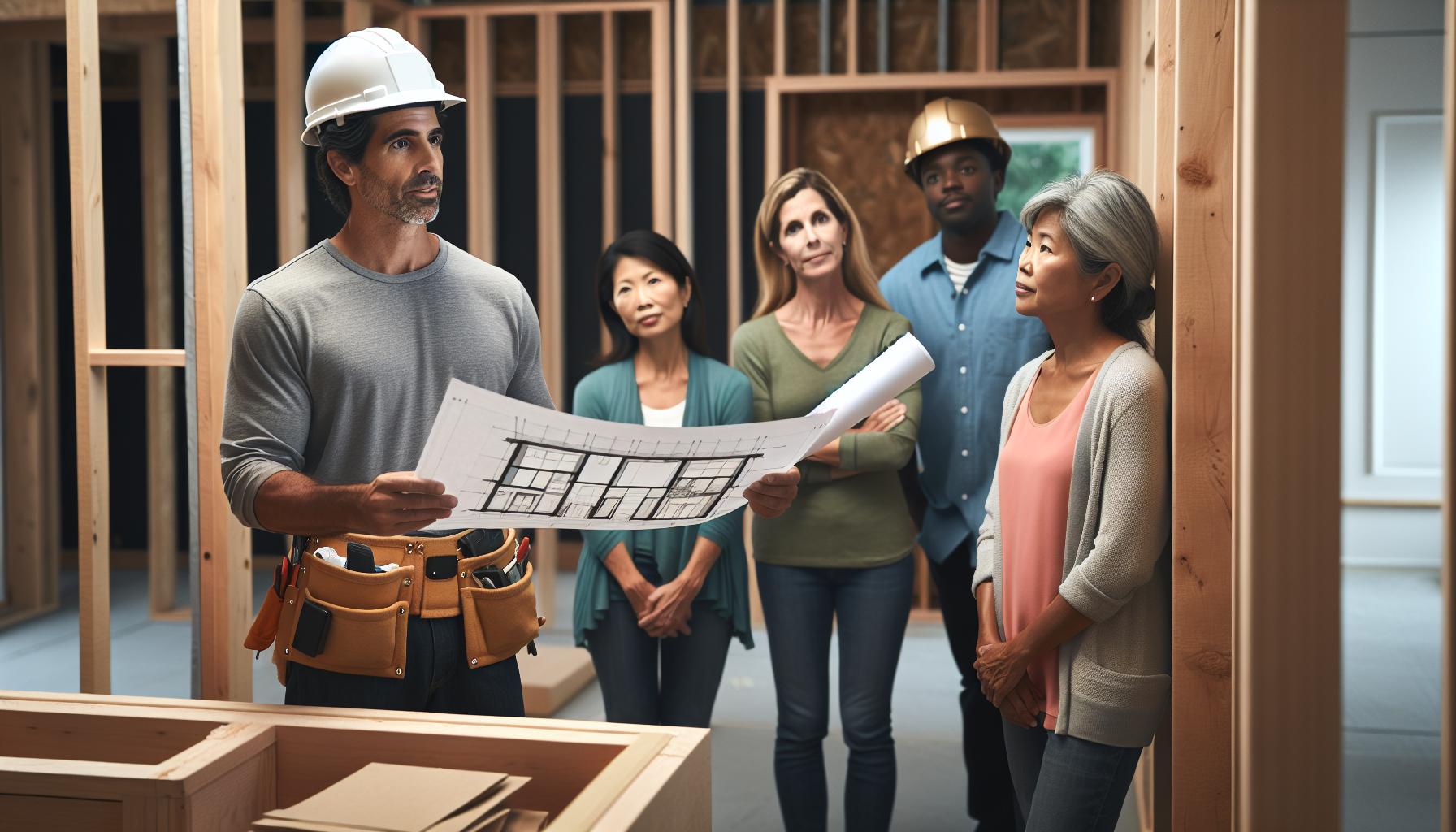
Utilizing panelized systems in modular homes represents a remarkable strategy that enhances efficiency and precision in construction. These systems involve prefabricated wall panels, floor panels, and roof panels manufactured in a controlled environment before being transported to the building site. This prefabrication offers significant advantages, including reduced construction time, minimized waste, and improved structural integrity. With components made to exact specifications, panelized systems ensure uniformity and quality that traditional on-site construction often struggles to achieve.
In panelized modular homes, the wall panels are typically constructed with a frame-often using 2×4 or 2×6 timber-filled with high-quality insulation materials. This structure not only provides strength but also allows for superior energy efficiency. The panels are often sheathed with weather-resistant materials, enhancing the home’s durability against various environmental conditions. Furthermore, manufacturers can employ advanced building techniques to streamline the assembly process, enabling a quicker turnaround from factory to finished home.
Benefits of Panelized Systems
Panelized systems provide several advantages that appeal to prospective homeowners and builders alike:
- Speed of Construction: As components are pre-built, homes can be assembled on-site much faster than traditional building methods.
- Quality Control: Manufacturing in a factory setting allows for strict quality control, ensuring that materials meet specific standards before reaching the site.
- Custom Designs: Homeowners can choose from a variety of designs and layouts, allowing for personalization without sacrificing efficiency.
- Efficient Use of Resources: Prefabrication reduces material waste and optimizes resource utilization, contributing to more sustainable building practices.
Integrating panelized systems into modular homes not only simplifies the building process but also creates opportunities for innovative designs that cater to modern living. By considering a panelized approach, homeowners can invest in a quality construction method that marries aesthetic appeal with functional benefits, ultimately leading to long-lasting investments.
Durable Exterior Materials for Longevity

When considering the longevity of modular homes, the choice of exterior materials plays a critical role in enhancing both durability and aesthetic appeal. Modular homes are designed to withstand various environmental factors, and selecting the right materials can significantly impact their lifespan and maintenance needs. For instance, hardie board siding is a popular choice among homeowners looking for durability and weather resistance. This fiber-cement material is not only resistant to termites and rot but also offers exceptional performance in harsh climates, making it an ideal option for regions prone to extreme weather conditions.
Another option worth considering is vinyl siding. Known for its low maintenance and weather-resistant properties, vinyl siding can retain its color and strength even after years of exposure to the elements. Additionally, it comes in a wide range of styles and colors, allowing homeowners to select finishes that suit their personal aesthetic without compromising on durability. Investing in high-quality materials like these ensures that your home can endure weather fluctuations and other environmental stresses while maintaining its visual appeal.
Moreover, roofing materials should not be overlooked, as they safeguard the entire structure from the elements. Architectural asphalt shingles are favored for their longevity and ability to mimic the look of more expensive materials like wood or slate. These shingles often come with warranties that extend up to 50 years, providing homeowners with peace of mind regarding long-term performance. For those in coastal areas, metal roofing is another excellent option; it’s lightweight and can withstand high winds and heavy rainfall, making it particularly resilient.
Choosing durable windows and doors is equally important for enhancing the longevity of a modular home. Double or triple-pane glass provides better insulation and energy efficiency, which can reduce heating and cooling costs while helping prevent water infiltration. Look for options with high-quality frames made from materials like fiberglass or vinyl, which resist warping and deterioration.
In summary, selecting the right exterior materials for a modular home is key to ensuring its durability and aesthetic longevity. By considering options such as hardie board siding, vinyl siding, quality roofing materials, and durable windows and doors, homeowners can create a resilient home that stands the test of time, while also enjoying the benefits of reduced maintenance and energy efficiency.
High-Quality Insulation for Energy Efficiency
When looking to enhance the energy efficiency of a modular home, selecting high-quality insulation is a critical consideration. Effective insulation not only reduces energy costs but also contributes to a comfortable living environment by maintaining stable indoor temperatures throughout the seasons. Modular homes, built in a controlled environment, provide unique opportunities to integrate superior insulation options that can outperform traditional site-built homes.
One of the most popular insulation materials for modular homes is fiberglass. Known for its excellent thermal performance, fiberglass insulation comes in batts or rolls and is often used in walls, attics, and floors. It is non-combustible, resistant to moisture, and provides significant soundproofing benefits, making it an ideal choice for creating a quiet and energy-efficient home. Alternatively, spray foam insulation has gained traction due to its superior air sealing capabilities. It expands upon application, filling gaps and cracks that might otherwise lead to energy loss, thereby enhancing the overall energy efficiency of the home.
Key Benefits of High-Quality Insulation
- Reduced Energy Costs: Properly installed insulation minimizes heat loss in winter and heat gain in summer, leading to lower heating and cooling expenses.
- Increased Comfort: Insulation helps to keep indoor temperatures consistent, reducing drafts and creating a more comfortable living space.
- Environmental Impact: By improving energy efficiency, homeowners can reduce their carbon footprint and reliance on fossil fuels.
- Long-Term Value: Quality insulation can enhance the resale value of your home by demonstrating its energy efficiency to potential buyers.
In addition to choosing the right insulation material, homeowners should consider the insulation’s R-value, which measures its resistance to heat flow. The higher the R-value, the better the material’s insulating effectiveness. For most climates, a higher R-value in attics and walls is recommended to meet energy codes and improve overall efficiency.
Incorporating high-quality insulation into a modular home isn’t just an upgrade; it’s a smart investment in comfort and efficiency. When choosing insulation, remember to evaluate options based on the specific climate of your location, the structure of the home, and the desired energy-saving goals. With the right approach, you can create a modular home that offers not only aesthetic appeal and durability but also significant energy savings and comfort for years to come.
Choosing Eco-Friendly Materials for Sustainability
Selecting eco-friendly materials for modular homes not only supports sustainable living but also reflects a growing awareness of environmental impacts among homeowners. Many modular home manufacturers are now prioritizing green building practices by using sustainable materials that minimize waste, reduce energy consumption, and improve indoor air quality. This shift not only benefits the environment but enhances the comfort and longevity of the homes.
One popular option in eco-friendly construction is the use of reclaimed wood. Utilizing lumber salvaged from old buildings not only reduces deforestation but also adds character and history to a new home. Likewise, bamboo, known for its rapid growth and renewability, is increasingly employed in flooring and cabinetry. Its natural beauty and durability make it a compelling choice for homeowners seeking sustainable alternatives.
When assessing insulation options, consider materials such as cellulose, made from recycled paper products, or wool insulation, which is a natural and effective thermal barrier. Both options provide excellent insulating properties while offering a reduced environmental footprint. Additionally, ensure that paints and finishes are low in volatile organic compounds (VOCs) to maintain a healthy indoor environment.
Another avenue for enhancing sustainability is through the selection of energy-efficient windows and doors. Features like triple glazing and low-E coatings not only improve insulation but also decrease reliance on artificial heating and cooling, making a significant impact on energy bills. Additionally, incorporating solar panels into the design can further promote renewable energy use, providing long-term savings and contributing to a greener lifestyle.
Embracing these eco-friendly materials and technologies allows homeowners to create a modular home that is not only sustainable but also a healthier place to live. By making informed choices, residents can significantly contribute to conservation efforts while enjoying the numerous benefits that come with a thoughtfully constructed home.
The Role of Advanced Technology in Modular Home Design
In recent years, advanced technology has revolutionized the modular home industry, offering innovative solutions that enhance design, construction speed, and overall quality. Technologies such as computer-aided design (CAD) and building information modeling (BIM) have become integral to the planning phase, allowing manufacturers to create precise blueprints that minimize errors and maximize efficiency. These digital tools enable architects and designers to visualize the finished product in a 3D space, allowing for easier adjustments and customizations to better match the client’s vision.
One of the key advancements in modular construction is automation and robotics in fabricating components. Automated systems can produce high-quality building elements with incredible precision, significantly reducing waste and the potential for human error. This is particularly beneficial when creating complex designs or using durable materials that require meticulous handling. Moreover, techniques like modular panelization allow for the off-site construction of large sections of a home, which can then be easily assembled on-site, further streamlining the building process.
Innovative Insulation and Energy Efficiency
The integration of smart technologies in energy systems is also transforming modular home design. Homeowners can now opt for smart home systems that monitor energy consumption and adjust heating, cooling, and lighting based on real-time data. Additionally, features such as advanced solar panel systems, energy-efficient HVAC units, and high-performance windows can be seamlessly integrated into modular designs, promoting sustainability and reducing utility costs over time.
The use of prefabricated and eco-friendly materials is another aspect where technology has made a significant impact. Advanced manufacturing techniques now allow for the usage of recycled and sustainable materials without compromising on quality or durability. This not only supports environmental sustainability but also aligns with growing consumer demand for energy-efficient and environmentally friendly housing options.
Overall, advancements in technology are paving the way for more efficient, customizable, and environmentally conscious modular homes. As these technologies continue to evolve, homeowners can look forward to a future where their living spaces are not only exceptionally designed but also smartly integrated to enhance comfort, quality, and sustainability.
How to Identify Quality Components in Modular Homes
When considering the purchase of a modular home, understanding the components that contribute to its quality is crucial for ensuring a long-lasting investment. Unlike traditional homes, modular homes are constructed off-site and then transported in sections to be assembled at the final location. This process can sometimes mask the quality of the materials used, so discerning buyers need to be vigilant in evaluating each aspect of the home.
To start, it’s essential to evaluate the construction materials used in both the structural and aesthetic components of the home. Look for homes that utilize solid, high-grade timber or steel frames, as these provide a sturdy backbone. A well-constructed modular home often features reinforced joints and quality fasteners which ensure stability over time. When inspecting, focus on the type of siding, roofing materials, and insulation used. High-performance insulation not only promotes energy efficiency but also contributes to the comfort of the home.
Another key factor is the technology employed in the construction process. Advanced manufacturing techniques, including precision cutting and automated assembly, lead to higher quality builds. Ask the manufacturer about their processes; those that adopt cutting-edge technology often produce homes with fewer defects and superior customization options. Look for homes built with eco-friendly materials, which not only demonstrate a commitment to sustainability but also typically meet higher quality standards.
When evaluating a modular home, take the time to check certifications and warranty offerings. Reputable manufacturers will provide thorough documentation regarding building codes, energy efficiency, and safety standards. Quality components are often backed by warranties that can guarantee material longevity, further ensuring that your investment is protected.
Finally, inquire about the maintenance requirements of the components used in the home. For instance, quality vinyl siding and metal roofs can reduce upkeep and extend the life of your home’s exterior. Understanding these factors will empower you to make an informed decision, ensuring that your modular home meets your standards for quality, durability, and sustainability.
Cost Considerations: Investing in Quality Materials
Investing in high-quality materials for modular homes is a decision that pays dividends over time, balancing upfront costs with long-term benefits. While the allure of lower-priced options is tempting, prioritizing materials that offer durability, energy efficiency, and aesthetic appeal will enhance your living experience and safeguard your investment. By choosing quality components, homeowners not only enjoy better comfort and aesthetics but also incur lower maintenance costs, making it a financially sound decision in the long run.
When considering the cost implications, it’s essential to look beyond the sticker price of materials. Quality materials tend to improve insulation, which can significantly reduce heating and cooling expenses. For instance, advanced insulation materials like spray foam or rigid foam boards may be more expensive initially, but they can lead to substantial savings on energy bills over time. Additionally, components such as metal roofing and high-grade siding are not only durable but also require less maintenance, allowing homeowners to save on repair and replacement costs.
- Long-term savings: Quality materials often come with warranties that promise longevity, directly reducing the need for renovations.
- Energy efficiency: Investing in superior insulation and energy-efficient windows can reduce monthly utility bills significantly.
- Resale value: A well-constructed modular home with high-quality materials retains its value and appeals to prospective buyers, making it a wise investment.
Ultimately, understanding the balance between upfront costs and long-lasting quality is crucial for making an informed purchasing decision. By carefully evaluating the materials used in a modular home and opting for those that contribute to durability and efficiency, homeowners can enjoy a comfortable and sustainable living environment while ensuring that their property remains a valuable asset for years to come.
Maintenance Tips for Long-lasting Modular Homes
Ensuring the longevity of your modular home hinges significantly on effective maintenance practices. Modular homes, built with precision and quality materials, can last for decades when cared for properly, but neglecting regular upkeep can compromise their structure and energy efficiency. Adopting a proactive maintenance routine can safeguard your investment and enhance your living experience.
Regularly inspect the exterior for signs of wear or damage. Look for cracks in the siding, peeling paint, or loose roofing materials. Prompt repairs can prevent minor issues from escalating into costly problems. To maintain the exterior’s durability, it’s wise to clean gutters regularly, as blocked gutters can lead to significant water damage. Moreover, a periodic power wash can help remove accumulated grime and prevent mold growth, particularly in regions with higher humidity.
Evaluating insulation and sealing gaps around windows and doors is equally crucial. Over time, seals may degrade, leading to drafts and increased energy consumption. Ensuring that your insulation is effective not only enhances comfort but can also save you money on heating and cooling bills. Check for signs of compromise like temperature fluctuations or unusual energy bills; if detected early, simple upgrades can be made to maintain efficiency.
Finally, consider the foundation and anchoring system essential for stability, particularly in areas prone to natural disturbances. Regularly check the leveling and stability of your modular home, ensuring it remains securely anchored. This not only prevents structural issues but also aids in compliance with local building codes. Engage with professionals for periodic assessments, especially after extreme weather events, to ensure your home remains resilient against the elements.
By committing to these maintenance approaches, you will ensure your modular home continues to provide a safe, comfortable, and efficient living space for years to come, maximizing the benefits of its high-quality materials.
Trends in Modular Home Materials for 2024
As we move further into 2024, the modular home industry continues to evolve, embracing new materials and technologies that enhance the quality, sustainability, and aesthetics of manufactured housing. With rising environmental concerns and a strong push toward energy efficiency, contemporary trends focus on utilizing materials that are not only functional but also eco-friendly. Modern modular homes are increasingly incorporating innovative building products that reduce environmental impact while ensuring durability and safety.
One significant trend is the use of sustainable materials such as bamboo and recycled steel, which have gained popularity due to their low ecological footprint. Bamboo, known for its rapid growth and renewability, serves as an excellent choice for flooring and structural components. On the other hand, recycled steel offers incredible strength and moisture resistance, reducing the risk of mold and rot. These materials contribute to a modular home’s longevity and environmental sustainability, aligning with the growing consumer preference for green building practices.
Moreover, advancements in prefabricated insulation technology are making waves in the modular home market. Insulation materials such as spray foam and cellulose are becoming more commonplace, providing better energy efficiency than traditional fiberglass options. These modern insulations are designed to prevent air leaks and offer superior thermal performance, which is vital for comforting living spaces and lowering heating and cooling costs. Homeowners can expect increased energy efficiency ratings as they opt for these advanced products.
The growing incorporation of smart home technology into modular designs further enhances the appeal for modern buyers. Features like smart thermostats, energy-efficient appliances, and integrated home systems not only facilitate convenience but also promise lower energy bills. New materials are increasingly compatible with these technologies, leading to truly innovative homes that cater to tech-savvy users’ needs.
In summary, the trends in 2024 emphasize a shift towards sustainable, durable, and technology-friendly materials in modular home construction. By investing in these cutting-edge components, homeowners can enjoy enhanced energy efficiency, safety, and comfort, making modular homes an increasingly attractive housing option for diverse lifestyles.
Frequently asked questions
Q: What types of materials are commonly used in modular home construction?
A: Modular homes primarily utilize high-quality materials such as timber, steel, advanced insulation, and durable siding. The choice of materials enhances structural integrity, energy efficiency, and weather resistance, resulting in a long-lasting and comfortable living environment.
Q: How does the material choice affect the durability of modular homes?
A: The durability of modular homes is significantly influenced by the materials used. High-grade materials like steel framing and advanced insulation not only withstand harsh weather but also reduce maintenance needs, ensuring your home remains robust over time.
Q: Are modular homes built with environmentally friendly materials?
A: Yes, many modular homes incorporate eco-friendly materials such as sustainable wood, recycled steel, and low-VOC paints. These choices not only minimize environmental impact but also promote healthier living spaces and enhance energy efficiency.
Q: What insulation options are available in modular homes?
A: Modular homes commonly feature various insulation options, including fiberglass batts, spray foam, and rigid foam boards. Choosing high-quality insulation ensures better energy efficiency, reducing heating and cooling costs while maintaining a comfortable indoor climate.
Q: How do modular homes compare to traditional homes in terms of material quality?
A: Modular homes are built using advanced construction techniques and high-quality materials, often exceeding the standards of traditional on-site homes. This results in a more dependable structure that can be constructed faster and with less material waste.
Q: Can the materials used in modular homes impact energy efficiency?
A: Absolutely! The right materials, especially high-quality insulation and energy-efficient windows, significantly enhance a modular home’s energy efficiency. This leads to lower utility bills and a reduced carbon footprint, promoting sustainability.
Q: What role do technological advancements play in material selection for modular homes?
A: Technological advancements have led to the development of superior building materials that are stronger, lighter, and more energy-efficient. These innovations allow manufacturers to create modular homes that are not only durable but also customizable and efficient.
Q: What should buyers consider when selecting materials for a modular home?
A: Buyers should prioritize the quality, sustainability, and performance of materials. Factors such as code compliance, warranty options, and maintenance needs also play a critical role in ensuring the longevity and efficiency of the home. For detailed guidance, refer to the sections on “Choosing Eco-Friendly Materials” in your article.
In Retrospect
As you explore the quality components that make up modular homes, remember that the materials you choose significantly impact durability, energy efficiency, and comfort. If you’re considering making the jump into modular living, there’s no better time to act. Don’t miss out on our in-depth resources about financing options and essential maintenance tips to ensure your investment stands the test of time.
We invite you to check out our articles on the long-term benefits of modular homes and common renovation techniques that can enhance your living space. Have questions or insights? Join the conversation in the comments below; your experience can help others navigate their modular journey. Remember, embracing modular living means investing in quality and innovation-take the next step today and discover how to create your dream home with confidence!