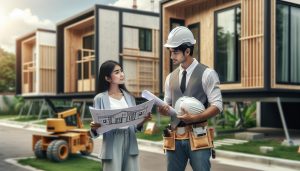
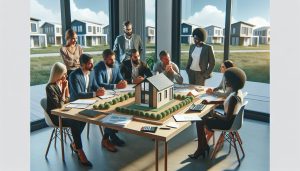
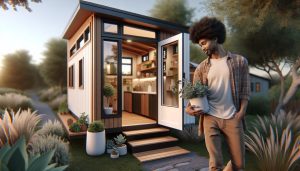
As the demand for affordable and sustainable living options grows, modular home communities are emerging as a popular choice, blending quality housing with a strong sense of community. These neighborhoods offer a unique lifestyle where residents enjoy the benefits of well-planned communities, including shared amenities and vibrant social connections, all while appreciating the modern, customizable designs of modular homes. For prospective buyers, current residents, and investors, understanding these communities can reveal a path to enhanced living experiences and financial stability. Dive into the world of modular home communities and discover how they can meet your housing needs while fostering a supportive neighborhood environment.
What Modular Home Communities Offer
Choosing to live in a modular home community offers unique advantages that enhance the living experience while fostering a sense of belonging. These communities often prioritize shared values and communal living, creating an environment where residents can enjoy both privacy and the benefits of social interaction. One compelling aspect of modular home communities is the strong emphasis on sustainability and energy efficiency, which frequently translates into cost savings for residents and a reduced environmental footprint.
- Community Culture: Modular home communities typically cultivate a friendly, close-knit atmosphere. Regular events and activities can strengthen connections amongst neighbors, making it easier for families and individuals to form relationships and support systems.
- Affordability: Compared to traditional housing options, modular homes often present a more budget-friendly choice. This affordability makes homeownership attainable for a wider demographic, allowing individuals and families to build equity without the burden of overwhelming financial strain.
- Maintenance and Management: Many modular home communities offer maintenance services that handle routine upkeep, freeing residents from the worry of exterior repairs and lawn care. This convenience allows homeowners to focus more on their enjoyment of the space and less on the responsibilities of property management.
- Modern Designs and Customization: Modular homes come in various styles and can often be customized to reflect residents’ personal tastes. This flexibility enables new homeowners to express their individuality through their living spaces.
In addition to these benefits, modular home communities often include essential amenities such as parks, recreational facilities, and communal areas, enhancing the overall quality of life. The friendly environment, combined with attractive living spaces and thoughtful amenities, makes these communities an appealing choice for prospective homeowners looking for both comfort and community.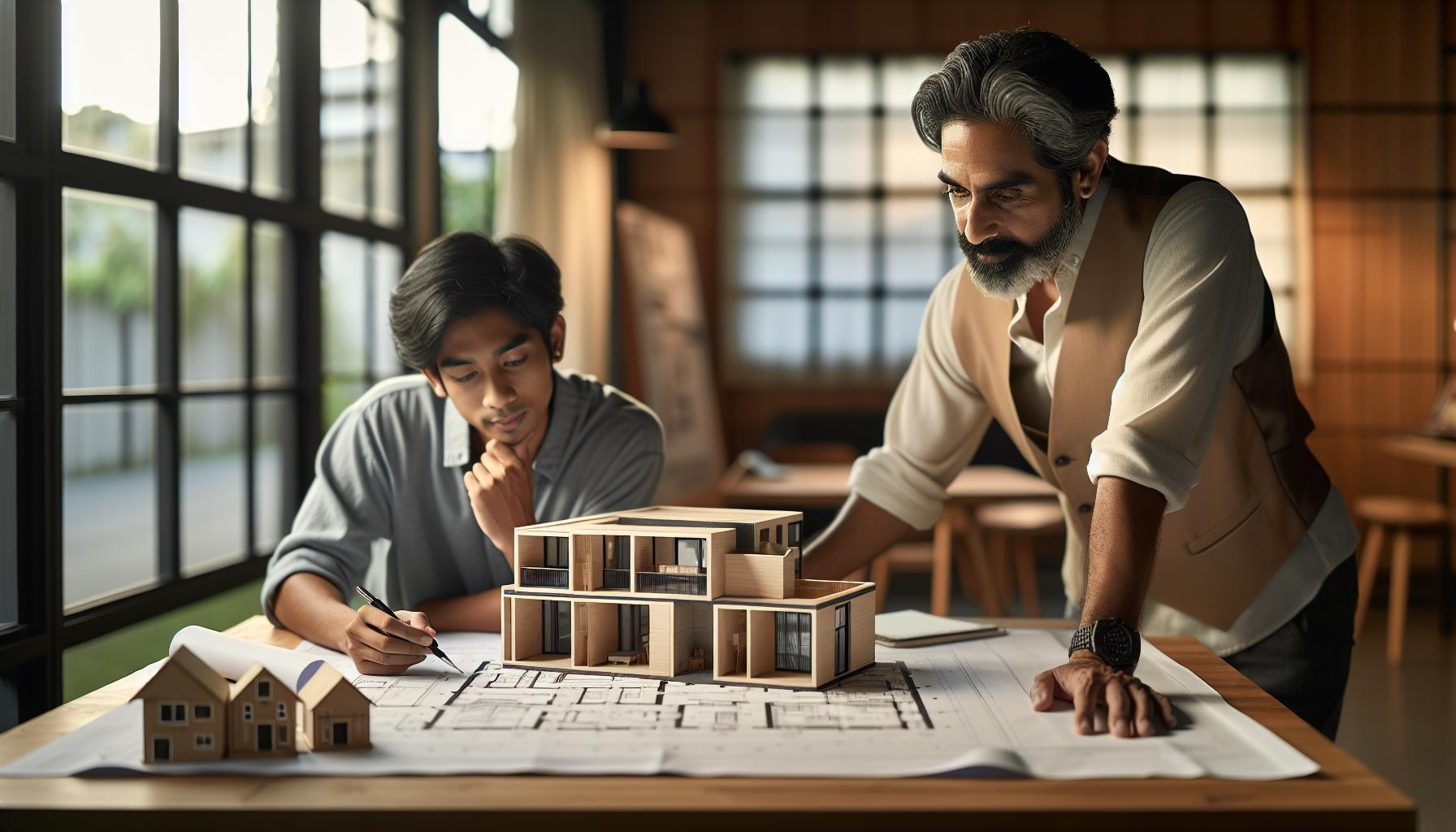
Understanding the Modular Home Concept
Modular homes are revolutionizing the housing landscape, offering an innovative approach to home construction that combines efficiency with style. Unlike traditional homes built entirely on-site, modular homes are constructed in sections, known as modules, in a controlled factory environment. This method not only minimizes weather-related delays but also allows for better quality control, as homes are built under strict oversight. Once the modules are constructed, they are transported to the designated site and assembled, often in a matter of days. This rapid building process can significantly reduce costs and timeframes, making modular living an appealing option for many.
One of the defining characteristics of modular homes is their flexibility in design. Buyers can often choose from a variety of floor plans, finishes, and layouts, allowing them to customize their living space according to personal preferences. This adaptability extends to the surrounding community, as many modular home neighborhoods are designed with communal features that encourage interaction among residents. From landscaped parks to walking trails and swimming pools, these amenities enhance lifestyle quality while fostering a sense of belonging.
Moreover, modular homes often incorporate sustainable building practices and energy-efficient technologies. Many communities are designed to fit seamlessly into their environments, utilizing eco-friendly materials and advanced insulation techniques to minimize energy consumption. This focus on sustainability not only benefits the environment but also leads to lower utility bills for homeowners, making modular living a financially sound choice.
In summary, the modular home concept blends modern living with practicality, addressing common housing concerns such as affordability and environmental impact. As more people discover the benefits of this innovative housing solution, modular communities are becoming increasingly popular, offering a lifestyle that balances individuality with community connection.
Key Benefits of Modular Neighborhood Living
Living in a modular home community offers a unique blend of modern convenience and a sense of belonging. With designs that prioritize not only individual comfort but also community engagement, these neighborhoods foster an environment where residents can thrive together. Modular living encourages relationships among neighbors, creating a vibrant social fabric that often includes community events, shared spaces, and recreational activities, enhancing the overall quality of life.
One significant advantage of modular neighborhoods is their emphasis on affordability without sacrificing quality. Because homes are built off-site and assembled in a shorter timeframe, construction costs are typically lower than traditional homes. This financial benefit extends to the homeowner’s budget, as modular homes often feature energy-efficient designs and sustainable materials, leading to decreased utility expenses. This approach allows families to enjoy modern amenities and spacious layouts while maintaining a favorable cost of ownership.
Furthermore, modular communities are designed with shared amenities that promote an active lifestyle. These developments often include features such as parks, walking trails, and community centers, which encourage outdoor activities and social interactions. The convenience of having these facilities nearby not only fosters community spirit but also provides residents with accessible spaces for recreation and relaxation. Families can enjoy picnics in the park or organize neighborhood events that strengthen bonds and create lasting memories.
In addition to community facilities, the flexibility in design inherent in modular homes makes them appealing. Buyers can customize their homes to reflect their unique tastes and lifestyle needs-whether it’s choosing a specific floor plan or selecting eco-friendly finishes. This adaptability extends beyond the individual home to encompass the entire community, allowing for diverse architectural expressions that enhance neighborhood aesthetics. Living in a modular home community thus provides not only a dwelling place but an opportunity to be part of a thoughtfully planned environment, making it a rewarding choice for many.
Comparing Modular Homes to Traditional Homes
Modular homes are increasingly being recognized as a viable alternative to traditional houses, offering a unique mix of affordability, efficiency, and customization. Unlike traditional homes that are constructed entirely on-site, modular homes are built in sections at a factory and then transported to the site for assembly. This difference in construction method can lead to a variety of advantages for potential homeowners.
One notable benefit of modular homes is their speed of construction. Since they are prefabricated in a controlled environment, they are often completed in significantly less time compared to traditional homes. This efficiency not only saves time but can also translate into lower labor costs and fewer delays due to weather conditions. As a result, homeowners can move in sooner and begin enjoying their new space.
In terms of cost, modular homes generally present a more budget-friendly option. With streamlined manufacturing processes and bulk purchasing of materials, these homes can be priced more competitively. Additionally, many modular homes come equipped with energy-efficient features which can reduce monthly utility bills, providing long-term savings that traditional homes may not offer. Moreover, buyers often have the flexibility to customize modular homes with various floor plans and finishes, allowing for personalization without the hefty price tag typically associated with custom-built traditional homes.
While traditional homes might come with a more established perception of permanence and long-term value, modular homes are closing that gap as they gain acceptance in the real estate market. It’s crucial to research and understand local zoning laws and community regulations, as these can impact the ability to place and finance a modular home. Properly situated and maintained, modular homes can appreciate in value just like their traditional counterparts, making them an attractive investment option for many.
Ultimately, the choice between modular and traditional homes should reflect individual needs and circumstances. With features like affordability, quick construction times, and the possibility for customization, modular homes offer a compelling alternative that meets the demands of modern living.
Community Amenities in Modular Developments
Living in a modular home community often comes with a treasure trove of amenities that can significantly enhance the quality of life for residents. These developments are not merely clusters of houses; they are designed to create a vibrant, connected community. As more people turn to modular homes for their affordability and efficiency, they also find that these communities frequently offer a variety of communal spaces and services that foster interaction and improve day-to-day living.
Variety of Amenities
In many modular home developments, residents can enjoy a range of on-site amenities similar to those found in traditional neighborhoods. Common facilities may include:
- Community Centers: Spaces for gatherings, events, and activities tailored to residents of all ages.
- Parks and Green Spaces: Designed for recreation and relaxation, these areas are great for families and pet owners.
- Walking Trails: Paths that promote outdoor exercise and leisure while encouraging social interaction among neighbors.
- Playgrounds: Safe areas for children to play, helping to build a family-friendly atmosphere.
- Swimming Pools: Ideal for summer enjoyment and community events.
These shared spaces not only encourage residents to engage with each other but also cultivate a sense of belonging and mutual support, making the community feel more like a family.
Organized Activities and Social Events
Modular home communities often host a variety of organized activities, ranging from seasonal festivals to regular fitness classes. These events allow residents to bond over shared interests and hobbies, strengthening the sense of community. Examples of popular activities may include:
- Book Clubs
- Craft Workshops
- Community BBQs
- Holiday Celebrations
These offerings can significantly enhance the social fabric of the community, providing opportunities for friendships to flourish and for residents to support one another through life’s various stages.
Convenience and Accessibility
Another attractive feature of modular home communities is the convenience they provide in terms of accessibility to local services and amenities. Many developments are strategically located near schools, shopping centers, and healthcare facilities. This proximity not only saves time but also reduces the stress associated with commuting. Some communities may even have dedicated shuttle services or partnerships with ride-sharing programs, making transportation easier for residents.
In conclusion, choosing to live in a modular home community opens the door to a lifestyle rich in amenities, social interaction, and convenience. These developments are designed not only to provide a quality living space but also to foster a supportive and interactive community, making them an enticing option for families, retirees, and individuals alike.
Financing Options for Modular Homes
When considering a modular home, understanding financing options is crucial for making informed decisions. Modular homes offer a blend of affordability and modern living, often leading to diverse financing paths tailored specifically for these unique properties. With the right guidance, prospective buyers can navigate these options effectively, making it easier to step into their new community.
One of the primary financing options is the conventional mortgage, which functions similarly to traditional home loans. These mortgages can include both fixed-rate and adjustable-rate options, allowing buyers to choose a plan that best suits their financial capabilities and long-term goals. Importantly, many lenders also facilitate loans specifically for modular homes, acknowledging the distinct characteristics and benefits of this type of housing. This includes assessing the home’s value based on other comparable modular homes, ensuring that valuation is reflective of the community and modern amenities offered.
Government Programs and Alternatives
In addition to conventional loans, there are government-backed programs designed to support home buyers in achieving affordable housing. For instance, the Federal Housing Administration (FHA) provides loans specifically for manufactured and modular homes, which may have lower down payment requirements and more flexible credit criteria. These programs are particularly beneficial for first-time homebuyers looking to minimize upfront costs while still securing a quality modular home in a welcoming community.
It’s also essential to consider personal loans or home equity lines of credit (HELOC) if you’re looking at additional financing for setup or renovations. These options allow flexibility in funding modifications or personal touches that help make a modular home feel like your own.
When exploring financing options, it’s vital to engage with lenders experienced in modular home financing. This specialized knowledge ensures that buyers understand all aspects of the purchase, from site preparation costs to long-term maintenance expenses. Ultimately, securing the right financing can unlock the door to not just a new home, but a vibrant, connected lifestyle within a modular home community.
Legal Considerations and Zoning Regulations
Navigating the legal landscape is a crucial part of successfully establishing a home in a modular community. Understanding zoning regulations and local building codes ensures that your modular home is compliant and paves the way for a smooth transition into neighborhood living. Each locality has different laws governing land use, and modular homes may face specific restrictions. Therefore, it’s essential to conduct thorough research or consult a real estate professional who is experienced in modular housing.
Before purchasing a modular home, familiarize yourself with the zoning laws in your desired area. Zoning codes dictate the types of structures permitted, the minimum lot sizes, and the required distances from property lines (setbacks). In some regions, modular homes are treated like traditional site-built homes, while others may have distinct classifications. Understanding these regulations can prevent costly setbacks after your home has been placed. For instance, if a modular home is not allowed in a certain zone, you might have to consider alternative locations or potential zoning variances.
Another critical aspect is understanding local building codes. These codes outline the standards for construction, plumbing, electrical work, and other key components that ensure the safety and habitability of a home. It’s important to work with a reputable manufacturer and contractor who meets these codes relevant to modular homes. Always ensure that any desired customizations or renovations also comply with local codes to avoid any unforeseen issues.
Lastly, engaging with home owner associations (HOAs) is vital. Many modular communities have their own regulations and guidelines that go beyond local laws. These can cover aesthetic standards, property maintenance, and shared amenities. Reviewing these regulations ahead of time can help you understand any restrictions on outdoor structures, landscaping, or other property alterations that might affect your enjoyment of your new home. Being proactive and informed about legal considerations will help you transition smoothly into the vibrant lifestyle offered by modular home communities.
Sustainability and Energy Efficiency in Modular Communities
In an era marked by growing environmental awareness, modular communities are leading the charge toward sustainability and energy efficiency in housing. Modular homes are typically constructed with high-quality materials and modern building techniques that not only reduce waste during construction but also ensure they perform better in terms of energy use compared to traditional homes. A compelling fact is that modular construction often results in less material waste-up to 80% less than traditional building methods-since components are fabricated in a controlled factory environment.
One of the distinct advantages of modular homes is their capacity for energy-efficient design. Many modular builders incorporate energy-saving features as standard, such as energy-efficient windows, high-performance insulation, and advanced heating and cooling systems. These features contribute to lower energy bills and a reduced carbon footprint for homeowners. In addition to these built-in efficiencies, residents can further enhance their energy efficiency by opting for solar panels or energy-efficient appliances, which are often easier to integrate into modular designs due to their flexible nature.
Community-Minded Sustainability
The sustainability of modular communities extends beyond individual homes; it’s also about the cohesion of the community itself. Many modular developments are designed with green spaces and community amenities that promote outdoor living and social interaction. This planning not only enhances the quality of life for residents but also helps to foster a sense of community. For instance, these communities often include shared gardens, which not only provide food sources but also absorb carbon dioxide and promote biodiversity.
Moreover, the compact nature of modular neighborhoods leads to less land use and resource consumption overall. By concentrating housing in a smaller footprint, developers can preserve more natural spaces, which is crucial for maintaining local ecosystems. This thoughtful approach to development aligns perfectly with many municipalities’ goals for sustainable living, which is an attractive feature for potential buyers who value eco-friendly living.
Embracing the latest advancements in technology, modular homes are also becoming increasingly smart. Many newer models come equipped with smart home systems that allow residents to monitor and manage their energy usage more effectively. With integrated technology, homeowners can adjust heating, cooling, and lighting remotely, ensuring maximum efficiency while promoting a greener lifestyle.
Modular Home Design Trends to Consider
In the evolving landscape of modular homes, design trends are increasingly reflecting the emphasis on functionality, sustainability, and personalization, making them a significant consideration for prospective homeowners. One notable trend is the move towards *open floor plans*, allowing for more versatile living spaces that enhance flow and connectivity. This design choice not only maximizes the use of available space but also creates an inviting environment perfect for both family interactions and entertaining guests.
Another emerging trend is the integration of *sustainable materials*. Homeowners are increasingly opting for eco-friendly options, such as bamboo floors, recycled metal roofing, and low-VOC paints. These choices not only contribute to a healthier living environment but also align with the eco-conscious values many buyers hold dear today. As modular homes often come with the benefit of factory precision, builders can easily incorporate these materials without compromising quality or durability.
Smart home technologies are also becoming a staple in modern modular designs. Features such as smart thermostats, security systems, and energy-efficient appliances offer convenience and peace of mind to homeowners. The ability to control home settings remotely not only enhances comfort but also can lead to significant savings on utility bills over time. As technology advances, modular homes are well-positioned to adapt, keeping up with the latest innovations and homeowner preferences.
Customization Options
Customization is a hallmark of modular design, allowing homeowners to tailor their spaces to reflect personal style and functional needs. From selecting exterior finishes and interior layouts to choosing energy-efficient windows and appliances, the opportunity to modify a home extensively sets modular construction apart. This degree of customization ensures that each modular home can cater to unique lifestyle requirements while maintaining the efficiency that modular construction offers.
Investing in a modular home can be a wise choice, especially when considering these design trends. By aligning personal preferences with modern, sustainable practices, buyers are not only creating a comfortable living space but also contributing positively to their communities and the environment. As modular neighborhoods continue to grow, these design elements will undoubtedly play a central role in shaping the collective identity of these innovative living spaces.
Resale Value and Investment Potential
As more homebuyers seek affordable housing solutions, modular homes are gaining traction, sparking discussions about their . Often perceived as less desirable than traditional homes, modular homes can actually offer significant investment advantages, particularly in growing communities. A blended understanding of factors such as location, community amenities, and the overall housing market can position modular homes as a viable investment opportunity.
In the context of modular home communities, unique elements contribute to resale value. The rapid construction time associated with modular homes often results in a quicker return on investment for buyers. As neighborhoods develop, the demand for homes may increase due to their affordability and modern amenities. Buyers may appreciate the smart design, energy-efficient features, and sustainable materials commonly found in modular structures. Each of these factors can enhance the home’s appeal in the resale market.
Market Comparisons
When assessing investment potential, comparing modular homes to traditional homes is essential. Generally, modular homes are priced lower than their conventional counterparts, allowing buyers to enter the market with less financial pressure. This lower entry point can attract first-time buyers and those looking to downsize. Additionally, modular homes tend to maintain their value over time, especially in desirable locations with strong community development plans in place. Buyers are encouraged to explore real estate trends in their target area to better understand pricing strategies and future growth prospects.
Factors Impacting Resale Value
Several key factors influence the resale value of modular homes:
- Location: Proximity to schools, shopping areas, and recreational facilities plays a critical role in determining a home’s value.
- Community Amenities: Access to community pools, parks, and well-maintained common areas can enhance the appeal of modular neighborhoods.
- Home Condition: Regular maintenance and upgrades can keep modular homes competitive in the market. Consider factors such as landscaping, exterior finishing, and interior updates.
- Sustainable Features: Homes equipped with environmentally friendly technologies may attract buyers seeking long-term savings on energy bills.
Modular homes represent a compelling choice for many buyers, combining affordability with potential financial gain. Thorough research, coupled with an understanding of the unique aspects of modular communities, empowers prospective homeowners and investors to make informed decisions. With their evolving design and technology, modular homes are not just a temporary alternative but a promising investment in the housing market.
Navigating the Modular Home Buying Process
Entering the modular home buying process can be both exciting and overwhelming, especially for first-time buyers or those unfamiliar with contemporary housing options. To embark on this journey with confidence, it’s essential to understand the various stages of purchasing a modular home, from initial research to final setup. Modular homes have become a practical solution for many individuals and families seeking affordable and quality housing, making it imperative to navigate the buying process effectively to avoid common pitfalls.
At the outset, begin by researching different manufacturers and builders in your area. Modular homes vary widely in design, quality, and price, so identifying reputable companies is crucial. Look for online reviews, visit showrooms, and attend open houses to get a firsthand look at the quality of construction and available floor plans. Make a list of features that are important to you, such as energy efficiency, layout options, and community amenities. This will help narrow down your choices and guide your discussions with builders.
Once you have a shortlist, it’s time to evaluate financing options. Modular homes can be financed similarly to traditional homes, but understanding the specific needs of modular purchasing is key. Speak with lenders experienced in modular home loans, as they will be familiar with potential challenges, such as land acquisition costs and setup expenses. Prepare your financial documents in advance, as you would for a conventional mortgage, and be ready to discuss your budgetary constraints and any government programs that might benefit you. Don’t forget to explore insurance options specific to modular homes, ensuring adequate coverage to protect your investment.
After selecting your preferred home and securing financing, you’ll need to consider logistics for setup and installation. This involves coordinating site preparation, utility connections, and ensuring that your new home meets local zoning regulations. Familiarize yourself with the permitting requirements in your area, as this can vary significantly. Engaging a qualified contractor who specializes in modular homes can alleviate many of the stresses associated with site preparation and ensure compliance with local laws. The contractor can also help in executing proper installation practices, such as leveling and anchoring the units, which are critical for the safety and longevity of your home.
Finally, as you approach your moving day, focus on the details that will make your modular home feel like yours. Personalizing your space with interior finishes, landscaping, and community engagement can create a sense of belonging in your new neighborhood. By following these steps and embracing the informative journey ahead, you’ll position yourself for a successful and fulfilling modular home ownership experience.
FAQ
Q: What are the advantages of living in a modular home community?
A: Living in a modular home community offers benefits such as community support, shared amenities, and often lower maintenance costs. Residents enjoy a sense of belonging while having access to recreational facilities and organized events, enhancing neighborhood connections.
Q: How do modular home communities enhance neighborhood living?
A: Modular home communities enhance neighborhood living by fostering a close-knit environment where residents often participate in social events, share facilities, and collaborate on community projects, leading to stronger relationships and a higher quality of life.
Q: What amenities are typically found in modular home communities?
A: Modular home communities often feature amenities such as parks, playgrounds, clubhouses, and fitness centers. These shared spaces encourage community engagement and provide residents with recreational opportunities, contributing to a vibrant neighborhood atmosphere.
Q: Are modular homes in communities more environmentally friendly?
A: Yes, modular homes in communities often prioritize sustainability. Many are built with energy-efficient materials, promoting reduced energy consumption and minimizing environmental impact, which aligns with growing green living trends.
Q: How do community rules impact life in modular home neighborhoods?
A: Community rules in modular home neighborhoods are designed to maintain aesthetics and ensure a harmonious living environment. These regulations help protect property values and create a pleasant atmosphere, though they may require adherence to guidelines on landscaping or home modifications.
Q: What financing options are available for modular home community residents?
A: Residents of modular home communities can explore various financing options, including traditional mortgages, specialized modular home loans, and government-backed programs. Researching these options helps buyers find favorable terms suited to their financial situation.
Q: How do modular home communities cater to different lifestyles?
A: Modular home communities cater to diverse lifestyles by offering various home designs and layouts, as well as amenities like walking trails, fitness facilities, and social gathering spaces. This flexibility allows residents to choose a community that aligns with their personal preferences and interests.
Q: What is the resale potential of homes in modular communities?
A: The resale potential of homes in modular communities can be favorable due to strong demand for affordable, sustainable housing. Properties in well-maintained communities with plentiful amenities may appreciate in value, making them appealing to future buyers.
To Wrap It Up
As we wrap up our exploration of modular home communities and their neighborhood living benefits, it’s clear that this housing option offers a unique blend of affordability, flexibility, and community connection. Whether you’re a prospective buyer or simply seeking to understand your options better, now is the time to take action and discover the possibilities that await you. To further enhance your knowledge, check out our articles on financing modular homes and DIY maintenance tips to ensure you maximize your investment and enjoyment in your new community.
If you’re ready to dive deeper into the world of manufactured housing and find the perfect modular home, consider signing up for our newsletter for the latest insights and exclusive resources. Remember, embracing the modular lifestyle not only provides you with a cost-effective solution but fosters a supportive and vibrant community atmosphere. Feel free to leave a comment below sharing your thoughts or questions-we’re here to help you navigate this exciting journey!