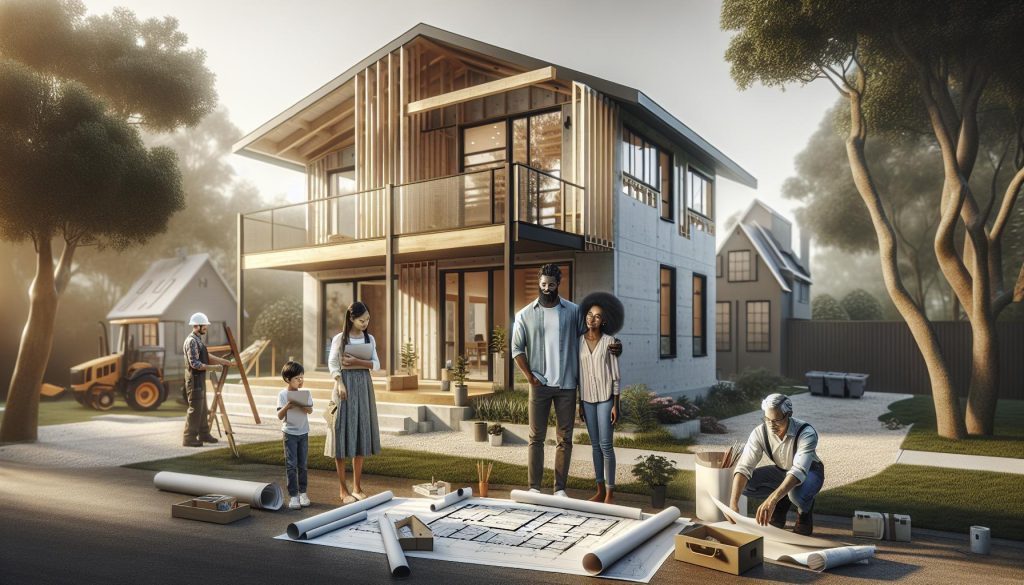
In a world where housing needs are constantly evolving, hybrid modular homes emerge as an innovative solution, seamlessly combining the efficiency of factory-built construction with the personalization of traditional homebuilding. These homes not only allow for rapid development but also enable homeowners to make unique design choices tailored to their lifestyles. As you explore the benefits and intricacies of hybrid modular homes, you’ll uncover how this approach addresses common concerns like affordability, customization, and sustainability. Whether you’re a first-time buyer, an investor, or someone considering downsizing, understanding the advantages of hybrid modular living could significantly impact your housing journey. Read on to discover how these homes provide the best of both worlds.
What Is a Hybrid Modular Home?
Hybrid modular homes represent a synergistic blend of factory-built efficiency and customizable design, appealing to those seeking efficiency without compromising aesthetics. These homes are constructed using a combination of prefabricated components and traditional construction techniques, allowing homeowners to enjoy the benefits of both worlds. By utilizing factory-built elements like walls, roofs, and floors, the construction process can significantly reduce build times while also minimizing material waste. This innovative approach allows for greater design flexibility compared to conventional modular homes, enabling homeowners to tailor their spaces according to personal tastes and needs.
One key aspect that differentiates hybrid modular homes from traditional housing options is the versatility in construction. Using systems like the MAAP panel system, these homes are not only lightweight and non-combustible but can also be easily reconfigured for future changes or expansions, making them ideal for growing families or evolving lifestyles. With this adaptability, homeowners can modify their residences as needed without incurring the costs and stresses associated with full renovations.
In addition to their design and construction benefits, hybrid modular homes often come with enhanced energy efficiency. The integration of modern building technologies allows for improved insulation and energy management systems, contributing to reduced utility bills and a smaller carbon footprint. As sustainability becomes increasingly important to consumers, hybrid modular homes clearly present an attractive option that addresses both environmental concerns and modern living requirements, validating their place in today’s housing market.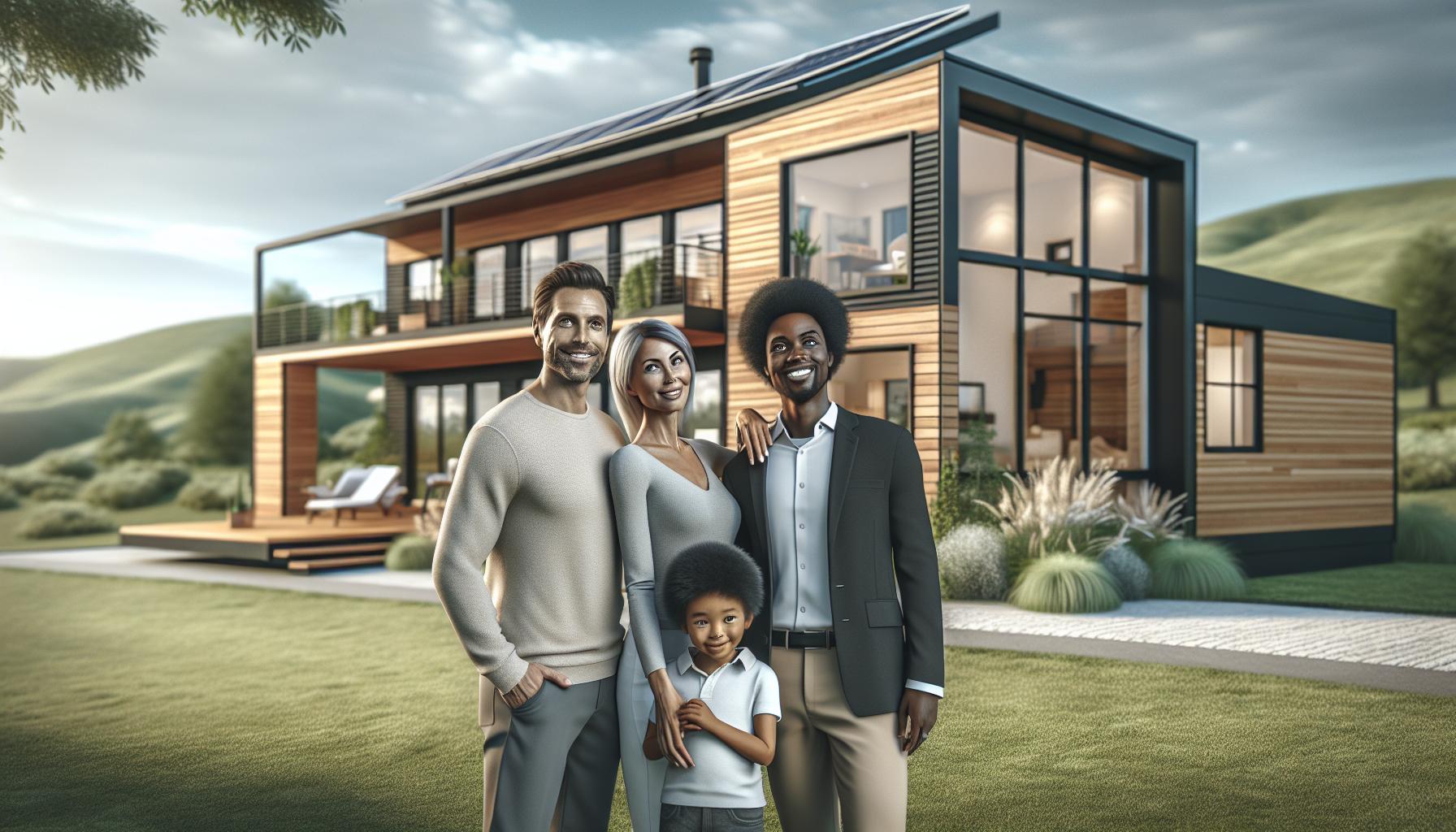
Key Features of Hybrid Modular Homes
Hybrid modular homes combine the efficiency of factory construction with the flexibility of traditional building methods, making them an increasingly popular choice for modern homeowners. One of the standout characteristics of these homes is their customizable designs; homeowners can select specific layouts, finishes, and features that align with their lifestyle and aesthetic preferences. The modular approach not only allows for extensive design options but also facilitates faster construction timelines, enabling families to move into their new homes sooner.
Additionally, hybrid modular homes utilize advanced building materials, such as those found in the MAAP panel system. These materials are often lightweight, non-combustible, and reusable, emphasizing sustainability while enhancing structural integrity. This innovative construction style makes it easier for homeowners to modify or expand their homes in the future without incurring the costs of traditional renovations.
Another key feature worth noting is the energy efficiency inherent in hybrid modular homes. By integrating cutting-edge insulation techniques and energy management systems during the building process, these homes typically consume less energy than conventional structures. This translates into lower utility bills and a reduced environmental impact.
The ability to blend various construction techniques allows for creative solutions to common challenges, such as maximizing living space in smaller footprints or integrating modern technology seamlessly into home designs. Couples or families aiming for a unique residence that showcases their personality while maintaining practicality will find the features of hybrid modular homes incredibly appealing. With thoughtful planning and the right choices, homeowners can craft a living space that truly reflects their values and lifestyle preferences.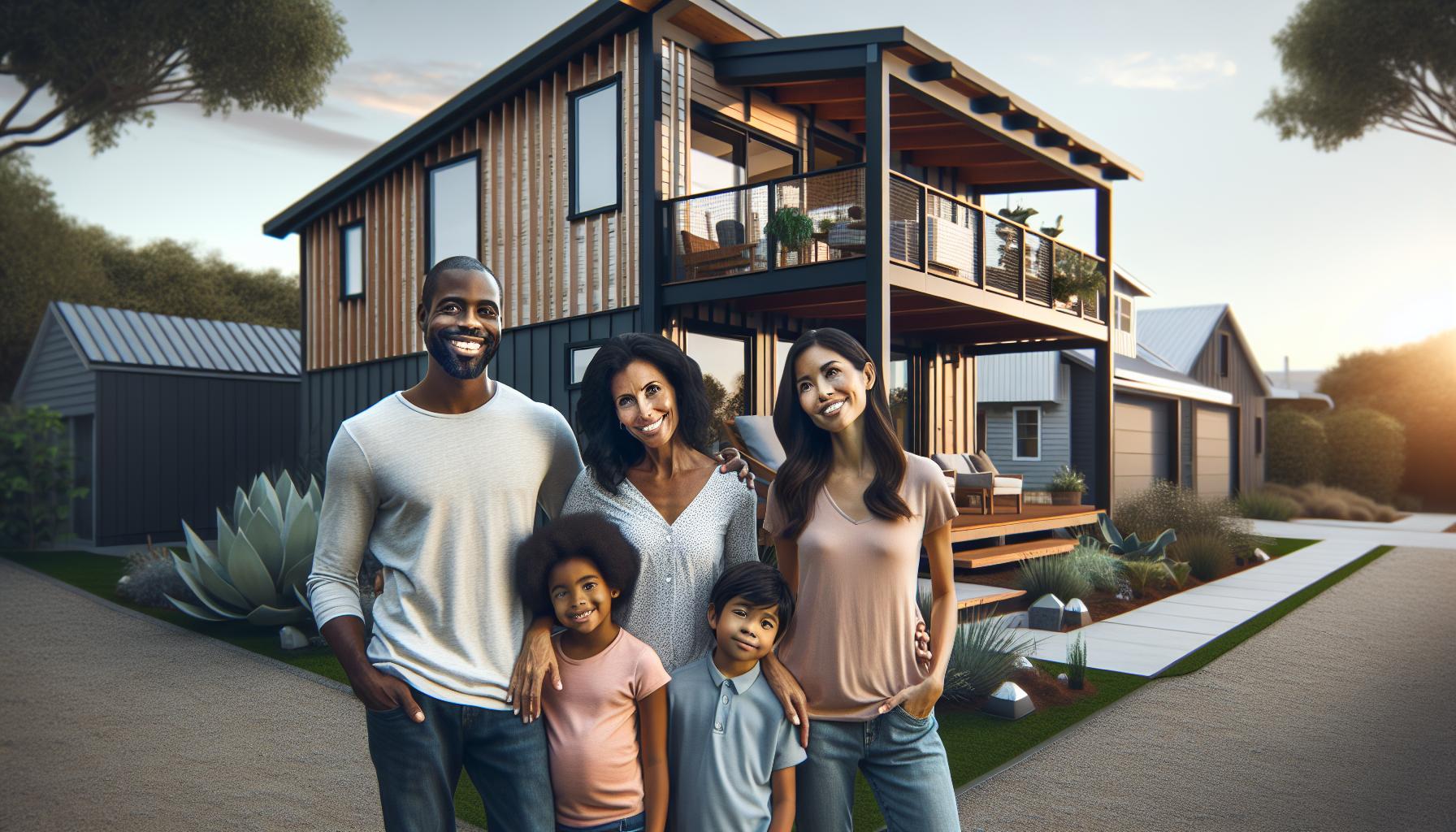
Advantages of Choosing a Hybrid Modular Home
Choosing a hybrid modular home presents a myriad of benefits that cater to the needs of contemporary homeowners. While many are drawn to the visual appeal and modern designs these homes offer, the advantages extend far beyond aesthetics. With construction efficiency blended with customized options, hybrid modular homes prove to be a versatile and practical choice for various lifestyles.
One of the most significant advantages is the remarkable reduction in construction time. Because much of the building occurs in a controlled factory setting, these homes often reach 75-85% completion before being transported to the site. This acceleration not only means homeowners can move in sooner but may also lead to reduced labor costs compared to traditional on-site construction. Additionally, the integration of advanced construction materials, such as those used in the MAAP panel system, enhances safety and durability. Many of these materials are lightweight, energy-efficient, and crafted to withstand diverse climates, ensuring both resilience and sustainability.
Moreover, hybrid modular homes shine in their adaptability. Homeowners benefit from extensive options in design, allowing them to create personalized spaces that reflect their tastes and needs. With modifications possible even after initial construction, these homes cater to evolving lifestyles. This flexibility can foster long-term satisfaction, making it easier for families to adjust their living spaces as they grow, which is often a challenge in traditional homebuilding.
Finally, cost efficiency is a pivotal factor that draws homeowners to hybrid modular options. Not only can these homes significantly lower utility bills due to enhanced energy performance, but they can also provide a more affordable entry point into homeownership. By blending the best of both building systems, homeowners enjoy not only a distinctive home but also a financially sound investment that stands the test of time.
In summary, hybrid modular homes offer an appealing mix of quick construction, customization, durability, and cost-effectiveness, catering to the modern homeowner’s desires for efficiency without compromising personal expression. They represent a forward-thinking choice, acknowledging both practicality and lifestyle needs.
Types of Hybrid Modular Home Designs
Various designs of hybrid modular homes cater to a range of lifestyles and preferences, providing homeowners with unique choices that blend traditional charm with modern efficiency. One popular style is the Contemporary design, characterized by clean lines, open spaces, and large windows that enhance natural light. This design not only promotes a sense of space but also incorporates energy-efficient features, which are particularly appealing to eco-conscious buyers.
Another prevalent type is the Craftsman-style hybrid modular home, which emphasizes detail, woodwork, and a cozy feel. Often featuring wide eaves, built-in furniture, and earthy materials, this design creates a warm and inviting atmosphere. It allows for customization in terms of materials and layout, aligning with the personal taste of homeowners who value craftsmanship and traditional aesthetics.
Additionally, Ranch-style hybrid homes present a single-story layout that offers accessibility and ease of movement, making them ideal for families with young children or elderly residents. These homes often emphasize open layouts with seamless connections between the kitchen, dining, and living areas, bolstering a family-friendly environment.
For those interested in maximizing their space, two-story hybrid designs allow homeowners to take advantage of smaller lots while still achieving ample living space. This style often incorporates innovative vertical solutions, such as loft spaces and creative stair designs, which enhance both functionality and visual interest.
Homeowners can also explore custom designs, collaborating with manufacturers to create tailored solutions that meet specific needs and preferences. This level of customization can include anything from unique floor plans to specialized features, ensuring that each hybrid modular home is a reflection of the owner’s lifestyle.
Whether one prefers a modern aesthetic or a more traditional feel, the diversity in hybrid modular home designs ensures that every homeowner can find an option that not only meets their functional needs but also resonates with their personal style. This flexibility helps underscore the concept of a hybrid modular home as not just a housing option, but a tailored lifestyle choice.
The Construction Process of Hybrid Modular Homes
The construction of hybrid modular homes uniquely integrates the efficiencies of factory-based modular construction with the flexibility of site-built customizations. This dual approach allows for a streamlined building process that can substantially reduce construction time while also accommodating personalized features that cater to the homeowner’s specific preferences.
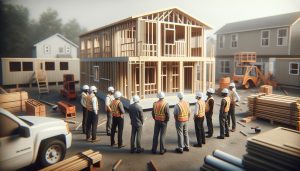
Initially, the journey begins in a factory where modular sections of the home are constructed using precise engineering techniques. Here, components such as walls, roofs, and floors are built with high-quality materials under controlled environmental conditions, ensuring durability and consistency. This factory setting allows for the incorporation of advanced technologies like energy-efficient insulation and pre-wiring for utilities, which can be seamlessly integrated into the design. In this phase, the advantages of modular construction shine through, as homes can be constructed 75-85% complete before they even arrive at the building site.
Once the modular sections are ready, they are transported to the site, where a prepared foundation awaits. Depending on local regulations and homeowners’ choices, this foundation could vary from traditional concrete slabs to more complex systems designed for durability in severe weather conditions. After the modules are placed on the foundation, the next step is to connect the utilities, including plumbing, electrical, and HVAC systems. This careful integration is crucial for ensuring the home operates efficiently and effectively. Additionally, site-based work, such as roofing, siding, and interior finishing, takes place, allowing for the customization options that define hybrid modular homes.
The construction process encapsulates both speed and customization, making it an appealing option for many buyers. With the capabilities of factory construction and the personalization available through site work, homeowners can enjoy a home that is not only built quickly but also tailored to their lifestyles. Choosing a hybrid modular home means that future homeowners can confidently expect a well-built structure while experiencing the satisfaction of various design possibilities that bring their vision to life.
Cost Considerations for Hybrid Modular Homes
Understanding the costs associated with hybrid modular homes is crucial for prospective buyers. Typically, the overall expense of a hybrid modular home can be significantly less than that of a traditional home due to its efficient construction process. This efficiency often translates to lower labor costs and reduced construction timelines, which can save homeowners both time and money.
The price range for hybrid modular homes varies widely depending on several factors. Key considerations include location, size, design complexity, and the quality of materials used. Here’s a general breakdown of cost considerations to keep in mind:
- Base Price: The base cost for hybrid modular homes generally starts at around $100 to $200 per square foot depending on the manufacturer and model.
- Land and Site Preparation: Purchasing land and preparing it for home installation can add another $20,000 to $100,000 depending on factors like location and local regulations.
- Customization: While modular homes come with some standard layouts, you’ll likely want customization, which can vary greatly in price. Custom features like upgraded appliances, additional rooms, or unique finishes can increase costs significantly.
- Landscaping and Additional Features: Don’t forget about landscaping, driveways, and other exterior features which might add an extra $5,000 to $15,000 to the overall price.
Financing a hybrid modular home can also differ from traditional home purchases. Many buyers opt for a construction loan, which allows them to finance the home while it is being built. When selecting a financing option, it’s vital to consult with lenders who are familiar with the nuances of modular home financing. This ensures that you’re not only getting the best rates but also choosing a loan that accommodates your specific needs.
Overall, while the initial costs may be lower than traditional homes, it’s essential to conduct a thorough budget analysis, factoring in all potential expenses to avoid surprises down the line. By understanding these cost considerations, you can make informed decisions and embark on the journey toward owning your hybrid modular home with confidence.
Financing Options for Your Hybrid Modular Home
When considering a hybrid modular home, understanding the financing options available to you is crucial. Unlike traditional homes, where conventional mortgages are often the norm, financing for hybrid modular homes can present unique challenges and opportunities. Many buyers find solace in construction loans, which might be preferable due to the nature of hybrid homes being often built off-site. These loans not only cover the cost of the home while it is under construction but can also be converted into a permanent mortgage once the home is complete.
However, not all lenders are familiar with the intricacies of financing modular homes. Therefore, it’s wise to seek lenders who have a solid grasp of this niche market and can guide you towards suitable loan options. Aside from construction loans, other alternatives include personal loans for smaller purchases or even a land home package loan that finances both the land and the modular home together. Given the variability in interest rates and down payment requirements, comparing multiple lenders can yield significant savings.
To further simplify your decision-making, consider the following key financing aspects:
- Credit Score: A higher credit score can lead to better loan terms. Aim for a score of at least 620 for conventional loans.
- Down Payment: Depending on the lender, down payments for modular homes can range from 5% to 20%. Be ready to discuss your financial situation to find the best fit.
- Documentation: Be prepared to provide documentation proving your income, assets, and employment history, as lenders will require this to assess your creditworthiness.
- Close Inspection of Terms: Different loans come with varying fees and interest rates. Always read the fine print and clarify any ambiguities with your lender.
In addition, exploring state and local housing programs for first-time homebuyers can be advantageous. These programs may offer grants, reduced interest rates, or assistance with down payments specifically aimed at making homeownership more accessible. By thoroughly researching and understanding these financing options, prospective buyers can confidently navigate the financial landscape of acquiring a hybrid modular home, securing the best possible terms for their unique circumstances.
Legal and Zoning Regulations Explained
Navigating the legal and zoning regulations surrounding hybrid modular homes can be complex yet essential for a successful home ownership experience. Understanding local building codes, zoning laws, and permit requirements will ensure that your new home complies with all necessary guidelines and can be a smooth process from the outset. Each locality has different regulations, which can affect everything from the design of your home to where it can be placed on your property.
Typically, zoning regulations dictate the types of structures that can be built within certain areas. These rules may specify minimum lot sizes, land use restrictions (residential vs. commercial), and even architectural standards. Before proceeding with the purchase or construction of a hybrid modular home, it’s crucial to contact your local zoning office or planning department. They can provide specific information about permissible land use, required permits, and any setback regulations that must be adhered to.
Additionally, hybrid modular homes may be subject to state and federal building codes, particularly regarding safety and environmental standards. These codes might cover a range of factors, including structural integrity, fire safety, and energy efficiency. Ensuring that your home meets these requirements not only supports your investment but also fosters a safe living environment. Engaging with a builder who is familiar with these regulations can greatly simplify compliance and help you avoid potential fines or delays.
It is also worth considering any homeowners’ association (HOA) guidelines if you plan to place your hybrid modular home in a community governed by one. HOAs often have strict rules regarding exterior appearance and maintenance, which can impact your design choices. Be sure to review these regulations carefully when planning your project to ensure your vision aligns with community standards.
As you prepare for the construction or placement of your hybrid modular home, remember that proactive communication with local officials and adherence to legal requirements is key. This approach not only shapes a successful build but also establishes a positive relationship with the community, setting the stage for a harmonious living environment.
Sustainability Benefits of Hybrid Modular Homes
Hybrid modular homes are often praised for their sustainable construction practices, which not only reduce environmental impact but also contribute to energy efficiency and resource conservation. These homes are typically built using modular components manufactured in factories, which minimizes waste significantly compared to traditional construction methods. Due to the controlled environment of factory settings, materials can be sourced and utilized more efficiently, resulting in a smaller carbon footprint associated with the home’s construction process.
One of the most compelling sustainability benefits lies in the materials used in hybrid modular homes. Many manufacturers prioritize eco-friendly and sustainable materials, such as reclaimed wood, recycled metal, or low-VOC (volatile organic compounds) finishes, that contribute to a healthier indoor environment. Additionally, the design of these homes often allows for better insulation and energy-efficient systems like Energy Star-rated appliances and HVAC systems. As a result, homeowners can expect lower utility bills and a reduced reliance on non-renewable energy sources.
Key Sustainability Features
- Efficient Energy Use: The architectural design and quality of materials often improve thermal performance, keeping homes warmer in winter and cooler in summer, thereby reducing the amount of energy required for heating and cooling.
- Water Conservation: Many hybrid modular homes are equipped with water-efficient fixtures and systems which help in reducing water consumption.
- Sustainable Site Development: Proper planning can minimize the impact on the surrounding environment, preserving natural habitats and maintaining existing landscapes.
As sustainability becomes an increasingly significant concern for homeowners, choosing a hybrid modular home can be a forward-thinking option that aligns well with modern eco-conscious values. Beyond being a smart financial investment in terms of energy savings, they also represent a commitment to responsible living and environmental stewardship.
Essential Maintenance Tips for Hybrid Homes
Maintaining a hybrid modular home is essential for ensuring its longevity and efficiency, much like caring for a traditionally constructed house. These homes, often built with eco-friendly materials and advanced technology, require specific upkeep that takes advantage of their unique design features. Regular maintenance can help prevent significant problems down the road, ultimately preserving your investment and enhancing your living experience.
One of the critical aspects of maintenance is inspecting seals and weather stripping around doors and windows. This helps maintain energy efficiency, preventing drafts that can lead to increased heating and cooling costs. Another vital area to focus on is the foundation-regular checks for leveling are necessary, especially after heavy rains or shifts in the ground. Over time, settling can occur, and your home should be anchored correctly to avoid structural issues.
It’s equally important to monitor the roof and gutters. Debris can clog gutters and downspouts, causing water to pool, which may lead to leaks or even damage to the foundation. Cleaning these areas out every season not only promotes effective drainage but also protects the integrity of your modular home. Lastly, pay attention to the HVAC system; routine filter changes and professional inspections will ensure your home remains comfortable and efficient year-round.
By following these straightforward maintenance tips, you can enhance the resilience of your hybrid modular home, optimizing its performance while enjoying a sustainable and stylish living environment. Regular diligence not only safeguards your home but also contributes positively to the planet.
How to Personalize Your Hybrid Modular Home
Personalizing a hybrid modular home allows homeowners to infuse their unique style and preferences into their living spaces, transforming them into not just houses, but personalized sanctuaries. This adaptability is one of the key benefits of hybrid modular construction, which combines factory-built components with custom on-site finishes. From the exterior facade to interior layouts and decor, the customization opportunities are vast and can be tailored to suit individual tastes and functional needs.
One of the first steps in personalization is to consider the layout. Many hybrid modular homes are designed with flexibility in mind, enabling homeowners to adjust floor plans to maximize space and facilitate livability. Whether it’s creating an open-concept living area or adding a functional home office, engaging with architects or designers who specialize in modular homes can help realize your vision. Additionally, selecting materials for countertops, cabinetry, and flooring can greatly influence the overall aesthetic. Homeowners might opt for sustainable options like bamboo flooring or quartz countertops, blending both personal style with eco-conscious choices.
Exterior Customization
The exterior of a modular home can also be tailored significantly. Choices in siding materials, colors, and roofing styles allow for a variety of architectural appearances, from contemporary to rustic. Enhancing curb appeal can be as simple as choosing a striking paint color or installing decorative elements like shutters and unique front doors. Consider landscaping that complements your design choice, such as native plants that require less maintenance and support local ecosystems.
Interior Decor and Functional Spaces
Within the interior, there are extensive opportunities for personalization. Utilize color palettes and furnishings that resonate with your lifestyle-whether that means minimalistic modern decor or cozy, traditional furnishings. Incorporating built-in storage solutions not only optimizes space but also adds functionality. For example, custom shelving in living areas or bedrooms can display personal items while promoting organization.
Finally, consider smart home technology that can enhance your living experience. Integrating features like smart thermostats, lighting, and security systems can improve convenience and energy efficiency. These modern touches array seamlessly with the flexible design of hybrid modular homes, marrying utility with style. By recognizing the numerous avenues for personalization, homeowners can ensure that their hybrid modular home truly reflects their personality and lifestyle preferences, making it a unique extension of themselves.
Comparing Hybrid Modular Homes to Traditional Options
When exploring the differences between hybrid modular homes and traditional options, it becomes clear that each type of construction offers distinct advantages and considerations. Hybrid modular homes, which marry factory-built techniques with on-site customization, present a compelling alternative to traditional stick-built homes. For many potential homeowners, the decision may hinge on factors such as construction time, cost, and customization options.
One of the most notable benefits of hybrid modular homes is their rapid construction timeline. Built primarily in a controlled factory environment, these homes typically arrive at the site 75-85% complete, significantly reducing the time spent on-site compared to traditional building methods. In fact, the entire process can often be completed in weeks rather than months. This accelerated timeline not only alleviates the stress of homebuilding but also allows homeowners to settle into their new spaces much quicker.
When it comes to cost, hybrid modular homes frequently present a more budget-friendly option. The efficiencies of factory construction lead to reduced labor costs and minimized waste materials, which can translate into lower prices for homeowners. Additionally, hybrid models are known for their scalability, making it easier to customize features without incurring any substantial financial burden. In comparison, traditional homes may offer more complex pricing structures, influenced by fluctuating labor and material costs that vary based on local conditions.
Customization is another area where hybrid modular designs shine. Hybrid homes are engineered with flexibility in mind, allowing homeowners to tailor floor plans and finishes to meet their specific needs. This adaptability contrasts with the more rigid design processes of traditional homes, where alterations often require extensive engineering and can lead to additional costs. The ability to effectively combine both prefab elements with personalized touches gives hybrid homes a distinct edge.
Nonetheless, choosing between these housing options also comes down to lifestyle and preferences. Traditional homes are often viewed as a symbol of permanence and can sometimes offer a broader variety in terms of architectural styles and zoning options. While hybrid modular homes are increasingly gaining acceptance, certain locations might still have zoning restrictions that could affect where and how they can be placed.
In conclusion, while hybrid modular homes provide many advantages, such as faster construction, cost efficiency, and extensive personalization options, traditional homes offer benefits tied to permanence and local aesthetic preferences. Ultimately, the best choice will depend on individual needs, budget considerations, and the specific characteristics of the desired location.
Q&A
Q: What are hybrid modular homes?
A: Hybrid modular homes combine elements of traditional site-built homes with modular construction techniques. They are partially constructed off-site, allowing for quicker assembly on-site while retaining customization typical of conventional homes.
Q: How do hybrid modular homes compare to traditional homes?
A: Hybrid modular homes are typically faster to build and can be more cost-effective than traditional homes. They offer modern designs and flexibility, while traditional homes may provide more extensive customization options but involve longer construction timelines.
Q: What are the design options available for hybrid modular homes?
A: Hybrid modular homes offer a variety of design options, from contemporary styles to more traditional aesthetics. Homeowners can work with architects to create a unique layout, ensuring their home meets personal preferences while benefiting from modular efficiencies.
Q: What is the construction timeline for a hybrid modular home?
A: The construction timeline for hybrid modular homes is generally shorter than that of traditional homes. Most of the components are built in a factory, allowing for quicker assembly on-site, typically reducing overall building time to a few months.
Q: Are hybrid modular homes energy-efficient?
A: Yes, hybrid modular homes can be highly energy-efficient. Many manufacturers incorporate sustainable materials and advanced building techniques that enhance insulation and reduce energy consumption, contributing to lower utility costs.
Q: What financing options are available for hybrid modular homes?
A: Financing options for hybrid modular homes include traditional mortgages, FHA loans, and specialized loans for manufactured and modular homes. Homebuyers should consult with lenders experienced in modular construction to explore the best financing paths.
Q: How do zoning regulations affect hybrid modular homes?
A: Zoning regulations can vary significantly by location and may impact where hybrid modular homes can be placed. It’s essential for buyers to research local building codes and zoning laws to ensure compliance before construction begins.
Q: What maintenance is required for hybrid modular homes?
A: Maintenance for hybrid modular homes includes regular inspections of the structure, roofing, plumbing, and electrical systems, much like traditional homes. However, homeowners should also be mindful of the unique materials used in modular construction and follow specific care guidelines to ensure longevity.
Concluding Remarks
As we’ve explored in this guide, hybrid modular homes blend the best of traditional and modular construction, offering flexibility, efficiency, and sustainability. With their innovative designs and rapid build times, they’re an excellent alternative for those seeking affordable housing solutions. Don’t miss out on the opportunity to embrace this modern approach-explore our articles on affordable housing solutions and sustainable building practices to enhance your understanding of the evolving housing market.
Ready to take the next step? Subscribe to our newsletter for expert insights and tips on financing, maintenance, and long-term investment strategies in modular living. Have questions or experiences to share about hybrid modular homes? We welcome your thoughts in the comments! Together, let’s redefine what home means in today’s world.