Imagine reducing your energy bills while contributing to a cleaner environment-all from the comfort of your mobile home. As solar energy gains popularity across various housing types, many mobile homeowners are discovering the benefits of solar panels tailored to their unique needs. This complete setup guide dives into whether you can install solar panels on your mobile home, addressing common concerns, legal requirements, and practical considerations to empower you on your sustainable living journey. Whether you’re aiming for energy independence or looking to increase your property value, this guide will provide the insights and practical steps necessary to navigate the exciting world of solar energy in mobile home living. Keep reading to unlock the potential of solar power for your space!
Choosing the Right Solar System for Your Mobile Home
Choosing the right solar system for a mobile home involves more than just selecting panels; it’s about understanding the unique characteristics of mobile homes and tailoring solutions to fit. With rising energy costs and the push for sustainability, many mobile homeowners are exploring solar options. However, it’s crucial to recognize that mobile homes, unlike traditional houses, have specific structural and energy needs that influence what type of solar system will be most effective.
When deciding on a solar setup, consider the roof type of your mobile home, as it plays a significant role in the suitability of solar panel installation. Most mobile homes have either a flat or a pitched roof, each requiring different mounting systems. For flat roofs, a ballast system may be appropriate, while pitched roofs might use traditional racking systems. Additionally, ensure that the roof can support the weight of the solar panels and has sufficient exposure to sunlight throughout the day to maximize energy production.
It’s also essential to assess your energy needs. Start by reviewing past utility bills to determine your average consumption. This figure will guide you in selecting the right system size and type. Many mobile homeowners opt for either grid-tied or off-grid systems. Grid-tied systems are generally more affordable and straightforward since they allow you to draw power from the grid when solar production is low, whereas off-grid systems require battery storage solutions and are suitable for those seeking total energy independence.
Ultimately, is about combining the right technology with a thorough understanding of your unique living situation. Consulting with local solar providers who have experience with mobile home installations can further ensure you select a system that is tailored for your needs, is compliant with local regulations, and takes advantage of any available incentives.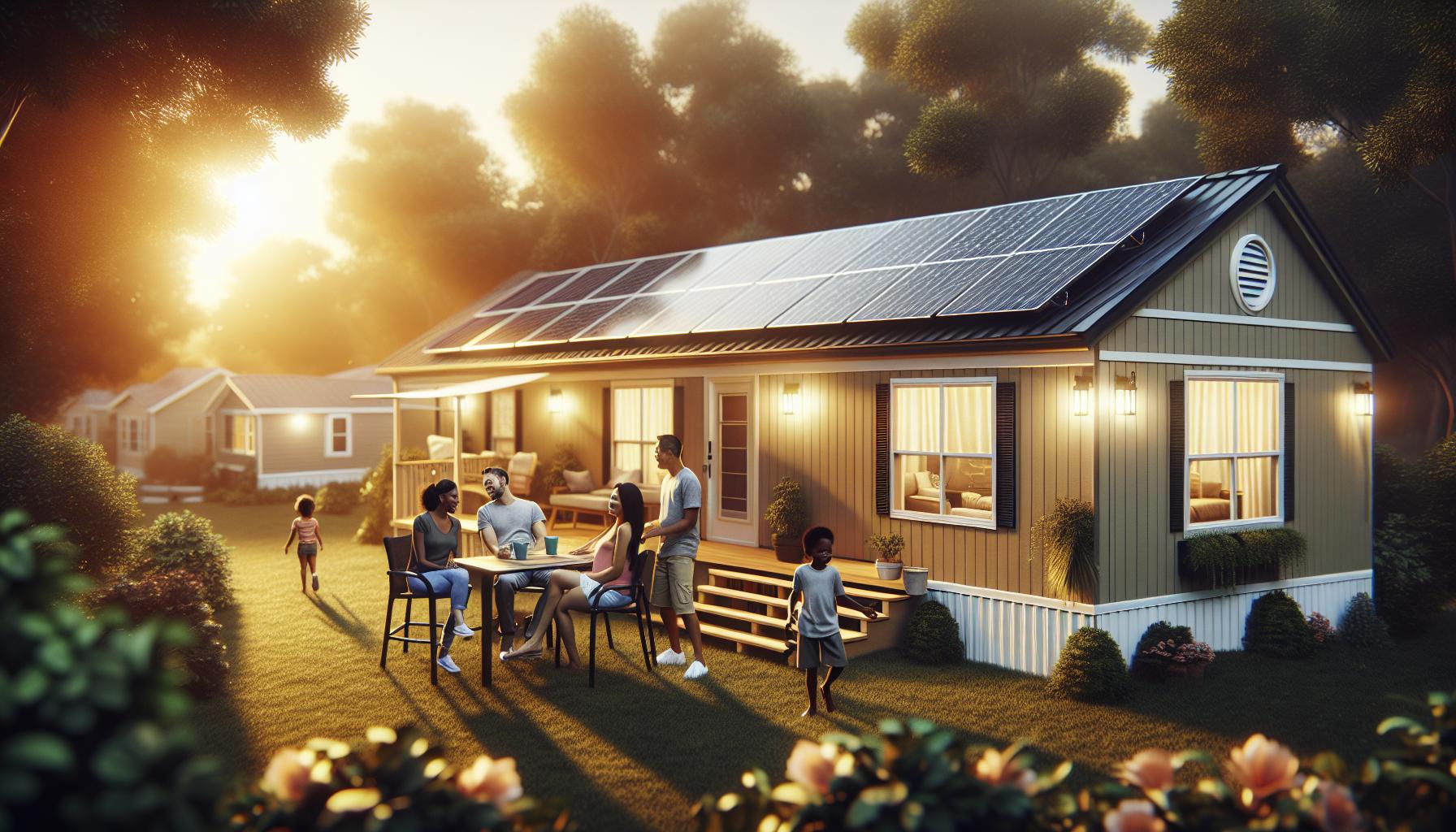
Benefits of Installing Solar Panels on Mobile Homes
Installing solar panels on mobile homes is not just a viable option; it’s an empowering step toward energy independence, sustainability, and significant cost savings. Traditional energy bills can weigh heavily on mobile homeowners, especially as utility rates continue to rise. Solar energy provides a pathway to stabilize monthly expenses, allowing homeowners to harness renewable energy and reduce reliance on grid power. Furthermore, utilizing solar energy can increase the property value of mobile homes, making it an attractive option for current and prospective owners.
One of the most compelling benefits of going solar is the opportunity for substantial financial savings. By generating your own electricity, you can potentially eliminate or at least greatly reduce your monthly energy bills. In many cases, federal and state incentives may significantly offset the initial investment in solar panels, making this transition even more economically feasible. These incentives can come in various forms, including tax credits, rebates, and grants, specifically aimed at promoting solar energy adoption among homeowners.
Moreover, solar panels can enhance the energy efficiency of mobile homes, which are often older and may have less insulation or less efficient systems compared to traditional homes. With a solar installation, you can pair your solar panels with energy-efficient appliances and smart home technologies, further optimizing your energy use and minimizing waste. This synergy not only results in a lower environmental impact but can also lead to a more comfortable living environment, where you control power usage and reduce your carbon footprint.
In addition to the financial and efficiency benefits, installing solar panels on a mobile home empowers homeowners with a greater sense of independence and resilience. In areas prone to natural disasters or power outages, solar energy combined with battery storage ensures that you have access to electricity even when grid power is disrupted. This self-reliance can provide peace of mind and enhance your quality of life, showcasing that mobile home living can effectively integrate innovative energy solutions as part of a modern housing choice.
Overall, installing solar panels on a mobile home offers a blend of financial savings, increased property value, energy independence, and contributions to environmentally sustainable practices, making it an incredibly worthwhile investment for today’s mobile homeowners.
Understanding Mobile Home Roof Types for Solar Panels
When considering solar panel installation on a mobile home, understanding the roof type is crucial. Mobile homes typically come with several styles of roofs that may impact the installation process, efficiency, and overall effectiveness of the solar energy system. Knowing your roof type can assist in choosing the correct mounting technique and optimizing solar panel placement, ensuring the best possible energy production.
Mobile home roofs generally fall into one of the following categories:
1. Flat Roofs
Flat roofs are common in older mobile homes and offer a straightforward installation surface. This roof type allows for easier installation of solar panels with minimal obstructions, providing more flexibility in panel arrangement. However, flat roofs may require tilt mounts to capture the optimal sunlight angle, which can increase installation costs. Additionally, proper drainage considerations are essential to prevent water pooling, which can damage the roof over time.
2. Shed Roofs
Shed roofs, which slope in one direction, are increasingly popular for their modern aesthetic and effective water drainage. The slope of a shed roof can make it easier to position solar panels at an ideal angle for sunlight capture without additional mounts. This type is especially advantageous if the roof faces south, maximizing solar exposure. However, if the slope is too steep, it may present challenges with mounting stability or require specialized installation techniques.
3. Gable Roofs
Gable roofs, with their two-sided sloping design, are less common in mobile homes but provide excellent structural integrity and airflow. This type of roof enables solar panels to be mounted on both sides, potentially increasing energy production. Positioning panels on the southern slope may be most optimal; however, installation methods must ensure secure attachment due to the roof’s angled nature.
4. Domed or Curved Roofs
Some modern mobile homes feature domed or curved roofs. While visually appealing, these roofs can complicate solar panel installation since standard mounting brackets may not conform well to the curvature. Custom mounting solutions might be necessary, which can drive up installation costs. Despite these challenges, with the right approach, these roofs can also host effective solar systems.
In addition to these roof types, it’s essential for homeowners to consider factors like structural integrity, local weather conditions, and additional system requirements, such as permits and roof conditions, before proceeding with solar panel installation. By understanding your mobile home’s roof type and the associated characteristics, you can confidently navigate the installation process and ensure a successful transition to solar energy, enhancing both your living experience and your investment in renewable energy.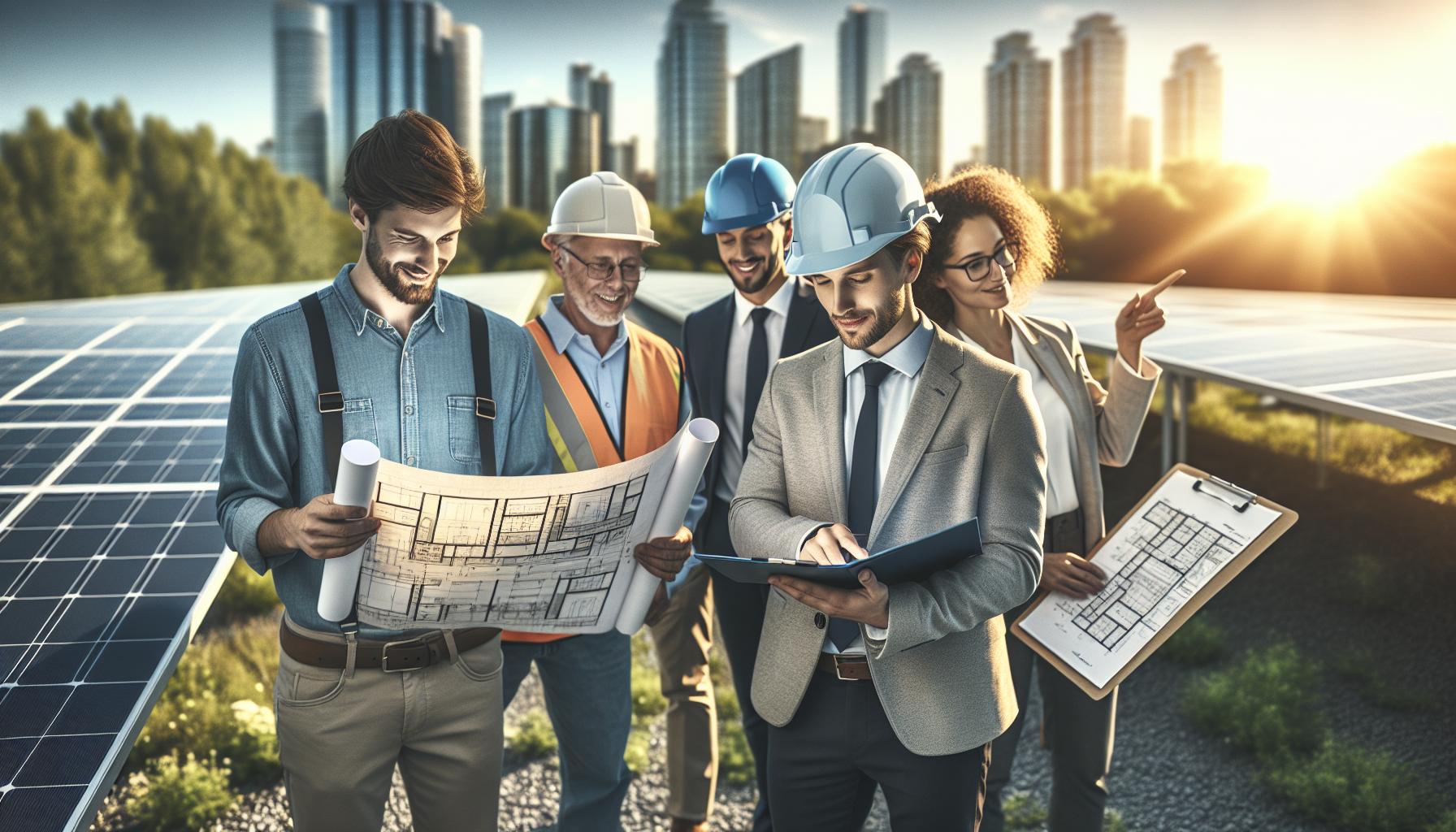
Essential Permits and Regulations for Solar Installation
Before embarking on the journey to install solar panels on a mobile home, it’s crucial to navigate the maze of necessary permits and regulations. Achieving regulatory compliance not only ensures the legality of your solar installation but also maximizes its efficiency and longevity. Each municipality may have distinct requirements based on local zoning laws and building codes. Therefore, researching specific regulations in your area is essential.
First, determine whether your mobile home is located in a park, on private land, or in a community governed by a homeowners’ association (HOA). Areas with HOAs often have additional rules regarding aesthetics and construction modifications, which can affect your solar installation plans. Contact your jurisdiction’s building department to understand the specific permits you need. Common permits include:
- Building Permit: Ensures that the installation meets local building codes.
- Electrical Permit: Required for hooking up your solar system to the grid.
- Zoning Permit: Validates that your solar installation complies with land use regulations.
Local regulations can also dictate the structural requirements for mounting systems, especially considering the potential risk of high winds or snow loads in your area. It’s advisable to consult with a building inspector or a reputable solar installation professional who can guide you through this process and ensure that your system is up to code.
Additionally, be aware of any tax obligations or incentives tied to solar panel installation. Some states offer programs or rebates that can significantly reduce installation costs, while others may have regulations that require solar systems to conform to specific standards to qualify for these benefits. Taking the time to familiarize yourself with these guidelines not only streamlines the installation process but also enhances the sustainability and performance of your investment in solar energy.
Step-by-Step Guide to Installing Solar Panels
Installing solar panels on a mobile home is a practical choice for homeowners looking to harness renewable energy while enjoying reduced electricity bills. The process may seem daunting, but by following a structured approach, you can ensure a successful installation that enhances your home’s energy efficiency. Here’s an easy-to-follow guide to help you navigate the installation process smoothly.
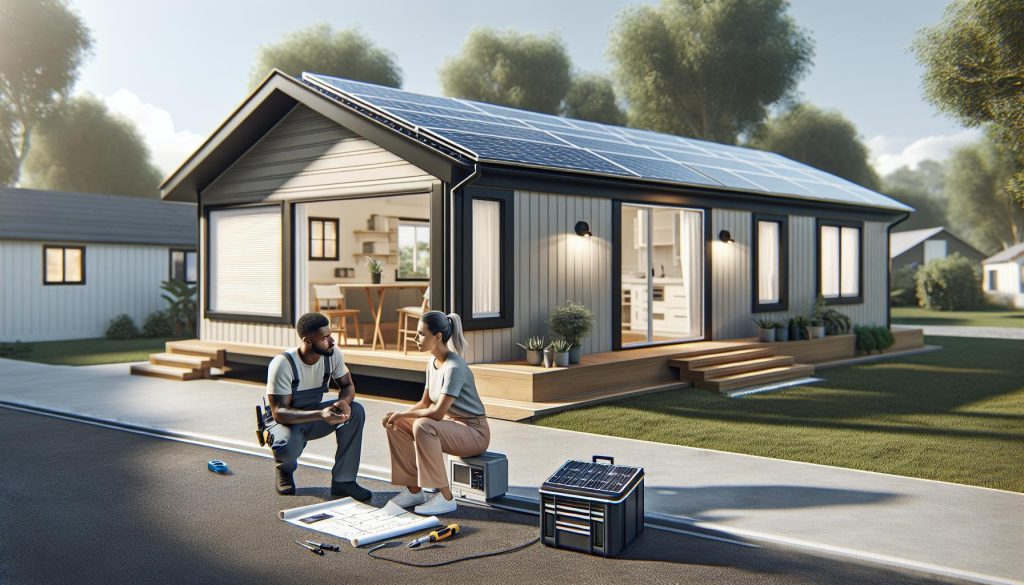
Begin with a thorough assessment of your mobile home’s roof structure. As a first step, check the roof’s strength and material to ensure it can support the weight of solar panels. If needed, consult a construction professional to evaluate the roof. Next, choose the right solar panel system that matches your energy needs and roof dimensions. Portable solar panel kits may be appropriate for some mobile homes, while others might benefit from mounted systems tailored for residential setups.
Once you’ve selected a system, it’s time to gather the necessary tools and equipment. You’ll need standard installation tools such as wrenches, screwdrivers, and safety gear like gloves and goggles. If your system requires mounting brackets, ensure these are compatible with your mobile home roof type. Before you start installing, review the manufacturer’s guidelines for your specific solar panel model and any local regulations regarding installation.
With your tools ready, start with installing the mounting brackets securely onto the roof. The brackets should be anchored tightly to prevent shifting in strong winds. Ensure the panels have adequate spacing for airflow and consider the optimal positioning to capture maximal sunlight. Following the bracket installation, carefully place the solar panels onto the mounted brackets and secure them according to the instructions provided.
After securing the panels, connect the wiring carefully. Make sure to follow the electrical wiring guidelines and consult an electrician if you have any uncertainty. Connecting the system to an inverter allows you to convert the solar energy into usable electricity for your home. Finally, perform a system check to ensure everything is functioning properly before enjoying your new solar energy source.
By breaking down the installation process into these straightforward steps, you can effectively tackle the setup of solar panels on your mobile home. Not only does this investment assist in reducing energy costs, but it also demonstrates a commitment to sustainable living, which is increasingly important in today’s world.
Maintenance Tips for Solar Panels on Mobile Homes
Keeping solar panels functioning effectively on your mobile home requires attentive maintenance, which is vital for maximizing energy efficiency and prolonging the life of the system. Just like any major investment, regular upkeep ensures your solar installation continues to meet your energy needs while operating safely and efficiently.
To begin, it’s essential to regularly inspect the solar panels for dirt, debris, or obstructions that could impede sunlight exposure. Cleaning the panels periodically can improve their efficiency; use a soft cloth or sponge with a mild cleaning solution to avoid scratching the surface. Avoid using harsh chemicals or abrasive materials. If your panels are at a height that makes cleaning difficult, consider hiring a professional service experienced in solar panel maintenance.
Regular Inspections
Conducting monthly or seasonal inspections is also crucial. Check for any signs of damage, such as cracks or loose wiring, that can compromise the system’s function. Look at the mounting brackets and supports to ensure they are securely fastened to withstand weather conditions, especially if you live in areas prone to strong winds. Many homeowners benefit from keeping a maintenance log to document inspections and cleaning dates, which aids in identifying patterns that may require professional attention.
Monitor Performance
Another important aspect of maintenance is monitoring the performance of your solar system. Most modern solar systems come with monitoring equipment that allows you to track energy production. Sudden drops in energy output may signal a need for immediate inspection or repairs. If you notice inefficient performance over time, consult with a solar technician who can assess and troubleshoot any issues related to the inverter or wiring.
Seasonal Preparations
Additionally, prepare your solar panels for seasonal changes. In the winter, ensure snow and ice are removed promptly as heavy accumulation can lead to damage or efficiency loss. In hurricane-prone areas, securing panels against high winds and ensuring the mounting structure is appropriately anchored can protect your investment from severe weather events.
By integrating these maintenance tips into your routine, you can effectively safeguard your solar panel investment on your mobile home and continue to enjoy the benefits of renewable energy while maintaining a commitment to sustainable living.
Cost Analysis: Solar Panels vs. Traditional Energy
Making the switch to solar energy can be a life-changing decision, particularly for mobile homeowners seeking more control over their energy expenses. Not only do solar panels offer a sustainable alternative to traditional energy sources, but they also have the potential to provide significant savings over time. To better understand the financial implications, let’s break down the cost analysis of solar panels in comparison to conventional energy sources.
Initial Investment vs. Long-term Savings
The upfront cost of installing solar panels can be daunting, typically ranging from $10,000 to $30,000 depending on the system size and installation specifics. However, this is an investment that pays off in the long run. With the average savings on electric bills ranging from $100 to $300 monthly, homeowners can expect to recoup their initial investment within 5 to 10 years. Once the system is paid off, homeowners can enjoy virtually free electricity for the remainder of the panels’ 25-30 year lifespan.
To illustrate the potential savings, consider the following scenario for a mobile home consuming 800 kWh per month:
| Cost Breakdown | Traditional Energy | Solar Energy |
|---|---|---|
| Monthly Cost | $120 | $0 (post-paid off) |
| Annual Cost | $1,440 | $0 |
| 10-Year Total | $14,400 | $0 |
Additional Financial Incentives
The financial benefits of solar energy extend beyond just savings on monthly utility bills. State and federal tax credits, such as the Federal Investment Tax Credit (ITC), provide substantial financial relief. For example, homeowners can deduct a percentage of their solar installation costs from their federal taxes. Furthermore, many states offer incentives, rebates, and net metering programs, allowing homeowners to sell excess energy back to the grid, further enhancing the cost-effectiveness of going solar.
Energy Independence and Price Stability
Opting for solar also implies gaining independence from fluctuating electricity rates typically associated with traditional energy providers. As utility companies may increase their rates annually, solar energy provides a consistent alternative, allowing homeowners to budget their energy expenses more effectively. By locking in a fixed monthly payment (if financed), mobile homeowners can avoid the anxiety of unexpected price hikes and secure a more predictable financial future.
In conclusion, while the initial investment in solar panels may seem significant, the long-term cost savings, financial incentives, and potential for energy independence present compelling reasons for mobile homeowners to consider this sustainable energy solution. The transition not only reduces reliance on conventional energy sources but empowers homeowners to take control of their energy strategy in a financially manageable way.
Financing Options for Solar Panel Installation
Exploring can significantly impact the feasibility of transitioning to solar energy for mobile homeowners. With the costs of installation averaging between $10,000 to $30,000, it’s crucial to consider various financial pathways to ease this investment. In fact, according to recent data, many homeowners find themselves recouping their initial expenses within just a few years due to substantial savings on their electricity bills.
One of the most popular financing methods is through solar loans, which typically allow homeowners to pay for their solar panels over time while still benefiting from energy savings immediately. These loans come in various forms, including fixed-rate loans, which provide predictable monthly payments, and revolving credit lines, allowing for flexible borrowing. Additionally, some lenders offer specialized solar financing options that feature lower interest rates compared to traditional loans, making monthly payments more manageable.
Another avenue worth considering is leasing solar panels. This option allows homeowners to pay a monthly fee for using the panels rather than purchasing them outright. While this can reduce upfront costs significantly, it’s important to evaluate the long-term implications, as owners may miss out on certain tax benefits and incentives. However, many leasing contracts guarantee savings on electricity bills, providing relief against rising energy costs.
Don’t overlook potential financial incentives that can further reduce the cost of solar installation. Federal tax credits, like the Federal Investment Tax Credit (ITC), allow homeowners to deduct a significant percentage of the installation costs from their federal taxes. Additionally, state and local incentives, rebates, and net metering programs can enhance financial feasibility by providing cash back or credits for excess energy produced, further offsetting costs.
In sum, financing solar panel installation for mobile homes doesn’t have to be overwhelming. By exploring solar loans, leases, and available incentives, homeowners can find tailored solutions that suit their financial situations while investing in a sustainable energy future. With this strategic approach, switching to solar energy becomes a more accessible and financially appealing option for those living in mobile homes.
Insurance Considerations for Solar-Powered Mobile Homes
When considering the adoption of solar energy for a mobile home, understanding the implications for insurance can save homeowners from unforeseen complications and expenses. As solar technology becomes increasingly common, insurance providers are adapting their policies to include coverage for solar systems-an essential aspect for mobile homeowners who may face unique challenges regarding their living situation and property type. Adequate coverage not only provides peace of mind but also protects your investment in solar technology from potential damage or loss.
One of the first steps in securing the right insurance is to notify your provider about the installation of solar panels. Many policies may need adjustments to ensure that the solar equipment is covered under the dwelling’s structure, especially since mobile homes often have specific guidelines regarding what their insurance includes. Contact your insurance agent to discuss the following considerations:
- Coverage for Solar Panels: Ensure that your policy specifically covers the solar panels, as they may not automatically be included. If your panels are damaged due to severe weather, fire, or theft, proper coverage will help you recover your investment.
- Liability Protection: If a solar panel falls and damages someone else’s property or injures a person, you could be held liable. Verify that your liability coverage is sufficient to protect against potential claims.
- Potential Increase in Premiums: Installing solar panels may increase the value of your mobile home, which could lead to higher insurance premiums. Ask for a full disclosure of how your premiums may change after installation.
- Discounts and Incentives: Some insurance companies offer discounts for homes with renewable energy systems, including solar panels. Explore options with different insurers to find the best coverage that could also save you money.
For those living in areas prone to extreme weather conditions, such as hurricanes or heavy snowfall, consider the structural integrity of your mobile home and how it will accommodate the added weight and wind resistance of solar panels. Including coverage for wind damage or natural disasters may also be necessary, depending on your location.
Another crucial element is checking if your lender or installation company has specific insurance requirements, particularly in financing arrangements. Often, lenders will require proof of adequate coverage to protect their investment as well.
By proactively addressing these insurance considerations, mobile homeowners can confidently embrace solar energy while ensuring that their investment is well-protected. This practical approach demonstrates not only an interest in sustainability but also a commitment to financial prudence and safety in a unique living environment.
Maximizing Energy Efficiency in Mobile Homes
Mobile homes may have a compact design, but with the right strategies, they can achieve high energy efficiency, especially when combined with solar panel systems. Properly maximizing energy efficiency not only reduces utility bills but also enhances overall comfort and health within your living space, creating a more sustainable lifestyle. Employing a few fundamental practices can dramatically improve energy usage and make the most of your solar investment.
Effective Insulation and Sealing
One of the first considerations should be the insulation of your mobile home. Poor insulation leads to significant heat loss in winter and heat gain in summer, undermining the efficiency of solar energy systems. Invest in high-quality insulation materials for walls, floors, and roofs. Additionally, pay attention to sealing gaps and cracks around windows, doors, and any other openings. Using caulk or weatherstripping can reduce drafts significantly, improving energy retention.
Utilizing Energy-Efficient Appliances
Replacing older appliances with energy-efficient models can contribute to substantial energy savings. Look for products labeled with ENERGY STAR ratings, which indicate lower energy consumption. This includes refrigerators, washers, dryers, and water heaters. These appliances not only work more efficiently but can also be seamlessly integrated with your solar energy setup, maximizing the benefits of generating your own power.
Smart Home Technology
Implementing smart home devices allows for greater control over energy consumption. Smart thermostats can learn your habits and adjust heating and cooling schedules accordingly, ensuring that energy is used only when necessary. Additionally, smart plugs and lighting systems can help manage energy use more effectively, turning off devices that are not in use.
Landscaping for Efficiency
Energy efficiency can also be enhanced through proper landscaping. Consider planting trees and shrubs strategically to provide natural shading during peak sunlight hours. This can cool your mobile home during the summer while allowing sunlight to warm it in winter, thus reducing reliance on heating and cooling systems.
Utilizing these strategies not only ensures that you are making the most of your solar panel installation but also promotes a responsible approach to energy use in your mobile home. By understanding and applying these efficiency techniques, you can enjoy the benefits of a sustainable living space while significantly lowering your energy costs.
Solar Incentives and Rebates for Mobile Homeowners
Living in a mobile home offers unique opportunities to harness solar energy, and various incentives can significantly reduce the cost of installation. One of the major benefits for mobile homeowners is the availability of federal, state, and local incentives that can make going solar more affordable and attractive. For example, the federal solar investment tax credit (ITC) allows homeowners to deduct 30% of the cost of installing a solar energy system from their federal taxes. This incentive is available through December 31, 2025, and can be a substantial financial boost for those considering solar installations.
Many states also provide additional rebates and incentives specifically for mobile home residents. Some states have programs designed to encourage renewable energy adoption that include cash rebates for solar installations, performance-based incentives, and property tax exemptions for solar energy systems. These initiatives can vary widely from one state to another, so researching your local incentives is essential. Many utility companies offer rebates for customers who opt for solar panels, reducing upfront costs and offering financial rewards for generating solar energy.
Additionally, local governments may have programs to support sustainable living that include grants for green upgrades. It’s worthwhile to check with your local housing authority or community service offices that might offer assistance specifically for mobile homeowners looking to incorporate solar technology. Engaging with these resources can help you navigate through the options that align best with your financial situation.
Furthermore, some financing options like solar loans and leases allow mobile homeowners to spread the cost of their solar system over time, often with little to no money down. This can be especially beneficial for residents who may not have the upfront cash to pay for a full installation. Be sure to assess these options and determine which financing mechanism aligns with your financial goals.
By taking advantage of these incentives and financing options, mobile homeowners can not only lower capital costs but can also contribute to a more sustainable environment while enjoying reduced energy bills. The pursuit of solar energy in mobile homes is not just viable; it’s a smart financial decision that can lead to long-term savings and energy independence.
Common Mistakes to Avoid When Installing Solar Panels
When considering solar panel installation on a mobile home, avoiding common pitfalls can lead to a more successful and hassle-free experience. One of the frequent mistakes is failing to assess the structural integrity of the roof. Mobile homes can have varying roof designs and materials, and it’s crucial to ensure that the roof can handle the weight and installation of solar panels. A structural inspection may be necessary to identify any weaknesses or required reinforcements before installation begins.
Another common error is underestimating the importance of proper installation techniques. Many mobile homes require specific mounting systems due to their unique constructions. Using the wrong mounting equipment or installation procedures can lead to leaks or panel damage. It’s advisable to hire a professional with experience in solar installations on mobile homes to ensure adherence to both manufacturer specifications and local codes.
Misjudging the energy needs of the household can also lead to inefficiencies. Before installation, accurately calculating your energy consumption will help determine the size and type of solar system you need. Investing in a system that’s either too small or unnecessarily large can waste resources and reduce financial savings. Conducting an energy audit can provide insight into your usage patterns, enabling a more precise selection of solar capacity.
Lastly, overlooking available incentives and financing options can significantly impact the overall cost-effectiveness of going solar. Given the potential tax credits and rebates available, particularly for mobile homeowners, engaging with local government resources and utility companies to explore these benefits is paramount. Ignoring these options may lead to missing out on substantial savings. In summary, careful planning, proper installation, and informed financial decisions are key elements in successfully mounting solar panels on a mobile home.
Q&A
Q: Can you install solar panels on any mobile home?
A: Yes, you can install solar panels on most mobile homes, but it’s essential to assess your roof’s structural integrity and type. Flat or low-pitched roofs may require specialized mounting systems. Always consult a professional before proceeding with installation to ensure safety and compliance with local codes.
Q: What are the best solar panel systems for mobile homes?
A: The best solar panel systems for mobile homes are lightweight, flexible solar panels or traditional rigid panels with a low-profile mounting system. Consider your energy needs and roof type when choosing a system. Conducting a solar assessment can help identify the best option for your situation.
Q: How much do solar panels cost for mobile homes?
A: The cost of solar panels for mobile homes varies widely based on the size of the system and installation complexity, typically ranging from $10,000 to $30,000 before incentives. To get an accurate estimate, consult with local solar providers for a tailored quote based on your energy needs.
Q: Do solar panels increase mobile home value?
A: Yes, installing solar panels can increase the resale value of a mobile home, making it more attractive to potential buyers. Homes with energy-efficient features are often perceived as more valuable and can sell faster, especially in eco-conscious markets.
Q: What maintenance is required for solar panels on mobile homes?
A: Solar panels require minimal maintenance, mainly cleaning debris and monitoring performance. You should check the panels periodically for dust or snow buildup and consider a professional inspection every few years to ensure optimal functioning.
Q: Are there tax credits for solar panel installation on mobile homes?
A: Yes, homeowners can often qualify for tax credits and rebates when installing solar panels, including those on mobile homes. Check with local utility companies and government programs for available incentives in your area, which can significantly reduce upfront costs.
Q: What permits are needed for solar panel installation on mobile homes?
A: Most regions require permits for solar panel installation, including proof of structural integrity and electrical work. Check with your local building department to understand the specific requirements and ensure your installation complies with local regulations.
Q: How do solar panels affect insurance for mobile homes?
A: Installing solar panels can affect your mobile home insurance premiums. It’s essential to inform your insurance provider about the installation as it may require policy adjustments or increased coverage. Getting a quote from your insurer prior to installation helps ensure adequate protection.
To Wrap It Up
In exploring whether you can put solar panels on a mobile home, you’ve discovered the potential for energy independence and cost savings tailored to your unique living situation. By equipping your mobile home with solar energy, you can enjoy reliable power while reducing your monthly bills-an investment that not only enhances your home but also serves the environment. If you have additional questions about local regulations or specific installation techniques, don’t hesitate to reach out or leave a comment below.
For a deeper dive into solar financing options and maintenance tips for mobile homes, check out our comprehensive guides on financing solar panel installations and essential mobile home maintenance. Don’t miss the opportunity to elevate your mobile living experience! Dive into these resources today and join our community of solar-savvy homeowners by signing up for our newsletter for the latest tips and updates. Your journey towards sustainable energy starts now!