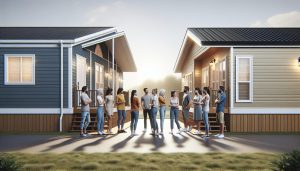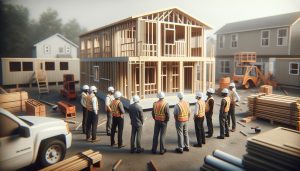
Navigating the world of modular home financing can be daunting, especially for veterans seeking to leverage their benefits. Did you know that VA loans can be an excellent way for service members and veterans to finance manufactured housing? Understanding the VA’s role in this process not only unlocks potential savings but also supports your goal of homeownership in a cost-effective manner. With the rise of modular homes as a viable living option, it’s essential to grasp how these loans work and what benefits you may be entitled to. Read on to discover the ins and outs of VA financing for modular homes, as well as practical guidance on making the most of your veteran benefits while securing a home that meets your needs.
What is Modular Home Financing?
Financing a modular home can be a multifaceted process that differs significantly from traditional home financing. Modular homes are prefabricated structures that are built off-site and then transported to the final location, making them a versatile and often more affordable housing option. However, understanding how to finance these homes, particularly with the benefits offered by the VA, is essential for veterans looking to secure a comfortable and stable living environment.
When considering modular home financing, it is crucial to first explore the specialized loan programs available. Many veterans can take advantage of VA loans, which are backed by the U.S. Department of Veterans Affairs and offer significant benefits, such as no down payment, no private mortgage insurance (PMI), and competitive interest rates. These advantages make VA loans an attractive option for financing a modular home, enabling veterans to invest in a property that meets their needs without excessive financial strain.
One of the key aspects of securing financing for a modular home is ensuring the property meets the necessary standards for loans. The VA has specific requirements regarding the home’s construction, quality, and location. Prospective buyers should verify that their modular home is built to adhere to local building codes and the VA’s Minimum Property Requirements (MPRs). It’s advisable to work with a lender who has expertise in modular home financing and understands the intricacies of VA loans, as this can streamline the application process and provide clarity on important qualifications.
In addition to understanding loan options and regulations, veterans should also consider having a budget that accounts for ongoing costs associated with homeownership. This includes not only the mortgage payment but also property taxes, insurance, utilities, and maintenance. Modular homes are often designed to be energy-efficient, which can lead to lower utility bills and more sustainable living. By setting a clear financial plan, veterans can navigate the complexities of financing and achieve long-term satisfaction with their modular home investment.
Understanding VA Benefits for Veterans

Understanding the benefits available through the VA can be a game changer for veterans looking to finance their modular homes. VA loans are designed to provide veterans and active-duty service members with access to mortgage financing under favorable terms that are often unavailable through conventional lenders. One of the most attractive features of VA loans is the option for no down payment, allowing veterans to purchase a home without needing significant upfront savings. This is especially beneficial for those seeking modular homes, as it opens up housing options without the burden of high initial costs.
In addition to no down payment, VA loans also eliminate the need for private mortgage insurance (PMI), which can significantly reduce monthly payments. This not only eases the financial burden during the crucial early years of homeownership but also helps veterans allocate their resources towards building equity in their homes. Moreover, VA loans typically offer competitive interest rates, which can lead to substantial long-term savings on mortgage payments. When these advantages are combined, they create a powerful incentive for veterans to consider modular homes as a viable and affordable option.
Furthermore, the VA enforces specific requirements that ensure the longevity and quality of the homes financed through their programs. Modular homes must comply with the VA’s Minimum Property Requirements (MPRs), which focus on safety, soundness, and sanitation. This means that veterans can purchase modular homes with confidence, knowing the properties meet rigorous construction standards. Working with VA-approved lenders who are knowledgeable about modular home financing is crucial. These lenders can guide veterans through the nuances of modular home loans, including any additional paperwork or inspections required, ensuring a smooth financing process.
Ultimately, leveraging VA benefits for modular home financing not only facilitates affordable housing options for veterans but also provides the reassurance of quality and adherence to strict standards. As more veterans turn to modular homes for their living solutions, understanding these benefits becomes essential in making informed financial decisions that support their long-term housing goals. By using the advantages offered by the VA, veterans can secure a stable and comfortable living environment while enjoying the many benefits of modular homeownership.
Eligibility Criteria for VA Home Loans

To take advantage of the incredible benefits offered through VA home loans, it’s essential to understand the eligibility criteria that define who can access these advantageous financing options. VA loans serve as a powerful tool for veterans and active-duty service members, enabling them to purchase modular homes without the burden of a down payment and without monthly private mortgage insurance (PMI). This opens up doors to affordable housing solutions for those who have served the country.
To qualify for a VA loan, applicants must meet specific service requirements. Generally, eligibility is extended to:
- Veterans who have served in the active military and were discharged under conditions other than dishonorable.
- Active-duty service members who have served a minimum period and are also eligible for these loans.
- National Guard and Reserve members who have completed at least six years of service and were called to active duty under Title 10.
- Surviving spouses of veterans who died in service or as a result of a service-related condition, provided they have not remarried.
Once veterans or active-duty members confirm their eligibility, they must also secure a Certificate of Eligibility (COE) from the VA. This document verifies that the applicant has met the service requirements, solidifying their ability to access VA loan benefits. Obtaining a COE can often be done online through the VA’s eBenefits portal or via a lender.
Another consideration for eligibility involves creditworthiness and financial stability. While VA loans are more forgiving on credit scores compared to conventional loans, having a good credit history can still enhance your chances of approval. Lenders will assess debt-to-income (DTI) ratios to determine the borrower’s ability to manage monthly payments effectively. A lower DTI ratio can help applicants secure better loan terms.
By understanding these eligibility criteria, veterans can navigate the modular home financing landscape with confidence, knowing they have support tailored specifically for them. Leveraging the VA’s benefits can lead to a stable, affordable living situation that meets their housing needs while adhering to their financial goals.
Navigating the Modular Home Loan Process
Navigating the process of financing a modular home can be a daunting endeavor, especially for veterans looking to utilize their VA benefits. One of the most significant advantages of VA loans is their flexibility and accessibility, making homeownership a feasible goal without the common financial burdens like down payments and private mortgage insurance. When entering this specialized market, understanding the steps involved can equip you with the knowledge necessary to make informed decisions and ultimately enjoy the long-term benefits of modular home living.
The first step is to gather all pertinent documentation needed for the loan application. This includes your Certificate of Eligibility (COE), proof of income, tax returns, and financial statements. Many veterans find that a thorough preparation of these documents eases the application process significantly. Lenders experienced in VA loans will be well-versed in accommodating unique situations typical of military service, so ensure you choose a lender who understands both the VA loan requirements and the nuances associated with modular homes.
Once your paperwork is sorted, the next phase is to secure pre-approval, which not only strengthens your negotiating position but also helps you identify a budget for your home purchase. Engaging with lenders experienced in modular housing can provide insights into the various financing options available, including interest rates and repayment terms that align with your financial situation. During this time, be ready to discuss specific features of modular homes that appeal to you, as not all lenders may be familiar with them.
As you begin searching for a modular home, it is crucial to work closely with a reputable dealer or manufacturer who understands the specific requirements of VA financing. They can facilitate the process of selecting a model that meets VA guidelines, which is essential for ensuring that the financing can be successfully processed. During this phase, you should review the home’s foundation type, whether it’s permanent or temporary, as this can affect the types of loans you can secure.
Once you’ve selected your modular home, your lender will conduct an appraisal to establish its market value and ensure it meets VA requirements. This step often involves additional checks, such as verifying the home’s adherence to local building codes and its installation on a properly prepared site. By ensuring that all criteria are met, you can streamline the closing process and minimize potential obstacles.
Ultimately, understanding and as a veteran puts you on a solid path toward securing a beautiful, cost-effective living space. By leveraging your VA benefits smartly and staying informed throughout each stage-from documentation to appraisal-you empower yourself to turn the dream of owning a modular home into a reality.
Key Differences Between Modular and Traditional Homes
Navigating the world of homeownership often involves understanding the nuances between different types of housing. When comparing modular homes to traditional ones, several key differences stand out that are essential for both prospective buyers and veterans looking to maximize their VA benefits.
One significant distinction is in the construction method. Traditional homes are typically built on-site, which can lead to variable construction timelines and costs. In contrast, modular homes are constructed in a factory and then assembled on the site. This factory-based approach allows for enhanced quality control, shorter build times, and often a more streamlined purchasing process. Additionally, modular homes are built to the same building codes and standards as traditional homes, ensuring they meet safety and structural integrity requirements.
Financing and Affordability
Financing options can differ between modular and traditional homes. Many lenders view modular homes similarly to traditional sites, allowing VA loans to be applied effectively. However, not all lenders are familiar with the specifics of modular financing, which can lead to complications. As a veteran, knowing which lenders specialize in modular home financing can make a substantial difference in your purchasing experience. Utilizing VA loans for modular homes often allows for benefits like no down payment, making these homes an even more attractive option for veterans.
Customization and Design
Another notable difference lies in customization. While traditional homes allow for some design flexibility during construction, modular homes often come with pre-designed layouts that can be tailored to a degree. This can be advantageous for buyers looking for certain features without the burdens of extensive modifications typically needed in traditional homes. For veterans seeking to align their home with their lifestyle or accessibility needs, selecting a modular model with customizable features can provide a practical solution.
Maintenance and Longevity
Lastly, the longevity and maintenance aspects of both types of homes can influence a buyer’s decision. Modular homes, constructed with modern materials in a controlled environment, can often be more energy-efficient and durable than traditional homes. However, the home’s lifespan can be significantly affected by how well it is anchored and maintained. For veterans, understanding the specific maintenance requirements, such as ensuring proper anchoring in case of severe weather, can enhance the investment’s longevity.
In summary, while both modular and traditional homes have their unique benefits and challenges, modular homes present a compelling option for veterans, especially when utilizing VA financing. Their quicker build times, potential cost savings, and adaptability to veteran needs make them a legitimate and attractive housing choice in the modern market.
Financial Advantages of VA Financing for Modular Homes
Utilizing VA financing for modular homes can unlock a multitude of financial benefits, making the dream of homeownership accessible for veterans. One of the most compelling advantages is the absence of a down payment requirement, which can be a significant hurdle for many prospective homebuyers. This means that eligible veterans can finance the entire purchase price of a modular home without needing to save thousands upfront, allowing them to allocate their resources towards other essential expenses, such as moving costs or home improvements.
Another key financial advantage lies in the favorable loan terms provided by VA loans. These loans typically come with lower interest rates compared to conventional financing options. For veterans, this translates into reduced monthly payments, potentially saving them thousands of dollars over the life of the loan. Additionally, VA loans do not require Private Mortgage Insurance (PMI), which is often a mandatory cost in other financing scenarios when the down payment is less than 20%. This exemption further lowers monthly financial obligations and increases overall affordability.
Furthermore, the streamlined VA loan process is designed to be veteran-friendly, which can significantly reduce the stress associated with obtaining financing. Experienced lenders familiar with VA guidelines can help veterans navigate the complexities of modular home financing, ensuring that they understand all available benefits and funding options. This specialized knowledge is crucial, as not all lenders are adept in handling modular home loans, which can sometimes be perceived as riskier due to the nature of their construction. Therefore, collaborating with professionals who have a firm grasp of the relevant regulations can lead to a smoother and more successful home buying experience.
In conclusion, leveraging VA financing not only makes modular homeownership more attainable for veterans but also enhances long-term financial stability through cost savings and favorable loan conditions. By understanding and utilizing these advantages, veterans can stepping into a secure, affordable living situation that meets their needs and preferences.
Step-by-Step Guide to Applying for VA Loans
Applying for a VA loan to finance a modular home can feel overwhelming, but breaking the process down into manageable steps can simplify your journey towards homeownership. First and foremost, ensure that you have a clear understanding of your eligibility. Veterans, active-duty service members, and certain members of the National Guard and Reserves generally qualify for VA loans based on their service record. The VA offers a Certificate of Eligibility (COE), which verifies your eligibility for these benefits. Obtaining this document is usually the first step; you can apply for your COE online through the VA’s website or have your lender assist you in this process.
Gather Your Financial Documents
To streamline the application process, gather necessary financial documents. Here’s what you’ll typically need:
- Proof of income (pay stubs, tax returns, or profit and loss statements if self-employed)
- Bank statements
- Information regarding any debts or financial obligations
- Your COE, once obtained
Having this documentation ready will allow lenders to assess your financial situation accurately.
Choose a Lender Familiar with VA Loans
Finding a lender experienced in VA loans is crucial, especially since not all lenders handle modular home loans the same way. Research and select lenders who specialize in VA financing, particularly for manufactured and modular homes. This expertise can positively impact your loan approval and ensure you receive the best terms available. When interviewing potential lenders, inquire about their experience with modular home financing and how they navigate the specific underwriting requirements related to such homes.
Submit Your Application
After selecting a lender, complete and submit your loan application. This step typically involves a comprehensive overview of your financial situation. Be prepared for the lender to order an appraisal and a VA inspection of the modular home to ensure it meets safety and livability standards. The VA’s appraisal process might differ slightly from conventional loans, as it’s designed to uphold the integrity and value of homes financed through the program.
Loan Approval and Closing
Once your application is submitted and all supporting documents are received, the lender will review your application. If the loan is approved, you will receive a loan estimate outlining your mortgage amount, interest rates, and estimated closing costs. Upon acceptance of these terms, you’ll proceed to the closing process, where all final documents are signed, and ownership of the modular home is transferred to you.
Navigating the VA loan process might come with its challenges, but with proper preparation and the right lender on your side, you can successfully transition to owning a modular home while enjoying the considerable benefits that VA financing offers.
Common Challenges in Modular Home Financing
Financing a modular home can present unique challenges that differ significantly from traditional home buying. One major issue many veterans face is the perception of modular homes among lending institutions. Unlike traditional site-built homes, modular homes are factory-constructed, which may lead lenders to question the market value and resale potential. This skepticism can complicate the loan approval process, as some lenders have limited experience with modular home financing. To counter this, it’s beneficial to seek out lenders who specialize in VA loans and have a proven track record with modular homes, as they are more likely to understand the nuances involved and provide tailored support.
Another challenge stems from the appraisal process, which is crucial for VA loans. The VA mandates that all homes meet specific safety and livability standards, and this can sometimes lead to complications with modular homes. If a particular model or manufacturer does not have a solid reputation or if the home hasn’t been properly installed, it might run into appraisal issues. To mitigate this risk, prospective owners should ensure that their modular home complies with state building codes and undergoes a thorough inspection prior to the appraisal. This proactive approach can help alleviate potential concerns that appraisers or lenders might have.
Uncertain financing policies are another roadblock in the modular home buying process. Since the VA’s guidelines evolve, staying current can be daunting for potential buyers. A lack of information regarding financing options specific to modular homes means that some veterans might miss out on beneficial programs. It’s essential for buyers to do their homework or consult with a financial advisor well-versed in VA loans to navigate these changes effectively. By understanding these financing intricacies, veterans can better prepare themselves for any hurdles that may arise.
Lastly, insurance considerations must be addressed early on. Modular homes may require specific insurance policies that differ from those covering traditional homes. It’s advisable to work with an insurance agent familiar with modular homes to ensure adequate coverage is obtained, which can prevent future headaches and financial setbacks. Being informed about these common challenges is the first step toward successful modular home financing, ensuring that veterans can fully leverage their benefits while embracing homeownership.
Insurance Considerations for Modular Homes
Understanding insurance for modular homes is essential for ensuring proper coverage and mitigating potential risks unique to this type of housing. Modular homes, while constructed off-site to ensure quality and precision, can have specific insurance requirements that differ from traditional homes. These differences often stem from the unique construction process, potential transport-related damages, and local building codes that modular homes must comply with. By being proactive about insurance needs, homeowners can protect their investment and ensure long-term stability.
When it comes to insuring a modular home, engaging with an insurance agent who specializes in manufactured housing can make a significant difference. Such agents understand the intricacies involved, including how modular homes are appraised and any specific storm tie-downs or foundation requirements that may impact coverage. Here are some key considerations when selecting insurance for a modular home:
- Replacement Cost Coverage: Ensure that the policy covers the full replacement cost of rebuilding the home in the event of a total loss. Many standard homeowner policies may not adequately cover modular homes due to their unique construction.
- Liability Coverage: As with traditional homes, liability insurance is crucial. This will protect against accidents or injuries occurring on the property.
- Specific Risks: Modular homes may be located in areas prone to floods, hurricanes, or earthquakes. Specialized policies to cover these perils can be vital in protecting your investment.
- Compliance with Local Requirements: Make sure the insurance adheres to local regulations and standards for modular homes, which can vary by region.
Additionally, it’s important to conduct a thorough review of the insurance policy details. Factors such as deductibles, exclusions, and limits of liability should be carefully evaluated. Some modular homeowners may benefit from bundling their home and auto insurance, which can lead to discounts and comprehensive coverage.
Ultimately, understanding and addressing insurance considerations early on can significantly enhance the peace of mind for modular homeowners. By partnering with the right professionals and recognizing the unique needs of modular homes, homeowners not only protect their investments but also embrace a confident, worry-free lifestyle in their homes.
Maintaining Your Modular Home and Its Value
Maintaining a modular home requires a proactive approach focused on both preventive care and value enhancement. It’s important to understand that, like traditional homes, modular homes benefit from regular maintenance to preserve their integrity and investment potential. From monitoring environmental elements that could affect structural integrity to improving curb appeal, homeowners can take strategic steps to ensure their modular homes remain in optimal condition while retaining their value.
One of the first steps in maintaining a modular home is regular inspections. Homeowners should routinely check the condition of the foundation, roofing, and exterior. This means looking for any signs of wear and tear, such as cracks in the walls, leaks in the roof, or damaged siding. Addressing these issues promptly not only prevents further damage but also keeps repair costs lower in the long run. Additionally, it’s crucial to inspect the undercarriage and supports of the home, especially if it’s situated in an area with heavy rainfall or snow.
Proper landscaping can also significantly contribute to both the aesthetics and the value of your modular home. Maintaining clear drainage paths around the home helps prevent water damage and erosion, while thoughtful landscaping can enhance curb appeal. Planting native vegetation that requires less water and is more resistant to local pests not only conserves resources but allows for easier upkeep. It’s a smart way to protect the home’s exterior while contributing positively to the environment.
In terms of utility maintenance, it’s essential to regularly check and service HVAC systems, plumbing, and electrical installations. This can not only improve energy efficiency but also avoid costly repairs down the road. Homeowners should ensure that their modular home is well-insulated to maintain comfort levels and reduce energy costs throughout the seasons. Keeping appliances up to date can also improve overall efficiency and lower utility bills, directly affecting the home’s operational costs.
Another vital aspect is documenting all home improvements and repairs. Keeping an organized record will not only provide a clear history of maintenance for future resale but may also be beneficial when applying for financing or insurance. Furthermore, enhancements like adding a deck, a garden, or energy-efficient windows can substantially increase your home’s market value. These improvements showcase a commitment to home care and create a more inviting atmosphere for potential buyers.
Emphasizing routine maintenance for a modular home helps sustain its appeal and functionality in the long term. With careful planning and diligence, homeowners can enjoy their modular space while safeguarding their investment. By prioritizing upkeep, modular homeowners can confidently navigate the unique considerations that come with this alternative housing choice, ensuring a rewarding and lasting ownership experience.
Essential Resources for Veteran Homebuyers
Veterans looking to secure financing for a modular home can tap into a wealth of resources tailored to their unique circumstances and needs. Understanding these essential resources is vital for a smooth financing process and fulfilling homeownership journey. From government programs to veteran-specific organizations, these tools can empower veterans to make informed decisions about their housing investments.
One of the primary resources is the U.S. Department of Veterans Affairs (VA), which offers benefits and programs specifically designed for veterans. The VA’s website provides comprehensive information about VA home loans, including eligibility, application processes, and funding fees. Furthermore, veterans seeking to use VA loans for modular homes are encouraged to contact the VA directly or visit local VA offices for personalized assistance and information regarding eligibility requirements and funding levels specific to modular housing.
Another essential resource is the non-profit organization, the National Association of Home Builders (NAHB). They provide veterans with insights into modular and manufactured housing options, including information about builders and the latest market trends. Accessing NAHB’s resources can help veterans better understand their options, ensuring they select a home that fits both their lifestyle and budget.
Additionally, community organizations such as the Veterans Community Project offer housing assistance programs that can help veterans who may encounter difficulties with financing. These programs often include educational workshops on homeownership, budgeting, and financial management, equipping veterans with the knowledge they need to navigate the home-buying process confidently.
Finally, engaging with local real estate agents who specialize in modular homes and understand the nuances of VA financing can prove invaluable. They can guide veterans through the home-buying process, help identify suitable properties, and offer insights into market conditions. By leveraging these resources, veterans can find the support necessary to secure modular housing that meets their needs while adhering to their financial goals.
Success Stories of Veterans Financing Modular Homes
Veterans across the country are increasingly turning to modular homes as a viable and affordable housing option, successfully navigating the complexities of financing through the VA. One compelling story comes from a former sergeant who, after returning home, sought to establish a stable environment for his family. With the help of the VA loan benefits, he found a high-quality modular home that fit his budget. This choice not only provided modern amenities and energy efficiency but also allowed him to bypass the typical lengthy home-building process. His experience illustrates how modular homes can meet both the financial and lifestyle needs of veterans.
Another success story features a couple who dreamed of a more sustainable lifestyle. After learning about the environmental benefits of modular construction-such as reduced waste during building-they decided to take advantage of their VA loan benefits. By using VA financing, they secured their custom modular home without the financial strain often associated with traditional mortgages. Their choice to invest in a modular home has not only provided them with a beautiful living space but has also decreased their monthly utility bills due to superior insulation and energy-efficient designs. This case exemplifies how veterans can leverage their benefits to enhance their quality of life.
Numerous veterans have collaborated with non-profit organizations dedicated to assisting them with the home financing process, further demonstrating how community resources can play an essential role. For instance, one veteran participated in workshops that educated him about both modular homes and VA loans. With the hands-on support of these organizations, he effectively transitioned from renter to homeowner. The sense of pride that follows homeownership, especially for those who have served, can be immeasurable.
In summary, these stories highlight the accessibility and appeal of modular homes for veterans, showcasing how VA financing opens doors to unique living opportunities. With tools and resources at their disposal, veterans can successfully navigate the modular home financing landscape, ultimately achieving their homeownership goals with confidence and security.
FAQ
Q: What benefits do VA loans offer for modular home financing?
A: VA loans provide several advantages for financing modular homes, including no down payment, competitive interest rates, and no private mortgage insurance (PMI) requirements. This makes it financially easier for veterans to purchase modular homes while maximizing affordability and investment value.
Q: How does the VA determine eligibility for modular home financing?
A: Eligibility for VA modular home financing is based on service length, discharge classification, and creditworthiness. Veterans must provide a Certificate of Eligibility (COE) to lenders, proving they meet these criteria for VA loan benefits.
Q: Can veterans use VA loans for both new and used modular homes?
A: Yes, veterans can use VA loans to finance both new and used modular homes. However, the home must meet specific safety and livability standards set by the VA to qualify for financing.
Q: What types of modular homes qualify for VA financing?
A: VA financing is available for single-family modular homes that meet the agency’s construction and safety standards. Homes must be permanently affixed to a foundation and be classified as real property to qualify for VA loans.
Q: What is the process for applying for a VA loan for a modular home?
A: To apply for a VA loan for a modular home, veterans should first obtain their Certificate of Eligibility (COE). Next, they can contact a VA-approved lender, submit financial documentation, and complete the loan application. Key steps include appraisals and inspections.
Q: Are there funding fees associated with VA loans for modular homes?
A: Yes, VA loans typically have funding fees that vary based on the veteran’s service type, down payment (if any), and whether it’s their first use of a VA loan. These fees can be financed into the loan amount, easing upfront costs.
Q: How can veterans improve their chances of approval for a VA modular home loan?
A: Veterans can improve their chances of loan approval by maintaining a good credit score, stabilizing their income, and managing existing debt. It is also beneficial to prepare all necessary documentation before applying to streamline the process.
Q: What are common challenges veterans face when financing modular homes?
A: Common challenges include finding lenders experienced with modular homes, dealing with appraisal discrepancies, and meeting specific VA property requirements. Veterans should seek lenders who specialize in modular homes to mitigate these issues.
In Retrospect
As we’ve explored, the VA plays a vital role in providing veterans with valuable benefits for modular home financing, making home ownership more attainable. By leveraging VA loans, veterans can enjoy lower interest rates and no down payment, creating a pathway to stability and comfort. If you’re considering a modular home, now is the perfect time to take action!
For deeper insights, check out our resources on navigating financing options and long-term maintenance strategies. Additionally, understand the importance of compliance with safety standards through guides on hurricane preparedness and foundation conversion. Your dream of owning a modular home is within reach-don’t hesitate to explore further or sign up for our newsletter for ongoing updates and expert advice.
Join the conversation! Share your experiences or ask questions in the comments below. Your journey to empowered home ownership starts here, and we’re here to support you every step of the way.