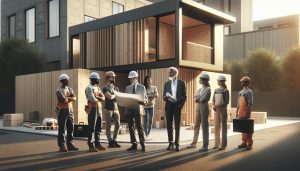
When considering modular homes, one key question often arises: do they depreciate in value like traditional homes? Understanding the nuances of modular home valuation is crucial for homeowners and prospective buyers alike, as it can significantly impact investment decisions and long-term financial planning. Interestingly, while many believe that modular homes depreciate, this perception can be misleading. The reality is more complex, shaped by factors such as location, quality of construction, and market demand. For those navigating the modular housing landscape, grasping how property values work can empower smarter decisions about purchase, investment, and resale. Dive in as we unravel the truth about modular home depreciation and discover insights that can help safeguard your investment in this growing housing sector.
Understanding Modular Homes and Their Value
Understanding modular homes involves recognizing their unique characteristics and advantages in the housing market. Unlike traditional homes, modular homes are constructed in a factory setting and delivered in sections to the building site, where they are assembled. This method allows for controlled quality assurance and often results in lower costs. Modular homes are built to the same codes and standards as site-built homes, ensuring they meet safety and structural requirements.
One key aspect to consider is the value of modular homes compared to traditional homes. Historically, there’s a misconception that modular homes depreciate more quickly than their traditional counterparts. However, many factors influence their value, including construction quality, maintenance, and location. In fact, well-built modular homes can appreciate just as much as traditional homes, especially in desirable areas.
When evaluating a modular home’s worth, it’s essential to consider not only its construction but also its aesthetic appeal. Modern designs and customization options can greatly enhance the marketability of a modular home. Additionally, factors such as energy efficiency, eco-friendly materials, and adherence to building codes play an integral role in influencing long-term value. Buyers increasingly appreciate homes that reduce utility costs and environmental impact, which can contribute positively to overall property values.
As the modular home market continues to expand, emerging trends indicate a growing acceptance and appreciation for this housing option. Understanding the dynamics of modular homes, from construction to market perception, provides valuable insight for potential buyers and investors looking to navigate this evolving landscape successfully.
Factors Influencing Modular Home Depreciation
Despite common belief, modular homes can maintain and even appreciate in value, particularly when various influencing factors are understood. One primary aspect that often leads to depreciation is the quality of construction. Homes built using subpar materials or techniques may suffer significant declines in market value compared to those crafted with attention to structural integrity and aesthetics. Buyers are increasingly savvy and tend to gravitate toward well-constructed homes that promise longevity, so investing in high-quality materials and craftsmanship is essential for maintaining value.
Another significant variable is location. Much like traditional homes, modular homes situated in desirable neighborhoods or rapidly developing areas are likely to appreciate as demand for housing increases. Proximity to amenities, schools, and employment opportunities can substantially impact resale value. Conversely, homes in less desirable, remote, or declining areas may not fare as well, facing tougher competition from other housing options.
Furthermore, market perceptions and misconceptions surrounding modular homes play a crucial role in value retention. Although a notable stigma exists, continuous education on the modern modular building process helps dissipate long-held beliefs that equate modular homes with inferiority. Strategies for homeowners include highlighting unique benefits such as customization, energy efficiency, and adherence to building codes during marketing efforts.
Lastly, maintenance and upkeep cannot be underestimated. A modular home that is regularly maintained, with necessary repairs carried out promptly, will generally retain its value better than one that shows signs of neglect. Creating a regular maintenance schedule can effectively safeguard your investment, ensuring that both the home’s structural integrity and aesthetic appeal are preserved over time.
In conclusion, a combination of high construction quality, favorable location, positive market perception, and diligent maintenance greatly influences the depreciation of modular homes. By focusing on these factors, homeowners can navigate the market with confidence, mitigating concerns about value loss and enhancing the long-term investment potential of their modular properties.
Comparing Modular and Traditional Home Values
When it comes to understanding the value of modular homes compared to traditional houses, many factors come into play that can significantly influence perceptions and market outcomes. Contrary to popular belief, modular homes can equate to or even exceed the value of traditional homes when assessed fairly. One crucial aspect is the construction process itself-modular homes are built in a controlled factory environment, leading to greater precision and quality assurance. This manufacturing method not only enhances durability but also allows for innovative designs, which can attract discerning buyers in an increasingly competitive housing market.
To appreciate the difference in value, it’s essential to consider the criteria used in real estate appraisals. Traditional homes are often valued based on their location, condition, and comparable properties, whereas modular homes are frequently judged more harshly due to misconceptions about quality and longevity. However, as awareness of high-quality modular housing grows, so do its market values. For example, homes from reputable manufacturers like Franklin Homes or Clayton Homes are increasingly recognized for their craftsmanship and energy efficiency, appealing to buyers who value sustainability and modern design.
The Effects of Perception on Value
Value is often influenced by buyer perception. Many potential homeowners mistakenly believe that modular homes are inferior to traditional homes, leading to a price disparity. This stigma can affect the resale market. However, showcasing the robust construction practices and the aesthetic appeal of modern modular homes can bolster their market position. Providing potential buyers with detailed information about the home’s energy efficiency, customization features, and adherence to building codes can combat negative stereotypes, helping elevate market values.
In conclusion, while there are notable differences in how modular and traditional homes are valued, informed buyers and sellers can effectively navigate these disparities. By leveraging the quality of construction and addressing common misconceptions, modular homeowners can maintain competitive property values that reflect the true quality of their investments.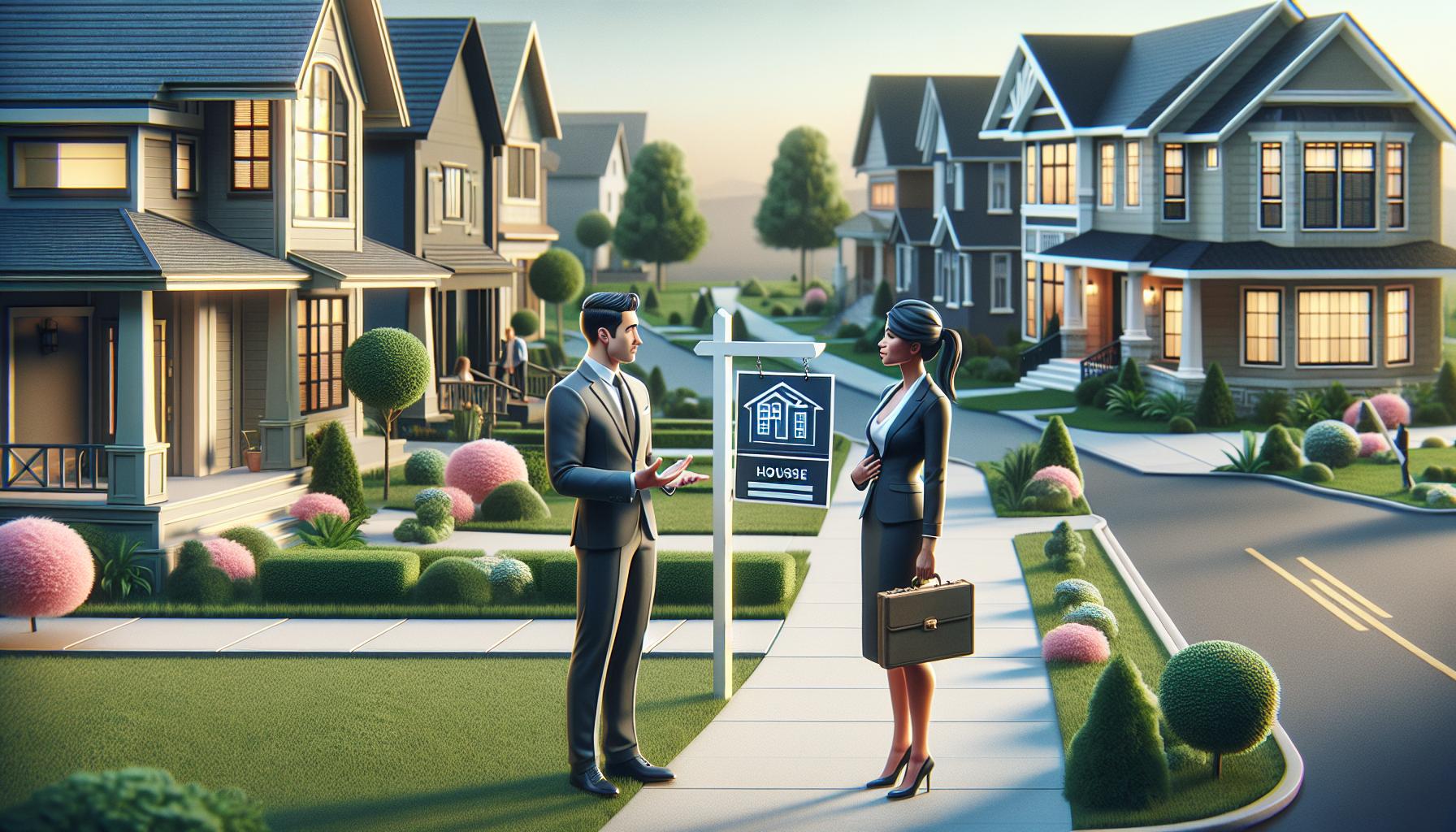
Impact of Location on Property Values
The correlation between location and property values is a critical consideration for anyone involved in the housing market, including modular homebuyers. Just as traditional homes derive much of their value from their surroundings, so too do modular homes. The adage “location, location, location” holds firm; however, understanding how it specifically applies to modular homes can significantly influence both investment decisions and long-term value retention.
Proximity to essential services-such as schools, healthcare facilities, shopping centers, and public transportation-greatly enhances the attractiveness of modular homes. For instance, a well-placed modular home in an evolving neighborhood with developing amenities can appreciate in value more rapidly than one in a remote area lacking infrastructure. Conversely, modular homes situated in declining neighborhoods may face depreciation, primarily due to the overall decline in demand and potential safety concerns.
A further layer to consider is geographic trends. Regions experiencing population growth or urban renewal often see a corresponding increase in property values. Modular homes that are energy-efficient and environmentally friendly appeal to a growing demographic concerned with sustainability, thus, their value can be positively impacted in eco-conscious communities. Additionally, specific factors such as flood zones, zoning regulations, and local housing market health should not be underestimated; they can either bolster or hinder property values.
To quantify these insights, potential buyers should conduct research that includes:
- Reviewing local real estate market trends to understand price fluctuations.
- Consulting with real estate professionals familiar with modular housing.
- Assessing local school district ratings, as they can significantly influence family-oriented buyers.
- Evaluating the historical value appreciation of similar homes in the area.
In summary, the location’s impact on modular home values is multifaceted and requires careful consideration. By assessing proximity to amenities, demographic trends, and local market dynamics, potential homeowners can position themselves to make informed and strategic housing choices. Emphasizing these localized factors during the home-buying process allows individuals to invest wisely and secure long-term value in their modular home investments.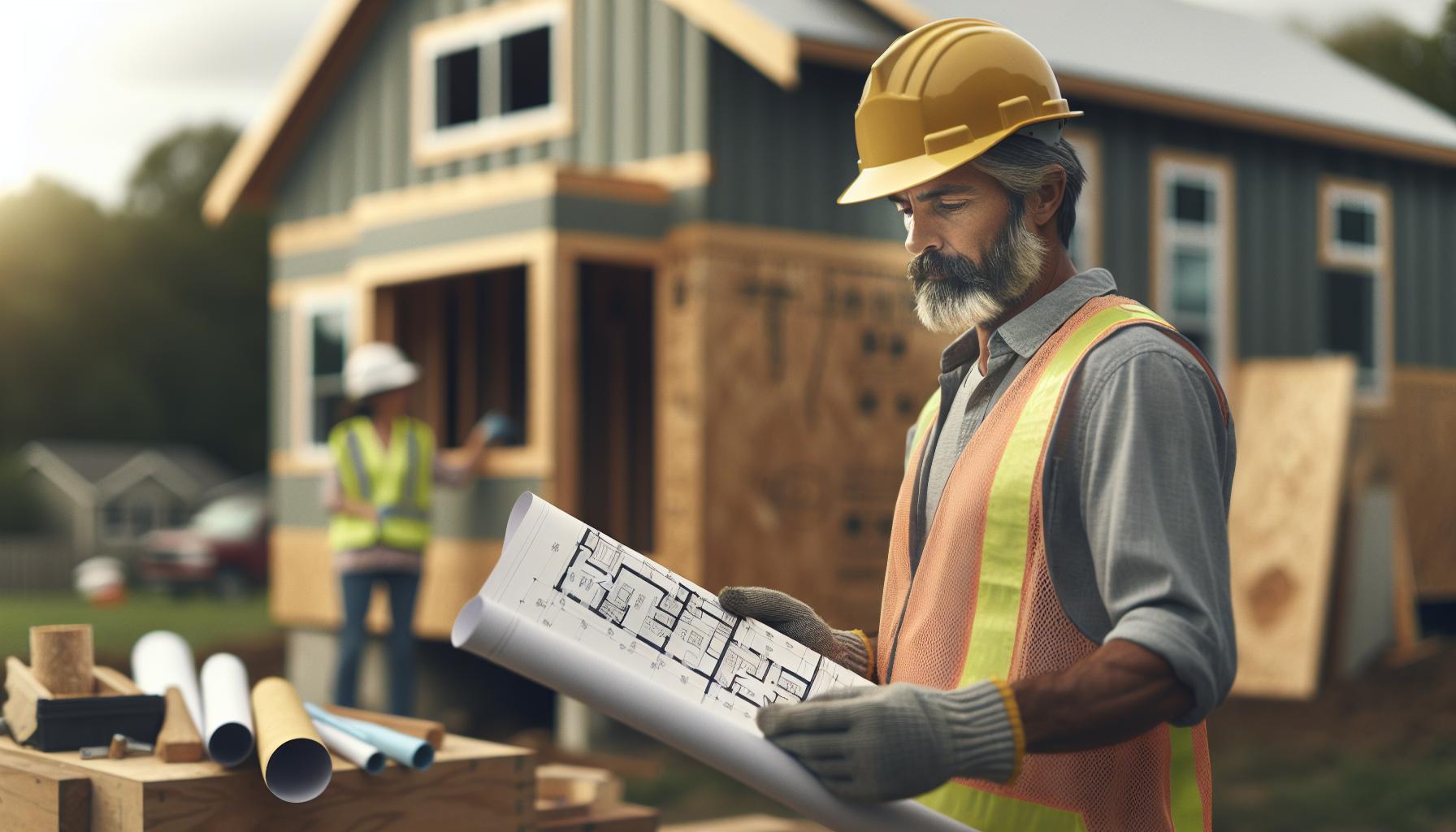
The Role of Quality in Modular Homes
The quality of modular homes plays a crucial role in their overall value, especially when examining how these properties hold up against traditional homes in the real estate market. High-quality modular homes, constructed using durable materials and superior craftsmanship, can significantly outperform lower-quality counterparts in terms of longevity and resale value. Homebuyers often look for features that provide not only aesthetic appeal but also enhance structural integrity and energy efficiency. Investing in well-built modular homes can yield long-term benefits as they are more likely to retain or appreciate in value over time.
To understand the nuances of quality in modular homes, it is beneficial to focus on specific aspects such as materials, design, and inspection processes. Modern modular homes can be built with energy-efficient windows, eco-friendly materials, and advanced insulation techniques that not only reduce energy costs but also increase comfort levels. For instance, modular homes that comply with higher energy standards, such as Energy Star ratings, often attract buyers willing to pay a premium due to reduced utility bills and increased environmental awareness.
Moreover, the manufacturing process of modular homes-where sections are built in controlled environments-can lead to better quality control compared to traditional on-site construction. This reduced exposure to the elements during the building process often translates to fewer construction defects and higher overall quality. Homebuyers should pay particular attention to the design options available from manufacturers; customizable designs leveraging quality materials can enhance not only livability but also resale potential.
In addition, regular maintenance and timely upgrades are essential to sustain the home’s quality and value over time. Owners should focus on consistent upkeep, including roof inspections, proper insulation checks, and exterior maintenance, which all contribute to the home’s longevity and market desirability. Those considering the purchase of a modular home should thoroughly research brands and request detailed information about construction processes, materials used, and warranty offerings. Such due diligence will help ensure that they select a property that can stand the test of time and provide a stable investment.
Ultimately, investing in a high-quality modular home not only supports individual comfort and environmental goals but also secures a solid investment in a fluctuating housing market. As buyers become increasingly discerning about quality, understanding its role can empower them to make better-informed decisions and contribute to the ongoing appreciation of their property values.
Market Trends: Are Modular Homes Appreciating?
As awareness and acceptance of modular homes increase, many prospective buyers are left wondering about the long-term value of these properties. Contrary to some misconceptions, modular homes are increasingly appreciated in the housing market, with many areas seeing stable or even rising property values. Factors like innovative building techniques, sustainable practices, and customization options contribute to this positive trend.
The appreciation of modular homes is significantly influenced by the quality of construction. Homes built with high-grade materials and under rigorous quality standards tend to retain their value better than those constructed with lower-quality alternatives. Buyers are more likely to invest in a property that showcases energy efficiency features and modern design, making high-quality modular homes appealing in today’s market. For instance, homes with Energy Star ratings or eco-friendly materials not only lower utility costs for owners but also attract prospective buyers who are willing to pay a premium for sustainability and efficiency.
Regional Variability in Market Trends
Location plays a critical role in determining property values. In some regions, particularly where traditional housing markets have exploded, modular homes are embraced as viable alternatives. Urban areas and regions with high land value have seen an uptick in appreciation for both new and existing modular installations. Furthermore, local zoning laws and community perceptions can affect the resale potential of modular properties. Those considering purchasing in more established or affluent neighborhoods should research how modular homes are viewed in their community to determine the likelihood of appreciation.
Future Trends and Opportunities
The increasing acceptance of modular housing is also reflected in broader market trends, signaling a shift in buyer preferences. Younger generations, facing affordability issues in traditional homes, are turning to modular living as an attractive alternative. This demographic shift is likely to spur further appreciation as demand rises. By staying updated on market trends and understanding the nuances specific to modular housing, buyers can make informed decisions that recognize the true value of their investment.
In summary, the appreciation of modular homes is an encouraging trend driven by quality construction, buyer preferences, and the evolving housing landscape. Whether you are a current homeowner or a prospective buyer, recognizing these market dynamics can help you capitalize on the potential for financial growth associated with modular home ownership.
Financing a Modular Home: Key Considerations
Financing a modular home can be a straightforward process, but it’s essential for buyers to be well-informed about the unique considerations that come with these properties. Unlike traditional homes, modular homes are often viewed differently by lenders due to their manufacturing processes and classification. Typically, modular homes are financed similarly to site-built homes; however, they might require specific financing options tailored for manufactured housing.
When considering financing, prospective buyers should explore different loan types, such as conventional loans, FHA loans, and VA loans. Conventional loans can work for modular homes classified as real property, but be sure to confirm with lenders whether the home meets their requirements. FHA loans are particularly beneficial as they allow lower down payments and more flexible credit requirements, making them accessible for a broader range of buyers. VA loans are another excellent option for veterans, as they offer favorable terms without requiring a down payment. Understanding the nuances of these loans can help buyers secure the best possible financing for their modular home.
Key Considerations for Financing
- Credit Score: A good credit score is crucial for obtaining favorable loan terms. Aim for a score of 620 or higher to qualify for most conventional loans.
- Down Payment: Depending on the type of financing, down payment requirements can vary. FHA loans often require as little as 3.5%, while conventional loans may require 20% to avoid private mortgage insurance (PMI).
- Foundation Type: Ensure your modular home is permanently affixed to a foundation. Lenders may be hesitant to finance homes that are not classified as real estate, impacting the loan options.
- Finding the Right Lender: It’s important to work with lenders experienced in modular and manufactured home financing. They can provide guidance tailored to this specific market.
- Interest Rates: Shop around for competitive interest rates; these can significantly affect your overall cost of ownership.
- Appraisal Process: Understand how the home will be appraised. Homes with energy-efficient features or modern finishes may appraise higher, affecting your overall investment.
Getting pre-approved for a loan is a practical step to understand your budget and show sellers that you are a serious buyer. Additionally, consider potential costs beyond the mortgage itself, like site preparation, utility connections, and ongoing maintenance. By thoroughly researching financing options and preparing for the unique aspects of modular home purchasing, you can confidently navigate the financing process, leading to a successful homeownership experience.
Insurance Insights for Modular Homeowners
Considering the rapid growth in the modular home market, it’s essential for homeowners to understand the insurance coverage options available to protect their investment. Just like traditional homes, modular homes require specific insurance policies to safeguard against damages, liabilities, and losses. However, insurance considerations for modular homes can differ depending on the classification of the home and its permanent setup.
When choosing an insurance policy, homeowners should look for options that cover several key areas:
- Dwelling Coverage: This protects the physical structure of the modular home itself. Ensure the policy covers the replacement cost rather than just market value to fully cover rebuilds after a disaster.
- Personal Property Protection: Coverage for personal belongings inside the home is vital. Review the policy limits and consider additional riders for high-value items like jewelry or electronics.
- Liability Coverage: This part of the policy protects against legal claims for injuries or damages that occur on your property. It’s essential for protecting your financial interests in case of lawsuits.
- Additional Living Expenses: In the event your home becomes uninhabitable, this coverage provides for temporary housing and living costs while repairs are made.
Choosing the right insurance provider is also crucial. Look for companies with experience in insuring modular homes, as they will better understand the unique challenges these homes present, such as valuation discrepancies and potential zoning issues. It’s wise to compare multiple quotes and ask about any discounts available for safety features like smoke detectors or security systems.
Understanding local regulations and ensuring compliance can further lower insurance risks. For example, if your modular home is located in a flood-prone area, obtaining a separate flood insurance policy is often necessary, as standard homeowners’ insurance typically doesn’t cover flood damage.
In summary, securing adequate insurance for a modular home is not just about compliance; it’s about ensuring peace of mind. By taking the time to assess coverage options, reviewing policy details, and working with knowledgeable providers, homeowners can effectively protect their modular investment for years to come.
Legal Aspects of Modular Home Ownership
Understanding the legal landscape surrounding modular home ownership is crucial for prospective and current homeowners. Unlike traditional homes, modular homes can present unique legal challenges that affect everything from ownership rights to zoning regulations. It’s essential to navigate these aspects diligently to protect your investment and ensure compliance with local laws.
One of the first considerations should be the classification of the modular home. Modular homes are generally treated as real property when they are permanently affixed to a foundation. This is unlike mobile homes, which may still be classified as personal property if they can be moved. Ensure your home is correctly classified, as this can influence property taxes, loan options, and resale value. Consulting with a real estate attorney or local zoning office can help clarify these classifications.
Compliance with local building codes and zoning laws is also critical. Modular homes are subject to the same local regulations as traditional homes, which may include specific requirements for safety, land use, and environmental standards. Homeowners should familiarize themselves with these codes before installation to avoid potential fines or the need for costly modifications later. For instance, certain areas may have regulations on the type of foundation required or restrictions on where modular homes can be placed on a property.
Additionally, it’s important to review any state-specific regulations regarding modular homes. For example, some states have laws that provide stronger consumer protections for modular homeowners, such as warranty requirements or guidelines for construction practices. Understanding these regulations can offer peace of mind and safeguard your investment.
Lastly, consider the implications of property easements and liens. Modular homes built on leased land might face different conditions than those owned outright. It’s wise to investigate any easements that may affect your property and ensure all financial obligations-such as property taxes-are met to avoid potential liens. By taking proactive steps and staying informed about the , you can enjoy your home with confidence and security.
Essential Upkeep to Preserve Home Value
Maintaining the value of a modular home requires proactive attention to its upkeep, much like any traditional home. Consistent maintenance not only prevents depreciation but can also enhance your property’s marketability when it comes time to sell. Homeowners should take a comprehensive approach to care for their investment, focusing on both the interior and exterior of their homes.
One of the most critical aspects of upkeep is regular inspections and maintenance. This includes checking the roof for any damage or leaks, ensuring that gutters are clear, and regularly inspecting the foundation for signs of shifting or settling. Addressing minor repairs promptly can prevent them from escalating into more significant issues that could compromise the home’s structure. Homeowners should also keep an eye on plumbing and electrical systems, performing routine inspections or hiring professionals for comprehensive check-ups.
Another essential factor is the exterior maintenance of the home. This involves:
- Cleaning Siding: Regular cleaning of siding materials can prevent mold and mildew buildup, which can degrade the appearance and integrity of the home.
- Landscaping: Well-maintained landscaping not only enhances curb appeal but also protects against soil erosion and pest infestations.
- Deck and Porch Care: Regularly treating and sealing wood surfaces prevents rotting, while periodic repainting can help keep it looking fresh.
In addition to preventive maintenance, engaging in home improvements can significantly affect the long-term value of a modular home. Consider upgrading kitchens and bathrooms with modern appliances, energy-efficient fixtures, and contemporary designs. Additionally, enhancing insulation and energy efficiency not only adds value but also minimizes utility costs, making the home more appealing to potential buyers.
Investing in safety features-such as smoke detectors, carbon monoxide detectors, and security systems-can enhance both the overall value of your home and your peace of mind. Moreover, familiarizing yourself with local zoning laws can prevent costly modifications down the line and ensure that any additions or renovations comply with regulations.
Ultimately, the key to preserving your modular home’s value lies in consistent, thoughtful upkeep and engaging in strategic improvements that appeal to future buyers. By treating your home with care and investing in its future, you not only protect your investment but also contribute to the legacy of quality and style that modular homes can offer.
Renovations That Boost Modular Home Worth
A well-executed renovation can turn a modular home from ordinary to extraordinary, significantly boosting its overall worth. Homeowners often underestimate the impact of enhancements on property values, but strategic upgrades can not only improve aesthetics but also contribute to energy efficiency and functionality, addressing the desires of potential buyers. A few targeted renovations can yield impressive returns, ensuring that the investment pays off when it’s time to sell.
Smart Upgrades That Add Value
- Kitchen Modernization: The kitchen is often considered the heart of the home, making it a prime target for renovations. Upgrading to energy-efficient appliances, installing stylish countertops, and refreshing cabinetry can create a contemporary appeal that attracts prospective buyers.
- Bathroom Renovations: Similar to kitchens, bathrooms hold significant value in the eyes of buyers. Installing modern fixtures, enhancing lighting, and making the space more efficient can dramatically increase both functionality and appeal.
- Energy Efficiency Improvements: Enhancing insulation, sealing drafts, and installing energy-efficient windows not only lower utility costs but also make the home more attractive in the environmentally-conscious market. Buyers are often willing to pay more for homes that promise lower long-term expenses.
- Outdoor Space Enhancements: Curb appeal matters, and investing in landscaping, creating outdoor living spaces, or adding a deck can enhance the attractiveness of your modular home significantly. Potential buyers often imagine themselves enjoying these spaces, which can sway their purchasing decisions.
- Smart Home Technology: Integrating smart home devices-such as thermostats, security systems, and lighting-can appeal to tech-savvy buyers. These features add convenience and can often justify a higher asking price.
Considerations for Effective Renovations
While renovations can add value, it’s crucial to keep the target market in mind. Aim to maintain a balance between stylish upgrades and the practical needs of potential buyers. Keeping the design cohesive and in line with neighborhood trends can further ensure that investments resonate with buyers. Moreover, it’s imperative to comply with local building codes and regulations to avoid future complications that could hinder the sale process.
Prioritizing renovations will help allocate budgets effectively. Start with upgrades that offer the highest return on investment, and don’t shy away from consulting real estate professionals for insights on the best features to focus on in your specific market.
Navigating Resale: Tips for Selling Modular Homes
Selling a modular home requires a strategic approach that highlights the unique advantages of this housing style while addressing any preconceived notions potential buyers may have. The resale market for modular homes can be competitive, and presenting your property in the best light is crucial for achieving optimal value.
First and foremost, staging your home effectively can significantly impact buyer perception. Clear out clutter and consider reimagining the space to make it feel larger and more inviting. Fresh paint in neutral tones and professional cleaning can create an appealing canvas for prospective buyers. Invest in quality photographs, as high-quality images can make your listing stand out in the digital marketplace.
Next, be prepared to provide documentation on the quality of your modular home. This includes receipts for any renovations and warranties on systems like HVAC and appliances. Highlighting any energy-efficient upgrades, such as solar panels or high-efficiency windows, can also appeal to environmentally conscious buyers and those looking to minimize utility costs.
It’s essential to set a competitive asking price by conducting a comparative market analysis (CMA). Look at recent sales of similar modular homes in your area to gauge effective pricing strategies. If necessary, consult a real estate agent experienced in modular homes, as they can provide insights specific to the market and help you reach a broad audience.
Finally, be transparent about the benefits of modular home living during showings and in your marketing materials. While some may mistakenly associate modular homes with lower quality, educating buyers on the durability, customization options, and energy efficiency can shift their perspective. Focus on the lifestyle advantages, such as community living and affordability, which are attractive features for many buyers.
By taking these steps, you can navigate the resale of your modular home confidently, showcasing its value and ensuring a smooth selling process.
Q&A
Q: Do modular homes lose value like traditional homes?
A: Modular homes can depreciate, particularly if constructed with lower-quality materials or located in less desirable areas. However, well-built modular homes can appreciate or maintain value similar to traditional homes, depending on factors like market conditions and upkeep.
Q: What factors affect the depreciation of modular homes?
A: Key factors include location, construction quality, market demand, and maintenance. Homes in sought-after areas typically retain value better, while those that experience neglect can depreciate significantly. Regular upkeep is crucial to preserving value.
Q: Are modular homes considered a good investment?
A: Yes, modular homes can be a good investment if they are constructed with quality materials and maintained properly. Factors like energy efficiency, modern design, and location can enhance their appeal and resale value.
Q: How can I increase the value of my modular home?
A: To increase value, focus on quality renovations, regular maintenance, and curb appeal enhancements. Upgrading fixtures, improving energy efficiency, and landscaping can also positively impact your home’s worth.
Q: Do modular homes appreciate over time?
A: Some modular homes do appreciate over time, especially when built to high standards and situated in desirable locations. Monitoring market trends can provide insight into potential appreciation.
Q: What are the resale considerations for modular homes?
A: Resale considerations include understanding the local market, ensuring the home is well-maintained, and presenting high-quality features. Highlighting energy-efficient systems and modern upgrades can attract potential buyers.
Q: How does the location impact the value of modular homes?
A: Location significantly impacts modular home value; homes in high-demand areas typically appreciate, while those in less desirable locations may lose value. Proximity to amenities and schools can enhance attractiveness.
Q: What should I know about financing a modular home for optimal value?
A: When financing a modular home, consider loans designed for modular properties, which often have different terms than traditional mortgages. Understanding your financing options can help ensure you secure a home that maintains or increases in value.
Final Thoughts
Understanding the truth about modular home depreciation is essential for making informed property investments. While these homes can hold their value under the right conditions, proper maintenance and enhancements play a crucial role in ensuring you get a return on your investment. If you’re curious about further optimizing your modular home for value retention, explore our guides on financing options and home renovations.
Don’t let uncertainties hold you back-take the next step in your homeownership journey! Sign up for our newsletter to receive expert insights tailored to modular living, or check out our in-depth resources on property valuation and maintenance tips. Your dream home is just a decision away, and we’re here to support you every step of the way. Engage with us by leaving a comment or sharing your thoughts below; we value your voice in this community.