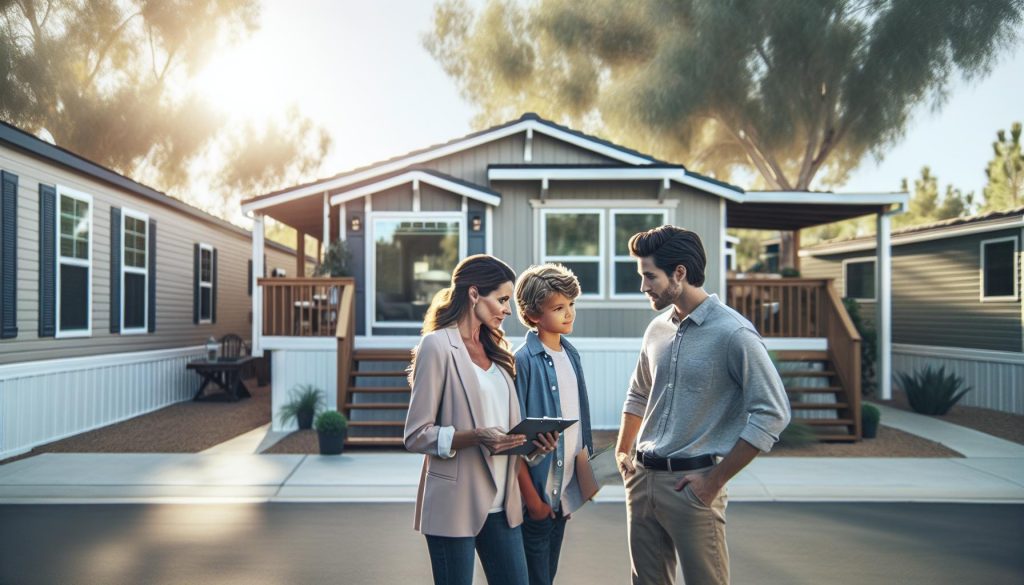
Mobile homes often evoke mixed feelings in real estate, leading many to question whether they appreciate in value like traditional homes. In fact, understanding market trends and the factors influencing mobile home appreciation is crucial for current owners, potential buyers, and investors alike. With an increasing number of families turning to manufactured housing to meet their housing needs, it’s vital to explore not only the financial implications of ownership but also the lifestyle benefits that come with it. How do location, design, and upkeep affect the value of mobile homes over time? By delving into these aspects, we can equip you with the knowledge needed to make informed decisions in this niche market. Continue reading to uncover insights that can help you navigate the complexities of mobile home investment and ownership, addressing your concerns and empowering your choices in this evolving landscape.
Understanding the Mobile Home Market Trends

Mobile homes, also known as manufactured homes, have gained significant traction in recent years, becoming a viable and affordable housing option for many. Understanding the trends in this market is crucial for current and prospective homeowners, as well as investors looking to navigate the complexities of mobile home ownership. As of recent statistics, mobile home values have shown an interesting trajectory, with many appreciating due to various factors such as location, economic conditions, and market demand.
One of the key observations in the mobile home market is the shift towards increased acceptance and desirability of these housing options. Factors driving this change include rising home prices in traditional real estate markets, leading many buyers to explore mobile homes as a more affordable alternative. Additionally, there is a growing awareness of the benefits associated with mobile home living, including lower maintenance costs and flexible living arrangements. This growing interest has contributed to a more stable market, where well-maintained homes in desirable locations can indeed appreciate over time.
To successfully navigate this evolving market, it’s essential for mobile home owners and buyers to stay informed about trends that can affect value. For instance, the integration of modern amenities and energy-efficient features can significantly impact resale value. Buyers should look into manufactured home communities that offer a wealth of resources, such as maintenance support and community amenities, creating an attractive living environment that fosters appreciation. Furthermore, as more potential buyers recognize mobile homes as a legitimate housing choice, the demand is likely to rise, creating further opportunities for value increase in this market segment.
Factors Influencing Mobile Home Appreciation
Mobile homes have increasingly become a popular and appealing housing option, often leading people to wonder about the factors influencing their appreciation value. Various elements play a crucial role in determining how much a mobile home can grow in value over time. Understanding these factors can empower current and prospective owners as they navigate the complexities of mobile home ownership.
One primary factor is location. Just like traditional homes, mobile homes situated in desirable areas-such as those with good schools, low crime rates, and proximity to jobs or supermarkets-tend to appreciate more significantly. Areas experiencing economic growth or urban development often see increased demand for housing, boosting property values, including mobile homes.
In addition to location, the condition and upkeep of the mobile home itself are critical. Homes that are well-maintained and updated with modern amenities or energy-efficient features not only attract buyers but also can command higher prices. Investing in improvements such as updated kitchens, bathrooms, and landscaping enhances not only the aesthetics but also the marketability of the home.
Another important aspect is the community amenities available. Mobile home parks that offer attractive resources-like swimming pools, clubhouses, or fitness centers-often see higher property values because these features add to the quality of life for residents. If your mobile home is situated in a well-managed community with desirable facilities, it can greatly influence its market worth.
Lastly, the overall market trends also affect appreciation. When the real estate market is booming, mobile homes can see more significant appreciation alongside traditional homes. Conversely, during economic downturns, values may stagnate or decline. Staying informed about local and national market conditions will help you understand how these trends might impact the appreciation of your mobile home.
In summary, multiple interconnected factors contribute to the appreciation potential of a mobile home. By recognizing the importance of location, maintenance, community amenities, and market trends, homeowners can better position themselves to enhance their investment in mobile home living.
Comparing Mobile Homes and Traditional Homes
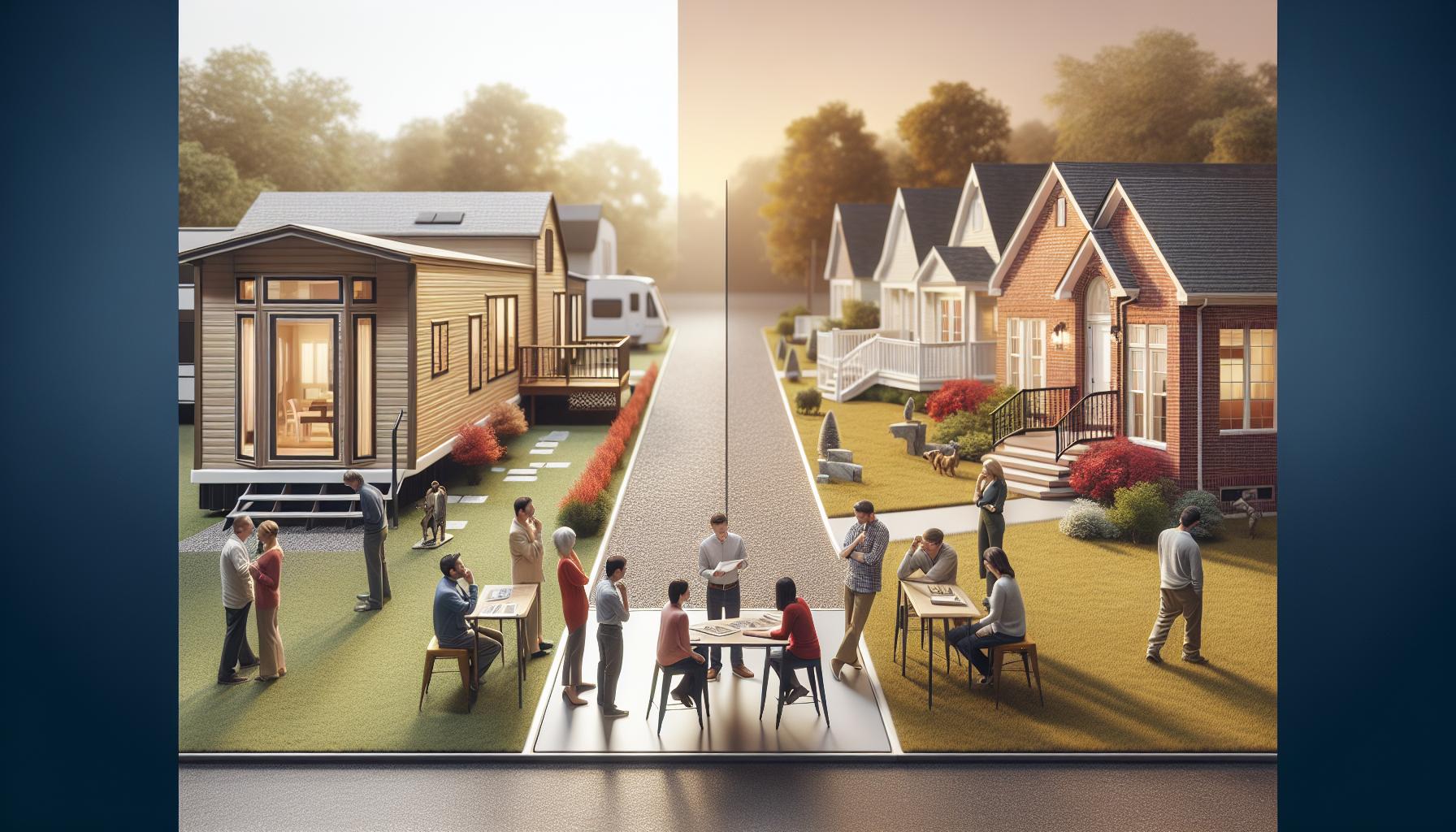
When considering the nuances of housing options in today’s market, mobile homes often emerge as a flexible and economical choice compared to traditional homes. While traditional homes typically come with a higher price tag, mobile homes offer a compelling alternative that is increasingly recognized for their potential in appreciation, particularly under the right conditions.
One key distinction lies in cost-effectiveness. Mobile homes generally require a lower initial investment and often incur reduced maintenance costs than traditional homes. For instance, the average price of a new mobile home can be significantly lower than that of a conventional house-often appealing to first-time buyers or those seeking to downsize. This affordability allows for more flexible financial planning, enabling residents to allocate resources toward upgrades and improvements that can enhance value.
Appreciation Potential
A common question among potential mobile home buyers is whether these properties appreciate in value as traditional homes do. While the appreciation potential for mobile homes can be influenced by various factors-including location, condition, and the overall housing market-it is essential to highlight that well-situated and maintained mobile homes can indeed appreciate over time. For example, a mobile home in a desirable community with access to amenities typically experiences value growth similar to that of conventional homes.
In contrast, traditional homes often appreciate at a steadier pace, benefiting from a more stable market perception. Homeowners investing in traditional properties frequently see long-term value growth based on location alone, often unaffected by changes in manufactured housing trends. This distinction does not undermine mobile homes; rather, it highlights the importance of specific factors that should be considered when investing in either type of housing.
Maintenance and Upgrades
Durability and maintenance also play significant roles in comparison. Traditional homes may require more extensive upkeep due to their structure and materials, while mobile homes often feature simpler designs that allow for straightforward renovations and improvements. Homeowners can enhance their mobile home’s value through beneficial updates-such as energy-efficient appliances or modern interior finishes-without the extensive renovations often needed in traditional homes.
In summary, both mobile and traditional homes have unique strengths and weaknesses, ranging from initial purchase costs to appreciation potential and maintenance requirements. Understanding these differences can empower prospective buyers and current homeowners alike, allowing them to make informed decisions about their investments and the lifestyle that best suits their needs.
The Role of Location in Mobile Home Value
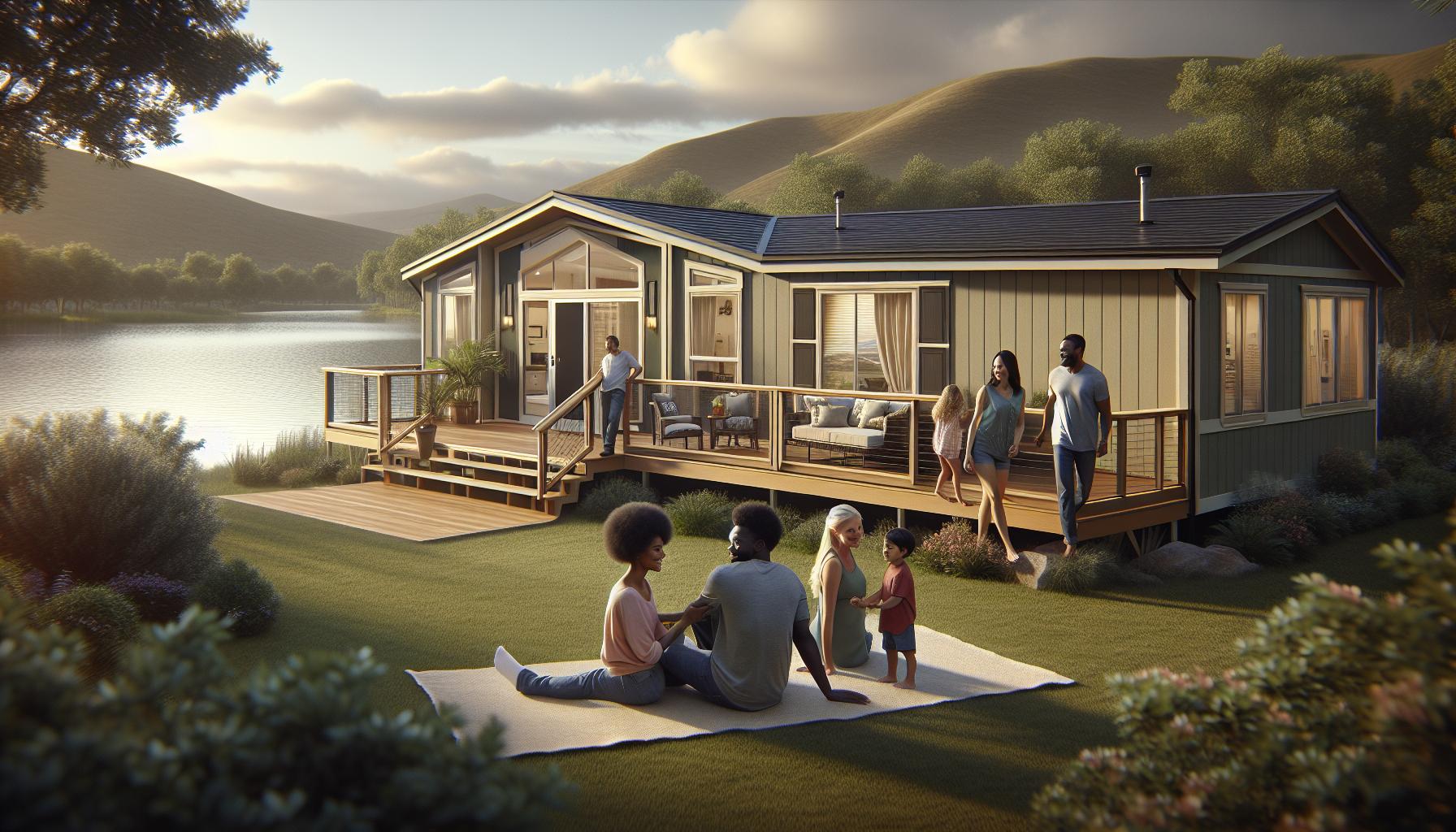
When evaluating mobile homes, the significance of location cannot be overstated. Just as with traditional homes, the geographical context plays a pivotal role in determining property value. Some locations are inherently more desirable due to factors such as local amenities, proximity to essential services, and overall neighborhood dynamics. For instance, mobile homes situated in well-established communities with robust infrastructures-including schools, healthcare facilities, shopping centers, and recreational spaces-tend to command higher prices. A mobile home located near a vibrant urban center may appreciate similarly to conventional homes, driven by a strong demand for housing in that area.
Moreover, the regulations governing mobile home parks and their zoning significantly influence value. Parks that maintain stringent guidelines for property upkeep, resident conduct, and safety standards often foster a better living environment, which can enhance the potential for equity growth. Buyers and investors are likely drawn to mobile home parks that emphasize community maintenance and offer amenities such as pools, clubhouses, and fitness centers, thus boosting overall property desirability.
The impact of location also extends to environmental considerations. Areas prone to natural disasters such as floods, hurricanes, or wildfires can negatively affect property values. However, mobile home owners can take proactive measures, like securing adequate insurance and implementing safety upgrades, to mitigate risks associated with their geographic locale. Additionally, local economic factors, such as employment opportunities and economic stability, directly influence the attractiveness of a mobile home investment.
In summary, while mobile homes present an affordable housing option, their appreciation potential is closely tied to location factors. By thoroughly researching community dynamics and surrounding amenities, prospective buyers can make informed decisions, ensuring their investment in mobile home living yields the long-term benefits they desire.
Impact of Amenities on Mobile Home Prices
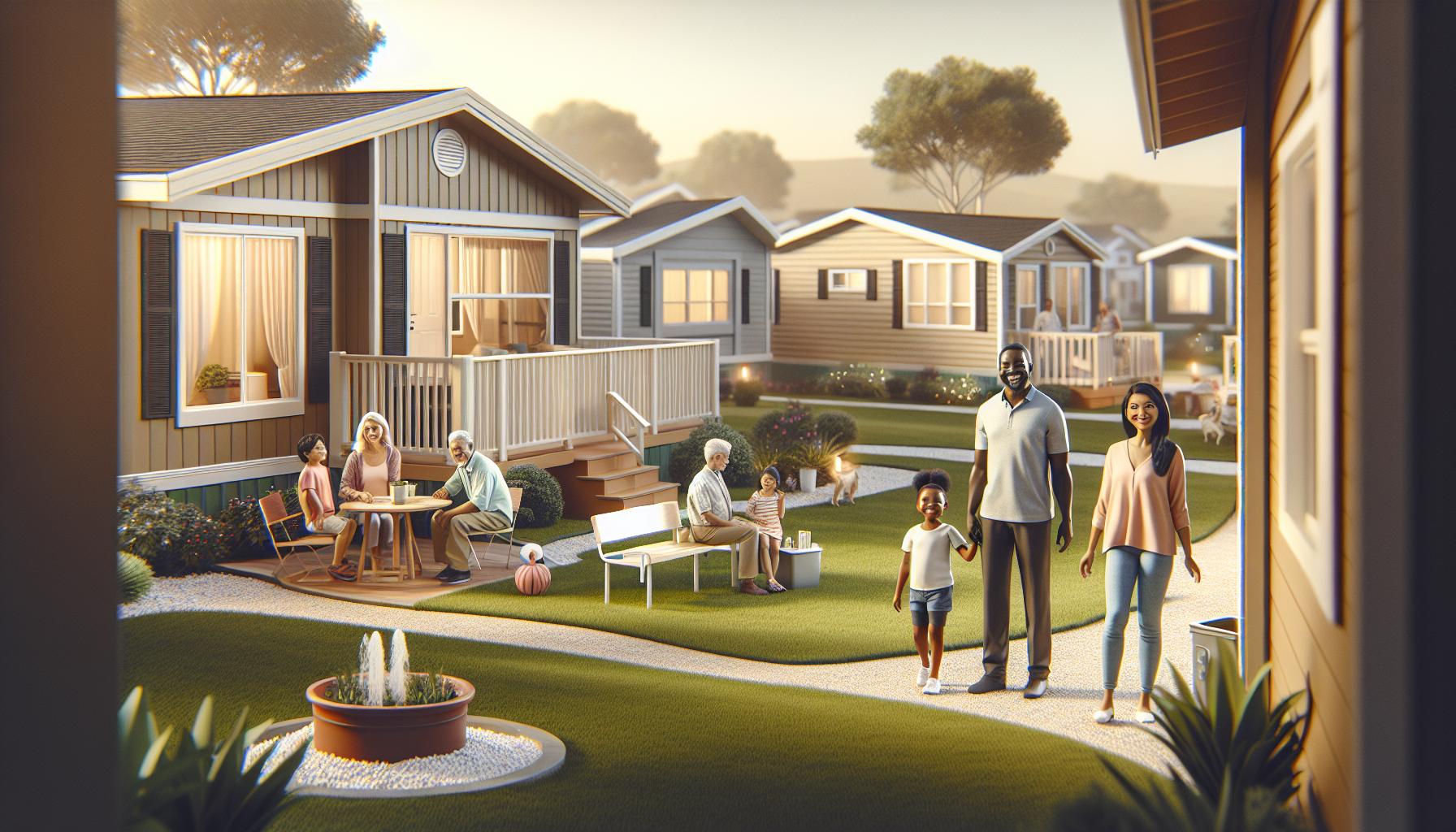
While the term “mobile home” may evoke images of simpler living conditions, the reality is that the presence of certain amenities can significantly influence property values and overall demand. Well-maintained mobile homes located in parks or communities that offer desirable facilities often see increased appreciation, much like traditional homes. For instance, mobile home communities with amenities such as swimming pools, parks, fitness centers, and clubhouses not only enhance the quality of life for residents but also attract potential buyers. These community features elevate the desirability of living in a mobile home park, encouraging higher prices and a more robust secondary market.
Properties that are part of a well-managed community benefit from shared maintenance responsibilities, which can reduce overall maintenance costs and the stress associated with home ownership. Strong community governance ensures that common areas are kept clean and safe, thus fostering a welcoming atmosphere that can lead to faster sales or better rental prospects. Additionally, amenities that promote social engagement, like organized community events or common gathering spaces, can create a sense of belonging-an increasingly appealing trait for long-term home buyers.
Furthermore, the type and quality of amenities can affect insurance rates and financing options. Homes situated in areas with well-maintained infrastructure and reliable utilities typically attract lenders willing to provide favorable financing terms, whereas properties in less organized locales may face higher interest rates or insurance premiums. Therefore, investing in mobile homes located within vibrant communities with specific amenities can provide both immediate benefits and long-term financial advantages.
In summary, it’s clear that amenities play a pivotal role in the appreciation of mobile homes. By carefully considering community features and their potential impact on property values, buyers and investors can make informed decisions that align with their goals, ensuring that their mobile home investment remains sound and valuable over time.
How Upgrades Affect Mobile Home Resale Value
Upgrading a mobile home can be a transformative investment, significantly enhancing its resale value and market appeal. Studies indicate that even minor renovations can yield impressive returns, often surpassing the initial costs. By concentrating on essential areas such as energy efficiency, aesthetics, and functionality, homeowners can strategically position their mobile homes in the competitive real estate market.
Key Upgrades to Consider
When evaluating upgrades, consider the following areas that tend to attract buyers and enhance value:
- Energy-Efficient Improvements: Installing energy-efficient windows, upgrading insulation, and incorporating energy-saving appliances can greatly appeal to eco-conscious buyers and reduce utility costs, making the property more desirable.
- Kitchen and Bathroom Remodels: Modernizing these spaces is often a high-return investment. Features such as new countertops, updated cabinets, and modern fixtures can create a fresh, inviting atmosphere that can significantly raise asking prices.
- Exterior Enhancements: Curb appeal is vital in real estate. Simple upgrades like a well-maintained yard, fresh paint, or a new deck or porch can make a favorable first impression and entice potential buyers.
- Flooring Updates: Replacing worn-out carpets with laminate or hardwood flooring not only improves aesthetics but also enhances durability, making the home more attractive in the long term.
Long-Term Value Considerations
When planning upgrades, it’s essential to consider their longevity and maintenance requirements. Buyers often prefer homes that are not only aesthetically pleasing but also have lower ongoing maintenance costs. Additionally, investing in high-quality materials pays off not just in terms of immediate appeal but also during resale. For instance, using durable siding materials can lower the frequency of repairs and retain value over time.
Lastly, it’s worthwhile to conduct market research to identify upgrades popular in your local area. Tailoring your improvements to match local trends can make your mobile home more attractive to potential buyers. Investing time and resources into substantial upgrades not only elevates your living experience but also ensures that when the time comes to sell, your mobile home stands out in a crowded market, potentially leading to significant financial gains.
Financing Options for Mobile Home Buyers
Navigating the financial landscape of mobile home purchasing can be both exciting and daunting. Understanding the available financing options is crucial for prospective buyers who wish to make informed decisions. Unlike traditional homes, mobile homes often come with a unique set of financing methods, each tailored to address specific needs and circumstances.
One of the primary financing alternatives is a chattel loan, which is specifically designed for mobile homes that are not affixed to real estate. Chattel loans consider the mobile home as personal property and can be easier to obtain than conventional mortgages. This option is particularly useful for buyers looking to purchase homes in mobile home parks or those who don’t own the land underneath their homes. Interest rates on chattel loans can vary, but they are generally higher than conventional mortgages due to the perceived risk associated with mobile homes.
For buyers who plan to own the land as well as the mobile home, a traditional mortgage might be the most viable option. These loans are akin to standard home mortgages but may require a larger down payment or a higher credit score. Particularly beneficial for newer mobile homes that meet certain building standards, traditional mortgages may offer lower interest rates, making them appealing for long-term financing.
Another option to consider is financing through the Federal Housing Administration (FHA), which insures loans for manufactured homes. FHA loans require a lower down payment-often as low as 3.5%-and can help first-time homebuyers or those with less-than-perfect credit enter the housing market more easily. The FHA also offers specific programs aimed at increasing affordability by backing loans for homes situated in parks or on individual plots of land.
Investors and buyers should also keep in mind the potential for personal loans as a financing option. Although generally more accessible, personal loans often come with higher interest rates compared to other financing methods. These can be a quick solution for those who need immediate funding to secure a mobile home, but careful consideration of the repayment terms is necessary to avoid financial strain.
In conclusion, understanding the diversity of financing options available allows prospective mobile home buyers to choose the best path to ownership that aligns with their financial situation and long-term goals. By effectively exploring these options and determining what fits best, buyers can confidently navigate the market and secure their slice of homeownership.
Insurance Considerations for Mobile Home Owners
Understanding the insurance landscape is essential for mobile home owners aiming to protect their investment and ensure peace of mind. Mobile homes, while often viewed as a more affordable housing alternative, require specialized insurance coverage that addresses their unique risks. Unlike traditional homes, mobile homes are sometimes considered personal property, necessitating different insurance policies and considerations.
Obtaining mobile home insurance not only guards against damage from common threats, such as fire, severe weather, or vandalism, but it can also offer liability protection. As a mobile home owner, you have multiple coverage options to fit your needs. These typically include:
- Dwelling coverage: This covers the structure of your mobile home from specified perils.
- Personal property coverage: Protects your personal belongings within the mobile home.
- Liability coverage: Provides protection against lawsuits for personal injury or property damage that you or your family members may cause.
- Additional living expenses: Covers increased costs of living if you’re temporarily unable to live in your home due to a covered event.
Many insurance companies, such as Allstate[[3]]and Progressive[[2]], offer tailored policies for mobile homes, which can include unique provisions for issues like storm tie-downs or foundation stabilization to mitigate risks during severe weather conditions. Given that mobile homes are often located in regions prone to storms or flooding, securing appropriate coverage that includes these specific concerns is crucial.
Additionally, when acquiring mobile home insurance, consider factors such as the age of the home, its location, and any upgrades you may have made, as these can significantly influence your premium and coverage needs. For those new to mobile home ownership, consulting with an insurance agent or specialist who understands mobile home specifics can provide valuable guidance in selecting the best policy.
Ultimately, understanding and investing in comprehensive mobile home insurance not only protects you financially but also affirms the legitimacy and value of mobile home living as a worthy lifestyle choice. By being proactive in your insurance considerations, you can enhance your long-term satisfaction and peace of mind as you navigate the mobile home landscape.
Legal Requirements for Mobile Home Ownership
Understanding the legal landscape of mobile home ownership is crucial for anyone looking to invest in or reside in manufactured housing. Mobile homes are unique, not only in their construction but also in the regulatory requirements governing them. Before making a purchase, it’s essential to be aware of various legal aspects that can influence both ownership and investment potential.
One of the first considerations is the classification of the mobile home. In some jurisdictions, mobile homes are considered personal property, while in others, they may be classified as real property if they are permanently affixed to land. This classification can affect property taxes, insurance requirements, and the process of financing a mobile home. If a mobile home is deemed personal property, it generally requires a title similar to that of a vehicle, while real property may necessitate a deed.
Further complicating matters, zoning laws vary widely across regions. Many local governments impose restrictions on where mobile homes can be placed, particularly in residential neighborhoods. It’s vital to check local zoning ordinances to ensure that the land intended for your mobile home is approved for such use. Additionally, some areas have rules regarding the age and condition of manufactured homes allowed in certain zones, which can impact your resale value down the line.
Licensing and Registration
Buying a mobile home typically involves licensing and registration tasks. Many states require owners to register their mobile homes with a government authority, which may entail a small fee. Moreover, if you place your mobile home in a mobile home park, be prepared to enter into a lease agreement with the landowner, which could include rules about maintenance and tenant responsibilities.
Landlord-Tenant Laws
If renting a lot in a mobile home park, familiarize yourself with the local landlord-tenant laws, as they dictate your rights and obligations. These laws ensure your protection in cases like eviction, repairs, and use of common areas. Some states have specific statutes governing mobile home communities, providing additional layers of security and guidelines for both tenants and landlords.
Navigating the legal framework surrounding mobile homes can be complex, but understanding these requirements is essential for your investment’s long-term success. By being informed, prospective homeowners can not only comply with local regulations but also enhance their living experience and property value in the evolving landscape of mobile home ownership.
Maintenance Tips to Preserve Home Value
Maintaining a mobile home is essential not only for ensuring a comfortable living environment but also for preserving its value over time. Mobile homes, like traditional houses, require regular attention to various structural and aesthetic elements to maximize appreciation. One key aspect is the exterior; consistent upkeep can prevent significant deterioration. A well-maintained exterior, from fresh paint to a tidy yard, can make a striking first impression, enhancing perceived value when it comes time to sell.
Regular inspections are also crucial, especially for roofing and plumbing. For instance, a simple leak can lead to expensive mold remediation if left unchecked. It’s advisable to conduct a thorough roof inspection at least twice a year, focusing on the seals and any areas showing signs of wear, such as cracks or protruding nails. Any minor issues should be addressed immediately to avoid costly repairs down the line.
Cleaning and Upkeep Practices
Establishing a routine cleaning schedule can pay dividends. A clean interior not only feels inviting but also reduces wear and tear on fixtures and appliances. Here are some practical tips:
- HVAC Maintenance: Regularly replace air filters and schedule annual inspections to ensure efficient heating and cooling.
- Exterior Care: Pressure wash the home’s siding and deck regularly to prevent dirt buildup and potential damage.
- Landscaping: Keep the yard well-maintained, as overgrown shrubbery or unkempt lawns can detract from the home’s appeal.
Upgrades and Improvements
Investing in strategic upgrades can enhance your mobile home’s value significantly. Consider updating the kitchen or bathroom, as these spaces often yield high returns. Modern appliances, newer cabinetry, or updated fixtures can greatly improve functionality and visuals. Additionally, consider the benefits of energy-efficient upgrades, like double-pane windows or insulation improvements, which can reduce utility costs and attract future buyers looking for energy savings.
In summary, proactive maintenance not only protects the structural integrity of a mobile home but enhances its marketability when the time comes to sell. By implementing good cleaning habits, conducting regular inspections, and investing in key upgrades, homeowners can ensure their mobile homes appreciate in value over time, making them a sound investment choice.
Strategies for Selling Your Mobile Home Efficiently
Selling a mobile home efficiently requires a strategic approach that combines market knowledge, presentation skills, and savvy negotiation tactics. One of the most essential aspects is understanding your local market trends. Before putting your home on the market, research recent sales in your area, particularly comparable mobile homes, to set a competitive price. Price your home realistically based on its condition, location, and amenities; overpricing can deter potential buyers, while a well-priced home can generate interest quickly.
A key strategy in showcasing your mobile home involves enhancing its curb appeal. First impressions are vital, so invest time in small upgrades that can make a big difference. Start with a thorough cleaning, both inside and out, and consider simple landscaping improvements such as fresh mulch, trimmed hedges, or colorful plants. Additionally, fresh paint on the exterior and minor interior updates like new fixtures or flooring can make your home more attractive without significant investment. Ensure that all areas are well-lit during showings, as bright spaces tend to feel more welcoming.
When marketing your mobile home, utilizing online platforms can broaden your reach. High-quality photographs are imperative; consider hiring a professional photographer to capture your home’s best features. Descriptive listings that highlight unique selling points-such as energy-efficient appliances, renovations, and community amenities-are crucial for attracting interest. Social media and local online marketplaces can also provide significant exposure. Don’t underestimate the power of word-of-mouth; inform friends and neighbors about your sale, as they may know potential buyers.
Lastly, be prepared for negotiations by knowing your bottom line and being flexible where possible. Offering incentives like covering closing costs or providing a home warranty can sweeten the deal for buyers. Being open to negotiations builds goodwill, which can lead to a smoother selling process. By combining these strategies-thorough market research, enhancing curb appeal, effective marketing, and flexible negotiations-you can significantly improve your chances of selling your mobile home efficiently, ensuring that it appreciates in value and meets the needs of its next owner.
Future Outlook: Mobile Home Market Predictions
As the real estate market continues to evolve, mobile homes are witnessing a transformation that places them as a vital segment within the broader housing landscape. Recent trends indicate a shift towards valuing mobile homes not just for their affordability but also for their increasing appreciation potential. With rising housing costs nationwide, more buyers are turning to manufactured homes as viable alternatives, spurring interest and investment in this sector.
One significant factor influencing the future outlook for mobile homes lies in changing demographics. Younger generations are increasingly seeking affordable housing options without sacrificing amenities and lifestyle. This shift is exacerbated by the current housing crisis, where high prices for traditional homes push buyers towards mobile home living. As communities expand and develop more modern facilities tailored for mobile homes, including community amenities and infrastructure, the overall desirability of mobile home living is projected to rise.
Additionally, technological advancements in manufacturing processes are reshaping perceptions around mobile homes. Innovations in design, energy efficiency, and sustainability not only enhance the aesthetic appeal but also contribute to longevity and resale value. Many newly manufactured models come equipped with the latest technologies and eco-friendly materials, making them more appealing to environmentally conscious buyers. As the stigma surrounding mobile homes dissipates, we may witness increased investment in these properties as both primary residences and rental units.
However, the market’s future is also subject to external factors such as economic conditions, zoning regulations, and consumer preferences. For instance, jurisdictions that adopt more favorable policies for mobile home placements, such as relaxed zoning laws and supportive infrastructure, will likely enhance property values. Conversely, areas facing economic downturns or stricter housing regulations may see stagnation. To stay ahead, stakeholders-including current homeowners, potential buyers, and investors-should keep an eye on local market trends and engage with their communities to further advocate for mobile home acceptance.
In conclusion, the outlook for mobile homes appears promising. With a blend of growing demand, innovative manufacturing, and evolving perceptions, prospective buyers and investors can feel increasingly confident in the appreciation potential of mobile homes. By remaining informed and adaptable, participants in this sector can capitalize on the changing landscape and contribute to elevating the status of mobile home living in the real estate market.
Frequently Asked Questions
Q: Do mobile homes increase in value over time?
A: Mobile homes can appreciate in value, but this largely depends on market conditions, location, and upkeep. Unlike traditional homes, they may not consistently appreciate due to factors like depreciation from the initial purchase price and land ownership. Regular maintenance and strategic upgrades can enhance their resale value.
Q: What factors affect the appreciation of mobile homes?
A: Key factors influencing mobile home appreciation include location, condition, and market demand. Homes in desirable neighborhoods tend to appreciate more. Upgrades and amenities, as well as the overall maintenance of the property, also play significant roles in determining value growth over time.
Q: Why do some mobile homes depreciate?
A: Mobile homes may depreciate due to rapid initial depreciation, lack of land ownership, or unfavorable market conditions. Unlike traditional homes, many mobile homes are considered personal property rather than real estate, often leading to lower appreciation rates and potential value loss.
Q: Are mobile homes a good investment for future appreciation?
A: Investing in mobile homes can be advantageous, especially in high-demand areas. If you choose properties wisely, maintain them well, and adopt smart buying strategies, mobile homes can offer long-term financial returns and appreciation prospects, particularly in improving markets.
Q: How does location impact the resale value of mobile homes?
A: Location is crucial for mobile home value; homes in urban areas or regions with high growth rates tend to appreciate better. Proximity to schools, parks, and amenities can significantly enhance a mobile home’s resale value, making location a vital consideration for buying and selling.
Q: What upgrades can improve a mobile home’s resale value?
A: Upgrades such as modernizing kitchens and bathrooms, enhancing curb appeal, and adding energy-efficient features can greatly improve resale value. Keeping the home well-maintained and making aesthetic improvements can attract buyers and potentially yield higher sales prices.
Q: How does the age of a mobile home affect its value?
A: The age of a mobile home can impact its value significantly. Older homes may depreciate faster unless well-maintained or upgraded. Newer models often have better construction techniques and amenities, which can positively influence their resale value and appeal in the market.
Q: What are the current market trends for mobile homes?
A: Current trends indicate rising interest in affordable housing options, including mobile homes, particularly in urban and suburban markets. Increased demand amid housing shortages and changes in lifestyle preferences towards downsizing are contributing to a more favorable outlook for mobile home appreciation.
Future Outlook
Understanding the dynamics of mobile home appreciation is crucial for anyone considering investment or ownership. As we’ve explored, market trends and various value factors can significantly impact your decision-making process and long-term satisfaction with your mobile home purchase. If you’re ready to take the next step, explore our comprehensive guides on mobile home financing and maintenance options to ensure you make informed choices tailored to your unique needs. Don’t forget to check out our resources on property valuation and preparation for extreme weather conditions, ensuring your investment is both sound and secure.
Feeling empowered? Share your thoughts or questions in the comments below, and consider subscribing to our newsletter for ongoing insights into the mobile home market. Each resource you explore will not only enhance your knowledge but also strengthen your confidence in mobile home living as a viable housing choice. Remember, the right information is crucial-embrace the journey with assurance!