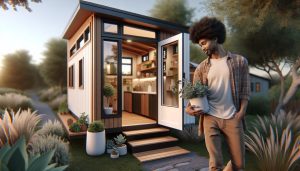
When considering a modular home, understanding installation costs is essential for effective budget planning. Did you know that additional expenses for setup can vary significantly, sometimes reaching up to $35 per square foot? For potential homeowners and investors alike, grasping these costs ensures you are well-prepared to manage your investment wisely. This article will guide you through key factors influencing installation costs, from site preparation to utility connections, helping you make informed decisions and avoid unexpected expenses. By exploring these elements, you’ll not only feel more confident in your choices but also gain a clearer picture of how to turn your modular home dream into a reality. Keep reading to uncover invaluable insights and practical tips that will set you on the path to a successful setup!
What to Expect: Modular Home Installation Costs

The cost of installing a modular home can vary significantly based on several factors, making it essential for prospective homeowners to plan their budgets carefully. On average, modular homes cost about $240,000, with prices typically ranging from $160,000 to $320,000 depending on customization and materials used. When budgeting for installation, it’s crucial to consider additional costs beyond the home itself, which can include site preparation, utilities installation, and delivery fees, typically ranging from $5 to $10 per square foot for delivery alone [[2]].
Installation costs also encompass labor and other related expenses. It’s important to budget for installation, which can cost an additional $5 to $35 per square foot. This wide range accounts for factors such as the complexity of the installation process and local labor rates. For instance, if you have a 2,000-square-foot modular home, installation could easily add between $10,000 and $70,000 to your total cost [[1]].
Furthermore, utility connections are a significant part of the setup process that should not be overlooked. While modular homes are primarily constructed off-site, ensuring they are fully functional requires setting up electrical, plumbing, and gas systems. Each utility installation may require different materials and labor costs, so obtaining multiple quotes can help streamline the budgeting process and potentially save you money[[2]].
When diving into modular home expenses, keep in mind the importance of thoroughly reviewing all potential costs. By being proactive about understanding and planning for these installation expenses, you empower yourself to make informed decisions that will ultimately lead to a smooth transition into your new modular home.
Breaking Down Setup Costs: Key Components
Establishing a budget for installing a modular home is a crucial step in your homeownership journey. Understanding the key components involved in setup costs can not only help you prepare financially but also prevent unexpected expenses down the line. To ensure you have a comprehensive view of what to expect, here’s a breakdown of the main factors influencing setup costs.
Key Components of Setup Costs
- Site Preparation: This is often one of the first steps before your modular home can be delivered. Site preparation may include clearing land, leveling the ground, and creating a suitable foundation (slab, crawl space, or basement). Costs can vary significantly based on your location and the home’s design, with estimates typically ranging from $1,000 to $10,000.
- Delivery and Installation: Transporting your home can incur costs related to fuel, labor, and specialized equipment. Expect delivery fees to be between $1,000 and $5,000, depending on the distance and accessibility. Installation, including anchoring and connecting the sections, typically costs an additional $5 to $35 per square foot.
- Utilities Connection: Your modular home will require connections for water, electricity, gas, and sewage. Budgeting for utility installation is vital. Each utility may entail costs ranging from $1,500 to over $5,000, depending on local requirements and site conditions.
- Finishing Touches: After installation, your home may need interior work, such as flooring, cabinetry, and appliances, which can greatly affect your total expenses. Installing these elements can add anywhere from $10,000 to $30,000 to your setup costs, depending on the level of customization and quality you desire.
Understanding the nuances of these components will arm you with the knowledge to create a more accurate budget, allowing you to manage your expectations and avoid financial strains. Each aspect of setup contributes to the overall experience of moving into your new modular home, so giving them the attention they deserve is essential for a smooth transition.
Understanding Site Preparation Expenses

Preparing the land for a modular home is not just about making it look nice; it’s a foundational step that affects the longevity and stability of your investment. Site preparation involves several critical tasks, including clearing the area, grading the soil for proper drainage, and laying a robust foundation, which can range significantly in cost depending on local conditions and regulations. Typical expenses for these preparations can vary from $1,000 to $10,000, but in some cases, particularly for challenging landscapes, it can exceed $25,000, making it essential to budget accordingly.
One of the first expenses you’ll encounter is land clearing. This involves removing vegetation, rocks, and debris to create a clean slate for construction. Depending on the amount of work needed, this can cost anywhere from a few hundred to several thousand dollars. Next, grading is crucial as it ensures the ground is level, promoting effective drainage and preventing future water damage. Grading can be particularly variable; if your lot is on a slope or has uneven terrain, you might incur additional costs to achieve a level surface.
Foundation work is another significant aspect of site preparation. Whether you choose a slab, crawl space, or basement foundation, each option comes with its own set of costs and construction complexities. A simple slab may be less expensive, while a full basement can drive costs up substantially. Factors like local soil conditions, the type of foundation required for your specific modular home, and any necessary permits will all influence your total spending. As an example, basic foundation installation might cost around $22,250, highlighting the need to plan effectively in your budget.
In addition to these direct costs, it’s vital to consider local regulations and potential permit fees that may apply to your project. Certain areas have specific requirements for land use and construction, which can further impact your timeline and budget. Therefore, getting a comprehensive evaluation of your land before making any commitments can save you both time and money. Investing in thorough site preparation is essential; it lays the groundwork – literally – for a successful modular home installation and ensures that your new home is secure and durable for years to come.
Financing Your Modular Home Setup: Options & Strategies
Securing financing for your modular home setup is a vital step that can significantly impact your budgeting and overall investment strategy. Unlike traditional onsite homes, financing options for modular homes are unique due to their factory-built nature. It’s essential to understand your choices to make informed decisions that fit your financial situation.
Begin by exploring construction loans if you plan on building your modular home from scratch. These loans typically cover the land purchase as well as the construction costs. Once the home is complete, you can convert this into a traditional mortgage, allowing you to benefit from lower interest rates in the long run. If you plan to buy an existing modular home, a conventional mortgage is often available, and lenders will assess the property similarly to traditional homes, giving you the chance to acquire competitive rates based on your creditworthiness.
In addition, consider specialized loans such as those offered by the Federal Housing Administration (FHA) or the U.S. Department of Agriculture (USDA). FHA loans generally provide more flexibility with down payments and credit scores, making it a viable option for first-time homebuyers. USDA loans offer favorable terms for eligible rural properties, potentially allowing financing without a down payment, which can be a considerable advantage if you’re working within a tight budget.
Maintaining an organized approach during the financing phase is crucial. Collect all necessary documentation, including income statements, credit history, and information about your chosen modular home. This preparation can expedite approval processes and help you better understand your financial roadmap. Don’t hesitate to seek out guidance from a financial advisor or mortgage broker, as they can provide tailored insights based on current market trends and your specific needs.
Lastly, remember to include all potential costs in your overall financial plan. This includes site preparation, utilities installation, and any necessary permits or inspections. By outlining these expenses up front, you can avoid surprise costs that may derail your budget later on. Being proactive with your financing options not only facilitates a smoother installation but also positions you for long-term success in owning your modular home.
Utilities Installation: A Budgeting Guide
Installing utilities for your modular home is a crucial aspect of the setup process and can significantly impact your overall budget. Utility connections, which typically include water, electricity, gas, and sewage systems, are not just about hooking up to existing lines; they involve careful planning, proper permits, and sometimes substantial fees. Understanding these costs upfront can help you develop a more comprehensive budget and avoid unpleasant surprises later.
To break down the utilities installation expenses, it’s essential to consider the following key elements:
Utility Connections
- Water and sewage: Depending on your location, connecting to municipal water and sewage lines can range from $1,000 to $5,000 or more. If your property requires a well and septic system, costs can increase to $15,000-$30,000.
- Electricity: Connecting to the local electric grid can vary widely based on distance from existing lines. Expect to pay between $1,500 and $5,000. If you opt for alternative energy solutions like solar, initial investments might be higher, but long-term savings can offset the costs.
Permits and Fees
It’s essential to factor in permits that may be required for utility installations. These can range from $50 to several hundred dollars, depending on local regulations. Research local building codes and consult with your utility providers to understand the necessary steps.
Labor Costs
Hiring qualified professionals for utility connection will also affect your budget. Labor costs generally range from $500 to $2,500 depending on the complexity of the installation. Engaging experienced contractors can ensure that installations meet safety standards and comply with local regulations.
Budgeting Tips
- Get quotes: Always obtain multiple quotes from utility contractors to ensure competitive pricing.
- Plan for contingencies: Set aside an additional 10-15% of your utility budget to cover unanticipated expenses.
- Consider local resources: Local housing authorities or community programs may offer financial assistance or resources for utility installations, especially in rural areas.
Planning and budgeting effectively for utility installations plays a significant role in your overall modular home setup. By understanding these costs and considering various factors involved, you can create a smooth transition into your new home without unexpected financial strains. A well-prepared budget will help ensure that your modular home becomes a comfortable, functional space suited to your needs.
Insurance Considerations for Modular Homeowners
The journey of becoming a modular home owner doesn’t end once the installation is complete; navigating the world of insurance is a critical step that can protect your investment and provide peace of mind. Unlike traditional homes, modular homes often have unique insurance needs due to their construction methods, transportability, and specific site requirements. Understanding these distinctions will empower you to make informed choices that can ultimately save you money and safeguard your property.
When securing insurance for your modular home, it’s essential to consider a policy specifically designed for manufactured or modular homes. Many standard homeowners’ insurance policies may not cover certain aspects unique to modular homes, such as transport damages or specific liability issues. A specialized policy often includes coverage for the home’s structure, personal property, and liability protection against accidents. Additionally, be mindful that your policy should encompass coverage for both permanent and temporary installations, particularly if adjustments are made during the setup phase.
The cost of modular home insurance can vary significantly based on several factors, including the home’s location, value, and risk of natural disasters. For instance, homes situated in flood-prone areas may require additional flood insurance, which can add to your overall cost. To help manage these expenses, consider the following strategies:
- Shop around: Obtain quotes from multiple insurance providers to find the best rates and coverage options.
- Bundle policies: Many insurers offer discounts for bundling home and auto insurance or other policies, which can reduce your overall premiums.
- Increase your deductible: A higher deductible may lower your premium, but be sure to weigh this against the potential out-of-pocket costs in the event of a claim.
Maintaining proper documentation is also crucial. Keep detailed records of your home’s setup, repairs, and any renovations you undertake, as they can support your claims process in the future. Knowing that your modular home is protected with the right insurance is a significant step towards long-term satisfaction in your new living space. Taking the time to understand your options and secure appropriate coverage will not only help mitigate risks but also enhance your confidence as a modular home owner.
Navigating Local Regulations and Permit Fees
Before beginning the installation of your modular home, one critical aspect to address is . Understanding that each locality has its own rules and guidelines is essential, as compliance is necessary for a smooth installation process and to avoid future legal hassle. Failing to adhere to local laws can result in costly delays, fines, and even removal of your home, making it imperative to prioritize this step.
Typically, the permitting process includes obtaining various approvals, such as building permits, zoning clearances, and possibly environmental permits. These requirements can vary significantly depending on where you live. Researching your local government’s website or consulting with a local building department can provide insight into the specific documentation needed for your modular home installation. In certain areas, you might also need to engage with local homeowners’ associations, which can impose additional rules that go beyond municipal regulations.
It’s wise to budget for these permits as they can add significant costs to your overall installation expenses. Permit fees can range widely, often from a few hundred to several thousand dollars, based on the complexity of the installation and the specific requirements of the jurisdiction. To help streamline this process, consider the following strategies:
- Consult a local expert: Engaging a contractor or a modular home specialist familiar with your area can save you time and money by ensuring compliance with local regulations.
- Prepare all documentation: Gather necessary documents such as site plans, architectural drawings, and tax assessments in advance to expedite the permit approval process.
- Stay informed: Local regulations can change; keeping an eye on announcements from local government regarding zoning and building codes can help you stay compliant.
By proactively addressing local regulations and permits, you ensure not only that your modular home is legally ready for placement but also that you can enjoy peace of mind as you settle into your new living space. Understanding these prerequisites positions you well for a successful and legally compliant home installation.
Cost-Saving Tips for Modular Home Installation
While the initial costs of modular home installation can seem daunting, there are numerous ways to cut expenses without compromising quality. By planning carefully and taking strategic actions, you can achieve substantial savings during the setup of your new home. Here are some tips designed to make the installation process more affordable.
One effective strategy is to comparison shop for contractors and services. Get multiple quotes from different service providers for tasks like site preparation, utilities installation, and interior finishes. Engage with local modular home specialists who are familiar with the area and its specific requirements. Often, building relationships with these professionals can yield discounts or bundled services that save you money in the long run. Don’t hesitate to ask for recommendations from modular home associations or online communities, as peer experiences can lead you to reputable and cost-effective services.
When budgeting for site preparation, think ahead about the potential for do-it-yourself (DIY) projects. While some aspects of preparation, like digging and grading, should be left to professionals, consider tackling projects such as landscaping or minor leveling. If you have basic skills, you might also install aspects of your home’s utilities. Be attentive to your local regulations and procedures to ensure compliance, as this can prevent costly fines down the line.
Additionally, timing and purchasing in bulk can lead to significant savings. If you can arrange for your home’s materials to be delivered all at once rather than in pieces, you might receive a discount for bulk purchases. Furthermore, during off-peak seasons, quotes and availability can be more favorable-contractors often have more flexibility in their schedules and may offer lower rates to secure work during these times.
Ultimately, staying organized and keeping detailed records of all your expenses can prevent any unexpected costs from spiraling out of control. By forecasting expenditures related to utilities, site preparation, and labor, you’ll be better positioned to spot potential savings. Being savvy about your modular home installation will not only enhance the enjoyment of your new living space but also foster a sense of accomplishment as you navigate the distinctive challenges of modular homeownership.
The Role of Professional Installers: Costs and Benefits
When it comes to setting up a modular home, the value of hiring professional installers cannot be overstated. These experts bring a wealth of experience and knowledge to the installation process, which can save you significant time and potential headaches. From ensuring proper anchoring and leveling to managing connections for utilities, professional installers help guarantee that your home is correctly established and complies with local regulations. Their expertise not only streamlines the setup process but also enhances the overall safety and longevity of your investment.
One of the primary benefits of hiring professionals is the assurance of quality work. Skilled installers understand the nuances of modular home construction and site-specific considerations, which might be overlooked by less experienced individuals. For instance, they will adeptly navigate challenges such as site grading, water drainage, and foundation requirements-tasks critical to the stability and durability of your home. Moreover, many professional installation companies offer warranties on their work. This added layer of security can provide peace of mind, knowing that if an issue arises post-installation, you have recourse for remediation without incurring additional costs.
Cost considerations are also essential when weighing the decision to hire professionals. While professional installation may represent a higher upfront cost compared to DIY solutions, the long-term savings often justify the investment. Mistakes made during the installation process can lead to major expenses down the line, including repair costs from improper setups or administrative costs stemming from regulatory violations. Additionally, professional installers often have established relationships with suppliers and contractors, which can lead to discounts on materials and services that further offset the overall costs.
Ultimately, enlisting the help of professionals can enhance your modular home experience by ensuring a safer, more efficient, and compliant installation process. The right team will not only bring your vision to life but also protect your investment, allowing you to focus on the joys of homeownership rather than the intricacies of setup logistics.
Post-Installation: Maintenance and Long-Term Costs
One of the most rewarding aspects of owning a modular home is the relatively low long-term maintenance compared to traditional homes. Still, understanding the ongoing costs and required upkeep plays a crucial role in budgeting effectively. From regular inspections to updating aspects of the home, being proactive can significantly enhance the longevity and value of your investment.
Routine Maintenance Expenses
Regular maintenance can prevent larger repairs and ensure that your home remains comfortable and efficient. Here are some common areas to consider:
- Exterior Maintenance: Regular painting and sealing can protect your home from weather-related damage. Allocate about $500-$1,500 every few years depending on the materials used.
- HVAC Systems: Routine servicing of heating and cooling systems is essential. Expect to pay around $100-$300 annually for inspections, plus additional costs for any necessary repairs.
- Plumbing and Electrical: Inspections for leaks or electrical issues can save on costly repairs later. Budget approximately $150-$500 every few years for professional assessments.
Understanding these costs upfront enables better planning and can prevent unexpected expenses.
Long-Term Improvements
Over time, modular homeowners often consider updates or renovations to increase comfort or energy efficiency. When budgeting for improvements, consider:
- Energy Efficiency Upgrades: Installing solar panels or energy-efficient windows can lead to significant savings in energy bills. Initial costs may range from $5,000 to $20,000, but many homeowners recoup costs through savings over time.
- Interior Remodeling: Kitchen or bathroom upgrades can also enhance property value. Depending on the scope, remodels can cost between $10,000 and $50,000, depending on materials and complexity.
- Landscaping: Investing in outdoor aesthetics can enhance your modular home’s curb appeal and overall enjoyment, typically costing anywhere from $1,000 to $10,000.
Investing in these upgrades thoughtfully will contribute to a more comfortable living environment while potentially increasing your home’s resale value.
Insurance and Taxes
While maintenance costs are often predictable, insurance, and property taxes are essential considerations for modular homeowners.
- Insurance: Modular homeowners should budget between $800 and $2,000 annually for homeowners insurance, depending on coverage levels and the location of the home.
- Property Taxes: Research local tax rates, as these can vary significantly. Setting aside 1%-2% of your home’s assessed value annually can help cover this expense.
Understanding these costs plays an important role in effective long-term budgeting. It affirms that modular housing is not only a viable but also an affordable choice for many families, emphasizing the importance of thorough planning for homeownership longevity.
Overall, maintaining a modular home requires careful planning and budgeting. By anticipating these ongoing costs, homeowners can enjoy their modular lifestyle with greater peace of mind, knowing that they are prepared for both routine care and unexpected repairs.
Real-World Examples: Budgeting for Your Setup
Understanding the financial landscape of setting up a modular home can significantly impact your budgeting decisions. Let’s explore a few real-world scenarios that exemplify various budget allocations and considerations, helping potential homeowners and investors navigate their financial planning effectively.
Consider a couple in Michigan looking to install a mid-sized modular home priced at about $150,000. They recognized that basic setup costs-including site preparation, utilities installation, and insurance-could add an additional 15-20% to their overall budget. They allocated approximately $7,500 for site prep, considering their lot required grading and foundational work. Additionally, they earmarked around $10,000 for a comprehensive utility package that included plumbing, electrical, and HVAC installations. With homeowners insurance set at $1,200 annually, their immediate expenses bumped up to approximately $168,700, well within their expected budget.
In another instance, a single investor purchasing a luxury modular unit for $400,000 faced a different set of financial dynamics. For high-end installations, the site preparation costs increased substantially to about $15,000 due to the need for specialty foundations and landscaping. This investor also prioritized energy efficiency, opting for solar panels costing around $20,000. Philanthropic and sustainability considerations led them to commit an additional $3,000 for environmentally friendly utilities. The total estimated cost jumped to roughly $438,000, showcasing how individual preferences and property characteristics can significantly alter financial outcomes.
For prospective buyers in areas prone to harsh weather, factoring in expenses for storm preparedness and retrofitting is essential. A homeowner opting for specific tie-down systems and enhanced foundations due to hurricane concerns might spend an extra $5,000 in preparation fees. Such proactive measures not only protect the investment but also contribute to long-term peace of mind.
Finally, taking a broader view, budgeting effectively for site preparation and installation often involves planning for ongoing costs. This may include maintenance schedules, which could run about $1,500 annually for routine inspections and landscaping upkeep. Keeping an awareness of these long-term costs helps homeowners integrate annual expenditures into their broader financial strategy.
With these examples, it becomes clear that budgeting for your modular home setup requires comprehensive planning that accounts for both initial and ongoing expenses. By understanding variables like location, customization features, and necessary preparations, you can more confidently navigate the modular home market, ensuring a solid financial foundation for years to come.
Frequently Overlooked Expenses in Modular Home Setup
Navigating the myriad of expenses associated with setting up a modular home often reveals hidden costs that can significantly impact your budget. While most buyers prepare for primary expenses like the home purchase and site preparation, it’s crucial to dig deeper into the finer details of setup costs that can easily be overlooked. Understanding these nuances not only helps in financial planning but also ensures a smoother transition into your new home.
For instance, homeowners frequently underestimate the costs associated with land preparation. This phase may involve grading, staking boundaries, and potentially removing debris or vegetation, which can quickly add up. Additionally, site-specific challenges such as soil quality or elevation changes can necessitate specialized foundations or pilings, potentially increasing costs from a few hundred to several thousand dollars.
Another commonly overlooked aspect is the utility connections. While one might budget for basic electricity and water, don’t forget about things like propane tanks, sewer line connections, and internet installations. These can carry surprising fees, especially if the property is located in a remote area where infrastructure isn’t readily available. Moreover, labor for trenching, wiring, and plumbing can escalate these costs further if specialized contractors are required.
Insurance and Permitting
Navigating local regulations and securing necessary permits are also essential yet frequently neglected components of the budgeting process. The costs associated with permits can vary greatly by region, hinging on state and local laws ranging from a few hundred to several thousand dollars. Furthermore, some areas may require impact fees depending on your home’s size and intended use, which can catch new homeowners off guard.
In addition to basic homeowner’s insurance, you may need coverage for specific hazards depending on your location, such as flood or earthquake insurance. This can compound initial costs but is a critical investment for long-term peace of mind, ensuring your investment is adequately protected against unforeseen events.
Ongoing and Maintenance Costs
Beyond setup costs, it’s prudent to anticipate ongoing expenses often ignored in initial calculations. These include routine maintenance, which can range from landscaping to HVAC system upkeep, potentially averaging $1,500 annually depending on the home’s size and features. Furthermore, regular assessments of systems like plumbing and electrical can save significant costs down the line by preemptively addressing potential issues.
By proactively identifying these frequently overlooked expenses, you can construct a more comprehensive budget that not only accommodates immediate outlay but also keeps future financial health in mind. This approach enables you to fully enjoy the benefits of modular living while safeguarding your investment through thoughtful planning and preparation.
Frequently Asked Questions
Q: What are the typical costs associated with installing a modular home?
A: The installation costs for a modular home can range from $5 to $35 per square foot, depending on factors like site preparation, utilities, and local regulations. Understanding these costs can help you create an accurate budget for your setup.
Q: How can I prepare financially for modular home installation?
A: To prepare financially, estimate installation costs, including site preparation and utilities. Consider setting aside funds for unexpected expenses and look into financing options, such as land loans and specific modular home loans, which can ease the financial burden during setup.
Q: Are there hidden costs in modular home installation I should be aware of?
A: Yes, hidden costs can include landscaping, utility connection fees, and permit costs. It’s crucial to budget for these additional expenses to avoid financial surprises once the installation begins.
Q: What permits do I need for modular home installation?
A: Required permits vary by location but often include building permits, zoning approvals, and utility connection permits. Always check with local authorities to ensure compliance and avoid delays in installation.
Q: How long does the installation process for a modular home generally take?
A: The installation process typically takes 1 to 3 months, depending on factors like customization, site preparation, and weather conditions. Planning for potential delays can help you manage expectations effectively.
Q: Can I save money on modular home installation costs?
A: Yes, you can save money by opting for less customization, comparing contractor quotes, and considering DIY options for site preparation. Implementing cost-saving strategies early can significantly reduce your overall expenses.
Q: What factors influence the cost of modular home installation?
A: Key influences include location, site preparation needs, local labor costs, and the complexity of the installation. By understanding these factors, you can better anticipate your budget for the project.
Q: How should I budget for maintenance after modular home installation?
A: Budgeting for maintenance typically involves allocating 1% to 2% of your home’s value annually for upkeep. Setting aside funds for regular repairs and unexpected issues will ensure your home remains in good condition over time.
For additional insights on budgeting and expenses related to modular homes, explore our sections on understanding site preparation expenses and financial strategies for modular home installation.
In Retrospect
Understanding the installation costs of modular homes is essential for effective budget planning and ensuring a smooth transition into your new space. By defining your expenses and making informed decisions, you set the stage for a successful home-ownership experience. If you’re ready to take the next steps, consider exploring our detailed resources on financing options and Google Ads strategies to attract high-value clients looking for their ideal modular home.
Don’t miss out on the chance to become a part of the thriving modular home community. Dive deeper into our guides on maintenance projects and setup procedures that will empower you to manage your new home confidently. Join our newsletter for exclusive insights and updates, and feel free to leave your thoughts in the comments below-your journey matters to us! Let’s embark on this exciting venture together and equip you with everything you need for a successful living experience.