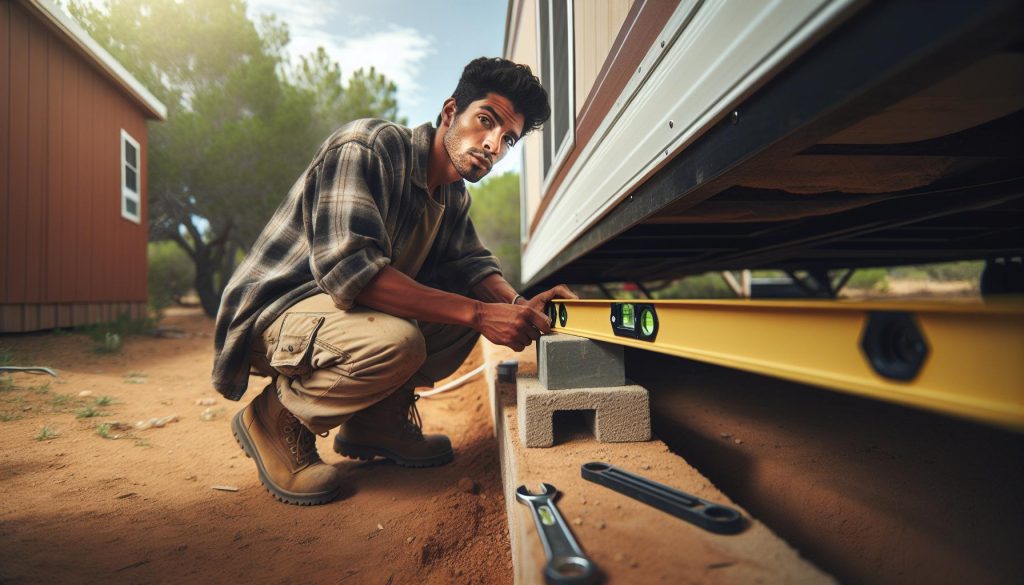
Mobile homes offer affordable and flexible housing solutions, but improper leveling can lead to uncomfortable living conditions and costly repairs. If you’ve noticed uneven floors, sticking doors, or gaps in your walls, it’s time to take action. Learning how to relevel your mobile home trailer yourself can save you money and enhance your living experience. This step-by-step guide will provide you with the knowledge you need to tackle leveling safely and effectively, empowering you to maintain your home’s stability and comfort. Let’s explore how you can ensure your mobile home is properly leveled for years of enjoyment.
How to Determine if Your Mobile Home Needs Releveling
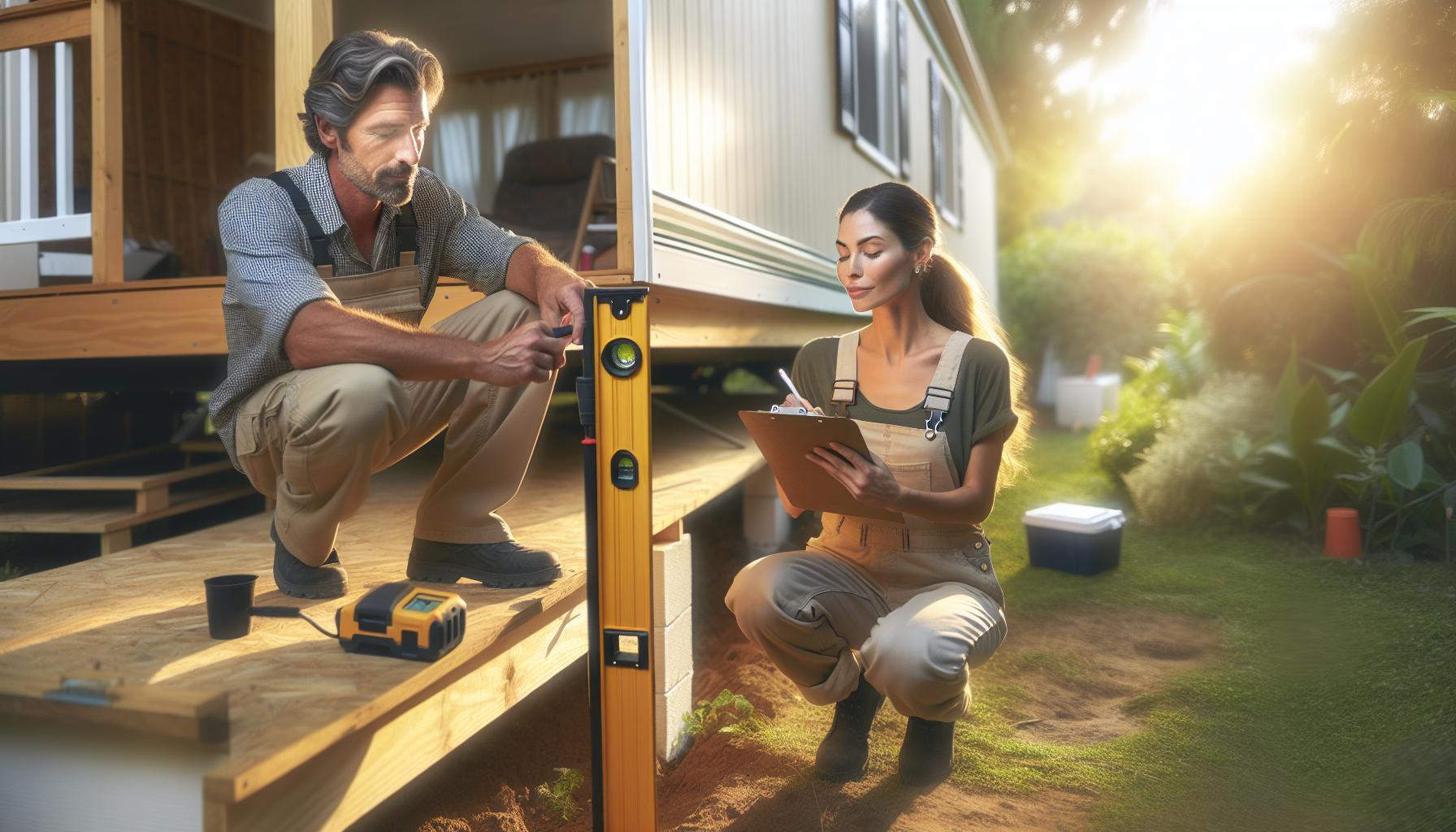
Determining whether your mobile home needs releveling is crucial for maintaining its structural integrity and ensuring your comfort. Over time, factors such as soil erosion, moisture, and temperature changes can cause your mobile home to become unlevel, which may lead to problems like cracks in the walls, doors that don’t close properly, and uneven floors. Ignoring these signs can exacerbate the situation and lead to more extensive damage, making it vital to stay vigilant.
To assess the levelness of your mobile home, begin by checking for physical indicators around your unit. A visual inspection can reveal common signs such as:
- Doors and Windows: If they stick, fail to open or close easily, or are misaligned, this could indicate that the home has shifted.
- Cracks in Walls or Floors: Observe for horizontal or vertical cracks that appear in drywall or foundations. These can be a clear sign that the structure has settled.
- Uneven Floors: Walk through your mobile home and take note of any sloping or bouncy spots. Any noticeable dip or rise is a sign that the home is unlevel.
- Visible Gaps: Check the exterior and interior for any gaps between walls, ceilings, or floors that were previously flush.
It’s also beneficial to utilize a level tool. By placing a level on various surfaces inside your home, you’ll get a clear indication of how level your floors truly are. A consistent deviation from level across different areas underscores the need for releveling.
In conclusion, vigilance is key to maintaining your mobile home’s stability and safety. Regularly checking for signs of unlevelness and using simple tools for assessment can save you from more significant repairs down the line.
Essential Tools for DIY Mobile Home Leveling
To effectively relevel a mobile home, having the right tools on hand can make all the difference. A successful leveling project not only requires a solid understanding of the process but also the right equipment to ensure both precision and safety. Here’s a comprehensive list of essential tools that every DIYer should consider for a smooth leveling experience.
Core Tools for Leveling
- Level: A precise leveling tool, whether a traditional spirit level or a digital level, is crucial for assessing the flatness of your floors. This tool helps you identify high and low spots in your mobile home.
- Adjustable Wrench: Use this for manipulating the adjustable pier blocks that will be used for leveling. An adjustable wrench will allow you to make precise adjustments as needed.
- Jack or Bottle Jack: A sturdy floor jack or bottle jack is necessary for raising low points of the home. Make sure to choose a model that can handle the weight of your mobile home for safety.
- Shims: Wooden or plastic shims are essential for stabilizing the piers once leveling is complete. They provide extra support and help fill any remaining gaps.
Safety Equipment
Safety should never be compromised, especially when working with heavy equipment. Consider the following:
- Hard Hat: Protect your head from any falling debris during the process.
- Gloves: Use durable gloves to safeguard your hands while handling tools and materials.
- Safety Glasses: Ensure your eyes are protected from dust and any small particles that may become airborne.
Additional Accessories
Beyond the core tools, these additional items can facilitate an easier leveling task:
- Measuring Tape: Essential for accurate measurements, this tool will help gauge the height adjustments needed across different sections of the home.
- Flashlight: If you’re working in dim conditions or under the home, a bright flashlight will illuminate your workspace effectively.
- Wheelbarrow or Transport Cart: Useful for moving shims, tools, and materials around the site efficiently.
Having these tools ready can streamline the process of releveling your mobile home, ensuring both safety and accuracy. Being well-equipped not only simplifies the task but also instills a great sense of confidence in your DIY journey. With the right preparations, releveling your mobile home can be a manageable and rewarding project.
Step-by-Step Guide to Releveling Your Mobile Home
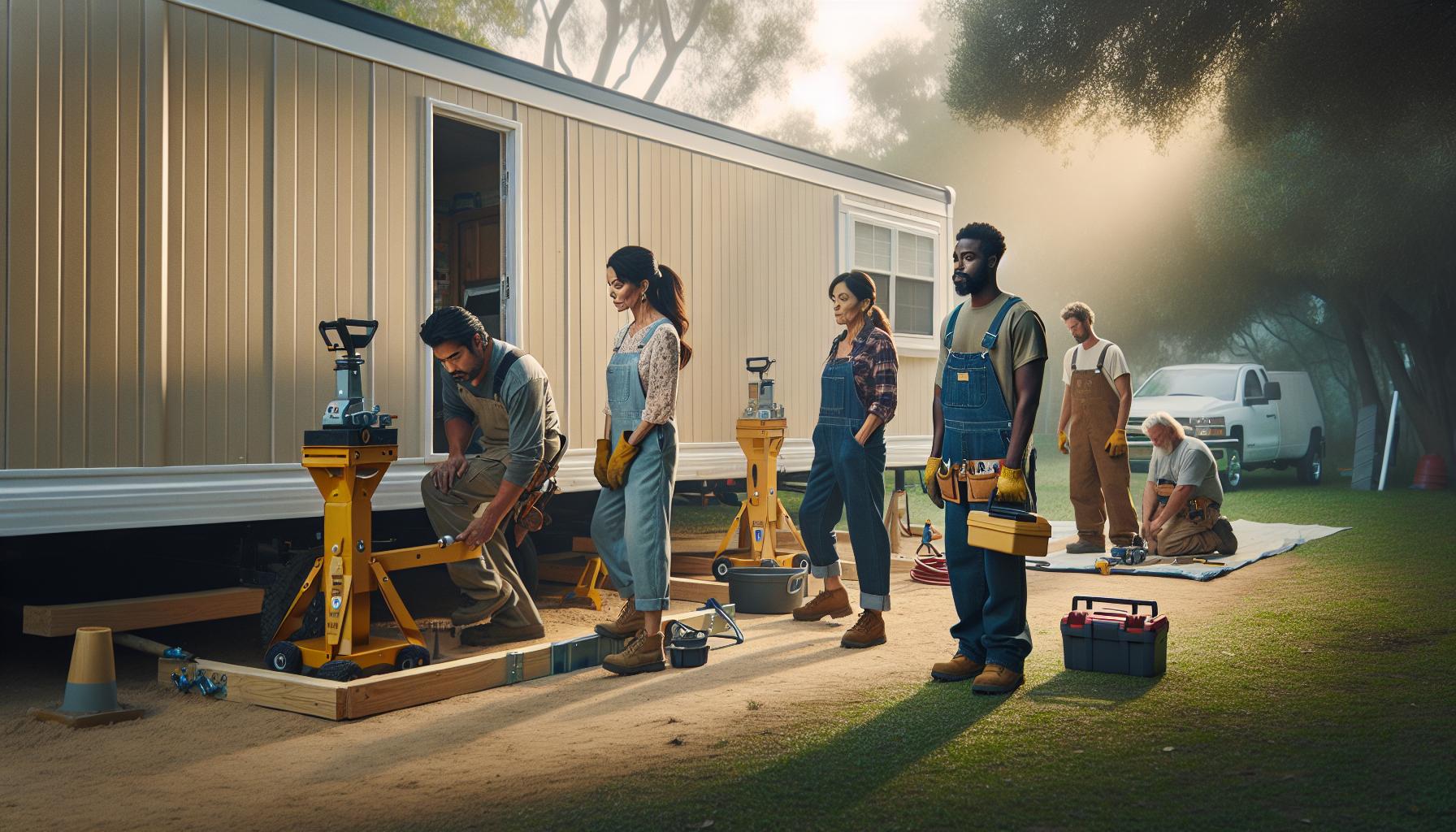
To successfully relevel a mobile home, understanding the process and following a reliable step-by-step approach is crucial. This not only ensures the safety and comfort of your living space but also maintains its structural integrity. Each step contributes to a stable base, preventing further issues like stress on plumbing systems and misaligned doors or windows. With careful attention to detail, you can navigate this task with confidence.
Start by assessing the current state of your home. Begin with a thorough inspection of your foundation and support system, looking for any visible signs of unevenness. You can identify problem areas by using a level tool to check the floor across various points. Once you determine where adjustments are needed, it’s time to gather your tools and prepare to get started.
Next, raise the low points of your mobile home. Using a jack or bottle jack, carefully lift the areas identified as low. Position the jack securely under the mainframe of the mobile home near the piers for stability. Once the area is elevated to the desired height, secure it temporarily with additional blocking to hold it in place. It’s essential to perform gradual lifts on both low ends and to avoid raising the home too much at once, which can cause strain.
After elevating the low points, it’s time to insert shims into the piers. Shims are essential as they provide additional support once leveling is complete. Place them under each pier until the home sits evenly on all sides. Make sure to recheck your levels frequently as you proceed; this will help prevent any oversights that may affect the final leveling outcome.
Lastly, double-check all your work. Once everything is in place, ensure the home is stable and aligned properly. You may want to go through the interior, checking that the doors and windows open and close smoothly. It’s always a good practice to recheck your levels after a few weeks to see if any adjustments need to be made due to settling.
By following these steps, you can achieve a successful releveling of your mobile home. This process not only benefits your overall living experience but also enhances the longevity of your home, preserving its value and comfort for years to come.
Understanding Mobile Home Foundations and Support Systems
Understanding the foundation and support systems of a mobile home is key to maintaining its structural integrity and ensuring long-term comfort. Unlike traditional homes, mobile homes typically rest on piers or blocks rather than being directly built into the ground. This unique construction leads to varying foundation types, which play crucial roles in stability and leveling.
Mobile homes utilize two primary foundation types: pier-and-beam foundations and slab foundations. Pier-and-beam foundations involve a series of concrete piers placed at intervals to support the home’s weight. This system allows air to flow beneath the home, minimizing moisture issues and allowing easier access to plumbing and wiring. On the other hand, slab foundations are a solid concrete base, which may lead to more significant challenges if settling occurs, as lifting the entire structure to level it becomes much harder.
Support systems consist of various components, including blocks, piers, and steel girders that may also be present. The blocks or piers are designed to bear the weight and distribute the load evenly across the foundation. A critical aspect of this support structure is the skirting, which encloses the underbelly of the mobile home, protecting it from pests and elements while also providing insulation.
Regular inspections of these foundations and support systems are vital. Homeowners should look for signs of sagging, cracks in the foundation, or shifting supports. To maintain optimal conditions, it’s recommended to perform frequent level checks. If leveling is needed, it’s important to raise the affected areas and insert shims appropriately to ensure stability. By understanding these elements and performing regular maintenance, homeowners can enjoy their mobile living spaces more safely and comfortably, preserving their value and ensuring a pleasant environment.
Common Signs Your Mobile Home is Unlevel
Recognizing when a mobile home is unlevel is crucial for maintaining its structural integrity and ensuring your living comfort. Many homeowners may not realize that small signs can indicate larger problems if left unaddressed. Regular inspections and awareness of these signs can save you time and expense in the future.
One of the most noticeable signs of an unlevel mobile home is uneven floors. If you experience noticeable slopes or dips when walking across your floor, this is a clear indicator that your home may need releveling. Additionally, doors and windows may start to stick or not close properly, attributing to the shifting of the structure. Keep an eye out for gaps between the wall and the floor or ceilings, which might also suggest an uneven foundation.
Another common warning sign is the presence of cracks in the drywall or foundation. Cracks that appear in the walls, especially diagonal ones, are serious red flags that your home requires immediate attention. Moreover, if you observe that your skirting is lifting away from the home or cracked, it may also correlate with leveling issues.
Lastly, high moisture levels can exacerbate stability problems. If you find dampness or pooling water beneath your home, it might indicate that the environmental factors are affecting the integrity of your foundation. Taking prompt action upon noticing these signs not only enhances the safety and comfort of your home but also preserves its long-term value. Regular checks and early interventions are key in ensuring your mobile home remains a secure and comfortable living space.
Safe Practices for DIY Leveling Your Mobile Home
To achieve a safe and effective releveling of your mobile home, it is essential to adhere to several best practices that ensure not only the integrity of your home but also your personal safety during the process. First and foremost, always prioritize your safety by wearing appropriate protective gear such as gloves, goggles, and steel-toed boots. This minimizes the risk of injury from tools or debris while working under your home.
Planning is crucial when attempting a DIY leveling. Before you start, gather your tools and materials, which typically include a level, hydraulic jack, shims, and a measuring tape. Familiarize yourself with the layout of your home and the location of support beams and piers. It’s important to establish a clear procedure; begin by thoroughly examining your mobile home to identify any areas that require adjustment. Use a level to check for discrepancies in height at various points.
When you start the leveling process, work methodically by raising one corner or section of the home at a time. Gradually raise the home using the hydraulic jack while placing shims underneath the piers as necessary. Regularly check your progress with a level to avoid raising it too much or creating new issues. After making adjustments, ensure the home is stable before fully unloading any jacks.
Lastly, maintain clear communication with anyone assisting you, ensuring that everyone involved understands each step of the process. This will enhance safety and efficiency. If at any point you feel uncertain about the stability of the structure or the methods you are using, do not hesitate to consult a professional. Your safety and the longevity of your mobile home should always come first. By following these practices, you can tackle the releveling process with confidence, ensuring your home remains a safe and comfortable living space.
When to Call a Professional for Leveling Issues
Determining when to seek professional assistance for leveling issues in your mobile home can significantly impact both the safety of your living environment and the longevity of your investment. While many homeowners feel confident tackling minor adjustments themselves, there are specific circumstances where professional expertise is not only beneficial but necessary.
If during your inspection, you notice severe structural issues such as sagging walls, doors or windows that stick, or cracks in the walls or foundation, it’s time to consult a professional. These signs can indicate major alignment problems that extend beyond mere leveling; they may suggest foundational weaknesses that require specialized knowledge and more extensive repair work. Additionally, if you find discrepancies in level that are significantly beyond the scope of simple adjustments-say more than an inch-experts can provide the tools and techniques needed to correct the issue safely.
Another critical situation is if you’ve already attempted DIY leveling but have not achieved the desired results. It’s not uncommon for homeowners to inadvertently create more problems while trying to equalize their homes. Experts understand the nuances of mobile home structures and can quickly diagnose ongoing issues. They bring experiences and solutions that ensure both safety and compliance with local building codes, which is crucial for the long-term stability of your home.
Lastly, don’t hesitate to call a professional if you feel uncomfortable or uncertain about performing the leveling yourself. Working beneath a home involves significant risks, and if you’re unsure about your ability to safely use tools like hydraulic jacks or place shims correctly, a professional can help mitigate risks and give peace of mind. It’s always better to be safe than sorry, especially when it comes to your home’s structure and your family’s safety. Investing in professional services can ultimately save you time, money, and potentially hazardous consequences in the future.
Cost Factors for Releveling a Mobile Home
Releveling your mobile home is a crucial aspect of maintaining its integrity and ensuring a safe living environment. However, understanding the financial implications of this process is equally important to effectively plan your budget. The cost of releveling can vary greatly depending on several factors, making it essential to consider these elements before proceeding.
One of the primary factors influencing the cost is the size of your mobile home. Generally, single-wide mobile homes can cost around $600 or less to level, while double-wides average about $900 and triple-wides can exceed $1,000 [2[2]. This variance is primarily due to the amount of labor involved and the complexity of the leveling process. Additionally, if your home requires significant repairs or adjustments to the underlying foundation or piers, costs can rise dramatically.
Additional Cost Factors to Consider:
- Location: The cost of labor and materials can fluctuate based on geographical location, so be sure to research local pricing.
- Condition of the Home: If your mobile home has existing structural issues, such as rot or damage from moisture, repairs will need to be made before leveling, adding to the overall cost.
- Professional vs. DIY: While DIY releveling can save on labor costs, it may require significant investment in tools and may not always guarantee professional results, especially for complex issues.
Ultimately, it’s crucial to get estimates from multiple professionals if you’re considering hiring help. Investigating various options can provide clarity on what’s reasonable in your area and help you compare costs against what you might spend if tackling the project yourself. Being informed about these cost factors not only aids in financial planning but also empowers you to make the right choices for maintaining your mobile home’s stability.
Maintaining Your Mobile Home’s Level After Releveling
Maintaining the level of your mobile home after releveling is crucial for ensuring its longevity and comfort. Not only does proper leveling enhance the structural integrity of your home, but it also affects the installation of appliances, doors, and windows, ensuring everything operates smoothly. To maintain this balance, there are several proactive steps and regular checks that every mobile homeowner should incorporate into their routine.
First, it’s important to conduct regular inspections of the foundation and piers. At least once every six months, check for signs such as cracks in the walls or ceilings, which may indicate movement. Also, pay attention to doors and windows to ensure they open and close properly-misalignments can signal that the home has settled unevenly. Additionally, keep an eye on the ground around your home, as changes in soil conditions or drainage problems can lead to shifts in the foundation.
Another critical aspect is ensuring drainage around your home remains effective. Water pooling near the foundation can lead to soil erosion and instability. Make sure gutters and downspouts are directing water away, and consider landscaping options that promote proper runoff. If you notice excessive erosion, adjustments such as adding fill dirt or creating terraces may be necessary to protect the integrity of your foundation.
Lastly, engaging with seasonal maintenance can enhance stability. After heavy rains or storms, reassess your home’s level and look for any new signs of settling. If you live in an area prone to extreme weather-such as hurricanes or heavy snowfall-consider investing in additional support systems like storm tie-downs to fortify your home against shifting forces.
By embracing these practices, you can robustly maintain your mobile home’s level and ensure that it continues to provide a safe and stable living environment for years to come. With diligence and preventative measures, your mobile home can remain a reliable and enjoyable space that embodies the charm and comfort of mobile living.
Additional Tips for Mobile Home Stability
Creating a stable mobile home environment is essential for comfort and safety; ignoring stability can lead to larger issues down the road. Whether you’re a seasoned mobile homeowner or a newcomer to the manufactured housing community, implementing practical strategies to enhance stability can make a significant difference. Here are some effective tips to consider.
One of the most crucial aspects of maintaining a stable mobile home is ensuring that your anchoring system is secure. Anchors help prevent movement during high winds and severe weather, making them vital, especially in areas prone to storms. Regularly inspect these anchors for any sign of wear or corrosion. Consider upgrading to stronger anchors or adding extra anchors for improved stability.
Moreover, to mitigate the risk of shifting, be attentive to the local soil composition and drainage patterns. Certain soil types, such as clay, can expand and contract with humidity changes, affecting your home’s positioning. Implementing proper drainage systems, such as trenches or swales, can redirect water away from the foundation, reducing the risk of soil erosion and ensuring that your home remains level.
It’s also beneficial to check the manufactured home’s foundation periodically. Look for settling or tilting, which can indicate issues with the piers or beams. If any are compromised, replacing them promptly can prevent further damage. Furthermore, applying heavy-duty shims can help stabilize your home on uneven footing, lending additional support where necessary.
Lastly, consider engaging in seasonal maintenance checks. For example, after heavy rains or snow, inspect the surrounding landscape for any signs of erosion or shifting that may affect stability. Invest in storm tie-downs if you live in an area with extreme weather conditions; these provide an essential safeguard against wind-related movement.
By adopting these strategies, mobile homeowners can enjoy a safer, more stable living environment. Regular maintenance, combined with a proactive approach to stabilization, ensures your mobile home remains a cherished, comfortable oasis for years to come.
Frequently Asked Questions About Releveling Mobile Homes
Understanding the intricacies of releveling your mobile home can seem daunting, yet it is critical for ensuring stability, comfort, and safety. Here are some common questions that homeowners have regarding this essential maintenance task, along with clear answers and actionable insights.
How do I know if my mobile home needs releveling?
Several signs can indicate that your mobile home may need releveling. Look for:
- Cracks in the walls or foundation
- Doors and windows that stick or do not close properly
- Uneven floors or gaps between the floor and baseboards
- Visible tilting or slanting of the home
Regularly inspecting your home, especially after heavy rains or ground shifts, can help you catch issues early.
What tools do I need to relevel my mobile home?
For a successful DIY releveling project, you will need several essential tools, including:
- A level (to assess the tilt of your home)
- Mobile home jacks (to raise the home at specific points)
- Wedges or shims (to support the piers once the home is level)
- A wrench (for any adjustments to the piers)
- A measuring tape (to ensure consistent leveling)
These tools will help you achieve a stable and balanced structure.
Can I DIY the releveling process, or should I hire a professional?
While many homeowners successfully tackle releveling as a DIY project, it’s important to evaluate your comfort level with physical tasks and mechanical equipment. If you notice extensive issues like major structural damage or significant settling, it may be best to consult a professional. They can provide expert evaluation and ensure that the job is done safely and effectively.
How much does it cost to relevel a mobile home?
The cost of releveling can vary widely depending on factors such as the severity of the problem, the location, and whether you are hiring a professional or undertaking the project yourself. On average, professional releveling services can range from $500 to $2000. If you choose to DIY, the costs will mainly involve the tools and materials like jacks and shims, which can total a few hundred dollars.
In conclusion, releveling your mobile home is not just a practical necessity; it’s also an opportunity to ensure that your living space remains safe and enjoyable. With the right tools and knowledge, you can navigate the releveling process confidently, reinforcing the integrity of your home for years to come.
Q&A
Q: How do I know if my mobile home trailer needs releveling?
A: You can determine if your mobile home trailer needs releveling by observing signs such as uneven floors, gaps between the walls and floors, or doors and windows that stick. If your home has settled unevenly due to shifting ground or drainage issues, it’s time to consider releveling.
Q: What are the best tools for DIY mobile home leveling?
A: Essential tools for DIY mobile home leveling include hydraulic jacks to lift the home, shims for adjusting height, a level to check alignment, and a measuring tape for accurate readings. Additionally, a wrench set will be necessary to tighten any bolted connections.
Q: Can I relevel my mobile home trailer myself?
A: Yes, you can relevel your mobile home trailer yourself if you have the right tools and follow safety precautions. However, ensure you have adequate knowledge of the releveling process, as improper techniques could damage your home.
Q: What is the typical cost of releveling a mobile home?
A: The cost of releveling a mobile home typically ranges from $300 to $1,500, depending on factors such as the complexity of the job, the home’s size, and the extent of leveling required. Planning for additional maintenance costs after the leveling process is wise.
Q: When should I hire a professional for mobile home releveling?
A: Hire a professional for mobile home releveling if you notice severe structural issues, such as significant cracks in the walls or foundation, or if the home is excessively tilted. Professionals can provide expert insight and a thorough inspection to ensure safe and effective leveling.
Q: What methods are used for mobile home releveling?
A: Common methods for mobile home releveling include using hydraulic jacks to lift the home, shimming to adjust support points, and adding additional piers or supports for stability. Each method serves to restore balance to the home’s foundation.
Q: How often should I relevel my mobile home?
A: It’s recommended to check and potentially relevel your mobile home every 3-5 years. Regular inspections help maintain the structural integrity and safety of your home, especially after severe weather conditions or ground settling events.
Q: What can I do to maintain my mobile home’s level after releveling?
A: To maintain your mobile home’s level after releveling, ensure proper drainage around your home, regularly check for signs of settling, and address any landscaping issues that might affect the foundation. Routine inspections will help prevent future releveling needs.
Final Thoughts
Now that you’re equipped with the essential steps to relevel your mobile home trailer, it’s time to take action. Remember, a well-leveled home not only enhances comfort but also protects your investment. If you found this guide helpful, check out our detailed tutorials on anchoring and utility setup to ensure your mobile home remains stable and secure. Don’t hesitate to explore our financing options to make your mobile home experience even better!
We’d love to hear your thoughts and experiences, so feel free to drop a comment below or share this with fellow mobile home owners looking for solutions. For more tips on long-term maintenance and valuable resources, be sure to sign up for our newsletter. Your journey in mobile home living can be rewarding-let’s navigate it together!