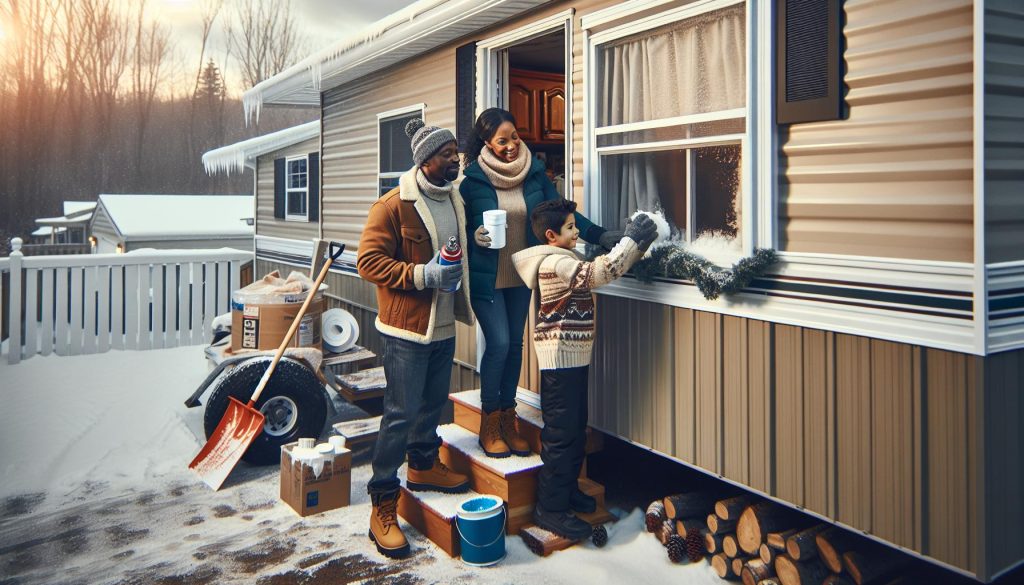
As winter approaches, many trailer home owners face the challenge of protecting their investment from harsh weather conditions. Did you know that failing to winterize your trailer can lead to costly repairs? Proper winterization is essential not only to maintain comfort but also to avoid damaging plumbing, insulation, and structural elements. In this guide, we will explore the step-by-step process of winterizing your trailer home, ensuring it remains warm and safe throughout the chilly months. Whether you’re a seasoned resident or a new owner, these practical tips will help you safeguard your mobile home, enhance its longevity, and provide peace of mind during the winter season. Let’s dive into the essential tasks that will prepare your trailer for winter’s cold embrace.
Choosing the Right Winterization Supplies for Your Trailer Home
Preparing a trailer home for winter involves choosing the right supplies to ensure comfort and safety during the colder months. Selecting high-quality, effective winterization supplies is a crucial step in safeguarding your investment and ensuring your home remains cozy despite freezing temperatures. By equipping yourself with the proper tools and materials, you can significantly enhance your trailer’s winter readiness.
First, consider insulation products such as polystyrene foam boards or reflective insulation. These materials can be used to insulate floors, walls, and ceilings, reducing heat loss and improving energy efficiency. Use a high R-value insulation for maximum thermal resistance. In addition, weather stripping or caulk is essential for sealing gaps around windows and doors, preventing cold drafts and keeping heat in. Tools for applying these materials, like caulk guns and foam board cutters, are also necessary.
For protecting plumbing and machinery systems, stock up on pipe insulation, which minimizes the risk of freezing pipes, an all-too-common issue in colder climates. Supplement this with heating cables, especially for exposed water lines, which maintain temperature during extreme conditions. Don’t forget about supplies for your skirting; materials such as plexiglass or heavy-duty plastic sheeting can help insulate the underbelly and protect against wind exposure.
Lastly, for regular maintenance and check-ups, keep a stock of basic tools and supplies like screwdrivers, wrenches, and flashlights on hand. It’s also wise to have emergency supplies prepared, including batteries, non-perishable food, and a first-aid kit for unexpected winter storms. By gathering the right winterization supplies and tools, you’ll ensure your trailer home remains a warm and inviting place throughout the winter season.
Essential Steps for Insulating Your Trailer
To ensure your trailer home remains warm and efficient during the winter months, effective insulation is paramount. Not only does proper insulation help in maintaining a comfortable indoor temperature, but it also reduces energy costs significantly. As you prepare to insulate your home, you will find a variety of materials and techniques that can be utilized to maximize your winter protection strategy.
Begin by identifying areas needing insulation. The most critical spots include the floors, walls, ceilings, and any exposed plumbing. For floors, consider using rigid foam insulation or fiberglass batts. Lay down insulation boards under the flooring to create a thermal barrier against cold air. Walls can be insulated using either spray foam or fiberglass insulation, ensuring all gaps are filled to minimize airflow. When insulating ceilings, using reflective radiant barrier alongside traditional insulation can also help in reducing heat loss.
Effective Air Sealing Techniques
Utilizing air sealing techniques is just as vital as adding insulation. Inspect your trailer for gaps or cracks that may allow cold air in. Areas around windows, doors, and joints often require attention. Apply weather stripping to door frames and caulking to window frames to prevent drafts. This not only helps keep heat inside but also protects your insulation from potential moisture damage, which can occur if warm air escapes and meets colder air.
Additional Tips for Optimal Insulation
Incorporate the following strategies to enhance your insulation efforts:
- Thermal Curtains: Consider using thermal or blackout curtains for windows to add an extra layer of insulation against the cold.
- Portable Insulation: For unexpected cold spells, having removable insulation panels for windows can be beneficial.
- Skirting insulation: Don’t neglect the skirting around your trailer; adding insulated panels will protect the underbelly from the chill of winter.
By systematically insulating your trailer home using these methods, you not only promote energy efficiency but also create a cozy and inviting living space during the winter. Embracing a thorough insulation approach empowers you to enjoy the comforts of manufactured housing, ensuring your home remains a sanctuary against the winter chill.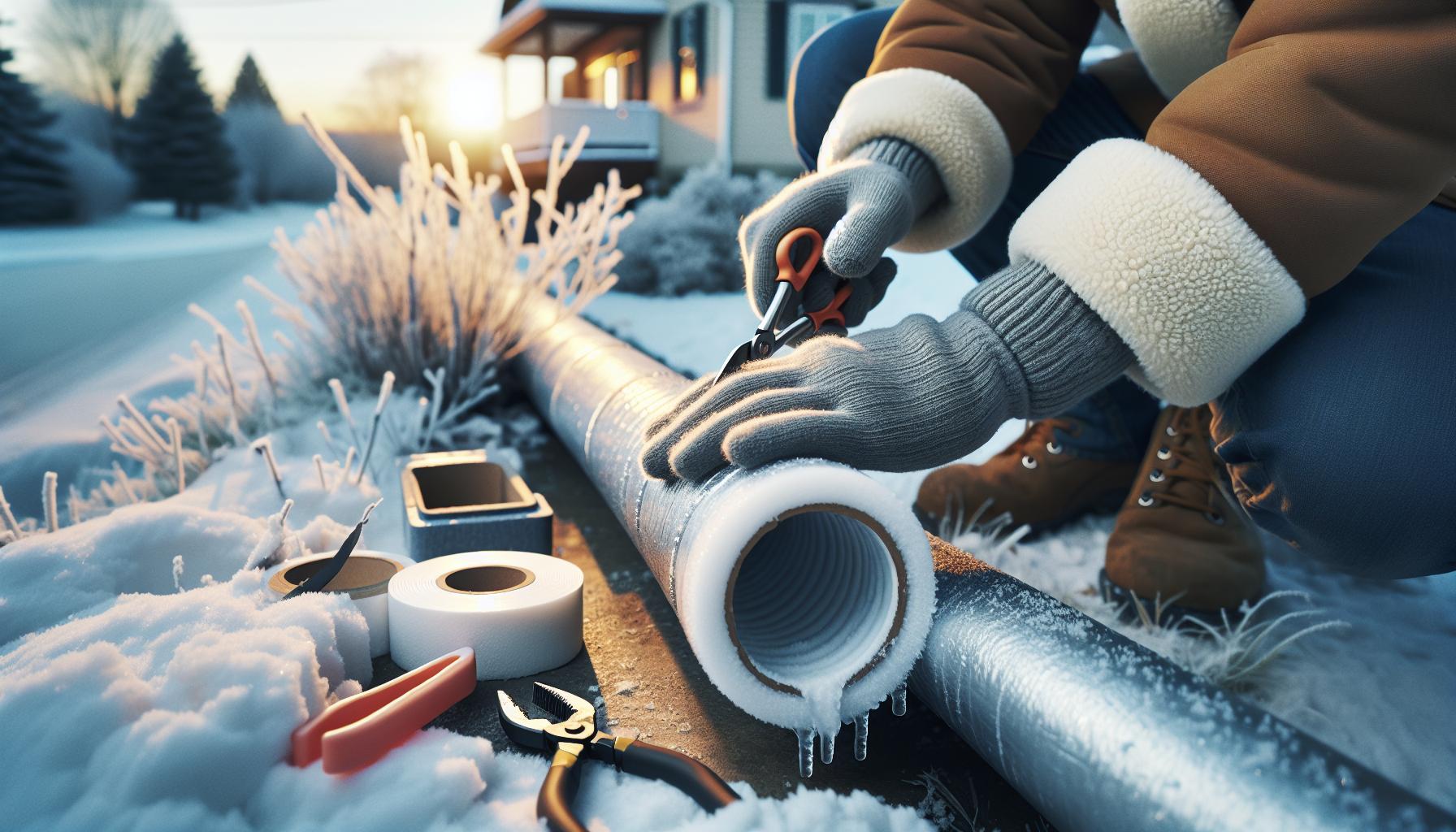
How to Protect Pipes from Freezing and Bursting
As the temperature drops, one of the most pressing concerns for trailer home residents is preventing pipes from freezing and bursting, which can lead to significant water damage and costly repairs. To safeguard your plumbing, it’s essential to take proactive measures to ensure that your water supply lines are well-protected against the frigid conditions.
First, identify all vulnerable pipes in your trailer, especially those located in unheated areas like basements, crawl spaces, or exterior walls. Once you’ve pinpointed these at-risk sections, you can take steps to insulate them effectively. Use foam pipe insulation sleeves, which are inexpensive and easy to install. Simply cut to size and fit them around the pipes, ensuring that all surfaces are covered to provide an uninterrupted thermal barrier. For added protection, consider wrap insulation tape or heat tape, which can be particularly useful for exposed pipe sections that experience the harshest temperatures.
Outside of insulation, maintaining a consistent temperature within your trailer is critical. Keep the thermostat set to a steady, moderate temperature, even if you’re away. On particularly cold nights, allowing a slow drip from faucets connected to vulnerable pipes can also help prevent freezing, as running water is less likely to freeze than still water. Additionally, open cabinet doors under sinks to allow warm air to circulate around the plumbing.
Winterizing Your Plumbing System
An effective winterization routine is vital. First, drain your water system completely if you plan to leave your trailer during the coldest months. This involves turning off the main water supply and running faucets until they run dry, which minimizes the risk of freezing. After draining, you may also want to add non-toxic antifreeze to your toilet bowls and traps to prevent any remaining water from freezing and causing damage.
Lastly, regularly check your trailer for signs of leaks or cracks in both the exterior and within the plumbing system. Early detection of these issues will save time and money in the long run, ensuring your trailer remains a comfortable and functional home throughout the winter months. By following these steps, you can effectively protect your pipes, creating a cozy winter retreat that withstands the elements.
Winterizing Your Heating System: A Step-by-Step Guide
It’s essential to ensure your heating system is ready to withstand cold weather, especially in a trailer home where efficient heat distribution is crucial for comfort and safety. A well-prepared heating system not only keeps your living space cozy but also reduces energy costs and extends the lifespan of your equipment. Here’s how to effectively winterize your heating system step-by-step.
Start by scheduling a professional inspection of your heating system well before the first frost. This proactive approach can identify issues that could compromise your heating efficiency, including worn-out parts or potential leaks. Make sure the technician checks the furnace, boiler, or heat pump thoroughly and cleans or replaces filters as necessary. Dirty filters restrict airflow and cause the system to work harder, which not only increases energy bills but can also lead to premature breakdowns.
Next, consider insulating ductwork if you have a forced-air heating system. Wrap ducts with insulation material, especially those running through unheated areas, to prevent heat loss. Pay particularly close attention to joints and seams, which can be points of heat escape. This step is especially beneficial for trailer homes where duct systems may be exposed to colder temperatures.
Don’t forget to adjust your thermostat settings for the winter months. If you have a manual thermostat, consider upgrading to a programmable one that allows you to set different temperatures for day and night. This not only saves energy by reducing heating temperature when you’re away or asleep but also ensures that your living space is warm when you need it.
Finally, make sure to have a backup heating plan in case of emergency. This can include portable heaters or a fireplace if your trailer home is equipped for one. Keep in mind necessary safety protocols for any alternative heating sources to avoid hazards like carbon monoxide poisoning. By following these steps, you’re not just preparing your heating system for winter; you’re also safeguarding your trailer home and preserving its comfort during the cold months.
Sealing Windows and Doors for Maximum Efficiency
Drafting a plan for winterizing a trailer home involves careful attention to details, particularly when it comes to sealing windows and doors. An estimated 30% of heating loss in a home occurs through gaps and leaks, which makes addressing these areas crucial for maintaining warmth and comfort during the colder months. Ensuring your trailer home is sealed effectively not only enhances energy efficiency but can also provide significant savings on heating bills and reduce stress as winter conditions set in.
To begin, inspect all windows and doors for any visible cracks or gaps. A straightforward way to test for air leaks is to perform a simple draft test. On a windy day, run your hand around the frames of windows and doors to see if you can feel any drafts. For areas that need attention, consider applying weatherstripping or caulking. Choose high-quality materials designed for outdoor use to withstand harsh winter weather. Weatherstripping, which can be installed in various types-adhesive-backed foam, V-strip, or door sweeps-offers a flexible solution for sealing gaps. For larger cracks, a high-performance exterior caulk is recommended; simply apply it with a caulking gun and smooth it for a clean finish.
In addition to standard sealing methods, you can enhance your trailer’s thermal efficiency with window insulation film. This clear plastic film acts as a barrier against heat loss and can be easily applied with double-sided tape. Another creative option is to use thermal curtains, which not only provide an aesthetic appeal but serve as an extra layer of insulation when drawn. For sliding glass doors, consider heavy-duty curtains or specially designed door covers that fit snugly to create an effectively insulated space.
It’s also wise to check the integrity of the window and door frames themselves. If you notice any rot or significant wear, consider replacing the frames altogether to prevent further heat loss and potential moisture damage. These proactive steps not only enhance insulation but support the longevity and resilience of your trailer home in extreme climates. By taking the time to seal windows and doors correctly, you’re not just winterizing your space; you’re ensuring a cozy, fuel-efficient living environment throughout the cold months.
Maintaining Ventilation in Cold Weather
Maintaining proper ventilation during cold weather is a vital aspect of winterizing your trailer home. While it may seem counterintuitive to open your home to the chilly air, maintaining airflow is essential to avoid moisture buildup, which can lead to mold and mildew. These issues not only compromise indoor air quality but can also damage the trailer structure over time. The goal is to find a balance that allows fresh air to flow while keeping your living space warm and comfortable.
One effective strategy is to utilize passive ventilation methods. This can be achieved by ensuring that vents are clear and functional, allowing air to circulate through your home. Regularly check that exhaust fans in kitchens and bathrooms are operational, as these devices help expel moisture-laden air. Additionally, consider slightly cracking windows or using vented covers to encourage airflow without significant heat loss. You can also maintain ventilation through your skirting; if your trailer is skirted, ensure vents are not blocked to allow necessary air movement beneath the home, which helps prevent freezing of underfloor plumbing.
Another valuable approach is to invest in a heat recovery ventilator (HRV) or an energy recovery ventilator (ERV). These systems are designed to bring in fresh air while transferring heat from the exhausted indoor air to the incoming fresh air, minimizing the thermal impact on your home’s temperature. This can be particularly beneficial during the winter months as it continuously circulates air without significant loss of heat, contributing to energy efficiency.
Lastly, implementing a humidity control system can work wonders in maintaining a comfortable environment. A dehumidifier can help manage moisture levels, particularly in areas prone to condensation. Keeping indoor humidity levels between 30-50% not only supports respiratory health but also prevents the formation of frost and ice on windows, which can further compromise the integrity of your living space. By applying these ventilation techniques, you ensure your trailer home remains a safe and inviting haven during the winter months, protecting both your health and your investment.
Preparing Your Skirting and Foundation for Winter
Preparing your trailer home for the harsh winter months is crucial for maintaining its integrity and comfort. A well-prepped skirting and foundation can protect your home from cold drafts, moisture, and freezing temperatures. Without proper preparation, your trailer’s plumbing and structural components could be at risk, leading to costly repairs. The following guidelines will help you effectively shield your trailer home against winter’s chill.
Insulating the Skirting
One of the first steps is ensuring your skirting is properly insulated. Foam board insulation is a popular choice due to its effectiveness and ease of installation. Cut the boards to fit snugly between the vertical supports of your skirting to minimize airflow. It’s essential to secure the insulation properly to avoid displacement by wind or snow. Consider using weather-resistant materials to withstand the elements; this will provide an additional layer of protection against freezing temperatures.
Sealing Gaps and Vents
Next, inspect your skirting for any cracks or gaps that might allow cold air to seep in. Use caulk or spray foam insulation to seal these openings. While it’s important to block excessive cold air, do leave designated vents open to maintain necessary airflow and prevent moisture buildup underneath your trailer. This balance ensures that while you’re cutting off the cold, you’re not stifling ventilation completely, which is vital for preventing mold growth.
Foundation Inspection
Don’t overlook your trailer’s foundation as you prepare for winter. If your home is elevated on piers, check for any signs of deterioration or instability. During your inspection, look for sagging or uneven surfaces, and adjust or add support as necessary. Additionally, if your trailer is anchored, ensure that the anchoring system is secure to withstand winter winds and snow loads.
Skirting Maintenance
Regular maintenance of your skirting is critical during winter. Clear snow and ice from around your trailer’s base to prevent moisture accumulation. If you use skirting made from materials like vinyl, inspect it for cracks or damage due to cold temperatures. Replace any damaged sections promptly to maintain an effective barrier against the winter elements.
By following these tips for your skirting and foundation, you position your trailer home to withstand the winter months safely and efficiently. This proactive approach not only enhances comfort but also protects your investment long-term, allowing you to enjoy mobile home living regardless of the season.
Tips for Safe Electrical System Management
Ensuring the safety of your electrical system during the frigid months is as crucial as protecting the structural integrity of your trailer home. Cold weather can exacerbate existing electrical issues, leading to costly repairs or even hazardous situations like electrical fires. Therefore, taking specific precautionary measures to winterize your electrical system is essential for maintaining the comfort and safety of your living space.
One of the fundamental steps is to inspect and secure all external outlets. If your trailer home has outdoor power outlets, make sure they are covered with weatherproof covers to prevent ice and moisture buildup. It’s also wise to use GFCI (Ground Fault Circuit Interrupter) outlets in areas prone to dampness to protect against electrical shock. Before the temperatures plummet, test these outlets to ensure they function properly, disconnect any appliances that won’t be used during the winter, and store them safely to avoid moisture damage.
Preventing Power Surges
Winter storms can cause power surges that threaten your electrical system. It’s prudent to invest in surge protectors for sensitive electronics, such as computers and televisions. Additionally, if you use electric heating devices, ensure they are rated for safe winter use. This includes checking for frayed cords, loose connections, and proper grounding. Utilizing power strips with built-in surge protectors can offer additional safety and convenience, allowing you to easily power down devices when not in use.
Battery and Generator Preparedness
For those relying on battery power or generators during heavy snow or power outages, ensure that all batteries are fully charged and in good condition well before the winter season. If you have a portable generator, be familiar with the manufacturer’s instructions regarding proper connection to your trailer’s electrical system. Regular maintenance of your generator, including checking fuel levels and oil, is integral for ensuring it will perform when needed.
Finally, consider conducting a full electrical system inspection either yourself or through a licensed electrician. This proactive measure can identify existing issues that may worsen in the cold. Check for rust or corrosion on connections, especially if your trailer has been exposed to moisture. Resolving these concerns early on can provide peace of mind as you navigate winter instability while securing a safe and comfortable environment within your trailer home. Engaging in these thorough electrical management practices will not only maximize safety but also sustain the efficiency of your electrical system throughout the winter months.
Interior Winterization: Keeping Your Living Space Cozy
To create a warm and inviting atmosphere inside your trailer home during the winter months, it’s essential to focus on effective interior winterization. This not only enhances comfort but also helps in maintaining energy efficiency, keeping your heating costs under control. A well-insulated and cozy living space can transform the frigid experience of winter into a snug retreat.
Start by checking your insulation, particularly in floors, walls, and ceilings. If your trailer has inadequate insulation, consider adding more to keep the cold out and the warmth in. Insulation blankets or products specifically designed for mobile homes can dramatically improve thermal performance. Additionally, using thermal curtains can help retain heat by minimizing cold drafts that may seep through windows at night.
Next, seal any gaps or cracks around windows and doors. Even small openings can let in a significant amount of cold air, causing your heating system to work harder. Apply weatherstripping or caulk to these areas to improve airtightness. Lastly, rearranging furniture can create a cozy layout by allowing heat to circulate better. Pull furniture away from exterior walls to prevent it from becoming cold and uncomfortable, and consider using area rugs to add warmth underfoot.
When it comes to heating, evaluate your current system’s efficiency. Regular maintenance is key; ensure that your heating system is functioning optimally, and change filters frequently. Electric space heaters can be a helpful supplement in the coldest areas of your home, as they allow you to focus heating in specific spaces without over-relying on central or propane heaters, which can increase costs. Ultimately, a few thoughtful adjustments can keep your trailer home warm, inviting, and efficient all winter long.
How to Winterize Your Trailer Home’s Exterior
To prepare your trailer home for the harsh winter months, addressing its exterior is crucial. A well-maintained exterior not only safeguards the integrity of your home but also ensures that you maintain a comfortable living environment during colder weather. Start by inspecting and fortifying your skirting, as it plays a vital role in protecting the underbelly of your mobile home from the elements.
Inspect and Repair Skirting
Skirting creates a barrier around your trailer, protecting against cold winds and pests. Check for any gaps, cracks, or damage in the skirting material. Repairs can often be made with materials like plywood, vinyl, or metal, depending on your existing skirting. If sections are severely damaged, consider replacing them entirely. For added insulation, you can fill the space beneath the trailer with insulation boards or heat-treated materials to keep the cold air at bay.
Seal Entry Points
The exterior of your trailer home often has multiple entry points that could allow cold air in, including doors and windows. Inspect seals and weather stripping to ensure they are intact. Replace worn out or missing weather stripping and caulk any cracks around window frames and doors. This not only helps in retaining warmth but also improves energy efficiency, which can lead to lower heating costs.
Protect Plumbing and Outdoor Utilities
Exposed pipes and outdoor utilities can be particularly vulnerable during winter. Insulate any unprotected pipes with foam pipe insulation, and consider using heating tape for extra protection. Disconnect garden hoses and store them away to prevent freezing, and, if necessary, drain any outdoor plumbing systems that will not be in use during the winter months. Furthermore, think about installing a heat lamp or a small heater in any outdoor compartments where plumbing may be located.
Prepare Your Foundation
If your trailer is on blocks, inspect them to ensure stability. Consider adding insulation around the foundation to minimize heat loss and protect against frost. If your trailer uses a pier and beam foundation, it may benefit from additional skirting or an insulated cover that helps shield the framework from the cold. This preparation can prevent damage to your home as temperatures drop and can help maintain a consistent indoor temperature.
By taking these proactive steps to winterize the exterior of your trailer home, you’ll not only protect your investment but also create a more comfortable living situation during the colder months. Proper maintenance and preparation can transform your trailer into a cozy retreat, making winter a season to enjoy rather than endure.
Emergency Preparedness for Extreme Winter Weather
When winter storms hit, being well-prepared can mean the difference between a cozy retreat and a weather-stricken ordeal. For those living in trailer homes, extreme winter weather presents unique challenges that require careful planning and proactive measures. It’s essential to set up a well-rounded emergency plan, not only to safeguard your home but to ensure your safety and comfort throughout the season.
Prepare an Emergency Kit
Your emergency kit should contain essential items to aid you during severe weather conditions. Consider including:
- Non-perishable food and bottled water for at least three days.
- First aid supplies, including necessary medications.
- Flashlights or battery-operated lanterns to provide light during power outages.
- Extra batteries and a reliable radio to receive weather updates.
- Warm blankets and sleeping bags in case of extended power loss.
These supplies will help ensure you have basic needs met, even if you become isolated.
Establish Communication Plans
It’s critical to have a reliable communication plan in place. Inform family members or friends about your situation, where you’ll be during a storm, and how they can reach you. Keeping your mobile devices charged and having extra charging options can keep you in touch with emergency services and loved ones. Consider signing up for local weather alerts to receive real-time updates on changing conditions.
Inspect Heating and Fuel Sources
Before the cold sets in, thoroughly check your heating systems. Ensure that your furnace is serviced, and any space heaters are in good working order. Store adequate fuel for your heating systems, whether it’s propane, kerosene, or firewood-whatever may be applicable to your heating source. Implement measures to prevent heat loss by blocking drafts and insulating exposed pipes to minimize the risk of freezing.
Get Your Trailer Ready for Unforeseen Circumstances
Make sure that your trailer is well-insulated against extreme cold. Inspect your skirting and repair any damage while ensuring all seals and weather stripping are intact. Keep a close eye on potential hazards such as fallen tree branches or accumulated snow on the roof, as these can lead to structural damage if not addressed.
In the event you need to evacuate due to severe weather warnings, plan a safe route to a designated shelter or area. It’s also wise to keep your gas tank at least half full to evade frozen fuel lines and have a contingency plan for relocating your trailer if necessary. By being aware and taking these proactive steps, you can make your trailer home a secure sanctuary against the harsh realities of winter storms.
Post-Winter Maintenance: Inspecting and Repairing Potential Damage
After enduring the harsh winter months, it’s crucial to conduct a thorough inspection of your trailer home to assess any potential repairs needed. Winter weather can take a toll on the structure, leading to issues such as water damage, insulation degradation, or even rodent infestations. Addressing these problems early on can help prevent more significant issues down the line, ensuring that your living space remains safe and comfortable.
Begin your post-winter assessment by checking the exterior of your trailer for visible signs of damage. Look for any cracks in the siding or roof, as cold temperatures can lead materials to contract and become brittle. Pay special attention to seals around windows and doors; if you notice any gaps or peeling, reapply caulk or weather stripping to maintain energy efficiency and prevent drafts. Additionally, inspect the skirting, which protects your plumbing and insulation from extreme temperatures. Ensure it is intact and replace any panels that show signs of wear or damage.
Moving inside, check for signs of moisture or leaks, especially around plumbing fixtures and heating systems. Assess the condition of your insulation-if it appears wet or moldy, replace it promptly to avoid health hazards and maintain temperature regulation. Testing for signs of pests is also essential. Look for droppings or nests, particularly in hidden areas, as mice and insects often seek shelter in a warm space during winter. If you discover any infestations, employ appropriate pest control measures to secure your home.
Lastly, it’s beneficial to evaluate your heating system post-winter. Schedule a professional inspection to ensure that all components are functioning correctly. Clean or replace filters and check for any signs of wear that could compromise efficiency next winter. By taking these proactive steps now, you not only enhance the longevity of your trailer home but also ensure it remains a cozy haven for the upcoming seasons.
Frequently Asked Questions
Q: How can I prevent my trailer’s water lines from freezing in winter?
A: To prevent water lines from freezing, insulate pipes with foam or heat tape, especially those exposed to cold air. Running a trickle of water through the faucets can also maintain movement and reduce freezing risks. Check your plumbing insulation, particularly at joints and bends, for effective protection.
Q: When should I winterize my trailer home?
A: Winterization of your trailer home should ideally begin in early fall before temperatures consistently drop below freezing. This proactive approach will give you ample time to complete all necessary steps, ensuring your trailer is adequately protected from harsh winter conditions.
Q: What are the best materials for winterizing my trailer?
A: Effective winterizing materials include foam pipe insulation, waterproof sealants for windows and doors, and heavy-duty thermal curtains. Additionally, consider using insulation boards for skirting and using anti-freeze specifically designed for RV systems in your plumbing.
Q: How do I insulate my trailer home effectively?
A: To insulate your trailer home effectively, start by sealing air leaks around windows and doors with weatherstripping. Next, use insulation panels in the underbelly and wall cavities. Finally, cover windows with thermal curtains to keep warmth in and the cold out.
Q: What should I do with my trailer’s exterior before winter?
A: Before winter, clean the exterior, inspect for damages, and make necessary repairs. Apply a tarp or cover to shield from snow and ice accumulation. Additionally, check and secure the skirting around the trailer to keep cold air out and warmth in.
Q: How can I ensure proper ventilation while winterizing my trailer?
A: To maintain proper ventilation while winterizing, use vents or airflow devices to prevent moisture buildup. Ensure that any gas appliances have venting space, and periodically check your exhaust systems to avoid stagnant air that can lead to mold.
Q: Are there specific tips for maintaining my trailer’s heating system in winter?
A: Yes, ensure your heating system is checked and serviced before winter. Replace filters, clean vents, and inspect the furnace for proper operation. Additionally, set the thermostat to a consistent temperature to avoid strain on the system.
Q: What emergency supplies should I prepare for winter in my trailer?
A: Keep a winter emergency kit in your trailer that includes blankets, non-perishable food, water, a flashlight, batteries, and a first aid kit. Additionally, have tools on hand for potential repairs and make sure your phone is fully charged for emergency communication.
To Wrap It Up
As winter approaches, ensuring your trailer home is well-prepared is crucial for maintaining comfort and safety through the colder months. Remember, proactive steps like insulating pipes and sealing windows can prevent costly repairs and create a more enjoyable living environment. Don’t wait until the first frost hits-take action today by checking out our detailed guides on winterizing your home and essential maintenance tips.
For more resources, explore our articles on mobile home setup and utility management, or dive into financing options tailored for trailer homeowners. Join our community of mobile home enthusiasts by signing up for our newsletter for ongoing tips and expert advice to enhance your living experience. Together, we can embrace the joys of mobile home living while staying protected against the elements. Your comfort awaits-let’s get started!