Did you know that a well-insulated mobile home can significantly reduce energy bills and enhance comfort year-round? Proper insulation is not just a luxury; it’s a necessity for maintaining a livable environment in your manufactured home. In this guide, you’ll discover effective strategies for insulating your mobile home, ensuring you protect your investment while easing the burden on your wallet. Whether you’re facing chilly winters or sweltering summers, effective insulation can make all the difference. Gain insights into the best materials and techniques tailored to your unique needs, so you can create a cozy and energy-efficient home. Let’s delve into the transformative world of mobile home insulation and learn how to turn your space into a more comfortable living environment.
How Insulation Affects Your Mobile Home’s Energy Efficiency

Insulation plays a critical role in enhancing a mobile home’s energy efficiency, often resulting in both immediate comfort and long-term savings. Without adequate insulation, your mobile home can experience significant heat loss during winter months and excessive heat gain during the summer, leading to increased energy consumption and higher utility bills. By keeping conditioned air inside and unconditioned air outside, insulation helps maintain a stable internal climate, reducing the workload on heating and cooling systems.
One of the key aspects of how insulation affects energy efficiency lies in its R-value, a measure of thermal resistance. The higher the R-value, the better the insulation’s effectiveness in preventing heat transfer. For mobile homes, the optimal R-value can vary based on region, climate conditions, and specific building codes. Upgrading to insulation materials with higher R-values can lead to substantial energy savings. For instance, insulating under the floor, walls, and roof can prevent drafts and thermal bridging, minimizing energy costs while enhancing comfort levels throughout the year.
The Benefits of Proper Insulation
- Increased Comfort: Proper insulation minimizes hot and cold spots, allowing for a more uniform temperature throughout your mobile home.
- Lower Energy Costs: Improved insulation can lead to a reduction in heating and cooling expenses, which may be reinvested back into home improvement.
- Environmental Impact: By reducing energy consumption, well-insulated homes contribute to lower greenhouse gas emissions, promoting a healthier planet.
Investing in insulation not only enhances comfort but also increases the resale value of your mobile home. Prospective buyers often view energy-efficient homes as more desirable, making insulation upgrades a wise financial decision. As you consider insulation options, remember that air sealing is just as important; any gaps or leaks can compromise your insulation’s effectiveness. Thus, a comprehensive approach that includes both insulation and air sealing will maximize energy efficiency and provide lasting benefits.
Understanding Different Insulation Types for Mobile Homes

Choosing the right insulation type for your mobile home is essential for achieving optimal energy efficiency and comfort. Various insulation materials can significantly influence your home’s energy performance, each with its distinct properties, costs, and installation requirements. Understanding these materials will allow you to make informed decisions that align with your specific needs, climate, and budget.
Fiberglass insulation, one of the most common options for mobile homes, comes in rolls or batts and is ideal for walls, floors, and ceilings. It offers a solid balance between cost-effectiveness and thermal resistance, with R-values typically ranging from R-11 to R-38. It’s important to ensure that fiberglass insulation is installed correctly to avoid gaps that can reduce its effectiveness. Always wear protective gear when handling this material since it can irritate the skin and lungs.
Spray foam insulation, although more expensive, provides a superior air seal due to its ability to expand and fill cracks and gaps. It has a high R-value per inch, typically around R-6 to R-7, making it an efficient option for maximizing insulation in tight spaces. This type not only insulates but also adds structural strength to your mobile home, which is particularly beneficial in areas prone to high winds or severe weather.
Rigid foam boards are another excellent choice, especially for insulating foundations or basements. These boards come in large sheets, allowing for quick installation in various areas. Rigid foam insulation generally has R-values of R-4 to R-6 per inch, helping to reduce thermal bridging. When using rigid foam, it’s crucial to select a product rated for exterior use to prevent moisture problems.
Mineral wool, also known as rock wool, is a less common but effective alternative. It is fire-resistant and soundproof, making it a suitable choice for areas where noise reduction is paramount. Although it has a slightly lower R-value than fiberglass, it can still be beneficial if sound and fire safety are concerns.
In summary, evaluating the advantages and limitations of each insulation type is crucial for achieving the best energy-saving results in your mobile home. Consider your local climate, the specific areas that need insulation, and the budget to select the most appropriate insulation strategy. By investing in the right type of insulation, you can significantly enhance your home’s energy efficiency, comfort, and overall value.
Step-by-Step Guide to Insulating Your Mobile Home
One of the most effective ways to enhance the living conditions in a mobile home and significantly reduce energy costs is through proper insulation. Insulating your mobile home can prevent heat loss during the winter months and maintain a cooler environment when temperatures rise. This step-by-step guide will walk you through the process of insulating your mobile home, making the project manageable and straightforward.
Step 1: Assess Your Current Insulation
Before diving into the insulation project, it’s crucial to evaluate the existing insulation in your mobile home. Check the walls, floors, ceilings, and underbelly for any signs of damage, moisture, or gaps. If you find that older insulation has sagged or deteriorated, planning for replacement or an upgrade is essential. Consider areas with poor insulation performance, typically the underbelly (also known as the belly board) and skirting, which should be prioritized.
Step 2: Choose Your Insulation Type
Select insulation suitable for your climate and the areas you need to insulate. Common options include:
- Fiberglass Batts: Ideal for walls and ceilings, cost-effective with various R-values.
- Spray Foam: Great for filling cavities and providing a superior air barrier, although more expensive.
- Rigid Foam Boards: Good for basements or foundation areas, offering solid insulation performance and moisture resistance.
- Reflective or Radiant Barrier: Effective for attics to reflect heat away.
Consider factors like R-value requirements, moisture resistance, and your budget when making your choice.
Step 3: Gather Tools and Materials
Ensure you have the proper tools and materials ready before starting the installation:
- Insulation material (chosen type)
- Utility knife or insulation saw
- Measuring tape
- Staple gun (for batts and rolls)
- Protective gear (gloves, masks, goggles)
- Lumber for framing or backing (if needed)
Step 4: Begin Insulating
Start with the underbelly if it requires insulation. Here’s how:
- Lift or remove the belly board to access the underbelly.
- Install the insulation, ensuring a snug fit in the cavities without compressing it, which can reduce its efficiency.
- Seal any gaps around pipes and wires with spray foam or caulk.
- Replace the belly board securely after insulation is in place.
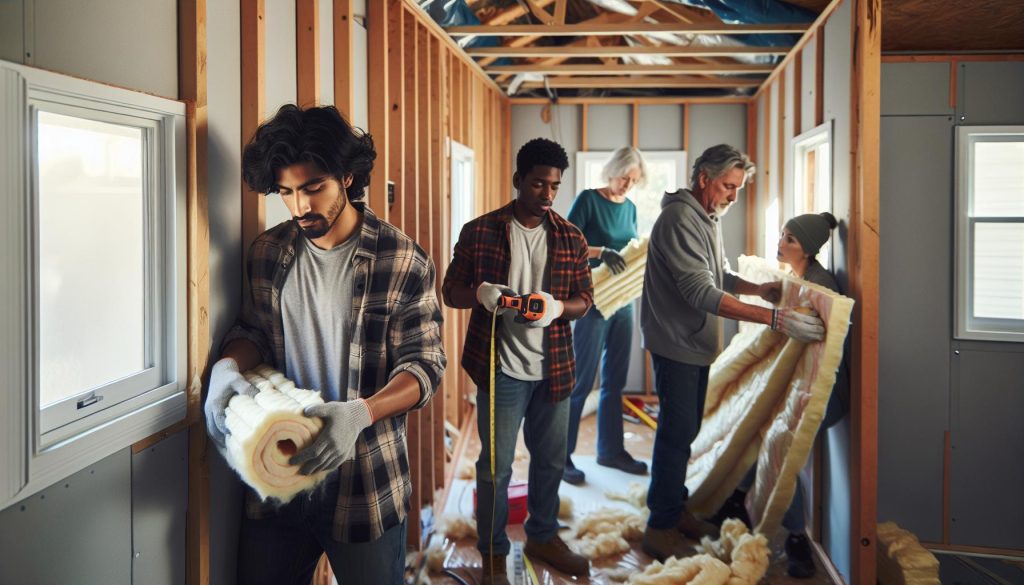
For walls and ceilings, carefully measure and cut pieces of your chosen insulation to fit snugly in the framed areas. Use a staple gun to secure fiberglass batts; if using spray foam, apply it evenly. Monitor the thickness to meet your selected R-value requirements.
Step 5: Air Seal and Finish
Once the insulation is installed, focus on air sealing to maximize energy efficiency. Check for drafts around windows, doors, and vents, then caulk or weatherstrip where necessary. Finally, reassemble any panels or skirting removed during your work.
By following these steps, you can enhance your mobile home’s insulation, optimize energy efficiency, and create a more comfortable living environment. Regular checks and maintenance will ensure that your insulation continues to perform effectively over time.
Essential Tools and Materials for Insulation Projects
When embarking on an insulation project for your mobile home, having the right tools and materials is crucial for success. Proper preparation not only ensures the efficiency of the installation but also safeguards your comfort and energy savings for years to come. Fortunately, gathering these essentials is straightforward and can save you both time and money in the long run.
Start with the primary requirement: the insulation material itself. Depending on your specific needs, you may choose from various types, such as fiberglass batts, spray foam, rigid foam boards, or reflective barriers. Each type of insulation has its unique benefits. For instance, fiberglass batts are cost-effective and easy to install in wall cavities, while spray foam provides superior air sealing and insulation properties for irregular spaces.
In addition to insulation, having the right tools on hand will make your installation process smoother. Essential tools include:
- Utility Knife or Insulation Saw: Necessary for cutting insulation to the appropriate size and fitting it snugly into cavities.
- Measuring Tape: To ensure precise measurements when cutting insulation materials or determining spaces to be insulated.
- Staple Gun: Particularly important for securing fiberglass batts in place within framed areas.
- Protective Gear: Safety should always come first; wear gloves, masks, and goggles to protect yourself from airborne particles and sharp edges.
- Lumber and Framing Materials: Depending on your project, these may be necessary for building supports or backing for your insulation.
Lastly, don’t overlook additional supplies necessary for air sealing and finishing touches. Caulk or weatherstripping will help seal gaps around windows, doors, and other penetrations, ensuring superior energy efficiency post-insulation. By carefully selecting your tools and materials and being thorough in your preparation, you not only elevate the comfort of your mobile home but also feel confident in your capability to tackle this vital project effectively.
Common Mistakes to Avoid When Insulating
When it comes to insulating your mobile home, avoiding common pitfalls can significantly enhance your energy efficiency and comfort. One frequent mistake is neglecting to assess the existing insulation condition before starting the project. Without this evaluation, you may end up covering ineffective or damaged insulation, which could lead to wasted resources and ongoing energy loss. It’s crucial to inspect areas like the crawl space, walls, and roof to determine if you need to replace or upgrade the insulation materials present.
Another common oversight is opting for the wrong type or amount of insulation. Mobile homes have unique structural elements, and using standard insulation can cause issues such as moisture accumulation or ineffective temperature regulation. For instance, if your home has a vapor barrier, using insulation that isn’t moisture resistant can lead to mold growth, ultimately compromising the health of your living environment. Ensure you understand the R-value requirements specific to your climate and select materials accordingly.
Installation errors also abound during insulation projects. Many homeowners underestimate the importance of fitting insulation snugly. Gaps or compressions can drastically reduce insulation effectiveness. Take the time to fit each piece precisely and avoid compressing the insulation material, as this can diminish its thermal performance. Additionally, skimping on air sealing around windows, doors, and other penetrations is a frequent mistake. Sealing these areas helps prevent drafts and maintains temperature control, enhancing overall energy efficiency.
Lastly, always consider professional help if you feel uncertain about your insulation project. Whether it’s properly assessing existing materials or navigating the complexities of installation, guidance from a contractor experienced with mobile homes can provide valuable insights and prevent costly errors. By being aware of these common mistakes, you can ensure your insulation project not only enhances your comfort but also saves on energy bills in the long run.
Assessing Your Mobile Home’s Insulation Needs

Assessing the insulation needs of your mobile home is a crucial step towards improving energy efficiency and comfort. A well-insulated home not only keeps you cozy during winter but also helps in reducing energy bills throughout the year. Begin the assessment by identifying key areas in your mobile home that are susceptible to energy loss. Focus on the crawl space, floors, walls, and ceilings, as these are often the most common culprits for inadequate insulation.
To start, you should conduct a thorough inspection of the existing insulation. For example, if you find damaged sections or moisture infiltration, it may be time to replace certain materials. Use a moisture meter to check for damp conditions, especially in the crawl space. Additionally, assess the R-value of your insulation, which indicates its resistance to heat flow. Different climates require specific R-values; hence, understanding your local climate will guide you in selecting appropriate materials. For warmer climates, lighter insulation may suffice, while colder areas generally require higher R-values for effective thermal performance.
While inspecting, take note of any drafts around windows, doors, or through the walls. These gaps can significantly undermine your home’s insulation effectiveness. Use caulk or weatherstripping to seal any openings, as air sealing is just as crucial as insulation in maintaining a comfortable indoor environment. Consider utilizing thermal imaging tools if available, as they provide a visual representation of heat loss areas.
For those looking to upgrade their insulation, it helps to be aware of the various types available. Options range from traditional fiberglass batt insulation to more advanced materials like spray foam or rigid foam boards, which offer higher efficiency in reducing air leaks. Keep in mind that mobile homes have unique structures; hence, consulting with a professional can provide tailored insights to meet your specific needs.
Lastly, document your findings and prioritize areas needing immediate attention or enhancement. This organized approach will not only streamline your insulation project but also ensure a comprehensive upgrade that maximizes your mobile home’s energy efficiency, ultimately leading to a more comfortable living space.
Cost-Effective Insulation Options for Every Budget
Cost-effective insulation solutions can transform a mobile home into a more comfortable environment while simultaneously reducing energy bills. With many insulation options available, homeowners can find suitable methods that align with their budgets and energy efficiency goals. By considering both traditional and innovative materials, it’s possible to create an effective insulating barrier without breaking the bank.
Affordable Insulation Options
- Fiberglass Batts: This classic insulation method remains one of the most affordable options. It comes in pre-cut panels that can easily fit between studs and joists, making it a popular choice for DIY projects. While it delivers reasonable R-values, ensure proper installation to avoid gaps.
- Cellulose Insulation: Made from recycled paper products, cellulose is another cost-effective insulation material. It can be blown in or packed tightly into cavities, significantly improving thermal performance while being environmentally friendly.
- Spray Foam Insulation: While initial costs can be higher than traditional methods, open-cell spray foam provides excellent air sealing properties and can lead to long-term savings on energy costs. It’s ideal for hard-to-reach areas, such as around pipes and in irregularly shaped spaces.
- Reflective or Radiant Barrier: This option is particularly useful in warmer climates, where it reflects heat away from living spaces. Installation is straightforward, often requiring just a staple gun.
Considerations for Choosing Insulation
When choosing insulation, consider both the upfront cost and long-term savings. An energy audit can help identify the most critical areas that need improvement, allowing you to allocate your budget effectively. Furthermore, be wary of underestimating the impact of air leaks; sealing drafts can often enhance the performance of whatever insulation you choose, maximizing your investment.
Additionally, buying insulation materials in bulk or during sales can yield significant savings. Local home improvement stores often provide discounts, especially during seasonal promotions. Consider reaching out to professionals for estimates; sometimes their advanced tools can identify areas where you can save both time and materials.
Optimal insulation not only improves comfort but also validates mobile living as a practical housing choice. Whether you’re a current resident or a prospective buyer, understanding these cost-effective options empowers you to make informed decisions that enhance your mobile home’s efficiency and livability.
The Role of Air Sealing in Energy Efficiency
Proper air sealing can transform your mobile home into a haven of comfort and efficiency. In fact, studies show that up to 40% of energy loss in a home can be attributed to air leaks, making air sealing an essential component of energy efficiency projects. This crucial step-often overlooked-ensures that heated or cooled air stays inside, decreasing your energy consumption and utility bills while enhancing indoor comfort.
Identifying and sealing gaps, cracks, and openings around windows, doors, vents, and electrical outlets is vital. These areas can act as unwelcome conduits that allow air to escape or enter, disrupting your climate control efforts. Using materials like caulk for small cracks, weather stripping for movable surfaces, and expandable foam for larger gaps can create an effective barrier against unwanted air movement. Pay particular attention to places like:
- Windows and doors: Check hinges, frames, and seals.
- Electrical outlets: Install outlet gaskets to close up gaps.
- Vents and ducts: Ensure these are sealed properly.
- Attics and basements: These areas often harbor significant air leaks.
Once the air leakage points are sealed, the effectiveness of your insulation is greatly enhanced. The combination of effective insulation and air sealing can lead to a more stable indoor temperature, reducing the workload on your heating and cooling systems. This integrated approach not only maximizes comfort but also offers long-term savings, validating mobile home living as an efficient and practical housing choice. For homeowners aiming for energy efficiency, a systematic evaluation of air leaks through an energy audit is a highly recommended step to prioritize sealing efforts effectively.
Upgrading Existing Insulation: When and How
Updating the insulation in your mobile home is a critical step toward enhancing its energy efficiency. As energy costs continue to rise, ensuring that your home remains comfortable without breaking the bank is more important than ever. Upgrading your insulation can be a game-changer, especially if your mobile home is older, as many original insulation materials may have deteriorated over time or failed to meet modern energy efficiency standards.
When considering an upgrade, it’s essential to assess the current state of your insulation. Begin by inspecting areas such as the walls, floors, attic, and underbelly of your mobile home for any signs of damage, settling, or moisture intrusion. Once you’ve pinpointed where the insulation is lacking or insufficient, you can determine what materials will work best for your specific needs. For example, if you find your existing insulation is fiberglass batts installed in walls, you might opt for spray foam insulation instead, which can provide better air sealing and higher R-values.
Before diving into the project, gather the right tools and materials to ensure a smooth process. You will need a utility knife, safety goggles, dust mask, measuring tape, and possibly a saw for any wood or structural adjustments. Consider using materials like rigid foam boards, spray foam, or cellulose, depending on your home’s requirements and your budget. Each type has its attributes: for instance, rigid foam is great for basements and crawl spaces, while spray foam can offer significant benefits in reducing air leakage, further enhancing your energy efficiency.
Timing is also a critical factor when scheduling your insulation upgrade. The best time to perform insulation work is during moderate weather, ideally in spring or fall when temperatures are milder. This can help you avoid issues related to excessive heat or cold that could interfere with installation. Once the insulation is upgraded, don’t forget to also address any air sealing as discussed previously, as it plays a vital role in maximizing the benefits of your new insulation. By following these steps, you’ll create a more energy-efficient environment that serves your mobile home for years to come.
Energy Audit: Measuring Your Mobile Home’s Efficiency
Conducting an energy audit is an essential first step that can significantly enhance the energy efficiency of your mobile home. This comprehensive assessment not only identifies areas where energy is wasted but also helps prioritize upgrades, making it a valuable investment for long-term savings. Understanding how energy moves through your home is crucial; for instance, a staggering amount of energy loss occurs through poor insulation, drafts from windows and doors, and outdated appliances. Therefore, a thorough energy audit can lead to actionable insights that ultimately lower your utility bills and enhance your living comfort.
To perform a basic energy audit, start by evaluating your mobile home in several key areas. Begin with an inspection of insulation levels in the walls, attic, and underbelly of your home. Are there gaps or areas where insulation seems thin or damaged? Next, check for air leaks by closely examining windows, doors, and any other potential openings, including electrical outlets and plumbing penetrations. A simple test using a smoke pencil or incense stick can help visualize air movement around these openings. Additionally, consider the efficiency of HVAC systems, appliances, and lighting fixtures; older models consume more energy, and switching to ENERGY STAR-rated products can lead to significant savings.
Tools for Conducting an Energy Audit
Here are some essential tools and resources to help you conduct an effective energy audit:
- Blower Door Test Kit: This can help measure the airtightness of your home and identify leaks.
- Infrared Thermometer: Use it to pinpoint temperature variations and detect cold spots.
- Utility Bills: Reviewing these can give you a historical perspective on your energy usage.
- Notepad and Camera: Document findings systematically and take photos for reference.
Once the audit is complete, compile your findings into a list of recommendations. Prioritize projects based on potential energy savings and cost-effectiveness; for example, addressing significant air leaks first can provide immediate comfort and efficiency improvements. Remember that small changes can accumulate into substantial benefits over time. For a deeper dive, consider hiring a professional energy auditor to gain insights that might be overlooked in a DIY audit.
Ultimately, integrating energy audits into your home maintenance routine is a proactive strategy that enhances both comfort and energy efficiency. By being diligent and informed, you reinforce the sustainability of mobile home living while contributing to the wider goal of energy conservation.
Long-Term Maintenance for Insulated Mobile Homes
Long-term maintenance of insulated mobile homes is essential for ensuring they remain energy-efficient, comfortable, and structurally sound. Regular upkeep not only preserves the effectiveness of your insulation but also contributes to overall home sustainability. In regions with temperature fluctuations, the performance of insulation can degrade over time due to wear, moisture, or pest activity. Making long-term maintenance a priority will help you avoid common pitfalls and extend the life of your investment.
To keep your insulation in optimal condition, start with seasonal inspections. Examine both the interior and exterior for signs of damage or wear. Look for bulging or sagging insulation, which can indicate moisture problems, and ensure that your vapor barriers are intact. Areas like the underbelly and crawl spaces should be regularly checked for leaks, pests, and moisture intrusion, as these can severely impact insulation performance. If you notice condensation or a musty smell, these are tell-tale signs that your insulation may be at risk and requires immediate attention.
Routine Maintenance Checklist
Implementing a routine checklist helps streamline the maintenance process. Consider the following tips:
- Check for air leaks: Regularly inspect windows, doors, and other entry points for drafts. Use caulk or weather stripping to seal gaps that could compromise your insulation.
- Clean gutters and downspouts: Prevent water damage by ensuring that rainwater is directed away from the foundation. Clogged gutters can lead to moisture buildup that releases harmful water vapor, affecting your insulation.
- Pest control: Monitor for signs of rodents or insects that may burrow into your insulation. If pests are found, act quickly to remove them and repair any damage they have caused.
- Check HVAC systems: Ensure your heating and cooling systems are maintained regularly to avoid unnecessary strain. An efficient system reduces the demand on insulation to work harder, preserving its longevity.
Understanding the importance of these actions promotes longevity in your mobile home’s insulation and overall energy efficiency. Additionally, consider creating a budget for occasional upgrades or enhancements to your insulation based on the wear and tear observed during inspections. Engaging with professional services for specific tasks can also yield dividends in maintaining the effectiveness of your insulation.
Incorporating these long-term maintenance practices not only helps in addressing immediate concerns but also cultivates a sustainable living environment. With diligence and proactive measures, mobile home residents can enjoy the benefits of energy savings while ensuring their homes remain healthy and comfortable for many years to come.
Frequently Asked Questions
Q: How does insulation improve energy efficiency in a mobile home?
A: Insulation enhances energy efficiency by reducing heat transfer between the interior and exterior of your mobile home. Proper insulation keeps homes warmer in winter and cooler in summer, leading to lower energy bills and improved comfort. For more insights, visit the section on how insulation affects your mobile home’s energy efficiency.
Q: What are the best types of insulation for mobile homes?
A: The best insulation types for mobile homes include fiberglass batts, spray foam, and rigid foam board. Each type varies in R-value, moisture resistance, and installation method, so consider your specific needs and budget. More details can be found in the understanding different insulation types section.
Q: How can I check if my mobile home needs insulation upgrades?
A: To check if your mobile home needs insulation upgrades, look for drafts, fluctuating temperatures, or high energy bills. An energy audit can help pinpoint vulnerable areas. For practical steps, consult the assessing your mobile home’s insulation needs section.
Q: When is the best time to insulate a mobile home?
A: The best time to insulate a mobile home is during moderate weather, typically in spring or fall, to avoid extreme temperatures that can hinder installation. For detailed steps on timing and processes, see the step-by-step guide to insulating your mobile home.
Q: Why is air sealing important along with insulation?
A: Air sealing is crucial because it prevents air leaks that can undermine insulation effectiveness. Proper air sealing reduces drafts and enhances energy efficiency. Refer to the role of air sealing in energy efficiency section for comprehensive techniques.
Q: What common mistakes should I avoid when insulating my mobile home?
A: Common mistakes include overstuffing insulation, neglecting moisture barriers, and failing to seal gaps. These errors can lead to reduced effectiveness and damage over time. For a detailed list, check the common mistakes to avoid when insulating section.
Q: Can I insulate my mobile home on a budget?
A: Yes, you can insulate your mobile home on a budget by choosing cost-effective materials like fiberglass batts and doing the installation yourself. Planning ahead and prioritizing the most critical areas can also help save costs. For more budget-friendly tips, visit the cost-effective insulation options for every budget section.
Q: What maintenance is needed for insulated mobile homes?
A: Maintenance for insulated mobile homes involves regular inspections for moisture and damage, checking seals and barriers, and ensuring proper ventilation. This helps maintain energy efficiency and prolong insulation lifespan. For detailed strategies, refer to the long-term maintenance for insulated mobile homes section.
To Conclude
By upgrading your mobile home’s insulation, you’re not just improving energy efficiency-you’re enhancing your comfort and reducing long-term costs. Remember, effective insulation can lead to significant savings on your energy bills while creating a cozy living environment year-round. Don’t let another season pass you by; take action now to secure a warm and efficient home for your family.
For more insights, check out our detailed guides on Mobile Home Maintenance and Hurricane Preparedness to further protect your investment. If you have questions or need personalized advice, consider signing up for our newsletter or contacting our experts for tailored tips.
Empower your mobile home living experience today, and explore the wealth of resources available here to ensure that your home remains a safe and welcoming retreat for years to come. Your journey toward a more efficient and comfortable home begins now!