As the demand for modular homes continues to rise, choosing the right manufacturer is more crucial than ever. Not only do modular homes offer affordability and flexibility, but they also promise a level of quality that can rival traditional construction. However, with so many options available, finding a trusted builder that meets your specific needs can feel overwhelming. In this guide, we’ll explore the top 10 manufacturers renowned for their craftsmanship, innovative designs, and customer satisfaction. Whether you’re a first-time buyer or looking to downsize, understanding the landscape of modular home builders will empower you to make informed decisions. Join us as we delve into the key players in the industry, highlighting what sets them apart and helping you find the perfect match for your housing dreams.
Top Reasons to Choose Modular Homes Over Traditional Houses
Choosing a modular home over a traditional house offers a range of compelling advantages that appeal to modern buyers. One pivotal reason is affordability. Modular homes typically cost less per square foot than their traditional counterparts due to streamlined manufacturing processes and reduced labor costs. This affordability does not come at the expense of quality; many modular homes are built to the same standards as traditional homes and can even exceed them due to the controlled factory environment in which they are constructed.
Another significant benefit is the speed of construction. While traditional homes can take months, if not years, to build, modular homes can be completed in a matter of weeks. This can provide prospective homeowners with a faster transition into their new living space, eliminating the stress and uncertainty often associated with long construction timelines. Additionally, the ability to customize many aspects of a modular home allows buyers to create a space tailored to their personal needs and aesthetic preferences, whether it’s choosing layouts or selecting finishes.
The durability and efficiency of modular homes also stand out. Built to withstand transportation and assembly, these homes often feature enhanced structural integrity, making them resilient against extreme weather conditions. Many manufacturers now focus on energy efficiency, equipping homes with high-quality insulation and energy-efficient appliances, which can lead to substantial savings on utility bills over time.
Furthermore, modular homes are often subject to strict building codes and safety regulations, ensuring that they meet high standards for quality and safety. This level of oversight can provide an additional layer of peace of mind for homeowners. Ultimately, choosing a modular home presents a versatile and smart housing solution, especially for those seeking a cost-effective, customized, and efficient living environment.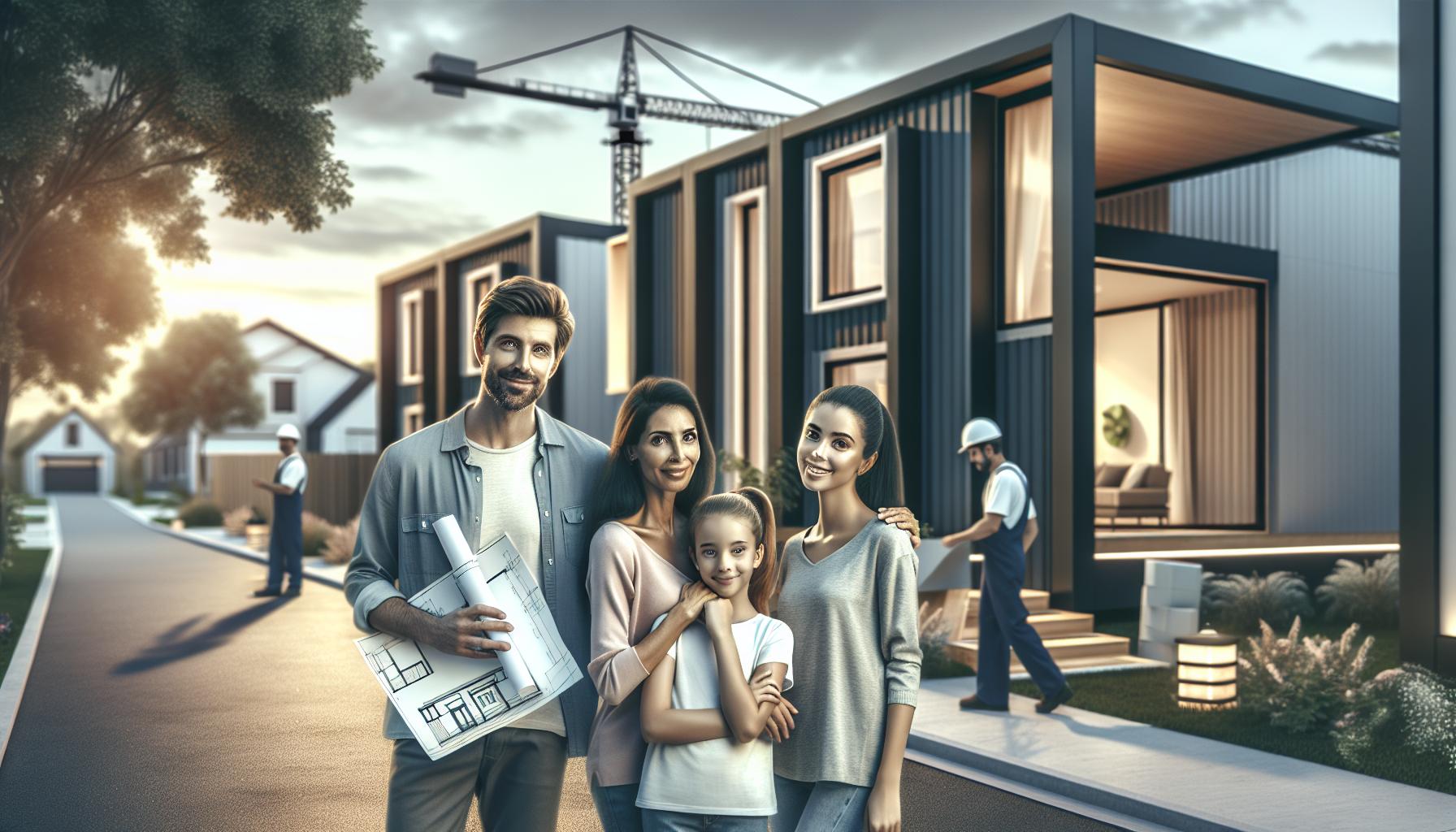
Key Features of High-Quality Modular Homes
High-quality modular homes are increasingly recognized for their innovative designs and exceptional value, making them a desirable choice for many buyers today. One of the most notable features that define a high-caliber modular home is the construction quality. Modular homes are built in controlled environments, which minimizes exposure to the elements and ensures consistent building standards. This factory-controlled setting often results in superior craftsmanship, robust framing, and enhanced structural integrity, setting them apart from traditional on-site builds.
Another compelling aspect of premium modular homes is their energy efficiency. Many high-quality manufacturers equip their homes with advanced insulation materials and energy-efficient appliances that comply with modern regulations. This not only helps reduce the carbon footprint but can significantly lower utility bills over time, offering homeowners financial relief while promoting sustainable living. Buyers should look for homes that feature ENERGY STAR-rated products and effective HVAC systems to maximize energy savings.
The customization options available with modular homes also contribute to their appeal. High-quality modular manufacturers often provide a range of floor plans and design features, allowing buyers to tailor layouts, finishes, and even exterior styles to suit their personal preferences. This flexibility enables owners to create unique spaces that reflect their lifestyle and vision, something that is traditionally harder to achieve with standard site-built homes.
Finally, the safety and durability features embedded in modular homes are worth noting. Many models incorporate advanced building codes and safety standards, ensuring that they can withstand challenging weather conditions. This is crucial for homes located in areas susceptible to storms or extreme climates. Additional features such as storm tie-downs and reinforced foundations can further enhance durability, providing peace of mind to homeowners.
When considering a modular home, prospective buyers should prioritize these key features-construction quality, energy efficiency, customization options, and safety. By doing so, they can ensure that their investment in a modular home will not only meet their current needs but also stand the test of time.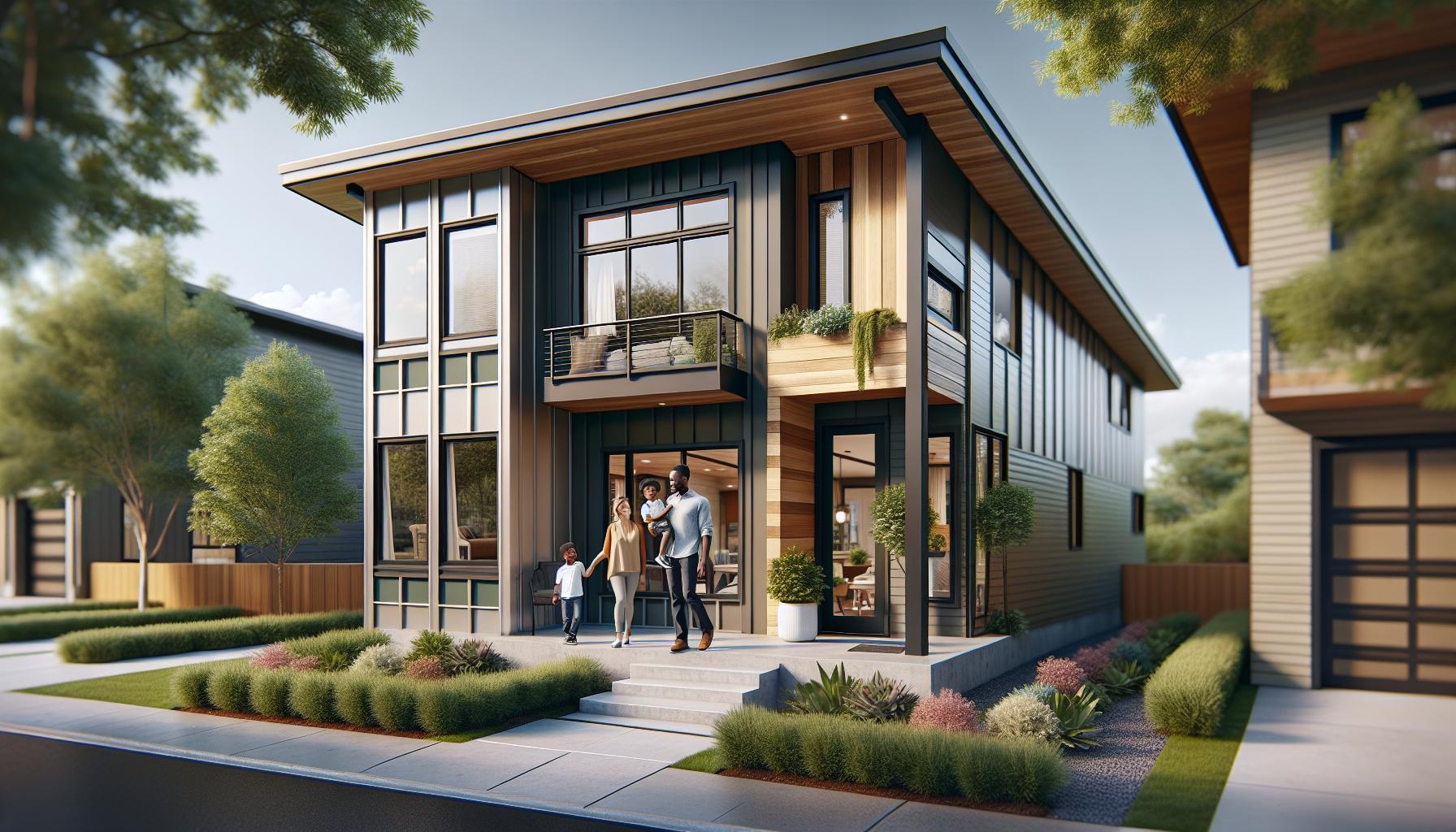
How to Evaluate Modular Home Manufacturers
When searching for the right modular home manufacturer, ensuring a solid evaluation process is crucial. This decision impacts not just the quality of your new home but also your overall satisfaction throughout the buying and living experience. Start by considering the manufacturer’s reputation in the industry. Research customer reviews, industry certifications, and affiliations with organizations like the Modular Home Builders Association (MHBA). Reviews can offer insights into the customer experience, while certifications can signal adherence to manufacturing standards and building codes.
Another essential aspect to evaluate is the range of customization options provided by the manufacturer. Many high-quality modular home builders offer a variety of floor plans and design features, allowing you to tailor your home to your personal preferences. Inquire about the level of flexibility in design choices, such as finishes, layouts, and energy-efficient upgrades. A responsive and accommodating builder indicates a commitment to customer satisfaction.
Quality assurance processes should also be a focal point in your assessment. A reputable manufacturer usually implements stringent quality control measures in their facilities. Ask about their building process, materials used, and the qualifications of their construction teams. Understanding how homes are constructed in a controlled environment, along with the types of inspections performed, can give you confidence in the durability and safety of your home.
Lastly, evaluate the post-sale support and warranty offerings. Ensure that the manufacturer provides a comprehensive warranty and responsive customer service. A strong warranty can protect your investment and provide peace of mind regarding potential issues down the line. Look for feedback from previous customers about their experiences with warranty claims and after-sales support to gauge the reliability of the manufacturer.
By taking these steps to thoroughly assess modular home manufacturers, you can make a more informed choice that aligns with your vision and needs, ultimately leading to a satisfying modular home experience.
The Top 10 Trusted Modular Home Manufacturers
Selecting a modular home manufacturer can significantly impact your housing experience, especially considering the variety of options available to prospective buyers. Among the numerous companies in the market, certain manufacturers stand out for their commitment to quality, innovative design, and customer satisfaction. Here are ten trusted modular home manufacturers, each recognized for their unique offerings and reliability:
1. Clayton Homes
Clayton Homes is one of the largest and most reputable manufacturers in the modular home sector. The company provides a wide range of customizable options, allowing homeowners to tailor their designs according to personal preferences. Their commitment to sustainability and energy-efficient models also makes them a favorite among eco-conscious buyers.
2. Champion Homes
With a legacy of building quality homes since 1953, Champion Homes is known for its diverse product line, which includes single-section and multi-section homes. Their focus on affordability and attractive designs appeals to a broad demographic, making them a solid choice for first-time buyers and empty nesters alike [[1]].
3. Cavco Industries
Cavco Industries prides itself on delivering high-quality manufactured and modular homes that blend affordability with modern aesthetics. With numerous floor plans and styles, they cater to various tastes and preferences while maintaining a focus on energy efficiency.
4. Modulus
Modulus is known for its contemporary designs and smart home technology integration, making their homes a great fit for tech-savvy buyers. They offer a high level of customization, enabling clients to create spaces that reflect their lifestyles and needs.
5. Karsten Homes
Karsten Homes specializes in building durable, well-constructed modular homes that are designed to withstand harsh environments. Their dedication to customer satisfaction and quality craftsmanship, combined with competitive pricing, makes them a popular choice in many states.
6. Redman Homes
A subsidiary of Champion Homes, Redman Homes offers a wide variety of floor plans and designs that appeal to families of all sizes. Known for their quality upgrades and solid construction practices, they focus on crafting homes that provide long-term value.
7. Fleetwood Homes
Fleetwood Homes has a longstanding reputation for building quality manufactured homes at affordable prices. They offer a vast selection of floor plans that cater to various family sizes and lifestyles, making them a reliable choice when considering modular housing options.
8. Skyline Champion Corporation
Skyline Champion Corporation combines the strengths of two esteemed manufacturers, Skyline Homes and Champion Homes. Their extensive product range, innovative designs, and commitment to customer service have positioned them as a leader in the modular housing market.
9. Karsten Homes
Karsten Homes is renowned for their innovative designs and high-energy efficiency standards. They offer a blend of customizable options across modern and traditional home styles, which appeals to a wide range of buyers.
10. Palm Harbor Homes
Palm Harbor Homes emphasizes beautiful design coupled with functionality. They offer many customizable options and focus on high-quality construction that ensures durability and energy efficiency. Their customer-centric approach has led them to be one of the most trusted brands in the industry.
- Industry Leadership: Each manufacturer has established itself as a leader in the modular housing industry, ensuring that you invest in a home made with quality materials and modern building techniques.
- Customization Options: Most of these manufacturers offer extensive customization options, allowing you to tailor your home design to meet your personal needs and preferences.
- Sustainability Focus: Many of these companies have embraced energy-efficient technology and sustainable building practices, making them suitable choices for environmentally-conscious buyers.
- Customer Support: Trusted manufacturers provide reliable customer support and warranties, ensuring peace of mind long after the purchase of your home.
By choosing any of these established manufacturers, you can feel confident in your decision, knowing you are investing in a high-quality, dependable modular home that meets your lifestyle and budget needs.
Comparative Analysis of Modular Home Brands
When considering the best modular home manufacturers, it is essential to recognize that not all brands approach construction and design with the same philosophy. This comparative analysis will delve into key features, strengths, and customer preferences across various companies, helping potential buyers understand which brand might best satisfy their needs.
Customization and Design
Each leading modular home brand offers a broad spectrum of design options, but they vary significantly in how flexible these options are. For example, Clayton Homes is renowned for its extensive customization capabilities, allowing buyers to personalize everything from floor plans to finishing details. In contrast, Modulus stands out for integrating technology into its designs, meaning all customization is modernized with smart-home features.
Quality and Durability
Quality is a paramount consideration when choosing a modular home. Karsten Homes has built a reputation for producing durable homes designed to withstand harsh environmental conditions. Their commitment to longevity is matched by Cavco Industries, which emphasizes both affordability and aesthetic appeal, ensuring homes are not only visually pleasing but also robust against wear and tear.
Affordability
Affordability is often a critical factor for many buyers. Champion Homes tends to strike a balance between cost and quality, providing attractive, budget-friendly options that do not compromise on construction integrity. Additionally, Fleetwood Homes has made a name for itself by offering a variety of affordable models without sacrificing essential quality features.
Energy Efficiency
In today’s climate, energy efficiency is crucial for many prospective homeowners. Several manufacturers, including Palm Harbor Homes and Skyline Champion Corporation, have integrated sustainable building practices and energy-efficient technologies, attracting environmentally conscious buyers. Their homes often come with features like improved insulation and energy-efficient appliances, which help reduce utility costs over time.
Ultimately, when comparing modular home brands, it is essential to assess how each company aligns with your specific needs-be it affordability, durability, technology, or customization. Engaging with homeowner testimonials and visiting model homes can provide additional insights, enabling you to make an informed decision. Each manufacturer brings unique strengths to the market, catering to a diverse range of preferences and priorities that define the modular home experience.
Understanding Warranty and Customer Support for Modular Homes
When investing in a modular home, understanding the warranty and customer support options available can significantly impact your overall satisfaction and long-term peace of mind. Many trusted manufacturers offer robust warranties that cover different aspects of the home, from the structural integrity to specific components like appliances and plumbing. A comprehensive warranty typically ranges from one to ten years, depending on whether you’re looking at the home’s structure or individual systems. It’s essential to read the fine print of the warranty to understand what is covered, the duration of coverage, and the claims process.
In addition to warranties, customer support plays a vital role in the experience of owning a modular home. Leading manufacturers often provide dedicated customer service teams that can assist you with anything from setting up utilities to addressing maintenance issues. For example, companies like Cavco Industries and Palm Harbor Homes are noted for their responsive customer support lines, ensuring that homeowners can quickly access help when needed. Additionally, some manufacturers establish customer education programs, equipping new homeowners with information on maintenance routines and tips for preserving the integrity of their homes over time.
Moreover, testimonials from previous buyers can provide valuable insights into the reliability of both the warranty and customer service. Engaging with community forums or local home shows can also connect you with individuals who have firsthand experience with the brand you are considering. Such interactions can help clarify any uncertainties you may have, giving you confidence in your investment.
Ultimately, ensuring you select a manufacturer with a solid warranty and responsive customer support is crucial for safeguarding your investment in a modular home. Being proactive in understanding these elements can enhance your ownership experience, allowing you to enjoy your new space without undue worry.
Financing Options for Modular Home Buyers
Securing financing for a modular home can be a streamlined process if you know your options and requirements. Unlike traditional homes, modular homes often come with various financing avenues that provide flexibility to buyers. An increasingly popular choice is obtaining a conventional mortgage for modular home purchases, as lenders typically regard them similarly to site-built homes. This means that the same criteria apply, including credit scores and down payment expectations.
When pursuing a mortgage, you can decide between different types, such as fixed-rate, adjustable-rate, or government-backed loans like FHA and VA loans. For instance, an FHA loan, which is designed for lower-income buyers, offers down payment options as low as 3.5%. This can greatly ease the initial financial burden for many first-time buyers looking at modular homes. Additionally, interest rates for these loans are often competitive, providing another layer of affordability.
Specialized Financing Programs
Moreover, there are tailored financing programs specifically for manufactured and modular homes. Some lenders offer chattel loans, which are secured by the home itself rather than the land. This type of loan is particularly advantageous for buyers who plan to place their home in a rented lot in a manufactured home community. However, it’s essential to note that chattel loans may come with higher interest rates and shorter terms than traditional mortgages.
If you’re considering building a modular home, you might also explore construction loans. These loans cover the cost of the home’s construction and can subsequently transition to a permanent mortgage once the home is completed. It’s advisable to work with a lender who has experience in modular home financing to streamline this process and understand specific criteria such as the home’s appraisal value, which can differ from that of traditional homes.
In conclusion, the financing landscape for modular home buyers is robust and offers various options tailored to different financial situations. Whether you opt for a traditional mortgage, specialized lending programs, or construction loans, taking the time to research and compare your options can lead to a more favorable financial outcome and ultimately facilitate your dream of homeownership.
Exploring Customization and Design Options in Modular Homes
Choosing a modular home offers a unique opportunity for customization that many prospective homeowners may not fully realize. Modern modular homes can be tailored extensively to suit individual tastes, lifestyles, and budgets. Unlike traditional site-built homes, where changes can be complicated and costly after construction begins, modular homes allow for a greater degree of flexibility during the design phase. By working closely with trusted manufacturers, buyers can personalize essential features such as layout, finishes, and energy-efficient options right from the start.
Incorporating personalized elements begins with the layout. Many manufacturers offer multiple floor plans that can be modified to fit the specific needs of a family. Buyers can create open-concept spaces, additional bedrooms, or extra bathrooms based on their lifestyle requirements. The ability to work with industry experts means that you can also select from various options for materials, like siding, roofing, and flooring, ensuring that your home reflects your style preferences. Whether you prefer a modern aesthetic with sleek lines or a cozy, rustic vibe, manufacturers provide choices to create your ideal living environment.
For those passionate about sustainability, many top modular home builders integrate green building practices into their customization options. This includes the use of sustainable materials, energy-efficient appliances, and advanced insulation techniques to reduce both environmental impact and utility costs. Customization can also extend to smart home technology, allowing buyers to include features such as programmable thermostats and energy monitoring systems. Incorporating these elements not only enhances comfort but also contributes to long-term savings and sustainable living.
In summary, the customization and design options available with modular homes enable buyers to create spaces that truly feel like home. By selecting trusted manufacturers, homeowners can ensure their visions come to life with quality craftsmanship and personalized attention. This unique approach to home building empowers individuals and families to embrace the benefits of modular living without sacrificing their desires for comfort and style.
Essential Factors in Modular Home Construction and Quality
When considering a modular home, understanding the key factors that contribute to its construction and quality is essential. Unlike traditionally built homes, modular homes are constructed in a factory setting, which can significantly enhance the building process’s efficiency and quality control. This means that every module undergoes a rigorous inspection process to ensure it meets all safety, durability, and efficiency standards before it leaves the factory.
Materials and Construction Techniques
Quality materials are paramount in ensuring the longevity of a modular home. Manufacturers typically use high-grade materials that surpass standard building codes, leading to homes that are not only safe but also energy efficient. Examples of superior materials include:
- Advanced insulation: This ensures minimal heat loss and can lead to reduced energy bills.
- Steel framing: Provides added strength and durability compared to traditional wood framing.
- Energy-efficient windows and doors: These features significantly contribute to temperature control within the home.
Customization and Flexibility
Modular homes offer unmatched customization options, allowing homeowners to decide on everything from the floor plan to specific design details. As you collaborate with a reputable manufacturer, you can tailor your home to meet your family’s unique needs and preferences. This flexibility is a hallmark of high-quality modular home construction, where the commitment to meeting buyers’ needs is reflected in the design process.
Regulatory Compliance and Warranty
The construction of modular homes adheres to strict regulatory codes that ensure structural integrity and safety. Additionally, most trusted manufacturers provide robust warranties that cover various aspects of the home. Understanding the warranty terms is crucial, as it reflects the manufacturer’s confidence in their product’s quality.
Navigating these essential elements-materials, customization, and compliance-will equip you with the knowledge needed to make informed decisions when investing in a modular home. As the popularity of modular living grows, focusing on these factors will guide potential homeowners toward establishing a solid foundation for a lasting and comfortable living space.
Maintenance Tips for Long-lasting Modular Homes
Regular maintenance is vital to ensure the longevity and durability of modular homes, making them an excellent investment for homeowners. Unlike traditional homes, modular constructions require specific care strategies tailored to their unique characteristics. By following a proactive maintenance routine, you can protect your investment and enhance your living experience in a modular home.
Routine Inspections
Conducting regular inspections is crucial for identifying potential issues before they become significant problems. These checks should include inspecting the roof for any signs of wear or damage, ensuring that gutters and downspouts are clear of debris, and examining the exterior for cracks or damage to the siding. Pay special attention to areas where different materials meet, as these are often the most vulnerable points.
Ground Maintenance
Keeping the area around your modular home well-maintained can prevent moisture accumulation and potential damage. Regularly trim trees and bushes to ensure they don’t touch the home, and consider establishing a proper drainage system to direct water away from the foundation. In addition, maintaining a solid foundation is critical. If your modular home is on piers, periodically check them for any signs of shifting or settling and adjust as necessary.
Interior Upkeep
Inside your home, regular cleaning and humidity control can significantly enhance its lifespan. Make sure to wipe walls, surfaces, and fixtures with a gentle detergent annually to avoid discoloration and maintain hygiene. Investing in a good quality dehumidifier can help control humidity levels, reducing the risks of damage caused by moisture. Additionally, inspect your appliances and HVAC systems regularly. Replace filters as needed and schedule professional maintenance to ensure they are operating efficiently.
Documentation and Warranty Awareness
Lastly, keeping detailed records of all maintenance and repairs can be invaluable. Documenting service dates and any issues encountered will help you stay organized and ensure you don’t overlook important needs. Familiarize yourself with your warranty’s terms to understand what is covered, and stay in touch with your manufacturer for any warranty-related maintenance requests.
By adhering to these maintenance tips, homeowners can enjoy their modular home for many years to come, ensuring that it’s not just a home but a cherished space for family and memories.
Navigating Legal Requirements and Regulations for Modular Homes
Understanding the legal landscape surrounding modular homes is essential for prospective buyers and current homeowners alike. Unlike traditional houses, modular homes are subject to a unique set of regulations that can vary significantly from one location to another. This means it’s crucial to research and comprehend the specific legal requirements that apply to your area, which can include building codes, zoning ordinances, and safety standards. Modular homes must comply with the same local, state, and federal regulations that govern traditional homes, ensuring that they are safe and livable.
Building Codes
Before purchasing a modular home, familiarize yourself with the building codes mandated by your local jurisdiction. These codes dictate everything from the structural integrity of the home to safety measures, plumbing, and electrical systems. In many cases, a modular home must be inspected by local authorities upon delivery to ensure compliance. Ensure that the manufacturer you choose adheres to these codes and provides documentation that all necessary inspections have been completed.
Zoning Regulations
Each municipality has its zoning regulations, determining where modular homes can be placed and what types of properties they can occupy. Some areas may have restrictions on the size, appearance, or even the type of home that can be located within specific zones. Understanding zoning laws will help you identify suitable land for your modular home and ensure that your investment is protected from future legal troubles.
Permitting Process
The permitting process can also vary widely depending on local regulations. Generally, you will need a building permit before placing your modular home on a site. This usually involves submitting plans for the home and the land where it will be situated. Always check with your local building department for the necessary documentation and fees associated with the permitting process.
Insurance Considerations
After navigating the legal requirements and securing your module home, don’t overlook the importance of proper insurance. Modular homes typically require specific coverage, including liability, property, and hazard insurance, similar to traditional homes. Talk to your insurance provider about the unique aspects of modular constructions, especially if your home is located in an area prone to natural disasters such as floods or hurricanes.
By proactively understanding these legal requirements and navigating the regulatory landscape, you’ll be better positioned to enjoy the benefits of modular living while safeguarding your investment. Knowledge is power, and being informed about your legal obligations will not only contribute to a smooth buying experience but also enhance your long-term enjoyment and security in your modular home.
Success Stories: Happy Modular Home Owners and Their Journeys
The journey of owning a modular home can be both transformative and fulfilling, as countless homeowners have discovered. These structures are designed to meet the diverse needs of families while offering modern aesthetics, energy efficiency, and quick construction times. Testimonials from satisfied modular homeowners often highlight not just the practical benefits, but the emotional connections they’ve developed with their unique living spaces.
Many families have shared how modular homes have provided them with the opportunity to live in areas they love without breaking the bank. For instance, the Johnsons, who relocated to a scenic lakeside community, were drawn to modular living due to the affordability and customization options. They report that their spacious, open-concept layout perfectly accommodates their active lifestyle, allowing them to entertain friends while enjoying stunning views of the lake. The joy they feel in their home reflects the success of choosing a quality modular product that suits their family needs.
Similarly, the Smiths transitioned from renting to owning a modular home, seeking stability and personal investment. They discovered a reputable manufacturer from the top trusted brands in the industry, which enabled them to select a design that not only met their financial goals but also aligned with their vision of a dream home. The couple emphasizes how the design and construction process gave them control over various elements, from floor plans to energy-efficient features, fostering a sense of ownership and pride. Their home has become a testament to their hard work and commitment to creating a nurturing environment for their children.
Moreover, stories like those of the Millers highlight the community aspect of modular living. Living in a modular home park has allowed them to form bonds with neighbors and participate in community events, enriching their lives beyond just the physical space. They appreciate that their modular home is both a part of their personal journey and a contribution to the community, promoting sustainable living and affordability.
In light of these narratives, it’s clear that modular homes not only fulfill practical housing needs but also embody dreams and aspirations. For prospective buyers, these success stories serve as encouragement to consider the promising possibilities of modular living. Building a relationship with top manufacturers can ensure that your modular home journey is guided by lasting quality, satisfaction, and a vibrant community to call home.
Frequently asked questions
Q: What factors should I consider when choosing a modular home manufacturer?
A: When selecting a modular home manufacturer, consider their reputation, experience, customization options, warranties offered, and customer support. Look for reviews and ratings from previous customers to assess their reliability and quality of construction.
Q: How long does it typically take to build a modular home?
A: The construction of a modular home usually takes between 10 to 16 weeks, depending on design complexity and customization. After the modules are built, site preparation and assembly can add additional time to the overall timeline.
Q: What are the top modular home builders known for innovation?
A: Leading modular home builders known for innovation include Modular Home Direct and Canbury Homes. They focus on sustainable materials, modern designs, and advanced technology in manufacturing to enhance efficiency and customer satisfaction.
Q: Are modular homes more affordable than traditional homes?
A: Yes, modular homes often cost less than traditional homes due to faster construction times and reduced labor costs. Additionally, the potential for energy efficiency can lead to long-term savings on utilities, making them a cost-effective option.
Q: How do I find reputable modular home manufacturers near me?
A: To find reputable modular home manufacturers nearby, check online directories, read customer reviews, and ask for recommendations from local real estate agents or homebuilders. Visiting completed projects can also provide insights into quality.
Q: What types of finance options are available for modular homes?
A: Financing options for modular homes include traditional mortgages, FHA loans, and personal loans. Some manufacturers also offer in-house financing programs. It’s advisable to compare different loan options to find the most suitable rates and terms.
Q: How does the warranty for modular homes compare to traditional homes?
A: Warranties for modular homes often mirror traditional homes but may include additional coverage on specific components like HVAC systems and structural integrity. Always review the warranty details from each manufacturer to understand coverage scope and duration.
Q: Can I customize my modular home design?
A: Yes, most modular home manufacturers allow significant customization of home designs, including layout, features, and finishes. Discuss your preferences with the manufacturer to explore available options and their implications on cost and construction time.
The Conclusion
As you embark on your journey to find the perfect modular home, remember that each of the top manufacturers highlighted offers unique strengths that cater to different needs and preferences. Don’t miss out on the opportunity to explore options that align with your lifestyle-take action today! For more insights on effective modular home marketing strategies, check out our guide on creative marketing techniques, or dive into SEO strategies designed specifically for modular homes on Ranktracker.
If you’re concerned about financing or want to understand legal requirements better, our resources cover essential topics you won’t want to overlook. Join our community by signing up for our newsletter for exclusive content, tips, and more! Your dream modular home awaits-let’s help you secure it with confidence! Share your thoughts in the comments below, and don’t hesitate to explore more content that resonates with your modular home journey.