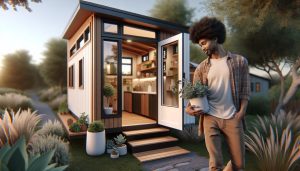
In recent years, tiny homes have surged in popularity, attracting those looking to simplify their lives and reduce costs. But how much does a tiny home trailer really cost? Understanding the budget for a tiny home is crucial, as prices can range widely from $20,000 to upwards of $250,000, depending on materials, size, and features. This article will guide you through the essential factors influencing these costs and offer practical tips for effective budget planning. Whether you’re a first-time buyer or considering a downsizing strategy, knowing how to navigate these expenses will empower you to make informed decisions and achieve your dream of tiny living. Ready to dive in? Let’s explore the financial aspects of tiny home ownership together!
Understanding Tiny Home Trailer Costs
Investing in a tiny home trailer can be an exciting venture, offering a compact lifestyle with lower costs than traditional housing. Understanding the costs associated with tiny home trailers is crucial for anyone considering this unique living arrangement. On average, the cost of a tiny home trailer typically ranges from $3,000 to $10,000, depending on various factors including size, materials, and any customizations. However, this price can escalate significantly if you opt for luxury models or specific features like high-end insulation or specialized cabinetry.
Factors Influencing Tiny Home Trailer Costs
When budgeting for a tiny home trailer, several essential factors come into play:
- Design and Size: Larger trailers or those with intricate designs naturally cost more. Simple, functional layouts can help keep costs down.
- Materials: The choice of materials directly impacts cost. High-quality, durable materials will increase the initial investment but may save money on maintenance in the long run.
- Customization: Custom-built trailers tailored to individual preferences can significantly drive up expenses. Consider which features are essential and which can be added later.
- Provider or Manufacturer: Costs can vary greatly depending on whether you buy from a manufacturer, a local builder, or construct it yourself.
Purchasing a used tiny home trailer can also provide substantial savings, with prices for used models often falling between $2,000 and $5,000. However, buyers should carefully assess the condition to avoid unexpected repair costs, which can diminish those savings.
Choosing the right trailer is just the first step; ongoing expenses like insurance, maintenance, and utility setups will factor into your overall budget as well, making thorough financial planning essential. With the right strategy and understanding of these costs, you can embark on your tiny home journey with confidence.
Essential Factors That Affect Pricing
Investing in a tiny home trailer opens the door to a unique lifestyle, but understanding the various factors influencing pricing is key to making an informed decision. The initial cost of a tiny home trailer isn’t just about the base price; it encompasses multiple dimensions, including design, materials, and customization choices. Each of these elements can vary widely and impact your overall expenses significantly.
Design and Size
The architectural design and dimensions of the trailer are primary components that directly influence pricing. Larger trailers or those featuring intricate designs not only use more materials but may also require specialized construction techniques, which inevitably raises costs. Conversely, a simple, functional layout can help keep your initial investment more manageable, allowing you to allocate budget towards other essential aspects of tiny home living.
Materials
The choice of materials plays a pivotal role in establishing the trailer’s cost-effectiveness. High-quality, durable building materials may require a larger initial outlay but can pay dividends by reducing long-term maintenance and repair costs. For example, opting for robust insulation might seem expensive initially, yet it can lead to significant savings on energy bills and more comfortable living conditions.
Customization
Customization is another factor that can significantly affect pricing. While it’s tempting to create a uniquely tailored space, custom-built trailers can drive expenses up quickly. Prioritize which features are essential for your lifestyle and consider postponing non-critical upgrades for later. This approach can alleviate immediate financial pressure and allow for a phased investment in your tiny home.
Provider or Manufacturer
Where and how you acquire your tiny home trailer can also influence the final cost. Purchasing directly from manufacturers may offer competitive pricing, while local builders may provide more personalized services, potentially leading to higher expenses. Building the trailer yourself can minimize costs, but it requires a specific skill set and time commitment. Ultimately, selecting the right provider should align with your budget and comfort level with DIY projects.
By thoroughly evaluating these factors, you can better plan your budget and make choices that contribute to both the immediate affordability and long-term viability of your tiny home investment. Being proactive in your planning means you’ll not only enjoy the benefits of a compact lifestyle but also avoid unexpected financial stressors in the future.
Budgeting for Your Tiny Home Trailer
Budgeting for a tiny home trailer requires more than just tallies of the base costs. To successfully navigate this investment, it’s essential to consider a variety of expenses that can significantly alter your total budget. Depending on your preferences and needs, a well-planned budget incorporates both the initial costs and ongoing expenses, ensuring that your tiny home experience is enjoyable and financially sustainable.
The initial outlay for a tiny home trailer can range dramatically, typically starting between $15,000 and $35,000 depending on factors such as size, materials, and customization options. For those looking to save costs, consider opting for essential features at the outset and reserving luxurious add-ons for a potential future upgrade. This phased approach can offer flexibility in budget allocation, allowing you to prioritize what’s necessary for comfortable living.
Another critical aspect is understanding the hidden costs associated with tiny home ownership. While the trailer itself may have a fixed price, consider additional expenses such as taxes, registration fees, insurance, and any applicable permits or zoning compliance costs. These can vary by location, so it’s wise to research the specific financial obligations connected to your chosen area. Additionally, factoring in utility setup and maintenance, such as plumbing and electrical systems, will ensure that surprises do not derail your tiny home journey.
It’s also vital to compare new versus used tiny home trailers. Used trailers might offer significant savings and can often be found in good condition, but they may also come with undisclosed issues that could lead to further maintenance costs. Establishing a budget that accommodates potential renovations or repairs is therefore prudent. By keeping these budget considerations top of mind, you can create a realistic financial plan that supports your lifestyle aspirations while safeguarding against unexpected future expenses.
Hidden Costs of Tiny Home Ownership
Owning a tiny home may sound liberating and cost-effective, but it’s crucial to recognize the hidden costs that can accumulate along the way. While the initial price of a tiny home trailer might seem manageable-ranging from $15,000 to $35,000-many new homeowners often overlook ongoing expenses that can significantly impact their budget. For example, property taxes, insurance premiums, and utility costs can add layers to the financial commitment, transforming an idealistic venture into a daunting challenge if not properly planned.
One of the main hidden costs relates to insurance. Tiny homes can be classified differently depending on their size, mobility, and foundations, which can affect your insurance premiums. It’s advisable to thoroughly research various policies, as standard homeowners’ insurance may not cover mobile or tiny homes. Instead, seek insurers specialized in tiny home insurance to ensure that the unique aspects of your lifestyle are well protected.
Another critical consideration involves utility setups. Unlike a traditional home, tiny homes often face unique challenges when it comes to connecting to local utilities. Fees for water, electricity, and sewer hookup can vary widely based on location and the chosen setup style. If your tiny home is off-grid, additional expenses for solar panels, batteries, and waste disposal systems will inevitably arise.
Moreover, maintenance costs should not be underestimated. Regular wear and tear can lead to repairs, and specialized maintenance for tiny homes may involve unexpected expenditures. Items like roofing, plumbing, and mobile home safety checks require annual inspections, each of which can add to your ongoing budget.
Finally, consider the implications of zoning regulations and permits. Some areas have specific requirements for tiny homes, which may necessitate applying for permits or even making modifications to meet local codes. These legal hurdles can impose unforeseen costs, making it essential to conduct diligent research based on your intended location.
By approaching tiny home ownership with a comprehensive understanding of these hidden factors, you can set yourself up for a fulfilling and sustainable experience that aligns with your lifestyle goals. Ultimately, vigilance in budgeting and planning can turn the challenge of hidden costs into an opportunity for thoughtful, minimal living.
Comparing New vs. Used Tiny Home Trailers
When contemplating the purchase of a tiny home trailer, the decision between acquiring a new or used model can significantly impact your budget and overall experience. New tiny home trailers often promise the latest designs, materials, and features that enhance safety and comfort. For instance, they might include modern insulation options, updated appliances, and customizable layouts tailored to your preferences. This not only ensures a fresh start with warranties but can also mitigate initial maintenance concerns.
On the other hand, used tiny home trailers present a unique opportunity for those looking to save money. Depending on the local market, prices for used trailers can be considerably lower, with many options available for less than $10,000. However, potential buyers should approach this avenue with caution, as older models may come with hidden repair needs or outdated features that require immediate upgrades, such as plumbing systems or structural support. It’s essential to conduct thorough inspections and consider the total cost of ownership when evaluating used options.
Here are some critical factors to compare when deciding between new and used tiny home trailers:
- Cost: New trailers typically range from $15,000 to $35,000, while used trailers can vary widely based on age and condition, often starting around $5,000.
- Customization: New models offer the chance to customize layouts and select features right off the production line, while used options may require compromises.
- Warranty and Support: New trailers usually come with warranties, providing peace of mind for prospective owners, while used trailers might lack such protection.
- Maintenance History: A used trailer may have a known maintenance history, which can be a positive factor, although it can also mean more immediate repairs are necessary.
Ultimately, your choice should factor in your budget, lifestyle needs, and willingness to invest in maintenance or upgrades. Whether new or used, ensuring the trailer meets your requirements and complies with local regulations is key to enjoying your tiny living experience to the fullest.
Financing Options for Tiny Home Buyers
When it comes to financing a tiny home, understanding your options can empower you to make informed and financially sound decisions. Tiny homes may be cost-effective, but they still represent a significant investment that requires careful planning. Instead of relying solely on traditional home loans, potential tiny home buyers can explore various financing avenues, each with unique benefits and considerations.
Types of Financing Available for Tiny Homes
There are several financing options specifically suited for tiny home buyers:
- Personal Loans: Often ideal for smaller financial needs, personal loans typically have flexible terms and can be used for purchasing a tiny home. Interest rates will vary based on creditworthiness.
- RV Loans: Since many tiny homes resemble recreational vehicles, they can qualify for RV loans. This type of financing is advantageous due to lower interest rates compared to personal loans, although the qualifications may depend on whether the tiny home is built on a trailer.
- Home Equity Loans: Homeowners with equity in their property can tap into that resource to fund the purchase of a tiny home. This option is especially useful for those looking to invest in additional housing.
- Builder Financing: Some tiny home builders provide financing options directly through partnerships with lenders. This could include favorable terms for your new home or even promotional financing to ease the purchase process.
- Credit Unions and Community Banks: Local financial institutions often have tailored offerings to help residents invest in unique properties like tiny homes, which can be advantageous due to lower rates and personalized service.
Considerations When Choosing Financing
Before selecting a financing option, it is essential to evaluate a few key factors. Your credit score will play an integral role in determining interest rates and loan amounts. Additionally, assessing your long-term financial stability and the total cost of ownership-including maintenance and utilities-will help guide your decision. Budgeting for the down payment is also critical; some loans may require a heftier upfront commitment than others. Being aware of these considerations can provide a clearer picture of your financial commitment and empower you to choose the most appropriate loan type.
As you explore financing options, take advantage of tools such as loan calculators to compare different scenarios. Don’t hesitate to reach out to lenders for questions regarding terms and potential pre-approval processes. By proactively understanding the financing landscape, you can confidently navigate your path to tiny home ownership.
Insurance Necessities for Tiny Homes
Navigating the insurance landscape for tiny homes can be daunting, but understanding your options is essential for protecting your investment. Tiny homes often fall into unique categories that don’t always align with traditional home insurance, so selecting the right coverage is vital to ensure that you are adequately protected from potential risks and damages.
When insuring a tiny home, you typically have several avenues to explore, including specialty tiny home policies, RV insurance, and mobile or manufactured home insurance. Each of these options has its own benefits and limitations:
- Tiny Home Insurance: Some insurers offer policies specifically designed for tiny homes, which can cover the structure, personal property, liability, and more. These policies may cater specifically to the unique aspects of tiny living.
- RV Insurance: If your tiny home is built on a trailer and is mobile, you may qualify for RV insurance. This type of coverage is beneficial as it typically includes roadside assistance and other features that cater to movable homes.
- Mobile/Manufactured Home Insurance: If your tiny house is classified as a manufactured home due to its size and construction, this type of insurance may be applicable. It often provides coverage for the home’s structure, personal property, and liability.
Understanding the distinctions between these insurance types is essential for any tiny home owner. Moreover, it’s imperative to assess the value of your belongings inside the tiny home plus any renovations or upgrades you’ve made. This assessment will guide the value of your coverage and ensure adequate protection.
Additionally, consider including liability insurance in your policy to safeguard against injuries or accidents that may occur on your property. For instance, if you host visitors and someone gets injured, liability coverage can help cover legal fees and medical expenses.
Overall, choosing the right insurance for your tiny home is not just about compliance; it’s about peace of mind. Make sure to consult with knowledgeable insurance agents who can provide tailored solutions to suit your tiny living setup. By staying informed and proactive in your insurance choices, you can enhance your tiny home living experience while safeguarding your investment against potential pitfalls.
Legal Regulations for Tiny Home Trailers
Legal considerations are crucial in the realm of tiny home ownership, especially for those planning to live in a trailer-based tiny home. As this lifestyle gains popularity, various jurisdictions are responding with differing rules and regulations that impact where and how you can park your tiny home. One of the first steps to take is to familiarize yourself with local zoning laws, which dictate where a tiny home can be legally located. Some areas may allow tiny homes only in designated tiny home communities or RV parks, while others might place restrictions on the size and setup of the structure itself.
Understanding residential codes is equally important. Many municipalities classify tiny homes on wheels as RVs or trailers, which could subject them to different building codes compared to stationary homes. Adhering to local building codes ensures not only compliance but also safety and durability. Compliance might require meeting specific construction standards, such as structural integrity and plumbing regulations, which could influence your costs significantly.
Additionally, consider the implications of permits. Before setting up your tiny home, you may need to secure permits for utilities, zoning variances, or other legal approvals. These requirements can vary widely, so it’s vital to research your local regulations thoroughly. Engaging with local housing authorities or a real estate expert familiar with tiny homes can provide clarity and ease the permit process.
Lastly, if you’re planning on traveling with your tiny home, familiarize yourself with state regulations that govern mobile homes. Each state has distinct licensing and registration requirements, which could further add to your costs. Ensuring that you comply with these legal parameters not only avoids penalties but also enhances the long-term viability of your tiny home investment. By taking these legal factors into account, you can navigate the complexities of tiny home ownership while enjoying the benefits of your compact, sustainable lifestyle.
Cost-Saving Tips for Tiny Home Living
Cutting down costs while embracing the tiny home lifestyle is both a savvy financial move and an essential part of making this lifestyle sustainable. With rising interest in tiny living, many people are discovering innovative ways to minimize expenses without sacrificing comfort or style. Strategic planning and a few smart choices can lead to significant savings in the long run.
Buy Secondhand and Reclaimed Materials
One of the best ways to save money is by utilizing reclaimed materials for your build. Scouring local salvage yards and online marketplaces can yield beautiful hardwood flooring, cabinetry, or even unique light fixtures at a fraction of the original price. Not only does this approach save money, but it also adds character and sustainability to your home. Consider investing time in DIY projects; building your furniture or fixtures can further reduce costs and create a personalized touch.
Focus on Energy Efficiency
Investing in energy-efficient appliances and fixtures can drastically cut down your utility bills. Look for ENERGY STAR-rated devices that consume less energy. Additionally, proper insulation is crucial; this could involve using spray foam insulation or seeking out eco-friendly alternatives. Well-insulated homes have reduced heating and cooling costs, enhancing overall affordability.
Plan for Off-Season Purchases
Timing your purchases can also play a pivotal role in cost-saving. Many suppliers reduce prices during the off-season, particularly in late winter or early spring before peak building seasons. Take advantage of these sales to buy essential materials like lumber, roofing, and skirting. This foresight can lead to considerable discounts, allowing you to invest the savings back into your home’s interior or additional features.
Evaluate Living Space and Layout
Maximizing the layout of your tiny home allows you to utilize your space efficiently and avoid unnecessary expenses related to additional square footage. Consider multi-functional furniture, like fold-out tables or Murphy beds, which can free up floor space and reduce clutter. Carefully designed storage solutions can also mitigate the need for larger homes, contributing to lower costs associated with land and construction materials.
By combining these methods and being proactive about budgeting, new and current tiny home dwellers can enjoy their compact living spaces while keeping expenses manageable. Embracing a tiny lifestyle doesn’t have to come with a big price tag; with creativity and resourcefulness, you can achieve the dream of tiny living without financial strain.
Maintenance Costs and Long-Term Planning
Maintaining a tiny home trailer goes beyond the initial purchase price; it’s about planning for longevity and keeping future expenses in check. Tiny homes, while often more affordable than traditional residences, require diligent maintenance to avoid unexpected costs that can catch owners off guard. Establishing a routine maintenance schedule is essential; regular inspections and upkeep can help extend the life of crucial systems like plumbing, electrical, and structural components, ultimately saving money in the long run.
One common aspect to consider is the roofing. Tiny homes typically have smaller roofs, which allows for quicker maintenance, but neglecting this area can lead to leaks and other serious damage. Checking for issues after heavy weather or seasonally can prevent costly repairs down the line. Similarly, skirting around the base of your trailer should be inspected regularly. It not only helps with insulation but also serves as a barrier against pests.
In addition to these routine checks, budgeting for unexpected repairs is crucial. Setting aside 10-15% of your monthly budget for maintenance can provide a safety net when those unplanned expenses do occur. Over time, these savings can help address bigger issues, like replacing aging appliances or performing significant structural upgrades.
Lastly, it’s worth considering the longevity of your tiny home trailer. When establishing your budget, be sure to factor in potential depreciation. While tiny homes can hold their value well if maintained properly, factors such as market demand and condition can affect resale value. Keeping the home in excellent condition, both inside and out, not only enhances livability but also contributes to a more favorable market position if you decide to sell or upgrade.
By proactively addressing , tiny home dwellers can enjoy their living spaces without the burden of unforeseen expenses, reinforcing the benefits of a minimalist lifestyle while ensuring their investment remains robust.
Resale Value of Tiny Home Trailers
Navigating the is essential for anyone considering this housing option, particularly when budgeting for both purchase and future demands. While tiny homes often attract buyers looking for affordability and a minimalist lifestyle, it’s crucial to understand how variations in condition, market demand, and location can impact resale values.
One primary factor affecting resale value is the construction quality and maintenance of the tiny home. Buyers are more likely to invest in trailers that are well-maintained and feature modern amenities. Therefore, keeping up with regular maintenance-like ensuring the roof is in good shape, plumbing is functioning, and appliances are updated-can significantly boost your home’s marketability down the line. Additionally, choosing durable materials during the initial construction phase can pay off in the long term, as these will withstand wear and tear better than cheaper alternatives.
Market demand plays a vital role as well. Tiny homes are often touted as a solution for affordable housing, yet their popularity can fluctuate based on economic conditions and regional interests. For instance, tiny homes near urban centers might fetch higher prices due to the convenience they offer. Staying updated on local real estate trends can provide insight into the best times to sell, maximizing potential gains.
Furthermore, understanding legal regulations around tiny home ownership in your area can also shape resale opportunities. Areas with positive zoning laws supporting tiny homes are likely to see better resale values compared to those with restrictive regulations. Being part of a community that welcomes tiny home living can inherently enhance your home’s appeal in the marketplace.
Lastly, cultivating a sense of community can enhance the overall value of your tiny home. Homes that are part of well-organized tiny home neighborhoods often sell for higher amounts than those isolated from such communities. Sharing resources and social interactions can lead to a more desirable living situation that potential buyers are willing to pay more for.
In summary, while tiny home trailers can depreciate more quickly than traditional houses, thoughtful ownership and market awareness can enhance their resale value. By prioritizing maintenance, understanding market demands, adhering to local regulations, and fostering community connections, tiny homeowners can optimize both their living experience and financial returns in the long run.
Maximizing Space and Functionality on a Budget
Choosing to live in a tiny home not only offers a minimalist lifestyle but also presents unique opportunities to maximize space and functionality while sticking to a budget. The key to achieving this is strategic planning and leveraging smart design choices that promote efficiency without sacrificing comfort.
One effective approach is to embrace multifunctional furniture. Items such as sofa beds, expandable dining tables, and ottomans with storage can dramatically enhance your living space. These pieces serve dual purposes and help minimize clutter while making your tiny home feel open and inviting. Additionally, consider vertical storage solutions, such as shelving units that reach the ceiling or wall-mounted hooks for everyday items. This strategy not only utilizes often-overlooked vertical space but also keeps necessary items accessible, catering to both convenience and organization.
Creating a well-thought-out layout is essential in maximizing your tiny home trailer’s functionality. When planning your space, prioritize open floor plans that integrate living, dining, and kitchen areas to foster a sense of cohesion. Using rugs to delineate different zones can help define spaces without the need for physical walls, maintaining an airy atmosphere. Furthermore, innovative storage solutions, such as under-bed drawers and built-in cabinetry, can help to keep your belongings out of sight while ensuring your daily necessities remain easily reachable.
Lastly, DIY projects can significantly reduce costs while personalizing your tiny home. Simple renovations like paint, shelving installations, or even custom-built furniture can enhance space management on a budget and reflect your personality. For those willing to invest time, repurposing materials from thrift stores or salvaged lumber can provide not only unique decor but also substantial savings.
By focusing on these strategies, you can transform your tiny home trailer into a stylish, functional space that caters to your lifestyle while being mindful of costs. Embracing efficiency in design and clever storage solutions allows you to fully enjoy the benefits of tiny living, making every square foot count.
Frequently asked questions
Q: What is the average cost of a tiny home trailer?
A: The average cost of a tiny home trailer typically ranges between $10,000 and $30,000. Factors such as size, materials, and customization can influence the final price, so it’s essential to define your preferences early in your budget planning.
Q: What factors influence the price of tiny home trailers?
A: Several factors influence the price of tiny home trailers, including the trailer size, material quality, weight capacity, and any custom features. Understanding these factors can help you create a more accurate budget that aligns with your needs.
Q: How can I budget for a tiny home trailer?
A: To budget for a tiny home trailer, start by determining your overall budget, including the cost of the trailer and additional expenses like permits, land, and utilities. Create a detailed spending plan that covers each aspect to avoid unexpected costs.
Q: Are there hidden costs associated with tiny home ownership?
A: Yes, hidden costs may include land leasing or purchasing, utilities setup, insurance, and maintenance expenses. It is crucial to identify and account for these costs in your budget to ensure financial preparedness for tiny home ownership.
Q: Should I buy a new or used tiny home trailer?
A: Deciding between a new or used tiny home trailer often hinges on your budget and specific needs. New trailers offer warranties and custom features but come at a higher cost, while used ones can be more affordable but might require renovations.
Q: How do financing options work for tiny home trailers?
A: Financing options for tiny home trailers vary, including personal loans, RV loans, and home equity lines of credit. Research different lenders and terms to find the best fit for your financial situation before purchasing.
Q: What are the legal regulations for tiny home trailers?
A: Legal regulations for tiny home trailers differ by location and may include zoning laws, building codes, and permits. Research local regulations thoroughly to ensure your tiny home complies with necessary requirements.
Q: What maintenance costs should I expect for a tiny home trailer?
A: Maintenance costs for a tiny home trailer can range from $500 to $1,500 annually. Common expenses include repairs to the roof, plumbing, and electrical systems. Budgeting for regular maintenance helps ensure your tiny home remains in great condition.
To Conclude
As you embark on your tiny home journey, understanding the costs associated with your trailer is crucial to making informed financial decisions. Whether you’re budgeting for the trailer itself or contemplating the total expense of your tiny home dream, each step you take today brings you closer to your new lifestyle. Don’t let uncertainty hold you back-take action now by exploring our resources on financing options and design ideas to further enhance your vision.
For more insights, check out our comprehensive guide on how to save money building a tiny house and use our planning tool for personalized calculations. Remember, every dollar saved is a step closer to living sustainably in a space you adore. We invite you to join the conversation-share your thoughts in the comments and connect with fellow enthusiasts who are navigating the tiny home landscape. Your dream is within reach!