Did you know that inadequate anchoring can lead to serious safety hazards for modular homes, especially in extreme weather conditions? Understanding modular home anchoring methods is crucial for ensuring stability and security, protecting your investment and your peace of mind. These anchoring techniques not only meet safety standards but also enhance the longevity of your home. Whether you’re a current homeowner or considering a modular home, mastering these foundational tips will empower you to make informed decisions as you navigate the unique challenges of modular living. Dive into this guide to discover effective anchoring solutions that guarantee a secure foundation for your home and keep you safe through the storms of life.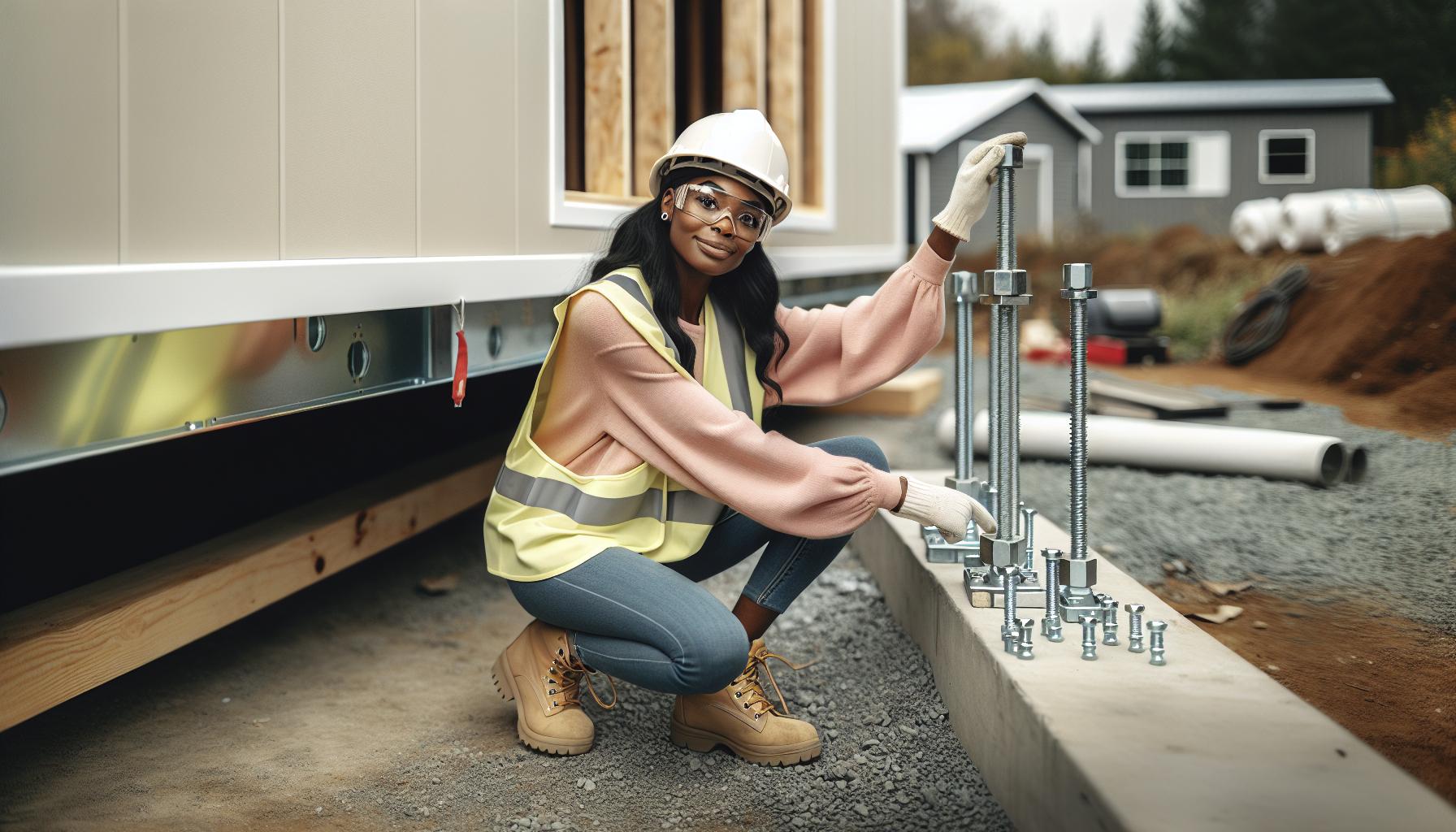
Understanding Modular Home Anchorage Importance
Understanding the significance of anchoring modular homes is crucial, particularly in areas prone to severe weather and shifting soil conditions. Proper anchorage not only secures the stability of a home but also contributes to its longevity and safety, influencing both structural integrity and property value. In regions like Alaska, where the ground may freeze and thaw, ensuring that your home is anchored correctly can prevent costly damage and provide peace of mind during harsh weather conditions.
The first step in understanding anchorage importance involves recognizing the unique demands placed on modular homes. Unlike traditional site-built homes, modular structures are transported and set up, making them inherently more susceptible to movement. Inadequate anchoring can lead to significant issues such as structural shifting, which might result in cracks, misalignment of doors and windows, and even complete displacement during extreme wind or earthquake events. Therefore, a reliable anchoring system is not just advisable; it’s essential for maintaining the home’s structural integrity.
To ensure comprehensive protection, modular homes should utilize multiple anchoring techniques. Often employed methods include using tie-downs, piers, and concrete foundations, each strategically chosen based on local soil conditions and anticipated environmental stresses. It’s important to consult with local construction codes and standards, as many municipalities have specific requirements for anchoring systems that must be adhered to, ensuring that your modular home remains resilient against natural elements while meeting legal stipulations.
Overall, the importance of anchoring modular homes cannot be overstated. It is a fundamental aspect of planning and construction that underpins the safety, durability, and value of your investment in a modular home. Whether you are a current resident or are considering this housing option, understanding and implementing effective anchorage techniques will yield lasting benefits for your property.
Key Techniques for Securing Modular Homes
To effectively secure a modular home, understanding and implementing key anchoring techniques is essential. Well-executed anchorage not only ensures the structure can withstand environmental stresses like high winds and shifting soils but also maintains the home’s value over time. Here are some of the most common and effective methods to enhance the stability of modular homes.
Utilizing Tie-Downs
One of the most vital components of securing a modular home is the use of tie-downs. These systems connect the home’s structure to the ground, preventing it from shifting and ensuring it remains anchored during severe weather. Tie-downs are typically made from strong materials like steel and can be attached at various points on the chassis of the home. For optimal effectiveness, it is important to follow local building codes regarding the number and placement of tie-downs, as these can vary based on geographic location and environmental concerns.
Implementing Pier and Beam Foundations
A pier and beam foundation can also provide a solid anchoring solution. This involves raising the home on piers, which can be either concrete or masonry. This method not only provides a sturdy base but also allows for ventilation underneath the home, reducing moisture and improving durability. In addition, using adjustable piers can facilitate easy leveling and modification as soil conditions change or settle over time.
Concrete Anchors and Straps
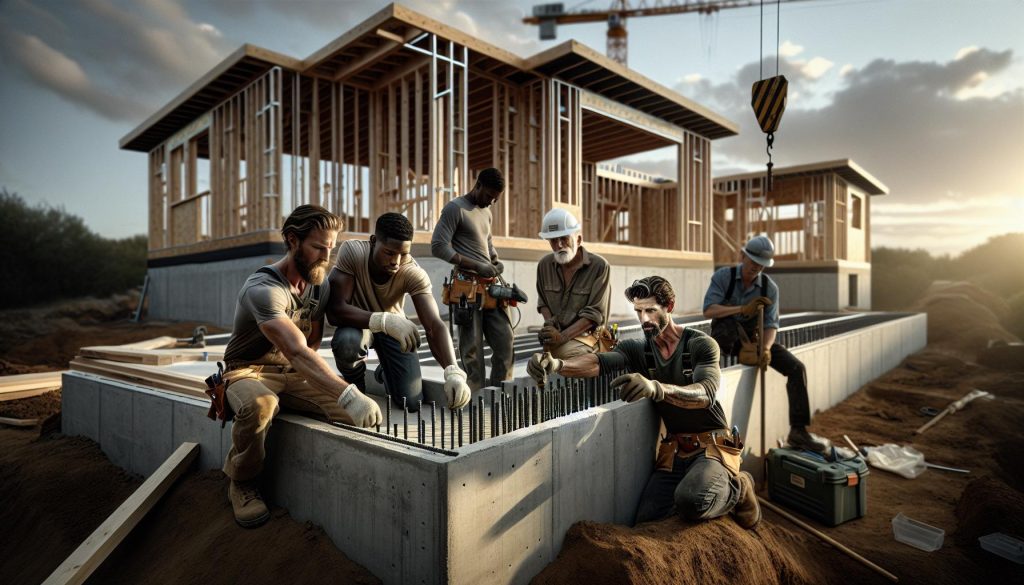
For regions prone to severe weather, employing concrete anchors and straps is highly effective. These anchors are driven into the ground and connected to the home using heavy-duty straps. The combination of the two creates a strong bond that mitigates the risk of movement. This technique is particularly beneficial in areas that experience hurricanes or high winds, as the added stability can prevent catastrophic damage.
Installation Best Practices
When installing anchorage systems, the following best practices should be observed:
- Consult with local building codes to ensure compliance with regional requirements.
- Choose the right materials based on expected weather and soil conditions.
- Conduct regular maintenance checks to oversee the integrity of the anchoring systems.
With these techniques, modular homeowners can greatly enhance the stability and resilience of their homes, ensuring they are better prepared for any environmental challenges. Through proper anchorage, modular living can be not only comfortable but also a sound investment for the future.
Common Types of Anchoring Systems Explained
Understanding the variety of anchoring systems available for modular homes is essential for ensuring their stability and safety. These systems are designed to secure the home to its foundation, helping it withstand environmental challenges like strong winds and shifting soils. Each anchoring method comes with its own advantages, tailored to specific site conditions and local regulations, ensuring that modular homes can stand the test of time.
Anchoring Systems Overview
Among the most widely used anchoring systems are tie-downs. These robust steel cables or straps connect to anchors buried in the ground, securing the home against lateral movement. They are particularly vital in regions prone to high winds, such as hurricane-prone areas, helping to prevent the home from lifting or shifting during storms. It’s crucial to ensure that tie-downs are installed correctly; they should be placed according to local building codes, which often dictate the number and positioning based on expected wind loads.
Concrete Pier and Strap Systems
Concrete piers also serve as an excellent anchoring option, especially for homes located in areas with unstable soil. This method raises the structure above ground level, typically utilizing sturdy concrete blocks or poured concrete piers. Not only does this help prevent water damage, but it also provides a reliable anchoring point for additional straps or anchors. The combination of piers and straps enhances the overall stability of the modular home, enabling it to better resist environmental stresses.
Helical Anchors
Another increasingly popular choice is the helical anchor system. These metal anchors are twisted into the ground, much like a screw, providing a strong hold that resists uplift and lateral forces. They are especially effective in areas with difficult soil conditions, where traditional concrete may not be feasible. The installation of helical anchors can often be accomplished with minimal disturbance to the surrounding environment, making them a convenient option for homeowners.
Cost Considerations and Expert Guidance
When selecting an anchoring system, it’s important to consider both the initial costs and long-term benefits. Investing in a quality anchoring system can prevent costly damage and repairs down the line. Homeowners should consult with local experts to assess site-specific conditions and ensure compliance with relevant building codes, which can vary significantly based on geographic location. Engaging professionals for installation can ensure that systems are implemented correctly, enhancing the safety and longevity of your modular home.
Utilizing these various anchoring systems will not only improve the stability of your modular home but also provide peace of mind, making mobile living a secure and viable option for many.
How to Choose the Right Foundation for Your Home
Selecting the appropriate foundation for a modular home is fundamental to its overall stability, longevity, and capacity to withstand various environmental conditions. The foundation not only supports the structure but also protects it from moisture issues, shifting soils, and other potential hazards. Choosing wisely means considering factors like soil type, climate, and local building regulations, which are crucial for ensuring a solid, lasting placement for your home.
One of the primary foundation types for modular homes is the pier foundation. This method is particularly effective in areas prone to flooding or where the soil may not be stable. Concrete piers elevate the home above the ground, promoting drainage and reducing the risk of water damage. Additionally, they create a robust anchoring point that can be combined with tie-down systems to enhance stability. For homeowners in regions with harsher weather, it’s essential to ensure that piers are designed and installed per local code requirements to withstand strong winds and other forces.
Another common choice is the slab foundation, which consists of a solid concrete pad poured directly on the ground. This type of foundation provides excellent support and minimizes the risk of pest infiltration. However, it’s essential to consider drainage-ensure that the ground is graded correctly to divert water away from the foundation. Slab foundations are advantageous as they are relatively low-maintenance and can be prepared quickly, making them a viable option for speedy home installations.
When evaluating your options, consider the soil conditions on your property. Conducting a soil test can provide insight into its stability, drainage capacity, and the need for extra precautions. If the soil is prone to shifting or expansion, a more secure foundation type, like helical anchors or a combination of piers and straps, may be necessary. Moreover, review local building codes closely, as they will provide guidelines about foundation requirements specific to your area, helping you avoid future complications.
Consulting with professionals is also recommended. Experienced builders can provide tailored recommendations based on the specific characteristics of your land and intended use of the modular home. They can also ensure that the foundation aligns with all legal requirements, thereby safeguarding your investment and fostering peace of mind in your new home environment.
Step-by-Step Guide to Proper Anchoring
Ensuring that your modular home is properly anchored is essential to its safety, structural integrity, and overall longevity. A well-executed anchoring system minimizes movement during severe weather, helps prevent damage from settling, and increases the value of your home. Here’s a comprehensive guide on how to ensure effective anchoring for your modular home.
Begin by selecting the appropriate type of anchoring system based on your home’s design and the local soil conditions. The most common anchoring methods include *strap anchors*, *ground anchors*, and *tie-downs*. Here’s a step-by-step process to assist you in anchoring your modular home:
Step 1: Gather Necessary Tools and Materials
Before starting, gather the required tools and materials:
- Anchor kits suitable for your home type
- Power tools (drill, wrench, etc.)
- Measuring tape
- Level
- Safety gear (gloves, goggles)
Step 2: Prepare the Site
Ensure the site where your modular home will be placed is level and free from debris. If necessary, use a shovel or grading equipment to create an even surface. This foundation will help ensure that the anchors work effectively.
Step 3: Position Your Home
Set your modular home in place based on local codes and manufacturer instructions. Confirm that it is level both side-to-side and front-to-back. Adjust using leveling blocks if needed.
Step 4: Install the Anchors
Refer to your anchor kit’s instructions for specific placement guidelines. Typically, anchors are installed at strategic points, ensuring they are symmetrically placed for optimal stability. For example:
- For *strap anchors*, attach straps from the home frame to the anchor driven into the ground.
- For *ground anchors*, driven into the soil, ensure they are flush to the ground and securely fastened to the home.
It’s important to follow all local building codes concerning the number and placement of anchors.
Step 5: Secure the Tie-Downs
Utilize the recommended tie-downs to seal the connection between the anchors and the home frame. This step is crucial as it provides an extra layer of stability. Tighten all nuts and bolts securely, being careful not to overtighten, which can lead to damage.
Step 6: Inspect and Maintain Regularly
After installation, regularly inspect the anchoring system for any signs of wear or loosening, especially after severe weather events. Ensure the ground around the anchors remains stable and that nothing obstructs or compromises the anchor’s position.
Proper anchoring is not just a matter of safety; it significantly contributes to the overall value and resilience of your modular home against various environmental challenges. With a solid anchoring system in place, you can enjoy your home with confidence, knowing you have invested in its longevity and stability.
Inspecting and Maintaining Your Anchorage System
is a crucial aspect of ensuring the safety and longevity of your modular home. Regular checks can help identify wear and tear, securing your investment against potential environmental challenges. After all, proper anchoring not only safeguards your home during severe weather but also contributes to its overall value and stability.
Begin by conducting visual inspections at least twice a year, ideally in the spring and fall. Look for signs of rust on metal components or deterioration in the materials used in the anchoring system. Pay particular attention to the condition of the anchors, straps, and tie-downs. If any components appear damaged, they should be replaced immediately to maintain the integrity of the anchorage.
In addition to visual checks, it’s imperative to examine the area around your anchors. Ensure that the soil is stable and free from erosion or excessive moisture, which could compromise anchor effectiveness. If you notice shifting soil or signs of settling, consider consulting a professional to assess and rectify the situation. Regular maintenance also includes tightening any loose bolts or straps, but be careful to avoid overtightening, which can damage the materials.
Documentation and Professional Help
Document each inspection and any maintenance performed. Keeping a record helps track the health of your anchorage system over time and can be useful if you need to make insurance claims or sell your home. If your inspections uncover issues beyond simple wear and tear, don’t hesitate to seek professional assistance. Licensed contractors who specialize in modular home anchoring can provide expert evaluation and ensure that your home is secure in its environment, giving you peace of mind.
Mitigating Risks: Preparing for Severe Weather
Preparing for severe weather is an essential consideration for any modular home owner, particularly in regions prone to storms, hurricanes, or heavy snowfall. Understanding the dynamics of wind, water, and soil stability can significantly influence how well your home withstands extreme conditions. The structural integrity of manufactured homes is heavily reliant on proper anchoring systems and foundational security, and proactive measures can help mitigate risks effectively.
First and foremost, it’s crucial to ensure that your anchoring system is appropriate for your geographical location. Different areas have varying code requirements and recommendations based on their vulnerability to natural disasters. Utilize storm tie-downs or additional anchors designed for high-wind conditions to reinforce your home. Regularly inspect these components and make any necessary adjustments before the onset of the storm season. This might involve tightening existing straps, checking for rust, or even upgrading to stronger materials if your home is older.
Earthquakes and flooding are also serious threats that homeowners should prepare for. In regions where earthquakes are common, seismic anchors-and possibly a more robust foundation-are vital. To manage flooding risks, consider the topography of your plot; ensure that landscaping diverts water away from your home. Implementing a proper drainage system can significantly reduce the risks associated with standing water. Additionally, reinforcing your skirting and foundation can prevent moisture from damaging the structure over time.
Lastly, it’s prudent to develop a comprehensive emergency plan. This plan should include strategies for securing your home, a checklist of necessary supplies, and communication protocols with local emergency services. By having these measures in place, you not only protect your investment but also provide a sense of safety and security for you and your family. Remember, an ounce of prevention is worth a pound of cure, especially when it comes to severe weather and your modular home.
Legal Requirements for Modular Home Foundations
Understanding the legal landscape surrounding modular home foundations is crucial for any homeowner aiming to secure their property both financially and structurally. Each state has unique regulations that govern the installation and anchoring of modular homes, reflecting local environmental conditions, zoning laws, and safety standards. Compliance with these laws not only ensures the safety and longevity of the home but also protects the owner’s investment, preventing potential legal complications down the line.
When constructing or placing a modular home, it is essential to review local ordinances and building codes specific to your area. These can dictate various parameters, such as:
- Foundation Type: Some regions require specific foundation designs, whether it’s a full basement, crawl space, or pier foundation, to withstand local environmental factors.
- Anchoring Systems: Building codes may specify types and methods for anchoring to ensure the home remains stable during extreme weather conditions, such as strong winds or seismic activities.
- Permit Requirements: Before any installation, homeowners typically need to secure the appropriate permits, which often involve inspections from local authorities to ensure compliance with safety standards.
Furthermore, contractors working on modular home setups must possess the necessary licenses and insurance to perform installation in accordance with state regulations. Homeowners should verify this before hiring professionals. Engaging with local planning departments or consulting with experienced builders can provide insights into the specific requirements for your location, ensuring everything meets regulatory standards.
Failing to comply with legal requirements can lead to fines, mandates for costly changes, or even the inability to sell your home in the future. For peace of mind and protection of your investment, understanding and adhering to the relevant laws and regulations related to modular home foundations is paramount. Consulting with legal experts in property and construction can also aid homeowners in navigating these complexities effectively.
Cost Factors in Modular Home Anchorage Solutions
When considering the anchoring systems for modular homes, understanding the cost factors involved can significantly influence the decision-making process and long-term investment. The expense associated with anchoring your home is influenced by multiple variables, including local regulations, type of anchoring system chosen, and installation complexity.
One of the most significant factors affecting costs is the type of anchoring system required for your specific location. Different areas may necessitate various anchoring methods, such as auger anchors, strap systems, or concrete block systems, each with differing material costs and installation requirements. For example, auger anchors, which need to be screwed into the ground, may require specialized equipment that could increase labor costs. On the other hand, simpler strap systems could be less expensive, but they may not provide adequate support in areas prone to severe weather.
Additionally, the installation method plays a crucial role in overall expenses. Hiring professionals with experience in modular home anchoring can ensure that the job is done correctly but at a premium cost. DIY installation might seem like a way to cut costs, but it entails a risk of improper setup, which could lead to expensive repairs down the line. Therefore, it’s advisable to weigh potential savings against the value of expert knowledge and the assurance of compliance with local codes.
Lastly, maintenance and inspection costs should also be factored into the budget. Regular inspections can prevent costly repairs associated with wear and tear or damage from environmental factors. Investing in robust anchoring solutions not only stabilizes your home but could also enhance its resale value, making it a wise choice for long-term homeowners and investors alike. In considering these factors, it becomes clear that upfront costs of anchoring systems are but a part of a broader financial picture that includes the safety, legal compliance, and value preservation of your modular home.
Expert Tips for DIY Anchorage Setup
When embarking on a DIY anchorage setup for your modular home, understanding the key elements can make a significant difference in ensuring stability and safety. One important aspect to prioritize is following local building codes and regulations; they often dictate specific anchoring methods and materials needed in your area. For example, areas prone to high winds may require a more robust anchoring system compared to locations with mild weather. Always check with your local zoning office to ensure compliance, as this will save you potential headaches, legal issues, and additional costs down the line.
Preparation is critical before installation begins. Start by assessing the soil composition where you plan to anchor your home. Utilize a soil testing kit to ascertain soil type-from sandy to clay-and adjust your anchoring method accordingly. For instance, some anchors may be more effective in certain soils, like auger anchors in softer ground or concrete blocks in rocky terrain. This foundational research will help you select the proper anchoring system for your unique conditions.
Next, consider investing in high-quality tools and materials specific to the type of anchoring system chosen-whether it be straps, concrete blocks, or auger screws. The use of durable materials will ensure longevity and better resistance against shifting caused by environmental factors. If opting for a strap system, ensure that the straps are made of weather-resistant materials to prevent deterioration. Additionally, always be sure to double-check your measurements and alignment during installation. Poorly aligned anchors can lead to uneven weight distribution, compromising the stability of your home.
Lastly, it’s essential to conduct regular inspections of your anchorage system. Over time, conditions such as soil erosion, rusting of materials, or wear and tear can affect anchorage effectiveness. A regular check-up, ideally every six months, will help you identify potential issues before they escalate, ensuring your home remains grounded and secure. If you experience uncertainties during the DIY process, don’t hesitate to seek advice from professionals or online resources. Engaging with a community of experienced modular homeowners can provide you with valuable insights, allowing you to feel confident in your setup.
How to Hire Professionals for Anchoring Projects
Finding the right professionals to handle anchoring projects for your modular home is pivotal to ensure safety and compliance with local regulations. The stakes are high: poor anchoring can lead to structural damage or even catastrophic failures during severe weather. Start by researching local contractors experienced specifically in modular home setups. Recommendations from your community can be invaluable; ask friends, family, or local real estate professionals about reputable companies they trust. Online reviews and ratings can also offer insight, but ensure to visit their websites and verify their credentials, including licenses and insurance coverage.
Once you’ve shortlisted potential candidates, invite them to assess your property. This initial consultation not only helps you gauge their expertise but also provides an opportunity to discuss your specific needs and concerns. Be prepared to ask questions about their experience with similar projects, the types of anchoring systems they recommend, and their process for ensuring state and local compliance. A knowledgeable contractor should be able to explain various anchoring methods, such as strap systems, concrete blocks, or auger screws, and suggest which might be best suited to your needs based on factors like soil composition and climate conditions.
After you’ve gathered estimates and timelines, take time to compare them carefully. Keep in mind that the lowest bid may not always represent the best value. Look for contractors who are clear about their process and are willing to outline the materials and labor involved in your project. Transparent pricing and detailed contracts will prevent misunderstandings later on. It’s also wise to verify their past work by asking for references from previous clients. Engaging with past customers can provide insights into their work ethic, reliability, and the quality of their final product.
Finally, solidify your partnership with a formal agreement that outlines all terms including timelines, costs, and specific tasks they’ll be responsible for. This document will protect both parties and clarify expectations. Remember, investing time and effort into hiring the right professionals will yield dividends in the form of a secure, well-anchored home that stands strong against the elements for years to come.
The Benefits of Proper Anchorage for Property Value
Proper anchorage is essential in safeguarding not only the physical integrity of modular homes but also their financial viability. Homes that are correctly anchored see a marked increase in property value, as prospective buyers recognize the benefits of enhanced safety and stability. When a modular home is anchored according to local regulations and best practices, it instills confidence in buyers regarding structural soundness, making the property more appealing on the market. This investor perspective is critical-well-anchored homes often yield higher resale values and quicker sales.
In addition to attracting buyers, a strong anchoring system helps protect against fluctuating weather conditions, which can result in costly damages. Homes situated in regions prone to high winds, flooding, or seismic activity benefit significantly from being properly anchored, as these systems minimize movement during extreme weather events. This proactive measure resonates with buyers who are increasingly evaluating the resilience and durability of their potential new home. By ensuring that a home remains intact during adverse conditions, proper anchoring further solidifies its long-term equity.
Moreover, having a documented anchoring system can simplify the finance process when securing loans, as lenders view properly anchored homes as lower risks. This can translate into more favorable loan terms for potential buyers. Notably, if the modular home has clear evidence of compliance with local building codes and established anchoring practices, it can streamline the approval process and avoid unnecessary delays.
Investing in top-quality anchoring increases the overall marketability of a home, fostering a sense of pride in ownership. Homeowners can also benefit from reduced insurance premiums when providing proof of an effective anchoring system. In essence, proper anchorage does not just fulfill a basic safety requirement; it plays a pivotal role in managing property value and can yield financial benefits that extend well beyond the initial setup.
Faq
Q: What types of anchoring systems are best for modular homes?
A: The best anchoring systems for modular homes include ground anchors, strap anchors, and concrete block anchors. Each system provides different levels of stability and is suitable for varying soil conditions and weather exposures. Consult your local regulations for specific requirements based on your location.
Q: How do I know if my modular home is properly anchored?
A: To check if your modular home is properly anchored, inspect the anchoring system for visible signs of wear or damage, verify that all anchors are securely fastened, and ensure that ties and straps are tensioned correctly. Regular maintenance checks can ensure ongoing safety and stability.
Q: What are the legal requirements for anchoring modular homes?
A: Legal requirements for anchoring modular homes typically vary by state or county, including the minimum number and type of anchors required. It’s essential to familiarize yourself with local codes to ensure compliance, as this can affect insurance and resale value.
Q: How can severe weather affect modular home anchoring?
A: Severe weather can challenge the integrity of your modular home anchoring systems by increasing wind loads and soil erosion. Proper anchoring methods mitigate this risk, and regular inspections before storm seasons help ensure that your home remains securely anchored.
Q: What are the cost factors of anchoring systems for modular homes?
A: Cost factors for anchoring systems for modular homes include the type of anchor chosen, installation labor, site preparation, and any necessary equipment. Budgeting for these aspects will ensure proper anchoring and avoid potential expenses from future damage.
Q: Can I DIY my modular home anchoring system?
A: Yes, you can DIY your modular home anchoring system if you have the right tools and knowledge. Following manufacturer guidelines and local building codes is crucial. For complex installations, consider consulting a professional to ensure compliance and stability.
Q: Why is proper anchoring critical for modular homes?
A: Proper anchoring is critical for modular homes to prevent shifting, uplift, and structural damage from wind or seismic events. It enhances stability and longevity, safeguarding your investment and maintaining safety for occupants.
Q: How often should I inspect my modular home anchoring system?
A: You should inspect your modular home anchoring system at least once a year, and after severe weather events. Regular inspections allow you to address wear and tear before it becomes a significant issue, ensuring ongoing safety and stability.
In Summary
Understanding the various modular home anchoring methods is vital for ensuring the safety and stability of your home. With the right anchoring systems, you can protect your investment and prepare for severe weather conditions. Don’t wait-take action today to secure your home with proper tie-downs and anchors. If you still have questions or need personalized advice, consider reaching out for a consultation.
For more essential information, check out our guides on financing options for modular homes and hurricane preparedness tips to ensure you’re fully equipped to handle any challenges. Remember, mobile home living is a legitimate and comfortable choice, and staying informed is the first step to making your home a secure haven. Keep exploring our resources to gain confidence in your modular home journey!