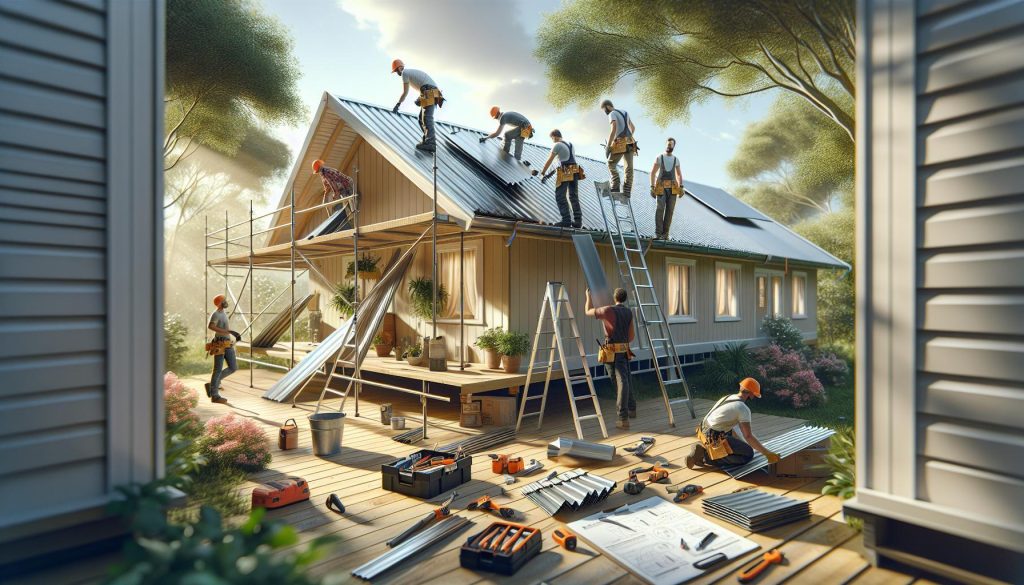
Are you considering upgrading your mobile home’s roof but unsure where to start? Installing a metal roof is not just an aesthetic enhancement; it can also significantly improve energy efficiency and durability, making it an ideal choice for mobile homeowners. With easy maintenance and longevity, metal roofs stand up to the elements while providing a modern look that many desire. However, embarking on this renovation project may seem daunting, especially if you’re navigating tight spaces and unique structural challenges. This comprehensive guide will walk you through each step of the installation process, ensuring you have the knowledge needed to enhance your home’s value and curb appeal. Get ready to transform your mobile living experience with a durable roof that meets both your practical needs and design aspirations!
How Metal Roofs Benefit Mobile Homes
Metal roofs have emerged as a popular choice for mobile homes, offering numerous advantages that enhance durability, energy efficiency, and aesthetics. One of the primary benefits of installing a metal roof is its longevity. Unlike traditional shingles, which may need replacement every 15-20 years, metal roofing can last 40 years or more with minimal maintenance. This is particularly advantageous for mobile homeowners looking to invest in their property long-term without the frequent costs associated with roof replacements.
In addition to durability, metal roofs are remarkably efficient in reflecting solar heat, which can significantly reduce cooling costs in warmer climates. This energy efficiency is further enhanced when combined with appropriate insulation, creating a more comfortable living environment regardless of external temperatures. The lightweight nature of metal roofing also allows for easier installation over existing roofing materials, reducing labor costs and installation time.
Moreover, metal roofs are designed to withstand extreme weather conditions, including high winds, heavy rain, and even snow. This makes them an ideal choice for mobile homes located in areas prone to storms or harsh weather, providing homeowners with peace of mind. Their resistance to rust, rot, and insect damage ensures that mobile home residents can enjoy a safer and more secure living space.
Finally, metal roofs are available in a wide range of colors and styles, allowing for customization that can enhance the overall aesthetic appeal of a mobile home. This adaptability not only boosts curb appeal but can also add to the property’s market value. For anyone considering upgrades to their mobile home, investing in a metal roof is a practical choice that delivers significant benefits across multiple aspects of homeownership.
Essential Tools for Your Metal Roof Installation
To effectively install a metal roof on your mobile home, having the right tools on hand is crucial. The success of your project largely depends on your preparation and the tools you choose to use. With metal roofs gaining popularity for their durability and energy efficiency, equipping yourself with essential tools not only makes the installation process smoother but also enhances the final outcome.
Begin with safety equipment, which is paramount in any roofing project. This includes a hard hat, safety goggles, gloves, and non-slip shoes. A sturdy ladder and harness are also recommended for safely accessing the roof. Once safety is prioritized, assemble the installation tools, which typically include:
- Power Drill: A cordless drill with a variety of bits is essential for driving screws and securing panels.
- Metal Shears: Used for cutting metal panels to the required length, ensuring precise fits.
- Measuring Tape: Accurate measurements are vital; a 25-foot tape should suffice for most mobile home roofs.
- Level: A leveling tool ensures that your roofing panels are installed evenly, preventing future drainage issues.
- Pneumatic Nailer: For those who prefer efficient fastening, a pneumatic nail gun can speed up the installation process.
- Caulking Gun: Necessary for applying sealants and adhesives to ensure water-tightness.
Additionally, don’t overlook the convenience of having support tools such as a chalk line for marking straight cutting lines, a pry bar to remove old roofing materials, and a utility knife for trimming plastic or insulation underlayment. These items can greatly contribute to a more organized and less frustrating installation experience.
By preparing appropriately with these essential tools, you can tackle the metal roof installation confidently, ensuring a rewarding upgrade for your mobile home. A well-installed metal roof not only provides protection but also enhances the property’s aesthetic appeal.
Step-by-Step Guide to Preparing Your Mobile Home
Preparing your mobile home for a new metal roof can significantly enhance its durability, energy efficiency, and aesthetic appeal. Before diving into the installation, it’s essential to approach this project methodically. A well-prepared mobile home not only ensures better roof performance but also helps you avoid costly mistakes down the line.
Start by conducting a thorough inspection of your current roof structure. Check for any existing damage, such as leaks or rotting materials, and address these issues before proceeding. Remove old roofing materials, as they can hinder the installation of the new metal roof. If your mobile home has a flat roof or an outdated design, consider adding a slight pitch for better water runoff, which can prevent accumulation and prolong the roof’s lifespan.
Next, ensure that your mobile home is level. An uneven foundation can lead to problems with water drainage, which may subsequently compromise the integrity of your new roof. Use a leveling tool to check the stability of your home, making any necessary adjustments. If your mobile home lacks proper insulation, consider adding it at this stage, as it will help regulate indoor temperatures and improve energy efficiency.
Another critical step is to gather all relevant permits or check with local authorities regarding building codes for metal roofing in your area. Certain jurisdictions might have specific requirements, especially concerning weight and structural integrity. Being proactive about these regulations can save you from potential fines and complications during the installation process.
By laying this groundwork, you prepare not just for a new metal roof but for a sustainable improvement to your mobile home that elevates its value and comfort. Each step taken now contributes to the overall success of your roofing project, ensuring a seamless installation that benefits you for years to come.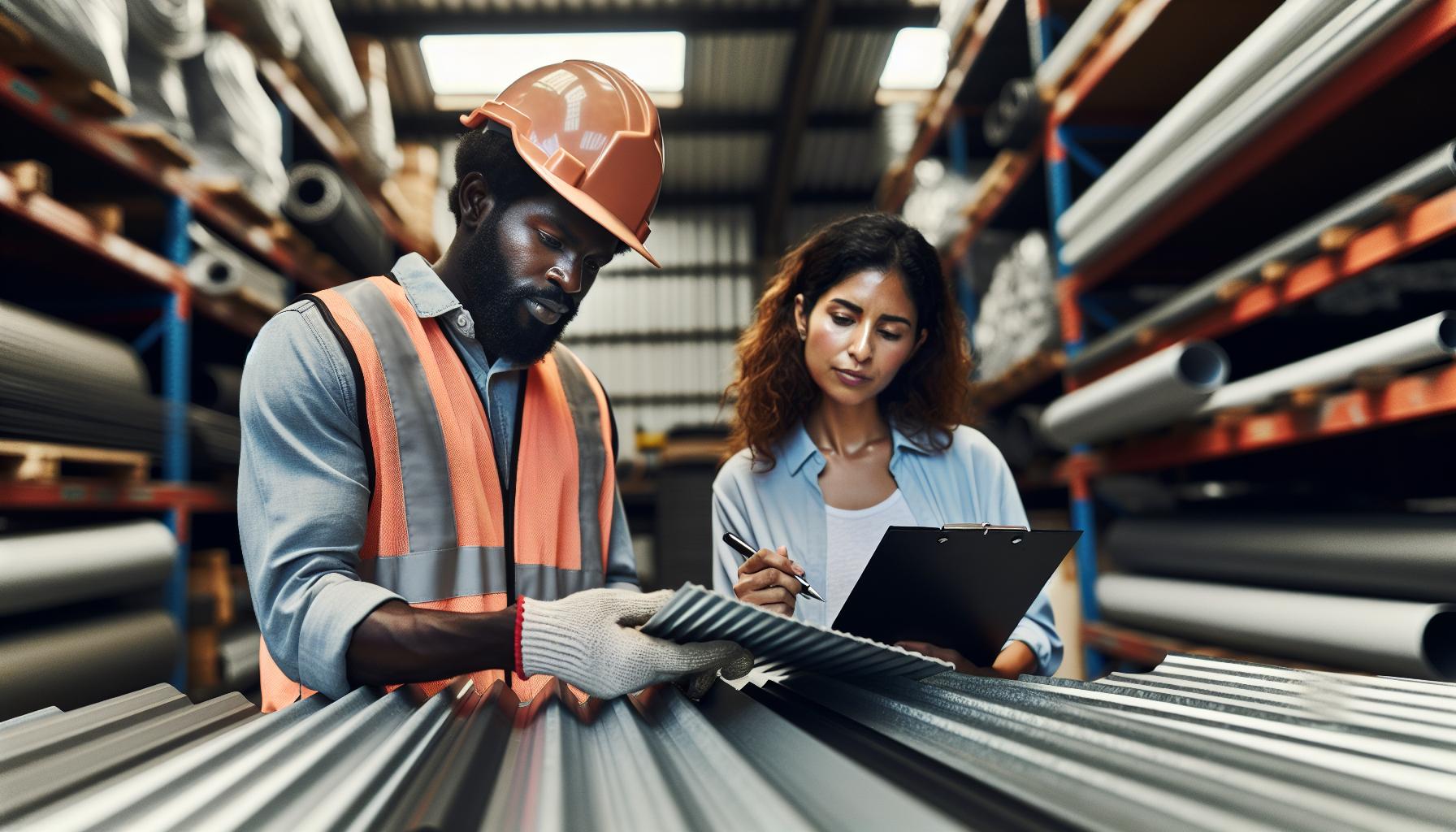
Choosing the Right Metal Roofing Material
Selecting the appropriate metal roofing material for your mobile home is crucial for ensuring longevity, durability, and optimal performance in various weather conditions. Metal roofs are generally available in several forms, each with advantages and trade-offs, making it essential to consider factors such as climate, aesthetics, budget, and installation ease before making a final decision.
One popular option is steel roofing, known for its strength and cost-effectiveness. Steel panels offer excellent durability but may require some form of galvanization or coating to prevent rust. Galvalume, a combination of aluminum and zinc, is a superior choice for regions prone to corrosion, especially if you live near saltwater. Another attractive option is aluminum roofing, which is lightweight and highly resistant to rust and corrosion. Although it can be more expensive than steel, its longevity can offset the initial investment in the long run.
Furthermore, consider the roof style, which can significantly impact the aesthetics of your mobile home. Galvanized corrugated panels give a classic look, while standing seam roofing offers a modern aesthetic with hidden fasteners that enhance water resistance and minimize leaks. If energy efficiency is a priority, look at reflective metal roofing coated with special finishes to reduce heat absorption, particularly beneficial in warmer climates like Florida, as it can help lower cooling costs.
Lastly, compare different brands and products, as manufacturing standards can vary significantly. Look for warranties that demonstrate the manufacturer’s confidence in their products. By carefully evaluating the available options and aligning them with your specific needs, you can choose metal roofing materials that not only enhance the aesthetic appeal of your mobile home but also provide the performance and longevity you deserve.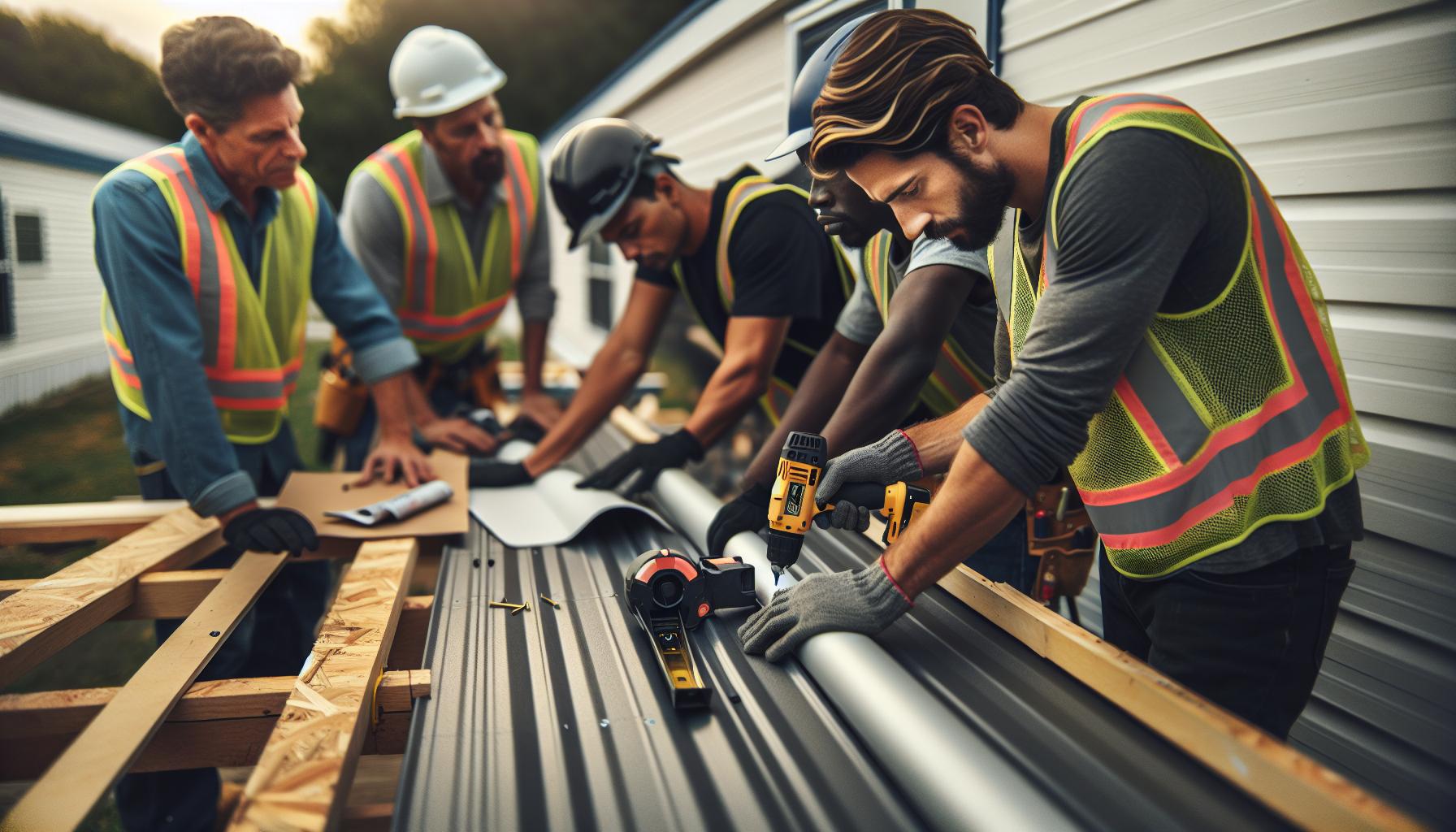
Preparing Your Mobile Home Roof for Installation
Before you dive into the exciting process of installing a metal roof on your mobile home, it’s crucial to lay a solid foundation in your preparation. An effectively prepared roof not only ensures a smooth installation process but also enhances the longevity and performance of your new roof.
Start your preparation by inspecting the existing roof structure. Look for any signs of damage, such as sagging, leaks, or rot. Addressing these issues in advance is essential; otherwise, they can compromise the integrity of your new metal roof. If necessary, repair or replace damaged sections of the underlying structure, ensuring it’s stable and secure to support the weight of the metal roofing materials.
Next, clear the roof area of any debris, dirt, or old roofing materials. A clean workspace minimizes the risk of installation errors and ensures a good seal with trim and flashing later on. If you have an existing shingle roof, check local building codes to determine if you can install the metal roof directly over the existing shingles or if you need to remove them first.
Also, consider the weather conditions leading up to your installation. Ideally, choose a dry spell to avoid complications associated with wet materials. If you’re installing during warmer months, be aware that high temperatures may affect the handling of metal sheets, making them hot to the touch. Having the right safety gear, such as gloves and non-slip shoes, is important for maintaining safety while working at heights.
Lastly, prepare to gather your tools and materials. Essential tools for your project typically include a circular saw, metal shears, screwdrivers, and a ladder or scaffolding for better access. Ensure you have all the necessary metal roofing panels, screws, and flashing materials on hand to avoid delays during installation. Proper preparation and the right tools will make your roofing project not only manageable but also enjoyable, reinforcing your investment in your mobile home.
Installation Process: Laying the Metal Roof Panels
Laying metal roof panels on a mobile home can dramatically enhance not just the aesthetic appeal but also the durability and energy efficiency of your dwelling. As you prepare for this important step, it’s essential to follow a systematic approach to ensure that each panel is installed securely and correctly, which ultimately contributes to the longevity of your roof.
Start by positioning the first metal panel at the edge of the roof, ensuring that it overhangs slightly to provide protection against rainwater runoff. Align the panel with the eave, and be sure to maintain a straight line for the entire length. Use a level to confirm that it’s straight and even, adjusting as necessary. Secure the panel in place with screws spaced according to the manufacturer’s guidelines – typically, every 12 to 16 inches along the seams. When installing the screws, apply them with moderate pressure to avoid over-tightening, which can cause the metal to warp.
Once the first panel is secured, overlap the next panel over its edge, ensuring that the seam is adequately covered. The overlap will help prevent water penetration and add an additional layer of protection. Repeat this process, continuously checking alignment and securing each panel in place using the same screw pattern. Take your time, as rushing may result in misplaced panels or insufficient fastening, jeopardizing the roof’s integrity.
Be mindful of the installation specifics based on the type of metal roofing you’ve chosen. For instance, standing seam metal roofs may require additional steps, including the installation of clip systems for better expansion and contraction. Installing panels from one end of the roof to the other helps create a uniform look and ensures that you are working from the lowest point upward, avoiding potential water collection issues.
Final Steps
After the panels are placed, focus on sealing joints with appropriate roofing sealant. This step is crucial for preventing leaks and ensuring a weather-tight finish. Pay extra attention to valleys, ridges, and any penetrations like vents or chimneys that require flashing. These areas should be sealed meticulously, as they are prone to leaks.
Lastly, once all panels are installed, conduct a thorough inspection to ensure that everything is secured correctly, and there are no visible gaps or loose screws. Taking the time to properly install your metal roof will not only protect your mobile home but also provide peace of mind for years to come.
Sealing and Insulating Your Metal Roof Effectively
When it comes to maximizing the efficiency and longevity of your metal roof, sealing and insulating are critical steps that should not be overlooked. Metal roofs can be highly beneficial for mobile homes, offering durability and weather resistance, but without proper insulation and sealing, they can become less effective at controlling temperature and preventing leaks. A well-sealed and insulated roof not only enhances energy efficiency but also contributes to a more comfortable living environment.
Start by applying a high-quality roofing sealant along all seams and joints of the metal panels. This step is crucial, as even the smallest gaps can lead to water infiltration, which not only compromises the roof’s integrity but can also result in mold and structural damage inside your home. Look for sealants designed specifically for metal roofs to ensure compatibility and longevity. Focus particularly on areas prone to leaks, such as around vent pipes, chimneys, and valleys. Using a caulking gun, carefully apply the sealant, ensuring an even bead that fills gaps completely.
Insulation Techniques
Proper insulation goes hand-in-hand with sealing to optimize your metal roof’s performance. The most effective insulating method is to install a layer of insulation board directly beneath the metal panels. This board not only provides thermal resistance but also helps dampen noise, particularly during rainstorms.
- Choosing the Right Insulation: Look for rigid foam insulation, which provides a high R-value per inch, thus ensuring efficient thermal performance. Aim for at least 2 to 4 inches of insulation thickness.
- Installation Process: Cut the insulation boards to fit snugly between the roof trusses and secure them in place using adhesives or mechanical fasteners, depending on your choice of insulation material. Once the insulation is securely in position, you can proceed to lay the metal panels over it, maintaining that crucial seal.
It’s essential to consider ventilation as part of your insulation strategy. An insulated roof with insufficient ventilation can lead to heat buildup and moisture problems. Ensure to leave space for air to circulate beneath the metal panels, which can help in regulating the temperature and preventing condensation from forming.
In summary, is vital for maximizing its performance while protecting your mobile home from the elements. Not only does it contribute to lower energy bills and improved comfort, but it also extends the lifespan of your roofing system, ensuring you enjoy the benefits of your investment for years to come. By taking the time to seal seams and choose the right insulation, you’re making a significant step toward a safer and more efficient living space.
Finishing Touches: Trim and Ventilation Options
When installing a metal roof on your mobile home, attention to trim and ventilation is essential for both aesthetic appeal and optimal performance. Proper trim not only offers a polished finish but also plays a critical role in the longevity of your roofing system. It acts as a barrier against water infiltration and can help direct runoff, reducing the potential for leaks and water damage. Incorporating quality trim around eaves, ridges, and valleys ensures a snug fit for your metal panels, safeguarding your home from harsh weather conditions.
Choosing the right ventilation options is equally important. Adequate ventilation helps regulate the temperature inside your home and prevents moisture buildup that can lead to mold and structural damage. Ridge vents, soffit vents, and gable vents work together to create a continuous airflow, allowing hot air to escape while drawing cooler air in. This not only enhances comfort but also contributes to energy efficiency, reducing the strain on heating and cooling systems.
Types of Trim to Consider
- Fascia Trim: This trim covers the edge of the roof and provides a finished look while protecting the roof structure.
- Rake Edge Trim: Used at the gable ends of the roof, this trim helps direct water away from the home’s siding.
- Closure Strips: Essential for sealing gaps at the ridge and eave, preventing pests and moisture ingress.
Ensuring that your trim is installed correctly can significantly enhance the overall durability of your metal roof. Using metal fasteners rather than traditional wood screws can improve resistance to rust and ensure a more secure installation. As you complete your roof, remember to frequently inspect both trim and ventilation components to address any wear or damage early, maintaining your mobile home’s style and structure for years to come.
Maintenance Tips for Your Metal Roof
Regular maintenance of your metal roof is essential to ensure its longevity and optimal performance. A well-maintained metal roof not only protects your mobile home from the elements but also enhances its overall appearance and value. To maximize the lifespan of your roof, it’s recommended to conduct inspections at least twice a year-ideally in the spring and fall-as well as after severe weather events.
Begin your maintenance routine by cleaning the roof thoroughly. Use a mixture of gentle dish soap and water applied with a soft brush or cloth to remove dirt, debris, and stains. This cleaning process helps prevent the buildup of corrosive substances that can degrade the roof over time. Ensure that the gutters and downspouts are clear, as blocked drainage can lead to water pooling and potential leaks.
Inspecting for Damage
Regularly check for any signs of wear or damage, including loose or missing fasteners, rust spots, or any visible dents in the metal panels. It’s advisable to walk on the roof carefully, or hire a professional to check areas that are difficult to see. Addressing these issues promptly can prevent more significant problems later. If you notice any rust, treat it immediately with a rust-inhibiting primer and touch up with matching paint.
Ventilation and Insulation Check
Proper ventilation is crucial for the lifespan of your metal roof. During your inspections, ensure that all ventilation points, such as ridge vents and soffit vents, are unblocked and functioning properly. This allows for better airflow, reducing the risk of moisture accumulation, which can lead to mold growth and structural damage. Additionally, ensure that your insulation is adequately installed and in good condition, as this helps maintain comfortable indoor temperatures and protects the roof from thermal shock.
By following these maintenance tips, you not only preserve the beauty and functionality of your metal roof but also contribute to the overall health of your mobile home, making it a sustainable choice for years to come. Regular attention and care will reward you with a durable roofing system that stands up to the test of time and weather.
Cost Considerations: Budgeting for Your Metal Roof
Budgeting for a metal roof on your mobile home is a crucial step that influences not only your immediate finances but also your long-term home value and maintenance costs. Metal roofs are known for their durability and longevity, often lasting 40 years or more, which can translate to significant savings over time. However, understanding the initial investment is key to making informed decisions during your upgrade process.
When planning your budget, consider the following critical factors:
- Material Costs: The price of metal roofing materials varies based on the type of metal (steel, aluminum, copper) and the style (corrugated, standing seam, etc.). On average, materials can range from $3 to $6 per square foot. Researching local suppliers will give you insight into the most cost-effective options.
- Installation Expenses: Labor costs can significantly impact your budget. Professional installation typically ranges from $2 to $5 per square foot depending on your location and the complexity of the installation. If you’re considering a DIY approach, ensure you factor in the safety equipment and tools needed.
- Additional Components: Consider the prices for essential additions such as insulation, underlayment, and ventilation systems. These components not only enhance the roof’s energy efficiency but also contribute to its longevity and performance.
- Warranty and Insurance: Investing in a roof with a strong warranty can offer peace of mind and potential savings on repairs. Additionally, reviewing your homeowners insurance to see how upgrades may affect your coverage or premiums is essential.
It’s wise to set aside an additional 10-20% of your total budget as a contingency for unexpected costs that might arise during the installation process. With a solid budget, financial planning, and an understanding of your specific needs, upgrading to a metal roof can be a worthwhile investment that enhances the functionality and aesthetics of your mobile home while supporting your long-term financial goals.
Financing Options for Mobile Home Roof Upgrades
Upgrading to a metal roof on your mobile home can significantly enhance its durability and energy efficiency, but financing such a project can often feel daunting for homeowners. Fortunately, there are several options available that can ease the financial burden and make the investment more manageable.
Exploring various financing avenues is crucial. Many homeowners turn to personal loans, which can be obtained from banks, credit unions, or online lenders. Personal loans typically offer flexible terms, allowing you to repay over several years and are accessible with both good and bad credit profiles. Another option to consider is home improvement loans specifically designed for renovations, including roofing upgrades. These loans sometimes offer lower interest rates than personal loans since they are secured against your home.
Additionally, some manufacturers and contractors offer financing plans directly, enabling you to spread the cost of your roofing project over time. It’s beneficial to ask about available financing options when discussing your project with a roofing contractor, as they may have partnerships with lenders that can provide competitive rates. Furthermore, certain programs, such as those provided by state or local housing agencies, can assist qualified homeowners with grants or low-interest loans for necessary home improvements, particularly in areas prone to severe weather.
Lastly, do not overlook the potential benefits of utilizing credit card financing for smaller projects. Many credit cards offer introductory interest rates that can decrease the upfront payment strain. Just ensure you have a repayment plan to avoid accruing high-interest debt. By exploring these diverse financing options, homeowners can find a tailored solution that aligns with their financial situation while making vital improvements to their mobile homes.
Legal and Insurance Aspects of Metal Roofing
When considering a metal roof for your mobile home, understanding the legal and insurance aspects is crucial. These roofs not only improve the property’s resilience against weather extremes but can also affect insurance premiums and local zoning laws. Many states have specific building codes that govern the installation of roofing materials, including requirements regarding weight, fire resistance, and energy efficiency. Ensure you consult local regulations to avoid any compliance issues that could result in fines or hinder your home’s valuation.
Obtaining insurance for a mobile home with a new metal roof may also differ from traditional roofing materials. Insurance companies often view metal roofs as superior due to their durability, which can lead to lower premiums. When notifying your insurance provider about the roofing upgrade, inquire about potential discounts or adjusted coverage based on the enhanced safety features that a metal roof provides. Documentation, like the installation receipt and warranties, should be readily available to demonstrate the improvements made.
Moreover, before proceeding with your roof installation, confirm that your contractor is licensed and insured. This protects you from liability in the event of an accident and ensures that the work is compliant with local laws. If your mobile home is in an area prone to severe weather, such as hurricanes, check if your insurance policy allows for additional coverage for storm damage, as this could influence how you select your roofing materials and installation methods.
In summary, tackling legal and insurance considerations before upgrading to a metal roof is essential for protecting both your investment and peace of mind. Clarifying these elements can lead you to make informed decisions that enhance your mobile home’s safety, efficiency, and overall value.
Q&A
Q: How do I prepare my mobile home for a metal roof installation?
A: To prepare your mobile home for metal roof installation, inspect the existing structure for damage, remove any old roofing material, and ensure the roof deck is sturdy. Clear the area of debris and check for proper ventilation. Refer to the “Preparing Your Mobile Home Roof for Installation” section for detailed steps.
Q: What tools do I need for installing a metal roof on a mobile home?
A: Essential tools for metal roof installation include a drill, saw, measuring tape, ladder, safety gear, and sealing equipment. Gather these tools in advance to streamline the installation process. For a complete list, see the “Essential Tools for Your Metal Roof Installation” section.
Q: How do I choose the right metal roofing materials for my mobile home?
A: Choose metal roofing materials based on durability, weight, and insulation properties. Common options include galvanized steel, aluminum, and copper. Consider factors like local climate and aesthetics to make the best choice. This topic is discussed in the “Choosing the Right Metal Roofing Material” section.
Q: What are the common mistakes to avoid when installing a metal roof?
A: Common mistakes include improper sealing, neglecting ventilation, and incorrect panel alignment. Always follow the manufacturer’s guidelines and double-check measurements to ensure a successful installation. For troubleshooting tips, refer to the “Installation Process: Laying the Metal Roof Panels” section.
Q: How do I ensure the metal roof on my mobile home is properly insulated?
A: Proper insulation involves installing a layer of insulation board or using spray foam insulation beneath the metal panels. Make sure to seal all gaps to prevent moisture issues. For sealing techniques, refer to the “Sealing and Insulating Your Metal Roof Effectively” section.
Q: How can I finance my metal roof installation on a mobile home?
A: Financing options for your metal roof installation may include personal loans, home improvement loans, or financing through your contractor. Explore these options to find a plan that suits your budget. Visit the “Financing Options for Mobile Home Roof Upgrades” section for more information.
Q: What maintenance is required for a metal roof on a mobile home?
A: Regular maintenance for a metal roof includes inspecting for rust, cleaning debris, checking seals, and ensuring proper drainage. Schedule these tasks at least twice a year to prolong the roof’s lifespan. More tips can be found in the “Maintenance Tips for Your Metal Roof” section.
Q: When is the best time to install a metal roof on a mobile home?
A: The best time for installation is during dry weather, ideally in spring or fall, when temperatures are moderate. Avoid extreme weather conditions to ensure proper installation and safety. Check the “Step-by-Step Guide to Preparing Your Mobile Home” for seasonal considerations.
In Retrospect
Congratulations on taking the first step towards enhancing your mobile home with a durable metal roof! By following this guide, you’re not just improving your home’s aesthetics but also its longevity and energy efficiency. Don’t wait-start your project today to protect your investment from the elements.
For further insights and tips, check out our articles on mobile home maintenance and financing options to help you make informed decisions. Consider discussing your installation plans with a professional to address any remaining questions or challenges you might face.
Your mobile home deserves the best, and by choosing a metal roof, you’re investing in lasting quality. Join our community by signing up for our newsletter for expert tips and exclusive offers that can guide your next renovation project. Keep exploring, and empower yourself with knowledge to enjoy the benefits of mobile home living!