
As our world becomes increasingly connected, the debate between using a mobile hotspot and traditional home internet becomes more relevant. For many, a mobile hotspot offers the allure of flexibility and portability, making it an enticing option for those who may not need a wired connection. However, the question remains: can a mobile hotspot truly replace the stability and speed of home internet? By comparing these two options, we’ll uncover the benefits and drawbacks each presents, helping you understand which choice aligns best with your lifestyle and internet needs. This exploration will guide you through essential considerations like data limits, cost implications, and overall performance, empowering you to make informed decisions about your connectivity.
Understanding Mobile Hotspots vs. Home Internet Options

In today’s digital age, the way we connect to the internet has transformed significantly, leading to a range of options for users. Mobile hotspots and home internet setups offer distinct advantages and have become crucial in accommodating our tech-driven lifestyles. Understanding how these two alternatives differ is essential, especially for those considering whether to ditch traditional home internet for a more flexible mobile solution.
Mobile hotspots allow users to tap into cellular networks to access the internet from various devices on the go. This flexibility is especially advantageous for individuals who travel frequently or live in areas with limited wired internet options. On the other hand, home internet typically provides a stable, high-speed connection meant to serve multiple devices simultaneously within a residence. This option is augmented by services that offer bundling with cable TV and other utilities, often making it a more robust solution for heavy internet users or households with multiple active devices.
When exploring your options, it’s important to consider factors like data limits, speed, and reliability. A mobile hotspot can offer speed that competes with home internet in urban areas, but outdated infrastructure or network congestion can sometimes hinder performance. Conversely, home internet connections, particularly fiber optic variants, often guarantee higher speeds and lower latency, making them suitable for activities like gaming or streaming high-definition content.
Ultimately, the decision between a mobile hotspot and home internet depends on individual needs. Regularly assessing your internet usage, evaluating different providers, and considering future requirements can help clarify the best choice for your connectivity.
Benefits of Using a Mobile Hotspot for Internet Access
A mobile hotspot offers a plethora of advantages that cater to the dynamic needs of today’s internet users. For those who frequently travel or enjoy the flexibility of working remotely, a mobile hotspot allows seamless internet access anywhere there’s cellular coverage. This convenience means no more dependence on public Wi-Fi, which can be unpredictable and insecure. You can connect multiple devices-laptops, tablets, smartphones-all from the same mobile connection, eliminating the need for separate internet services in different locations.
One notable benefit lies in the potential cost savings. Depending on usage patterns, switching to a mobile hotspot can reduce monthly internet expenditures, particularly for individuals or small families. Many mobile carrier plans offer substantial data packages that can fulfill personal or professional needs without the overhead costs associated with traditional home internet services. Additionally, in areas where wired internet options are limited or excessively priced, mobile hotspots can provide a practical and efficient alternative.
Moreover, mobile hotspots come equipped with the latest technological advancements, often delivering competitive speeds. In urban areas, where 4G and 5G networks are prevalent, users can experience high-speed internet access comparable to or even surpassing standard home internet connections. With these advancements, activities like streaming, video conferencing, and online gaming are increasingly viable on mobile networks, catering to both leisure and business requirements.
Lastly, the portability of mobile hotspots means that connectivity is on-demand. Whether you’re moving between rooms in your home or visiting a local café, your internet access remains consistent. This flexibility can be particularly appealing for those who have embraced the mobile lifestyle, enabling productivity during commutes or while exploring new environments. Adopting a mobile hotspot offers not only convenience and versatility but also a modern solution tailored to ever-evolving digital habits.
Key Differences Between Mobile Hotspot and Home Internet
The choice between mobile hotspots and home internet fundamentally hinges on several factors, each affecting the user’s internet experience and lifestyle needs. When considering internet reliability, home internet typically offers more consistent and robust connectivity. Wired connections, such as fiber or DSL, provide stability that mobile hotspots may struggle to match, especially in areas with poor cellular service or during peak usage times when data networks can become congested.
In terms of speed, home internet often delivers higher bandwidth, suitable for multiple users engaging in data-heavy activities concurrently. Mobile hotspots, powered by cellular networks, can provide competitive speeds but usually come with rates that fluctuate based on signal strength and network traffic. For those who share the connection among various devices or engage in high-demand tasks like gaming or streaming, home internet tends to have the advantage.
Another critical distinction lies in data limitations. Most mobile hotspot plans operate on limited data allocations, meaning heavy users may quickly hit their caps, resulting in throttled speeds or extra charges. In contrast, many home internet providers offer unlimited data plans, making them a more suitable option for households with multiple streaming devices or frequent large downloads/uploads.
Lastly, the portability of mobile hotspots serves as a significant benefit for users requiring flexibility. Whether transitioning between locations or traveling, mobile hotspots grant seamless internet access without the constraints of physical infrastructure. Conversely, home internet is generally stationary, tailored for residential needs and best suited for users who prioritize consistent in-home connectivity over mobility. Each option serves unique use cases, and understanding these differences can aid users in selecting the ideal internet solution tailored to their lifestyle.
Assessing Your Internet Needs: Mobile vs. Home

Understanding your internet needs is crucial in making the right choice between mobile hotspots and home internet, especially in today’s fast-paced world where connectivity is a necessity. For households with multiple users engaging in streaming, gaming, and downloading, home internet often delivers better performance due to its stability and speed. Conversely, if your lifestyle requires mobility-perhaps you travel frequently or work from various locations-a mobile hotspot can provide the flexibility you need to stay connected without being tied down to a single location.
When assessing whether a mobile hotspot can serve your needs effectively, consider the following factors:
Usage Patterns
- Heavy Data Use: If your daily activities involve high-bandwidth applications, such as 4K streaming or online gaming, a traditional home internet plan may better suit those needs due to higher data caps and faster, more consistent speeds.
- Casual Browsing: For occasional internet usage like browsing, social media, or checking emails, a mobile hotspot can be more than sufficient and provides a more cost-effective solution.
Number of Devices
- Multi-Device Households: Homes with several devices accessing the internet simultaneously generally benefit from a dedicated home internet connection. Mobile hotspots may struggle when multiple devices connect at once, potentially leading to slower speeds and frustrating user experiences.
- Single Device Users: If you primarily use one device, such as a smartphone or tablet, and don’t mind less speed, a mobile hotspot may be an ideal choice.
Location and Connectivity
- Urban vs. Rural: In urban areas, cellular signals are typically robust, promoting better performance for mobile hotspots. However, in rural locations where cell towers are sparse, home internet may offer more reliable service through wired connections.
- Travel Needs: If you frequently move or are in situations where home internet isn’t available, mobile hotspots allow internet access wherever you go, making them a practical option for travelers.
By weighing these considerations, you can determine which option better aligns with your connectivity needs and lifestyle. Whether you choose to invest in a robust home internet setup or opt for the convenience of a mobile hotspot, understanding your specific requirements is key to making an informed decision.
Potential Limitations of Mobile Hotspots You Should Know
A mobile hotspot can be a convenient choice for internet access, especially for those on the go, but it’s crucial to understand its limitations to prevent connectivity frustrations. Potential issues include data caps and throttling, which can become significant concerns for heavy users. Many mobile plans impose strict monthly data limits, and once you exceed those limits, your internet speed could be drastically reduced. This isn’t typically an issue with home internet, where unlimited plans are more common, allowing seamless streaming, gaming, and heavy downloads without interruption.
Another factor to consider is connection stability. Mobile hotspots rely on cellular networks, making them susceptible to signal strength and coverage issues, particularly in rural or densely populated areas. While a home internet connection provides a more stable and consistent service, a mobile hotspot’s performance can fluctuate due to environmental factors, such as distance from the nearest cell tower or obstructions like buildings and trees. This inconsistency can lead to frustrating lags or interruptions, especially during important video calls or online meetings.
Lastly, the number of devices connected can heavily impact performance. A typical home internet setup can handle multiple devices drawing from a single stable connection without significant slowdowns. In contrast, a mobile hotspot may struggle under similar circumstances, causing disruptions when several devices attempt to access the internet simultaneously. This limitation is especially relevant for households where multiple family members are streaming videos, gaming, or using data-heavy applications at the same time.
In summary, while mobile hotspots offer flexibility and convenience, they come with inherent challenges that may not make them suitable for all situations. By understanding these limitations, users can make more informed choices that align with their specific internet usage patterns and requirements.
Cost Comparison: Mobile Hotspot vs. Home Internet Plans
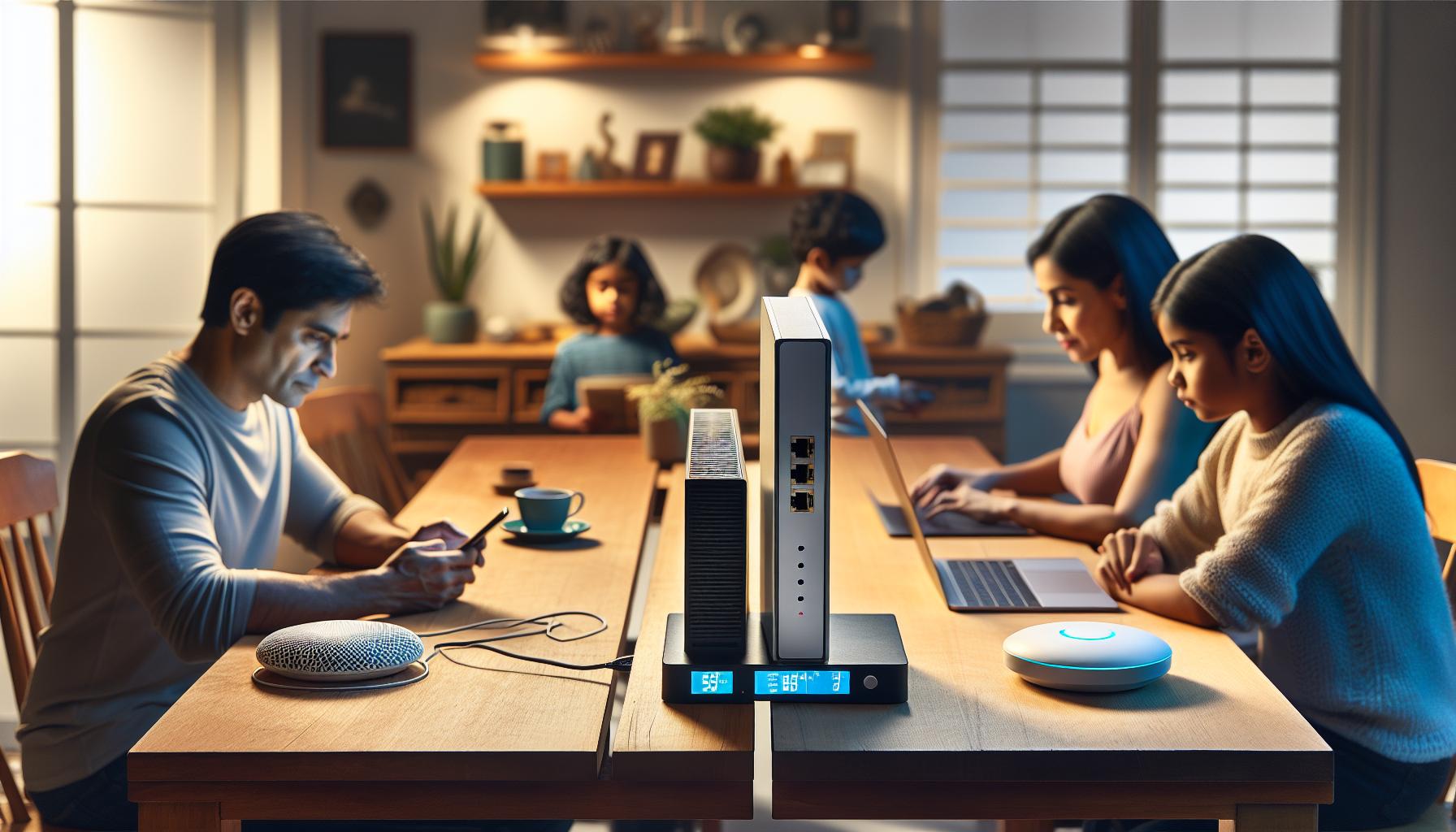
The decision to choose between a mobile hotspot and traditional home internet can significantly impact your finances. While mobile hotspots offer immediate connectivity, they can quickly become costly over time, especially if you rely on heavy data usage. Home internet plans typically provide a more stable and often more economical solution, particularly for families or individuals who frequently stream, game, or work from home.
When evaluating costs, mobile hotspot plans usually entail a monthly fee along with data limits, which can range widely based on the provider. Users frequently encounter excess charges once they exceed their monthly data allowance. Conversely, many home internet packages offer unlimited data options for a flat fee, making them ideal for households with multiple devices that require consistent bandwidth. This can translate to long-term savings as you avoid overage charges associated with mobile data plans.
Key Factors in Cost Comparison
When breaking down the costs, consider the following factors:
- Monthly Subscription Fees: Hotspot plans can range from $30 to $100, depending on the data limit, while home internet plans might average between $50 and $100 for unlimited service.
- Data Overages: Exceeding data limits on mobile hotspots can incur significant fees, sometimes costing as much as $15 per extra gigabyte.
- Installation and Equipment Costs: Home internet may require upfront costs for installation and equipment, which can offset the initial appeal of budget-friendly hotspot plans.
- Long-Term Contracts: Many home internet providers offer discounts for signing a longer contract (1-2 years), which could lead to substantial savings compared to the flexibility (but often higher rates) of mobile plans.
Conclusion
Ultimately, while mobile hotspots provide a convenient, portable solution for internet access, their potential for high costs should not be overlooked, especially for households with demanding internet usage patterns. For those living in manufactured homes, where space might be limited for diverse internet solutions, assessing these costs effectively can directly influence your daily connectivity experience. By weighing the expenses and factoring in your lifestyle needs, you can make a more informed decision that aligns with your budget and connectivity requirements.
How to Maximize Your Mobile Hotspot Performance

To ensure that your mobile hotspot operates at peak efficiency, consider these effective strategies that maximize both speed and connectivity. Mobile hotspots can be a fantastic alternative for internet access, especially for those living in manufactured homes where traditional broadband may not be viable. By optimizing your hotspot’s performance, you can enjoy seamless streaming, browsing, and more without the frustrations that often accompany slow connections.
Begin by placing your mobile hotspot in an optimal location. Position it near a window or high place to enhance signal strength and reduce physical obstructions that might hinder connectivity. Avoid keeping the device in low areas or corners, which tend to trap signals. Furthermore, ensure you minimize interference from other electronic devices, like microwaves or cordless phones, which can disrupt Wi-Fi signals.
Another way to maximize performance is to manage your data usage wisely. Prioritize essential devices when connecting to your mobile hotspot, limiting excess gadgets that drain bandwidth. If your hotspot model allows, consider adjusting settings to use the 5GHz band instead of the traditional 2.4GHz band, as the former typically provides faster speeds and less interference. Some devices may not support this, but when they do, it can significantly improve your performance.
Regularly updating your device’s software ensures that you’re taking advantage of the latest enhancements and security features. Also, keep an eye on your data usage, as exceeding your limits can significantly slow down your connection or incur additional fees. Many providers offer apps to help you monitor your usage easily.
In addition, charging your mobile hotspot regularly is crucial since performance may decline as battery life dwindles. Keeping the battery full can prevent frequent disconnections and maintain stronger connectivity.
By implementing these strategies, you can significantly enhance the performance of your mobile hotspot, ensuring you stay connected and productive, whether for work or leisure, all while adapting to the unique challenges of mobile home living.
Situations When Mobile Hotspots Work Best
In today’s fast-paced world, the flexibility and convenience offered by mobile hotspots make them an attractive option for internet connectivity, particularly for those living in manufactured homes. These devices can provide a reliable connection in various situations where traditional home internet may be impractical or unavailable.
One of the most beneficial scenarios for using a mobile hotspot is during travel. Whether you’re on a road trip or heading to a vacation rental, having a mobile hotspot can ensure that you remain connected without relying on potentially slow or spotty public Wi-Fi options. This is especially useful for digital nomads, remote workers, or families that require constant internet access on the go.
Another prime situation where mobile hotspots shine is in temporary living arrangements. For instance, if you’re transitioning to a new home, or undergoing renovations, setting up a mobile hotspot can provide immediate internet access without the wait for a home internet installation. Temporary locations such as campgrounds or RV parks often lack robust internet services, making a hotspot an ideal solution.
In areas with unreliable or limited home internet infrastructure, mobile hotspots offer a crucial lifeline for connectivity. Many rural or suburban locations may struggle with broadband access, and in these cases, cellular networks can provide a better alternative. Additionally, those living in high-mobility lifestyles, such as tiny home dwellers or individuals living in mobile homes, can take advantage of the often more extensive cellular coverage to maintain a stable internet connection.
Using a mobile hotspot is also beneficial for events, such as outdoor gatherings or tailgating. Hosting a party with streaming music or allowing guests to connect with their devices for sharing photos and videos can be streamlined by providing a hotspot. It can also be an essential tool for small businesses or entrepreneurs needing to set up temporary working spaces.
In summary, mobile hotspots demonstrate remarkable versatility, accommodating countless internet needs across various settings. They represent a practical solution for modern living challenges and ensure that connectivity remains steadfast, no matter where life takes you.
User Experiences: Mobile Hotspot vs. Home Internet
In the evolving landscape of internet connectivity, users increasingly find themselves navigating the choice between mobile hotspots and traditional home internet options. Many individuals residing in manufactured homes or transient living situations often rely on mobile hotspots due to their flexibility and accessibility. This shift towards mobile internet solutions has led to diverse user experiences, highlighting both the benefits and challenges of such technology.
One distinct advantage users report with mobile hotspots is the ability to access internet services without the long-term commitment often required for home internet contracts. For example, a family relocating temporarily for work or awaiting the installation of permanent internet can seamlessly transition to a mobile hotspot. This immediacy provides a vital lifeline, enabling them to remain connected for work, education, and social interactions during their move. Moreover, users appreciate the portability of hotspots, allowing for internet access not just at home but also on-the-go – a critical factor for digital nomads or remote workers who frequently travel.
However, user experiences also reveal some limitations inherent to mobile hotspots. For instance, data caps can pose significant challenges, particularly for households with multiple users streaming video or gaming simultaneously. Users frequently encounter throttling after reaching their data limits, resulting in slower speeds that can hinder productivity or leisure activities. Additionally, some reports indicate inconsistent coverage in rural areas, where mobile signals may fluctuate, leading to frustration for those reliant on a hotspot for daily internet use.
Access to support and customer service further differentiates user experiences. Home internet providers often offer extensive service plans and technical support, giving customers peace of mind. In contrast, mobile hotspot services may not always provide the same level of customer assistance, which can be a crucial consideration for users unfamiliar with mobile technology or troubleshooting methods.
Choosing between a mobile hotspot and home internet ultimately depends on individual circumstances. Factors such as the type of work, household size, bandwidth needs, and the regularity of travel should all inform this decision. Understanding these user experiences can guide prospective customers in making an informed choice that best fits their lifestyle and connectivity requirements.
Future Trends: The Evolution of Internet Connectivity
In the continually evolving digital landscape, the way we connect to the internet is undergoing a profound transformation. With the rise of mobile hotspots, the reliance on traditional home internet is shifting significantly, particularly for those living in manufactured homes or transient living situations. This evolution is not just about convenience; it reflects broader societal changes, such as the increasing acceptance of remote work and the need for flexible, accessible internet options.
One of the most promising trends is enhanced 5G technology, which offers faster speeds and more reliable connections than its predecessors. As 5G networks expand, mobile hotspots powered by this technology will provide data speeds comparable to, or even exceeding, some home internet connections. This shift empowers users with the flexibility to stay connected, regardless of their physical location. For individuals in manufactured homes, where traditional broadband options may be limited, this presents an exciting opportunity to use mobile internet solutions that are both high-performing and affordable.
Moreover, the increasing availability of devices that support seamless switching between Wi-Fi and mobile data is paving the way for improved user experiences. Consumers can expect more sophisticated mobile hotspots equipped with advanced features, such as data management tools, that allow for optimal usage tracking and notifications when approaching data limits. Coupled with educational resources and stronger customer support from providers, users can navigate their connectivity needs with greater confidence.
Another vital trend involves the growing emphasis on securing mobile connections. As more people rely on hotspots for sensitive tasks, including remote work and online banking, the focus on strong encryption and cybersecurity measures will increase. Families living in manufactured homes will benefit from this shift as it enhances the safety of their online activities, offering peace of mind in an age where digital threats are increasingly prevalent.
Together, these trends signal a significant transition towards mobile-centric internet solutions, augmenting the lifestyle of digital nomads, remote workers, and those residing in manufactured homes. For individuals navigating the decision between mobile hotspots and traditional home internet, staying informed about these trends will be essential. As technology continues to evolve, leveraging these advancements can lead to more robust, agile, and fulfilling internet experiences.
Making the Switch: Steps to Transition from Home Internet
Making the switch from traditional home internet to a mobile hotspot can be an exciting and empowering decision, especially for those living in manufactured homes where conventional broadband may not be easily accessible. Here’s how to navigate this transition effectively and ensure that your internet needs are met without compromising quality.
To begin, assess your current internet usage. Consider what tasks you perform most frequently, such as streaming, gaming, or video conferencing, and estimate the data usage associated with these activities. This understanding will guide you in selecting the right mobile hotspot plan. Most mobile carriers offer various data plans, so choose one that aligns with your usage patterns.
Next, explore the mobile hotspot options available to you. A mobile hotspot can be a device specifically designed for sharing mobile data, or you can use your smartphone’s hotspot feature. If you opt for a separate device, look for one that supports the latest 5G technology, as it can provide faster speeds and more stable connections. If you’re depending on your smartphone, ensure that it has a robust battery life and can handle extensive use without overheating.
Once you’ve secured your device and plan, setting up the mobile hotspot is typically straightforward. Simply turn on the hotspot feature on your phone or device, configure the network name (SSID) and password, and connect your other devices using the credentials you set. Keep in mind to monitor your data usage regularly to avoid exceeding your plan limits, which can lead to slower speeds or extra charges.
Also, consider implementing some data-saving tips to maximize your mobile hotspot performance. For instance, limit video streaming to standard definition, disable automatic updates on devices while using the hotspot, and prioritize essential tasks during peak usage times. These practices can help you get the most out of your mobile connection.
Remember that switching to a mobile hotspot is not just about technology; it’s a lifestyle change that can enhance your flexibility and freedom. You can work from various locations, travel easily, or enjoy a simplified living situation without the constraints of a wired internet setup. By following these steps and adapting to your new mobile internet environment, you can confidently embrace this shift and maintain a reliable connection that supports your digital needs.
Tips for Choosing the Right Mobile Hotspot Provider
Making an informed decision about which mobile hotspot provider to choose is crucial for maintaining a reliable internet connection, especially for those living in manufactured homes where traditional broadband may be limited or unavailable. Here are some pivotal factors to consider in your selection process.
First, assess the coverage area of potential providers. Research the network maps to ensure that the provider has robust service in your location, particularly if you reside in rural or less-populated areas. A provider may advertise nationwide coverage, but actual service quality can vary significantly. Consider user reviews from neighbors or local groups who can offer insights on performance in your specific area.
Another key aspect is the type of data plan that fits your lifestyle. Mobile hotspot plans can range from limited data allowances to unlimited options. Review your internet usage habits, including streaming, gaming, and video conferencing needs, to select a plan that won’t leave you with unexpected throttling or overage fees. Many providers offer flexible plans that can be adjusted based on your needs, which is particularly advantageous if your internet traffic varies throughout the month.
Additionally, evaluate the devices supported by each provider. Some users may benefit from dedicated mobile hotspot devices, while others can utilize their smartphones. Understand the technical specifications, such as speed capabilities (4G vs. 5G) and battery life, to ensure your chosen device meets your daily demands. You might choose a provider offering a high-performance dedicated device for better reliability and connection stability.
Lastly, consider customer support and service quality. Research the reputation of providers regarding their customer service. Quick resolution of issues is essential, especially if your internet connection is critical for work or education. Look for companies that offer 24/7 support, online chat options, or even local service centers, which can be invaluable if you experience technical difficulties.
In summary, choosing the right mobile hotspot provider involves thorough research into coverage, plan flexibility, device compatibility, and customer service. By carefully evaluating these factors, you can find a provider that suits your mobile internet needs while enjoying the freedom and flexibility of hotspot connectivity.
Q&A
Q: What are the main advantages of using a mobile hotspot instead of home internet?
A: The main advantages of using a mobile hotspot include portability, flexibility, and ease of setup. Mobile hotspots allow users to access the internet on the go without needing a physical installation, making them ideal for travel or temporary living situations.
Q: Can I use a mobile hotspot for gaming instead of home internet?
A: Yes, you can use a mobile hotspot for gaming, but it may not always provide optimal performance. Mobile hotspots typically have higher latency and lower data speeds compared to wired home internet, which could affect online gaming experiences. Consider the data limits and speed of your mobile plan.
Q: How do data caps on mobile hotspots compare to home internet plans?
A: Mobile hotspot plans often come with data caps that can limit usage, while many home internet plans offer unlimited data options. Users should evaluate their data needs and consider whether a capped mobile plan can accommodate their internet usage effectively.
Q: What types of devices can connect to a mobile hotspot?
A: A mobile hotspot can connect various devices, including smartphones, tablets, laptops, and smart TVs. However, the number of devices that can connect simultaneously depends on the hotspot’s specifications and the mobile plan’s capabilities.
Q: How does the cost of mobile hotspot plans compare to home internet?
A: Mobile hotspot plans can vary widely in cost, typically being more expensive per gigabyte than home internet plans, especially if you exceed the data limit. Long-term usage may make home internet a more economical choice for heavy users.
Q: What factors should I consider when choosing between a mobile hotspot and home internet?
A: Factors to consider include internet speed requirements, data usage patterns, cost, equipment needed, and the availability of service providers in your area. Assess your specific needs before making a decision.
Q: Are mobile hotspots reliable for streaming and video calls?
A: Mobile hotspots can be reliable for streaming and video calls if sufficient data speed is available. However, users may experience buffering during peak hours or in areas with poor reception. For consistent quality, home internet is generally more reliable.
Q: When is it better to choose mobile hotspot over home internet?
A: Choosing a mobile hotspot is better when you need internet on the go, have limited space, or require a temporary internet solution. It’s also ideal for users who travel frequently or live in an area with limited home internet options.
In Summary
As we’ve explored, choosing between a mobile hotspot and traditional home internet involves weighing factors like speed, reliability, and cost. If you find mobile hotspot options compelling for your lifestyle, now is the perfect time to explore plans that fit your needs-don’t wait to connect! For further insights, check out our detailed guide on “Understanding Mobile Data Plans” and see how to maximize your internet options for seamless connectivity.
Still unsure if a mobile hotspot can replace your home internet? Dive into our FAQ section for answers to common concerns or reach out for personalized recommendations. We value your thoughts, so leave a comment below or share your experiences to help others make informed decisions. Remember, flexible living solutions like mobile hotspots are just one click away-let’s stay connected!