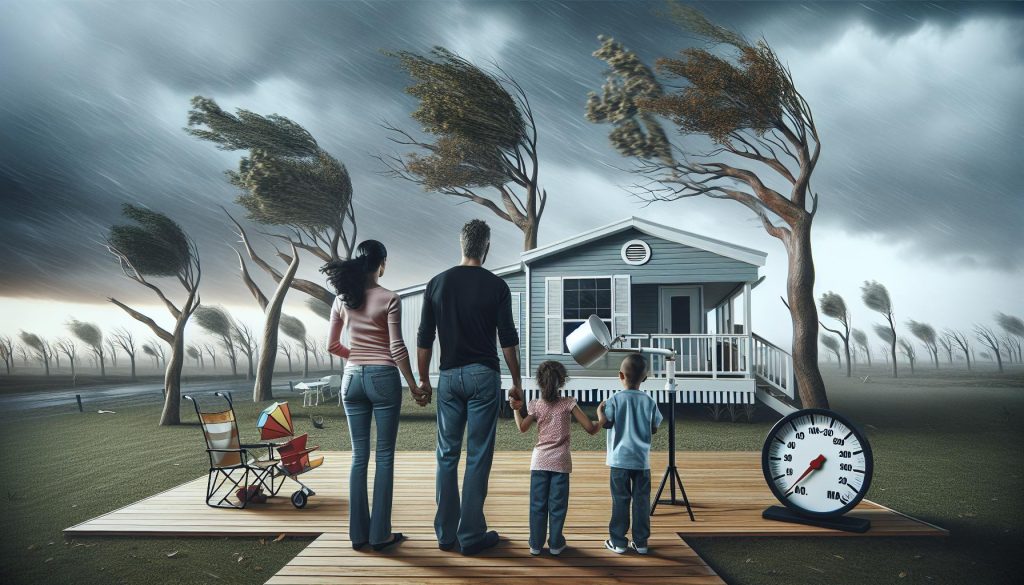
Did you know that some manufactured homes are designed to withstand wind speeds of up to 110 mph? As storms become more severe, understanding how much wind your mobile home can endure is essential for your safety and peace of mind. This vital knowledge not only protects your investment but also ensures a secure living environment for you and your family. In this article, we’ll explore the factors that determine a mobile home’s wind resistance, uncover safety guidelines, and provide practical tips for securing your home against the elements. Whether you’re a current resident, a prospective buyer, or an investor in mobile homes, this information is key to ensuring your home can weather any storm. Stay with us as we reveal the critical facts you need to know for safeguarding your mobile living experience.
Understanding Wind Resistance Ratings for Mobile Homes

is crucial for any resident or prospective buyer looking to ensure safety during storm events. These ratings indicate the maximum wind speeds that a mobile home can withstand, and they are an essential factor in selecting and placing a manufactured or mobile home. Generally, mobile homes are classified under specific Wind Zones, with those built to comply with tougher regulations capable of withstanding winds up to 110 mph, as mandated by HUD standards. It’s important to note that the construction quality and the model year of a mobile home significantly affect its wind resistance.
A key consideration in evaluating wind resistance is the home’s anchoring and tie-down systems. Proper anchoring increases stability and reduces the likelihood of damage in severe weather. Mobile homes in regions susceptible to hurricanes or tornadoes should be Wind Zone II or III rated and properly secured to either a concrete slab or foundation. Additionally, incorporating features such as aerodynamic roofing and reinforced framing can enhance a home’s ability to endure high winds, establishing a greater barrier against potential storm damage.
When purchasing a mobile home, it is advisable to consult local building codes and insurance policies to ensure compliance with safety standards that align with regional weather conditions. Moreover, prospective buyers should assess whether the home’s wind resistance rating meets their expectations for safety and durability. Incorporating these standards into the decision-making process creates a more secure living environment and enhances the overall resilience of the unit against future storm threats. Understanding these factors not only contributes to safer living conditions but also protects investment over time, reinforcing the value of mobile homes as a legitimate and resilient housing choice.
Factors Affecting Wind Performance in Mobile Homes
Mobile homes are designed to withstand various wind forces, but many factors influence how effectively they perform in high winds. Understanding these factors is essential for owners and potential buyers aiming for safety and security in storm-prone areas. Key determinants include the design specifications, construction materials, installation methods, and ongoing maintenance practices that collectively enhance wind resistance.
One of the primary factors affecting wind performance is the home’s structural design, particularly its anchoring and tie-down systems. Properly anchored mobile homes ensure that the units remain stable during strong winds. The quality and placement of anchors, along with the number used, can significantly influence the home’s resilience. Homes in high-wind regions, which are often rated as Wind Zone II or III, must adhere to stricter guidelines for anchoring, ensuring they can withstand gusts of wind exceeding 90 mph or more. Regular inspection of these systems to confirm that they are intact and functioning is crucial for maintaining safety.
The materials used in the construction of mobile homes also play a pivotal role in their ability to resist wind damage. Modern manufactured homes often incorporate engineered materials designed to enhance strength while reducing weight. For instance, homes that feature reinforced framing and aerodynamic roofing designs can outperform older models that lack these enhancements. Upgrading key components-such as windows, doors, and roofs-can offer better protection against lateral wind pressures, making homes significantly safer during severe weather events. Additionally, maintaining a well-sealed structure helps prevent air leaks, which can otherwise compromise the home’s integrity during high-wind situations.
Moreover, location and environmental factors must be considered. Homes situated on higher ground or in less obstructive settings may fare better than those surrounded by large trees or structures that could fall during a storm. Understanding the local landscape and potential wind patterns can help homeowners make informed decisions about the site of their mobile home and any necessary protective measures, such as windbreaks or additional landscaping.
Utilizing advanced technologies such as wind pressure testing can help gauge how well a mobile home is equipped to handle wind impacts, enabling homeowners to implement improvements proactively. By staying informed and proactive about the factors affecting wind performance, mobile home residents can reinforce their living spaces, ensuring they remain resilient against nature’s challenges.
Hurricane Preparedness Tips for Mobile Home Residents

Residents of mobile homes must prioritize hurricane preparedness, especially in regions vulnerable to severe storms. Understanding that some manufactured homes are built to withstand winds up to 110 mph, effective preparations can elevate safety and minimize potential damages. Here are some essential steps to take in advance of hurricane season:
Secure Your Home
One of the most critical aspects of hurricane preparedness is ensuring your mobile home is securely anchored. Regularly check the condition of your tie-down systems, as these are vital for stabilizing your home during high winds. Consider upgrading to stronger anchors or adding additional ones, particularly for homes in higher wind zones. Compliance with local building codes will not only enhance your safety but may also benefit your insurance coverage.
Create an Emergency Plan
An emergency plan is essential for any household. Make sure all residents know what to do in the event of a hurricane warning. This plan should include your escape routes and a communication strategy in case you become separated. Keep an emergency kit ready, stocked with essentials such as water, non-perishable food, flashlight, batteries, medication, and important documents.
Prepare Your Surroundings
Take time to assess your property’s landscaping before hurricane season. Trim trees and remove any loose items in your yard that could become projectiles in strong winds. If possible, create windbreaks with bushes or fencing to shield your home from direct wind impacts. Additionally, consider relocating larger outdoor items, like furniture or grills, indoors.
Stay Informed
Regularly monitor weather updates and advisories as hurricane season approaches. Use reliable sources for information, such as the National Hurricane Center or local weather stations. Ensure you have multiple means of receiving alerts, such as smartphones, radios, or weather apps. Being proactive about updates can save lives.
By implementing these strategies, mobile home residents not only protect their homes but also enhance their safety during hurricane season. Investing time and resources into hurricane preparedness not only establishes a secure foundation for living but also reassures you that you’re ready to face nature’s challenges head-on.
Essential Maintenance for Enhanced Wind Safety
To ensure a mobile home can withstand the rigors of high winds, regular maintenance plays a crucial role. It’s not only about the initial construction; ongoing care and enhancements can significantly improve a mobile home’s wind performance. By investing time in essential maintenance tasks, residents can bolster their homes’ resilience and safety during stormy weather.
One essential maintenance practice is to conduct routine inspections of the mobile home’s anchoring system. The effectiveness of tie-downs can deteriorate over time due to environmental factors, wear, and tear. Ensure that all anchors, straps, and blocking are intact and securely fastened. If you reside in a high-wind area, consider upgrading to heavier-duty anchors and increasing the number of tie-downs according to local building codes to further enhance stability.
Another vital aspect is ensuring that windows, doors, and other openings are appropriately sealed and reinforced. Installing hurricane-rated window protection, such as shutters or impact-resistant glass, can greatly minimize the risk of shattering during severe winds. It is also prudent to assess the integrity of the roof and ensure that there are no loose shingles or structural vulnerabilities. Regularly clearing debris from gutters and roof valleys helps maintain drainage, preventing water damage that can weaken structural integrity after a storm.
Maintaining the surrounding landscape is just as critical. Trim back trees and shrubs near the home to prevent branches from being blown against the structure during high winds. Additionally, using landscaping as a natural windbreak can provide extra protection. Consider planting dense shrubs or building fences that can guide wind away from the home while reducing the velocity of gusts that may hit your mobile home.
By paying attention to these maintenance practices, residents not only enhance their mobile home’s ability to withstand high winds but also create a safer living environment. Implementing these strategies allows for peace of mind, knowing that proactive measures have been taken to safeguard against nature’s unpredictable forces.
Comparing Mobile Home Types and Their Wind Ratings

When considering mobile home safety, particularly regarding wind resistance, it’s essential to understand the varying capabilities of different types of mobile homes. Mobile homes are classified into categories based on their design, structure, and adherence to wind zone regulations. These classifications can significantly impact how well a home can withstand high winds.
Types of Mobile Homes and Their Wind Ratings
There are three primary wind zone ratings for mobile homes as designated by the HUD (U.S. Department of Housing and Urban Development):
- Wind Zone 1: Designed to withstand winds of up to 70 mph. Homes in this category are typically found in areas with less severe weather threats.
- Wind Zone 2: Built to endure winds reaching 100 mph. This type is more common in regions that experience occasional severe storms or weather conditions.
- Wind Zone 3: These homes are constructed to handle winds up to 110 mph, making them suitable for areas frequently impacted by hurricanes or tornadoes.
Different manufacturers may offer homes with varying wind resistance capabilities. For instance, many builders focus on crafting homes suitable for Wind Zone 1 and 2, whereas some specialized manufacturers cater to the needs of Wind Zone 3 areas, particularly in states like Florida, where hurricane preparedness is critical.
Factors Influencing Wind Performance
Several features contribute to a mobile home’s wind resistance, including its construction materials and anchoring techniques. Newer models may utilize lightweight yet robust materials that offer better aerodynamics, while traditional models might struggle against high winds due to less effective designs.
The anchoring system plays a critical role in a mobile home’s ability to withstand winds. Homes in high-wind zones should have enhanced tie-down systems, which secure the home to its foundation or ground. Regular inspections are vital to ensure these tie-downs remain effective over time, particularly after high winds or storm conditions.
Whether you’re a current mobile home resident or considering purchasing one, understanding these classifications and the factors influencing wind resistance can empower you to make informed decisions about your safety during severe weather events. By investing in mobile homes designed for your specific area’s wind zone, implementing robust anchoring methods, and performing regular maintenance, you can significantly enhance your home’s resilience against nature’s forces.
Insurance Considerations for Wind Damage Protection
Navigating the complexities of insurance for mobile homes, especially in areas prone to high winds, is paramount for ensuring peace of mind and financial security. With mobile homes classified according to wind zones, the type of coverage you need can vary considerably. Standard homeowner’s insurance might not adequately protect against damage caused by wind or hurricanes, making specialized mobile home insurance policies essential. These policies often cover structural damage, personal property, and other associated costs, providing a crucial financial safety net when storms strike.
When considering insurance options, it’s important to identify the specific needs based on your mobile home’s wind zone designation. For instance, homes in Wind Zone 3 areas, which are designed to withstand winds of up to 110 mph, may require more robust coverage due to their increased risk of storm damage. Ensure your policy includes provisions for wind damage, as many standard policies have exclusions or limitations on claims related to severe weather. Always review the fine print to understand your coverage limits and any required deductibles, which can significantly impact your out-of-pocket expenses in the event of a claim.
In addition to selecting the right policy, maintaining proper documentation is vital. Keep an inventory of your personal belongings, including receipts and photographs, to speed up the claims process after a storm. Regularly update this inventory, especially after significant purchases or renovations. Moreover, informing your insurance provider about any improvements made to enhance your home’s wind resistance-such as upgraded anchoring systems or improved skirting-may lead to better coverage options or lower premiums.
Lastly, consider consulting with an experienced insurance agent who understands the unique risks associated with mobile homes in your area. They can offer guidance on the best policies available and help tailor coverage to suit your specific needs. Investing time in understanding your insurance options not only protects your investment but also provides the reassurance necessary for enjoying mobile home living, regardless of the weather conditions outside.
Legal Requirements for Mobile Home Wind Safety
In areas prone to high winds and severe weather, understanding the legal requirements surrounding mobile home wind safety is crucial for residents and owners. These regulations not only ensure the integrity of the home but also contribute to the safety of the occupants and the surrounding community. Mobile homes are classified based on wind zones, which are established by the Department of Housing and Urban Development (HUD) guidelines. Homes must be built and installed in compliance with these standards to ensure they can withstand the environmental conditions they face.
In many states, local building codes dictate the specific requirements for mobile home installation, including anchoring systems and skirting. For instance, homes placed in Wind Zone 1 areas may have less stringent anchoring requirements than those in Wind Zone 3, where stronger winds can lead to significant damage. Homeowners should familiarize themselves with both HUD regulations and local laws to ensure compliance. Failure to meet these requirements can result in fines and, more importantly, increased vulnerability during storms.
Several practical steps can be taken to enhance compliance and safety. Regular inspections of the anchoring systems-such as tie-downs and concrete footings-should be performed, especially before storm seasons. It is also advisable to keep records of any modifications or upgrades made to the home, as this documentation can aid in demonstrating compliance with safety standards.
Furthermore, consultation with professionals who specialize in mobile home installations can provide valuable insights into regional regulations and best practices. Homeowners may also consider connecting with local mobile home associations or advocacy groups, which can be excellent resources for understanding legal obligations and promoting community safety. By staying informed and proactive about wind safety regulations, residents can better protect their homes and families from hazardous weather conditions.
Practical Steps for Securing Mobile Homes During Storms
In regions prone to severe weather, particularly hurricanes, securing a mobile home is crucial to protect against wind damage. Unlike traditional homes, mobile homes have unique vulnerabilities, making understanding and implementing effective safety measures essential. One of the most significant ways to enhance your mobile home’s resilience is through proper anchoring and tie-down systems. When installed correctly, these systems can significantly reduce the risk of your home being displaced during high winds.
Secure Your Anchoring System
Start by ensuring your mobile home is anchored to its foundation, as this provides the first line of defense against potential uplift and lateral movement. Check that your tie-downs are appropriately installed and in good condition. Federal guidelines recommend using at least four tie-downs per side for single-section homes, while multi-section homes may require more, depending on their length and local regulations.
Before a storm, inspect the following:
- Tie-down Condition: Look for rust, wear, or damage on the straps and anchors.
- Anchor Depth: Ensure anchors are driven to a proper depth according to the manufacturer’s recommendations.
- Install Additional Tie-downs: Depending on the wind zone classification, adding extra tie-downs can provide additional security.
Modify the Exterior for Wind Resistance
Investing in storm-resistant upgrades can also bolster a mobile home’s defenses. Consider installing wind-rated windows and doors, as these are designed to withstand high-speed winds. Additionally, using reinforced hurricane shutters can protect your home’s openings from debris and strong gusts.
Another effective measure is to maintain a clear area around your mobile home by trimming trees and removing loose debris to minimize the risk of items becoming projectiles in a storm. In some cases, homeowners find that installing a solid skirting around the base of their mobile home offers additional stability and insulation.
Emergency Preparedness Plan
Finally, having a well-thought-out emergency preparedness plan is vital. This plan should not only include evacuation routes and destinations but also checklists for securing the home. Create a schedule for seasonal maintenance checks before hurricane season to ensure that all safety protocols are up-to-date. By being proactive, mobile home residents can significantly reduce the risks associated with high winds and enhance their overall safety during storm events.
In summary, while mobile homes face unique challenges concerning wind resistance, implementing these practical steps can greatly improve their safety during storms. With proper preparation and maintenance, residents can enjoy peace of mind knowing their home is better equipped to withstand nature’s forces.
Innovative Solutions for Improving Wind Resistance
In the face of increasingly severe weather events, mobile home residents must embrace innovative solutions to enhance wind resistance and safeguard their homes. One groundbreaking approach involves investing in advanced anchoring systems. Newer tie-down technologies, such as adjustable straps and engineered anchors, allow for quicker installation and greater adaptability to different weather conditions. The use of materials designed to withstand corrosion, such as galvanized steel or stainless steel, ensures longer-lasting durability and effectiveness against high winds.
Another proactive solution is the integration of aerodynamic designs in mobile home construction. Homes built with a streamlined profile reduce wind resistance by minimizing lift, allowing them to better withstand turbulent conditions. Some manufacturers are now offering custom designs that feature sloped roofs and recessed windows, further decreasing the vulnerability to gusty winds. These design upgrades not only improve wind performance but also contribute to energy efficiency, making them a wise investment for homeowners.
Smart Technology for Monitoring
The advent of smart home technology offers another layer of protection. Homeowners can benefit from wind monitoring systems that provide real-time data regarding wind speed and direction. When a storm threatens, these systems can send alerts to residents’ smartphones, allowing for timely action to secure loose outdoor items. Additionally, connecting these devices to smart home hubs can automate the closing of windows and doors or even activate storm shutters, adding an extra layer of safety without requiring immediate manual intervention.
Community Design and Collaboration
Lastly, collective community strategies can significantly amplify individual efforts. Neighborhoods can collaborate on wind-resistant landscaping by planting windbreaks, such as trees and shrubs that can absorb wind energy, thereby protecting homes from direct impact. Establishing community maintenance programs to regularly inspect and maintain local storm shelters and ensuring all mobile homes are adequately anchored can create a more resilient environment for all residents. By utilizing these innovative solutions, mobile home residents can not only enhance their safety during storms but also foster a greater sense of security and community awareness.
Real-Life Stories: Mobile Home Experiences in High Winds
In the realm of mobile home living, stories of resilience during fierce storms often reveal the practical lessons that come from real-life experiences. For instance, Karen, a resident of Florida, faced her first hurricane while living in a mobile home. A week prior to the storm, she took proactive measures by reinforcing her home with upgraded tie-downs and securing her windows with storm shutters. When the winds reached up to 100 mph, Karen’s preparation paid off; her home stood firm, with minimal damage, while many nearby traditional houses sustained significant harm. This illustrates how diligent preparation can mitigate the risks associated with high winds.
Another touching account comes from Mike and Linda, who live in a mobile home park on the Gulf Coast. Every year, they participate in community storm drills, collaborating with their neighbors to conduct mock evacuations and ensure that the entire area is ready for hurricane season. Last year, during a particularly fierce tropical storm, the entire community was able to take swift action by relocating vulnerable residents and securing their homes. Their shared commitment fostered not only a sense of safety but also built strong bonds among neighbors, showcasing the power of community in challenging times.
Regular maintenance and the implementation of safety features emerged as recurring themes in these stories. Resident feedback emphasizes the importance of periodic inspections of tie-downs and anchors, as well as checking the integrity of roof seals and windows. Those who routinely conduct these checks often report greater peace of mind when facing severe weather. As seen in the accounts of both Karen and Mike and Linda, preventative measures can transform a mobile home into a safe haven, capable of weathering intense storms.
These experiences underline the essential notion that mobile homes, when properly secured and maintained, can withstand significant wind pressures. As mobile home life continues to gain popularity, the stories of those who have navigated severe weather successfully encourage both potential buyers and current owners to take proactive steps in safeguarding their homes against the elements. Being prepared is not just about having the right materials; it’s also about fostering a sense of community and sharing knowledge to enhance the safety of everyone involved.
Financial Implications of Wind Damage and Repairs
In regions prone to severe weather, the financial implications of wind damage to mobile homes can be a critical concern for homeowners. Understanding potential costs is essential for budgeting, preventing financial strain, and ensuring peace of mind in the face of storms. From repairs to insurance considerations, knowing how to navigate these issues can help residents protect their investments.
One of the primary financial impacts arises from repair costs following storm damage. Depending on the extent of the damage, expenses can quickly escalate. For example, minor repairs like replacing a few roof shingles may cost a few hundred dollars, while more extensive damage requiring structural repairs or complete roof replacements can range from several thousand to tens of thousands of dollars. It’s advisable for mobile homeowners to maintain an emergency fund specifically for repairs, as this can ease the burden when unexpected weather events occur.
Insurance coverage plays a pivotal role in mitigating financial risks. Many mobile home residents may assume their homeowner’s insurance will cover storm damage, but not all policies are created equal. Reviewing the specifics of your insurance policy is crucial. Coverage may vary significantly, especially regarding wind damage. Additionally, consider the costs of windstorm insurance, which could provide an extra layer of protection. Working with an insurance agent experienced in mobile home policies can help homeowners navigate their options effectively.
Long-Term Financial Considerations
Investing in preventative measures can yield financial benefits in the long run. For instance, reinforcing your mobile home with stronger tie-downs or better roofing materials may require upfront costs, but these upgrades can significantly reduce the likelihood of severe wind damage during storms. Many homeowners have reported that investing in regular maintenance checks not only helps avoid larger repair costs down the line but also enhances the property’s value.
Furthermore, fostering a sense of community by participating in local storm preparedness drills and sharing information about safety and repairs can contribute to overall resilience in a neighborhood. A well-prepared community can reduce individual costs by collectively addressing issues and providing assistance during recovery periods after a storm.
By understanding these financial implications and proactively addressing them, mobile home residents can better equip themselves for the challenges posed by severe weather. Planning ahead, ensuring adequate insurance coverage, and implementing preventative measures are not just good practices-they’re essential strategies for securing both homes and financial well-being.
Q&A
Q: What is the maximum wind speed a mobile home can typically withstand?
A: A mobile home with a HUD Wind Zone 3 rating can withstand wind speeds up to 110 mph. Ensuring your home meets this standard enhances its storm resilience and overall safety during high winds [2[2].
Q: How can I check the wind zone rating of my mobile home?
A: The wind zone rating is usually indicated on the manufacturer’s label found inside the home. This label includes essential details about the mobile home’s compliance with HUD standards regarding wind resistance, allowing you to assess its safety [1[1].
Q: Are older mobile homes safe against strong winds?
A: Older mobile homes may have lower wind resistance ratings compared to modern units. It’s advisable to upgrade tie-downs and consider retrofitting solutions to improve wind safety, especially in hurricane-prone areas [2[2].
Q: What modifications can improve a mobile home’s wind resistance?
A: To enhance wind resistance, secure the home’s tie-downs, reinforce door and window frames, and install storm shutters. These modifications are crucial, especially in areas vulnerable to hurricanes [3[3].
Q: What role does maintenance play in a mobile home’s ability to withstand wind?
A: Regular maintenance is vital for maintaining the structural integrity of a mobile home. Check for loose roofing, ensure tie-downs are secure, and inspect seals around windows and doors to prevent wind damage [2[2].
Q: How do insurance policies typically address wind damage for mobile homes?
A: Most insurance policies for mobile homes include coverage for wind damage, but it’s crucial to confirm specifics with your provider. Policies can vary, especially concerning claims during natural disasters, so understanding your coverage is essential [1[1].
Q: What should I do if a storm warning is issued?
A: If a storm warning is issued, secure all outdoor items, check your tie-downs, and ensure windows and doors are reinforced. Additionally, have an emergency plan in place and consider relocating to a safer area if necessary [3[3].
Q: Are there building codes that enhance mobile home safety during storms?
A: Yes, local building codes often set specific requirements regarding wind resistance for mobile homes. Familiarize yourself with these codes to ensure compliance and enhance safety, particularly in hurricane-prone regions [2[2].
Final Thoughts
Understanding how much wind your mobile home can withstand is crucial for your safety, especially in storm-prone areas. Remember, not all manufactured homes are created equal; homes rated for higher wind zones offer enhanced protection. If you’re concerned about your home’s resilience, consider checking its wind zone rating and making necessary adjustments, such as reinforced anchoring or upgrades to your home’s infrastructure.[[2]]
Equip yourself with knowledge and resources by exploring related articles on mobile home safety and renovation techniques. Curious about financing options or legal considerations for mobile home living? Dive into our detailed guides to make informed decisions. Don’t hesitate to subscribe to our newsletter for the latest insights, and share your thoughts or questions in the comments below. Your safe, happy mobile home experience starts with proactive choices today!