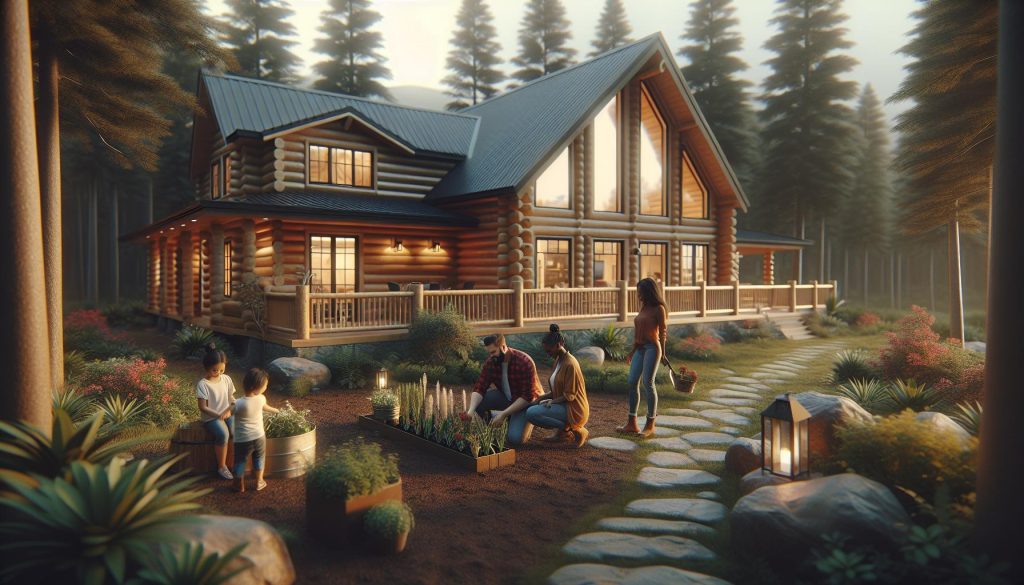
Imagine waking up to the tranquil sounds of nature, surrounded by the warm embrace of wood and rustic charm. A modular log home embodies this idyllic lifestyle, offering the perfect blend of modern convenience and timeless appeal. These homes are prefabricated with high-quality materials, allowing for quicker construction and reduced costs without sacrificing style or comfort. As you explore the world of modular log homes, you’ll discover how they can transform your living experience, providing a sustainable, cozy retreat that caters to both your needs and desires. Join us as we delve into the benefits, design options, and essential considerations of modular log homes, making your dream of rustic living a reality.
What Makes Modular Log Homes Unique?
Imagine stepping into a home that perfectly encapsulates rustic charm, with the added benefit of modern efficiency. Modular log homes are not only aesthetically pleasing but also engineered for longevity and convenience. One of the standout features of these homes is their unique construction method. Unlike traditional log homes that are often built on-site, modular log homes are pre-fabricated in sections at a factory. This allows for precise craftsmanship and quality control, resulting in a more consistent build compared to conventional methods that can often vary based on on-site conditions.
Furthermore, modular log homes are designed to be energy-efficient. The factory-based construction means they are built with advanced insulation materials that can significantly reduce heating and cooling costs. With energy efficiency being a pressing concern for many homeowners today, these log homes provide a solution that aligns with eco-friendly living without compromising on style. The integration of modern technology, such as smart home systems and sustainable materials, reinforces the unique position of modular log homes in the housing market.
Another aspect that contributes to their uniqueness is the wide range of customizable design options available. Prospective buyers can select from various styles, layouts, and finishes, allowing them to create a space that truly reflects their personal taste while maintaining the rustic allure characteristic of log homes. This flexibility is a significant advantage for those looking to tailor their living environment to their lifestyle, whether they desire a cozy retreat or a spacious family home.
In essence, the combination of quality construction, energy efficiency, and customization options makes modular log homes a distinctive choice for buyers seeking both rustic aesthetics and contemporary convenience. With their unique blend of traditional charm and modern benefits, these homes offer an appealing option for anyone looking to invest in a sustainable living space.
Benefits of Choosing a Modular Log Home

Choosing a modular log home offers a unique blend of benefits that cater to modern living while embracing rustic charm. One of the foremost advantages is the speed of construction. Because modular homes are built in a controlled factory setting, they can be constructed much more quickly than traditional homes. After foundation preparation, the modules can be delivered and assembled on-site typically within a matter of days. This efficiency not only saves time but can also reduce labor costs significantly compared to conventional construction methods.
Another compelling factor is cost-effectiveness. Modular log homes often come with a lower price tag than their traditional counterparts due to reduced construction time and manufacturing efficiencies. Additionally, the factory setting allows for bulk purchasing of materials, which can result in savings that are passed on to clients. Many buyers find that they can customize their homes with high-quality finishes while staying within budget, making modular log homes an attractive option for first-time home buyers and seasoned investors alike.
Moreover, energy efficiency is a key benefit, as modular log homes are typically designed with advanced insulation materials and energy-efficient systems. This can lead to significant savings on heating and cooling bills, a vital consideration for homeowners looking to reduce their carbon footprint. Many models also offer sustainable features and the potential for additional energy-saving technology, providing an eco-friendly lifestyle without compromising aesthetics.
Finally, the customization options available in modular log homes are vast. From layout choices to finishes and materials, buyers can create a home that resonates with their personal style while maintaining the rustic appeal of log living. This flexibility allows homeowners to thoughtfully design their space for functionality, whether they seek a cozy getaway or a spacious family residence. The ability to modify plans to meet specific needs makes modular log homes particularly enticing to prospective buyers.
In summary, opting for a modular log home means embracing an efficient, cost-effective, and customizable building solution that harmonizes rustic living with modern convenience. With benefits that address both financial considerations and personal preferences, these homes are an inspiring choice for anyone looking to invest in a unique, sustainable living space.
Design Options for Your Modular Log Home
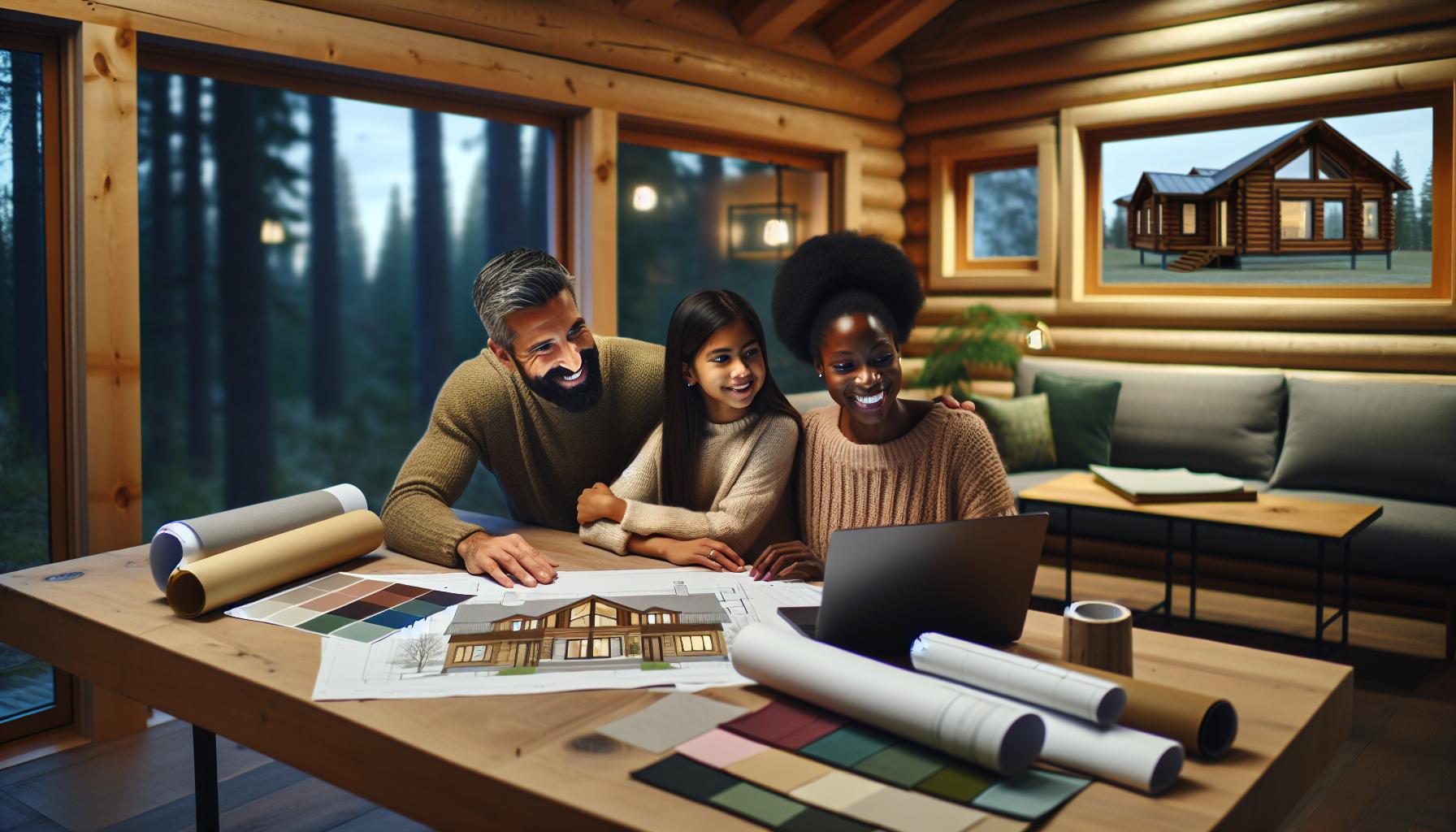
When envisioning a modular log home, the design options available are as diverse as the natural surroundings that inspire them. Homeowners can select from a variety of architectural styles, layouts, and finishes that match both their aesthetic preferences and functional needs. One of the most appealing aspects is the ability to tailor the design to create a space that truly feels like home, whether that means incorporating large windows to harness natural light or opting for a cozy, compact footprint.
To maximize both style and utility, consider the following :
Layout and Floor Plans
Modular log homes typically offer multiple floor plan configurations, allowing buyers to choose layouts that best suit their lifestyle. Open-concept designs can promote a sense of spaciousness, while smaller, segmented areas may provide a sense of intimacy. Features to consider include:
- Number of Bedrooms and Bathrooms: Determine how many sleeping and bathing spaces you require.
- Living Areas: Options can range from single-story homes to multi-level designs, accommodating families and guests.
- Outdoor Spaces: Decks, porches, or patios can enhance the connection to nature and extend your living area outdoors.
Material and Finish Choices
Choosing the right materials and finishes is critical in establishing the character of a modular log home. Options may include different types of wood, such as cedar or pine, each offering unique grains and colors. Additionally, homebuyers can select from:
- Exterior Finishes: Stains, colors, and treatments that protect the wood while complementing the home’s natural environment.
- Interior Fixtures: From rustic to contemporary designs, finishes for countertops, cabinetry, and flooring can range from reclaimed wood to sleek stone.
- Green Options: Eco-friendly materials, such as recycled products or sustainably sourced wood, cater to conscious buyers.
Choosing a modular log home provides not only the rustic charm of traditional log cabins but also the versatility to create a modern, functional dwelling tailored to individual tastes and lifestyles. By thoughtfully considering layout, materials, and finishes, homeowners can craft a space that embodies their vision of rustic living-streamlined for construction yet rich in personal expression.
Understanding the Construction Process
Constructing a modular log home is an elegant blend of precision engineering and artistic vision. From initial design to final assembly, the process is streamlined, ensuring efficient use of time and resources while maintaining quality. With modular construction, homes are built in sections at a factory, allowing for greater control over the construction environment and reducing the impacts of weather on progress. This approach often leads to shorter construction times compared to traditional methods, which can be greatly appealing to prospective homeowners.
As the journey begins, the process typically starts with professional design and customization. Homeowners work with architects and builders to create blueprints that reflect their aesthetic and functional needs. This stage is crucial, as it lays the groundwork for how the home will look and operate. Once the design is finalized, the modular components are fabricated in a climate-controlled factory, ensuring that they are constructed with precision. Various sections of the home, including walls, roofs, and floors, are manufactured using sturdy materials that align with the desired aesthetic, often showcasing the beautiful characteristics of natural wood.
Upon completion of the factory assembly, the modules are transported to the designated site for final assembly. Here, a solid foundation-typically concrete or a customized base-has already been prepared. The transport truck delivers the pre-built sections, which are craned into place with meticulous care. Once assembled, the modules are connected, utilities are installed, and final touches such as siding and roofing are applied. This efficient assembly not only helps bring the home to life faster but also allows homeowners to enjoy their new spaces sooner, redefining the waiting period often associated with home construction.
In addition to efficiency, the modular construction process emphasizes sustainability. Many modular log home builders prioritize environmentally friendly practices, such as using sustainably sourced materials and implementing energy-efficient designs. As a result, these homes often boast lower energy consumption and a reduced carbon footprint, which aligns with the values of many modern homeowners seeking to live in harmony with nature. The combination of skilled craftsmanship, thoughtful design, and eco-conscious choices positions modular log homes as a strong option for those wishing to embrace rustic living while enjoying the conveniences of contemporary construction techniques.
Essential Features of Modular Log Homes
Modular log homes are designed with a unique set of features that combine rustic charm with modern convenience, creating a living environment that caters to both aesthetic desires and practical needs. One of the most notable characteristics of these homes is the use of high-quality, sustainable materials, often highlighting the natural beauty of wood. This not only enhances the visual appeal but also contributes to the home’s durability and energy efficiency. The logs are typically treated and sealed to resist weather and pest damage, ensuring a long-lasting investment.
Another essential feature is the flexibility in design that modular log homes offer. From open-concept layouts to cozy nooks, homeowners can customize their space to fit their lifestyle. Interior features such as vaulted ceilings, large windows for natural light, and energy-efficient appliances are often incorporated, enhancing both comfort and functionality. Homeowners also have the opportunity to integrate traditional elements, like stone fireplaces or timber beams, with contemporary designs, creating a unique blend of styles.
The modular construction process itself contributes significantly to the essential characteristics of these homes. Built in sections within controlled environments, the components are less susceptible to weather-related delays and complications. This method not only speeds up the assembly time but also ensures superior craftsmanship. As each module arrives on-site, it’s typically pre-insulated and fitted with electrical and plumbing systems, allowing for a smoother installation process and immediate functionality upon completion.
In addition to these features, many modular log homes come equipped with sustainable technology built into the design, such as solar panels and energy-efficient HVAC systems. This focus on sustainability not only reduces the carbon footprint of the home but also translates to lower utility bills, making modular log homes a smart choice for environmentally conscious homeowners. As families aspire to a rustic lifestyle without sacrificing modern capabilities, these essential features make modular log homes an appealing option for anyone looking to combine elegance, efficiency, and environmental responsibility.
Sustainability in Modular Log Home Building
In today’s eco-conscious world, choosing a modular log home reflects a commitment to sustainability without sacrificing comfort or aesthetics. These homes capitalize on innovative construction techniques and materials that make them not only appealing but also environmentally friendly. With their foundation built on the principles of reduced waste and energy efficiency, modular log homes stand out as a smart choice for green living enthusiasts.
One of the core principles of is the use of responsibly sourced materials. The logs used in construction are often harvested from sustainable forests, minimizing the environmental impact. Furthermore, the controlled factory setting for construction significantly reduces waste compared to traditional site-built homes. This method allows for better precision in cutting materials, which translates into less excess and lower overall resource consumption.
Incorporating Energy Efficiency
Many modular log homes are designed with energy efficiency in mind, featuring high-quality insulation, energy-efficient windows, and advanced HVAC systems. These elements drastically reduce heating and cooling costs, leading to lower energy bills and a smaller carbon footprint. For example, integrating solar panels not only harnesses renewable energy but also potentially provides energy independence for homeowners, enabling them to power their homes sustainably.
Innovations in Technology
Sustainability in modular log home construction also extends to modern technological innovations. Smart home technology can easily be integrated to monitor energy usage and optimize efficiency. Homeowners can benefit from intelligent systems that adjust lighting and temperature based on occupancy, thereby conserving energy. Additionally, many builders provide options for green certifications, which can further enhance the home’s sustainable credentials and potentially qualify for tax incentives.
In conclusion, opting for a modular log home offers a unique opportunity to embrace a rustic lifestyle while prioritizing sustainability. By utilizing eco-friendly materials, implementing energy-efficient technologies, and minimizing waste during the construction process, these homes not only contribute to environmental preservation but also enhance quality of life for their residents. As families grow increasingly mindful of their environmental footprints, modular log homes emerge as a practical and appealing solution.
Modular Log Home vs. Traditional Log Homes
Choosing between modular log homes and traditional log homes can significantly impact your homeownership experience. While both styles embody rustic charm and connection to nature, they differ greatly in construction methods, costs, and overall practicality. Understanding these differences can help prospective homeowners make informed decisions tailored to their lifestyle needs and budget.
One of the primary distinctions lies in construction efficiency. Modular log homes are manufactured in controlled factory settings, allowing for precise craftsmanship and reduced waste. This process not only shortens the build time but also minimizes environmental impacts compared to traditional log homes, which are built on-site. Transporting pre-built sections to the property for assembly means that modular log homes can be completed faster and with fewer delays due to weather or logistics. In contrast, traditional log homes often require a lengthy construction timeline, as each log must be individually selected, cut, and assembled on-site, which can lead to prolonged exposure to the elements.
From a cost perspective, modular log homes tend to offer better pricing due to efficiencies in the manufacturing process. Since the logs are sourced in bulk and prefabrication reduces labor costs, the overall price can be lower compared to traditional log homes, which often come with higher labor expenses and potential overruns. However, traditional log homes may appeal more to those seeking custom craftsmanship and a unique aesthetic, as they can offer more personalization options in log selection and finishing touches.
Additionally, the maintenance needs differ significantly. Modular log homes typically incorporate modern building techniques that enhance durability and energy efficiency, appealing to homeowners looking for lower upkeep through insulated walls and weather-resistant materials. Traditional log homes, while beautiful and timeless, might require more hands-on maintenance to prevent issues like rot or pest infestations, especially if not constructed with modern materials.
Ultimately, the choice hinges on personal preferences regarding construction methods, customization, and long-term living experience. Whether you gravitate toward the efficiency of modular log homes or the classic charm of traditional log constructions, it’s essential to reflect on your priorities to ensure your home embodies not just aesthetic appeal, but also functionality and sustainability for years to come.
Customization: Personalizing Your Modular Log Home
Designing a modular log home offers an exciting opportunity to create a personalized sanctuary that reflects your style and preferences while benefiting from the innate advantages of modern construction methods. The beauty of modular log homes lies not only in their rustic charm but also in their flexibility. Each aspect, from the layout to the finishes, can be tailored to your vision, ensuring that your home is truly unique.
Choosing the layout is one of the first steps in customization. Modular log homes come with a variety of floor plans that can be adjusted to fit your needs-whether it’s a cozy cabin-sized retreat or a spacious family residence. Homebuyers often consider features such as open-concept living spaces, additional bedrooms, or multifunctional areas that cater to hobbies or work-from-home needs. You can also decide the orientation of rooms, maximizing natural light and views or creating serene, private spaces.
Aesthetics can be personalized in many ways. The exterior can feature various styles of log profiles, colors, and finishes to enhance the rustic appeal. Additionally, you might opt for customized windows, porch designs, or roofing materials. Inside, choosing the right finishes such as flooring, cabinetry, and countertops allows for a cohesive design that resonates with your personal taste. Many manufacturers offer design consultations, where you can explore options like energy-efficient windows or sustainable flooring that complements the rustic theme while enhancing the home’s efficiency.
Moreover, technology integration is an exciting aspect of customization. Modular log homes can seamlessly incorporate smart home features such as advanced heating and cooling systems, security systems, or energy management tools that optimize energy use. These modern conveniences are not just practical; they enhance your living experience while aligning with sustainability goals.
Embracing modular construction means not only expressing your individuality through design but also investing in a home that is built with precision and care. The modular process allows you to engage in your home’s construction actively, ensuring that every corner resonates with your lifestyle. Your modular log home can be a genuine reflection of who you are, merging traditional woodsy aesthetics with modern functionality for a perfect balance of rustic living made easy.
Cost Factors: What to Expect When Building
When planning the construction of a modular log home, understanding the cost factors involved is essential to achieving your dream home without overspending. Unlike traditional homes, modular log homes often present a more cost-effective and efficient construction process. However, several elements can influence the final price tag, making it crucial to consider various aspects during your budgeting.
One of the primary cost factors is the size and complexity of the design. Larger homes with intricate layouts naturally require more materials and labor, leading to higher expenses. Buyers should consider not only the square footage but also factors like the number of stories and the architectural features that can add to costs. The selection of materials, particularly the type and quality of logs, significantly impacts the price. Choosing high-quality, sustainably sourced logs may increase costs upfront but can lead to long-term savings through improved energy efficiency and durability.
Another critical area affecting the overall budget is site preparation and foundation work. Unlike traditional homes, where these tasks can be included in the build process, modular homes require a well-prepared site before the modular sections are delivered. This preparation might involve grading, drainage solutions, and creating a suitable foundation, all of which carry their own costs.
Furthermore, additional features and customization can enhance the overall aesthetic and functionality of your home but will also contribute to the cost. Considerations such as energy-efficient windows, premium roofing options, advanced plumbing and electrical systems, and smart home technology can raise the cost significantly. While these enhancements offer long-term savings and increased comfort, it’s essential to balance desires with the overall budget.
Financing Your Modular Log Home
Understanding financing options available is equally important. Many buyers are surprised to learn that modular homes are often financed similarly to traditional homes. Securing a mortgage for a modular log home involves verifying the home’s construction quality and whether it meets local building codes. Potential buyers should also explore lending options that cater specifically to manufactured housing. A thorough comparison of interest rates, terms, and possible down payment requirements will aid in making an informed decision.
By accurately assessing these cost factors, future homeowners can navigate the process with confidence, ensuring that their investment in a modular log home is both practical and fulfilling.
Financing Your Modular Log Home Purchase
Securing financing for a modular log home can seem daunting, but it shares many similarities with financing traditional homes. One of the first steps is to determine your budget, taking into account not only the purchase price of the home but also additional expenses such as land acquisition, site preparation, and utilities. Many buyers may be surprised to find that modular homes can sometimes qualify for lower interest rates, due to their engineered structure and compliance with building codes that ensure quality.
When exploring financing options, look for lenders who specialize in modular or manufactured housing. These lenders will be more familiar with the unique attributes of modular log homes and can provide tailored solutions. Common options include conventional mortgages, FHA loans, and sometimes even construction loans if your home is still in the building phase. Be prepared to provide documentation that showcases the home’s quality and your financial stability, as lenders will want to ensure that the modular construction meets local standards and regulations.
It’s also essential to compare offers from multiple lenders. Consider factors such as closing costs, interest rates, and loan terms. For instance, a lower interest rate over a longer loan term can save you money in the long run, but may result in higher monthly payments initially. A clear comparison will also help you identify whether it makes sense to consider a fixed-rate mortgage, which provides stability, or an adjustable-rate mortgage, which might save you costs initially but could increase over time.
Once you’ve chosen a financing path, it’s vital to understand how to prepare for your insurance needs. Many lenders will require a specific type of insurance policy that not only covers your home structure but also protects against unique risks associated with modular homes, such as transport and assembly. Engaging with an insurance professional familiar with modular homes early in the process can ensure that you are adequately protected and comply with lender requirements. By navigating these steps with informed confidence, you can enjoy the rustic charm of modular log living while making sound financial decisions.
Maintenance Tips for Long-lasting Log Homes
Log homes embody a rustic charm that many homeowners cherish, but like any dwelling, they require maintenance to ensure longevity and comfort. To keep your modular log home looking beautiful and functioning efficiently, implementing a consistent maintenance routine is essential. Here are some practical tips for maintaining your log home, preserving its natural beauty, and extending its lifespan.
Regular Inspections
Conducting regular inspections is the backbone of log home maintenance. At least twice a year, examine your home for signs of wear and damage, particularly focusing on the exterior logs. Look for cracks, peeling stains, or areas where moisture may be seeping in. Additionally, assess the roof, gutters, and flashing to ensure they are in good condition and free from debris. Early detection of issues can prevent costlier repairs down the line.
Proper Sealing and Staining
One of the standout features of log homes is their natural wood finish, which can diminish over time. To protect against the elements, apply a high-quality sealant and stain every few years. This not only enhances the wood’s appearance but also guards against moisture, UV rays, and pests. Make sure to choose products specifically designed for log homes, as these often contain additives that help prevent mold and algae growth.
Controlling Pests
Logs can be susceptible to insects and other pests, making it crucial to monitor your home regularly. Implement preventive measures by applying insecticides as needed and ensuring that wood piles and landscaping are situated away from the house. A proactive approach to pest control will save you time and money, protecting your home from infestations that can compromise its integrity.
Maintaining the Interior
Don’t overlook the interior of your modular log home. Regular cleaning, including dusting and vacuuming, will help maintain a healthy living environment. Since wood can absorb moisture, it’s essential to control humidity levels inside your home. Invest in a dehumidifier and ensure proper ventilation, particularly in kitchen and bathroom areas, to prevent mold and deterioration.
By integrating these maintenance tips into your routine, you’ll ensure your modular log home remains a cherished sanctuary for years to come. The key to longevity lies in diligent upkeep, protecting your investment while enjoying the rustic appeal that draws so many to log home living.
Creating a Rustic Lifestyle with Modular Living
Embracing a rustic lifestyle through modular living offers the perfect blend of modern convenience and traditional charm. Modular log homes are designed to create a connection with nature while providing the comfort and efficiency that today’s homeowners expect. Whether nestled in the woods or set against sweeping landscapes, these homes allow for a unique lifestyle that celebrates the outdoors, simplicity, and craftsmanship.
To create a truly rustic ambiance, consider your home’s exterior and landscaping. Natural elements, such as stone walkways, wooden decks, and native plants, harmoniously integrate your home into its surroundings. Choosing earthy color palettes and materials-such as wood siding or stone facades-enhances the rustic vibe. Additionally, outdoor spaces, like fire pits or covered porches, become gathering spots for friends and family, encouraging community and connection with nature.
Inside, modular log homes can be designed to sustain this rustic feel effortlessly. Incorporating open floor plans allows for the use of large wooden beams and spacious interiors that echo a cozy cabin atmosphere. Using reclaimed wood for flooring or accent walls adds character and historical significance to your living space. Furthermore, investing in energy-efficient appliances can maintain modern sustainability while keeping utility costs low, making rustic living both beautiful and functional.
Lastly, embracing a rustic lifestyle also means engaging with local resources and activities that celebrate the environment. Consider crafting furniture from local materials or supporting nearby artisans. Participate in community events, such as farmers’ markets or outdoor concerts, to deepen your connection to both your home and the larger community. Through thoughtful design and community engagement, a modular log home can become a sanctuary that embodies the essence of rustic living while meeting the demands of contemporary life.
Frequently Asked Questions
Q: What is the difference between a modular log home and a traditional log home?
A: A modular log home is constructed in sections off-site and assembled on the property, while a traditional log home is built on-site from logs stacked together. This difference in construction can influence costs, construction time, and design flexibility, making modular homes often more efficient.
Q: Are modular log homes energy-efficient?
A: Yes, modular log homes can be highly energy-efficient due to superior insulation and construction techniques. Many feature energy-efficient windows, insulation, and appliances, which contribute to lower utility bills and a reduced environmental footprint. This is an essential factor to consider for sustainable living.
Q: How quickly can a modular log home be built?
A: Modular log homes can typically be constructed much faster than traditional homes. While off-site construction takes a few weeks, on-site assembly often requires only a few days to weeks, depending on complexity. This rapid build time is a significant advantage for those looking to move quickly.
Q: Can you customize a modular log home design?
A: Absolutely! Many manufacturers offer extensive customization options for modular log homes. From layout to finishes, homeowners can tailor their designs to meet personal tastes and needs, ensuring their home reflects their style and preferences.
Q: What should I consider when financing a modular log home?
A: When financing a modular log home, consider the total cost of land, construction, permits, and insurance. Additionally, seek lenders experienced with modular constructions, as they may offer specialized loan products. Understanding these factors helps ensure a smooth financing process.
Q: Are modular log homes suitable for all climates?
A: Yes, modular log homes are suitable for various climates. With appropriate insulation and construction techniques, they can provide comfort in extreme weather conditions. It’s essential to work with builders who understand local climate challenges to optimize performance.
Q: What maintenance do modular log homes require?
A: Modular log homes require regular maintenance similar to traditional log homes. This includes inspecting for moisture issues, sealing logs, cleaning gutters, and maintaining the roof. Consistent upkeep will ensure longevity and preserve the home’s rustic charm.
Q: How do I ensure my modular log home is environmentally friendly?
A: To ensure your modular log home is environmentally friendly, choose sustainable materials, efficient appliances, and consider renewable energy options like solar panels. Additionally, working with a builder experienced in green building practices can optimize sustainability in both design and construction.
The Conclusion
Embrace the rustic charm and modern conveniences that a modular log home offers-your perfect retreat into nature is just a decision away! Now that you understand the benefits of modular log living, consider exploring our in-depth guides on financing options and maintenance tips to ensure a seamless transition into your new home. Don’t miss the opportunity to turn your dream of sustainable, cozy living into a reality.
Feel free to browse our sections on custom design options and the latest trends in rural housing solutions. Sharing your thoughts or experiences in the comments below helps strengthen our community, so let us know how we can support you further. Start your journey with us today-sign up for our newsletter to receive expert insights and exclusive offers tailored for modular home enthusiasts like you!