In recent years, modular homes have gained significant popularity due to their efficient construction methods and modern designs. However, as with any housing option, there are distinct pros and cons to consider that directly affect your living experience and financial investment. By understanding these advantages and drawbacks, you can make informed decisions that align with your lifestyle and long-term goals. Are you seeking affordability and swift construction, or are you concerned about resale value and customization options? This analysis guides you through the critical aspects of modular homes, highlighting essential insights that will empower you to navigate the housing market confidently and find a home that truly fits your needs. Whether you’re a first-time buyer or a seasoned property investor, this exploration promises to deepen your understanding of modular living and its unique challenges and opportunities.
Benefits of Choosing Modular Homes Over Traditional Options
Choosing a modular home can be a transformative decision, offering a multitude of advantages that appeal to diverse lifestyles and budgets. One of the most compelling benefits is the cost-effectiveness of modular homes. Typically, they cost 10% to 20% less than traditional site-built homes due to reduced construction times and the efficiencies brought about by factory assembly. This cost advantage allows buyers to allocate more of their budget toward personalization and upgrades, making their home truly unique to their taste.
In addition to affordability, modular homes are known for their exceptional construction quality. Because they are built in controlled environments, each module is subjected to stringent quality checks, ensuring durability and compliance with local building codes. This systematic approach often results in fewer construction errors and a quicker build time, reducing the overall timeline to homeownership. Furthermore, many modular homes can be customized in terms of layout and design, allowing homeowners to craft a space that meets their specific needs without the lengthy wait associated with standard construction processes.
Sustainability is another aspect that enhances the appeal of modular homes. Many manufacturers prioritize eco-friendly materials and energy-efficient designs, which can result in lower utility bills over time. Homeowners can enjoy the benefits of energy-efficient features like improved insulation, double-pane windows, and energy-efficient appliances, contributing to a reduced carbon footprint while saving money.
The flexibility of modular homes extends to their location and foundation options as well. Unlike traditional homes, modular units can be assembled on various foundation types, whether it’s a full basement, crawl space, or even on piers. This versatility allows homeowners to select a site that matches both their lifestyle preferences and budget limitations, making modular homes a practical option for many.
By considering these factors – cost, quality, sustainability, and flexibility – prospective buyers can confidently navigate their journey toward homeownership with modular homes, discovering a solution that aligns seamlessly with their vision of home.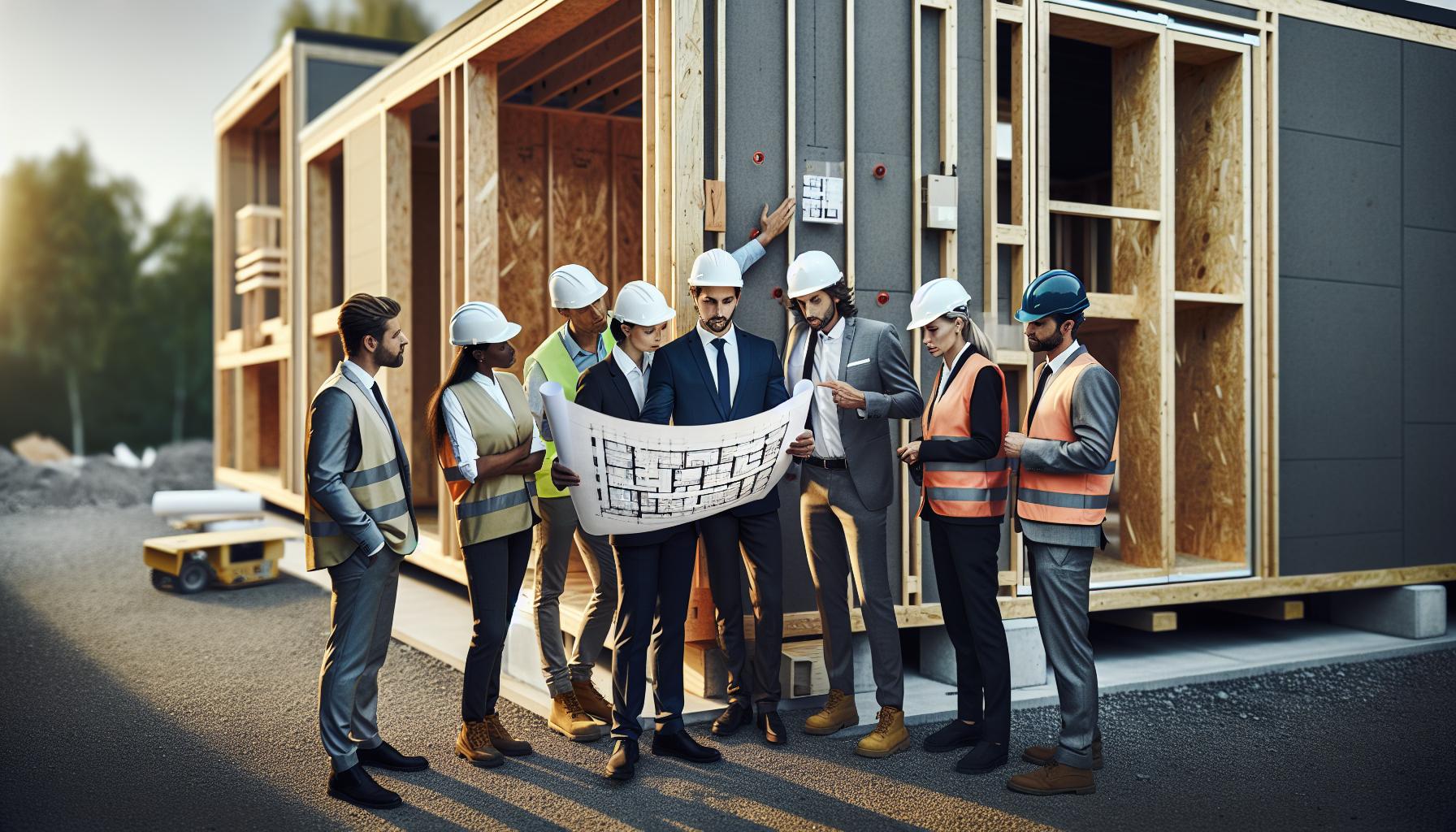
Key Drawbacks of Modular Homes to Consider
Choosing a modular home can present unique benefits, but it’s equally important to weigh some key drawbacks before making a decision. One of the most significant concerns relates to resale value; while modular homes can be an affordable entry point, they may not appreciate in value at the same rate as traditional homes. This can be particularly impactful if you’re considering selling in the future. Buyers may have preconceived notions regarding modular construction, which could affect your home’s marketability.
Another potential downside is the financing landscape. While many lenders do offer loans for modular homes, not all financial institutions have programs specifically tailored for them. This means that securing a favorable mortgage might require more effort than for conventional homes, and down payment requirements could vary significantly. It’s essential to shop around and consult with lenders who specialize in modular home loans to find suitable options.
Additionally, zoning laws and site preparation can pose challenges for modular homeowners. Not all locations permit modular home construction, and some areas may have restrictive zoning regulations that impact where you can place your home. Furthermore, adequate site preparation is crucial for stability and compliance with local building codes, which can lead to additional costs that prospective buyers must factor in from the outset.
Moreover, while modular homes are designed for efficiency and durability, they may require specific maintenance considerations. For example, homes built on piers must be periodically checked for stability, particularly in areas prone to shifting soils or severe weather. Furthermore, the integration of utilities and necessary upgrades can be more complex than with traditional homes, depending on local service availability and regulations. Understanding these long-term responsibilities can help ensure a more satisfying ownership experience.
In summary, while modular homes offer a variety of benefits, potential buyers should carefully assess factors like resale value, financing options, zoning issues, and maintenance requirements to fully understand the implications of their investment.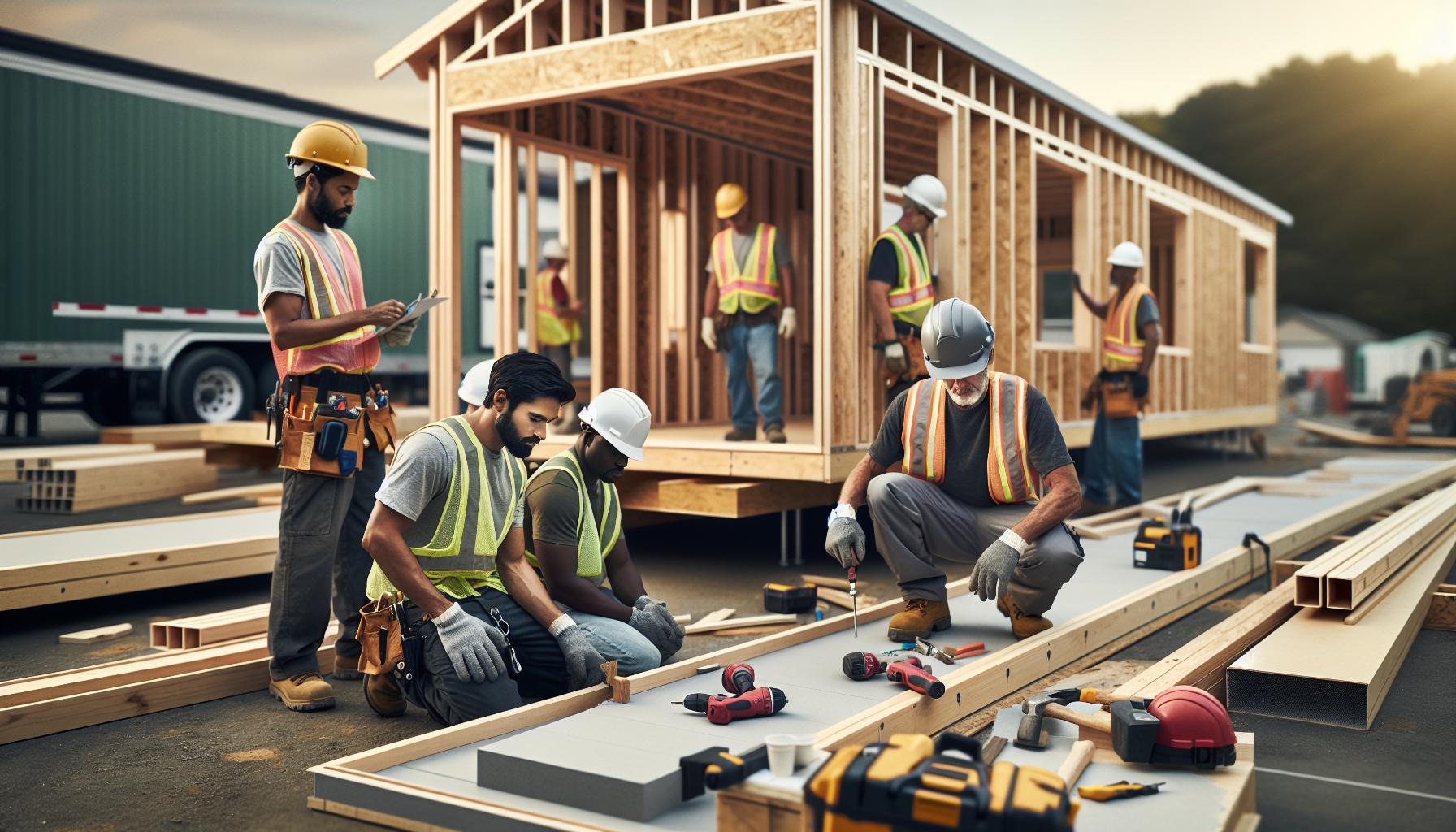
Understanding the Construction Process of Modular Homes
The construction process of modular homes is a fascinating blend of efficiency, innovation, and quality control, which fundamentally distinguishes them from traditional stick-built homes. These homes are constructed in segments, or modules, in a factory setting. This controlled environment minimizes exposure to weather-related delays and helps maintain high standards of quality while streamlining assembly. A noteworthy aspect is that modular homes can be completed 30% faster than their site-built counterparts.
The journey begins with a comprehensive design phase, where buyers work with manufacturers to customize their floor plans, materials, and finishes. Once the design is finalized, the construction of the modular sections begins. Each module is built to comply with local building codes, which can vary by region, ensuring that when the home is transported to its final site, it meets or exceeds regulatory standards. After modules are constructed, they undergo rigorous inspections and testing before being shipped to the intended location.
Upon arrival, the assembly process quickly unfolds. The individual modules are pieced together on a pre-prepared foundation, which is critical for ensuring stability and longevity. This foundation could be a slab, crawl space, or basement, depending on local building practices and the homebuyer’s preferences. Essential utilities are connected, including plumbing, electrical, and HVAC systems. It’s important to have experienced professionals handling these installations to adhere to safety and functionality standards.
Key Stages in the Modular Construction Process:
- Design Phase: Collaborate with manufacturers to create a personalized home plan.
- Module Construction: Factory construction of home sections under controlled conditions.
- Transport and Assembly: Modules are transported to the site and assembled on a foundation.
- Utility Installation: Connecting essential systems to make the home livable.
Understanding this process can empower buyers, helping them appreciate the level of care and craftsmanship involved in constructing a modular home. Moreover, once the home is assembled and livable, owners should be aware of ongoing maintenance needs specific to modular structures, such as regular inspections to ensure that utilities remain compliant and that the anchoring systems are sound, especially in areas susceptible to severe weather conditions. Overall, modular homes present a modern, efficient housing solution without compromising on quality or aesthetics.
Financing Your Modular Home: What You Need to Know
Navigating the financing of a modular home can open doors to affordable homeownership and new possibilities. These homes often come with lower overall costs compared to traditional site-built houses, allowing buyers to consider various financing options tailored specifically for modular construction. Understanding the landscape of financing, including loans, grants, and potential tax benefits, can simplify the journey toward owning a modular home.
When pursuing financing, borrowers may find that many traditional lenders are willing to extend mortgages to modular homes, provided they meet specific criteria. Most lenders will require that the modular home be permanently affixed to a foundation and classified as real property. This classification distinguishes them from manufactured homes that can be moved. Options such as conventional loans or FHA loans are viable routes. The Federal Housing Administration offers loans that cater to first-time buyers with lower credit scores, providing a pathway for many hopeful homeowners.
Additionally, many modular housing manufacturers work closely with lenders to facilitate financing processes, sometimes offering in-house financing programs that can simplify approval. Buyers should prepare for a thorough application process, which often involves a credit check, proof of income, and documentation about the modular home itself, including purchase agreements and specifications.
Moreover, exploring state and local housing programs may uncover additional resources, such as grants for first-time buyers or funding for energy-efficient homes, which are often prevalent with many modern modular designs. Understanding potential tax deductions related to energy efficiency upgrades or homebuyer assistance can further support overall affordability.
Adapting to the unique nature of modular home financing can be a straightforward experience when the right resources are utilized. By taking the time to research the available options and working collaboratively with lenders, prospective homebuyers can confidently navigate the financial landscape and step into their new modular home with ease.
Insurance Considerations for Modular Homeowners
Navigating the complexities of insurance coverage is crucial for homeowners of modular homes. Unlike traditional homes, modular structures face unique risks and considerations that call for specialized insurance policies. Understanding your insurance needs can not only provide peace of mind but also protect your investment effectively. Your modular home insurance should include coverage for the structure itself, personal property, liability, and additional living expenses in case of damage or a sudden loss of habitability.
Types of Coverage to Consider
When selecting insurance for a modular home, it’s important to consider several types of coverage. Here are key components commonly included:
- Dwelling Coverage: This protects the structural aspects of your modular home, covering damages from common hazards such as fire, storm, or vandalism.
- Personal Property Coverage: This covers your personal belongings inside the home, helping replace items like furniture or electronics if they’re damaged or stolen.
- Liability Protection: This is crucial for safeguarding against legal claims resulting from injuries or accidents that occur on your property.
- Loss of Use: If your home becomes uninhabitable due to a covered event, this ensures you can still afford living expenses while it’s being repaired.
Choosing the Right Insurance Provider
Not all insurance providers offer suitable policies for modular homes. It is recommended to choose a company that understands the specific needs of modular construction. When shopping around, inquire about the following:
- Experience with modular home insurance
- Claims process and average response times
- Available discounts for safety measures, such as installation of storm-resistant features
- Flexibility in customizing your policy coverage
Once you’ve gathered this information, compare quotes and read customer reviews to make an informed decision.
Working with Your Lender and Manufacturer
Engaging with your modular home manufacturer can also provide valuable insights into appropriate coverage. Many manufacturers have partnerships with insurance companies that cater specifically to modular home needs. Moreover, checking with your lender can offer additional recommendations for insurance providers who understand the distinctions between modular and traditional homes. This collaboration can lead to obtaining policies that are not only comprehensive but also competitively priced.
Taking the time to understand your insurance options will enhance your confidence in homeownership and offer the necessary protection for your modular living experience.
Long-Term Maintenance Tips for Modular Homes
Owning a modular home can be both rewarding and practical, especially when it comes to maintenance. Understanding the specific needs of your home will not only enhance its lifespan but also ensure a comfortable and safe living environment. Routine maintenance tasks and a proactive approach can mitigate potential issues, preserving your investment and ensuring a positive living experience.
First and foremost, regular inspections are essential. Inspect your home’s exterior for signs of wear and tear or damage caused by weather conditions. Specifically, pay attention to seams where sections of the home join, as these can be prone to settling and may require caulk or sealant replacements. Additionally, inspecting the roof and gutters is crucial; debris accumulation can lead to leaks or structural issues if neglected. Schedule seasonal checks to clean your gutters and ensure downspouts direct water away from the foundation.
Another important aspect of long-term maintenance is addressing the foundation. Depending on your location and the original setup, your modular home may require adjustment or shimming over time as the ground settles. This ensures that your home remains level, which is vital for structural integrity and preventing issues with doors and windows. If your home is elevated, make sure that the anchoring and tie-downs are secure, especially in areas prone to severe weather.
Utility systems also warrant attention. Check and maintain your HVAC, plumbing, and electrical systems regularly. For HVAC units, replace filters every few months to ensure efficiency and longevity. Be proactive about your plumbing by inspecting pipes for leaks or signs of corrosion, as well as ensuring that water heaters function properly. Regularly clean vents and check for electrical wiring issues to prevent safety hazards and costly repairs.
Lastly, maintain the aesthetics and functionality of your home’s interior and exterior. Regular cleaning, repainting, and landscaping not only enhance your home’s curb appeal but can also protect it from elements like moisture and pests. Establishing a seasonal maintenance routine can help you systematically address these tasks, keeping your modular home in excellent condition.
By taking these steps, you can ensure that your modular home remains a safe and enjoyable place to live for years to come.
Comparing Modular Homes to Mobile and Prefab Homes
Modular homes, mobile homes, and prefabricated homes often get lumped together in the real estate conversation, but they are distinctly different types of housing that come with unique advantages and considerations. Understanding these differences is crucial for prospective buyers, current homeowners, and investors navigating the manufactured housing market.
Modular homes are built in sections or “modules” in a factory setting and then transported to the site for assembly. This construction method allows for a high degree of design flexibility and adherence to local building codes, resulting in structures that can be indistinguishable from traditional homes. They often feature modern designs and can integrate sustainable materials. In contrast, mobile homes, also known as manufactured homes, are constructed on a permanent chassis and can be relocated. While they can be customizable, the design options may be more limited compared to modular homes.
When comparing these housing types, several factors come into play:
Construction Quality
- Modular Homes are built to the same codes as site-built homes, which provides a level of assurance regarding durability and safety.
- Mobile Homes tend to be built to a different set of standards that may affect their long-term sustainability, particularly in areas prone to severe weather.
Cost Considerations
- Modular Homes tend to be more expensive upfront due to the higher quality materials and construction standards. However, many owners find that this provides value in terms of lower maintenance costs over time.
- Mobile Homes may offer lower initial costs, making them attractive to first-time buyers; however, they could incur higher long-term expenses related to maintenance and insurance.
Zoning and Legal Regulations
- Often, modular homes can be placed on any land zoned for residential construction because they meet traditional building codes. This flexibility can open up more potential locations.
- Mobile homes may face stricter zoning regulations, meaning they can only be placed in designated mobile home parks or specific areas of land.
Resale Value
- Modular homes typically hold their value better and can appreciate like conventional homes due to their permanence and quality of construction.
- Mobile homes often experience depreciation, especially if they are not situated on owned land, which can impact resale opportunities.
Now consider practical aspects like storm preparedness. Homes built off-site may offer better defensive measures against extreme weather events, thanks to being either anchored properly or built to endure high winds. Therefore, understanding the specific construction methods and strengths associated with each option can empower buyers to make informed decisions that align with their lifestyle needs and financial goals.
In summary, while both modular and mobile homes present viable housing solutions, the choice between them will largely depend on individual preferences regarding quality, cost, location, and long-term investment potential. Being well-informed about these distinctions allows homeowners and buyers to navigate the housing landscape with increased confidence.
Legal Requirements and Zoning for Modular Home Construction
Navigating the legal landscape for modular home construction can seem daunting, but understanding the basics can empower prospective homeowners to make informed decisions that align with their lifestyle and investment goals. Modular homes, which are constructed in a factory and transported to the site for assembly, generally follow stringent building codes similar to traditional homes. This compliance opens up broader options for placement, making it easier to find suitable land for your new home.
When it comes to zoning regulations, it’s crucial to check local laws as they can vary significantly from one jurisdiction to another. Modular homes often qualify for placement in any area zoned for residential use. This flexibility is a major advantage, as it allows homeowners to consider a wider range of locations, whether in suburban developments or rural settings. However, local governments may impose specific requirements, so it’s advisable to become familiar with zoning ordinances that pertain to modular construction in your area.
Understanding building permits is another essential aspect. Before construction begins, most municipalities require homeowners to obtain a building permit to ensure compliance with local codes. This step typically involves submitting detailed plans and specifications for review. Engaging with local planning departments early in the process can provide clarity on necessary permits, fees, and inspections, enabling you to streamline your build timeline.
Additionally, you’ll want to be aware of any potential impact fees associated with installing a modular home on a new parcel of land. These fees vary by region and can include assessments for infrastructure improvements or contributions to local services, which can affect your overall budget. When combined with thorough research into zoning and regulations, understanding these financial implications helps in planning a realistic financial model for your modular home investment.
In summary, while the can appear complex, taking the time to research and comply with local regulations can pave the way for a successful and rewarding home-building experience. This proactive approach not only minimizes potential complications but enhances the overall value and enjoyment of your new modular home.
How Modular Homes Can Impact Property Value
The perception of modular homes has evolved significantly, impacting their property value in ways that can be surprisingly favorable for homeowners and investors alike. Contrary to outdated stereotypes, modern modular homes are built to high standards, often exceeding local building codes. This compliance not only ensures safety and durability but can also translate into a higher resale value. As potential buyers increasingly recognize the benefits associated with modular construction-such as speed of build, reduced construction waste, and energy efficiency-demand for these homes continues to rise.
Investing in a modular home can yield substantial returns, especially in regions where the housing market is tight and inventory is low. Properties featuring modern, high-quality modular homes often attract buyers looking for affordability without sacrificing quality. The aesthetic appeal of customizable designs further enhances marketability, as homeowners can choose styles and finishes that align with contemporary tastes, making these homes more competitive against traditional builds.
Factors Influencing Property Value
Several key factors influence how a modular home impacts property value:
- Location: Just like traditional homes, modular homes benefit greatly from strong neighborhood appeal. Proximity to schools, parks, and amenities can boost property value.
- Quality of Construction: Modular homes built by reputable manufacturers with a focus on quality craftsmanship can lead to higher valuations. Look for those that utilize durable materials and innovative design features.
- Market Trends: As more buyers become aware of the advantages of modular homes, market trends show a growing acceptance that can lead to appreciation in property value.
- Customization: The ability to customize designs to meet personal tastes and needs can make these homes more desirable, consequently increasing their market value.
In summary, the impact of modular homes on property value is multifaceted and generally positive. As homeowner awareness and acceptance grow, so does the potential for increased property value, especially in well-developed and high-demand areas. For those considering investing in modular homes, understanding these dynamics can aid in making informed decisions that align with long-term financial goals. With the right approach, a modular home can serve not only as a comfortable living space but also as a valuable asset in a diversified property portfolio.
Design Flexibility: Customizing Your Modular Home
The allure of modular homes lies significantly in their design flexibility, allowing homeowners to tailor their living spaces to suit personal preferences and lifestyles. With an extensive range of customizable options, modular homes can truly reflect the individual tastes and functional needs of their inhabitants, making them an appealing choice for many buyers. From layout adjustments to aesthetic finishes, the possibilities are vast, enabling the creation of a home that is not only functional but also aesthetically pleasing.
One of the fundamental advantages of opting for a modular home is the ability to influence both the floor plan and the external appearance. Prospective homeowners can choose from a variety of layouts that cater to specific family dynamics or lifestyle choices. For instance, whether you desire an open-concept design that fosters communal living spaces or more traditional segmented rooms for privacy, the customization options can accommodate these visions. Moreover, exterior choices in cladding materials, roof types, and window designs allow for further personalization, ensuring that the home fits seamlessly into its surroundings or stands out as a unique statement piece.
Additionally, modular homes can be equipped with energy-efficient features that not only reduce utility costs but also enhance the marketability of the home. Options such as solar panels, high-efficiency appliances, and advanced insulation materials can be incorporated into the design phase, substantially increasing the home’s sustainability and operating efficiency. These eco-friendly enhancements resonate with environmentally conscious buyers and can elevate the home’s property value over time.
As you begin to explore the myriad customization options available, it’s essential to collaborate closely with your builder or manufacturer. They can provide insights on popular design trends and practical advice to maximize both functionality and style. Engaging in this dialogue early in the process can ensure that your modular home is not only a reflection of your personal aesthetic but also a wise investment in your future. By embracing the design flexibility that modular homes offer, you can create a living space that feels uniquely yours while addressing the practical needs of modern living.
Sustainability and Energy Efficiency in Modular Homes
Selecting a modular home not only addresses immediate housing needs but also aligns with a growing demand for sustainable and energy-efficient living. Modular homes are often designed with environmentally friendly features that contribute to lower energy consumption and reduced environmental impact. One compelling advantage of modular construction lies in its ability to incorporate energy-efficient systems from the outset. High-quality insulation, energy-efficient windows, and sustainable building materials work together to minimize energy loss and optimize heating and cooling systems.
Investing in advanced technologies such as solar panels or geothermal heating can further enhance a modular home’s green credentials. These options not only provide renewable energy solutions but can also significantly reduce monthly utility bills. In fact, many homeowners report substantial savings over time, making these investments financially rewarding as well as environmentally sound.
Additionally, the construction process of modular homes itself is more efficient than traditional methods. As they are built in a controlled factory environment, waste is minimized, and materials are often sourced sustainably to reduce the overall ecological footprint. This precise control over the building process ensures that modular homes are not only faster to build but also constructed with durability in mind, leading to longer-lasting homes that stand up to the elements.
When considering sustainability in modular homes, it’s essential to work alongside builders who understand the importance of green practices. Engage them in conversations about eco-friendly options, and don’t hesitate to ask for recommendations on energy-efficient finishes or technologies that suit your specific needs. This proactive approach not only secures a comfortable living environment but also promotes a lifestyle that is increasingly attuned to the principles of sustainability and responsible living-key factors that resonate with many homebuyers today.
Navigating Storm Preparedness for Modular Homes
In regions prone to severe weather, the preparedness of modular homes can make a significant difference in safety and stability. Whether facing hurricanes, tornadoes, or heavy storms, understanding how to secure and protect your modular home is essential for safeguarding your investment and ensuring your family’s safety. The unique construction and installation processes of modular homes present both challenges and opportunities when it comes to storm readiness.
To start, effective storm preparedness involves proper site selection and foundation work. It’s vital to choose a location that minimizes exposure to storm risks, such as flooding or high winds. A well-constructed and appropriately anchored foundation not only contributes to the overall stability of the home but also plays a crucial role in withstanding severe weather. Homes should be secured with proper tie-downs and straps, which are designed to resist uplift forces during storms. Local building codes often dictate these measures, ensuring that the home can better handle adverse environmental conditions.
Maintenance also plays a pivotal role in storm readiness. Regular inspections of roofs, gutters, and drainage systems help to prevent water damage and ensure that the home’s exterior can withstand heavy rainfall and wind. Homeowners should also compile valuable items such as important documents and emergency supplies, securing them in waterproof containers and keeping them readily accessible. Installing storm shutters or panels can protect windows and doors, while reinforcing garage doors and exterior walls can further enhance structural integrity against strong winds and debris.
In addition, developing a comprehensive emergency plan is crucial for residents of modular homes. This plan should include evacuation routes, communication methods, and predefined meeting points in case of severe weather events. Engaging with local community resources, including emergency management services, can provide valuable information about upcoming storms and preparedness resources. Moreover, homeowners are encouraged to stay informed through weather apps and alerts to ensure timely action during storm threats. By taking proactive steps, modular homeowners can significantly enhance their preparedness for storms, ensuring peace of mind and safety during challenging weather conditions.
Frequently asked questions
Q: What are the main advantages of choosing a modular home?
A: The main advantages of modular homes include affordability, faster construction times, and customizable designs. These homes are built in sections in a factory, leading to reduced labor costs and improved quality control. For more details on benefits, check the “Benefits of Choosing Modular Homes Over Traditional Options” section.
Q: What are common misconceptions about modular homes?
A: Common misconceptions include beliefs that modular homes are inferior in quality or design compared to traditional homes. In reality, they can offer the same structural integrity and aesthetic customization. Refer to the “Key Drawbacks of Modular Homes to Consider” for insights into these myths.
Q: How do modular homes compare with traditional homes regarding resale value?
A: Modular homes can have comparable resale value to traditional homes, depending on market conditions and location. It’s essential to maintain the home and adhere to local regulations to maximize property value. For more information, see the “How Modular Homes Can Impact Property Value” section.
Q: Are modular homes energy-efficient?
A: Yes, many modular homes are designed with energy efficiency in mind, incorporating sustainable materials and energy-saving technologies. This can lead to lower utility costs over time. For details, refer to the “Sustainability and Energy Efficiency in Modular Homes” section.
Q: What financing options are available for purchasing a modular home?
A: Financing options for modular homes include traditional mortgages, construction loans, and government-backed loans. It’s crucial to compare these options to find the best fit for your financial situation. Explore the “Financing Your Modular Home: What You Need to Know” section for more information.
Q: What should I know about insurance for modular homes?
A: Insurance for modular homes is generally similar to that of traditional homes. It’s important to ensure coverage includes risks specific to your location, such as flood or storm protection. Review the “Insurance Considerations for Modular Homeowners” section for detailed guidance.
Q: How does the construction process of modular homes work?
A: Modular homes are constructed in sections at a factory before being transported to the site for assembly. This process involves fewer delays and weather-related issues, making it a quicker option compared to traditional building. For more insights, check out “Understanding the Construction Process of Modular Homes.”
Q: Can I customize a modular home?
A: Yes, modular homes offer a high degree of customization, allowing homeowners to choose layouts, finishes, and features. This flexibility makes it easier to create a home suited to individual preferences. For design ideas, see the “Design Flexibility: Customizing Your Modular Home” section.
Concluding Remarks
In understanding the pros and cons of modular homes, you’re now equipped to make informed decisions regarding your housing options. Modular homes offer unique advantages like affordability and customization, but also come with potential drawbacks that require careful consideration. If you’re thinking of exploring modular living further, be sure to check out our detailed guides on financing options and maintenance tips that will help streamline your journey.
Don’t forget to subscribe to our newsletter for the latest insights on manufactured housing trends and tips to enhance your living experience. Have questions or want to share your own experiences? We invite you to comment below, engage with our community, and dive deeper into related articles such as “Modular Home Maintenance Essentials” and “Understanding Modular Home Financing.” Your next steps toward a savvy home investment begin here-let’s embark on this journey together!