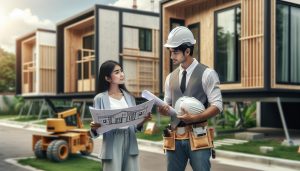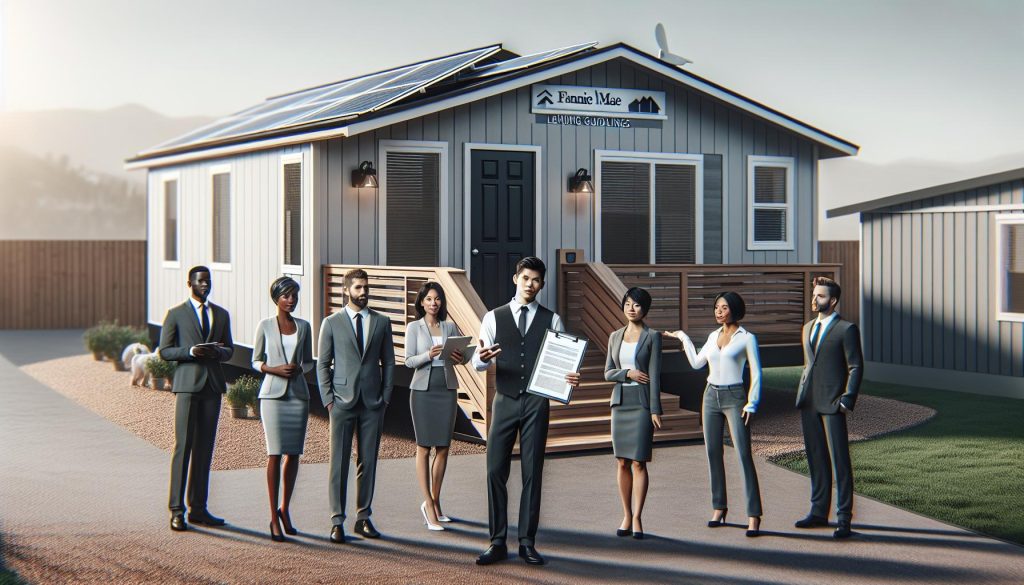
Did you know that financing options for modular homes are evolving rapidly, making them an increasingly viable choice for many buyers? Understanding Fannie Mae’s role in this market is essential for anyone considering a modular home, as it helps navigate the lending landscape. As a government-sponsored enterprise, Fannie Mae offers guidelines that can significantly impact how easily you can secure funding for your dream modular home. By demystifying these lending guidelines, we aim to empower prospective homeowners, current residents, and investors alike to make informed decisions. Whether you’re looking for affordable housing solutions or exploring investment opportunities, knowing how Fannie Mae can support your goals is crucial. Join us as we delve deeper into the specifics of Fannie Mae’s guidelines and how they influence financing for modular homes, providing you the insights you need to succeed in this unique housing market.
What Is Fannie Mae and Its Purpose in Housing?
Fannie Mae plays a crucial role in the housing market by facilitating the availability of affordable mortgage financing for a variety of housing options, including modular homes. As a government-sponsored enterprise, Fannie Mae is dedicated to enhancing the flow of capital into the housing sector, ultimately aiming to make homeownership more attainable for American families. Its operations include purchasing loans from lenders, which are then packaged into mortgage-backed securities. This process not only provides liquidity to lenders but also promotes a stable housing market by ensuring that money is consistently available for mortgages.
Modular homes, which are constructed off-site and then assembled on their permanent location, have gained popularity due to their cost-effectiveness and efficient building processes. Fannie Mae recognizes the value of modular homes in addressing housing affordability and thus has established specific financing guidelines tailored to this type of living arrangement. By extending its parameters to include modular homes, Fannie Mae validates them as a legitimate choice for prospective homeowners, reassuring buyers that financing for these properties is accessible and secure.
The agency’s commitment to modular homes aligns with broader efforts in affordable housing initiatives. By investing in and promoting financing solutions for these homes, Fannie Mae helps to expand housing options for lower and middle-income families, particularly in areas where traditional housing may be out of reach. This support not only enables families to benefit from the advantages of modular construction, such as lower costs and faster completion times but also fosters sustainable community development through diverse housing stock.
Understanding Modular Homes and Their Benefits

Modular homes are increasingly seen as a smart solution for those seeking affordable and efficient housing. These dwellings are constructed in sections or modules in a factory setting and then transported to the site for assembly. One of the major benefits of modular homes is the potential for significant cost savings compared to traditional site-built homes. Because much of the construction takes place in a controlled environment, manufacturers can optimize processes, reduce waste, and overcome many of the delays commonly associated with on-site construction. This efficiency often translates to lower overall construction costs and shorter build times.
In terms of energy efficiency, modular homes can also outperform traditional counterparts. Many modular manufacturers prioritize sustainable practices, utilizing energy-efficient materials and construction methods that align with green building standards. Buyers can enjoy lower utility bills and a smaller carbon footprint, making modular homes not only economically but also environmentally appealing.
Furthermore, modular homes are customizable. Homeowners can choose various layouts, styles, and finishes to create a living space that suits their needs and preferences. This level of personalization has made modular homes a popular choice for a diverse range of buyers, from young families seeking their first home to retirees looking to downsize without compromising on quality.
Interestingly, Fannie Mae recognizes the advantages of modular homes and has strategically positioned itself to support this housing option. Their financing guidelines cater specifically to modular homes, ensuring that potential buyers have access to loans that make purchasing these properties feasible. As Fannie Mae facilitates the integration of modular homes into the housing market, it not only endorses their legitimacy but also reinforces the idea that they are a viable and valuable choice for modern living.
In summary, modular homes stand out for their affordability, efficiency, and customization possibilities, presenting an appealing option for first-time buyers and seasoned homeowners alike. With support from lending institutions like Fannie Mae, prospective buyers can confidently explore modular living as a practical and sustainable choice in homeownership.
Fannie Mae’s Financing Guidelines for Modular Homes

Navigating the financing landscape for modular homes can often feel complex, but Fannie Mae has established clear and supportive guidelines to facilitate the process. As a champion of homeownership, Fannie Mae recognizes the unique attributes of modular homes and seeks to provide potential buyers with the resources necessary for successful financing. These homes, built in segments and then assembled on site, are celebrated for their cost efficiency and customization options, and Fannie Mae’s lending guidelines help ensure that obtaining financial support for such properties is accessible and straightforward.
Key Financing Features
Fannie Mae allows financing for modular homes within the same structure as traditional single-family residences, making the process seamless for buyers. Potential borrowers can benefit from various mortgage options, including conventional loans that require low down payments-typically around 3% to 5%-as well as fixed-rate and adjustable-rate mortgage options. It’s essential that the modular home meets specific structural standards; for instance, the home must be certified and meet the manufacturer’s specifications to qualify fully for Fannie Mae’s financing.
Documentation and Appraisal
When applying for a loan, buyers should be prepared to provide comprehensive documentation, including proof of income, credit history, and details regarding the selected modular home. Additionally, an appraisal tailored to modular homes is vital, as it should confirm that the home adheres to safety and construction standards. This step not only validates the home’s market value but also ensures it meets all regulations, thereby protecting the investment.
Benefits of Fannie Mae Financing
Choosing financing through Fannie Mae means borrowers can take advantage of several benefits that can be significant for modular home purchases. This includes the allowance of higher debt-to-income ratios in certain conditions, which can be a crucial factor for many buyers. Furthermore, the flexibility in approval processes and options for various levels of credit scores ensures that a broader range of buyers can qualify for financing. By encouraging the growth of modular homes in the housing market, Fannie Mae is fostering an environment that supports affordability and accessibility, helping many achieve their dream of homeownership in a modern and sustainable manner.
Eligibility Requirements for Modular Home Loans

Obtaining financing for a modular home can be a game-changer, especially with Fannie Mae’s supportive loan guidelines that aim to promote affordable and accessible housing options. If you’re considering purchasing a modular home, understanding the eligibility requirements for loans can significantly streamline the process and enhance your home buying experience.
To qualify for financing through Fannie Mae, potential borrowers typically need to meet certain financial criteria. These may include:
- Credit Score: A minimum credit score of 620 is commonly required for conventional loans. However, higher scores can secure better interest rates and terms.
- Debt-to-Income Ratio: Your debt-to-income (DTI) ratio, which evaluates your monthly debts versus your gross monthly income, should generally not exceed 43%. Some exceptions may apply if compensating factors are present.
- Down Payment: Fannie Mae allows down payments as low as 3%, making homeownership more achievable for first-time buyers or those with limited funds.
- Employment History: A stable employment history for at least two years in the same field is often needed to demonstrate reliable income. Self-employed individuals may need to provide additional documentation.
Documentation Requirements
Preparing for the loan application process means gathering specific documentation. This includes:
- Income verification, such as W-2 forms or pay stubs.
- Tax returns for the past two years, particularly if self-employed.
- Bank statements to showcase savings and assets.
- Details regarding the modular home, including manufacturer specifications and the foundation on which it will be placed.
Types of Eligible Modular Homes
Fannie Mae supports financing for various kinds of modular homes, provided they adhere to specific standards. Eligible homes include those that:
- Are built in segments and assembled on-site, meeting all building codes.
- Are certified as compliant with the federal and state regulations.
- Have foundations that meet the required specifications, ensuring structural integrity.
Navigating the can feel daunting, but with the right information and preparation, prospective buyers can position themselves confidently in the housing market. Embracing the opportunity Fannie Mae provides in supporting modular home financing allows you to step closer to realizing your homeownership aspirations. Each of these criteria is designed to ensure that buyers not only secure financing but also invest in homes that are safe, efficient, and long-lasting.
The Modular Home Purchase Process Explained

The purchase process for a modular home can be both exciting and complex, but understanding the steps involved can pave the way for a smoother experience. Modular homes, built in sections at factories and then transported to their final site for assembly, offer a unique alternative to traditional housing. Their appeal lies in the quicker construction timeline and often lower costs. By utilizing Fannie Mae’s financing options, homebuyers can enjoy additional support tailored to modular home acquisition.
To begin the journey, potential buyers should first assess their financial readiness. This involves checking credit scores, determining budgets, and understanding Fannie Mae’s lending guidelines which include a minimum credit score of 620 and down payment options as low as 3%. Once financial parameters are set, securing pre-approval for a loan can provide a clearer picture of what is affordable, streamlining the search for the perfect modular home.
After obtaining pre-approval, buyers should research and select reputable manufacturers and design their desired modules. This stage involves considering not only aesthetic preferences but also functional aspects such as size and layout suited to their lifestyle. It’s beneficial to visit model homes or showrooms to get a tangible sense of options available.
Once a potential home is selected, the next step is to coordinate with the builder and finalize contracts. This includes verifying that the chosen home meets all of Fannie Mae’s guidelines, ensuring it can be financed appropriately. After the home is built, the site preparation and foundation work must be completed before the modules arrive. Proper installation involves careful leveling and anchoring to comply with local codes, which is crucial for ensuring stability and safety.
Finally, after all necessary inspections, Fannie Mae’s financing can support the home purchase, which may involve submitting documentation such as income verification, tax returns, and specific details about the modular property. Understanding these distinct steps enables potential homeowners to navigate the modular home purchase process confidently, ensuring they can achieve their dream of homeownership with fewer hurdles and greater satisfaction.
Key Differences Between Modular and Traditional Homes
The choice between modular and traditional homes can significantly impact both your living experience and your financial considerations. Modular homes, constructed in a factory and then assembled at their permanent location, offer distinct advantages over traditional site-built homes that appeal to many buyers. One significant difference is the speed of construction; modular homes can often be completed in a fraction of the time it takes to build a traditional home. This rapid turnaround can lead to quicker occupancy, allowing families to move into their new spaces sooner.
In terms of cost, modular homes frequently present a more budget-friendly option. The efficiency of the factory assembly process, combined with reduced labor costs, often results in lower purchase prices compared to traditional constructions. This affordability makes modular homes an attractive alternative for first-time buyers and those seeking to maximize their investment in real estate. In many cases, buyers can secure financing through Fannie Mae, which offers guidelines and programs tailored specifically for modular home purchases, further enhancing affordability through lower down payment requirements and competitive interest rates.
Furthermore, when it comes to customization, modular homes allow for a high level of personalization while maintaining overall quality control. Homebuyers can select from various designs and features, creating a home that truly reflects their lifestyle without the prolonged timelines or unpredictable costs that sometimes accompany traditional building processes. It’s noteworthy that modular homes must meet the same building codes and standards as traditional homes, ensuring durability and compliance with local regulations.
Lastly, the long-term valuation of modular homes has been a topic of interest. While some may assume that a modular home would appreciate at a slower rate compared to traditional homes, studies and market trends indicate that well-built modular properties can hold their value and even appreciate similarly to their traditional counterparts, particularly in communities that embrace varied housing options. With Fannie Mae’s support in financing, buyers can confidently invest in modular homes as a legitimate and appealing choice for homeownership.
Fannie Mae’s Role in Affordable Housing Initiatives
In an era where affordable housing is a prominent issue, Fannie Mae plays a crucial role in enhancing access to homeownership through innovative financing solutions. As a government-sponsored enterprise, Fannie Mae’s mission revolves around increasing the availability and accessibility of affordable housing options across the United States. One of the ways it achieves this is by providing comprehensive lending guidelines that specifically accommodate modular homes, which are often a more cost-effective choice for many buyers.
By supporting modular home financing, Fannie Mae helps to mitigate one of the significant barriers to homeownership: affordability. Modular homes typically have lower construction costs and faster build times than traditional homes, making them an attractive alternative for first-time buyers or those with budget constraints. Fannie Mae enables this option by offering lower down payment requirements and competitive interest rates, allowing individuals and families to enter the housing market more easily. The flexibility in their loan products is designed to meet the diverse needs of borrowers, thereby expanding the pool of potential homeowners.
Additionally, Fannie Mae’s involvement in affordable housing initiatives extends beyond just financial products. The enterprise conducts research and invests in community development efforts that aim to improve housing conditions and increase access to quality living environments. Through partnerships with various stakeholders, including state and local governments and nonprofits, Fannie Mae is instrumental in creating programs that support homebuyers in navigating the complexities of financing modular homes. These initiatives often include educational resources and tools to help buyers understand their options, enabling them to make informed decisions.
Ultimately, by championing affordable housing and specifically accommodating modular homes within their financing guidelines, Fannie Mae not only paves the way for increased homeownership opportunities but also contributes to the broader goal of enhancing housing stability and community resilience. Suppliers, builders, and homeowners alike benefit from a more inclusive financial ecosystem that recognizes the value of diverse housing solutions.
Impact of Modular Home Financing on Property Values
The financing of modular homes significantly impacts property values, fostering a more dynamic housing market while increasing accessibility for a broader range of buyers. As Fannie Mae introduces greater flexibility in financing options for modular homes, this not only enhances borrowing potential but also positions these homes as viable and desirable investments. Buyers are often drawn to modular homes for their affordability and efficiency, which can lead to increased competition in certain markets, ultimately contributing to rising property values.
One of the most compelling benefits of Fannie Mae’s financing guidelines is their emphasis on lower down payments and competitive interest rates specifically tailored for modular homes. This accessibility encourages first-time homebuyers and those with tighter budgets to invest in modular housing, helping to stabilize and even increase property values in neighborhoods that may have previously struggled. As more households make the leap into homeownership, demand for modular homes can rise, reflecting positively on their market value.
Moreover, communities that embrace modular homes often witness revitalization and long-term growth. By providing financing options that cater to modular home construction and ownership, Fannie Mae supports a diverse housing landscape. This promotes community resilience, as new homeowners invest time and resources into their properties, enhancing overall neighborhood appeal. In regions where modular homes are prevalent, we may see an increase in local amenities and infrastructure improvements, further boosting property values.
Additionally, as modular homes become more accepted within the real estate market, misconceptions about their quality and longevity continue to dissipate. By aligning financing guidelines with the realities of modern modular construction-such as building to high standards of energy efficiency and design-Fannie Mae helps establish these homes as legitimate long-term housing solutions. In turn, this can enhance resale values and make modular homes more attractive to potential buyers, thus fostering a sustainable market trajectory.
In summary, the financing of modular homes through Fannie Mae not only enhances affordability but also positively influences property values, creating a robust market that benefits homeowners and investors alike.
Common Myths About Fannie Mae and Modular Homes
Many potential homeowners harbor misconceptions about modular homes and the role of Fannie Mae in their financing. These myths can prevent individuals from considering modular housing as a viable option, despite its numerous benefits. One of the most prevalent myths is that modular homes are inferior to traditional homes. In reality, modular homes are constructed in factory-controlled environments that adhere to strict building codes, often resulting in superior craftsmanship and energy efficiency compared to many site-built homes. Fannie Mae’s commitment to financing modular homes underscores their quality and longevity, reinforcing that these homes are durable, modern, and designed to last.
Another common myth is that obtaining financing for modular homes is excessively complicated. While traditional home loans might involve a myriad of rules and qualifications, Fannie Mae has streamlined the process specifically for modular homes. Their guidelines emphasize lower down payments and competitive interest rates tailored for modular construction, making it easier for first-time buyers or those with limited budgets to secure loans. This accessibility not only helps buyers navigate their mortgage options but also recognizes the growing market demand for modular homes.
Some believe that modular homes lose value more quickly than traditional homes. However, this is a misconception largely stemming from outdated views on manufactured housing. Fannie Mae’s evolving lending guidelines are designed to support modular homes as attractive investments, positively impacting property values. In fact, areas with significant modular home development often see revitalization and an increase in local property values as these homes enhance neighborhood appeal through quality construction and design.
Lastly, there is a notion that modular homes are overly simplistic and lack customization options. In truth, modern modular homes offer a wide variety of designs, floor plans, and finishes that can be tailored to individual preferences, rivaling traditional homes in aesthetics and functionality. Fannie Mae’s financing programs further encourage buyers to invest in customized modular homes, ensuring they serve as beautiful, personalized living spaces rather than just affordable housing alternatives.
Embracing factual information about modular homes encourages prospective buyers to view them as legitimate housing solutions-supported by financing from entities like Fannie Mae-which ultimately enhances housing diversity within the market.
Navigating Fannie Mae’s Loan Application Process
Navigating the loan application process for a modular home through Fannie Mae can enhance your journey to homeownership with clarity and confidence. Understanding Fannie Mae’s streamlined guidelines is essential for successful financing. Unlike traditional housing loans, which may present a host of obstacles, Fannie Mae focuses on simplifying the experience for modular home buyers. With lower down payments and competitive interest rates, their approach encourages a wider range of buyers to explore this viable housing option.
Before beginning your application, it’s important to gather various documents that prove your financial stability. Examples include tax returns, bank statements, proof of income, and credit history. These documents are crucial as they help lenders assess your ability to repay the loan. Fannie Mae’s eligibility guidelines specify that modular homes must meet certain standards to qualify for financing, which includes aspects like construction quality and adherence to local building codes.
Once your documentation is ready, it’s time to choose a lender who offers Fannie Mae-backed loans. Look for those specifically knowledgeable about modular homes, as they can provide insights not only into financing but also into the nuances that come with modular living. Many lenders utilize the Desktop Underwriter system, which further expedites the approval process by offering a more automated approach to risk assessment.
After you select a lender and submit your application, you may also receive pre-approval, which improves your negotiating position and gives you a clearer picture of your budget. Keep communication lines open with your lender, and don’t hesitate to ask questions. Understanding each step-from the initial application through to underwriting-will ensure you feel empowered throughout the journey. This proactive approach not only aids in securing your modular home financing but also helps solidify the perception of modular living as a legitimate and attractive housing alternative.
Tips for Choosing the Right Modular Home Lender
Choosing the right lender for your modular home financing is crucial in ensuring a smooth and successful transaction. With the rising popularity of modular homes, it’s vital to find a lender who not only understands the nuances of this specific market but is also aligned with Fannie Mae’s lending guidelines, which facilitate financing options for modular home buyers. Start your search by looking for lenders who specialize in modular or manufactured homes, as they will have familiarity with the unique aspects of these properties, including location-specific regulations and construction standards that impact financing.
When evaluating potential lenders, consider the following key factors to make a more informed decision:
- Loan Options and Terms: Inquire about the variety of loan products they offer for modular homes. Ensure they have options that reflect current market conditions, competitive interest rates, and terms that fit your financial situation.
- Experience with Fannie Mae Guidelines: Since Fannie Mae has specific eligibility requirements for modular homes, seek lenders who have a proven track record in working with these guidelines. They should be able to guide you through the documentation and approval process with ease.
- Customer Reviews and Testimonials: Research customer feedback and ratings about lenders you are considering. Positive reviews can provide insights into their reliability, communication style, and customer service quality-crucial elements when navigating the complex financing process.
- Pre-Approval Process: Look for lenders who offer a streamlined pre-approval process. A pre-approval not only gives you a better understanding of your budget but also strengthens your negotiating position when making an offer on a modular home.
Ask detailed questions during initial conversations, such as how they handle unique challenges associated with modular homes-this will not only display their expertise but also help you gauge how comfortable you feel with them as your lender. Remember, the right choice is about finding a partner who aligns with your goals and understands your vision for your new modular home. By taking the time to carefully evaluate your options, you’ll be better prepared to secure favorable financing and embark on your journey to modular home ownership with confidence.
Future Trends in Modular Home Financing Options
As the demand for modular homes continues to rise, lenders and financial institutions are evolving their approaches to accommodate this growing sector. One of the most significant trends is the adaptation of lending guidelines to align with the unique attributes of modular construction. Fannie Mae plays an essential role in this transformation by providing support and frameworks that enhance access to financing for modular home buyers.
In recent years, the integration of technology in the financing process has gained traction. Online platforms for pre-approval, personalized loan comparisons, and electronic document submission are making the process faster and more user-friendly. These innovations not only streamline the application process but also empower buyers with greater transparency and control over their financing options. Borrowers can now access tools that help them understand Fannie Mae’s guidelines better, thereby improving their chances of securing favorable loan terms.
Another emerging trend is the focus on sustainability and energy efficiency in modular homes. As environmental awareness increases, lenders are beginning to offer special financing incentives for homes that meet specific energy efficiency standards. This shift not only appeals to eco-conscious buyers but also aligns with government initiatives aimed at promoting green building practices. Fannie Mae has also recognized this movement by exploring programs that support energy-efficient modular homes, which could lead to additional financing opportunities for buyers looking to reduce their environmental footprint.
Finally, as modular homes gain wider acceptance as a legitimate housing option, educational resources are expanding to guide potential buyers through the process. From understanding zoning laws to navigating financing options that comply with Fannie Mae’s lending guidelines, resources are increasingly becoming available. This education empowers buyers by equipping them with the knowledge needed to make informed decisions, ultimately enhancing the appeal of modular homes in the broader housing market. By staying informed and adapting to these trends, prospective buyers can confidently navigate the modular home financing landscape.
Frequently asked questions
Q: What types of modular homes does Fannie Mae finance?
A: Fannie Mae finances various types of modular homes, including single-family and multi-family units. They adhere to specific guidelines that assess the overall quality and compliance of the home with local building codes. This ensures the home presents good value and quality for both buyers and lenders.
Q: How does Fannie Mae’s financing impact modular home buyers?
A: Fannie Mae’s financing options make modular homes more accessible to buyers by providing lower interest rates and flexible loan terms. This helps facilitate homeownership and promotes affordable housing, aligning with their mission to support sustainable home financing.
Q: What are the eligibility criteria for modular home loans under Fannie Mae?
A: Eligibility for Fannie Mae modular home loans typically includes having a good credit score, sufficient income, and a stable employment history. Additionally, the modular home must meet specific standards, including being built to HUD codes, which can be explored further in Fannie Mae’s financing guidelines.
Q: Can Fannie Mae provide loans for used modular homes?
A: Yes, Fannie Mae offers loan options for buying used modular homes, as long as they meet Fannie Mae’s standards regarding age, condition, and compliance with local zoning laws. Financing for used homes may have specific guidelines that prospective buyers should consider.
Q: What documentation is needed when applying for a modular home loan with Fannie Mae?
A: When applying for a modular home loan, applicants typically need documentation that includes proof of income, tax returns, credit reports, and details about the modular home’s specifications. Ensuring proper documentation can expedite the loan approval process.
Q: How does Fannie Mae ensure the quality of modular homes?
A: Fannie Mae requires that modular homes comply with specific construction standards and local building codes. They assess the home’s design and construction, ensuring it has adequate safety and quality features for long-term livability and marketability.
Q: What is Fannie Mae’s role in promoting modular homes for affordable housing?
A: Fannie Mae actively promotes modular homes as a cost-effective housing solution, incorporating them into its broader strategy to enhance affordable housing availability. By providing financing options, Fannie Mae helps increase homeownership opportunities for low- and moderate-income families.
Q: Are there specific loan programs for modular homes offered by Fannie Mae?
A: Yes, Fannie Mae offers specific loan programs tailored for modular home purchases, such as the HomeReady mortgage program. This program is designed to cater to low- and moderate-income borrowers with flexible underwriting criteria to facilitate homeownership.
In Conclusion
As you navigate the complexities of modular home financing, understanding Fannie Mae’s important role can significantly enhance your home buying experience. By adhering to their lending guidelines, you can make informed decisions that streamline your path to homeownership. Don’t wait-explore more about financing options for modular homes and discover the potential benefits of the Fannie Mae HomeReady program to maximize your affordability and access to resources.
For further insights, check out our articles on mobile home maintenance tips and hurricane preparedness strategies to ensure your investment stays safe and sound. If you have any lingering questions or are ready to take the next step, sign up for our newsletter for expert advice delivered straight to your inbox or explore our resource center for comprehensive guides that empower you in your journey. Your dream home is within reach-let’s make it happen together!