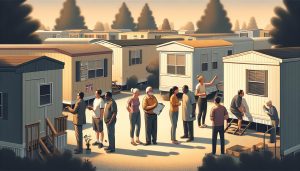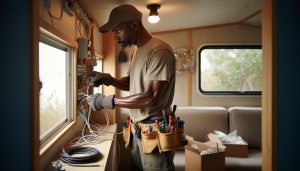
As a mobile home owner, understanding your legal rights is essential to safeguarding your investment and ensuring a harmonious living environment. Did you know that mobile homes represent one of the most affordable housing options in the U.S., housing millions of families? However, the mobile home community faces unique challenges, from landlord-tenant disputes to zoning laws. Knowing your rights allows you to navigate these issues with confidence. Whether you’re a current resident, a prospective buyer, or an investor, recognizing the protections afforded to you by law can enhance your security and peace of mind. In this guide, we will explore key legal protections available to mobile home owners, offering practical insights that empower you to advocate for your rights and make informed decisions about your home. Let’s dive into the important details that will help you navigate the complexities of mobile home ownership with assurance.
What Rights Do Mobile Home Owners Have?
Mobile home ownership provides a unique housing solution that comes with specific rights and protections designed to ensure residents can live comfortably and securely in their homes. Understanding these rights is crucial not only for current mobile home owners but also for prospective buyers who may be considering this form of housing. The legal landscape surrounding mobile home ownership varies by state, but common protections typically include the right to a safe and habitable living environment, protection against unfair eviction practices, and the right to privacy within your home.
Among these rights, the right to safe and habitable conditions is paramount. Mobile home parks are required to maintain their facilities in a way that meets health and safety standards. This means that as an owner, you should expect the utilities (water, electricity, sewage) to be functional and that common areas are kept clean and safe. Many states have laws that require landlords or park owners to adhere to specific maintenance regulations. If you encounter issues such as inadequate water supply or unsafe living conditions, you have the right to request repairs and, if necessary, file complaints with local housing authorities.
Another vital aspect of mobile home ownership is protection against unlawful evictions. Owners should be aware of their rights regarding the termination of leases and evictions. Most states mandate that landlords provide valid reasons and proper notice before evicting a tenant, which could include non-payment of rent or violation of park rules. However, it’s important to note that landlords cannot evict residents simply for reporting code violations or expressing concerns about unsafe conditions. Documents such as lease agreements often stipulate additional rights, including processes for dispute resolution and rules regarding rent increases, which must typically follow legal guidelines.
In addition to these rights, mobile home owners are granted protections that allow them to collectively advocate for their needs. Forming a tenants’ association, for instance, can enhance bargaining power when addressing issues with management or negotiating park rules. Knowing your rights and being an active participant in your community can lead to a more supportive and desirable living situation in mobile parks. Understanding these aspects can empower both current and future mobile home owners, helping them to navigate their ownership with confidence and assurance.
Understanding Legal Protections for Homeowners
Mobile home ownership opens doors to accessible and flexible living arrangements, yet it comes with specific legal protections that can often be overlooked. Knowledge of these protections empowers homeowners, ensuring they can maintain their standard of living and cultivate a supportive community around them. As a mobile home owner, you have a right to a secure living environment, which includes the expectation that your park is well-maintained and adheres to health and safety standards set forth by state regulations.
Understanding the legal framework that surrounds mobile home ownership is crucial. Most states have local laws that protect residents against eviction without cause, requiring landlords to provide written notice and legitimate reasons for any lease termination. For example, if a park owner attempts to evict a resident after they report health violations or unsafe conditions, this would violate tenant protections. It’s essential to familiarize yourself with the specific regulations applicable in your area, as these can vary widely.
Fostering a collective voice can amplify your rights as a mobile home owner. Consider forming or joining a tenants’ association, which can strengthen your negotiating power with park management on issues like rent increases, maintenance practices, and community rules. Additionally, reviewing your lease agreement is vital; it often outlines your rights and obligations, including your ability to challenge unwarranted decisions made by management. Understanding these aspects will not only secure your current living conditions but also enhance the overall mobile home community by encouraging advocacy and cooperation among residents.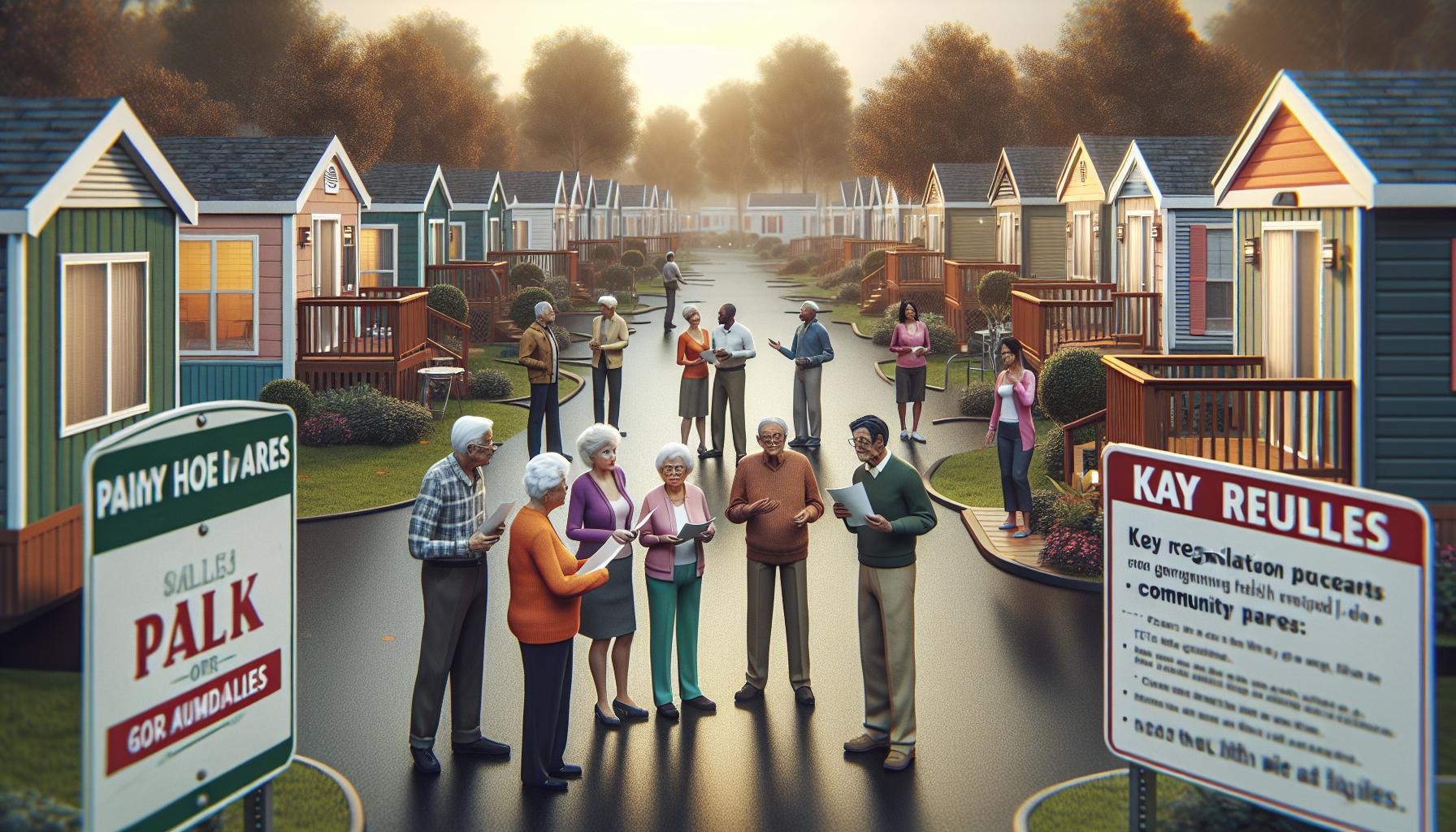
Key Regulations Governing Mobile Home Parks
Mobile home parks are governed by a complex network of regulations that play a crucial role in protecting the rights of residents. Understanding these regulations is essential for any mobile home owner, as they help foster a secure living environment and outline the responsibilities of both the park owners and residents. Each state has distinct laws and guidelines that inform how mobile home parks must operate, making it vital for homeowners to familiarize themselves with local regulations that can affect their living situations.
In general, key regulations surrounding mobile home parks include zoning laws, park management obligations, and tenant rights regarding lease agreements. For instance, most jurisdictions require that mobile home parks maintain certain health and safety standards, ensuring that common areas, utilities, and facilities are well cared for. Failure to meet these obligations can lead to legal repercussions for park owners and provide grounds for residents to seek remedies for violations. Additionally, regulations often stipulate procedures for rent increases, which must be communicated to residents within a specified timeframe and supported by reasonable justifications.
Many states also protect mobile home owners against retaliatory actions from park management. For example, if a resident reports unsafe conditions or seeks to organize collectively with other residents, the park owner cannot legally evict them or impose undue penalties in response. Such protections are designed to empower residents while fostering a more transparent and fair process within mobile home communities.
Furthermore, understanding lease agreements is paramount for mobile home owners. These documents generally outline the rules of living within the park, detailing everything from maintenance responsibilities to the terms under which a resident can be evicted. Always ensure that you thoroughly review your lease and clarify any ambiguities before signing, as this will affect your rights and protections as a resident long-term.
By staying informed of the , residents can better advocate for their rights and engage constructively with park management, fostering a supportive community atmosphere.
Your Responsibilities as a Mobile Home Owner
Navigating the responsibilities of mobile home ownership can be as vital to your peace of mind as understanding your rights. Owning a mobile home involves a mix of routine upkeep and adherence to specific legal obligations that ensure not only your comfort but also your safety and the well-being of the community. For anyone contemplating this housing choice, it’s essential to grasp the full scope of what is expected.
One of your primary responsibilities as a mobile home owner includes regular maintenance. This encompasses checking the structural integrity of the home, such as ensuring that the roof, plumbing, and electrical systems are in good order. Routine inspections can help spot issues like leaks or electrical problems before they escalate into costly repairs. Implementing a seasonal maintenance checklist can be beneficial; for example, in winter, you should insulate pipes to prevent freezing, while summer may be the ideal time to check air conditioning systems.
Additionally, you have a duty to understand and respect the park rules, which are typically outlined in your lease agreement. These rules can include guidelines about landscaping, parking, noise levels, and modifications to your home. Adhering to them helps maintain a harmonious living environment and reduces the risk of disputes with park management or fellow residents. If you decide to make changes to your home or its surroundings, such as building a deck or painting, it’s advisable to consult with park management to ensure compliance with local and park regulations.
Your financial responsibilities extend beyond just paying rent or mortgage. As a mobile home owner, you’re usually responsible for utilities, property taxes, and possibly insurance for the home itself. Investing in mobile home insurance is crucial in protecting your asset against unexpected events like storm damage or theft. Moreover, budgeting for these expenses, alongside regular upkeep costs, is fundamental in maintaining your home’s value and your financial health.
Finally, a key aspect of mobile home ownership is community engagement. Building a good relationship with neighbors and management can create a supportive living environment. Participate in community meetings and be proactive in addressing concerns or suggestions; this may also provide peace of mind when various issues arise. Proactively advocating for your needs and being part of the solution contributes to a thriving mobile home community where all parties feel valued and heard.
In fulfilling these responsibilities, you not only enhance your own quality of life but also contribute positively to your living environment and protect your investment in the long term.
How to Navigate Mobile Home Purchase Agreements
Navigating the complexities of a mobile home purchase agreement can be both exciting and daunting. These agreements serve as the foundational document outlining the specifics of your investment, including the price, payment terms, and any contingencies related to the sale. Understanding the nuances of these agreements is crucial for protecting your rights and ensuring a smooth purchase experience.
Begin by closely reviewing the purchase agreement, paying particular attention to the following key elements:
- Price and Payment Terms: Ensure the total cost, including any financing options, is clearly outlined. This section should specify the purchase price, down payment amount, monthly payments, and interest rates.
- Contingencies: Look for clauses that allow you to back out of the deal under specific conditions, such as failing a home inspection or not securing financing.
- Inclusions and Exclusions: Clarify what is included in the sale (e.g., appliances, fixtures) and what is not. This avoids disputes over ownership of items you assumed were included.
- Closing Costs: Understand who is responsible for various closing costs, such as title insurance or transfer fees. This will help you budget more effectively.
Protecting Your Rights
It’s essential to know your rights as a buyer in a mobile home transaction. Many states have consumer protection laws specifically for mobile home sales, requiring sellers to disclose certain information, such as the home’s condition and any past damages. Make sure to request and review any seller disclosures to ensure you are aware of the home’s history and present state. Consulting with a real estate attorney or an experienced mobile home broker can provide additional legal protections and clarify any confusing terms in the agreement.
Finally, before signing, never hesitate to ask questions about any part of the agreement that you do not understand fully. Sellers and their agents should be willing to explain the terms clearly and ensure that you are comfortable with the details. Taking the time to thoroughly investigate your purchase agreement will set you up for a successful and satisfying mobile home ownership experience.
Financing Options for Mobile Home Buyers
Financing a mobile home can be distinctly different from traditional home financing, but understanding the myriad of available options can empower buyers to make informed decisions. Many prospective homeowners might not realize that mobile homes often qualify for different types of loans compared to site-built homes. The right financing option can not only help manage your budget effectively but also protect your investment in your mobile home.
One primary option is chattel loans, which are secured by the mobile home itself rather than the land it sits on. This type of financing is particularly beneficial for buyers who are purchasing a mobile home in a park where the land is not owned. Chattel loans tend to have shorter terms and higher interest rates than traditional mortgages, but they can be simpler to obtain without the complexities of land ownership.
Another choice is the FHA Title I loan, which is designed specifically for mobile homes and allows homeowners to obtain up to $69,678 for a single-wide and up to $92,904 for a double-wide. These loans offer favorable terms, including low down payments and flexible credit requirements, making them accessible for many buyers. Additionally, if the mobile home is affixed to a permanent foundation, buyers may be able to secure a traditional mortgage through lenders, which typically comes with lower interest rates and longer repayment terms.
It is also prudent for buyers to consider local credit unions or community banks that sometimes offer tailored financing solutions for mobile home purchases. Often, these institutions are more familiar with the unique aspects of mobile home ownership and may have more flexible lending criteria compared to larger banks.
When exploring financing options, it’s essential to gather all necessary documentation, including income verification, credit history, and details about the mobile home. Taking the time to shop around, comparing interest rates, terms, and lender reputations can lead to better financing terms and ultimately a more beneficial partnership. Empower yourself by understanding these options and how they align with your financial goals, ensuring that your journey into mobile homeownership is as smooth and supported as possible.
Insurance Considerations for Mobile Homes
Understanding the insurance needs of mobile home owners is essential for safeguarding both your investment and your peace of mind. Mobile homes, like traditional homes, can face risks such as fire, theft, and severe weather conditions. However, because mobile homes are often subject to different laws and insurance requirements than site-built homes, having the right coverage is crucial for effective protection.
Mobile home insurance generally encompasses several key coverages that are pertinent to owners. For instance, property coverage protects the structure and belongings within the home. This typically includes coverage for damage caused by fire, vandalism, windstorms, and other hazards. Depending on the policy and provider, you may also consider personal liability coverage, which can protect you in the event someone is injured on your property and decides to file a lawsuit.
Moreover, mobile home owners should carefully assess replacement cost versus actual cash value (ACV) when selecting their insurance. Replacement cost covers the full cost of repairing or replacing your mobile home at current prices, while ACV accounts for depreciation, which may result in lower payout amounts in the event of a loss. Understanding the distinctions between these options helps ensure that you have adequate coverage in the event of an unforeseen incident.
When evaluating potential insurance policies, consider obtaining quotes from multiple providers to gauge the best fit for your needs. It’s essential to disclose any unique features of your mobile home, such as its age, location, and any special installations or upgrades, as these factors can impact both eligibility and premium costs. Engaging with an agent familiar with mobile home insurance can also be beneficial, as they can guide you through the nuances specific to this type of coverage.
Finally, don’t overlook the importance of reviewing your policy annually, especially after making improvements or changes to your mobile home that could alter its value. Regular assessments ensure that your insurance keeps pace with your home’s worth, providing you with the best possible protection as you enjoy the benefits of mobile home living.
Maintenance Rights and Responsibilities Explored
Understanding the rights associated with maintenance in mobile home ownership is crucial, as it helps ensure a safe and pleasant living environment. Mobile home owners have unique responsibilities that encompass both the upkeep of the home and compliance with park regulations. This dual focus can help mitigate issues with park management, neighbors, and even prevent costly repairs in the future.
One of the core responsibilities of a mobile home owner is to maintain their unit. This includes regular tasks such as inspecting and repairing roofing, ensuring that plumbing and electrical systems are functioning properly, and maintaining the exterior to prevent any deterioration. For example, clearing gutters and downspouts can prevent water damage, while regular checks on the anchoring system can protect against uplift during high winds or storms. Understanding how to perform these maintenance tasks can empower owners to protect their investment effectively.
Additionally, homeowners are usually responsible for the lot they occupy, which extends to landscaping and managing debris. It’s important to familiarize yourself with the specific rules set forth by the mobile home park, as these can vary widely. Many parks require owners to keep their lots tidy and compliant with community aesthetics, which can sometimes include restrictions on the types of fences or outbuildings permissible. Regular communication with park management about maintenance issues is also essential; if there are communal areas or amenities requiring upkeep, residents should advocate for necessary repairs or enhancements that benefit everyone.
In cases of disputes regarding maintenance obligations-whether between an owner and park management or between neighbors-it is advisable to document all communications and take photos of relevant issues. This documentation can support your position if a dispute arises. Understanding local laws also plays a pivotal role; for instance, some jurisdictions may have specific statutes regarding the maintenance responsibilities of landlords versus those of tenants in mobile home parks, which could impact your rights and expectations. By being informed and proactive about your maintenance rights and responsibilities, you can foster a harmonious living environment that enhances the overall mobile home experience.
Resolving Disputes with Mobile Home Parks
Disputes can arise in mobile home parks for various reasons, ranging from issues with park maintenance to disagreements over lease terms and community rules. Knowing how to navigate these situations is essential for protecting your rights as a mobile home owner. It’s important to first familiarize yourself with the specific laws and regulations governing mobile home parks in your area, as they can vary significantly. Many states have laws in place that provide protections for mobile home owners, detailing both landlord and tenant responsibilities.
When you encounter a dispute, start by documenting the issue thoroughly. This includes keeping records of all communications with park management or neighbors, as well as taking photos of any relevant conditions. This documentation will be invaluable should you need to escalate the situation. Initial efforts to resolve disputes should focus on communication; approach your neighbors or park management with your concerns in a clear and respectful manner. Often, open dialogue can lead to a resolution without further escalation.
If a direct resolution doesn’t work, understand your available options for seeking formal assistance. Many states have agencies or organizations that specialize in housing disputes and can offer mediation services. In some cases, legal action may be necessary, particularly if your rights under the lease or local laws have been violated. Consider consulting with a lawyer who specializes in tenant law, particularly in mobile home issues, to get advice tailored to your circumstances.
Finally, being proactive about community regulations and participating in park meetings can significantly reduce the likelihood of disputes. Being engaged allows you to understand changes and contribute to discussions that impact your living environment. By remaining informed and involved, you can help foster a sense of community and cooperation within the mobile home park, making it a more harmonious place to live.
Gaining Insights on Local and State Laws
Understanding the legal landscape surrounding mobile home ownership is crucial for ensuring your rights and protections as a homeowner. Different states have specific regulations that govern mobile home parks, and it’s essential for residents to be well-versed in these laws. For instance, many state statutes outline the responsibilities of park owners and provide protections for tenants, covering everything from rent control to maintenance obligations. Familiarizing yourself with these laws can empower you to advocate for your rights effectively.
Local laws can also vary widely, particularly when it comes to zoning regulations and safety standards. For example, some areas may have strict requirements regarding the setup and installation of mobile homes, including anchoring and utility connections. Knowing these requirements not only helps ensure compliance but also enhances the safety and longevity of your home. Local housing agencies often have resources that can provide clarity on these regulations, making them a valuable point of contact for mobile home residents.
When in doubt, consider reaching out to local advocacy groups or legal resources that specialize in tenant rights within mobile home communities. These organizations can offer invaluable information about your rights, help interpret complex regulations, and even assist in resolving disputes with park management. Engaging with a community of fellow mobile home owners can also provide support and shared experiences, enriching your understanding of what to expect and how to respond to various situations that may arise.
Being proactive in understanding your rights under local and state laws is the foundation of responsible mobile home ownership. Whether you are contemplating a purchase, investing in maintenance, or even navigating disputes, having a solid grasp of the legal framework surrounding mobile home ownership can significantly enhance your living experience.
The Importance of Lease Agreements
Understanding the nuances of lease agreements is essential for mobile home owners seeking to protect their rights and ensure a secure living situation. A well-structured lease agreement serves as a binding contract that delineates the responsibilities and expectations of both the tenant and the park management. In sectors where regulations and living conditions vary widely, having a robust lease can be your first line of defense against disputes and misunderstandings.
One of the key elements in a lease agreement is the specification of rent terms, including the amount, due dates, and conditions under which rent may increase. It’s crucial to look for clear language regarding any additional fees that may be charged, such as utility costs or maintenance expenses. For instance, some parks may impose charges for amenities or community services, and these should be outlined plainly in the agreement to avoid surprises.
Lease agreements should also address maintenance responsibilities. Typically, the management of the mobile home park is responsible for the upkeep of common areas, while the tenant is tasked with maintaining the home itself. However, the specifics can vary significantly; thus, ensuring these duties are explicitly stated can prevent potential conflicts. This includes detailing the procedures for addressing maintenance issues, ensuring that tenants understand how to report problems and what the timelines are for repairs.
Moreover, it’s important to include clauses that protect the tenant’s rights, particularly regarding eviction procedures and grounds for termination of the lease. Knowing your rights in scenarios where lease termination might occur allows you to feel more secure in your living situation. Lastly, ensure to review the lease with a critical eye, preferably with legal assistance, to confirm all terms are fair and in compliance with local regulations. This diligence can safeguard your investment and enhance your overall living experience in a mobile home community.
Emergency Preparedness for Mobile Home Residents
It’s essential for mobile home residents to proactively prepare for emergencies, given that mobile homes can be more vulnerable to severe weather events such as hurricanes, tornadoes, and floods. This preparedness not only protects your physical home but also safeguards your rights as a homeowner. By taking steps to enhance safety and secure your property, you are essentially reinforcing your legal protections in the event of damage or loss.
Begin by understanding the specific risks associated with your location. For regions prone to hurricanes, for instance, the installation of proper storm tie-downs is critical. These tie-downs secure your mobile home to its foundation, significantly reducing the risk of it being displaced during high winds. Regularly checking your mobile home anchors and ensuring they meet local building codes will help you maintain compliance and improve safety. Consider this vital step as both a maintenance task and a legal safeguard; if your home sustains damage, proving you took necessary precautions can protect you from liability or disputes regarding repairs.
Additionally, developing an emergency preparedness plan is crucial. This plan should include a list of emergency contacts, evacuation routes, and a supply kit stocked with essentials like water, non-perishable food, first-aid supplies, medications, and important documents. Ensure that all household members are familiar with the plan and know what to do in various emergency scenarios. Practice drills can help reinforce this knowledge and build confidence in your family’s readiness.
Educating yourself about local regulations and services that provide disaster assistance can further empower you as a mobile home owner. Many areas offer resources for residents, including disaster preparedness workshops and informational materials specific to manufactured housing. This knowledge can enhance your ability to respond effectively in emergencies and navigate potential recovery processes.
Lastly, review your insurance policy to confirm it provides adequate coverage for your mobile home, particularly regarding natural disasters. Understanding your policy’s specifics-including claims processes in the event of damage-will not only help you feel more secure but also ensure you are protected legally and financially should disaster strike. By taking these proactive steps, you reinforce both your home’s resilience and your rights as a mobile home owner, fostering a sense of security and preparedness that is invaluable.
FAQ
Q: What legal protections do mobile home owners have?
A: Mobile home owners are protected by various laws that cover lease agreements, park regulations, and tenant rights. These laws ensure safe living conditions, proper maintenance, and fair treatment from park owners. For detailed insights, refer to the section on “Understanding Legal Protections for Homeowners.”
Q: Can I dispute a rent increase in a mobile home park?
A: Yes, mobile home park owners must follow specific legal guidelines regarding rent increases. If the increase seems unjustified or exceeds state limits, residents can file a complaint with local housing authorities. Check “Resolving Disputes with Mobile Home Parks” for more information.
Q: What are my responsibilities as a mobile home owner?
A: As a mobile home owner, you are responsible for maintenance, paying park fees on time, and adhering to park rules. Understanding your responsibilities helps prevent disputes. For a comprehensive overview, see “Your Responsibilities as a Mobile Home Owner.”
Q: How can I find out if my mobile home is protected against eviction?
A: Protection against eviction varies by state. Generally, landlords must follow due process and provide valid reasons for eviction. To gain clarity, refer to local laws and the section on “Gaining Insights on Local and State Laws.”
Q: What should I do if my mobile home park is not maintaining the property?
A: If your park owner fails to maintain the property, you can report them to local housing authorities or seek legal advice. Document issues and refer to “Resolving Disputes with Mobile Home Parks” for steps to take.
Q: Are there specific laws governing mobile home parks?
A: Yes, many states have laws specifically governing mobile home parks, including regulations on park maintenance, tenant rights, and rental agreements. Explore “Key Regulations Governing Mobile Home Parks” for in-depth information.
Q: How can I prepare for emergencies in my mobile home?
A: Mobile home owners can enhance emergency preparedness by ensuring proper anchoring, creating a disaster supply kit, and reviewing evacuation plans. For a comprehensive guide, check the section on “Emergency Preparedness for Mobile Home Residents.”
Q: What are the benefits of lease agreements for mobile home owners?
A: Lease agreements outline rights, responsibilities, and rules for living in a mobile home park, providing clarity and legal backing in case of disputes. For detailed insights, refer to “The Importance of Lease Agreements.”
Key Takeaways
Understanding your rights as a mobile home owner is essential for protecting your investment and ensuring a stable living environment. With the insights you’ve gained on legal protections, consider taking immediate action-review your lease agreements, connect with local advocacy groups, or consult a legal professional if needed. Don’t stop here; explore our guides on financing options and maintenance tips to further empower your mobile home journey.
Stay connected by subscribing to our newsletter for the latest updates on laws affecting mobile home ownership and tips for enhancing your living experience. Join the conversation in the comments below, and feel free to share your experiences or questions. Remember, whether you’re a current resident or prospective buyer, we’re here to support you every step of the way. Your mobile home should be a source of pride and security-let us help you make it just that!