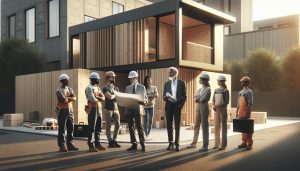
In recent years, the allure of mobile homes has captured the attention of many prospective homeowners seeking affordable housing solutions. With rising property prices, mobile homes present a viable alternative, offering flexibility and the opportunity for a more manageable lifestyle. However, before making such a significant investment, it’s vital to understand the honest pros and cons of mobile home living. Are they a smart financial choice, or do their downsides outweigh the benefits? This guide will explore key considerations-from maintenance costs to community living-that can help you make an informed decision about whether owning a mobile home aligns with your goals and lifestyle. Join us as we delve into the realities of mobile home ownership, shedding light on both its challenges and opportunities.
Is a Mobile Home Right for You? Key Considerations

Living in a mobile home can be a transformative experience that offers both freedom and flexibility, but it also requires thorough consideration. Typically priced lower than traditional homes, mobile homes allow homeowners to tap into affordable living while still enjoying a sense of ownership. However, potential buyers should weigh several factors to determine if this lifestyle suits their needs and circumstances.
One essential consideration is location. Mobile homes can be placed in parks or on private land, and each option presents unique advantages and challenges. Researching local zoning regulations and community rules can help avoid future complications. Another important aspect is your lifestyle and personal preferences. If you value mobility and the ability to relocate without the burden of a traditional home sale, a mobile home could be an ideal solution. Conversely, if you seek stability and long-term roots in a community, this may not be the best fit.
Moreover, maintenance requirements of mobile homes differ from those of site-built houses. Understanding these needs, including routine checks for structural integrity and energy efficiency, can prevent costly repairs down the line. Additionally, financing options for mobile homes may vary, impacting your budget and financial planning. Traditional mortgages may not be available, leading to alternative financing solutions which could affect the long-term cost of ownership.
Finally, emotional readiness plays a role in deciding if a mobile home is right for you. Engaging with current residents, visiting mobile home communities, and gathering firsthand accounts can provide valuable insights, helping to align your expectations with reality. By carefully considering these factors, you’ll be better equipped to decide if embracing mobile home living aligns with your personal and financial goals.
Understanding the Financial Aspects of Mobile Home Ownership

Navigating the financial landscape of mobile home ownership is crucial for anyone considering this housing option. Mobile homes typically come at a lower purchase price compared to traditional houses, making them appealing, especially for first-time buyers or those on a tighter budget. However, understanding the various financial elements that accompany mobile home ownership can help you make a more informed decision.
One of the prevalent options for financing a mobile home includes personal loans, which differ significantly from conventional mortgages. These loans often have higher interest rates and shorter repayment terms. Additionally, some mobile homes are classified as personal property rather than real estate, which means they may not qualify for traditional mortgage financing. It’s essential to assess your financial situation and explore various lending options, including loans specifically designed for mobile homes, such as chattel loans, which can be a suitable choice for financing the home itself and not the land on which it sits.
Understanding ongoing costs associated with mobile home living is equally important. In addition to the mortgage or loan payments, homeowners must factor in expenses such as property taxes, insurance, and maintenance. Mobile homes may require unique insurance policies, including mobile home insurance, to protect against specific risks. Maintenance costs might involve inspections of structural integrity, roof condition, and underpinning issues, particularly if the home is located in adverse weather areas.
To enhance your financial preparedness, consider creating a comprehensive budget that includes all potential costs associated with mobile home ownership. This approach allows for better financial planning and can help identify areas where you can save. Moreover, taking into account the resale value of mobile homes is vital; while they can depreciate over time, well-maintained homes in desirable locations may hold their value or even appreciate, especially if you invest in renovations and upgrades.
In conclusion, while mobile home ownership can provide a solution to affordable housing, it’s crucial to understand and plan for the unique financial aspects involved. By exploring financing options, budgeting for ongoing costs, and considering property value factors, you can navigate mobile home ownership with confidence and security.
Exploring the Lifespan and Maintenance Needs of Mobile Homes
Understanding the longevity and upkeep of mobile homes is crucial for anyone considering this living arrangement. While mobile homes can be an affordable housing option, many buyers wonder about their lifespan and the maintenance requirements involved. Typically, a well-maintained mobile home can last anywhere from 30 to 55 years, depending on various factors, including construction quality, environmental conditions, and regular upkeep. Knowing what it takes to maintain your investment can help you enjoy the benefits of mobile home living for years to come.
Regular maintenance is essential for ensuring the longevity of your mobile home. This includes performing frequent inspections of the roof, siding, and underbelly. Here are some critical maintenance tasks to consider:
- Roof checks: Inspect your roof bi-annually for signs of wear or damage. Look for loose shingles, leaks, or pooling water that could indicate underlying issues.
- Skirting maintenance: Ensure that the skirting around the base of the mobile home remains in good condition. Damaged or missing skirting can invite pests and result in energy loss.
- Foundation stability: Regularly check the foundation for settling or shifting. If you notice significant changes, it may require professional evaluation.
- Utilities and plumbing: Regularly inspect the plumbing for leaks and ensure that all utility connections are functioning properly. Addressing these minor issues promptly can prevent costly repairs later.
- Exterior upkeep: Power wash siding and repaint as needed to protect against weather elements.
Moreover, specific external factors might require additional considerations. For instance, if you live in a hurricane-prone area, it is essential to reinforce your home with adequate storm tie-downs and consider elevating your home to mitigate potential flood damage. Additionally, consider investing in energy-efficient upgrades like better insulation or double-pane windows, which can further prolong the life of your mobile home and reduce utility costs.
To keep your mobile home in excellent condition, creating a regular maintenance schedule can be a game-changer. Document any repairs or improvements you’ve made, as this can help maintain resale value and provide future buyers with information about your home’s condition. By being proactive in caring for your mobile home, you enhance not only the quality of your living environment but also its long-term appreciation potential.
Mobile Home Pros: Advantages You’ll Appreciate
Choosing a mobile home offers numerous advantages that resonate with a variety of lifestyles and financial situations. One of the most compelling benefits is the affordability factor. Typically, mobile homes cost significantly less than traditional houses, allowing prospective homeowners to enter the housing market without the burden of crippling debt. This affordable entry point means more people can enjoy the independence and security of homeownership, potentially freeing up resources for other investments or experiences, like travel or education.
Another noteworthy advantage is the flexibility that mobile homes provide. With the ability to relocate more easily than a traditional home, mobile homeowners can adapt to changes in their lives, whether that involves moving for a new job or seeking a change of scenery. This characteristic is especially appealing for those who prioritize mobility, such as seasonal workers or retirees desiring a lifestyle full of exploration. The ability to choose your location, from quiet rural settings to vibrant communities, can enhance your quality of life and personal satisfaction.
Additionally, mobile homes often come with a sense of community and support that can be difficult to find elsewhere. Many mobile home parks foster neighborly camaraderie, where residents look out for one another, organize events, and create a welcoming atmosphere. This can be incredibly beneficial for families, retirees, or individuals looking for social connections in a new environment. Furthermore, the potential for community amenities-such as pools, clubhouses, and recreational facilities-can add significant lifestyle value without the expense of maintaining a large property.
Lastly, the simplicity of living in a mobile home can promote a more minimalist lifestyle. With a smaller living space, homeowners are encouraged to prioritize what truly matters and declutter, which can lead to reduced stress and increased focus on experiences and relationships rather than possessions. This aligns well with contemporary trends favoring sustainable living and reduced environmental footprints. By embracing mobile home living, individuals not only make a practical housing choice but also contribute to a growing movement towards thoughtful, intentional living.
Mobile Home Cons: Challenges to Consider
While mobile homes present exciting opportunities for affordable and flexible living, they also come with a unique set of challenges that potential buyers should carefully consider. Understanding these challenges is crucial to making an informed decision about whether mobile home ownership is right for you.
One significant concern is depreciation. Unlike traditional homes, which often appreciate in value over time, mobile homes can lose value more rapidly. This depreciation can be exacerbated by factors such as location and the home’s condition. To mitigate this risk, it’s essential to invest in well-maintained models and, if possible, place them on land that you own, as this can help preserve property value.
Additionally, the quality of construction can vary widely among mobile homes. Many budget-friendly options may lack the durability and insulation of traditional homes, leading to higher long-term maintenance costs. Prospective homeowners should carefully assess the build quality, particularly if they plan to reside in areas prone to extreme weather. Seeking professional inspections can help identify potential issues before purchase.
Another important consideration is the community and zoning regulations. Depending on where you choose to place your mobile home, local zoning laws may restrict or dictate specific requirements for mobile homes. Living in a mobile home park can offer community support but may come with strict rules regarding modifications, pets, and rental regulations. Buyers should review park policies thoroughly and understand how these aspects align with their lifestyle preferences.
Lastly, while mobile homes can be more affordable, financing options may be more limited compared to traditional homes. Many lenders are hesitant to offer loans for mobile homes due to their perceived risk, which can lead to higher interest rates or the necessity of larger down payments. Exploring various financing options and understanding the terms is crucial for ensuring long-term financial stability.
Navigating the landscape of mobile home ownership requires a keen understanding of these challenges. By addressing these factors early on, prospective homeowners can make informed choices and lay a solid foundation for their mobile home living experience.
Choosing the Perfect Location for Your Mobile Home
Finding the right spot for your mobile home is crucial, as it influences not only your living experience but also your investment’s long-term value. Choosing a location involves more than simply picking a picturesque area; you need to consider factors like accessibility, local amenities, community standards, and environmental conditions.
One of the first aspects to evaluate is accessibility. Ideally, your chosen location should be close to essential services like grocery stores, healthcare facilities, and schools. Accessibility to major highways and public transportation can also enhance your living experience, especially if commuting is a regular part of your routine. If you have children, proximity to quality schools is an essential consideration, as it can impact your family’s future.
Community and Zoning Regulations play a significant role in your decision-making process. Different areas have varying rules regarding mobile home placements. In some regions, zoning restrictions may limit the types and sizes of manufactured homes. Research potential neighborhoods thoroughly to ensure they cater to your preferences and that local regulations align with your plans. Living in a mobile home park can offer benefits such as community support but may also impose rules that could restrict your lifestyle, such as limitations on pets or exterior modifications.
Another critical factor is the environmental conditions. Depending on where you live, you might need to consider aspects like flood zones, wind resistance, and snow load. If you’re in an area prone to severe weather, investing in storm tie-downs and a robust foundation can help protect your investment. Additionally, think about how much sunlight the location receives, as this can affect energy consumption and comfort levels inside your home.
In conclusion, selecting the perfect location for your mobile home entails a balance of practical considerations and personal preferences. Evaluate accessibility, local regulations, community vibe, and environmental safety to ensure a fulfilling living environment that serves both your lifestyle and investment goals. Taking the time to choose wisely can lead to long-term satisfaction and stability.
Financing Your Mobile Home Purchase: What You Need to Know
Securing financing for a mobile home can often feel daunting, but understanding your options and the unique aspects of mobile home loans is crucial for making informed decisions. Unlike traditional homes, mobile homes frequently fall under different classifications for financing purposes, primarily due to their nature as personal property rather than real estate. Many lenders offer specific loans designed for mobile home purchases, and knowing these options can help you find the best fit for your budget and situation.
When exploring financing choices, you’ll encounter two main types of loans: chattel loans and mortgages. Chattel loans are suited for mobile homes on rented land or in mobile home parks, where the home serves as personal property. These loans typically require lower down payments and have shorter terms, making them accessible to first-time buyers. In contrast, mortgages apply to mobile homes classified as real estate, often placed on owned land. While the application process might be more comprehensive, these loans typically offer lower interest rates and longer repayment terms, enhancing affordability in the long run.
To help you prepare for the financing process, consider these essential steps:
- Check Your Credit Score: Lenders will assess your creditworthiness, so it’s wise to review your credit report for any inaccuracies and work on improving your score before applying.
- Gather Financial Documentation: Prepare your income verification, bank statements, and any other relevant financial documents to streamline the application process.
- Consider Down Payment Options: Many lenders require a down payment ranging from 5% to 20%, depending on the loan type. Ensure you have sufficient savings or discuss down payment assistance programs.
- Compare Lenders: Research multiple lenders to assess interest rates, fees, and terms. Don’t hesitate to ask questions to clarify any costs associated with the loan.
In addition to selecting the right financing option, it’s vital to understand the overall costs involved in owning a mobile home. This includes not only the mortgage or loan payments but also costs associated with property taxes, insurance, utility bills, and maintenance fees. By approaching your mobile home financing with a comprehensive understanding of your financial landscape, you’ll be better equipped to make a choice that aligns with your long-term housing goals. Embrace mobile home living as a legitimate and valuable alternative, bolstered by the right financial strategies tailored to your needs and circumstances.
Insurance Essentials for Mobile Homeowners
While mobile homes can offer an affordable and flexible housing solution, understanding insurance requirements is crucial for protecting your investment. Mobile homes are often categorized differently than traditional homes, necessitating specific insurance considerations. Here’s a guide to help you navigate the essentials of insuring your mobile home, providing peace of mind and safeguarding your asset.
One of the primary types of insurance available for mobile homeowners is mobile home insurance, which typically covers damages from perils such as fire, theft, and certain natural disasters. Unlike standard homeowners’ insurance, mobile home policies can also include coverage for personal properties, including belongings inside your home. It’s essential to evaluate what perils are covered and whether you need additional coverage, such as flood or earthquake insurance, depending on your location. Review the policy details closely to understand deductibles, coverage limits, and exclusions.
Key Considerations for Mobile Home Insurance
When shopping for insurance, consider the following points to ensure comprehensive protection:
- Assess Replacement Cost: Determine whether your policy covers the replacement value of your mobile home or its actual cash value. Replacement cost coverage pays for the full amount to replace your home, while actual cash value accounts for depreciation.
- Understand Liability Insurance: Most policies come with liability coverage that protects you in case someone is injured on your property. Review the limits of this coverage to ensure adequate protection against potential lawsuits.
- Homeowner Association Rules: If your mobile home is located within a park or community, check if there are specific insurance requirements mandated by the homeowner association.
- Premium Costs: Insurance premiums for mobile homes can vary significantly. Consider obtaining quotes from multiple insurance providers to find the best rates and coverage options tailored to your needs.
Additional Coverage Options
Beyond the standard policy, you might want to explore additional coverage options tailored to your lifestyle and location. For instance, if you live in a region prone to flooding, adding flood insurance would be wise. Similarly, policies may offer endorsements for valuable personal belongings or provide additional living expenses if your home becomes uninhabitable due to covered damages.
Being proactive about your mobile home insurance not only protects your financial investment but also grants you peace of mind. With a better understanding of your insurance options and requirements, you can enjoy the benefits of mobile home living while safeguarding your home against unexpected events.
Legal Considerations When Buying a Mobile Home
Before committing to the purchase of a mobile home, it’s essential to navigate the legal landscape that surrounds manufactured housing, which can often differ significantly from traditional homeownership. Understanding the regulations and legal obligations involved can save you potential headaches and ensure that your investment is secure. From contracts to zoning laws, being informed is your best ally in making a sound decision.
When starting your mobile home journey, it’s paramount to review the contract thoroughly. This agreement not only outlines the terms of the sale but also details specific obligations for both the buyer and the seller. Check for any contingencies and make sure to clarify possession dates, warranties, and responsibilities for repairs. As mobile homes can be classified as personal property or real estate depending on their setup, this classification can impact financing options and applicable regulations.
Zoning laws also play a critical role in mobile homeownership. Different jurisdictions have varying rules concerning where mobile homes can be placed, particularly if you’re considering installing a mobile home on a parcel of land. Investigate local zoning ordinances to confirm that your intended location allows for mobile homes and understand if there are any additional requirements or permits needed from local authorities.
Additionally, be aware of the implications of living in a mobile home park. Many parks have specific community rules and leasing agreements that dictate aspects such as upkeep responsibilities, lot rent, and other shared amenities. Review the homeowner association (HOA) documents if applicable. They often contain stipulations that could affect your living experience, such as restrictions on renovations or landscaping.
Another key factor is title and registration. When purchasing a mobile home, it’s important to ensure the title is clear and that there are no liens against it. This is akin to a traditional home’s deed and must be transferred correctly to avoid future legal issues. Lastly, consult with a real estate attorney or a knowledgeable professional in manufactured housing regulations to provide guidance tailored to your unique situation.
By paying close attention to these legal considerations, you can make informed decisions, thereby protecting your investment and ensuring a smoother path to mobile homeownership.
Essential Setup Steps for Your Mobile Home
Setting up a mobile home can feel daunting, but with a well-structured approach, you can transform it into a comfortable and functional living space. One of the most critical steps is properly leveling your mobile home. This involves using adjustable piers and a level to ensure that your home sits evenly on the ground. An improperly leveled home can lead to structural issues over time, along with door alignment problems and ineffective drainage. Ideally, a mobile home should be leveled from corner to corner, checking the level frequently during the process to maintain accuracy.
Another essential step is anchoring your mobile home securely. Many regions experience severe weather conditions, and anchoring is pivotal in ensuring your home remains stable during storms. Check local regulations for the specific anchoring requirements in your area, which often involve ground anchors and tie-downs. These are usually attached to the home’s frame and driven into the ground, providing additional stability against shifting or lifting.
Your utility connections are also fundamental for smooth operation in your mobile home. Before moving in, ensure that all vital systems-water, electricity, and sewage-are correctly installed and functioning. For water supply, you may need to connect to a municipal system or a well, and it’s advisable to use a professional plumber for these installations. Electrical connections should also be handled by a licensed electrician to adhere to local codes, ensuring safety and reliability.
As you set up, don’t forget about insulation and weatherproofing, which play a significant role in maintaining a comfortable living environment. Mobile homes can be less insulated than traditional homes, making it essential to add insulation in the walls and under the floors if needed. Weatherstripping around doors and windows can also prevent drafts, helping to save on energy costs.
In addition to these technical aspects, make sure to check with local authorities for any permits required for placement and utility installation. Understanding the community guidelines, especially if you are placing your mobile home in a park, is equally important to maintain good relationships with your neighbors and comply with local laws. By meticulously addressing these essential setup steps, you’ll pave the way for a hassle-free transition into your new mobile home and enjoy all the benefits it has to offer.
Safety Tips for Mobile Home Living: Storm Preparedness
In regions prone to severe weather events, enhancing the safety of your mobile home is crucial for your peace of mind and the security of your investment. Understanding storm preparedness not only protects your property but can also safeguard your family during unexpected weather challenges. One effective way to bolster your mobile home’s resilience against high winds and storms is through proper anchoring. Utilizing tie-downs and ground anchors can significantly improve stability. These components, which connect your home to the ground, help prevent it from being lifted or shifted during strong weather conditions. Always check local codes to ensure compliance with the recommended anchoring methods for your area, as regulations vary widely based on geographic location.
Essential Safety Preparations
Before any storm arrives, there are several vital steps you can take to prepare your mobile home. Start by securing all outdoor items that could become projectiles in high winds, such as lawn furniture, potted plants, and decorations. Additionally, trim back any nearby trees that have overhanging branches; these can pose a severe threat if they fall. Keeping your home clear of debris will reduce the risk of damage.
It’s also prudent to invest in quality storm shutters or boards to protect windows from breaking. Strong winds can shatter glass, leading to substantial damage and increasing the likelihood of injuries. Consider using reinforced materials for added protection to safeguard your interior, particularly if you live in an area that frequently experiences hurricanes or tornadoes.
Creating an Emergency Plan
No safety preparedness strategy is complete without an emergency plan. Discuss with your family the actions to take in case of a storm warning. Identify the safest spots in your mobile home, such as a centrally located bathroom or closet, where you can gather during a storm. Additionally, have an emergency kit ready, including essential supplies such as water, non-perishable food, a flashlight, batteries, and a first-aid kit.
Regularly practicing drills with your family will ensure everyone knows their role during an actual event, thereby reducing panic and confusion. Moreover, keep a list of emergency contacts available and ensure your phone is charged. In case of power outages, having a portable charger can be invaluable for keeping communication lines open.
By taking these proactive steps, you can enhance your mobile home’s safety and ensure that you and your loved ones are well-prepared for whatever nature may throw your way. Embracing these measures not only preserves your investment but also fosters a sense of community as you and your neighbors work together to stay safe.
Renovation Ideas to Enhance Your Mobile Home Value
Investing in your mobile home through thoughtful renovations can significantly boost its value, making it a wise financial decision in the long term. Many mobile homes, especially older models, can benefit from modern upgrades that not only enhance aesthetic appeal but also improve functionality. Whether you aim to resell your home or simply increase your living comfort, renovating is a worthwhile endeavor.
One of the most impactful renovations involves updating the kitchen and bathrooms, as these spaces often define the overall value of a home. Upgrading countertops to materials like granite or quartz, replacing outdated cabinetry, and installing energy-efficient appliances can transform these areas. Consider modern fixtures and finishes in the bathrooms, such as high-efficiency toilets and stylish sinks, to further elevate the space. A fresh coat of paint in neutral tones can breathe new life into these rooms, appealing to a broader range of potential buyers.
Enhancing Curb Appeal
Curb appeal is vital when it comes to increasing your mobile home’s value. Simple exterior changes can make a lasting impression. Start with landscaping; planting native trees and shrubs or creating flower beds not only beautifies your space but can also increase property value. Additionally, consider enhancing your home’s exterior with new siding or a fresh coat of paint. Investing in a modern mailbox, attractive house numbers, and well-maintained walkways can significantly enhance first impressions.
Energy Efficiency Upgrades
Energy efficiency is not just an appealing selling point; it can also lead to substantial savings on utility bills. Incorporating energy-efficient windows, adding insulation, and upgrading to a smart thermostat can make your mobile home more energy-efficient. Furthermore, installing solar panels can boost your home’s value while providing long-term savings and appealing to eco-conscious buyers.
Building Functional Outdoor Spaces
Maximizing your outdoor living area can greatly enhance the appeal of your mobile home. Building a deck, patio, or even a simple sitting area transforms your outdoor space into a relaxation zone suitable for entertaining guests. Additionally, consider adding fences or landscaping for privacy, which can create a cozy and inviting atmosphere. These functional outdoor spaces can appeal significantly to families and social buyers.
By focusing on these key renovation areas, mobile homeowners can not only enhance their living environment but also see a considerable increase in property value. As the trend towards flexible and affordable living continues to grow, investing in your mobile home’s aesthetics and functionality positions you advantageously in the housing market.
FAQ
Q: What are the main advantages of buying a mobile home?
A: The main advantages of buying a mobile home include lower initial costs compared to traditional homes, greater flexibility in location, and often quicker setup times. Mobile homes offer a unique way to achieve homeownership with fewer financial burdens, and many communities provide amenities that enhance the living experience.
Q: What are common challenges of mobile home ownership?
A: Common challenges of mobile home ownership include potential depreciation of value, higher insurance costs, and the need for regular maintenance. Additionally, mobile homes may face stricter zoning regulations and limited financing options, which can complicate the buying process.
Q: How does mobile home financing differ from traditional home loans?
A: Mobile home financing often involves personal loans or chattel loans rather than traditional mortgages, particularly if the mobile home is not permanently affixed to land. This can result in higher interest rates and different qualification criteria, making it essential to research the best financing options available.
Q: Is it worth investing in renovations for a mobile home?
A: Yes, investing in renovations can increase your mobile home’s value and livability. Focus on kitchen and bathroom upgrades, energy-efficient improvements, and enhancing curb appeal, as these projects often yield the highest return on investment while making your home more enjoyable to live in.
Q: Are mobile homes suitable for families with kids?
A: Mobile homes can be suitable for families with kids, especially in communities designed for families. However, consider the safety of the location, availability of nearby schools, and community amenities when deciding if a mobile home is the right choice for your family.
Q: What should you know about mobile home insurance?
A: Mobile home insurance is essential to protect against risks like fire, theft, and natural disasters. It is crucial to review policy options and ensure coverage meets the specific needs of mobile home ownership, including liability protection and coverage for personal belongings.
Q: What factors impact the resale value of a mobile home?
A: Several factors impact the resale value of a mobile home, including the home’s age, condition, location, and market demand. Upgrades, the community’s reputation, and compliance with local regulations also play significant roles in determining resale potential.
Q: Can you permanently install a mobile home on land?
A: Yes, you can permanently install a mobile home on land by securing it to a foundation and obtaining the necessary permits. This process often involves tying down the home according to local regulations to withstand severe weather, thereby potentially increasing its value and marketability.
In Retrospect
After exploring the pros and cons of buying a mobile home, it’s clear that this housing option offers unique benefits alongside certain challenges. Whether you prioritize affordability, flexibility, or community living, being informed is key to making the right decision. If you’re considering a mobile home purchase, take the next step by delving into our comprehensive guides on financing options and maintenance tips. You can also check our detailed post on hurricane preparedness for mobile homeowners, ensuring your safety and peace of mind.
Now is the perfect time to act-embrace the opportunity for a lifestyle that could fit your needs and budget. If you still have questions or concerns about mobile home ownership, don’t hesitate to reach out through our comments section. We’re here to support you on every step of your journey. Remember, subscribing to our newsletter will keep you updated with valuable insights and resources tailored for current and prospective mobile home residents. Your ideal home could be just a click away!