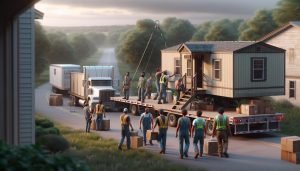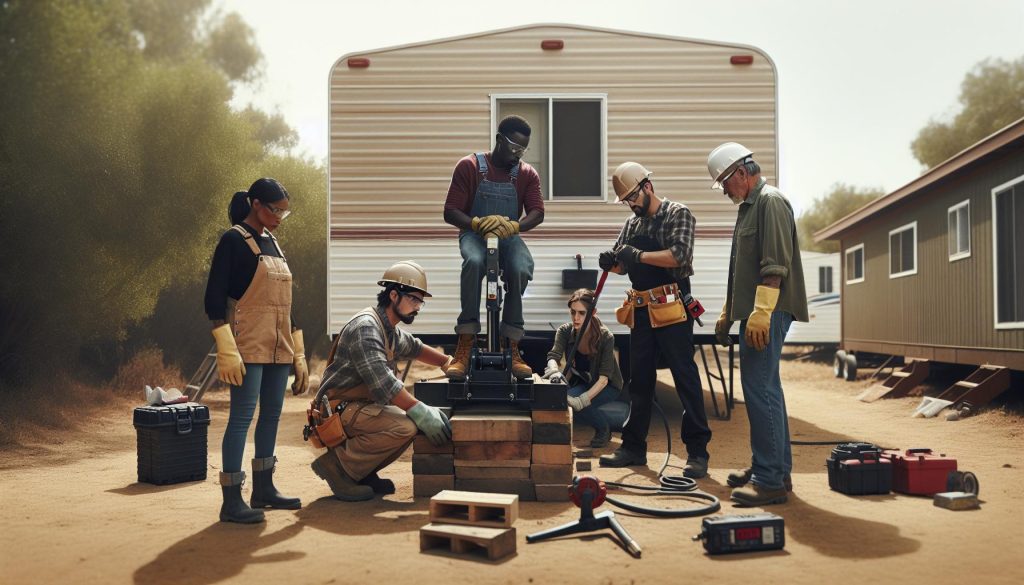
Jack up a trailer home safely is more than just a technical task; it’s a crucial step for ensuring your mobile home’s stability and longevity. Whether you’re preparing for routine maintenance, leveling out for a smoother living experience, or addressing foundation concerns, understanding the jacking process can save you time, money, and potential headaches down the line. Many homeowners dread this procedure, fearing the risks involved, but with the right knowledge, it can become a manageable project. This guide will walk you through each step carefully, so you can confidently tackle this essential aspect of mobile home ownership. Let’s dive into the essentials of safely jacking up your trailer home, ensuring it stays secure and comfortable for years to come!
Understanding Trailer Home Stabilization Techniques
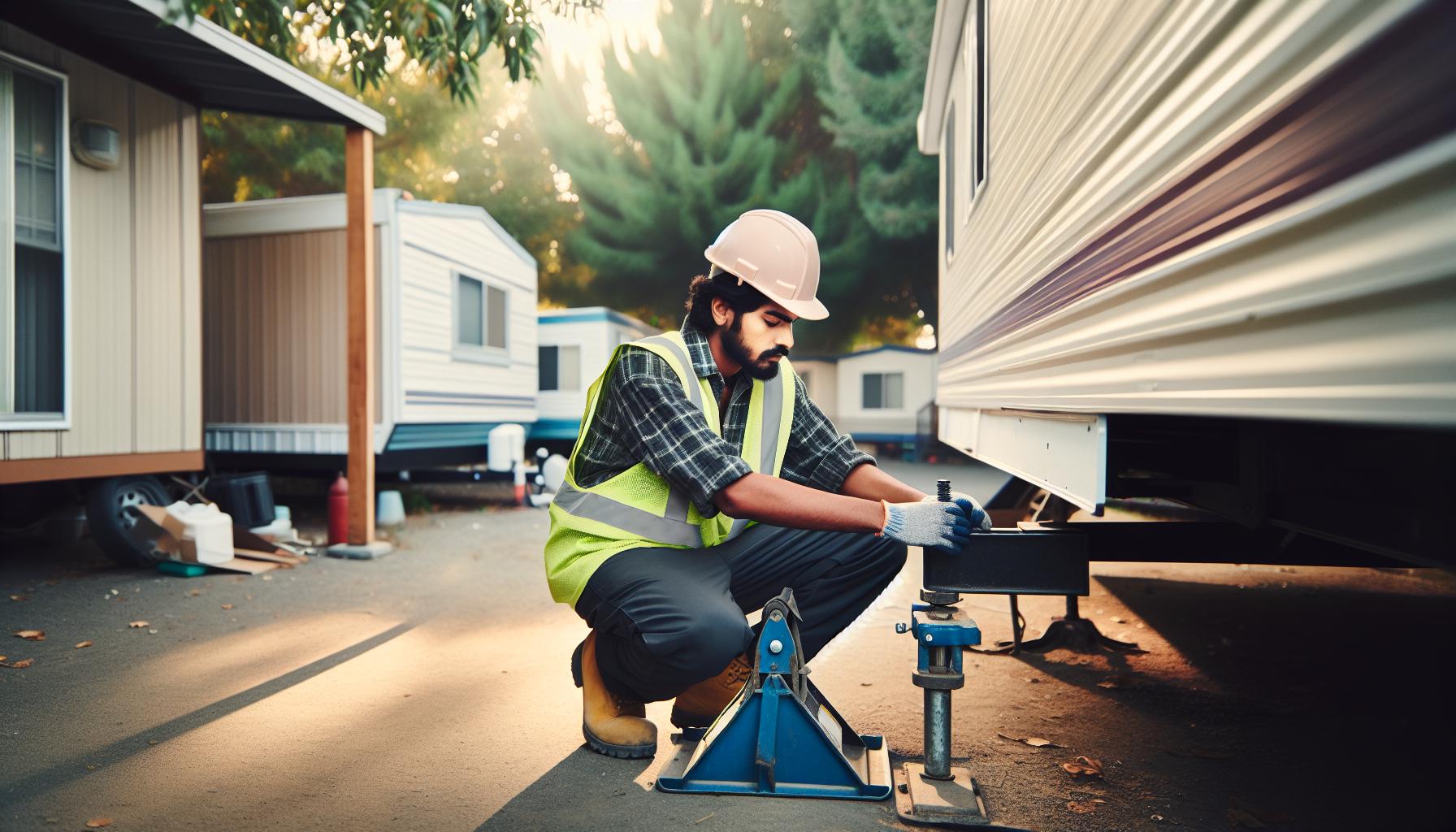
Understanding the right techniques for stabilizing a trailer home is vital for ensuring safety and comfort. Unlike traditional homes, trailer homes, or mobile homes, have unique structural considerations, making the stabilization process paramount. When a trailer home settles over time or faces shifting ground conditions, proper stabilization ensures that it remains level, secure, and free from unwanted movement that could lead to damage.
To effectively stabilize a trailer home, several methods can be utilized. First, it’s essential to utilize appropriate jacking techniques during setup or repairs. Bottle jacks and leveling jacks are commonly chosen for their ease of use and reliability. For example, using high-capacity jacks, like the 12-ton or 20-ton bottle jacks, can help lift the home steadily while distributing weight evenly across the frame, mitigating stress on specific areas of the structure. Additionally, adjustable jack stands can be strategically placed to support the home after it has been lifted, ensuring that it maintains its level position over time mobile home remains in good condition and serves as a reliable long-term housing solution.
Essential Tools for Safely Jacking Up a Trailer Home
To safely jack up a trailer home, the right tools are essential for ensuring both efficiency and safety throughout the process. Using inadequate or improper equipment can lead to significant risks, including structural damage or personal injury. Thus, investing in high-quality jacking tools tailored for trailer homes is not just wise-it’s imperative.
A critical tool in your arsenal is the bottle jack. These jacks offer powerful lifting capabilities; high-capacity models (like 12-ton or 20-ton) are ideal for handling the weight of a trailer. Ensure that the jack features a stable base to prevent tipping during use. Leveling jacks are another vital component, providing the ability to fine-tune the trailer’s stability after achieving the desired height. These jacks can be adjusted as necessary to achieve perfect leveling.
In addition to jacks, jack stands should not be overlooked. Once the trailer is elevated, placing adjustable jack stands under key points helps distribute the weight evenly and prevents any accidental collapse of the trailer. It’s crucial to allow sufficient time for the ground and stands to settle and ensure safety before beginning any further work.
For those working in various terrain conditions, a wheel chock is important for preventing unwanted movement during jacking. Chocks create a solid barrier that secures the trailer in place, especially in unlevel or sloped areas. Moreover, a leveling gauge can help you monitor the angle of your trailer as you make adjustments, ensuring that it remains horizontally level after jacking.
To enhance safety during the process, consider wearing personal protective equipment (PPE) such as gloves and safety glasses. These simple precautions can provide an added layer of protection against potential hazards during jacking.
By employing these tools and following the necessary precautions, you can effectively raise your trailer home safely, ensuring stability, comfort, and peace of mind while enjoying your mobile living space.
Preparing the Site: Safety First
Creating a safe environment before beginning any jacking process is non-negotiable for the integrity of your trailer home and your personal safety. A well-prepared site plays a foundational role in ensuring everything goes smoothly while you elevate your mobile living space. Start by selecting a sturdy and level area away from potential hazards such as trees, power lines, and uneven ground, which could pose risks during the jacking process. This selection reduces the chance of complications that can arise from environmental factors impacting stability.
Before any tools come into play, it’s crucial to clear the area around the trailer of any debris-rocks, branches, or other obstructions that might interfere with your equipment or workspace. This step ensures you have full access to the trailer’s undercarriage and can maneuver the jacking tools without restrictions. Additionally, consider the weather conditions; a rainy or windy day can increase the risks associated with jacking up a trailer. If the ground is too soft, you may want to postpone your project to prevent sinking or rolling during jacking.
Always remember to engage the parking brake on the trailer and chock the wheels to prevent unexpected movement while you work. Using wheel chocks provides added stability, especially on sloped terrain. Before you position the jacking equipment, take a moment to assess the stability of the ground. If the soil appears loose or sandy, it may be helpful to lay down plywood or heavy boards under the jacks to distribute the load more evenly and prevent sinking.
Finally, for optimal safety, it’s advisable to inform anyone nearby of your project. This can prevent unfortunate accidents and ensure that others can provide assistance if needed. When everyone is aware of the operation, you can focus on your task, enhancing both efficiency and safety during the jacking process. Taking these preparatory steps not only safeguards your setup but also promotes a smoother and more effective jacking process overall.
Step-by-Step Guide to Jacking Up a Trailer Home
When it comes to elevating your mobile home for leveling or repairs, understanding the proper technique is critical to ensure safety and structural integrity. Successfully jacking up a trailer home involves a systematic approach that minimizes risk and maximizes effectiveness. Here is a step-by-step guide to help you navigate this process confidently.
Begin by confirming that your site is well-prepared as discussed earlier. With all your tools ready and the area cleared, it’s time to position your jacking equipment. First, inspect the trailer for any loose connections or structural damages that need addressing before lifting. Then, choose jack points according to your manufacturer’s guidelines, usually located under the frame. These are often reinforced areas designed to support the weight effectively.
Next, set up your hydraulic jacks or bottle jacks. Place a sturdy base beneath the jack to distribute the load evenly, especially if the ground material is soft. Make sure each jack is positioned vertically and securely against the trailer frame before lifting. Start by raising the jacks slowly and simultaneously, checking continuously to ensure stability. Never lift the trailer with only one jack; doing so can lead to uneven loading and potential tipping.
As you elevate the home, monitor the process keenly. If you notice any resistance, immediately stop lifting and reassess the positioning of your jacks. Once the desired height is reached, it’s crucial to insert jack stands to support the trailer safely. This step is vital for ensuring that the home remains stable while you work beneath it. Finally, once your repairs or adjustments are complete, reverse the process while double-checking that everything is secure before removing the jacks.
By following these detailed steps, you not only enhance the safety of your jacking effort but also maintain the structural integrity of your mobile home. Engaging with community resources or professional assistance can provide additional insights tailored to your particular project, ensuring that each phase is executed with confidence.
Best Practices for Leveling Your Trailer Home
Leveling your trailer home is essential not just for aesthetic reasons, but also for ensuring the safety and longevity of your living space. A well-leveled home minimizes wear on structural components, keeps appliances functioning properly, and helps avoid water drainage issues. To achieve optimal leveling, certain best practices can be employed that will enhance both effectiveness and safety.
First and foremost, it’s crucial to assess the foundation and the ground level under your trailer. Ideally, the area should be solid and compact-loose soil can lead to settling issues later on. Whenever possible, seek out natural contours of the land, and aim to create a level base using blocks or pads strategically placed at the recommended jacking points. Take a moment to measure the current height with a level tool before proceeding. This will give you a clear reference point for making adjustments.
During the leveling process, employ a methodical approach by gradually raising the home from multiple points. This helps prevent stress on the frame, reducing the risk of damage. Additionally, after achieving initial leveling, walk around the trailer and use a level to confirm that all sections are equal; stay vigilant, as minor adjustments may be needed. Each jack should be secured and checked multiple times during the lift, allowing for a safer and more stable structure.
Finally, once adjustments have been completed, ensure to properly secure your trailer by rechecking all anchoring points and stabilizers. It’s important to maintain regular inspections following leveling to catch any shifts early. Implementing these best practices will not only help achieve a balanced trailer but also extend the life of your mobile home, making it a solid and reliable haven for you and your family.
Anchoring Your Trailer Home: Why It Matters
Ensuring the stability and security of your trailer home is a cornerstone of responsible ownership. Anchoring your home is crucial not just for maintaining its integrity, but also for safeguarding your investment against natural elements. With the right anchoring techniques, you can significantly mitigate risks posed by wind, heavy rain, and other environmental factors. In fact, properly anchored homes can withstand storms and high winds far better than those that are not secured.
The first step in effective anchoring is to choose the appropriate type of anchors for your specific location and type of trailer. There are various options available, including tie-downs and mobile home anchors that are designed for specific uplift and frame tie applications. These anchors must be installed correctly in accordance with manufacturer specifications to ensure they provide the intended protection. Using ground anchors that can be secured into solid and stable soil is essential, as loose soil can lead to shifting or sinking over time. For trailer homes located in hurricane-prone areas, it’s vital to utilize anchors that meet local building codes and can endure extreme weather conditions.
Why Anchoring Matters
The reasons for anchoring your trailer home extend beyond mere stability. A well-anchored mobile home helps to:
- Prevent Damage: Proper anchoring keeps your home from shifting or rolling during strong winds or floods, reducing the risk of costly repairs.
- Maintain Structural Integrity: When anchored correctly, the structural components of the home endure less stress, which can improve the lifespan of the trailer.
- Enhance Safety: A secure home provides safety for your family and belongings, particularly during extreme weather events.
Incorporating anchoring into your home maintenance routine is essential. Regularly inspect and maintain the anchors, inspecting for signs of wear and tear, and ensuring that the connections are tight and secure. During such inspections, check for drainage around the home and address any soil erosion issues that may compromise anchor efficacy.
In summary, the importance of anchoring your trailer home can’t be overstated. Taking proactive steps in securing your mobile home not only protects your investment but also fosters a sense of safety and comfort for you and your family. By employing suitable techniques and regularly inspecting your setup, you can create a stable environment that withstands the test of time and nature.
Common Mistakes to Avoid When Jacking Up a Trailer Home
When it comes to safely jacking up a trailer home, avoiding common mistakes can mean the difference between a successful leveling job and a disaster. Many homeowners underestimate the importance of thorough preparation and proper techniques, leading to potentially dangerous situations or costly damage. One of the most crucial errors is neglecting to assess the ground condition before starting. Ensure that the area is firm, level, and clear of debris to provide a stable foundation for the jacks. Always check for any underground utilities to avoid damaging them during the process.
Another frequent mistake involves inadequate use of safety equipment. Skipping the use of jack stands or using subpar jacks can lead to instability. Always employ high-quality, properly rated jacks and make sure to place them at the designated support points as per your trailer’s manual. Supporting the trailer with additional safety measures gives peace of mind and prevents unexpected shifts that could compromise safety.
Failing to take measurements during the raising process is also a significant oversight. Regularly monitor the height of each corner of the trailer as it’s jacked up to maintain a consistent level. This practice ensures that the trailer remains stable and prevents any sudden tilting that could lead to structural issues or personal injury. Lastly, once you have completed the jacking process, don’t assume everything is secure; conduct thorough inspections of the leveling and the jacks before fully placing your trust in the setup. Being diligent and mindful of these common pitfalls can enhance both safety and efficiency when stabilizing your trailer home.
Inspecting Your Trailer Home Post-Jacking: What to Check
Once you’ve successfully jacked up your trailer home, the next crucial step is to conduct a thorough inspection to ensure everything is stable and secure. This process is vital, as even slight misalignments post-jacking can lead to more serious issues down the line, such as structural damage or increased wear on your home. Here are some essential checks to perform after the jacking process is complete.
First, start with a visual inspection of the trailer’s alignment. Check all four corners to ensure that they are evenly supported by the jacks. Look for gaps between the trailer frame and the ground or supports; a significant gap can indicate that the trailer is not stable. Additionally, use a level to verify that the trailer is positioned correctly. Place the level at various points on the trailer’s floor; it should read level both side-to-side and front-to-back.
Next, take a closer look at the jacks themselves. Confirm that each jack is firmly engaged and not showing signs of excessive strain or wear. Examine the base plates of the jacks to ensure they are positioned correctly and are fully supporting the weight of the trailer. If you find any signs of bending or twisting, it might be a sign that the jacks are not adequately supporting the load, which could lead to failure later.
Lastly, don’t overlook the critical elements such as the plumbing, electrical lines, and connections. Inspect these systems to ensure that they remain undamaged and securely fastened. Moving the trailer can sometimes disrupt lines and pipes, leading to leaks or connectivity issues. Tighten any loose fittings and ensure that all lines are running clear of spots where they could become pinched or damaged.
By following these inspection guidelines, you can rest assured that your trailer home remains safe and secure after jacking and leveling. Regular maintenance in these areas will contribute significantly to the longevity and stability of your mobile home, allowing you and your family to enjoy your living space with confidence.
Maintaining Stability: Long-Term Trailer Home Care
Maintaining the stability of a trailer home is not just about the initial setup but involves continuous care and attention. A well-supported mobile home can last for decades, but long-term stability is achieved through regular maintenance and proactive measures. Understanding how environmental factors and materials affect your trailer can enhance its durability and ensure home safety.
One of the primary considerations for long-term stability is the foundation. Whether your trailer is resting on piers, blocks, or a more permanent foundation, regular checks are essential. Inspect the footings for signs of erosion or degradation due to weather conditions. If your home is elevated on piers, ensure that the piers are level and not shifting. Any signs of movement means it’s time to reassess the support system and possibly reinstate proper leveling.
Regular Inspections
Routine inspections of your trailer home are crucial. Look for:
- Structural Integrity: Inspect for cracks in the walls, framing, and around windows and doors. Small cracks may indicate settling, while larger cracks could suggest serious structural issues.
- Roof and Drainage: Regularly check the roof for leaks and the drainage system for clogs. Clear gutters and downspouts to prevent water damage and foundation erosion.
- Skirting Inspection: The skirting protects the underbelly of the trailer from moisture and pests. Ensure there are no gaps and that it is intact and securely fastened.
Maintaining a level surface under your trailer is equally important. Check the leveling jacks at least once a year and adjust as necessary to keep the trailer balanced. Uneven support can cause serious issues, making regular leveling a vital part of the maintenance process.
Preventive Measures
A proactive approach to home maintenance includes:
- Pest Control: Regularly inspect for rodents or insects that can damage the structure. Consider preventive pest control measures, especially in warmer months.
- Anchoring and Tie-Downs: If you live in an area prone to storms, ensure your home is properly anchored. Inspect the tie-downs and look for any signs of rust or fatigue.
- Weather Protection: Consider using weather-resistant materials for any repairs. Insulate pipes and crawl spaces to prevent freezing during cold months, as temperatures can fluctuate dramatically.
With attention to these factors, you can significantly enhance your trailer home’s stability and longevity. Regular maintenance not only preserves the safety and comfort of your living environment but also protects your investment in the long run. Mobile home living can be both enjoyable and sustainable when approached with the right mindset and strategies.
Emergency Situations: Safely Lowering Your Trailer Home
When dealing with emergency situations involving your trailer home, understanding how to safely lower it is crucial for maintaining stability and safety. Emergencies can arise from extreme weather events, service repair needs, or sudden structural concerns, necessitating prompt action. Knowing the right procedures not only mitigates risks but also ensures that the integrity of your home remains intact during challenges.
First and foremost, before you lower your trailer, ensure the area underneath is clear of obstacles and that you have the correct tools on hand. You’ll need a reliable jack capable of handling the weight of your trailer, along with stabilizer blocks to support its weight as you lower it. As you commence the process, make sure that you communicate your intentions with anyone nearby to avoid accidents or injuries.
Steps for Safely Lowering Your Trailer Home
- Stabilize the Trailer: Before lowering, securely support the trailer by placing stabilizer jacks under the main frame to prevent any sudden shifts. This is critical even if there seems to be no immediate issue with stability.
- Check Levelness: Confirm that your trailer is indeed level before proceeding. Use a level tool. If it’s not level, adjust the jacks accordingly.
- Release Pressure Gradually: Begin the lowering process slowly by gently releasing the pressure from the jacks. Ensure that the trailer descends evenly by lowering each jack a little at a time. This will help to maintain balance and reduce stress on any single point of the trailer.
- Monitor the Underbelly: As you lower the trailer, keep an eye on the underside for any signs of strain or cracking. If anything suspicious is observed, pause the process to assess the situation further.
- Secure Everything Post-Lowering: Once the trailer is lowered to the desired height, double-check that all stabilizers are securely in place and that the trailer is resting level.
Remember, each trailer is unique, and some might have specific requirements or adjustments needed based on their construction or location. Regular maintenance checks, combined with the proper lowering techniques, significantly enhance the longevity and safety of your trailer home. Dealing with emergencies calmly and knowledgeably can make a considerable difference in outcomes, transforming potential disasters into manageable situations.
Benefits of Professional Assistance for Trailer Stabilization
Engaging professional assistance for trailer stabilization offers an invaluable layer of safety and expertise that can often outweigh the costs. Many homeowners underestimate the complexities involved in jack-up procedures, which, when mishandled, may lead to serious structural damage or injuries. Professionals are equipped with specialized knowledge and tools, enabling them to perform the task more efficiently and safely. For example, they can identify subtle issues that a layperson might overlook, such as uneven weight distribution or signs of wear on stabilizing equipment, which can be critical for the long-term health of your trailer home.
When considering trailer stabilization, it’s important to understand that not all trailers are created equal. Each model and make comes with its unique requirements and intricacies. By hiring professionals, homeowners benefit from personalized assessments that take into account their specific trailer design and site conditions. This tailored approach ensures that all aspects-such as the correct type and placement of jacks, along with appropriate blocks and chocks-are optimized for maximum stability and safety.
Moreover, utilizing professional services significantly reduces the time and stress involved in the stabilization process. Homeowners can avoid the trial and error that often accompanies DIY efforts, which can sometimes lead to costly repairs and safety hazards. Not only do professionals save time, but they also contribute to enhancing the overall living experience by ensuring that your home is correctly leveled and secured against elements such as high winds or heavy rain, which are vital in maintaining the structural integrity of your trailer home.
Lastly, professional assistance can serve as a learning opportunity. By working alongside experts, homeowners can gain valuable insights into ongoing maintenance practices and the importance of regular inspections. This knowledge empowers residents to be proactive in caring for their homes, fostering a sense of ownership and responsibility that translates into long-term benefits for both their living space and investment.
Resources for Learning More About Trailer Home Safety
Learning how to safely jack up a trailer home is crucial for maintaining its stability and ensuring a secure living environment. Whether you’re a seasoned mobile home owner or a newcomer to this unique lifestyle, having access to reliable resources is essential for effective safety practices. A wealth of information exists, spanning best practices in stabilization, guidelines on tools, and insights into ongoing maintenance.
Online Resources
The Internet offers a variety of resources specifically geared towards mobile home safety. Websites such as InterNACHI provide detailed insights on tie-downs and anchoring systems crucial for stabilizing manufactured homes during inclement weather, enhancing both safety and structural integrity [[2]]. Additionally, blogs focused on manufactured home safety often feature step-by-step guides and tips for jacking up and leveling your trailer, presenting real-world scenarios faced by homeowners that can deepen your understanding.
Books and Manuals
Consider investing in books or manuals dedicated to mobile home maintenance and safety. These publications often include comprehensive guidance on the technical aspects of stabilizing and jacking up your trailer, as well as safety protocols to follow. Make sure to choose resources that factor in local regulations and environmental considerations pertinent to your area, especially if you’re in regions prone to severe weather conditions.
Community and Forums
Connecting with other mobile home owners can provide invaluable knowledge. Online forums and social media groups often serve as platforms where members share their experiences, challenges, and solutions related to trailer home safety. Engaging in discussions within these communities can grant you access to practical advice, innovative ideas, and support from fellow owners who have faced similar issues.
Professional Guidance
Finally, don’t overlook the importance of engaging local professionals for precise guidance tailored to your specific trailer model and site conditions. Many contractors and service providers specialize in manufactured home safety and can offer workshops or informational sessions that empower you with hands-on skills and knowledge. This personalized education ensures you are well-equipped to maintain the safety and stability of your trailer home effectively.
By utilizing these varied resources, you’ll cultivate a well-rounded understanding of how to safely jack up and maintain a trailer home. This knowledge not only enhances your safety but also contributes to a greater appreciation for the unique aspects and advantages of mobile home living.
FAQ
Q: How do I choose the right jack for lifting a trailer home?
A: Select a hydraulic or screw jack that is rated for your trailer’s weight. Ensure it has a sturdy base to prevent sinking into the ground. Refer to the “Essential Tools for Safely Jacking Up a Trailer Home” section for more specific recommendations.
Q: What safety gear do I need when jacking up my trailer home?
A: Wear safety glasses and steel-toed boots. Gloves are also recommended to protect your hands. Always use wheel chocks and jack stands to prevent accidental movement during the process, as highlighted in the “Preparing the Site: Safety First” section.
Q: How can I tell if my trailer home is leveled properly after jacking?
A: Use a level tool on multiple surfaces inside your home. If the bubbles indicate a perfect level horizontally and vertically, your trailer is properly leveled. For detailed guidance, see the “Best Practices for Leveling Your Trailer Home” section.
Q: When is it necessary to jack up my trailer home?
A: Jacking is often necessary for repairs, leveling, or after severe weather events. Regular inspections can help identify when jacking is needed. Explore the “Common Mistakes to Avoid When Jacking Up a Trailer Home” section for more insights.
Q: Can I jack up my trailer home by myself, or should I get help?
A: While it’s possible to do it alone for small adjustments, it’s safest to have a partner assist, especially for larger lifts to ensure stability and safety. More about this can be found in the “Emergency Situations: Safely Lowering Your Trailer Home” section.
Q: How often should I check the stability of my trailer home?
A: It’s ideal to inspect the stability every six months or after extreme weather events. Regular checks help ensure your trailer remains level and secure, as discussed in the “Maintaining Stability: Long-Term Trailer Home Care” section.
Q: What are the risks of improperly jacking up a trailer home?
A: Improper jacking can cause structural damage, instability, or personal injury. Always follow safety protocols as outlined in the “Step-by-Step Guide to Jacking Up a Trailer Home” to minimize risks.
Q: What to do if my trailer home seems uneven after jacking?
A: If your trailer remains uneven despite jacking, reassess your jacking points and the positioning of your stabilization blocks. Consult the “Inspecting Your Trailer Home Post-Jacking: What to Check” section for a comprehensive checklist.
Final Thoughts
Now that you’re equipped with the knowledge to jack up your trailer home safely, don’t delay in putting these steps into practice-your home deserves a solid foundation for stability and longevity. For extra guidance, head over to our resources on leveling techniques and essential maintenance tips, which will complement your newly acquired skills. If you have any remaining questions or need personalized assistance, feel free to explore our consultation services or reach out in the comments; we’re here to help you every step of the way!
Don’t forget to check out our articles on mobile home safety measures and financing options to further enhance your understanding of mobile home ownership. With the right techniques and tools, you can ensure your trailer home remains a safe and comfortable space. Dive deeper into our community by signing up for our newsletter, where you’ll receive updates on the latest tips, tricks, and resources tailored for manufactured housing enthusiasts like you. Your journey towards a better mobile home experience starts now!