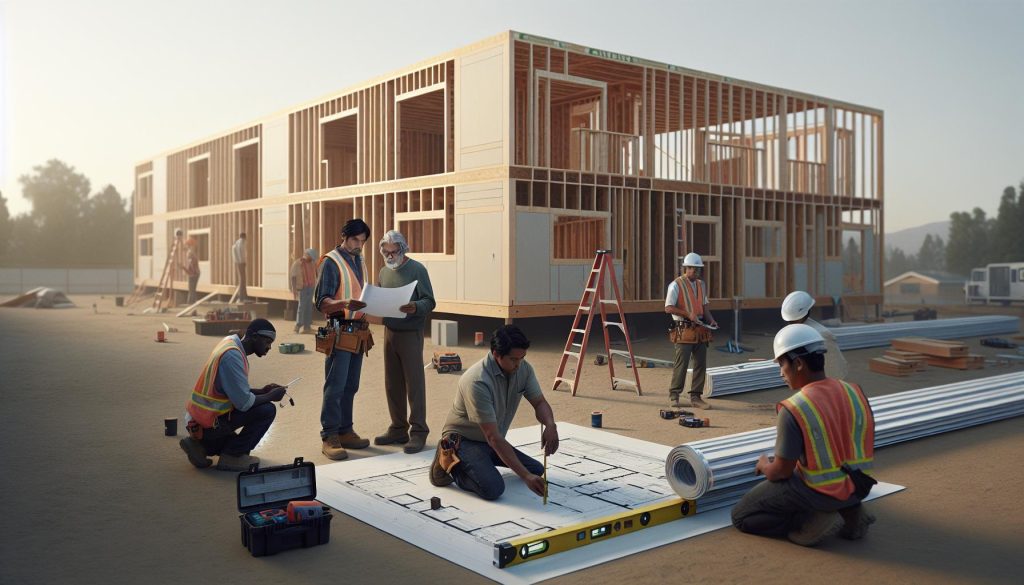
Navigating the world of modular homes can feel overwhelming, especially when it comes to understanding the building codes and standards these structures must meet. Did you know that modular homes are held to the same rigorous standards as traditional homes? This means that they not only offer affordability and flexibility but also ensure safety and quality for residents. As a prospective buyer, current owner, or investor, comprehending these compliance requirements is crucial. It affects everything from the durability of your investment to the safety of your family. This article will guide you through the essential standards that modular homes must adhere to, empowering you with the knowledge to make informed decisions in the modular housing market. Dive in to discover how code compliance can directly impact your living experience!
What Are Modular Home Building Codes?
Building codes play a crucial role in the construction of modular homes, ensuring safety, durability, and efficiency. These codes vary by location but generally encompass a blend of local amendments and national standards designed to govern the design and construction processes. Modular homes, constructed in segments or modules in a factory setting and then transported to the site for assembly, must adhere to stringent building regulations before, during, and after their creation.
Local building codes can be influenced by regional requirements such as climate, soil conditions, and other environmental factors, requiring modular homes to be equipped for unique challenges. For instance, areas prone to severe weather conditions may impose stricter requirements for wind resistance, while other regions may emphasize energy efficiency and sustainability through specific insulation and material standards. Additionally, modular homes are subject to national compliance, as they typically need to meet standards established by the International Building Code (IBC) and any relevant local codes adopted by governing bodies.
To navigate the specifics of building codes, it is essential for homeowners and builders to engage with local authorities and ensure that all elements-from foundations and utility installations to overall safety features-are designed and implemented according to these regulations. Homeowners should also keep documentation of compliance inspections and certifications, as this can streamline future sales and refinancing processes. This attention to building codes not only contributes to the structural integrity of the home but also enhances resale value and homeowner safety in the long run.
Key Differences Between Modular and Site-Built Homes
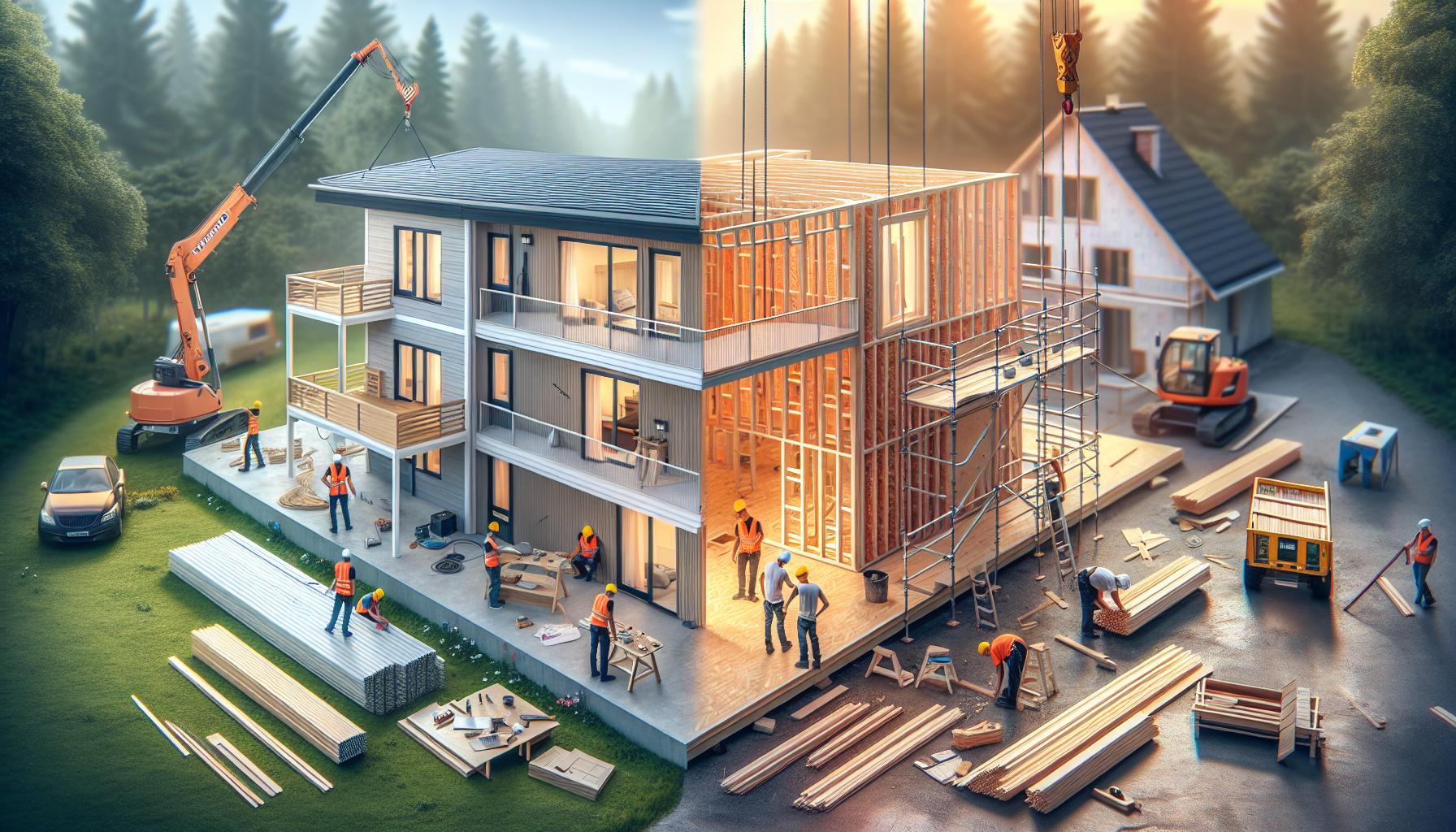
Modular homes represent a unique and innovative approach to home construction, differing significantly from traditional site-built homes. One of the primary distinctions lies in their manufacturing process; modular homes are constructed in a factory setting using assembly line techniques, which allows for increased efficiency and reduced construction time. This controlled environment minimizes the potential for weather-related delays, keeping projects on schedule and often leading to lower labor costs. In contrast, site-built homes are typically constructed directly on the property, which opens them up to the variability of working conditions and scheduling, often resulting in longer build times.
Another significant difference is the adherence to building codes. Modular homes must meet local building codes as well as national standards, which are often stricter than those for site-built homes. The construction of modular homes is governed by the International Building Code (IBC) along with any local amendments that might apply, ensuring that these homes are built to high safety and quality standards. This dual layer of compliance tends to provide more rigorous oversight throughout the construction process, thus increasing their appeal to buyers concerned about quality and safety.
The flexibility in design also sets modular homes apart. While modular homes can be customized, they often come with predefined templates and options. This can streamline the decision-making process for buyers. On the other hand, site-built homes offer greater flexibility in creative design, allowing homeowners to make extensive alterations and customizations throughout the build. However, this can lead to higher costs and longer construction timelines. Additionally, financing options may differ; lenders often treat modular homes similarly to traditional homes, but site-built homes may have more widespread financing availability due to familiarity among consumers.
Navigating these differences can empower potential homeowners to make informed decisions, whether they prioritize speed of construction, quality assurance, or design flexibility. Understanding the nuances of modular versus site-built homes provides valuable insight into the benefits and constraints of each option, guiding buyers towards choices that best suit their needs and expectations.
Essential Standards for Modular Home Construction

When it comes to modular home construction, adhering to essential standards is crucial not only for safety but also for ensuring that homes are built to last. Modular homes are crafted in controlled factory conditions, where they must comply with various building codes that dictate structural integrity, safety, and livability. These codes typically derive from the International Building Code (IBC) and include local amendments that address specific regional concerns, which might pertain to climate, seismic activity, or wind loads.
Among the primary standards that modular homes must meet are the following:
- Structural Standards: Modular homes must be designed to withstand local environmental conditions, including wind, snow, and seismic forces. For instance, homes built in hurricane-prone areas are required to have enhanced wind resistance features.
- Electrical and Plumbing Codes: These homes must adhere to existing codes governing electrical wiring, plumbing systems, and HVAC installations. Qualified professionals usually install these systems before the units leave the factory.
- Energy Efficiency Standards: To promote sustainability, modular homes must comply with energy codes that improve energy conservation and efficiency, such as the Energy Efficiency Code (IECC). This includes standards for insulation, HVAC efficiency, and the use of energy-efficient materials.
- Fire Safety Regulations: Fire regulations are in place to ensure the home is equipped with necessary safety features, including smoke detectors, fire-resistant materials, and proper egress for emergencies.
Compliance with these standards not only reinforces the quality of modular homes but also enhances their market value. As potential buyers navigate choices, understanding these foundational requirements will empower them to ask pertinent questions during the buying process and ensure they’re making informed decisions.
Furthermore, navigating these regulations ensures smoother inspections and approvals, paving the way for installation and occupancy. To maintain compliance, homeowners should routinely review local regulations, especially when planning renovations or changes to their property. Engaging with an experienced modular home builder can also support homeowners in negotiating compliance effectively, making their venture into modular living a rewarding experience.
Inspection Requirements for Modular Homes
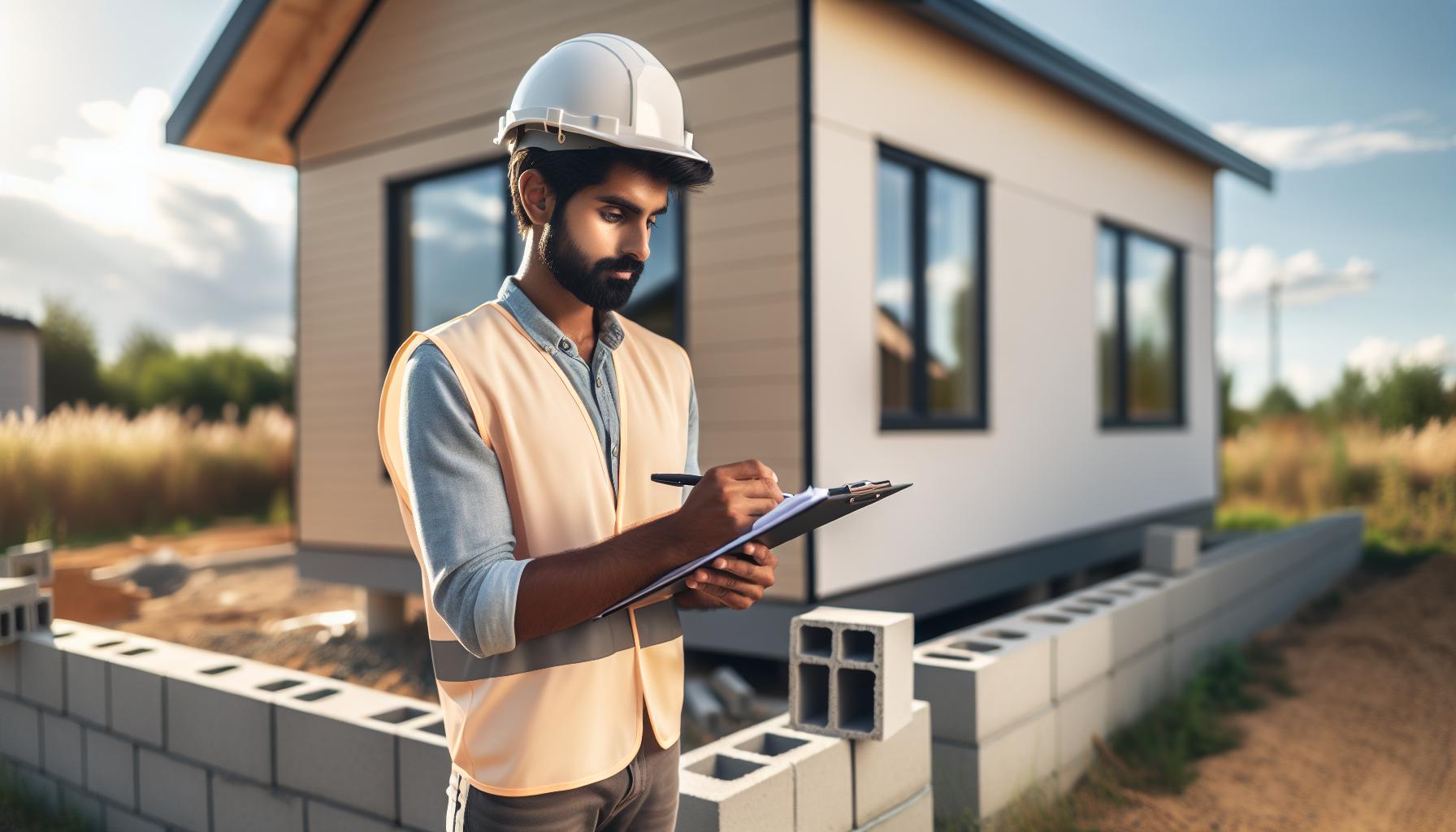
Inspections are a critical part of the modular home building process, ensuring homes meet the required standards for safety, integrity, and livability. From off-site construction to on-site assembly, each phase of a modular home’s journey is scrutinized to uphold building codes and regulations. Understanding these inspection requirements can empower prospective homeowners and current residents alike, making the experience of owning a modular home both safe and efficient.
Before a modular home leaves the factory, it undergoes rigorous inspections at various stages of construction. These pre-delivery inspections check for compliance with national and local building codes. Inspectors examine the structural components, electrical systems, plumbing, and insulation to ensure that everything adheres to specified standards. For example, inspectors will assess the framing to confirm it can withstand local environmental factors such as wind and snow loads, particularly in regions known for severe weather.
Once the home is transported to the site, additional inspections are required. Before the home can be set on its foundation, the site itself must pass an inspection to ensure it is adequately prepared for the installation. This includes checking the foundation’s stability, utility hookups, and any necessary grading. After the home is set, further inspections verify that the assembly meets safety regulations and that utilities function correctly. Homeowners should be proactive during this phase, as having their inspections conducted smoothly can shorten the timeline for move-in.
In some regions, modular homes might be subject to specific local code requirements that go beyond the national standards. It is essential for homeowners to familiarize themselves with these local codes, as variations can exist based on geographical risks and community regulations. Engaging a reputable modular home builder with extensive experience can be invaluable in navigating these inspection processes, ensuring that all aspects of the construction meet code compliance in the respective area.
Being informed about the not only fosters a safer living environment but also helps in maintaining the home’s value over time. Understanding what inspectors look for can guide homeowners in addressing any potential issues early on, ultimately leading to a smoother transition into their new modular home.
Understanding Local vs. National Building Codes
Navigating the complexities of building codes can be daunting for anyone interested in modular homes. Understanding the distinction between local and national building codes is essential, as it ensures full compliance and enhances the safety and integrity of the home. National building codes provide a foundational framework that standardizes requirements across the country, promoting consistency and safety in construction practices. However, these codes may not account for region-specific factors such as climate, soil conditions, or seismic activity, which can significantly impact the performance and durability of a modular home.
Local building codes are established by municipal authorities and can vary widely from one area to another. These regulations often reflect the unique needs of a community, encompassing additional requirements that exceed national standards. For instance, a home built in a hurricane-prone region may be subject to stricter wind resistance standards or stipulations for higher foundation elevations. Homeowners should be proactive in researching local codes, as failing to comply can lead to costly delays or even legal repercussions. Collaborating with a qualified modular home builder familiar with local regulations can provide invaluable insights and guidance, ensuring that your home is constructed with compliance and safety in mind.
To help clarify the differences between national and local codes, consider the following aspects:
| Aspect | National Building Codes | Local Building Codes |
|---|---|---|
| Scope | Standardized guidelines for safety and construction practices. | Community-specific regulations addressing local environmental factors. |
| Example Regulations | General fire safety, structural integrity, and accessibility. | Wind load requirements, flood zone mandates, and historical preservation rules. |
| Flexibility | Less variable, applies uniformly across the nation. | More adaptable, reflecting the particular needs of local residents. |
| Enforcement | Implemented at the federal or national level. | Enforced by local building departments or municipal authorities. |
By equipping yourself with knowledge about both national and local building codes, you can ensure a smoother building process, address any potential challenges upfront, and ultimately create a safe and compliant modular home that meets your needs and those of your community. Engaging with local housing authorities or attending community meetings may also help in staying informed about evolving regulations that could affect your modular home project.
Compliance with Energy Efficiency Standards
In the ever-evolving landscape of construction, energy efficiency has emerged as a vital standard that modular homes must meet to ensure environmental sustainability and cost-effectiveness. Implementing energy-efficient practices not only contributes to reducing carbon footprints but also minimizes utility costs for homeowners. Modular homes are increasingly designed to comply with a variety of energy efficiency standards that can vary by state and locality, focusing on insulation, energy appliances, and overall thermal performance.
Key Energy Efficiency Standards
Modular home builders are required to adhere to specific codes that often reference national guidelines, such as the International Energy Conservation Code (IECC) or the Energy Star program. These standards typically involve:
- Insulation Requirements: Modular homes must incorporate high-performance insulation materials to reduce heating and cooling demands.
- Windows and Doors: Energy-efficient windows that minimize heat loss and gain are mandated to maintain optimal interior temperatures.
- Energy-Efficient Appliances: The installation of appliances that meet energy consumption benchmarks helps reduce overall energy use.
- Smart Home Technology: Incorporating smart thermostats and energy monitoring systems encourages responsible energy consumption.
Benefits of Energy Efficiency Compliance
Achieving not only protects the environment but also translates into significant financial savings for homeowners. By lowering energy bills through responsible energy use and superior insulation, homeowners can experience a return on investment that enhances the overall value of their properties. Furthermore, many localities may offer incentives, rebates, or tax credits for building or retrofitting to meet these energy standards, making it an attractive option for prospective homeowners and investors alike.
Navigating these standards can be complex, but understanding local regulations and committing to energy-efficient practices can ultimately drive long-term benefits for both the environment and the homeowner’s wallet. Collaboration with experienced builders who specialize in modular construction can further ensure compliance while simplifying the process. By proactively adhering to these energy standards, homeowners not only foster sustainable living but also embrace the modern modular home lifestyle with confidence and pride.
Safety Features Required in Modular Homes
Ensuring safety in modular homes involves integrating a variety of features that meet rigorous standards and regulations. These homes must adhere to national and local building codes designed to protect resident safety and well-being. One critical aspect of safety features is structural integrity, which is assessed through guidelines established by the International Building Code (IBC) and state-specific adaptations. This may include enhanced framework designs that withstand wind loads, seismic activity, and other natural disturbances, depending on the geographical area.
Another fundamental safety element involves fire protection systems. Modular homes must have smoke detectors installed in key areas such as bedrooms and hallways. Fire extinguishers are also recommended for easy access, and adherence to fire-rated materials is essential. For instance, using non-combustible materials in wall assembly can significantly mitigate fire risk. Depending on local regulations, modular homes may also need to incorporate fire sprinkler systems, particularly in larger layouts, to enhance safety and compliance.
Electrical safety is paramount in modular construction. All electrical systems must comply with the National Electrical Code (NEC), ensuring that wiring is installed correctly and safely. Ground-fault circuit interrupters (GFCIs) are commonly required in areas with higher moisture levels, such as bathrooms and kitchens, to prevent electrical shock. Regular inspections during the construction phase further ensure that safety standards are met, which is crucial for the long-term safety of the home.
Additional Considerations
- Foundation Safety: Ensuring your modular home is properly anchored to its foundation is crucial, especially in areas prone to high winds or flooding. This involves using concrete blocks or piers and following local zoning and building regulations.
- Accessibility Features: For homes intending to accommodate residents of varying abilities, features such as wider doorways, ramps, and safety grab bars can be integrated to enhance safety and usability.
- Emergency Exits: Modular designs should include multiple means of egress that comply with fire safety codes, ensuring quick and safe evacuation in case of emergencies.
By prioritizing these safety features, modular home builders not only comply with essential construction standards but also foster a secure living environment for residents. Engaging with qualified builders familiar with these safety requirements can further ease the home building process, offering peace of mind as you embark on your modular living journey.
Navigating Zoning Laws for Modular Homes
Navigating the zoning laws governing modular homes is essential for anyone considering this housing choice, as the regulations can vary significantly based on location. Zoning laws dictate how land can be used and can affect the placement, height, and design of modular homes. Unlike traditional site-built homes, which may have more standardized rules, modular homes often face additional scrutiny due to their unique construction process.
Before purchasing or installing a modular home, prospective buyers should research local zoning ordinances. Each municipality has its own set of rules, often influenced by the community’s goals for development, aesthetics, and environmental considerations. For instance, some areas may require modular homes to blend in with existing architecture, which could involve specific design elements or external materials. It’s not uncommon for certain locales to outright prohibit modular homes in favor of more traditional housing options. Consequently, reviewing the zoning regulations and consulting with local zoning boards or planning departments is a wise step.
To facilitate compliance, it’s beneficial to engage with local experts who understand the nuances of modular construction within the context of zoning laws. Developers or builders experienced in modular homes can provide valuable insights and may assist in obtaining the necessary permits and approvals. Additionally, joining local homeowner associations (HOAs) or community groups can offer broader awareness of potential zoning issues, helping you better navigate the process.
Ultimately, by thoroughly understanding and addressing zoning concerns early in the modular home purchasing journey, buyers can avoid costly delays and ensure their new home aligns with local regulations, ultimately creating a harmonious living environment within their community. Emphasizing due diligence in this area not only helps secure the desired property but also supports the legitimacy and acceptance of modular living within diverse neighborhoods.
Homeowner Responsibilities for Code Compliance
Owning a modular home comes with a unique set of responsibilities, particularly regarding building code compliance. Understanding these obligations is crucial for maintaining both the integrity of your home and your investment. Modular homes must adhere to specific codes that govern their construction, placement, and maintenance, much like traditional site-built homes. Fulfilling these responsibilities not only ensures a safe living environment but also aligns with community standards and regulations.
One of the primary responsibilities of a homeowner is ensuring that their modular home is correctly installed according to local building codes. This includes overseeing the foundation preparation, which must meet specific criteria for stability and safety. It’s essential to work with certified contractors experienced in modular setups to guarantee that your home is level, properly anchored, and connected to utilities according to the relevant standards. Regular inspections during setup can help prevent future issues and ensure compliance with state and local regulations.
Additionally, homeowners must stay informed about ongoing maintenance and renovation requirements. Many localities have codes dictating not just how homes are built, but also how they should be maintained over time. For example, updates to plumbing, electrical systems, or even simple exterior modifications may require permits and inspections. Homeowners should keep abreast of any changes in local ordinance related to housing, as failure to comply can result in fines or complications when selling the property.
Lastly, it’s critical to consider energy efficiency standards that may apply. Some areas mandate energy audits or require compliance with specific energy codes, which can influence changes you may want to implement. Homeowners should investigate whether their improvements, such as installing energy-efficient windows or better insulation, align with local regulations for energy performance. Through diligent code compliance, modular home owners contribute to building a responsible community while ensuring their property remains a safe and valuable asset.
The Role of Building Inspectors in Modular Home Projects
Building inspectors play a crucial role in ensuring that modular homes meet safety standards and local building codes throughout the construction process. Their involvement is not only pivotal for regulatory compliance but also instrumental in safeguarding the investment and longevity of the home. As a modular home undergoes assembly, inspectors evaluate various components, such as structural integrity, electrical systems, plumbing, and energy efficiency measures, to confirm adherence to both local and national regulations.
The Importance of Inspections
During the installation of a modular home, several critical inspections are mandated to ensure everything is correctly executed. These inspections often occur at various stages, including:
- Foundation Inspection: Ensures that the foundation is level and stable, meeting local codes for support and drainage.
- Utility Hookup Inspection: Confirms proper connection to water, electricity, and sewage systems, which is vital for a functional living environment.
- Interior and Exterior Frame Review: Validates that the home’s structural components are intact and built according to specifications.
- Final Occupancy Inspection: Conducted before the homeowners move in, this inspection assesses overall compliance and safety to ensure the home is livable.
Building inspectors not only check for compliance but also provide valuable insights that can help homeowners avoid common pitfalls, such as improper anchoring or inadequate ventilation. Their goal is to ensure that every modular home can withstand environmental factors, adhere to safety standards, and be energy-efficient.
Effective Communication with Inspectors
Homeowners should engage actively with building inspectors throughout the process. Effective communication can help clarify requirements and expectations, allowing for smoother inspections. Here are a few tips for homeowners:
- Research Local Codes: Familiarize yourself with local building codes to understand what inspectors will be looking for.
- Ask Questions: Utilize inspectors as resources; don’t hesitate to ask for clarifications or recommendations.
- Document Progress: Keep a detailed record of all inspections, adjustments, and conversations with inspectors to maintain accountability and ensure everything aligns correctly.
Taking a proactive approach to building inspections can lead to a more seamless construction process and ultimately result in a safer, more welcoming modular home. By understanding the vital role building inspectors play, homeowners can better navigate the complexities of modular home ownership and protect their investment for years to come.
Common Code Violations in Modular Housing
Navigating the world of modular housing can present unique challenges, particularly when it comes to compliance with building codes. Understanding common code violations is crucial for homeowners and prospective buyers to protect their investment and ensure their homes are safe and livable. Issues such as improper installation, inadequate foundational support, and failure to meet energy efficiency standards can lead to significant problems down the line.
One prevalent violation involves the foundation. Many homeowners overlook the importance of a correctly installed foundation, which must be level and conform to local codes. If the foundation is inadequate, it can lead to structural problems, shifting, and even damage to the home over time. Homeowners should have their foundation inspected thoroughly to ensure it meets or exceeds the necessary regulations before the modular home is placed.
Another common issue arises with utility connections. Proper connection to water, electricity, and sewage systems is essential for a functional home. Violations often occur when these systems are not installed according to local codes, leading to potential health risks and safety hazards. Homeowners must verify that all utility hookups are completed by licensed professionals who comply with local regulations to avoid complications.
Additionally, energy efficiency standards are frequently breached. Modular homes are subject to specific insulation and energy performance requirements designed to optimize energy use and minimize costs. If these standards are not met, homeowners might face increased utility bills and potential penalties. Engaging with energy efficiency experts during the setup process can help ensure compliance with these important codes.
To mitigate the risk of code violations, homeowners are encouraged to actively participate in the inspection process, ensuring all aspects of code compliance are met from the planning stages through installation. By familiarizing themselves with local building regulations and working closely with licensed contractors and inspectors, homeowners can significantly reduce the likelihood of encountering common code violations in their modular housing journey.
Resources for Ensuring Compliance and Best Practices
Navigating the complexities of modular home compliance can feel daunting, but a wealth of resources is available to help streamline the process and ensure that homeowners not only meet but exceed building code standards. Understanding these guidelines and utilizing the right tools can empower you to effectively manage your modular home project from start to finish.
One of the most vital resources is your local building department, which provides specific regulations, zoning laws, and permit requirements tailored to your area. Engaging early with local officials can clarify any ambiguities surrounding compliance and garner insights on best practices, ensuring that you avoid costly mistakes. Additionally, consider consulting with reputable modular home manufacturers who often have dedicated compliance teams knowledgeable about industry standards and can guide you through the necessary steps.
Implementing a rigorous inspection schedule is equally important. Homeowners should document each phase of the installation and inspection process. This not only helps maintain a compliance checklist but also becomes a valuable reference should any disputes arise in the future. Collaborating with licensed contractors familiar with modular homes enhances this effort, as they are up to date with local codes and energy efficiency standards that could affect the home’s long-term performance and safety.
Furthermore, leveraging technology can significantly improve your compliance efforts. Various apps and software solutions can track regulations, provide reminders for important deadlines (like inspections), and offer checklists that ensure you are meeting all necessary requirements. Consider resources like the International Code Council’s (ICC) online databases which can provide the most recent updates on building codes specific to modular homes.
In essence, staying informed, organized, and proactive is key to ensuring compliance with building codes in modular home construction. By utilizing local resources effectively and committing to thorough inspections and planning, you can enjoy peace of mind knowing your modular home adheres to all necessary standards, transforming it into a safe, comfortable haven for you and your family.
Q&A
Q: What types of building codes apply to modular homes?
A: Modular homes must adhere to various building codes, including local codes, national codes such as the International Building Code (IBC), and any state-specific regulations. These codes ensure structural integrity, safety, and energy efficiency. Familiarizing yourself with these requirements can help in compliance during construction and installation.
Q: How do modular home building codes differ from traditional homes?
A: Modular home building codes focus more on factory construction standards, while traditional homes often adhere to onsite building codes. Modular homes are typically inspected at the factory, providing a streamlined process. It’s essential to understand these differences for proper planning and compliance in your project.
Q: What inspections are required for modular homes?
A: Modular homes must pass inspections at both the factory and upon arrival at the construction site. These inspections typically include structural, electrical, plumbing, and mechanical systems to ensure compliance with applicable building codes. Regular communication with your builder can help facilitate these inspections.
Q: Are there specific energy efficiency standards for modular homes?
A: Yes, modular homes must meet energy efficiency standards regulated by the International Energy Conservation Code (IECC) and local energy codes. These standards may include insulation requirements, energy-efficient windows, and HVAC systems. Incorporating these can improve comfort and reduce long-term energy costs.
Q: What are common building code violations in modular homes?
A: Common violations in modular homes include improper installation of utilities, structural issues, and failure to meet safety regulations. Identifying and addressing these during construction can prevent costly repairs and ensure compliance. Consulting your local building authority can provide guidance on avoiding these violations.
Q: How can homeowners ensure compliance with modular home codes?
A: Homeowners can ensure compliance by working closely with experienced builders familiar with modular home standards and local building codes. Regularly reviewing the construction process and maintaining clear communication with inspectors will help catch potential issues early on.
Q: What role do local zoning laws play in modular home compliance?
A: Local zoning laws establish where modular homes can be placed and may include restrictions on design, size, and land use. Understanding these regulations is crucial, as non-compliance can lead to fines or mandates for relocation. Reviewing local ordinances before purchase is advisable.
Q: Can modular homes be modified after installation without code violations?
A: Modifications to modular homes are possible but must comply with local building codes. Major updates, such as structural changes or significant systems upgrades, require permits and inspections to ensure continued compliance. Consulting a licensed contractor can help navigate the adjustment process effectively.
Future Outlook
Understanding the standards that modular homes must meet is essential for ensuring safety, quality, and compliance with building codes. As you explore your options in modular home ownership, remember that each step you take-from choosing reputable builders to understanding financing-can significantly impact your investment. Take action today by browsing our extensive resources on financing options and maintenance tips to arm yourself with the knowledge you need.
If you have further questions or need expert guidance, don’t hesitate to reach out for a consultation. Join our community of homeowners who are thriving in their modular living spaces and share your thoughts in the comments below. Stay informed by signing up for our newsletter, and continue exploring related topics like hurricane preparedness and site setup. Your journey towards a secure, compliant, and enjoyable modular home experience starts now!