In an era where severe weather events are increasingly common, understanding hurricane-resistant modular homes is essential for those looking to protect their investment and family. These innovative residences are engineered to withstand high winds and flooding, making them an attractive choice for coastal living. By incorporating advanced materials and construction techniques, modular homes offer a robust solution to the growing concern of storm damage. As you explore the world of hurricane-resistant homes, you’ll discover not only their structural benefits but also the peace of mind they bring, allowing you to focus on creating a safe and comfortable living environment. Dive into this guiding resource to uncover how these homes can be your fortress against nature’s fury.
Understanding Hurricane-Resistant Modular Homes
The increasing frequency and intensity of hurricanes have highlighted the importance of resilient housing solutions, especially in vulnerable coastal regions. Hurricane-resistant modular homes present a viable answer to rising concerns about storm impact. These homes are designed not only to withstand extreme weather conditions but also to provide residents with comfort and safety. Understanding the features and benefits of these structures can empower buyers in making informed decisions.
Hurricane-resistant modular homes incorporate specific design elements that enhance their durability. Construction methods that involve elevated foundations, reinforced structural frames, and impact-resistant windows make these homes significantly more robust against high winds and flying debris. Additionally, many modular homes utilize materials that are both lightweight and exceptionally strong, allowing them to sway without breaking under high-pressure conditions. Buyers should seek homes certified by relevant building codes, which reinforce their readiness to face hurricanes.
One of the paramount advantages of modular homes in hurricane-prone areas is their speed of construction. Unlike traditional builds, modular homes are prefabricated in controlled environments, which minimizes delays due to weather. This efficiency means homeowners can occupy their residences sooner, even in the aftermath of a storm, providing a crucial advantage in disaster recovery efforts. Furthermore, these homes can often be easily transported or relocated, adding an element of flexibility that traditional homes do not offer.
When investing in hurricane-resistant modular homes, potential buyers should also consider long-term benefits such as lower insurance premiums and improved resale value. Many insurance companies offer discounts for homes built to higher hurricane codes, representing significant savings over time. Moreover, as awareness of climate resilience grows, the demand for such homes is likely to increase, making them a smart investment for those living in at-risk areas. Through careful planning and the right choice, modular homes can serve as a formidable shield against the elements, ensuring families remain safe and secure.
Key Features of Hurricane-Resistant Designs
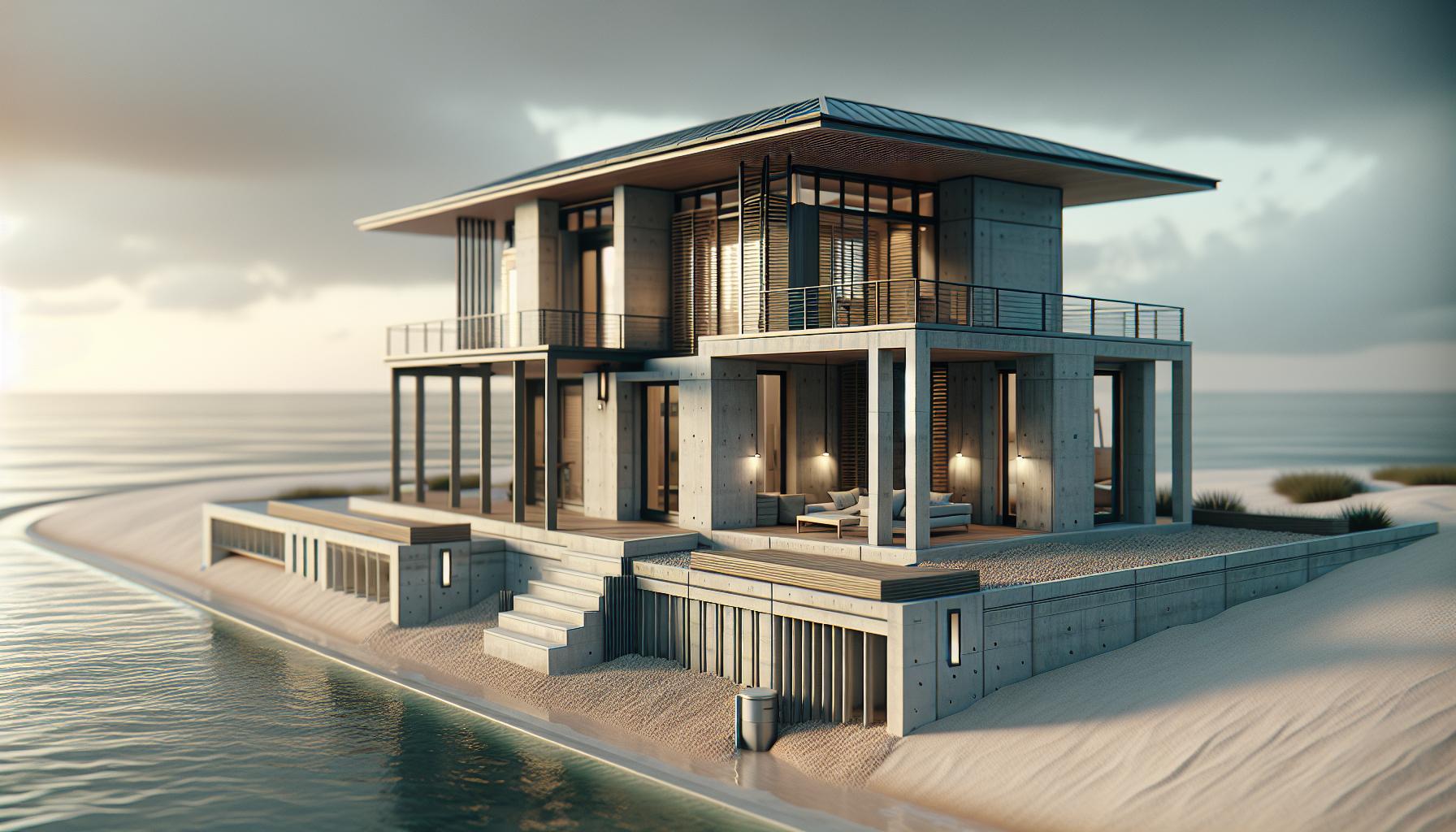
Hurricane-resistant modular homes are ingeniously designed to tackle the intense forces of nature, combining innovative engineering with practical elements. These homes feature elevated foundations that help prevent flood damage, a critical aspect in hurricane-prone areas where storm surges can be devastating. By setting the structure above ground level, water is less likely to infiltrate the living space, providing added safety during extreme weather events.
Another significant characteristic of these robust designs is the use of reinforced structural frames. Unlike standard homes, which may succumb to violent winds, modular homes utilize materials such as steel and high-impact-resistant wood designed to withstand gusts that can exceed 150 miles per hour. The thoughtful incorporation of wind-resistant windows and doors also plays a crucial role; these features prevent breaking under pressure, limiting the entry points for debris and water.
Impact-Resistant Features
In addition to robust frameworks, hurricane-resistant modular homes often include features such as:
- Storm shutters: These protect windows from flying debris, a common hazard during hurricanes.
- Strapping systems: Roofs are secured with specialized tie-downs to prevent them from lifting off during high winds.
- Continuous load paths: These structural designs allow stress to flow uniformly through the structure, significantly enhancing its stability.
The modular nature of these homes facilitates rapid construction and assembly, minimizing vulnerability during storms. Each section is built in controlled environments, ensuring stringent quality standards are met and mitigating the risks of on-site construction delays due to adverse weather. This approach not only enhances safety but also empowers homeowners to settle in quickly, reducing their exposure to hurricane threats during the crucial months of storm season.
Ultimately, opting for hurricane-resistant designs in modular homes is an investment in longevity and safety, providing peace of mind for residents in vulnerable areas.
The Science Behind Storm-Proofing Techniques
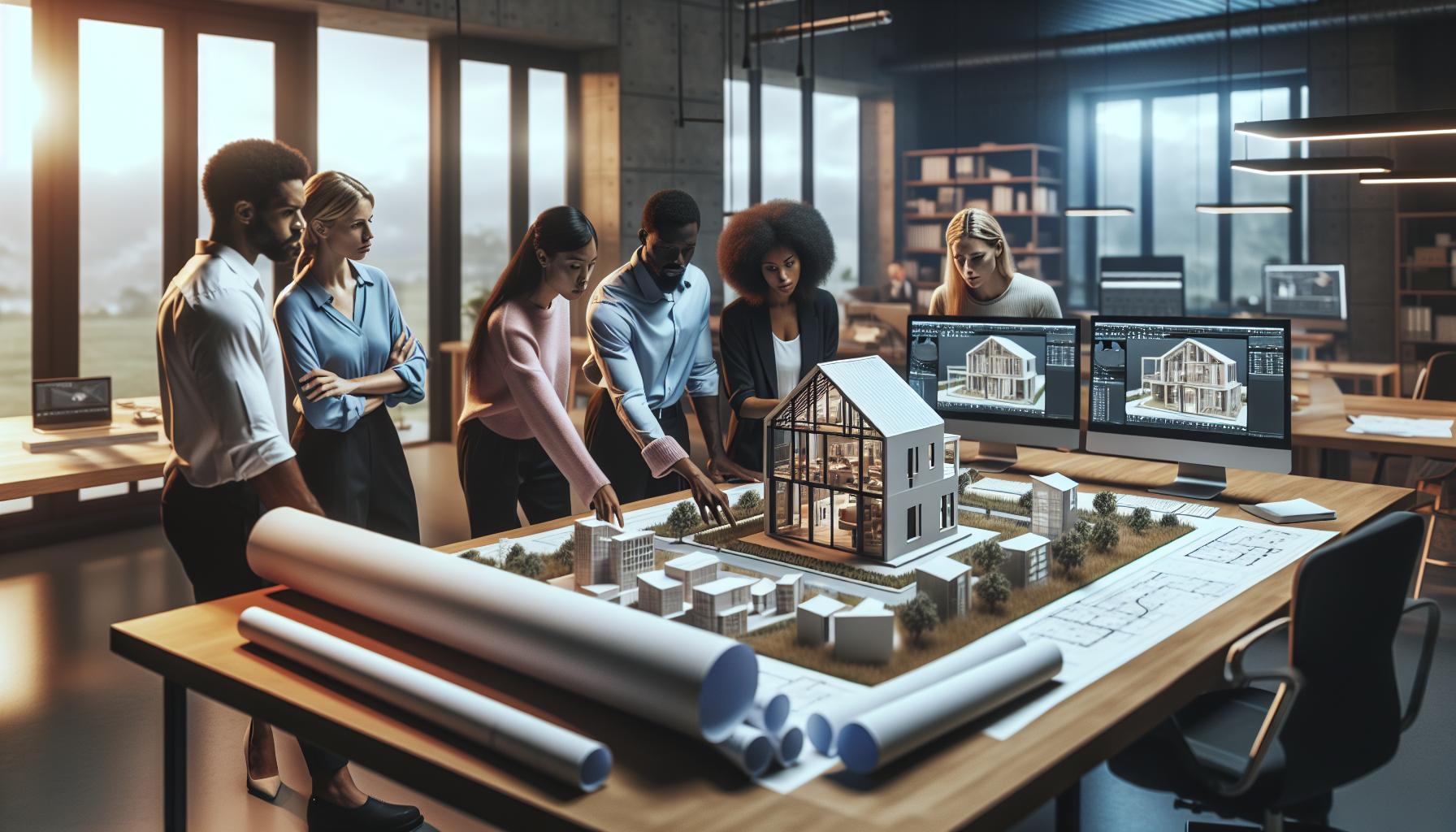
In the quest for protecting homes from the devastating forces of hurricanes, is paramount. Engineers and architects focus on creating designs that can endure extreme weather conditions while also prioritizing safety and longevity. Advanced methodologies such as aerodynamic shaping reduce wind pressure against the structure, effectively minimizing uplift forces during a storm. This design principle enables hurricane-resistant modular homes to maintain structural integrity even when subjected to winds of over 150 miles per hour.
One critical aspect of storm-proofing involves materials selection. High-tensile steel frames combined with advanced composite materials bolster the home’s resistance against both wind and impact from flying debris. For instance, reinforced concrete blocks in the foundation not only elevate the structure but enhance its overall stability. Additionally, the implementation of impact-resistant windows and doors acts as a formidable barrier against both water infiltration and projectiles, significantly reducing the risk of extensive damage.
Building Techniques for Resilience
The construction process itself is another area where innovation shines. Modular homes are assembled in factory-controlled environments, allowing for meticulous quality control that often isn’t possible with traditional construction methods. This technique ensures that each panel and module is built with precision, improving the overall strength and durability of the final structure. Furthermore, modular construction allows for quicker assembly on-site, which is crucial for minimizing exposure during hurricane seasons.
To provide systematic protection, homes often utilize a continuous load path strategy, wherein every structural element is interconnected to permit forces from storms to be distributed evenly throughout the entire building. This robust design means that if one section faces failure due to high wind pressure, the remaining parts of the structure can still bear the load and maintain overall stability. As a result, residents can enjoy peace of mind knowing their homes are not just built but engineered for hurricane resilience.
Overall, the meticulous attention to detail in the science of storm-proofing ensures that hurricane-resistant modular homes stand a better chance against nature’s fury, offering security and comfort for those living in vulnerable areas. Following best practices in maintenance and design, homeowners can enhance their protection and minimize risks, guaranteeing their homes serve as safe havens even in the face of impending storms.
Benefits of Modular Homes in Hurricane Zones

In regions prone to hurricanes, the choice of housing can significantly impact safety and resilience against extreme weather. Modular homes have emerged as a compelling option for homeowners in these areas, offering several advantages that make them particularly well-suited to withstand the challenges posed by hurricanes.
One of the primary benefits of modular homes is their robust construction. Built in controlled factory environments, modular homes are subjected to stringent quality control processes that ensure they meet or exceed building codes for wind resistance. This controlled setting allows for the integration of advanced materials and engineering techniques that bolster their structural integrity. Features such as reinforced steel frames and hurricane ties anchor the home securely to its foundation, minimizing the risk of damage from high winds and flying debris, a common threat during hurricanes.
Another strong point is the speed of construction. Modular homes can be erected much faster than traditional site-built homes, which is crucial in hurricane-prone regions where timely preparation is essential. The ability to complete construction in days rather than weeks not only saves time but also helps homeowners move in before the onset of hurricane season, allowing them to adequately prepare their properties for potential storms. Additionally, the ability to customize modular designs means owners can include specific features like elevated foundations and storm-resistant windows tailored to their local weather conditions.
Cost effectiveness is also a notable advantage. While initial costs can vary, the long-term savings associated with modular homes-from lower utility bills due to better insulation to reduced insurance premiums thanks to their enhanced durability-make them a financially sound choice. Homeowners often find that the investment in a hurricane-resistant modular home pays off through lower maintenance expenses and improved resale value over time.
Moreover, modular homes are designed with sustainability in mind. Many manufacturers use eco-friendly materials and energy-efficient appliances, which not only reduces environmental impact but also provides future savings on energy bills. This aspect appeals to a growing number of homeowners who wish to promote a greener lifestyle while ensuring their homes can withstand severe weather events.
In summary, for those living in hurricane-prone areas, modular homes represent a smart, resilient, and sustainable housing choice. Their rapid construction, strong engineering, cost advantages, and customization potential make them well-suited for safeguarding families against nature’s most powerful storms. As climate change continues to influence weather patterns, investing in such innovative housing solutions becomes increasingly important for ensuring safety and comfort in vulnerable regions.
Materials That Enhance Wind Resistance
In high-wind areas prone to hurricanes, the materials used in constructing modular homes play a critical role in enhancing wind resistance and ensuring occupant safety. To effectively withstand strong winds and flying debris, manufacturers employ a variety of innovative and resilient materials that bolster the structural integrity of these homes.
One of the most significant materials is structural insulated panels (SIPs), which consist of a layer of rigid foam insulation sandwiched between two structural facings. This composite design not only provides superior insulation but also enhances overall structural strength, enabling the home to better endure high winds. Using SIPs can help reduce air leakage, contributing to energy efficiency as well.
Another key component involves the use of hurricane ties and clips. These metal components are designed to secure the roof and walls together, reinforcing the connections at critical points and diminishing the chances of structural failure during a storm. Properly installed hurricane ties help transfer wind loads from the roof down through the walls and foundation, creating a more unified structure capable of resisting external forces.
Fiber-reinforced concrete is also gaining popularity in hurricane-resistant modular homes. This innovative material combines traditional concrete with fibers, such as glass or synthetic options, to enhance durability and impact resistance. The strength afforded by fiber-reinforced concrete allows it to withstand not just strong winds but also debris impacts-providing an extra layer of protection.
Finally, selecting impact-resistant windows and doors can dramatically reduce the risk of breakage from high winds and flying objects during hurricanes. These windows are often made with laminated glass and reinforced frames, ensuring they remain intact under the intense pressure of a storm.
Each of these materials contributes significantly to creating a home that is not only more resilient against hurricanes but also more energy-efficient and sustainable over time. By prioritizing the quality and suitability of materials used in construction, homeowners can achieve peace of mind knowing their modular homes are designed to withstand nature’s fiercest challenges.
Building Codes and Standards for Hurricane Resistance
In regions vulnerable to hurricanes, adherence to building codes and standards is crucial for ensuring the safety and resilience of modular homes. These regulations are designed to mitigate risks associated with high winds and flooding, providing a framework that guides manufacturers, builders, and homeowners in constructing safe and durable housing. Understanding these codes not only benefits those constructing new homes but also assists existing homeowners in making informed upgrades and renovations.
Modular homes, due to their factory-built nature, are often subject to rigorous testing and compliance with the latest building codes. For instance, the International Building Code (IBC) and local amendments outline specific requirements for wind resistance, roof anchoring, and foundation integrity. Homes must be built to withstand wind speeds that are typical for the area-standards can vary significantly from one state to another, depending on historical data on hurricanes and storms. Engaging with local building authorities can provide insight into these requirements and any additional local codes that may further enhance structural resilience.
Another critical aspect lies in the FEMA (Federal Emergency Management Agency) recommendations, which include guidelines on flood resistance, elevation of structures, and the use of specific materials to reduce water damage. Homeowners in coastal zones, in particular, should consider elevating their modular homes to meet these guidelines, thereby minimizing the risk of flood damage during storm surges.
Finally, maintaining compliance with these building codes can also influence insurance rates and availability. Many insurance providers offer lower premiums for homes that meet established hurricane resistance standards. Ensuring that your home adheres to these codes can not only enhance safety but may also provide financial benefits.
By staying informed about and compliant with local and national building codes, homeowners can improve the overall safety and durability of their modular homes, securing their investments and peace of mind against future storms.
The Role of Technology in Storm Protection
Modern technological advancements play a pivotal role in enhancing the storm protection features of hurricane-resistant modular homes. Innovations in engineering and materials science have led to the development of solutions specifically designed to withstand extreme weather conditions, ensuring that these homes can provide safety and security even in the face of powerful hurricanes. One of the most significant breakthroughs has been in the use of advanced structural components, such as hurricane ties and straps. These durable connectors help to anchor roofs and walls more securely to the foundation, reducing the likelihood of structures being compromised by high winds.
Another aspect of technology’s impact is the incorporation of improved materials that offer greater resilience against wind and flooding. For example, some manufacturers now utilize impact-resistant windows and doors, which can prevent debris from penetrating the home. This not only protects the interior of the house but can also aid in preventing water damage during heavy rains. Moreover, sealed, elevated foundations equipped with proper drainage systems and flood-resistant materials ensure that homes remain safe from rising waters, aligning with FEMA guidelines for coastal residences.
In addition to materials and structural components, the integration of smart home technologies is becoming increasingly popular. Home automation systems can monitor weather conditions in real-time, providing homeowners with alerts regarding approaching storms. This allows for timely responses, such as securing windows and doors or implementing emergency plans. Furthermore, energy-efficient technologies, such as solar panels and backup generators, enhance the self-sufficiency of a modular home during power outages, common in hurricane situations, ensuring that residents remain comfortable and safe.
As technology continues to evolve, so too does the potential for modular homes to offer unprecedented levels of hurricane protection. Homeowners should remain informed about the latest innovations and consider how these advancements can be integrated into their housing choices. By leveraging technology effectively, they can significantly enhance their homes’ resilience, providing peace of mind that they are well-prepared for whatever nature may bring.
Cost Considerations of Hurricane-Resistant Homes
Investing in hurricane-resistant modular homes can seem daunting, but understanding the associated costs can empower buyers to make informed decisions. One of the primary factors influencing the overall expenses is the initial investment in advanced materials and construction techniques designed to withstand extreme weather conditions. While traditional modular homes may come at a lower price point, the added features such as reinforced framing, impact-resistant windows, and elevated foundations significantly enhance safety and longevity, ultimately providing better value over time.
When calculating costs, it’s crucial to consider not just the price of building materials, but also the expenses related to compliance with local building codes and standards for hurricane resistance. Often, these requirements can vary greatly by region, impacting your overall budget. Incorporating features like hurricane ties and straps, proper anchorage systems, and elevated structures can incur additional upfront costs, but these investments help mitigate potential damages during severe storms, leading to savings on repairs and maintenance over the long term.
Another cost consideration is insurance. Homes built with hurricane-resistant features may qualify for lower premiums or discounts from insurance companies as they are assessed as lower risk. This can lead to substantial savings over time, making your initial investment more manageable. It’s also important to think about energy efficiency; utilizing solar panels or smart home technologies may have higher initial costs but can reduce utility bills and bring long-term financial benefits.
Ultimately, while the cost of hurricane-resistant modular homes is higher than that of standard options, the peace of mind and potential long-term savings can be well worth the investment. Understanding these cost dynamics allows homeowners and prospective buyers to weigh the benefits effectively, ensuring that their choice of a hurricane-resistant home is both practical and financially sound.
Insurance Insights for Hurricane-Prone Areas
Understanding the intricacies of insurance in hurricane-prone areas is vital for homeowners considering modular homes designed to withstand severe weather. Given that these residences are often built with features that enhance storm resistance, they may qualify for lower insurance premiums and other financial benefits. This not only eases the initial burden of investing in a hurricane-resistant modular home but also provides long-term peace of mind.
Insurance companies typically evaluate risk in relation to the resilience of a home against hurricanes, and this is where modular homes excel. Features such as elevated foundations, impact-resistant windows, and reinforced structural components can significantly reduce the risk assessment. Homeowners should actively talk to their insurance providers about specific discounts or lower premium rates for homes equipped with these hurricane-resistant designs. In some regions, certified homes may even qualify for special programs offering reduced rates or additional coverage options assuring comprehensive protection during storms.
It’s also essential for prospective buyers to thoroughly research local insurance requirements and options. Different areas may have varying regulations and coverage stipulations based on the likelihood of hurricane activity. Homeowners should inquire about the necessity of additional flood insurance, as standard homeowners’ policies may not cover flood damage, which can be especially pertinent in coastal areas.
Lastly, consider the power of documentation. Keeping records of all upgrades and features that reinforce a home against storms can support claims and provide context for discussions with insurers. If possible, obtaining a builder’s certification verifying that the modular home was constructed to hurricane-resistant standards could further enhance negotiation with insurance providers. By staying informed and proactive about their insurance needs, homeowners can secure financial stability while investing in a secure living environment.
Selecting the Right Location for Safety
Choosing a safe location is paramount when considering a hurricane-resistant modular home. Proximity to water bodies, such as oceans or large lakes, can significantly increase the risk of flooding, so it’s crucial to select a site that balances accessibility, scenic value, and safety. Elevation plays a key role in this decision; homes built on elevated ground are less vulnerable to storm surges and flooding. When scouting for land, pay attention to elevation maps and flood zone designations provided by local government resources, which are invaluable tools for prospective homeowners.
In addition to geographical factors, understanding the local community’s preparedness is equally important. Communities with established emergency services, evacuation routes, and a history of effective disaster management can be significantly safer. Engaging with neighbors and local officials can provide insights into the area’s resilience strategies and resources during hurricane events.
Another critical consideration is the soil quality and stability of the chosen plot. Sandy or loose soil may not provide the necessary support for modular homes, especially under the intense winds and rain typical of hurricanes. Consulting with a soil engineer might be prudent to ensure that the foundation can withstand severe weather conditions.
Ultimately, safety in location selection encompasses a holistic approach-considering environmental factors, community resilience, and structural integrity together provides a comprehensive framework for making informed decisions. Opting for a well-thought-out location can greatly enhance the long-term safety and durability of a hurricane-resistant modular home.
Comparing Modular Homes to Traditional Structures
When evaluating housing options in hurricane-prone areas, one compelling fact stands out: modular homes are designed with unique advantages that can significantly enhance safety during severe storms compared to traditional stick-built structures. While both types of homes can be constructed with hurricane-resistant features, modular homes often have a strong edge in terms of speed, cost, and customization.
Durability and Construction Techniques
Modular homes are built in a controlled environment, allowing for better quality control and the ability to integrate advanced building techniques tailored for storm resilience. They are usually constructed with stronger materials and undergo rigorous testing to withstand high winds and heavy rain. Essential features such as reinforced roofs, impact-resistant windows, and specialized framing techniques are often standard in modular designs. In contrast, traditional homes might not be built with the same level of rigor unless specifically customized for hurricane zones.
Speed and Efficiency
One of the most significant benefits of modular homes is the speed of construction. They can often be completed much faster than traditional homes, which is crucial in regions where seeking shelter from storms is a pressing concern. With modular housing, families can have a secure, storm-resistant dwelling ready in less time, which can be a lifesaver in areas prone to sudden hurricanes.
Cost-Effectiveness
Cost is another critical differentiator. Modular homes generally offer lower prices per square foot compared to traditional homes. This affordability means that more individuals and families can invest in essential hurricane-resistant features without stretching their budgets. Additionally, since modular houses are constructed off-site and shipped, there are fewer delays and disruptions that often accompany traditional building projects, leading to saved costs.
Customization Options
Modular homes come with a range of customization options that allow homeowners to prioritize hurricane-resistant features without sacrificing aesthetics or functionality. Buyers can select materials, layouts, and designs that meet resistance standards while reflecting their style and needs. On the other hand, customizing a traditional home to meet the same standards can often be more restrictive and costly.
In summary, comparing hurricane-resistant modular homes to traditional structures reveals significant advantages related to durability, speed, cost, and customization. These factors not only provide practical solutions for families living in vulnerable areas but also create a solid foundation for long-term resilience against natural disasters. As communities continue to adapt to climate change and increasing hurricane risks, the benefits of modular homes will likely resonate more deeply with prospective homeowners and investors alike, offering peace of mind and safety without compromising on quality.
Maintenance Tips for Long-Term Resilience
Ensuring that a hurricane-resistant modular home remains resilient long after its construction is essential for homeowners, especially in storm-prone areas. Regular maintenance can significantly enhance its protective features and extend its lifespan. One of the most critical aspects to focus on is the integrity of the roof. Perform routine inspections for any loose shingles or damaged materials that could compromise its wind resistance. Keeping gutters clear of debris is also crucial, as blocked gutters can lead to water pooling and potential leaks during heavy rains.
Routine Inspections
Conducting thorough inspections of your home at least twice a year is key. Look for signs of wear or damage, especially after severe weather events. Pay close attention to:
- Windows and Doors: Check for gaps or cracks in seals that could allow wind and water infiltration.
- Foundation Tie-Downs: Ensure that the anchor systems are secure and in good condition, as this is vital to prevent the home from shifting during strong winds.
- Exterior Walls: Inspect siding and other materials for signs of damage or decay, which can weaken overall structural integrity.
Storm Preparations
Before hurricane season, take proactive steps to prepare your home. This includes reinforcing entry points such as doors and windows with storm shutters or impact-resistant films, which can significantly enhance overall defense against flying debris. Additionally, evaluate the landscaping around your home; trim trees near the property to prevent branches from causing damage in high winds.
Upkeep of Utility Connections
Regularly check and maintain utility connections, including water lines, electrical systems, and HVAC units. Ensure that all systems are working correctly and are adequately protected from potential flood damage. Consider elevating key utilities above expected flood levels to reduce risks.
By prioritizing these maintenance practices, homeowners can fortify their modular homes against hurricanes and other severe weather. Modular homes are strong and resilient, but like any structure, they require proper care and vigilance to maintain their protective capabilities for the long term. With strategic upkeep and a mindful approach to every storm season, you can ensure your home remains a safe haven for years to come.
Frequently Asked Questions
Q: What are the main benefits of hurricane-resistant modular homes?
A: Hurricane-resistant modular homes offer enhanced safety during storms, reduced insurance premiums, and quicker construction times. Their design allows for better wind resistance and durability, ensuring a more secure living environment in hurricane-prone areas.
Q: How do hurricane-resistant modular homes compare to traditional homes?
A: Hurricane-resistant modular homes often outperform traditional homes in wind resistance and storm preparedness due to their engineered materials and construction techniques. They are built to meet specific building codes that enhance structural integrity against natural disasters.
Q: What materials are typically used in hurricane-resistant modular homes?
A: Common materials include reinforced concrete, impact-resistant windows, and roof systems designed to withstand high winds. These materials enhance the home’s overall durability and resilience against severe weather conditions.
Q: How can I ensure my modular home is hurricane-ready?
A: To ensure your modular home is hurricane-ready, consult with builders who specialize in hurricane-resistant designs. Regularly check and maintain structure tie-downs, and consider adding features like storm shutters and elevated foundations to improve safety.
Q: Are there specific building codes for hurricane-resistant modular homes?
A: Yes, hurricane-resistant modular homes must adhere to stringent local and national building codes, which dictate specifications for wind speed ratings and materials used. It’s crucial to verify these standards when selecting a home.
Q: What technology is used in hurricane-resistant modular home designs?
A: Technology such as advanced weather forecasting systems, structural modeling software, and materials science innovations are crucial in designing hurricane-resistant modular homes. These advancements improve safety protocols and construction techniques.
Q: What maintenance is required for hurricane-resistant modular homes?
A: Regular maintenance involves checking for weather damage, inspecting roof and window seals, and ensuring structural stability. Addressing maintenance promptly not only reinforces storm readiness but also prolongs the lifespan of the home.
Q: What role do insurance policies play in hurricane protection for modular homes?
A: Insurance policies can significantly impact the financial security of homeowners in hurricane-prone areas. Many insurers offer discounts for homes constructed with hurricane-resistant features, making it essential to discuss coverage options that align with your home’s design and safety measures.
Insights and Conclusions
Investing in hurricane-resistant modular homes means prioritizing safety and security without sacrificing style or comfort. These innovative structures are designed to withstand the most severe weather conditions, providing peace of mind for families in storm-prone areas. If you’re considering a resilient living solution, now is the time to act-protect your home and loved ones today!
Explore our resources on financing options, insurance considerations, and effective hurricane preparedness strategies to equip yourself with essential knowledge. Interested in practical guides on setup and long-term maintenance? Check out our detailed articles on leveling and anchoring your home, or learn about storm tie-downs to ensure maximum security.
Join our community by signing up for our newsletter for the latest tips and trends in modular housing. Your journey towards a secure, resilient lifestyle starts now! Share your thoughts in the comments, and let’s continue the conversation about making informed choices in homeownership.